Supervisory Control and Data Acquisition (SCADA) is a comprehensive computer-based system designed to monitor, control, and optimize industrial processes and operations. It is often used in large-scale industrial applications such as manufacturing plants, power grids, refineries, water treatment facilities, and chemical production lines. HMI SCADA systems typically track various parameters of an industrial process such as temperature, pressure, flow rate, levels of contaminants in the water supply and other variables which can be manipulated to maximize efficiency or prevent failure. Data collection and handling processes can be significantly improved with the help of specialized software solutions that allow users to have efficient control over the process. The Empowered Automation Software enables automated data collection, as well as analysis and reporting capabilities to get a better understanding of the process. With its help, businesses can easily keep track of every step of their data collection operations and ensure accuracy throughout the process. Artificial Intelligence technology is being extensively used by a wide variety of industries and sectors, ranging from manufacturing to energy, water & transportation. Empowered Automation Software has enabled companies to automate mundane processes, optimize their operations and provide better customer service. It is also being used to analyze data sets and uncover insights that can be used for business decision making. The potential of Artificial Intelligence for streamlining existing processes and increasing overall efficiency is immense, as it can automate mundane tasks, increase productivity and accuracy of operations, and free up human resources for more complex jobs. Artificial Intelligence technology provides a tremendous opportunity to automate data collection from sensors and other connected devices, which can significantly streamline processes and help improve efficiency in many industries. By providing a more efficient way of collecting and processing data, AI-powered automation can drastically reduce the amount of time that is necessary for the completion of complex tasks.
Best SCADA Software
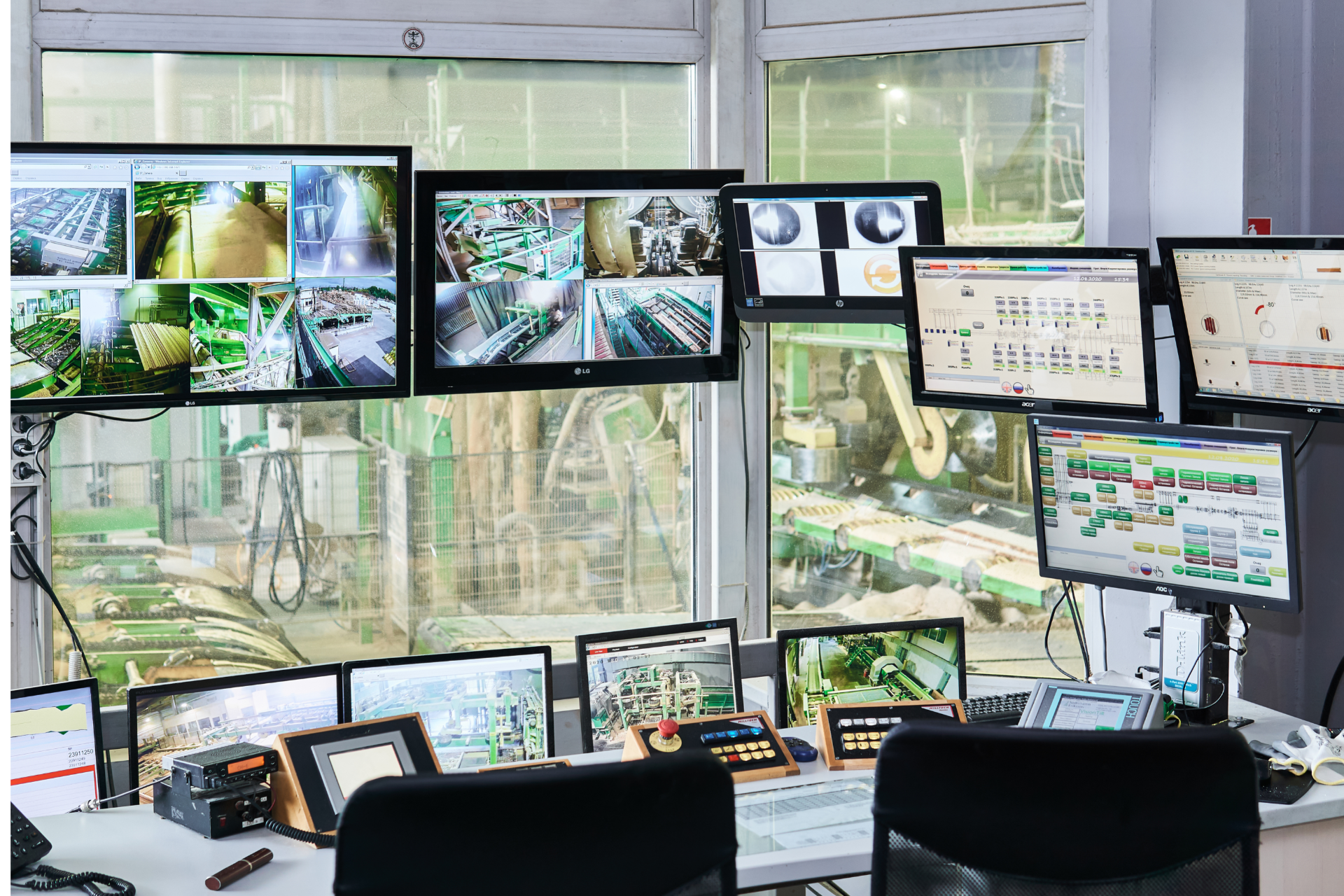
Supervisory Control and Data Acquisition (SCADA) systems have revolutionized how businesses monitor their processes, as they are able to provide real-time data and feedback on the current state of operations. As a result, they have become an invaluable tool that allows companies to stay ahead of potential operational issues and make decisions that are based on the most up-to-date information available. HMI SCADA systems are designed to be easy to use for anyone who needs access to the data and information that is being monitored. Their user-friendly interface allows for quick and seamless navigation, enabling businesses to gain real-time insight into any changes that may occur in the process they are monitoring. Additionally, they provide users with up-to-date information, allowing them to make informed decisions quickly and efficiently. AI writing assistants can also be used for predictive maintenance, which helps to reduce downtime and increase efficiency by predicting when repairs or maintenance may be needed before any issue arises. This allows businesses to respond quickly and proactively, minimizing disruption in operations and improving overall productivity. When selecting the best SCADA software for your business needs, there are certain essential features that must be included. These features include remote access, alarm management, data logging, real-time monitoring and reporting capabilities, as well as other advanced features such as automated process control, analytics and visualization tools. Furthermore, for maximum convenience and accessibility, it is important that the Empowered Automation Software is compatible with Windows operating systems and Web browsers so that users can use the system from any device without having to worry about compatibility issues.
Free and user-friendly automation software is now widely available to individuals and businesses who are looking to leverage the power of SCADA technology without having to invest in overly expensive solutions. This automation software continues to evolve with new features and capabilities, making it an excellent choice for those who are looking for cost-effective ways to utilize powerful automation. This type of Empowered Automation software is capable of providing organizations with a wide range of features and capabilities that are designed to automate complex processes, streamline operations, and ultimately increase productivity. Not only does this type of software offer organizations with a robust set of tools and technologies to help them achieve their goals, but it also provides users with an intuitive user interface that makes the process of utilizing these features easier.
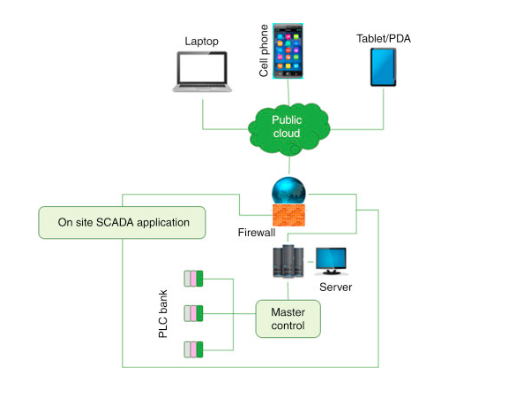
Windows, Linux, .NET HMI, Web HMI, Real-Time and Historical Trending, Alarm Notifications and Logging, Log Data to an open Database.
Best SCADA Software
Empowered Automation Software stands out in the SCADA landscape, offering a comprehensive suite of features essential for modern industrial operations. With robust logging, real-time monitoring, and reporting capabilities, it enables users to maintain optimal control over their processes. The inclusion of advanced functionalities like automated process control, analytics, and visualization tools further enhances its utility.
Compatibility is key; therefore, this software seamlessly integrates with Windows operating systems and web browsers, ensuring accessibility across various devices without compatibility concerns. This flexibility empowers users by allowing them to monitor and manage their systems on the go.
What SCADA Software Does
SCADA software is the software layer of a supervisory control and data acquisition system. It connects to field devices such as programmable logic controllers (PLCs), remote terminal units (RTUs), sensors, and instruments, collects live process data, and presents it to operators through graphical human-machine interfaces (HMIs). For background on the underlying architecture, see our guide on what SCADA is and how it works.
This data-driven representation allows operators to gauge the performance of their systems in real-time, facilitating informed decision-making and timely responses to any anomalies. Additionally, SCADA software plays a pivotal role in historical data management, enabling organizations to perform trend analysis and predictive maintenance.
With features like alarm notifications and logging, users can ensure that critical events are tracked. Learn more in our explainer on what a data historian is and why it matters, minimizing downtime and enhancing operational efficiency. The ability to log data to an open database fosters further flexibility, allowing for deep-dive analyses and integration with other enterprise applications.
How to Choose the Best SCADA Software: 6 Key Criteria
When selecting the best SCADA software, it's essential to consider several key criteria that can significantly impact your operations. Here are six critical factors to guide your decision-making process:
Scalability: Ensure the software can grow with your business needs. Whether you're managing a small facility or a sprawling network of systems, the ability to adapt and scale is paramount.
User Interface: A user-friendly interface enhances operator efficiency and reduces training time. Look for intuitive HMIs that provide clear visualization of data and system status.
Integration Capabilities: The software should seamlessly integrate with existing controllers, sensors, and other enterprise systems. This ensures a cohesive flow of information and maximizes the benefits of your SCADA implementation.
Security: Given the vulnerability of industrial systems to cyber threats, robust security features are crucial. Look for software that offers encryption, user authentication, and regular updates to safeguard sensitive data.
Support and Documentation: Reliable technical support and comprehensive documentation can significantly ease the learning curve and troubleshooting processes. Verify that the vendor provides extensive resources, including training materials and responsive customer service.
Cost-Effectiveness: While budgeting is always a consideration, remember that the cheapest option may not always be the best. Assess the total cost of ownership, including licensing fees, maintenance costs, and potential downtime. A more expensive solution might offer greater efficiency and longevity, ultimately saving money in the long run.
By evaluating SCADA software against these six key criteria—scalability, user interface, integration capabilities, security, support and documentation, and cost-effectiveness—you'll be better equipped to choose a solution that not only meets your immediate needs but also positions your organization for future growth and innovation.
Conclusion: Choosing the Right SCADA Software
When selecting the best SCADA software for your organization, it is essential to take a holistic approach. Prioritize intuitive HMIs that enhance data visualization and system monitoring. This initial user-friendly interface sets the stage for effective decision-making and operational efficiency.
Next, examine integration capabilities. Ensure that the software can seamlessly connect with your existing hardware and enterprise systems, facilitating smooth data flow across various platforms. This compatibility not only streamlines operations but also enhances productivity.
Security cannot be overlooked in today's increasingly digital landscape. A robust SCADA solution must offer comprehensive security features, including encryption, user access controls, and regular updates to safeguard sensitive data against threats. The implications of a data breach can be far-reaching, making it essential to choose software that prioritizes the protection of your assets.
Furthermore, support and documentation are critical components of your selection process. Extensive resources from the vendor—ranging from training materials to responsive customer service—ensure that your team can effectively navigate the system and troubleshoot any challenges that may arise. This support is particularly vital during implementation and operational scaling.
Lastly, consider the scalability of the SCADA software. As your organization evolves, so too will your operational needs. Opt for a solution that not only adapts to current demands but also accommodates future expansions, whether through increased data handling capacity or enhanced functionality. A forward-thinking SCADA system empowers you to innovate without the constraints of outdated technology.
In conclusion, selecting the right SCADA software is a strategic decision that can significantly impact your organization's efficiency and security.
Comparing SCADA Software: An Evaluation Framework
When evaluating different SCADA software solutions, it's essential to establish a clear framework that encompasses key criteria relevant to your organization. Start by assessing the user interface and ease of use; intuitive design can greatly reduce training times and improve operator proficiency. A clean, understandable dashboard can facilitate quicker decision-making processes.
Next, evaluate connectivity options. The best SCADA systems allow seamless integration with various devices and IoT platforms, ensuring real-time data collection and monitoring across your entire operation. Look for software that supports multiple communication protocols, enabling diverse device compatibility and enhancing system reliability.
Performance metrics are also crucial in your assessment.
Open Automation Software (OAS): Empowered Automation's SCADA Platform
Open Automation Software (OAS) stands out as a leading SCADA platform known for its robust capabilities and adaptability. Built with a focus on open architecture, OAS provides users with the flexibility to customize their SCADA environments according to specific operational needs. Its intuitive interface is designed for ease of use, allowing operators to navigate complex data sets effortlessly, thereby minimizing the learning curve associated with new implementations.
In terms of connectivity, OAS excels by supporting an extensive array of communication protocols. This not only ensures seamless integration with existing devices but also enhances the system's ability to interact with IoT platforms.
Frequently Asked Questions About SCADA Software
What is SCADA software? SCADA (Supervisory Control and Data Acquisition) software is a control system used to monitor and manage industrial processes. It collects real-time data from remote locations, allowing for efficient operations management.
Why is user interface important in SCADA systems? A well-designed user interface enhances operator efficiency by making navigation intuitive and minimizing training time. A clean dashboard enables quicker decision-making, leading to improved operational responses.
What are the key features to look for in SCADA software? When selecting SCADA software, essential features include real-time data monitoring, alarms and notifications, historical data analysis, and comprehensive reporting capabilities. Additionally, ensuring that the software supports multiple communication protocols is crucial for device compatibility, enhancing system reliability and responsiveness.
How does Open Automation Software (OAS) handle security concerns? Security is paramount in any SCADA system, and OAS addresses this by incorporating robust cybersecurity measures.
You might also like