Industry 4.0 Benefits
Industry 4.0 benefits
Key Highlights
Here are the key takeaways from our discussion on Industry 4.0:
- Industry 4.0 represents the fourth industrial revolution, driven by digital transformation and interconnected technologies.
- Core components include the Internet of Things (IoT), artificial intelligence, and robotics, which create a "smart factory" environment.
- Businesses benefit from increased productivity, better product quality, enhanced workplace safety, and reduced operational costs.
- This evolution builds upon previous industrial revolutions, but it's distinguished by the fusion of digital and physical technologies.
- Adopting Industry 4.0 involves a strategic approach, from assessing current systems to training your workforce for new challenges.
Introduction
Welcome to the next chapter in industrial progress! We're living in an era of rapid change, where digital technologies are completely reshaping manufacturing processes. This new phase, often called Industry 4.0, is more than just an upgrade; it's a full-fledged industrial revolution. It's about making factories smarter, processes more efficient, and products better than ever. If you're curious about how this transformation can benefit your business and outperform the competition, you've come to the right place.
Understanding Industry 4.0: An Overview
Industry 4.0, also known as the fourth industrial revolution, signifies the current trend of automation and data exchange in manufacturing technologies. It’s the move toward smart manufacturing, where machines communicate and cooperate with each other and with humans in real time.
This digital revolution in the industrial sector is changing how companies operate, driven by a need to boost efficiency and respond to market changes. To better grasp this concept, let's explore what it means in simple terms and how it evolved from past industrial eras.
Defining Industry 4.0 in Simple Terms
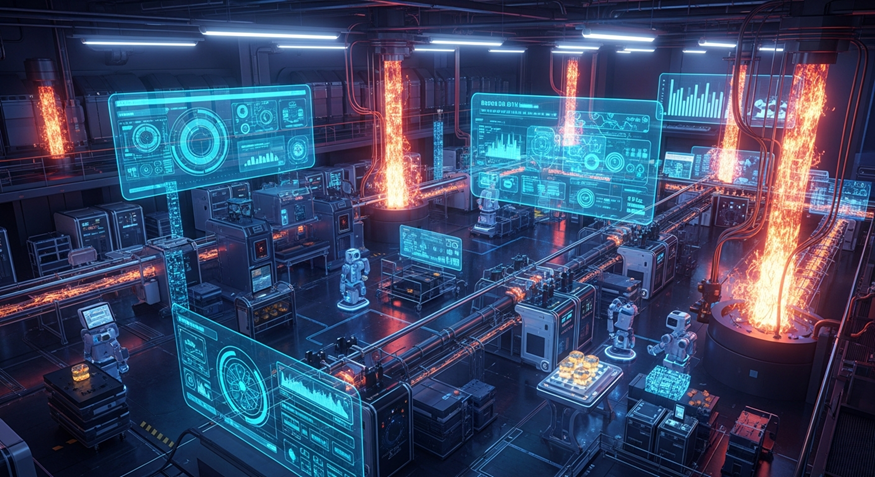
So, what is Industry 4.0 in simple terms? Imagine a factory where machines on the assembly line can predict their own maintenance needs and schedule repairs automatically. This is the core idea behind Industry 4.0. It's the application of technology to digitally transform how industrial companies function.
This is made possible by connecting physical equipment with digital networks, a concept known as the Industrial Internet of Things (IIoT). These connected devices collect vast amounts of data, which can then be analyzed to optimize every aspect of production. Think of it as creating a "smart factory" that is more efficient, flexible, and responsive.
Essentially, Industry 4.0 is about machines communicating with each other to create new products and services. It’s a huge leap forward, allowing businesses to become more agile, improve quality, and enable innovative new business models.
The Evolution of Industrial Revolutions
To appreciate the fourth industrial revolution, it helps to look back at its predecessors. The first industrial revolution began around 1760, marked by the transition from hand production to machines using steam power and water power. This was a game-changer for industries like textile manufacturing.
A century later, the second industrial revolution, or the Technological Revolution, introduced extensive railroad and telegraph networks. These advancements led to the modern production line and the beginning of mass production in factories.
Finally, the third industrial revolution, the Digital Revolution, started in the late 20th century. This era brought us computers, advanced telecommunications, and the start of data analysis, embedding controllers in equipment to automate some processes.

How Industry 4.0 Differs from Previous Eras
While previous revolutions introduced mechanization, electricity, and computing, the fourth industrial revolution is distinct in its fusion of the physical and digital worlds. It's not just about a single new technology but the convergence of multiple advancements. The scale, speed, and scope of this digital transformation are unprecedented.
This new era is characterized by several key differences from the past. The level of connectivity and data generation is on a completely different level, thanks to new technologies like cloud computing and advanced data analytics. Smart machines can now operate and communicate with minimal human intervention.
Here's how Industry 4.0 stands apart:
- Interconnectivity: Machines and systems are connected, sharing information in real time.
- Data-Driven Decisions: Big data analytics drive process optimization and new business models.
- Cyber-Physical Fusion: It merges the digital, physical, and biological worlds.
- Decentralization: Smart machines can make decisions without central control.
Core Technologies Powering Industry 4.0
A range of powerful technologies forms the backbone of Industry 4.0. These innovations work together to create intelligent, interconnected systems that can monitor, analyze, and act on data in real time. From big data and machine learning to the creation of a digital twin, these tools are what make smart factories possible.
Understanding these core components is crucial to appreciating the full potential of this industrial shift. Let's look closer at some of the key technologies driving this transformation, including the Industrial Internet of Things, AI, and advanced robotics.
Industrial Internet of Things (IIoT) Explained
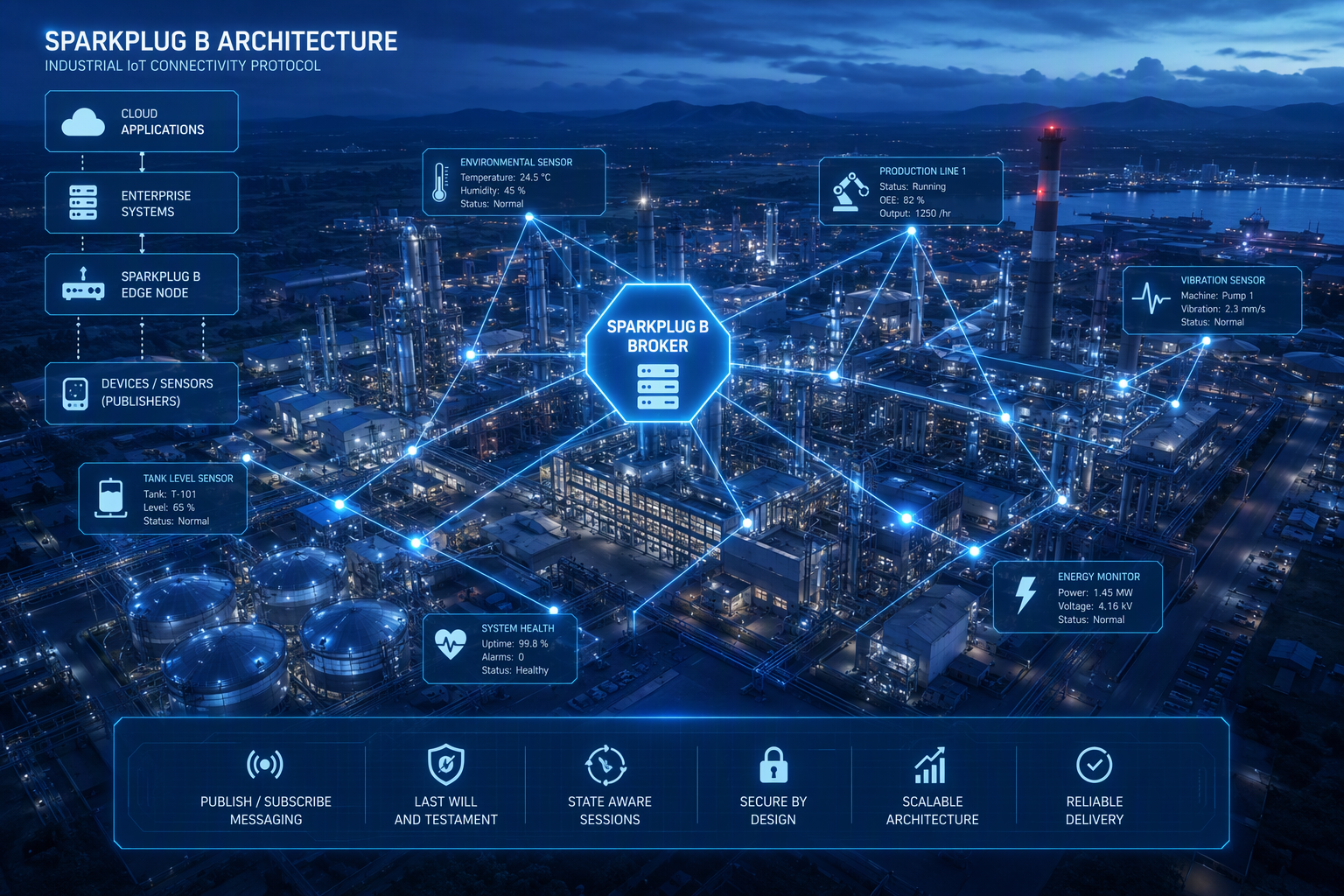
The Industrial Internet of Things (IIoT) represents a significant leap in the fourth industrial revolution. By connecting physical objects like machines and sensors to the internet, IIoT enhances real-time data collection and analysis, fostering smarter manufacturing processes. This interconnectedness enables predictive maintenance, optimizing equipment performance and reducing downtime. Additionally, leveraging big data analytics aids in inventory management and supply chain optimization, ultimately improving product quality and customer satisfaction. With advancements such as cognitive computing and autonomous systems, IIoT is reshaping the landscape of modern industry.
Artificial Intelligence and Machine Learning Applications
Artificial intelligence (AI) and machine learning are the "brains" behind the brawn of Industry 4.0. These new technologies analyze the massive amounts of data collected by IIoT devices to find patterns, make predictions, and automate decision-making. They allow systems to learn from experience and improve over time without human programming.
One of the most powerful applications is predictive maintenance. Instead of repairing equipment after it breaks, AI algorithms can detect early warning signs of failure. This allows you to schedule maintenance proactively, preventing unplanned downtime and making critical service decisions before a problem escalates.
This use of cognitive computing helps build better predictive models for all sorts of industrial processes. From optimizing production schedules to improving product quality, the applications of artificial intelligence are transforming how factories operate, making them smarter and more efficient.
Robotics and Automation Advancements
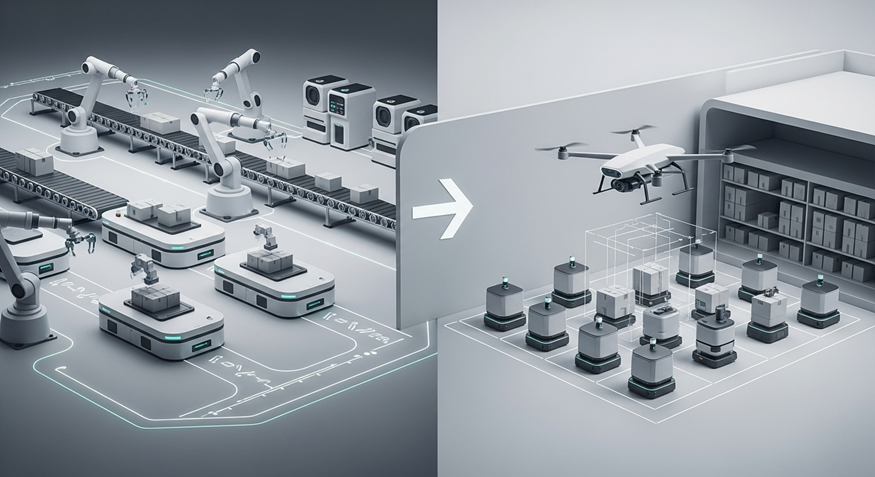
Robotics and automation are not new to manufacturing, but Industry 4.0 has supercharged their capabilities. Today's smart machines are more advanced, flexible, and collaborative than ever before. They are a key component of the modern production line, handling tasks with incredible precision and speed.
Instead of being confined to repetitive, pre-programmed tasks, modern robotics can adapt to changing conditions. These autonomous systems can work alongside humans, taking over dangerous or strenuous jobs and freeing up employees to focus on more complex, value-added activities.
The advancements in automation go beyond the factory floor. Autonomous vehicles are transforming logistics within and outside the plant, while sophisticated robots are used for everything from welding to quality inspection, driving efficiency and consistency across the board.
Big Data and Advanced Analytics
Data is the fuel that powers Industry 4.0. The sheer volume of information generated by connected devices is known as big data. However, data on its own is not useful. The real value comes from advanced data analytics, which turns raw numbers into actionable insights.
Using powerful algorithms and cloud computing resources, companies can process this data in real time. This enables them to monitor operations, spot inefficiencies, and identify opportunities for improvement that would otherwise go unnoticed. Data analytics is the key to unlocking hidden value in your production processes.
From optimizing supply chains to predicting customer demand, the role of data is central. It allows for a shift from reactive problem-solving to proactive optimization, giving businesses a significant competitive edge in a rapidly changing market.
Cyber-Physical Systems and Digital Twins
Cyber-physical systems are at the heart of Industry 4.0, representing the tight integration between computational and physical processes. These systems use sensors to monitor the physical world and create a virtual copy, allowing for control and optimization through a digital interface.
One of the most exciting outcomes of this is the digital twin. A digital twin is a virtual model of a physical object or system. This virtual replica is fed real-time data from its physical counterpart, allowing you to simulate, test, and optimize processes without affecting the real-world operation. You can predict how a machine will perform under different conditions or test a new production layout virtually.
Technologies like augmented reality and virtual reality further enhance this interaction, allowing workers to visualize data and interact with digital twins in an immersive way.
| Technology | Description |
|---|---|
| Cyber-Physical Systems | Integrates computation with physical processes for monitoring and control. |
| Digital Twin | A virtual replica of a physical asset, updated with real-time data. |
| Augmented Reality | Overlays digital information onto the real world to aid workers. |
| Virtual Reality | Creates fully immersive digital environments for simulation and training. |
Key Benefits of Industry 4.0 for Businesses
Adopting Industry 4.0 principles isn't just about embracing new technology; it's about unlocking tangible business benefits. From the factory floor to the supply chain, smart manufacturing initiatives can drive significant improvements in productivity, efficiency, and overall performance.
By connecting machines and people, you can optimize operations and achieve new levels of excellence. Let's explore some of the key advantages, including boosting productivity, enhancing product quality, improving safety, and reducing costs. These benefits can help you differentiate your offerings and outperform your competition.
Boosting Productivity and Efficiency
One of the most significant benefits of Industry 4.0 is the dramatic boost in productivity and efficiency. By automating and streamlining the production process, digital technologies help reduce manual labor and minimize human error. Processes that once took hours can now be completed in minutes with greater precision.
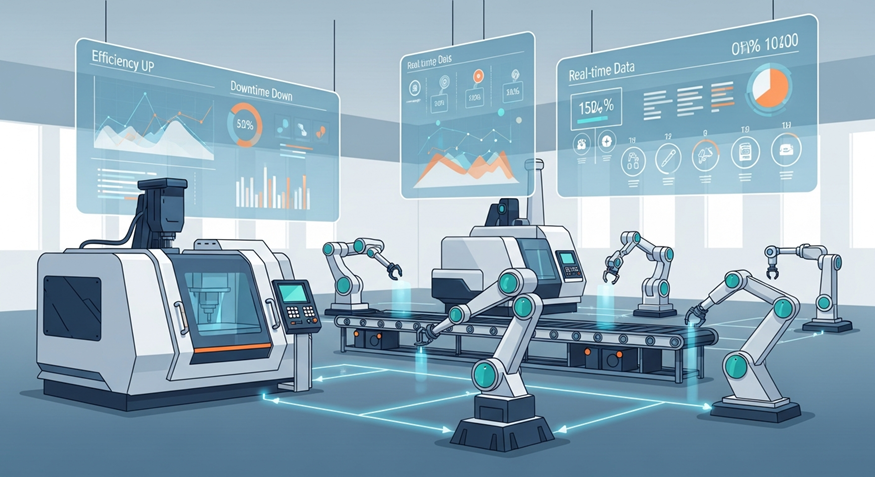
Real-time data on equipment performance allows you to optimize resource allocation and production schedules. You can identify bottlenecks instantly and make adjustments on the fly, ensuring that your factory is always running at peak capacity. This leads to better inventory management and shorter lead times.
Furthermore, predictive maintenance helps minimize downtime by addressing potential issues before they cause a shutdown. By maximizing output with minimal waste and interruption, Industry 4.0 helps you get more from your existing assets and workforce.
Enhancing Product Quality and Consistency
Achieving consistent, high product quality is a top priority for any manufacturer. Industry 4.0 provides powerful tools to make this goal a reality. Automation minimizes the variability that comes with manual processes, leading to more consistent and better quality products.
Using data analytics, you can monitor every stage of production in real time. IoT sensors can detect tiny deviations from quality standards, allowing for immediate corrections and reducing the number of defects. This proactive approach ensures that issues are caught early, long before they impact the final product.
The digital transformation of your quality control processes can lead to:
- Fewer Defects: Real-time monitoring catches errors as they happen.
- Improved Consistency: Automation ensures every product is made to the same high standard.
- Data-Driven Improvements: Analytics identify the root causes of quality issues.
- Predictive Quality Control: Predictive maintenance of equipment ensures machines operate within quality specifications.
Improving Workplace Safety and Collaboration
Workplace safety is another area where Industry 4.0 delivers substantial improvements. By using smart machines and collaborative robots to handle dangerous or repetitive tasks, you can reduce human exposure to hazardous environments. This not only prevents accidents but also improves employee well-being.
Technologies like preventive maintenance and remote monitoring help ensure that equipment is always in safe working order. Augmented reality can be used for training, providing workers with clear, step-by-step instructions for complex tasks, reducing the risk of mistakes. Data analytics can even identify potential safety risks in your business processes before an incident occurs.
Beyond safety, digital platforms foster seamless communication and collaboration across departments and even entire supply chains. Real-time data sharing optimizes coordination, making your entire operation more agile and efficient.
Reducing Operational Costs and Waste
A major driver for adopting Industry 4.0 is the potential for significant operational cost reductions. These savings come from multiple areas, including labor, materials, and energy. Automation and optimized processes mean you can produce more with fewer resources, leading to substantial waste reduction.
Predictive maintenance lowers costs by preventing expensive, unplanned downtime and extending the life of your equipment. Improved supply chain management, enabled by real-time tracking and data sharing, reduces inventory holding costs and minimizes logistical delays. This efficiency also extends to field service, where technicians can diagnose and fix issues remotely.
By streamlining operations and cutting waste, Industry 4.0 not only boosts your bottom line but also supports more sustainable business practices. These efficiencies can even power new business models, like offering products as a service.
Beginner’s Guide to Getting Started with Industry 4.0
Ready to begin your digital transformation journey? Getting started with Industry 4.0 can seem daunting, but it's an achievable goal with a clear strategy. The key is to start with a business need and then apply the right technology, rather than the other way around. This approach ensures your investments deliver real value.
From product development to the supply chain, every part of your business can benefit. In the following sections, we’ll outline the essential equipment and resources you'll need, the skills to develop in your workforce, and how to build a successful strategy.
Essential Equipment and Resources Needed
Embarking on your Industry 4.0 journey requires a mix of hardware, software, and connectivity. The specific equipment will depend on your goals, but some foundational elements are common across most implementations. You'll need to bridge the gap between your existing operational technology and new digital systems.
The journey often begins with instrumentation. This involves deploying IoT sensors and other devices to collect data on equipment performance and processes. This data needs a place to go, which is where networking infrastructure and cloud computing platforms come in, providing the storage and processing power needed for analysis.
Here are some essential resources to consider:
- IoT Sensors: To collect data from your physical assets.
- Connectivity: Robust networks to transmit data from the shop floor.
- Cloud Computing Platform: For data storage, analysis, and hosting applications.
- Analytics Software: To turn raw data into actionable insights.
- Cybersecurity Measures: To protect your newly connected systems.
Skills and Training for the Workforce
Technology is only half the equation; your people are your most valuable asset. The transition to smart manufacturing requires a workforce equipped with the right skills and a willingness to adapt. As digital technologies become more integrated, the demand for new competencies will grow.
Employees will need a blend of traditional manufacturing knowledge and new digital skills. Familiarity with data analysis, information technology, and robotics will become increasingly important. Problem-solving, critical thinking, and the ability to work alongside automated systems are also crucial skills for the factory of the future.
Investing in training and upskilling programs is essential for a successful transition. By empowering your employees with the knowledge they need to thrive in a smart manufacturing environment, you foster a culture of innovation and ensure your digital transformation is sustainable.
Building a Digital Transformation Strategy
A successful Industry 4.0 implementation starts with a solid strategy. Your digital transformation plan should be a roadmap that aligns technology investments with clear business objectives. Instead of chasing trends, focus on solving specific problems and creating tangible value.
Start by assessing your current capabilities and identifying your biggest pain points. Are you struggling with downtime, quality control, or supply chain visibility? Use these challenges as the starting point for your strategy. Your plan should also consider how new business models might emerge from your digital capabilities.
It's also crucial to integrate your new systems with existing ones, like your enterprise resource planning (ERP) software. A holistic strategy considers technology, processes, and people, ensuring your organization is prepared to adapt to market changes and seize new opportunities.
Step-by-Step Guide to Implementing Industry 4.0
Now that you have a strategy, it's time for implementation. Adopting smart manufacturing is a journey, not a destination. A phased, step-by-step approach can help manage the complexity and ensure a smoother transition. Breaking down the process into manageable stages makes it easier to show early wins and build momentum.
This guide will walk you through the key steps, from initial assessment to ongoing optimization. By following these steps, you can navigate the challenges of adopting digital technologies and transform your business processes for the future.
Step 1: Assess Current Capabilities and Identify Gaps
The first step in any transformation is understanding where you are today. Conduct a thorough assessment of your current operations, from your business processes to your existing technology infrastructure. This initial evaluation will serve as the baseline for your entire project.
Look at your equipment performance, data collection methods, and workforce skills. Do you have the ability to gather data? Are your systems connected? Identifying these gaps is crucial for creating a realistic roadmap. This is also a good time to benchmark your performance against industry standards.
This assessment will help you prioritize your efforts. By understanding your strengths and weaknesses, you can focus your initial projects on areas that will deliver the greatest impact, addressing key challenges like high costs or inefficiencies in data analytics.
Step 2: Choose the Right Technologies for Your Goals
With a clear understanding of your goals and gaps, you can start selecting the right new technologies. The key here is to choose tools that directly address your business needs, not just what’s trendy. If your primary goal is to reduce downtime, predictive maintenance solutions would be a priority.
Consider how different technologies can work together to solve your problems. You might start with IoT sensors to collect data, then add analytics software to interpret it, and eventually create a digital twin to simulate improvements. It's about building a cohesive ecosystem, not just a collection of gadgets.
When selecting technologies, think about:
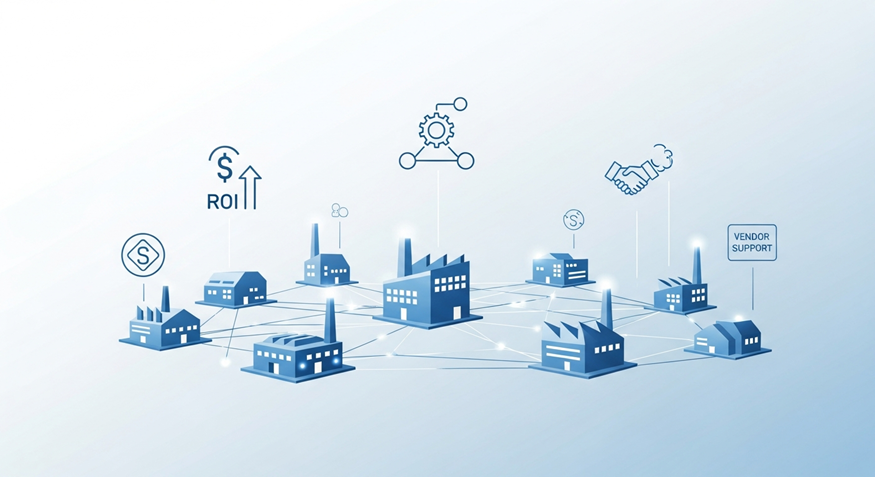
- Scalability: Can the solution grow with your business?
- Integration: How easily does it connect with your existing systems?
- Return on Investment: What is the expected business value?
- Vendor Support: Is the provider a reliable partner for the long term?
Step 3: Integrate Systems and Ensure Data Connectivity
Once you've chosen your technologies, the next critical step is integration. For Industry 4.0 to work, data must flow seamlessly between your operational technology (OT) on the factory floor and your information technology (IT) systems in the office. Breaking down these data silos is essential.
This involves connecting your new sensors and smart machines to your network and ensuring that data can be transmitted in real time. This often requires robust networking infrastructure and leveraging cloud computing for flexible data processing and storage. Your goal is to create a single source of truth for your operational data.
Integrating with existing systems, such as your enterprise resource planning (ERP) software, is also vital. This ensures that insights from the factory floor can inform business-level decisions, and vice versa. A successful integration creates a connected enterprise where information flows freely.
Step 4: Train Employees and Foster a Culture of Innovation
Your digital transformation is as much about people as it is about technology. As you introduce new systems, you must invest in training to ensure your employees have the skills to use them effectively. This goes beyond simple operational training; it's about helping your team understand the 'why' behind the changes.
Encourage a culture of innovation where employees feel empowered to experiment and find new ways to use the technology. When your team sees how these tools can make their jobs easier and more impactful, they are more likely to embrace the change. This cultural shift is fundamental to long-term success.
Ultimately, a well-trained and engaged workforce will be your greatest asset in identifying new opportunities. They can help you refine processes, develop new business models, and find innovative ways to improve customer satisfaction, making your digital transformation a continuous journey of improvement.
Step 5: Monitor Progress and Optimize Performance
Implementation doesn't end when the new systems are turned on. The final step is a continuous cycle of monitoring, analyzing, and optimizing. Use the data collection capabilities you've built to track key performance indicators (KPIs) and measure the impact of your changes.
Leverage your big data analytics to go beyond simple monitoring. Look for trends, identify new areas for improvement, and continue to refine your processes. Is your predictive maintenance program reducing downtime as expected? Is equipment performance improving? The data will provide the answers.
This ongoing optimization allows your business to remain agile and responsive to market changes. By continually learning from your data, you can ensure that your Industry 4.0 initiatives deliver sustained value and a lasting competitive advantage.
| Monitoring Area | Key Metrics to Track | Optimization Goal |
|---|---|---|
| Equipment Performance | OEE, Downtime, Throughput | Maximize asset utilization |
| Product Quality | Defect Rate, First Pass Yield | Reduce waste and rework |
| Supply Chain | On-Time Delivery, Inventory Levels | Improve efficiency and agility |
| Energy Consumption | kWh per unit produced | Lower operational costs |
Conclusion
In conclusion, Industry 4.0 represents a transformative shift that leverages cutting-edge technologies to enhance productivity, efficiency, and safety within various sectors. By adopting principles of automation, data analytics, and interconnectivity, businesses can not only optimize their operations but also achieve a competitive edge in the modern market. As we embrace this new era, it’s crucial to invest in the right tools and training to ensure your workforce is equipped for the future. Remember, the journey to successful implementation begins with understanding your current capabilities and planning accordingly. If you're ready to take the next step towards digital transformation, don’t hesitate to reach out for a free trial or consultation to explore how Industry 4.0 can elevate your business.
Frequently Asked Questions
Which industries are most impacted by Industry 4.0 in the United States?
In the United States, Industry 4.0 is transforming a wide range of sectors. The manufacturing industry, including automotive and aerospace, is at the forefront. Additionally, logistics and supply chain management are heavily impacted as companies build smart factory networks and optimize every step of the production process, much like the early days of textile manufacturing.
What challenges do companies face during Industry 4.0 adoption?
Companies often face several challenges during their digital transformation. These include the high initial investment cost, integrating new systems with legacy operational technology, a shortage of skilled talent, and ensuring cybersecurity. Adapting business models to rapid market changes and effectively using data analytics are also significant hurdles.
What role does data play in Industry 4.0 systems?
Data is the lifeblood of Industry 4.0. The continuous data collection from machines allows for real-time monitoring and analysis. This big data is used for everything from predictive maintenance to optimizing production schedules, turning raw information into actionable insights that drive efficiency and smarter decision-making across all information technology systems.
Are there any real-world examples of Industry 4.0 in action?
Yes, many companies are already using Industry 4.0 technologies. Examples include a smart factory using a digital twin to optimize production, a company using augmented reality for field service, and improved supply chain management through real-time tracking. The World Economic Forum recognizes many of these as "Lighthouse" factories.
You might also like