Alarm KPIs: Metrics That Show Whether Your Alarm System Is Healthy

Key Highlights
- Alarm KPI tracking shows if your alarm system is helping operators or creating noise.
- The key performance indicators to watch include alarm rate, alarm flood events, chattering, standing and stale alarms, and operator response.
- Benchmark targets help you compare alarm system performance against manageable rates and manageability limits.
- Actual alarm data gives a clear breakdown of alarm performance and the number of alarms by shift, area, and priority.
- Simple reporting routines turn performance data into appropriate action and better alarm system health.
- Practical checklists support ongoing assessment of alarm performance in a meaningful way.
Introduction
If you want to know whether your alarm system is healthy, you need more than a list of alarms. You need an alarm KPI view that shows what operators face every day. The right measures reveal overload, nuisance alarm behavior, slow response, and weak follow-through. That matters because alarm system health affects safety, continuity of production, and operational efficiency. In high hazard industries, an effective alarm system is a crucial protective layer, not just a screen full of messages.
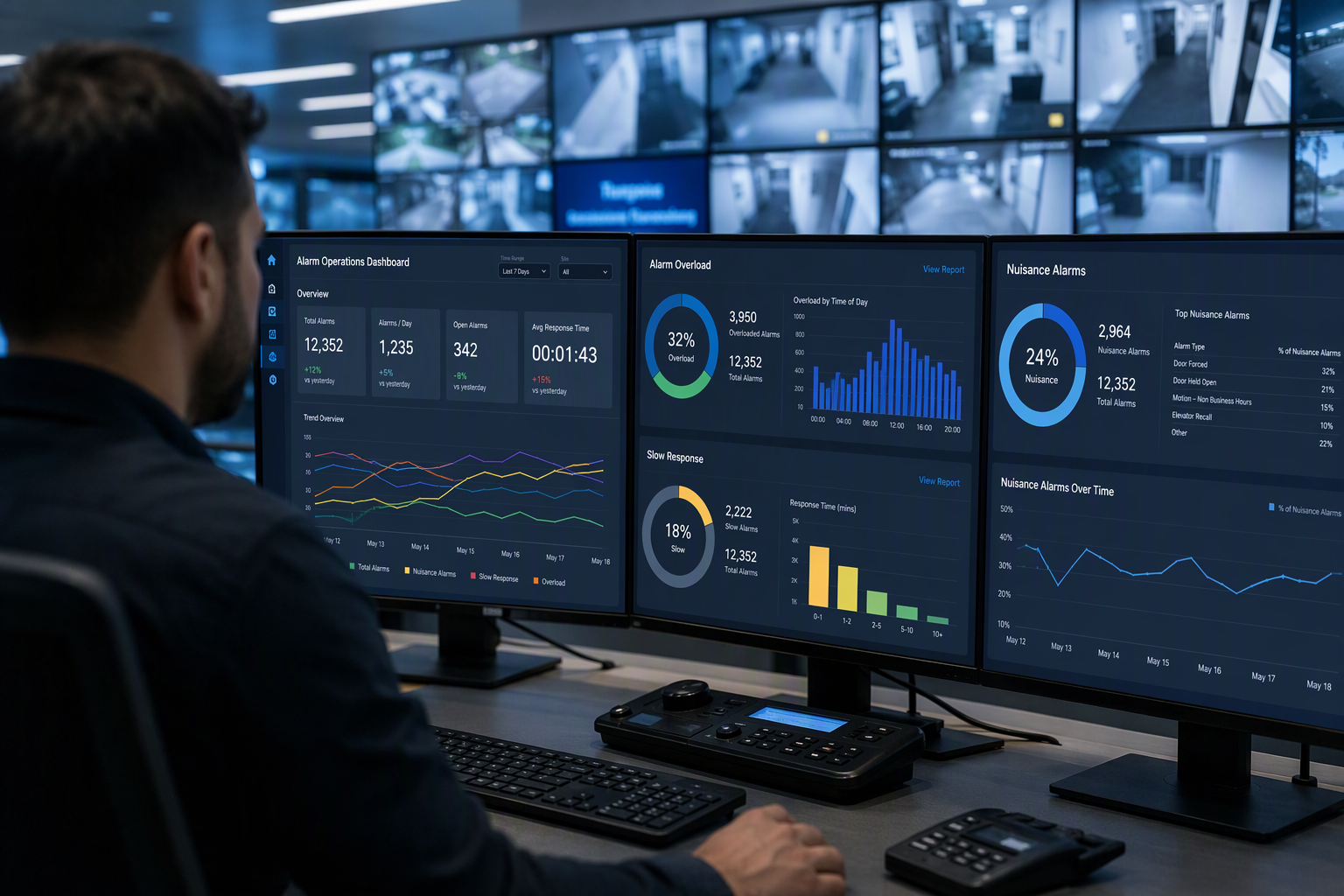
Understanding Alarm KPIs and Their Importance in Industrial Environments
An alarm KPI is one of the key performance indicators used to measure whether alarms are useful, timely, and manageable. In industrial environments, the industrial alarm system's purpose is simple: alert the operator to a condition that requires action within a defined time period.
That is why alarm management standards focus on actual alarm data, not opinions. You measure alarm system effectiveness with counts, durations, rates, and response patterns. When you track those numbers on an ongoing basis, you can spot weak points early and improve management of the alarm system before alarm fatigue grows.
Why Alarm System Health Matters for Plant Operations
A healthy alarm system supports the operator during normal running, start-up, shutdown, and upset conditions. An unhealthy one does the opposite. It adds noise, hides important requirement signals, and increases the number of challenges during already stressful situations. That weakens alarm system effectiveness right when prompt intervention matters most.
From an operations view, alarm system health affects product quality, equipment downtime, and continuity of production. If most common alarms repeat without action, operators stop trusting them. Once that happens, the alarm system impact spreads beyond the control room and into maintenance, safety, and output.
So what should you benchmark? Start with alarm rate, flood frequency, standing alarms, stale alarms, chattering alarms, and operator response behavior. This ongoing assessment of alarm performance gives a practical picture of operational efficiency and shows whether your alarm system is improving in a meaningful way.
Core Principles Behind Effective Alarm KPIs
Good alarm KPI design starts with a clear rule: every alarm should require operator action. If no action is needed, it should not be treated as an operational alarm. That principle keeps key performance indicators tied to the real purpose of the system instead of turning reports into clutter.
Just as important, the KPI set must reflect alarm system performance level across the full lifecycle. That includes operation, maintenance, monitoring, audit, and management of change. Alarm analytics then turns event history into patterns you can act on, rather than leaving teams to rely on manual data manipulation.
Focus your KPI framework on:
- measures linked to operator workload and response
- nuisance alarm indicators that show repeat problems
- trends by area, shift, and priority
- exceptions that trigger review and appropriate action
Essential Metrics for Assessing Alarm System Performance
The strongest way to assess alarm system performance is to track a small set of metrics consistently. Alarm management standards point to practical measures such as average alarm rate, peak rate during upset conditions, flood events, chattering alarms, standing alarms, stale alarms, and acknowledgment timing.
Each alarm KPI should be measured on an ongoing basis and reviewed by operator position, unit, and shift. That gives you a usable picture of alarm behavior, not just a total count. The next sections break down the metrics that matter most and how to use them.
Defining the Most Important Alarm KPIs
The most important alarm KPI set answers two questions. First, can the operator keep up? Second, are the alarms worth acting on? If you cannot answer those clearly, the system may be feeding alarm fatigue instead of helping operations.
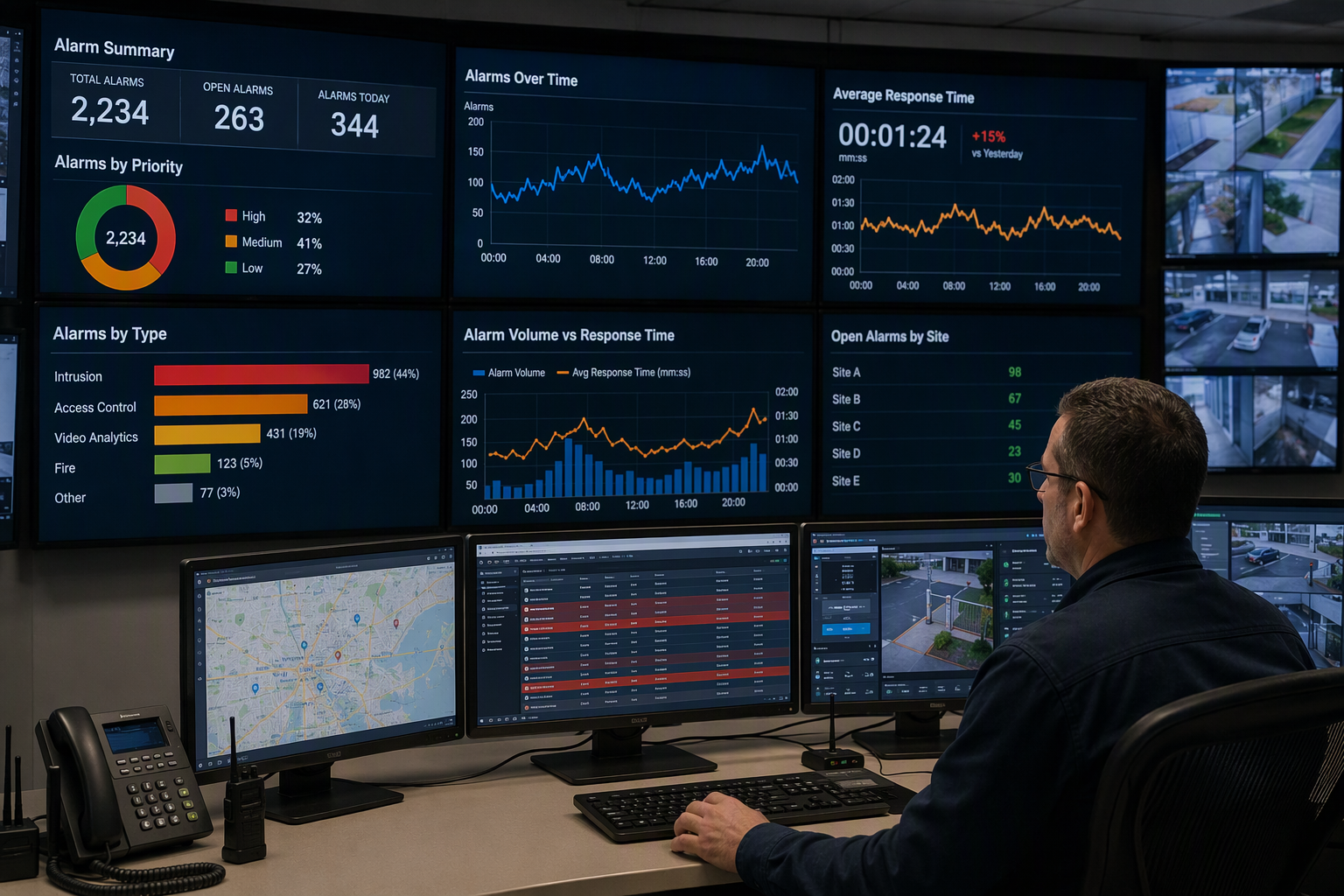
A practical KPI group covers both volume and quality. It should show how many alarms occur, how often overload happens, which alarms repeat, and whether operators respond within the available time. That gives a fuller view than alarm rate alone.
Track these measures regularly:
- average alarm rate per operator position
- peak alarm rate and each alarm flood period
- chattering alarms and other nuisance alarm counts
- standing alarms and stale alarms by duration
- operator acknowledgment and response timing
How KPIs Improve Alarm Management and Operator Response
KPIs improve alarm management because they replace guesswork with evidence. Instead of saying the alarm system feels noisy, you can show that one area exceeds manageable alarm levels, or that a few bad actors create a large share of alarm performance problems.
That matters for operator response. When alarm rate is reduced, priorities are clearer, and nuisance alarms are controlled, operators can recognize the real issue faster. Better alarm performance also supports proactive incident prevention because teams can fix recurring causes before the next upset.
Use KPI results to:
- remove or rework alarms that require no action
- tune deadbands, delays, and logic for noisy signals
- review priority distribution and response procedures
- trigger management of change after process or logic updates
Key Alarm System KPIs Explored
Now it helps to look at each alarm KPI in practical terms. The goal is not just to collect counts. It is to understand alarm trends, compare them with benchmarks, and decide what action will lift alarm system performance.
The same KPI can look different in a single-operator room and a multi-operator control room. That is why metrics should be normalized per operator position. With that in mind, here are the core measures plant teams should explore in detail.
Alarm Rate: Measurement, Benchmarks, and Reduction Tips
Alarm rate is the average number of alarms presented to one operator position over a defined time period. It is the starting point for benchmarking because it shows whether the number of alarms sits within manageable rates during steady operation and during upsets.
Industry guidance treats less than one alarm per ten minutes per operator position as manageable in steady state. More than ten alarms per ten minutes is beyond normal manageability limits and points to overload. Peak rate should also be tracked because average values can hide short, intense bursts.
To reduce alarm rate, focus on:
- the top ten most common alarms
- poorly chosen trip points
- missing deadband or time delay
- alarms that are only consequences of another event
- states where suppression rules should apply
Alarm Floods: Identifying, Measuring, and Managing Surges
An alarm flood occurs when alarms arrive faster than the operator can assess and handle them. A common threshold is more than ten alarms in ten minutes per operator position. In practice, that means the alarm stream has moved far above normal levels and beyond manageable alarm levels.
Measure floods by counting each event, its duration, peak intensity, and source area. Your report should show when floods happen, which initiating events start them, and whether the same units drive repeat overload. That turns an alarm KPI report into a root-cause tool rather than a scorecard.
When managing surges, review:
- first-out logic and grouping
- suppression during different operational phases
- excessive high-priority alarms
- recurring initiating events after changes or maintenance
Chattering Alarms: Detection and Control Strategies
Chattering alarms are a classic nuisance alarm problem. They activate and clear repeatedly, often because of signal noise, poor deadband settings, or missing delay. Alarm management standards commonly treat repeated toggling, such as more than three times a minute, as a warning sign.
These alarms damage alarm system effectiveness because they consume attention without adding value. They also distort alarm KPI results by inflating counts and masking more important events. If you want a reliable analysis of the alarm system health, chattering alarms must be isolated and fixed.
Common control strategies include:
- adding or adjusting deadband
- applying a short time delay
- checking signal quality and instrumentation
- removing alarms that do not need operator action
Standing and Stale Alarms: Impact on System Health
Standing alarms stay active for long periods. Stale alarms are typically active for more than 24 hours without effective action. Both are strong indicators of poor alarm system health because they show that alarms are not being resolved, reviewed, or designed well enough to support operations.
Their alarm system impact is serious. Operators may stop noticing them, shift handover becomes weaker, and the control room starts accepting abnormal conditions as normal. Measure them by duration, count, priority, area, and repeat occurrence after return to service.
Key actions include:
- investigate whether repair, reclassification, or deletion is needed
- review operator response and escalation rules
- trigger management of change when process or logic changes affect alarm behavior
Operator Response and Acknowledgement Metrics
Volume metrics tell only part of the story. You also need to know how people respond. Operator response and acknowledgment metrics show whether alarms are seen quickly, acted on in time, and distributed fairly across positions in a multi-operator room.
These measures should be reviewed by priority, area, and shift. In multi-operator control rooms, they help uncover uneven loading and alarm priority distribution problems. A unit may look acceptable in total but still create a high number of challenges for one console
| Metric | What to review |
|---|---|
| Time to acknowledge | How long it takes for the operator to recognize the alarm |
| Time to response | How long it takes for the required action to begin |
| Unacknowledged alarms | Alarms left without acknowledgment during a shift or event |
| Response by priority | Whether urgent alarms receive prompt intervention first |
| Position-level loading | Whether one operator position carries more alarms than others |
Reporting, Tracking, and Benchmarking Alarm KPIs
Strong alarm performance management depends on routine reporting. If you only review data after an incident, you miss the greatest opportunity for proactive approach improvements. A useful alarm KPI report should be concise, regular, and tied to action owners.
In practice, teams pull performance data from the DCS, SCADA, historian, or an alarmkpi tool, then review trends by operator position, area, and operating mode. The goal is simple: turn raw counts into decisions that improve alarm system performance level over time.
Industry-Standard KPI Benchmarks and Targets
Benchmarks are not perfect targets for every process, but they are useful performance criteria. They help you compare current behavior with accepted ranges and identify where your alarm system needs attention first. The most practical benchmark source in industry focuses on operator loading and nuisance alarms.
Use these values as reference points, then compare them with your own process context, different operational phases, and staffing model. Single and multi-operator rooms should always be assessed per operator position.
| Alarm KPI | Common benchmark or target |
|---|---|
| Average alarm rate | Less than 1 alarm per 10 minutes per operator position |
| Peak alarm rate | Around 10 alarms per 10 minutes before overload begins |
| Alarm flood threshold | More than 10 alarms per 10 minutes per position |
| Standing alarms | About 20 or fewer active for extended periods |
| Chattering alarms | About 5% or less of alarm activity |
| Stale alarms | Target: 0, every case investigated |
Practical Examples of Alarm KPI Reporting in Action
A good report does not overwhelm people. It presents alarm KPI results in concise form, highlights exceptions, and links each issue to a named action. That can be done in a dashboard tool or a simple monthly pack, as long as the data is shown in a clear manner.
For example, one unit may average 0.8 alarms per ten minutes, which looks acceptable. But if the same report shows three daily flood periods, ten stale alarms, and one chattering signal driving repeat counts, the site has a focused improvement list.
A practical report should include:
- average and peak rates by operator position
- top bad actors and most common alarms
- flood events by date, duration, and source area
- standing, stale, and shelved alarm counts
- action status from the previous review cycle
Routine Checklist for Monitoring and Improving Alarm KPIs
The simplest way to measure alarm system effectiveness with KPIs is to review the same core metrics on an ongoing basis and connect them to corrective work. Best practice is not a one-time clean-up. It is disciplined follow-through backed by actionable alarm KPI reports.
Set a routine. Review daily exceptions, weekly bad actors, and monthly benchmark trends. Then tie each finding to engineering, operations, maintenance, or management of change. That keeps the process alive and limits drift after improvements are made.
Use this checklist:
- verify average and peak alarm rates by operator position
- review every alarm flood and identify the initiating cause
- list top chattering, standing, and stale alarms
- check acknowledgment and response behavior by priority
- confirm actions closed, overdue, or needing escalation
Conclusion
In summary, maintaining the health of your alarm system through effective KPI management is paramount for optimizing plant operations. By understanding and tracking essential metrics such as alarm rate, floods, and response times, you can ensure a more efficient and safer working environment. Remember, regular reporting and practical checklists can help you stay on top of these KPIs, allowing for continuous improvement in alarm management. For those looking to elevate their alarm systems further, consider reaching out for a free consultation. This will provide personalized insights tailored to your facility's specific needs, ensuring you harness the full potential of your alarm system.
For any operational plant, the payoff from KPI work shows up in the operating alarm system itself. When the team holds alarm rates at manageable levels of alarms, operators can respond properly, which protects the health of workers on shift and supports environmental stewardship by cutting the chance of reportable environmental events. Treat KPI reporting as a crucial investment, not an administrative chore. At the design stage of the development of new alarm systems, agree on the alarm performance level you expect, and give system users an accessible means to view incidents and the breakdown of the alarm system performance behind them. Even a simple sensor icon on a display can help an operator trace a repeat alarm back to its source. Judge the health of a system by whether these reviews keep happening month after month, not by a single good week.
Frequently Asked Questions
What are the recommended benchmarks for alarm system KPIs?
Useful alarm KPI benchmarks include less than one alarm per ten minutes per operator position in steady state, overload above ten alarms per ten minutes, low chattering levels, about 20 or fewer standing alarms, and zero stale alarms as the goal. Use these alarm system benchmarks alongside your process context and manageable rates.
How do I generate actionable alarm KPI reports for my facility?
Start with performance data from your control system or dashboard tool. Report average and peak alarm rates, floods, nuisance alarms, standing and stale alarms, and response behavior. Keep the output concise, assign an owner to each issue, and track whether appropriate action was completed by the next review.
Which alarm KPIs should be prioritized in multi-operator control rooms?
In a multi-operator control room, prioritize alarm KPI measures per operator position rather than site totals. Focus on alarm rate, flood frequency, operator response timing, unacknowledged alarms, and alarm priority distribution. That shows whether workload is balanced or if one console carries too much of the alarm burden.
You might also like