Alarm System Maintenance: Keeping Alarms Accurate Over Time
What is a home security system?
A home security system is a network of devices designed to protect your home from intrusions, theft, and emergencies. It typically includes alarm systems, surveillance cameras, motion detectors, and monitoring services. Proper alarm system maintenance ensures these components function effectively, providing peace of mind for homeowners over time.
https://www.truehomeprotection.com/residential/home-security-systems/
https://www.truehomeprotection.com/business/security-systems/
https://www.truehomeprotection.com/
https://www.truehomeprotection.com/security-system-installations/
https://www.truehomeprotection.com/contact-us/
https://www.truehomeprotection.com/business/access-control/
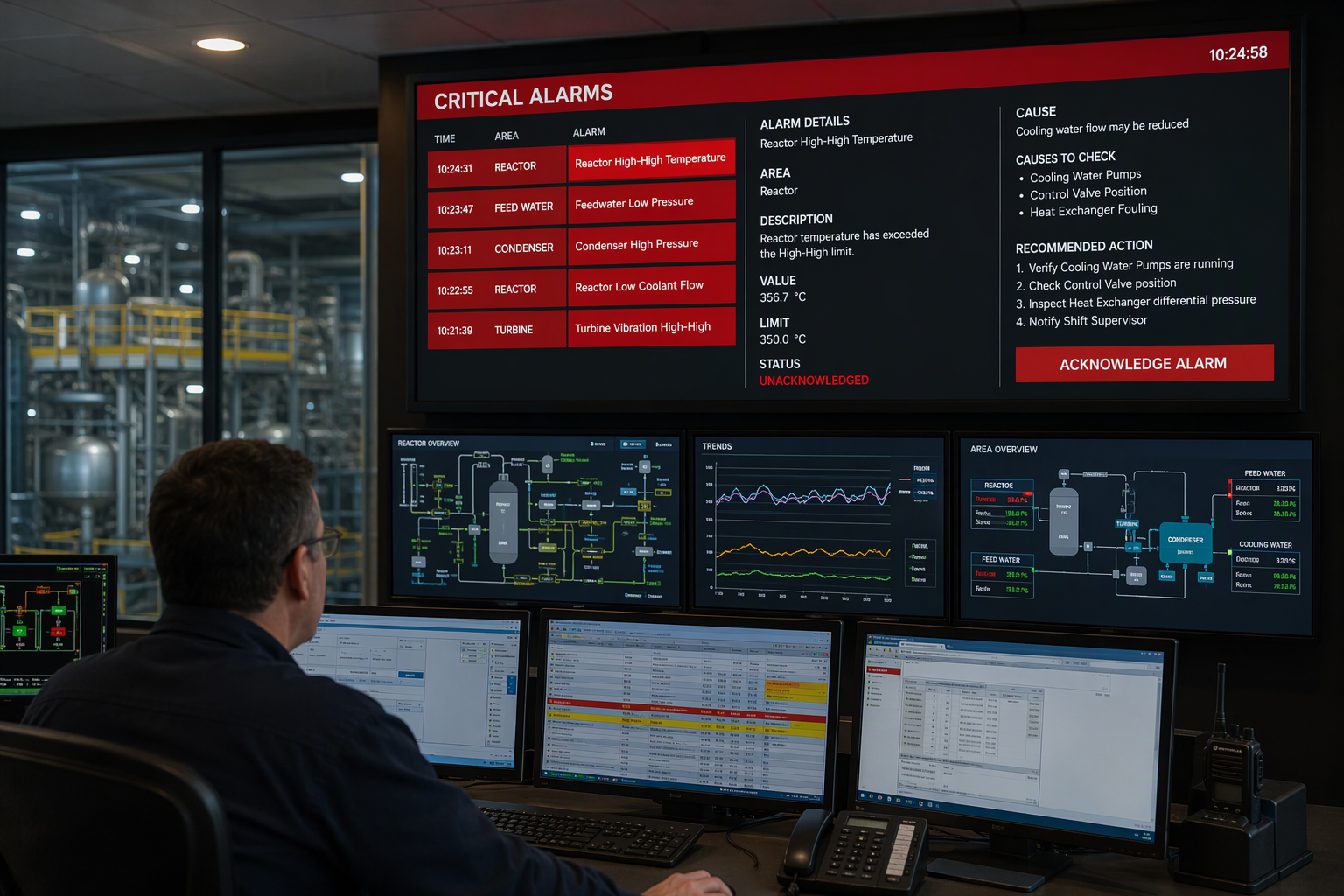
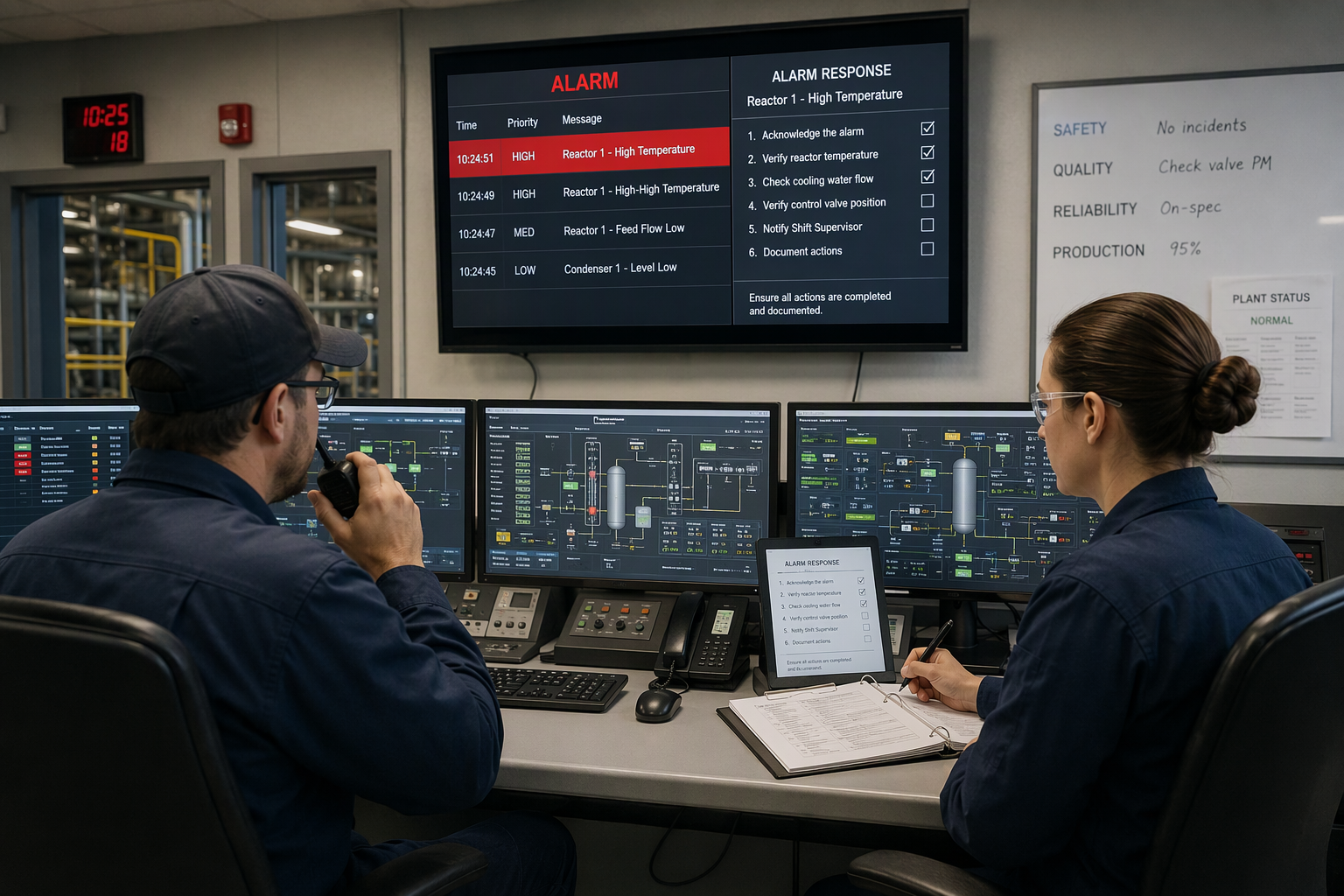
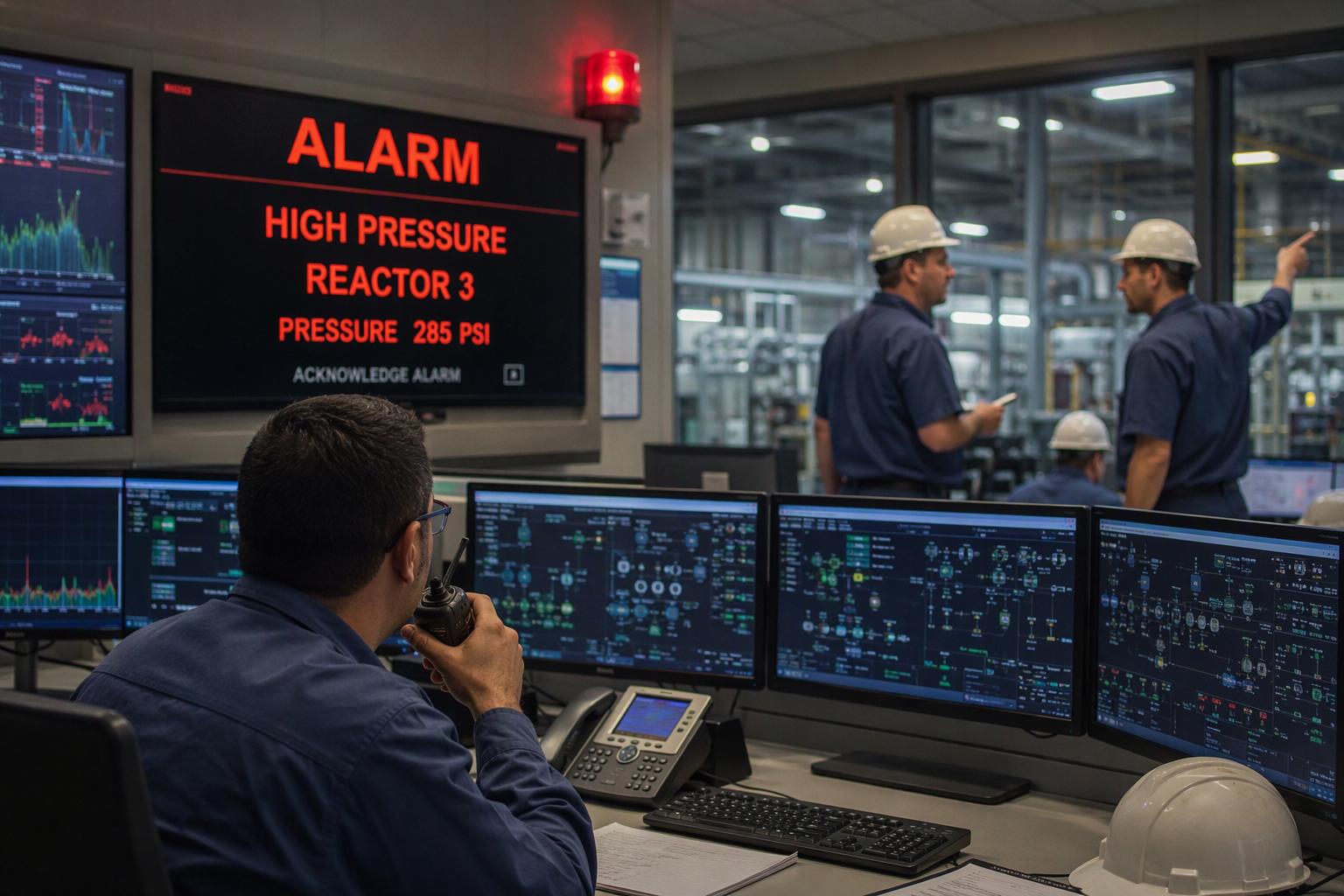
In a plant, a home security system's alarms only protect people when they work, and they only work when someone maintains them. Alarm system maintenance is the regular work of testing alarms, calibrating the instruments behind them, and fixing faults before they hide a real event. Without it, the control panel fills with stale alarms, false alarms, and dead alarms that operators learn to ignore. This guide covers a practical maintenance routine for industrial alarm systems, built around regular maintenance, honest alarm monitoring, and records that prove the system is accurate.
Why Alarm Maintenance Matters in a Plant
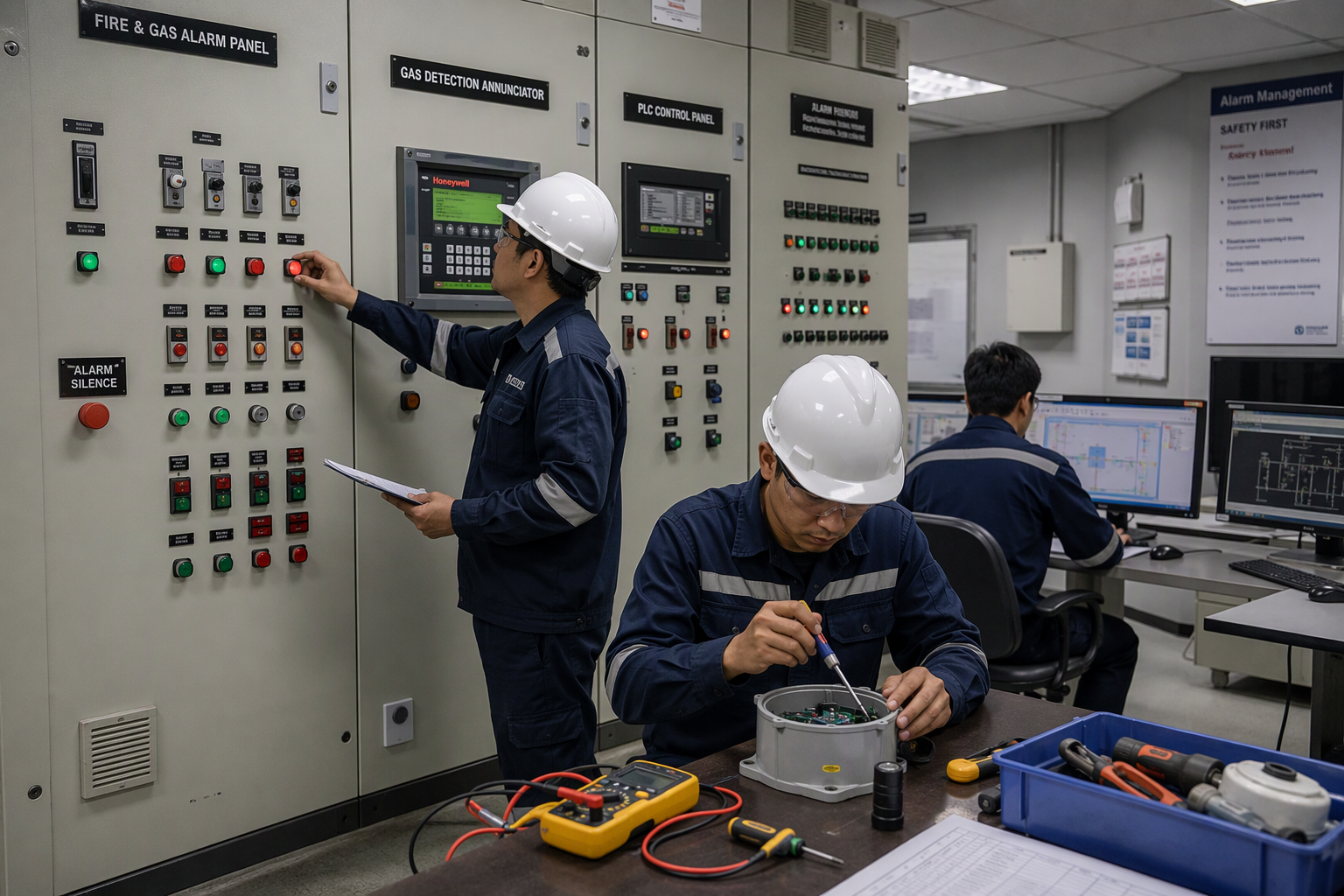
Why fire alarm maintenance matters is simple: an unmaintained alarm is a promise the plant cannot keep. Sensors drift, contacts corrode, and setpoints get changed during other work, so an alarm that once warned of high levels may now stay silent until it is too late. Regular maintenance catches that drift early, when the fix is a calibration or a cleaning, not an incident. Plants that maintain their fire alarm systems see fewer false alarms, faster operator response, and a control panel that operators actually trust when it matters most. Fire alarm system maintenance can differ for commercial properties compared to plants, mainly due to the complexity and intended use of the systems. Commercial properties may follow different regulations, maintenance intervals, and protocols depending on their size, occupancy, and specific safety requirements, but the need for routine checks and timely repairs remains equally important.
What Alarm System Maintenance Covers
Covers the full alarm system, not just the horns and lights. It includes the field instruments that sense level, pressure, temperature, and flow, as well as the control panel and alarm management software, the wiring and power supplies, and the procedures operators follow when an alarm sounds. System maintenance also covers the alarm database, where setpoints, priorities, and delays live, because a wrong entry there changes what operators see. A complete maintenance program checks each part and system components on a schedule and records what was found.
A Regular Maintenance Schedule That Works
A good schedule starts with the alarm inventory: every alarm, its instrument, its criticality, and its test interval. Critical safety alarms get tested most often, while low priority alarms follow a longer cycle, so the team spends its time where the risk is highest. The schedule should name who does each task, what tools they need, and what result counts as a pass. Review your current setup and the schedule every year, and change it when the plant changes, because a schedule that never changes slowly stops matching the plant it serves.
Testing Alarms Without Disrupting Production
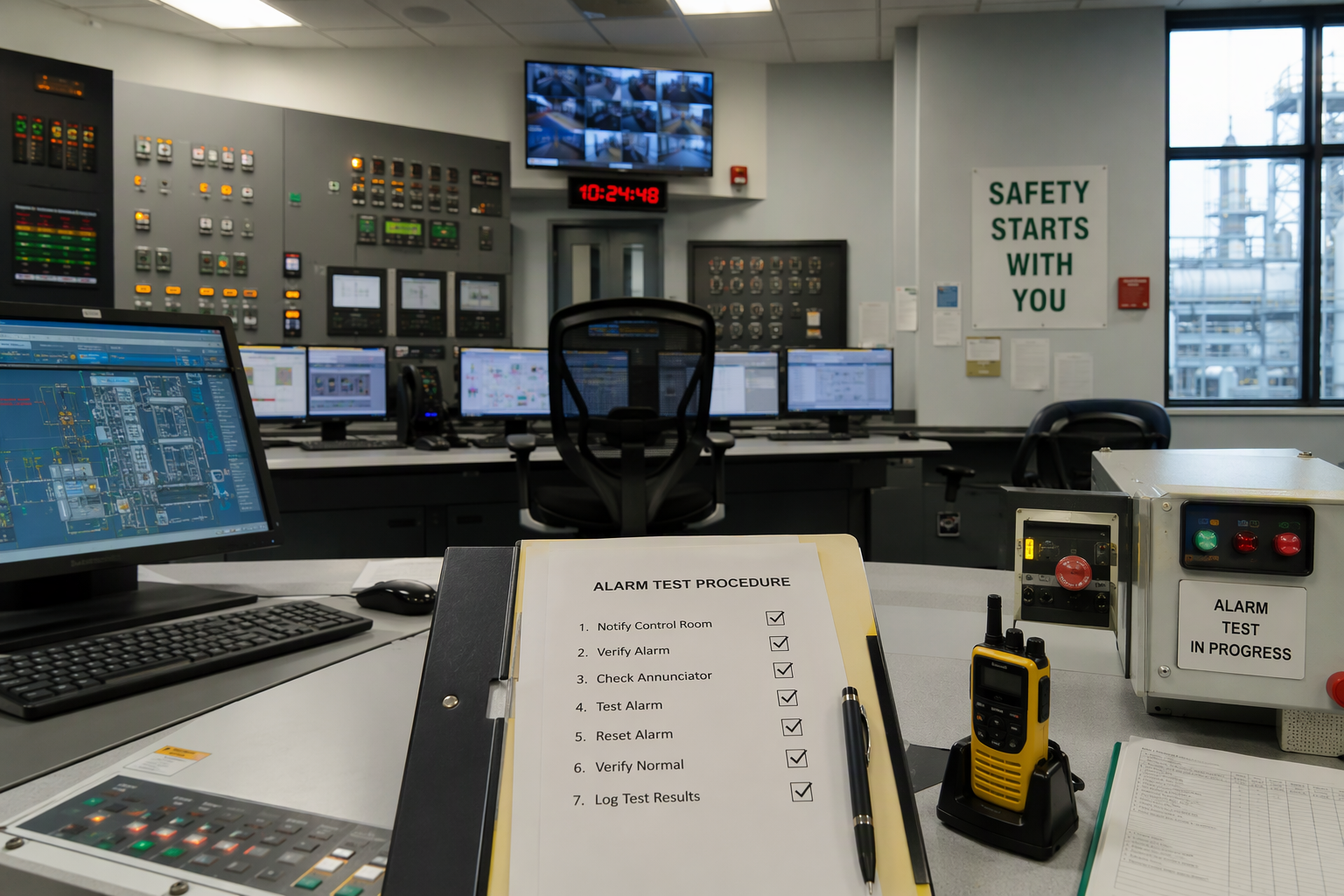
Testing alarms without disrupting production takes planning, not luck. The team tells the control room what will be tested, puts the affected alarms in a known test state, and restores them one by one when the test is done. A good test proves the whole chain: the instrument trips, the control panel shows the alarm, the operator sees it, and the response procedure works, including using panic buttons if necessary. Testing in small groups, during planned windows, keeps the plant running while proving that each alarm still does its job. If you're searching for reliable alarm system repair services near you, consider contacting local industrial service providers or safety equipment specialists. These professionals can help ensure your alarms, including panic buttons, are functioning properly and assist with any needed repairs or maintenance.
Calibrating Instruments Behind the Alarms
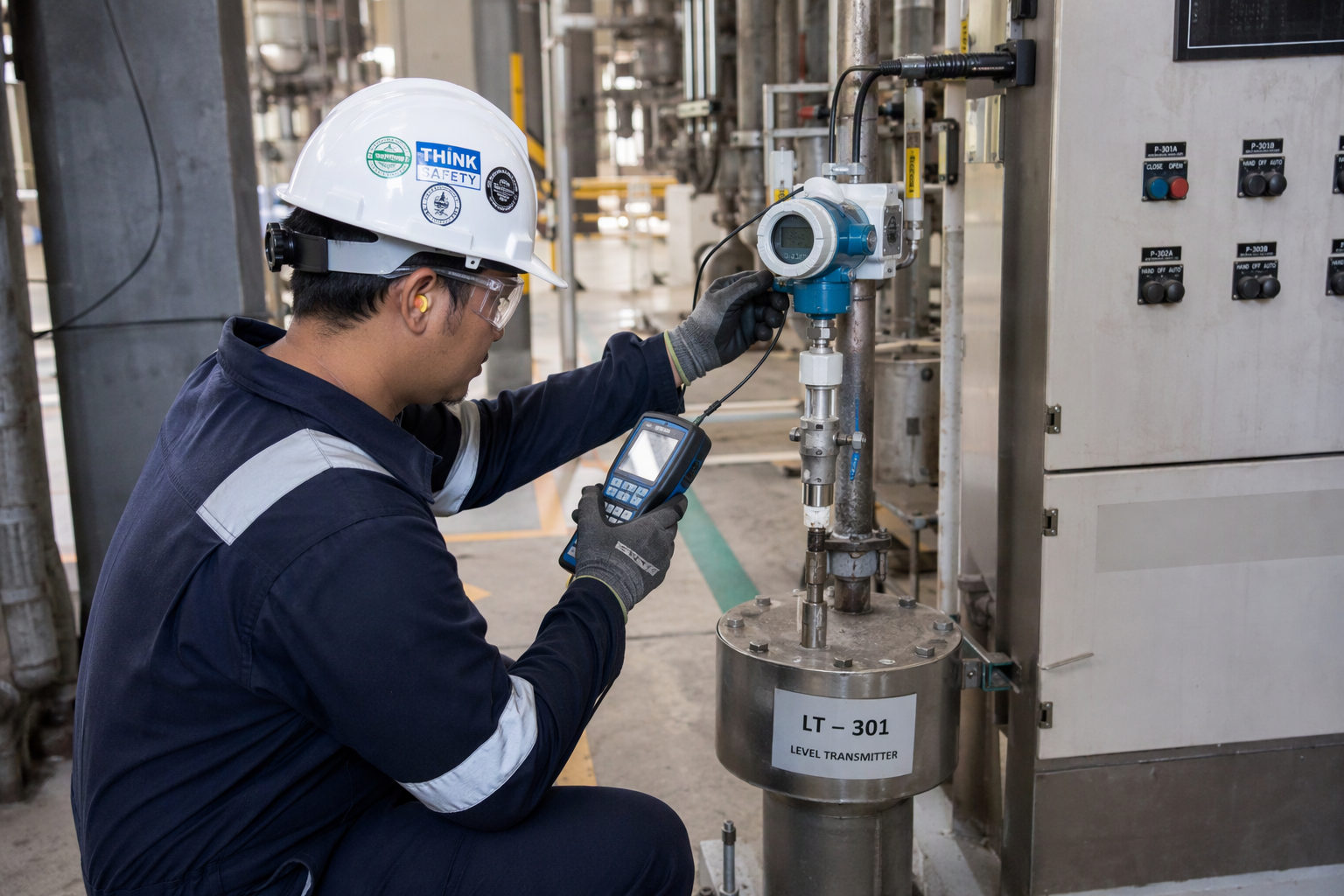
Calibration keeps the numbers behind the alarms honest. An instrument that reads two percent low may never trip its high alarm, and one that reads high will cry wolf until operators ignore it. Calibration compares the instrument against a known standard, adjusts it back into tolerance, and records the before and after readings of motion sensors when applicable. Keep calibration records with the alarm maintenance file, because they explain why an alarm behaved the way it did and when it will next need attention.
Keeping the Control Panel Accurate
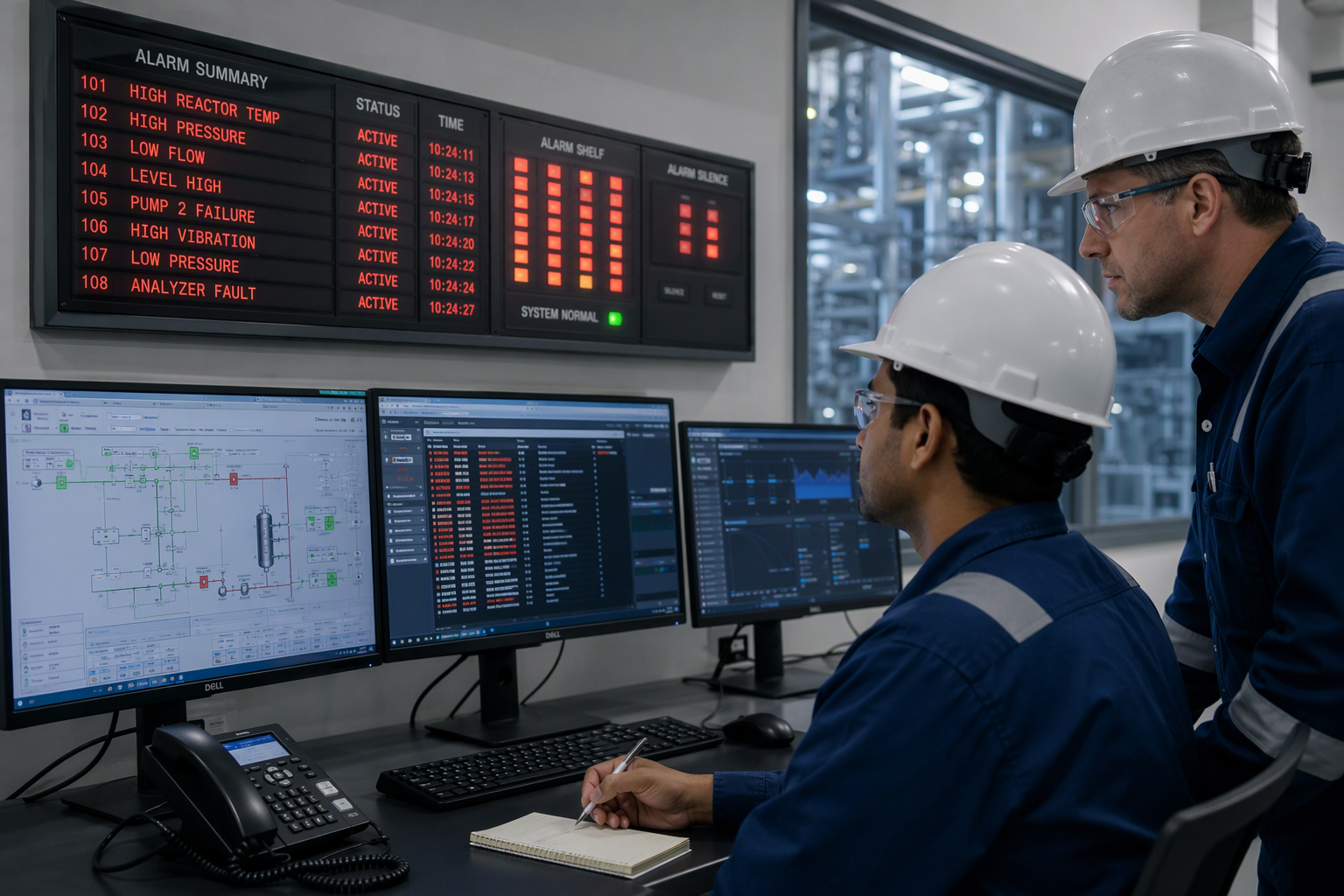
Keeping the control panel accurate means more than wiping the screens. The team checks that every alarm shown matches the alarm database, that priorities and colors are consistent, and that no alarm is stuck in an old state after maintenance. A control panel that shows alarms that no longer exist, or hides alarms that do, teaches operators to distrust it in terms of business security. After any change, walk the panel with an operator and confirm that what the screens show matches what the plant is doing.
Handling False Alarms During Maintenance
False alarms are the maintenance team's best clue that something needs attention, including a low battery issue. When one alarm trips again and again for no real reason, the cause is usually a drifting instrument, a loose wire, a wrong setpoint, or a process change nobody told the alarm team about. Treat repeat false alarms as work orders, not annoyances: find the cause, fix it, and record it. Cutting false alarms is the fastest way to restore operator trust, because every false alarm removed makes the next real alarm easier to hear.
Documenting Every Maintenance Task
Documentation is what turns home security maintenance from a habit into a system. Every task needs a record: the alarm, the date, the person, the test result, and any fault found and fixed. Good records show which alarms fail most often, which instruments drift fastest, and where the schedule needs to change. They also prove, during an audit or after an incident, that the alarm system was maintained and that the plant took its alarms seriously. If it is not written down, it did not happen.
Alarm Monitoring Between Maintenance Visits
Monitoring between maintenance visits catches problems before the next scheduled test. The control room should watch for alarms that chatter, alarms that stay active for days, and alarms that never trip at all, because each pattern points to a maintenance need for professional service. A weekly review of the alarm list, led by operations and maintenance together, turns those patterns into work orders while they are still small. Alarm monitoring is not a substitute for maintenance, but it is the early warning that keeps maintenance honest.
When to Replace Aging Alarm Equipment
Replacing aging alarm equipment is part of maintenance, not a separate project. Instruments wear out, spare parts disappear, and old alarm panels lose support, so the team should track the age and condition of every alarm component, including those related to carbon monoxide detection. Replace the worst items on a planned schedule, during turnarounds where possible, instead of waiting for a failure during a real event. A planned replacement costs less than an emergency repair, and it keeps the alarm system accurate instead of letting it fade quietly.
Training the Maintenance Team
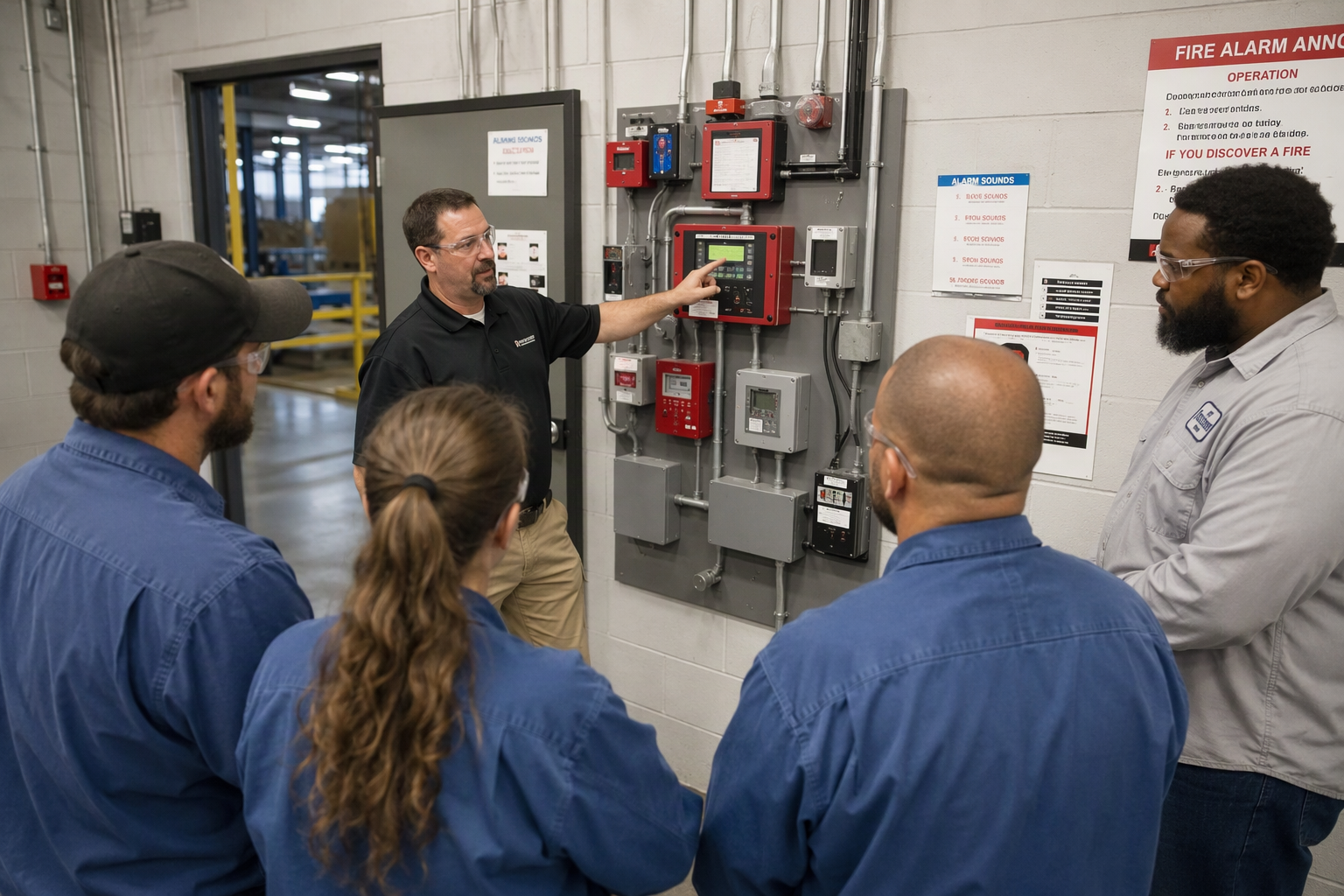
Every person who touches the alarm system needs training that matches their job. Operators need to know what each alarm means and what to do when it sounds. Maintenance technicians need to know how to test, calibrate, and restore alarms without leaving them in a test state. Engineers need to know how changes to the alarm database affect what operators see. Refresh training after any major change, and keep training records with the maintenance file, because an untrained hand can undo a year's careful maintenance and that goes a long way in ensuring system reliability in one shift.
Reviewing Alarm Performance Over Time
Track alarm performance over time to see whether maintenance is working. Count how many alarms trip each week, how many are false, how long alarms stay active, and how often operators respond in time. Regular updates and a healthy alarm system show steady or falling false alarms and a short list of standing alarms. When the numbers move the wrong way, the review should trigger a deeper look: a new maintenance task, a changed setpoint, or a rationalization review of the alarms that cause the most noise.
Common Maintenance Mistakes to Avoid
One common mistake is testing alarms but never restoring them, leaving the plant blind until someone notices. Another is maintaining the instruments but never the alarm database, so the field is right and the screens are wrong. A third is keeping no records, so the same faults get fixed again and again without anyone seeing the pattern. Avoid these by closing every job with a restore check, a database check, and a written record, and by auditing the maintenance file regularly for gaps, potentially including a monitoring service as an added precaution.
A Worked Example: Cutting False Alarms in a Plant
A chemical plant cut its false alarms by half with a maintenance push, not new equipment. The team listed its ten worst false alarms, found that six came from two drifting level instruments and three from a setpoint that no longer matched the process, notably including motion detectors, and fixed all nine in one turnaround. They calibrated the instruments, corrected the setpoint with operations approval, and added the alarms to a monthly check. False alarms fell from forty a week to eighteen, and operators reported that the alarm list finally matched the plant again.
How Does Alarm System Maintenance Keep Alarms Accurate?
It keeps alarms accurate by testing, calibrating, and fixing them on a schedule. Proper maintenance ensures instruments stay in tolerance, the control panel matches the plant, and false alarms fall, so operators trust the alarms they see. Regular maintenance turns the alarm system from a guessing game into a reliable warning tool.
Regular maintenance keeps plant alarms accurate, trustworthy, and ready to warn operators.
Test every alarm, record every result, and fix every fault before it hides a real event.
A maintained alarm system protects people, equipment, and production every single day.
How Do You Troubleshoot Basic Problems in a Plant Alarm System?
The first step in plant alarm system maintenance troubleshooting is to check the field instrument, not the display: confirm the transmitter reading, the wiring, and the power supply before changing any setting. Use routine maintenance checks for components like window sensors to catch minor issues early, such as drift, a loose terminal, or a stuck contact, and record the response times for each test so a slow loop is visible in the record. A technician with years of experience will still follow the same order, because skipping it turns a simple fault into a long search. Record every finding in the alarm system maintenance log, restore the loop to service, and retest it before the plant returns to normal operation.
A Simple Checklist for Regular Alarm System Maintenance
A workable alarm system maintenance checklist starts with the inventory, then moves loop by loop: verify the field reading, test the trip point, check the display and the horn, and record the result with the technician's name and the date. Include the power supply, the wiring, the backup path, and also check security cameras to ensure they are functioning properly. Close the loop by restoring it to service and confirming the control room sees the correct state. Use the same checklist at every maintenance check, so minor issues are found in the same order and response times can be compared from one visit to the next. A checklist that is short enough to use every time is better than a long one that is skipped.
Should Plant Alarm Maintenance Be Done In-House or by a Specialist?
The best way to decide is by risk, not by habit: plant staff should own routine alarm system maintenance, such as testing, cleaning, and recording, because they know the process and are on site. Bring in a specialist for calibration of critical loops, for connected devices that need vendor software, and for any change that affects a safety function while ensuring the system remains in optimal condition, and keep that work under the plant permit system. The goal is optimal performance for the whole system, with clear records that show who did each task, what was found, and what was changed.
How Often Should Plant Alarm Maintenance Tasks Be Done?
Set the frequency in the maintenance plan by criticality, not by calendar alone: test safety-critical loops monthly, check process loops quarterly, and review the whole inventory at least once a year. For each piece of equipment, record the last test date, the next due date, and any drift found, so a missed task is visible before it becomes a blind spot. It is advisable to incorporate automatic updates in the maintenance plan for improved efficiency. Increase the frequency for loops that trip often, for instruments in harsh service, and after any process change, and reduce it only with documented evidence that the loop has stayed stable over several cycles.
Recording Alarm Maintenance for ISA 18.2 Audits
For an ISA 18.2 audit, the record must show the alarm system maintenance plan, the test results, and the actions taken for each loop, with dates and names attached. Keep the inventory, the priority list, and the change history in one place, so an auditor can trace any alarm from its field instrument to its display and its operator response, providing precise information. Note any loop that was out of service, why it was bypassed, and when it was restored, because gaps in that history are the first thing an audit will question.
You might also like