Industrial Automation Solutions Empowered Automation
Industrial Automation Solutions Empowered Automation
Key Highlights
- Industrial automation helps improve operational efficiency, product quality, and workplace safety. Modern automation solutions combine robotics, advanced software, and industrial control systems. Top industrial automation companies include Honeywell, ABB, Rockwell Automation, Fanuc, and KUKA. The typical process for implementing industrial automation in a factory begins with assessing operational needs and selecting the most suitable automation solutions. Industrial automation companies work closely with clients by designing custom control systems, integrating robotics, and advanced software, followed by installation and testing. After deployment, the control systems are monitored and maintained to ensure continued operational efficiency and optimal performance.
- Modern automation solutions combine robotics, advanced software, and industrial control systems. Top industrial automation companies include Honeywell, ABB, Rockwell Automation, Fanuc, and KUKA. Industrial IoT supports real-time data visibility, stronger control systems, and faster decisions. Industries that most commonly adopt industrial automation solutions are manufacturing, automotive, electronics, pharmaceuticals, and food and beverage. These sectors leverage automation, robotics, and advanced control systems to improve production efficiency, increase accuracy, and reduce operational costs. Leading industrial automation companies such as Honeywell, ABB, Rockwell Automation, and Fanuc provide tailored automation solutions that address industry-specific challenges and drive innovation.
- Top industrial automation companies include Honeywell, ABB, Rockwell Automation, Fanuc, and KUKA.
- Industrial IoT supports real-time data visibility, stronger control systems, and faster decisions.
- Predictive maintenance and AI analytics help reduce downtime and support sustainability goals.
- Custom automation software and automation services let businesses match tools to industry-specific needs.
Introduction Industrial Automation Solutions
Industrial automation is changing how businesses run daily operations. By using automation solutions, companies can move materials, assemble products, monitor equipment, and improve safety with less manual effort. This shift matters because better systems often lead to stronger operational efficiency, steadier output, and improved quality. If you want cleaner workflows and smarter production support, industrial automation offers a practical path forward. The next section looks at the leading technologies and providers shaping this space today.
Leading Industrial Automation Solutions Empowered by Modern Technology
Today’s strongest automation solutions bring together advanced software, robotics, and reliable industrial control systems. These tools help manufacturers and other operators improve precision, speed, and consistency across production and material handling tasks. However, there can be challenges in convincing a team to adopt industrial automation solutions. Common concerns include apprehension about the learning curve, potential disruptions to existing workflows, and initial investment costs, but clear communication about long-term benefits and proper training can help address these issues.
When businesses ask which industrial automation companies lead the market, names from the compiled information stand out. Honeywell, ABB, Rockwell Automation, Fanuc, and KUKA are widely recognized for factory automation, smart machinery, warehouse systems, and digitized operations. Each offers a different mix of controls, robotics, and application-focused technology. Let’s look at five major solution areas driving results.
1. Advanced Robotics Integration for Smart Manufacturing
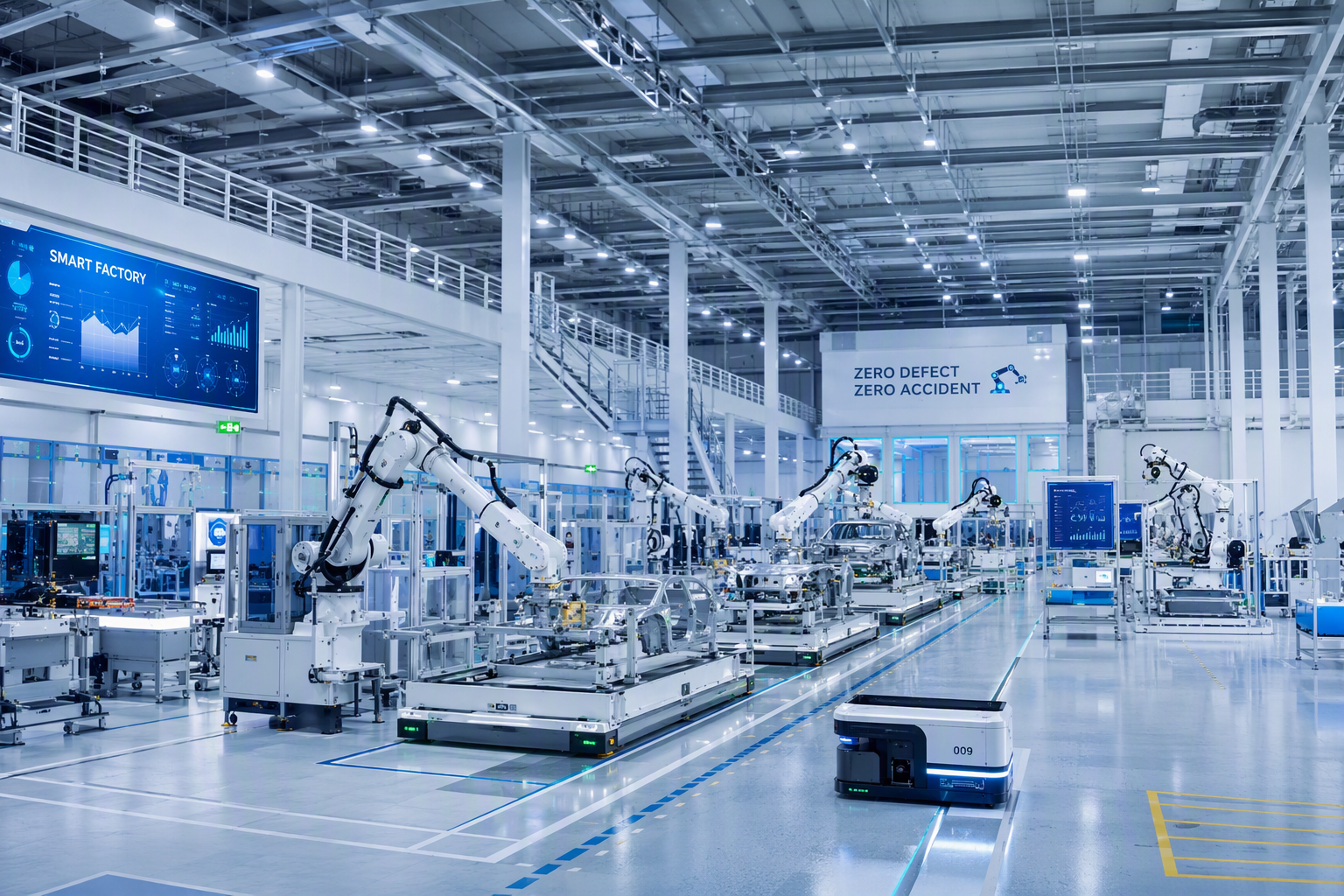
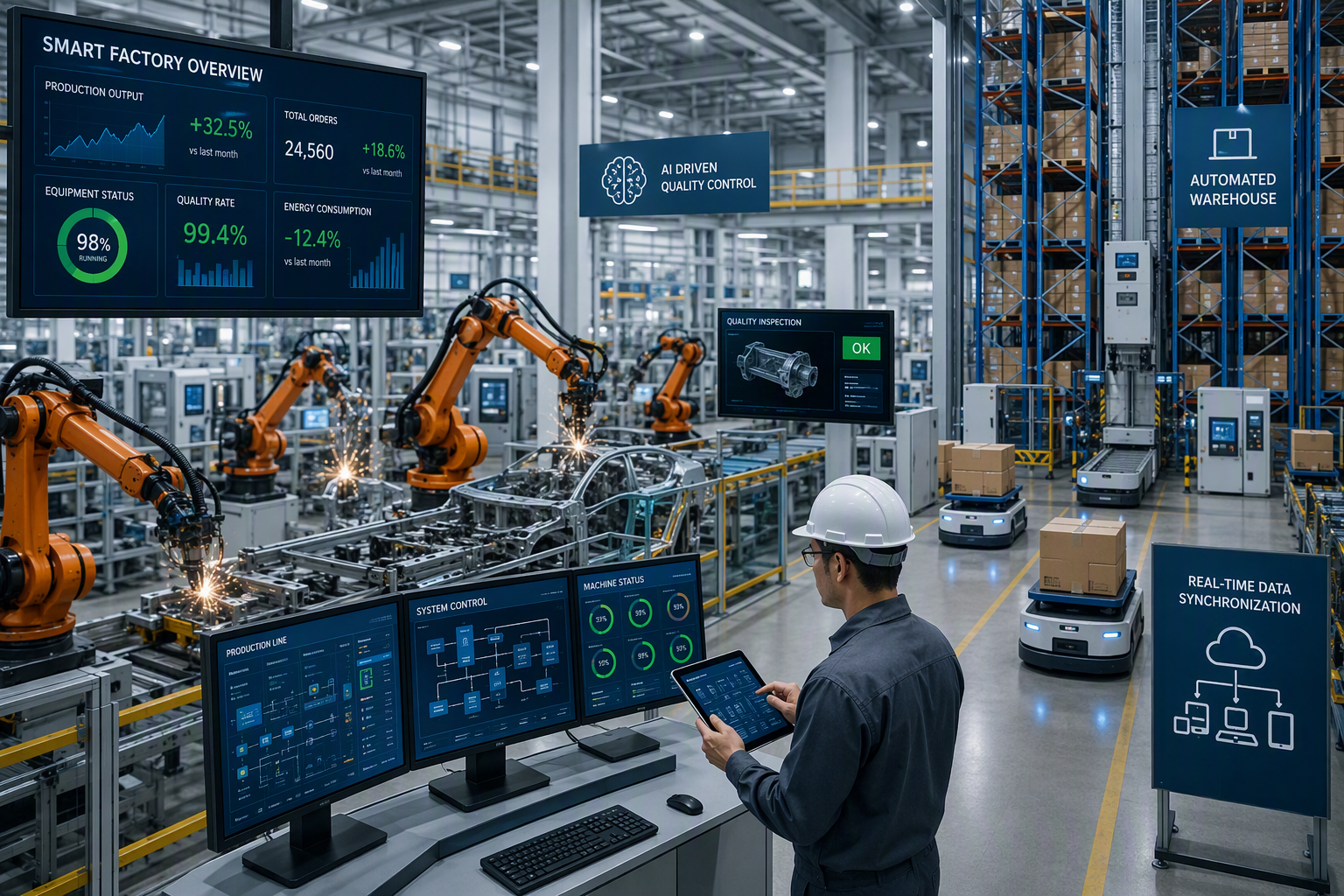
Robotics plays a central role in industrial automation because it helps businesses perform repetitive or high-accuracy work with better consistency. In manufacturing settings, robotic systems support tasks such as assembly, welding, palletizing, depalletizing, sanding, polishing, and trimming. That means less variation and stronger precision across the line.
Smart manufacturing connects closely to this idea. It uses robotics, connected machinery, and automated workflows to create more responsive production environments. Companies such as ABB, Fanuc, KUKA, and Honeywell show how this works in practice through industrial robots, warehouse automation, and flexible machine automation built for specific applications.
What does that mean for you? It means your operation can match the right robot to payload, mounting position, workspace, and task type. That tailored fit supports better output, improved quality, and safer interaction between people and machinery.
2. Industrial IoT Platforms for Real-Time Data Monitoring
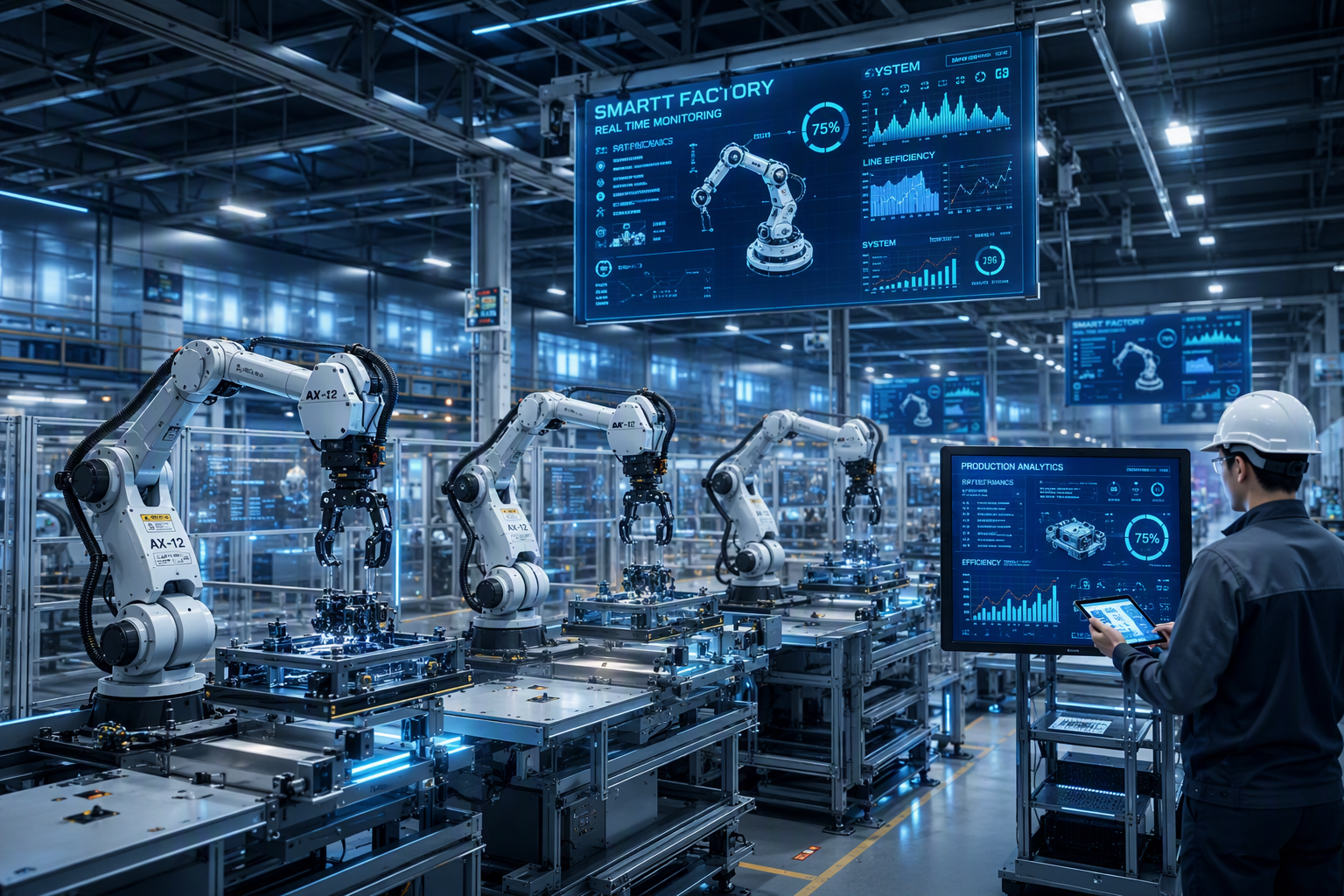
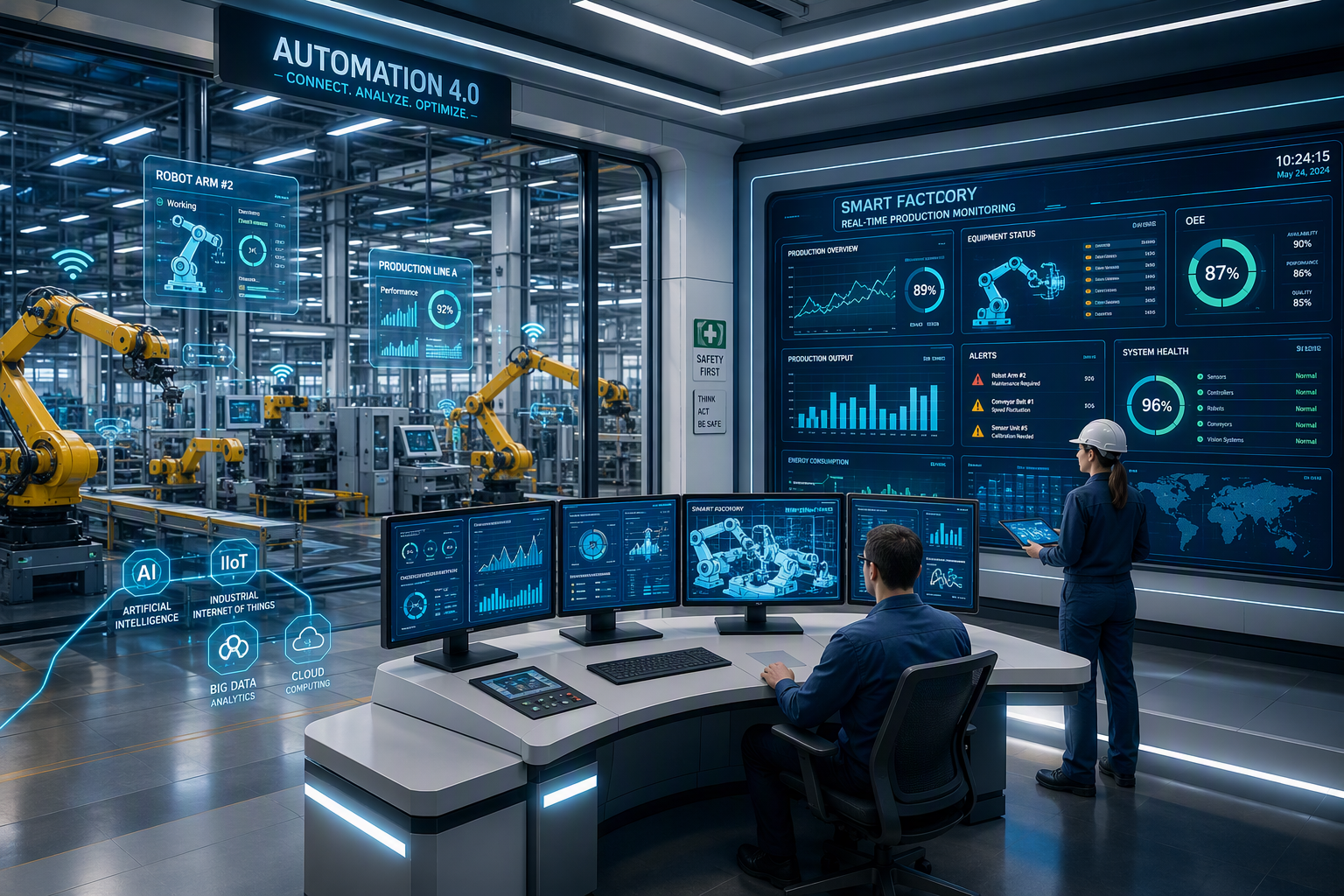
Industrial IoT strengthens industrial automation by giving operators access to real-time data from connected assets and field devices. The compiled information highlights solutions that provide edge intelligence and metering insight, helping teams monitor operations more closely and react faster when conditions change.
That matters because strong control systems depend on visibility. When automation systems can collect and share current performance data, businesses can improve decision-making, support energy goals, and maintain more stable operations. Honeywell’s focus on digitalization, intelligent operations, and smart energy reflects this practical need for timely information.
So, what should you look for in software and connected platforms? Focus on tools that support real-time data, scalable control systems, remote automation, easier operation, and integration with broader plant needs. A modular setup, like remote terminal units built for varied automation systems, can make growth and adaptation much easier.
3. Automated Control Systems for Precision and Efficiency
Automated control systems are a core part of modern automation because they keep processes steady, repeatable, and easier to manage. Whether a site is handling burners, metering, remote assets, or factory equipment, strong control systems help reduce manual adjustments and support better precision.
In practical terms, these systems improve plant efficiency by stabilizing output and reducing errors. Honeywell’s ControlEdge RTU, for example, is described as modular and scalable for remote automation and control applications. That kind of flexibility helps businesses manage different assets from a stronger operational base. In many settings, plc-driven logic and connected controls support quicker responses and cleaner execution.
There is also a growing link between automation and electrification. Energy management solutions and intelligent controls help businesses work toward decarbonization goals while keeping operations reliable. If you want better precision and fewer disruptions, modern control architecture is a smart place to start.
4. Predictive Maintenance Solutions Using AI Analytics
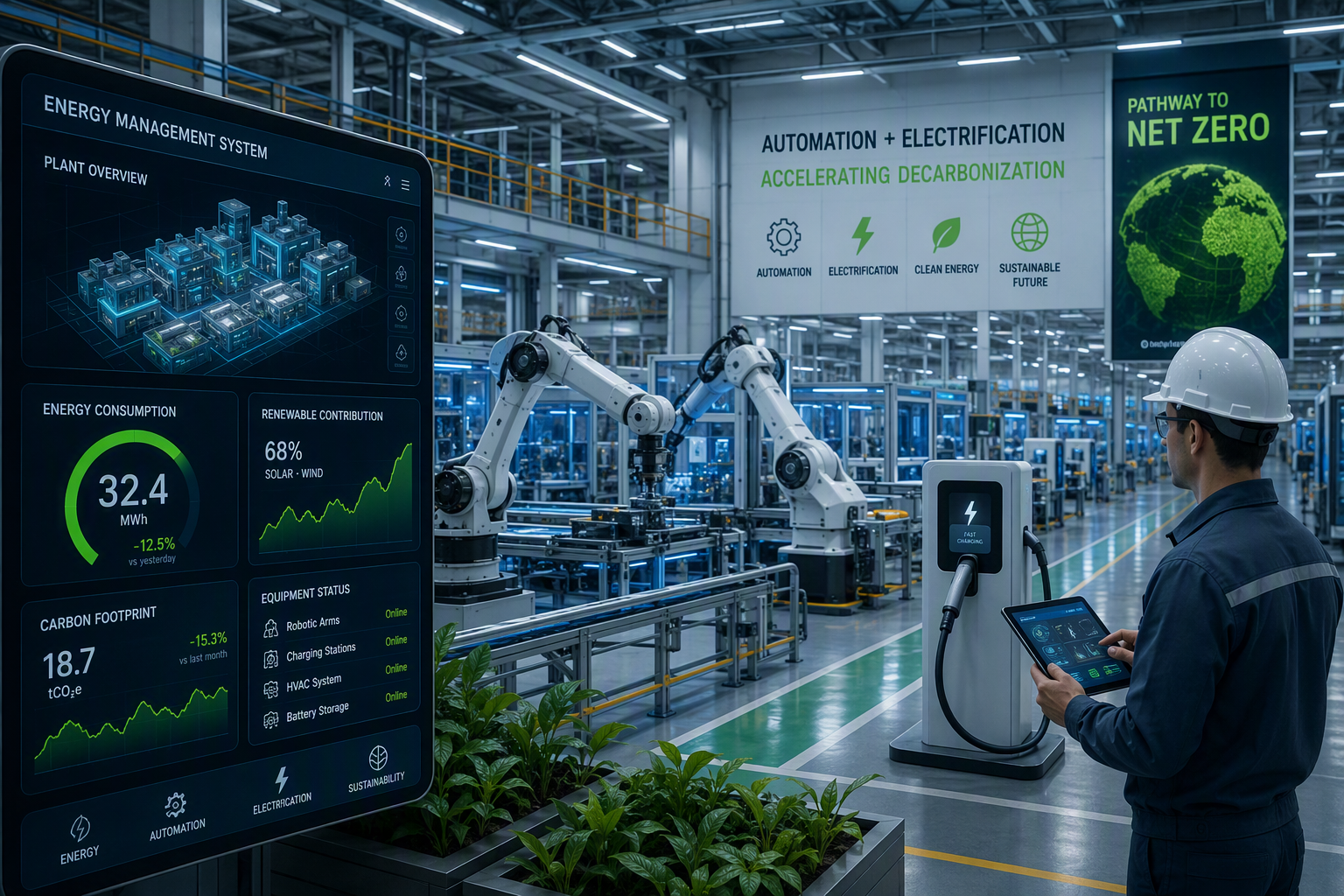
Predictive maintenance is becoming more valuable as businesses push for higher uptime and better resource use. Instead of waiting for equipment failure, AI analytics can support earlier action by identifying patterns, performance shifts, and operating risks before they become larger problems.
This trend fits the broader direction of automation solutions shown in the compiled material. Honeywell emphasizes digitalization, optimization with AI, intelligent operations, and integrated support. Those themes point to a future where businesses use smarter data tools to improve reliability, simplify commissioning, and strengthen business continuity.
There is another benefit worth noting. Predictive approaches also support sustainability by reducing waste, avoiding unnecessary part replacement, and improving energy use. As industrial automation keeps advancing, expect more connected systems, stronger analytics, and practical AI tools that help sites run safer, leaner, and with greater confidence.
5. Customizable Automation Software for Industry-Specific Needs (ie. Packaging)
Not every operation needs the same setup, which is why customizable automation software matters. A warehouse, utility, healthcare operation, and aerospace manufacturer all face different workflows, compliance needs, and production goals. Industry-specific tools make automation services more practical because they fit the real work being done.
The compiled information shows broad support across manufacturing, logistics and warehouses, retail, utilities, healthcare, life sciences, aerospace, commercial buildings, and government. That range is useful when choosing a provider. You should look for a partner with relevant experience, scalable platforms, and support that aligns with your environment.
A good provider often stands out in three areas:
- It offers advanced software and controls that match your industry-specific processes.
- It supports products, services, and digital assistance across the buying and operating journey.
- It can scale from simple upgrades to larger automation services and connected systems over time.
6. Common Data Sources Allen Bradley, Siemens, Modbus Honeywell, Fanuc, ABB
When it comes to industrial automation and control systems, understanding common data sources is essential for efficient operations and seamless integration. Six prominent data sources frequently encountered in the industry include Allen Bradley, Siemens, Modbus, Honeywell, Fanuc, and ABB. Each one represents a unique protocol or manufacturer that plays a vital role in transmitting and managing data within automated environments.
Allen Bradley: Produced by Rockwell Automation, Allen Bradley devices are widely used in North America and globally for programmable logic controllers (PLCs), human-machine interfaces (HMIs), and other automation equipment. Their communication protocols, such as EtherNet/IP and DeviceNet, allow for reliable real-time data exchange between industrial devices.
Siemens: Siemens is a global leader in automation technology. Its PLCs (like the S7 series) utilize proprietary communication protocols such as PROFIBUS and PROFINET. Siemens equipment is known for its compatibility with various industrial networks and its ability to integrate seamlessly into complex manufacturing processes.
Modbus: Modbus is an open communication protocol developed by Modicon (now Schneider Electric). It is widely adopted due to its simplicity and flexibility, allowing devices from different manufacturers to communicate over serial lines (Modbus RTU) or Ethernet (Modbus TCP). Modbus serves as a bridge connecting legacy systems as well as modern devices across diverse industries.
Honeywell: Honeywell specializes in process automation solutions—such as distributed control systems (DCS), field instruments, and sensors. Honeywell’s products often support multiple communication standards including OPC, Modbus, and proprietary protocols like Experion. They are essential in sectors like oil & gas, chemical processing, and HVAC.
Fanuc: Fanuc is renowned for its robotics and CNC controls used extensively in manufacturing environments. Fanuc robots use dedicated communication interfaces to relay status information, diagnostic data, and operational commands between machines and central control systems. Integration with MES/ERP platforms is also common through standard protocols such as Ethernet/IP or OPC-UA.
ABB: ABB offers a comprehensive range of automation products including PLCs, drives, motors, sensors, and controllers. ABB’s systems support industry-standard protocols like MODBUS TCP/IP, PROFIBUS DP/PA, EtherNet/IP, and others—allowing easy connectivity across multi-vendor environments. ABB solutions are highly regarded for their reliability in energy management and industrial operations.
In summary, these six data sources—Allen Bradley, Siemens, Modbus, Honeywell, Fanuc, and ABB—represent
Conclusion
In summary, industrial automation solutions are revolutionizing the way businesses operate by enhancing efficiency, accuracy, and productivity. By leveraging advanced robotics, IoT platforms, and AI-driven maintenance strategies, companies can not only streamline their processes but also gain valuable insights into their operations. As industries continue to evolve, embracing these technological advancements will be crucial for staying competitive. If you’re ready to transform your operations and explore tailored automation solutions that meet your specific needs, don't hesitate to reach out and get a free consultation today!
Frequently Asked Questions
What are the main benefits of adopting industrial automation solutions?
Industrial automation improves operational efficiency, supports better quality, and helps create safer workplaces. Automation solutions using robotics can handle repetitive tasks such as packaging, assembly, and material movement with more consistency. That often means lower manual effort, steadier production, and better use of time and equipment.
How do businesses choose the right industrial automation solution provider?
Start by checking whether providers offer automation solutions that fit your industry and workflow. Many businesses compare top industrial automation companies based on product range, scalability, digital support, automation services, and commissioning capabilities. The best industrial automation companies show they can support both current needs and future expansion.
What trends are shaping the future of empowered industrial automation?
Key trends include AI-driven optimization, connected data platforms, smart manufacturing, and stronger use of advanced software. Industrial automation is also moving closer to sustainability goals through better energy management and waste reduction. Together, these changes make automation more intelligent, responsive, and practical across many industries.
You might also like