What does Industry 4.0 Mean in Supply Chain?
What does Industry 4.0 Mean in Supply Chain?
Key Highlights
Here are the key takeaways from our discussion on Industry 4.0 and its role in the modern supply chain:
- Industry 4.0 marks the fourth industrial revolution, driving a digital transformation in how companies operate.
- The core of this transformation is the integration of technologies like the Internet of Things (IoT), artificial intelligence, and data analytics.
- In the supply chain, these technologies create smarter, more connected, and transparent operations.
- Benefits include enhanced efficiency, improved product quality, and real-time decision-making capabilities.
- Implementing Industry 4.0 involves assessing current systems, choosing the right technologies, and creating a solid integration strategy.
Introduction
Welcome to the era of the fourth industrial revolution, a period of rapid technological change that is reshaping industries worldwide. At the heart of this evolution is the supply chain, which is undergoing a profound digital transformation. You might be hearing the term "Industry 4.0" more and more, but what does it actually mean for how products are made, managed, and moved? This guide will break down the concept and show you how it's revolutionizing the supply chain from the ground up.
Understanding Industry 4.0 in the Supply Chain
Industry 4.0 represents the latest phase in the industrial revolution, where digital technologies are deeply integrated into manufacturing and supply chain processes. Think of it as the application of smart tech to make industrial operations more efficient, agile, and responsive.
This digital transformation isn't just about adding a few new tools; it's a complete shift in how your supply chain functions. By connecting machines, people, and processes, you gain unprecedented insight and control. Let's explore the definition and evolution of this concept more closely.
Definition of Industry 4.0
So, can you explain what Industry 4.0 means in simple terms? Absolutely. Industry 4.0, also known as the fourth industrial revolution, is about making factories and industrial processes smarter. It’s based on the idea that machines should be able to communicate with each other and work together to create new products and services with minimal human intervention.
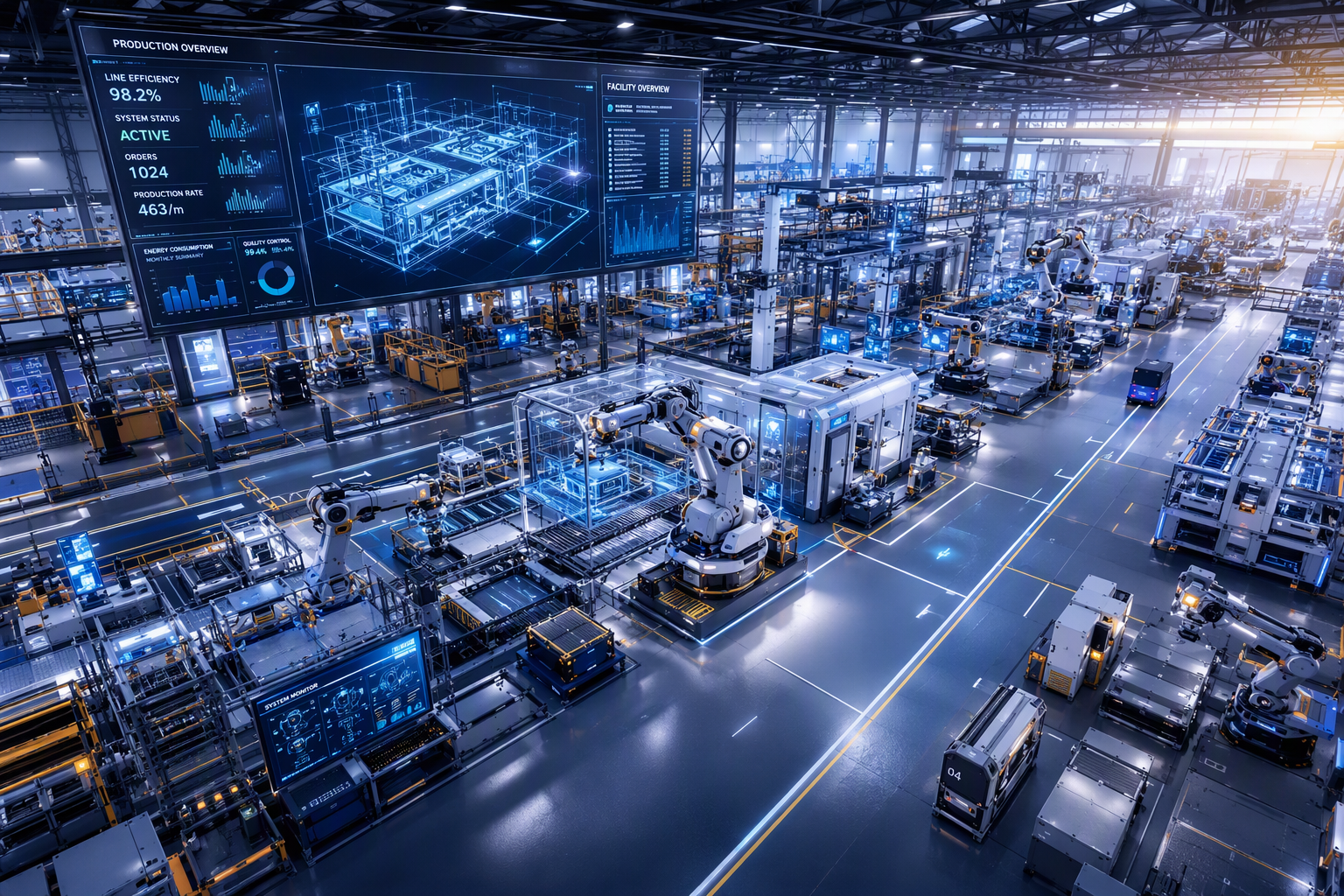
This concept was first introduced by the German government in 2011 to describe a project for digitizing manufacturing. It has since grown into a global set of recommendations for implementing digital technologies. The goal is to create a "smart factory" where systems can monitor physical processes, create a virtual copy of the physical world, and make decentralized decisions.
Essentially, Industry 4.0 is the next step in manufacturing's evolution, using technology to digitally transform how industrial companies operate. It’s driven by the need to boost efficiency, improve quality, and adapt quickly to market changes.
Evolution of Industrial Revolutions
To truly grasp the significance of Industry 4.0, it helps to look back at the previous industrial revolutions. Each one brought about a fundamental shift in production and society. It started with the transition from hand production and animal power to machine-based manufacturing.
The journey began with the first industrial revolution, which used steam power and water power. A century later, the second industrial revolution introduced mass production and assembly lines, thanks to electricity and extensive railroad networks. The third industrial revolution, or the digital revolution, brought computers and the beginning of automation to the factory floor.
The fourth industrial revolution builds on this digital foundation, connecting the physical and digital worlds.
| Revolution | Key Characteristics |
|---|---|
| First Industrial Revolution | Transition from animal power to machines using steam power and water power. |
| Second Industrial Revolution | Introduction of mass production, modern production lines, and electricity. |
| Third Industrial Revolution | The digital revolution, with computers and programmable logic controllers (PLCs) for automation. |
| Fourth Industrial Revolution | Fusion of digital, physical, and biological systems through advanced technologies. |
Differences Between Industry 4.0 and Previous Revolutions
You may wonder, what is the difference between Industry 4.0 and the previous industrial revolutions? While earlier revolutions focused on introducing new power sources or production methods, the fourth industrial revolution is about connectivity and intelligence. It’s not just about automating a manufacturing process; it’s about making it smart.
The key distinction lies in the fusion of digital technologies with physical production. Previous revolutions were linear, introducing one major change at a time. In contrast, Industry 4.0 involves a convergence of multiple technologies, like the Industrial Internet of Things (IIoT) and artificial intelligence, all at once.
This creates a system where data from the physical world informs digital decisions, which then optimize the physical world in a continuous loop. The main differences include:
- Connectivity: Machines communicate with each other and with central systems.
- Data-Driven Decisions: Real-time data analytics guide operations.
- Decentralization: Smart systems can make decisions independently.
- Cyber-Physical Integration: A seamless link between physical assets and their digital counterparts.
Key Technologies Driving Industry 4.0
A variety of powerful digital technologies are the engine behind Industry 4.0's impact on the supply chain. These innovations work together to create a connected, intelligent, and automated environment. What are the main technologies that drive Industry 4.0? They range from the Internet of Things (IoT), which connects physical devices, to big data analytics that make sense of the vast information collected.
Understanding these core components is crucial to seeing how they can transform your operations. They are not just individual tools but parts of an integrated ecosystem. Let's look at some of the most influential technologies, including IoT, AI, cyber-physical systems, and cloud computing.
Internet of Things (IoT)
The Internet of Things (IoT) plays a pivotal role in the fourth industrial revolution, seamlessly connecting physical objects to the digital world. By integrating IoT sensors within manufacturing settings, businesses can collect valuable performance data in real time, enhancing operational efficiency. This smart manufacturing approach not only streamlines supply chain management but also promotes predictive maintenance, reducing unplanned downtime. As companies embrace these digital technologies, customer satisfaction improves through increased product quality and faster lead times, transforming traditional business models into innovative ones.
Artificial Intelligence and Machine Learning
Artificial intelligence (AI) and machine learning (ML) are the brains of the Industry 4.0 operation. While IoT provides the data, AI and ML are the tools that perform the advanced data analysis to uncover insights, predict outcomes, and automate decisions. These technologies allow systems to learn from experience and improve over time without being explicitly programmed.
In the supply chain, AI and ML are used to build better predictive models for a variety of applications. One of the most significant is predictive maintenance, where algorithms analyze data from machinery to forecast potential failures before they happen. This allows you to schedule repairs proactively, preventing costly unplanned downtime.
Key applications of AI and machine learning include:
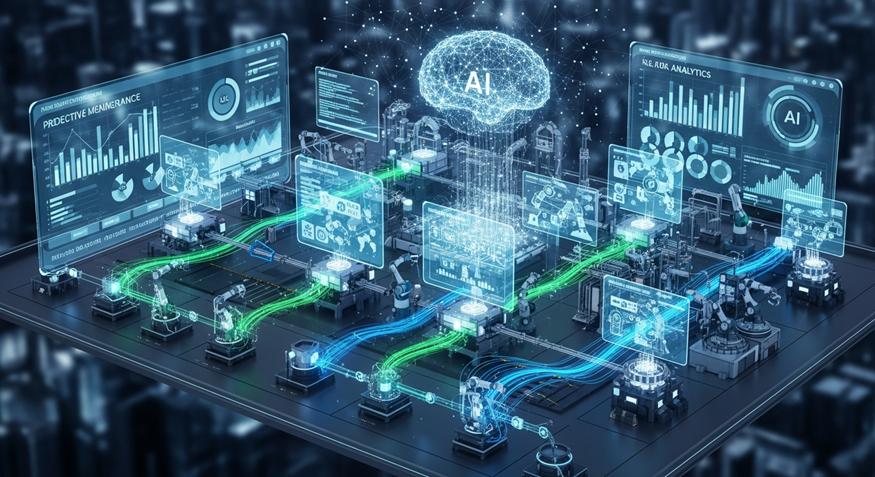
- Detecting failure signals in equipment to prevent downtime.
- Making critical service decisions based on data-driven predictions.
Cyber-Physical Systems
Cyber-physical systems (CPS) are a core concept in the creation of a smart factory. These are engineered systems that integrate computation, networking, and physical objects. In essence, a CPS is a mechanism controlled or monitored by computer-based algorithms, creating a tight feedback loop between the physical world and the digital world.
These systems go beyond the simple automation provided by older technologies like programmable logic controllers (PLCs). A CPS can create a "digital twin"—a virtual model of a physical process or object—that allows for simulation, analysis, and optimization. This connection enables autonomous systems that can adapt to changing conditions and self-optimize for performance.
By bridging the gap between physical machinery and digital intelligence, cyber-physical systems allow for a level of control and efficiency that was previously unattainable. They are the foundation for a truly interconnected and responsive industrial environment.
Cloud Computing and Big Data
Cloud computing and big data are the infrastructure that supports Industry 4.0. The massive amount of data collection from IoT devices requires a place to be stored, processed, and accessed. Cloud computing provides the scalable and flexible computing power needed to handle this deluge of information, known as big data.
Instead of relying solely on on-site servers, you can leverage the cloud to store vast datasets and run powerful data analysis applications. This approach not only drives computer power but also improves security and resiliency. It allows teams from different locations to access the same information, fostering better collaboration.
Key roles of cloud computing and big data include:
- Providing a scalable platform for data collection and data analytics.
- Enabling secure and accessible data storage for large volumes of information.
- Without these technologies, the insights promised by IoT and AI would remain locked away, making them essential for a successful digital transformation.
Impact of Industry 4.0 on Modern Supply Chains
So, how does Industry 4.0 impact modern manufacturing processes and the supply chain? The effects are transformative, revolutionizing everything from production efficiency to customer satisfaction. By integrating technologies like IoT and AI, you can create a supply chain that is not just faster but also smarter and more resilient.
This digital transformation introduces a new level of smart automation and data-driven decision-making. The result is a more agile operation that can quickly respond to market changes and customer demands. Let's examine some specific impacts, such as enhanced visibility, real-time analytics, and advanced robotics.
Enhanced Visibility and Transparency
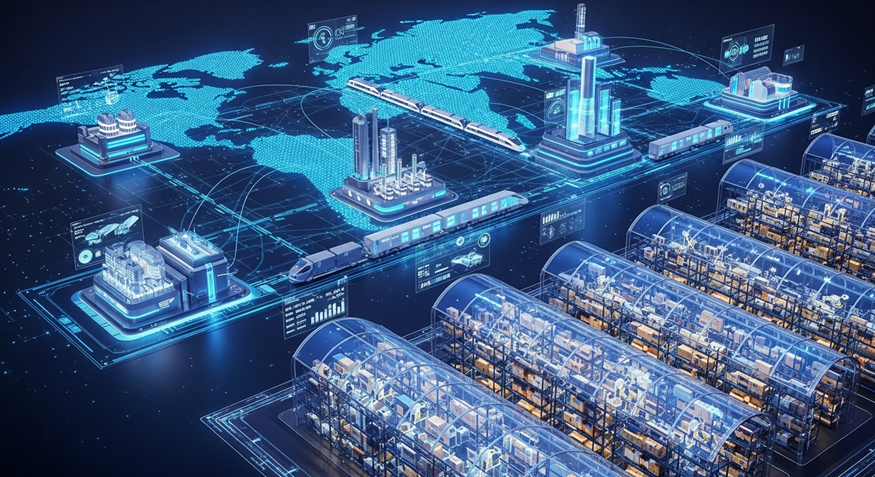
One of the key benefits of adopting Industry 4.0 is the dramatic improvement in supply chain visibility and transparency. In traditional supply chains, it can be difficult to know the exact status of materials, products, and assets once they leave a facility. Digital technologies change this by providing real-time tracking and monitoring from end to end.
Using IoT sensors and data analytics, you can follow a product's journey from raw material to final delivery. This heightened visibility allows you to identify bottlenecks, predict delays, and ensure that safety and quality standards are met throughout the process. It eliminates guesswork and replaces it with actionable data.
This new level of transparency leads to:
- Improved coordination: All stakeholders in the supply chain can access the same real-time information.
- Proactive problem-solving: Issues can be identified and addressed before they escalate.
Real-Time Analytics and Decision Making
Industry 4.0 empowers your supply chain management with real-time analytics and decision-making capabilities. Instead of relying on historical data to make future plans, you can use live information flowing from your operations to make adjustments on the fly. This is made possible by processing big data streams as they are generated.
For instance, real-time data analytics can optimize resource allocation and production schedules based on current demand and equipment status. This dynamic approach maximizes output while minimizing waste. It also enables powerful applications like predictive maintenance, which uses live data to forecast equipment failures and prevent downtime.
This shift toward real-time decision-making allows you to:
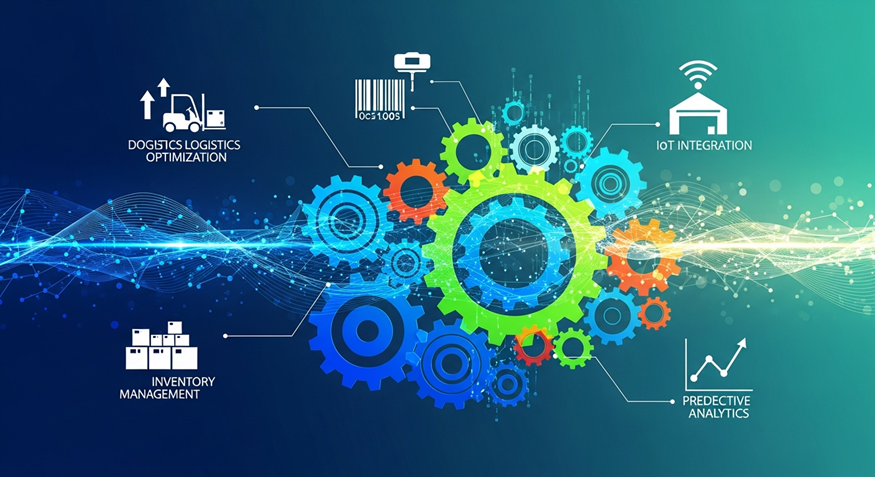
- Respond quickly to market unpredictability and changing customer demands.
- Optimize logistics and inventory management to reduce lead times and costs.
Smart Automation and Robotics
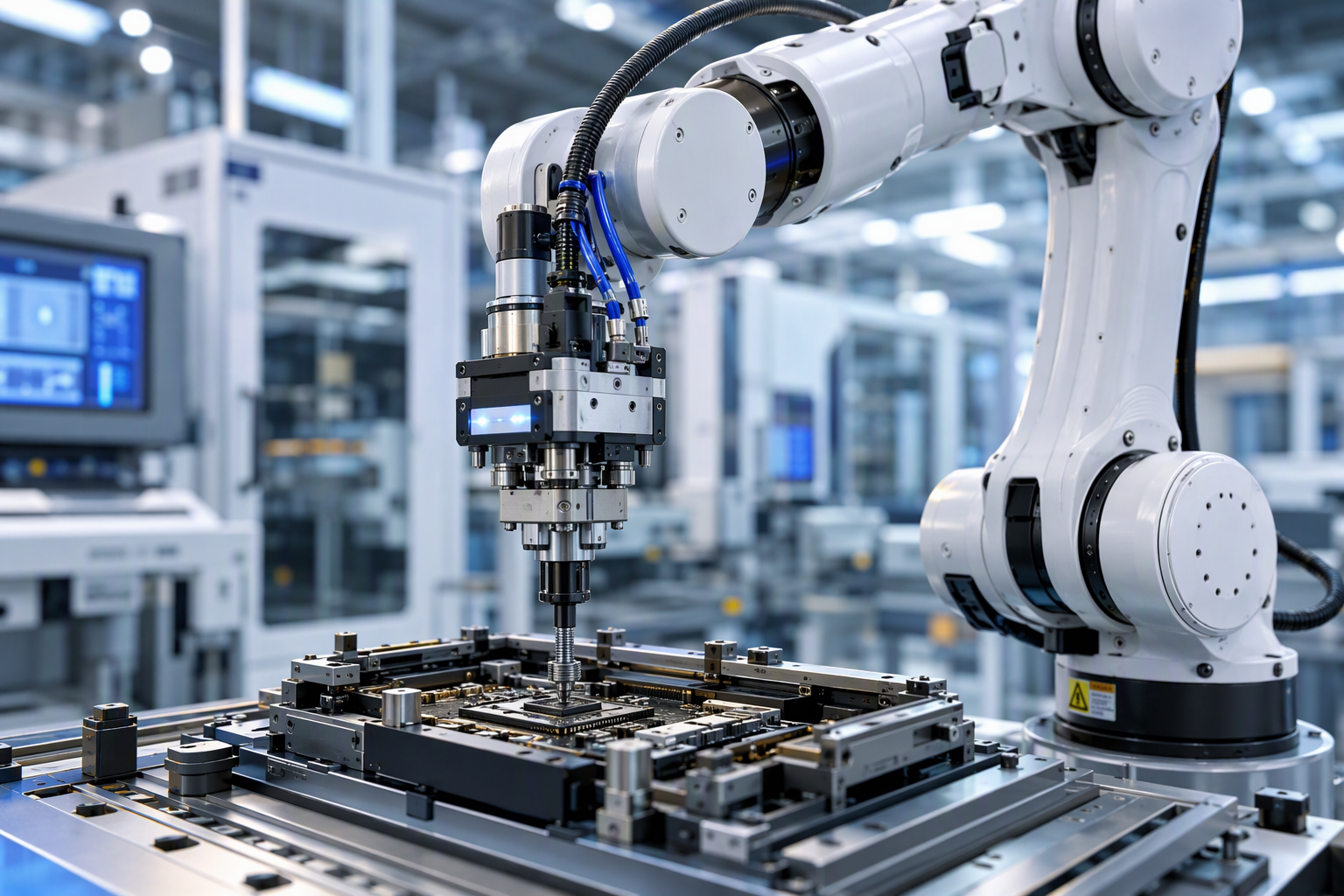
Smart automation and robotics are visible examples of Industry 4.0 in real-world manufacturing. This goes far beyond the repetitive robots of the past. Modern robots are collaborative, able to work alongside humans safely and efficiently. They can handle complex tasks with precision, improving product quality and consistency.
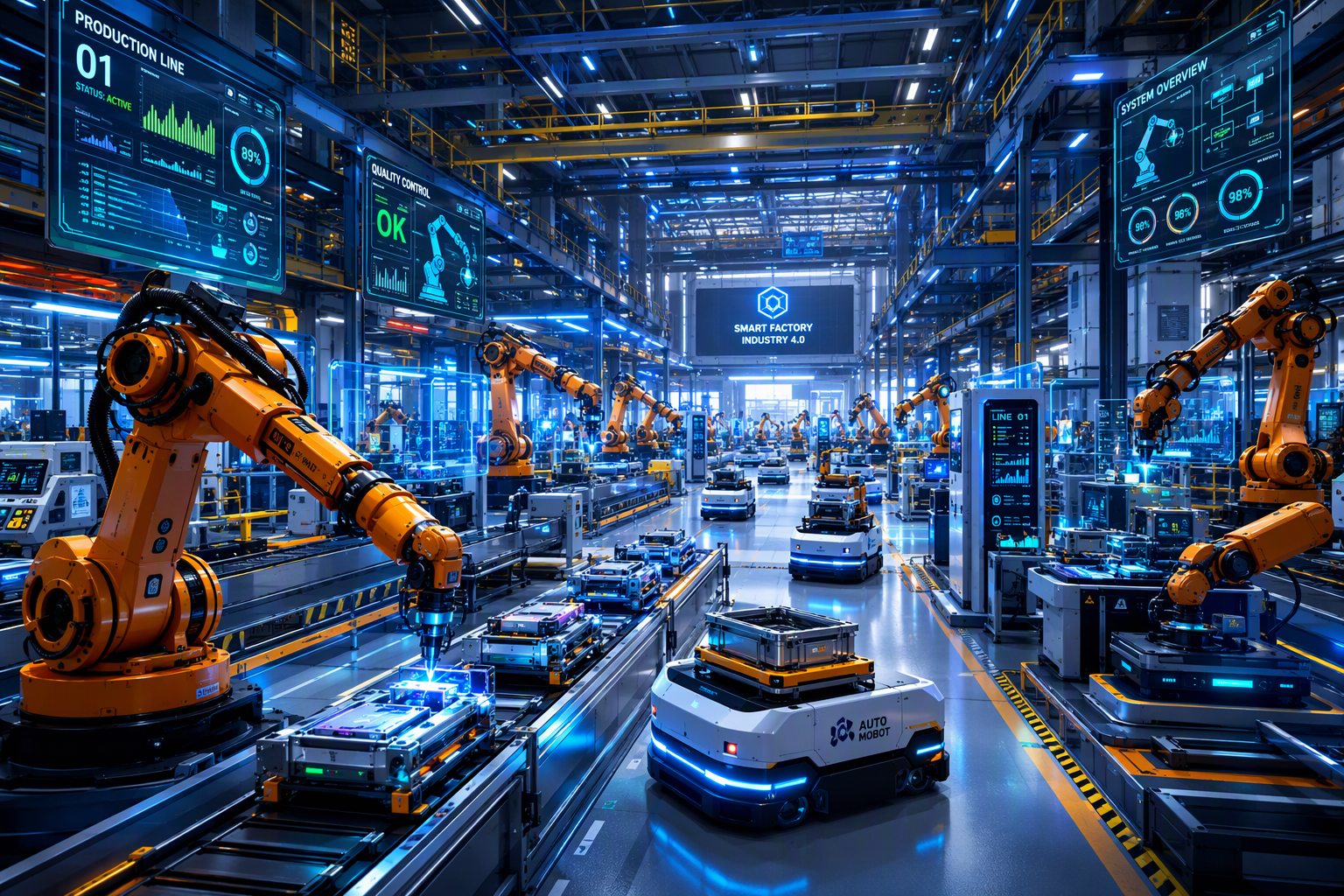
In the manufacturing sector, smart automation streamlines processes and reduces the need for manual labor in hazardous or repetitive jobs. For example, autonomous vehicles can transport materials within a factory, while advanced robots handle assembly and quality control. This enhances productivity and allows human workers to focus on more value-added tasks.
This technology directly improves:
- Equipment performance: Automated systems can operate 24/7 with consistent precision.
- Product quality: Automation minimizes human error, leading to fewer defects.
Beginner’s Guide: Getting Started with Industry 4.0 in Supply Chain
Embarking on a digital transformation journey with Industry 4.0 can seem daunting, but it's an achievable goal for any organization. The key is to start with a clear plan and a solid understanding of your current supply chain management capabilities and business processes.
While companies can face challenges like high initial costs or a lack of skilled personnel, a step-by-step approach can help you navigate these obstacles. Let’s walk through the essential tools you'll need and a simple guide to begin your implementation.
Essential Tools and Resources Needed
To begin your Industry 4.0 journey, you'll need to invest in a set of essential digital technologies. What are the main technologies that drive Industry 4.0? As we've discussed, they form an interconnected ecosystem that powers the smart supply chain. Your specific needs will determine the exact tools, but some are universally crucial.
The foundation is often a robust data infrastructure. This includes IoT sensors for data collection and cloud computing for storage and processing. You will also need software platforms to manage and analyze this data, such as an Enterprise Resource Planning (ERP) system that can integrate with these new technologies.
Here are some of the core components you'll need:
- Internet of Things (IoT) devices: Sensors to collect data from your assets and environment.
- Cloud Computing platform: For scalable data storage and analytics.
- Data analytics software: To turn raw data into actionable insights for your supply chain.
Step-by-Step Guide to Implementation
Implementing Industry 4.0 is a journey, not a single event. Adopting a step-by-step approach allows you to manage the digital transformation effectively, minimize disruption, and demonstrate value along the way. While challenges like integrating new technology with legacy systems exist, a methodical plan helps overcome them.
This process begins with understanding where you are and where you want to go. It involves a careful assessment of your current production processes and identifying the areas that would benefit most from digitalization. From there, you can build a roadmap that aligns with your business goals and even opens the door to new business models.
Here is a simple three-step guide to get started:
- Step 1: Assess your current supply chain capabilities.
- Step 2: Identify suitable Industry 4.0 technologies for your needs.
- Step 3: Develop a comprehensive integration strategy.
Let's explore each of these steps in more detail.
Step 1: Assess Current Supply Chain Capabilities
The first step in any digital transformation is to establish a baseline. You need a clear and honest picture of your current supply chain management practices. This involves evaluating your existing processes, technologies, and data collection methods. What data are you currently gathering? How are you using it?
This assessment should cover everything from equipment performance to workforce productivity. Look for inefficiencies, bottlenecks, and areas where a lack of information is hindering decision-making. Are you relying on manual data entry? Is performance data siloed in different departments? Answering these questions will highlight the most significant opportunities for improvement.
Gathering this information is crucial because it helps you prioritize your efforts. Instead of trying to implement everything at once, you can focus on solving the most pressing problems first. This targeted approach ensures that your initial investments deliver a meaningful return and build momentum for the broader transformation.
Step 2: Identify Suitable Industry 4.0 Technologies
Once you understand your needs, the next step is to identify the right digital technologies to address them. Not every Industry 4.0 tool is necessary for every business. The goal is to select technologies that provide a direct solution to the challenges you identified in your assessment.
For example, if your assessment revealed frequent unplanned downtime, you might prioritize the Internet of Things and artificial intelligence for predictive maintenance. If you struggle with inventory management, IoT tracking and data analytics could be your focus. The key is to match the technology to a specific business need to ensure a clear return on investment.
When selecting technologies, consider:
- Scalability: Can the solution grow with your business?
- Integration: How well will it work with your existing systems?
This thoughtful selection process is critical for building a successful smart manufacturing environment that is tailored to your unique operations.
Step 3: Develop Integration Strategy
Having the right technologies is only half the battle; successful integration is what brings your digital transformation to life. One of the biggest challenges companies face is making new systems work with legacy equipment and processes. A well-defined integration strategy is essential to bridge this gap and ensure a smooth data flow across the entire supply chain.
Your strategy should outline how new technologies will be incorporated into your existing production lines and business workflows. This includes planning for both the technical aspects of integration and the human element. How will you train your employees to use the new tools? How will you manage the change to ensure everyone is on board?
A successful integration strategy should:
- Start small: Begin with a pilot project to test the technology and demonstrate its value.
- Focus on the entire value chain: Ensure that data can be shared seamlessly between different departments and even with external partners.
Conclusion
In summary, Industry 4.0 represents a transformative shift in supply chain management, leveraging key technologies like IoT, AI, and cloud computing to enhance efficiency and visibility. Understanding how these advancements can be integrated into your operations is crucial for staying competitive in today's fast-paced market. By adopting the strategies outlined in this blog, you can navigate the complexities of Industry 4.0 and position your supply chain for success. Embrace this new era, and you’ll not only optimize processes but also unlock new opportunities for growth. If you're ready to take the next step, don’t hesitate to reach out for a free consultation to discuss how we can assist you in implementing these innovative solutions.
Frequently Asked Questions
How does Industry 4.0 benefit supply chain operations?
Industry 4.0 revolutionizes the supply chain by integrating digital technologies. This enhances visibility, streamlines logistics, and improves inventory management. With real-time data analytics, you can make faster, more informed decisions, reduce costs, and respond quickly to market changes, boosting overall efficiency and customer satisfaction.
What challenges do companies face when adopting Industry 4.0?
Companies often face challenges such as high initial investment costs, integrating new digital technologies with legacy production lines, and ensuring the security of sensitive data. Another major hurdle in supply chain management is the shortage of employees with the skills needed to manage and analyze the new systems.
Is Industry 4.0 limited to manufacturing or does it influence other industries?
While rooted in the manufacturing sector, Industry 4.0's influence extends far beyond it. Industries like logistics, healthcare, agriculture, and energy are all adopting these new technologies. It transforms business models by optimizing the supply chain and creating smarter, more efficient operations across various sectors.
What skills are needed for supply chain professionals in Industry 4.0?
Supply chain professionals now need a blend of traditional expertise and new technical skills. Proficiency in data analytics, understanding digital technologies like IoT and artificial intelligence, and a strong background in information technology are crucial. Soft skills like problem-solving and adaptability are also highly valued in this evolving landscape.
You might also like