Industrial Automation Sector:Predictions for 2030 and Beyond
Industrial Automation Sector:Predictions for 2030 and Beyond
Key Highlights
- Industrial automation uses control systems and technologies like industrial robots to manage processes with minimal human input.
- Key benefits include increased productivity, enhanced product quality, improved workplace safety, and significant cost savings.
- The main types of automation are fixed, programmable, flexible, and integrated systems, each serving different production needs.
- Trends like AI, machine learning, and IoT are creating smart factories and more efficient Industrial Automation Sector solutions.
- The industrial automation market is set for major growth, driven by the need for efficiency and technological advancements.
Introduction
Welcome to the future of manufacturing! The industrial automation sector is rapidly transforming how goods are made, moving from human-operated machines to self-operating systems. This shift is at the heart of modern industry, boosting efficiency and innovation. As we look toward 2030, the Industrial Automation Sector market is poised for incredible growth, driven by new technologies and increasing demands for smarter production. Are you ready to see what's next?
Understanding Industrial Automation Sector in Modern Industries
At its core, Industrial Automation Sector involves using control systems and advanced automation technology to manage industrial processes with little to no human help. It represents a significant leap from simple mechanization, enabling machines to operate themselves while people focus on strategy and oversight.
This technology is central to what we call "smart manufacturing." It allows for faster, more consistent, and scalable production. Let's explore the fundamental concepts behind this revolution and see how it functions in real-world settings.
Definition and Core Concepts of the Industrial Automation Sector
Industrial Automation Sector is the use of computer-driven control systems, such as robots and specialized software, to operate industrial processes with minimal human intervention. It’s about shifting from a model where people directly operate machinery to one where machines operate themselves, guided by human strategy.
The fundamental idea is to automate tasks that are repetitive, complex, or hazardous. This not only speeds up production but also significantly reduces the potential for human error.
By employing these systems, companies can achieve a level of precision and consistency that is difficult to replicate manually. This forms the basis of modern, efficient manufacturing, where technology handles the hands-on work, freeing up human workers for more strategic roles.
How Industrial Automation Works in Practice
In a practical sense, Industrial Automation Sector works through a continuous feedback loop. Machines monitor conditions, process data, and respond in real time, allowing the entire automation system to adjust automatically and maintain peak performance.
This closed-loop system follows a predictable sequence. Itstarts with sensors detecting what is happening on the production or assemblylines. Controllers then receive signals and make decisions, which are carriedout by actuators, motors, and industrial robots. This entire process allows forthe efficient handling of repetitive tasks.
The key components communicating seamlessly are:
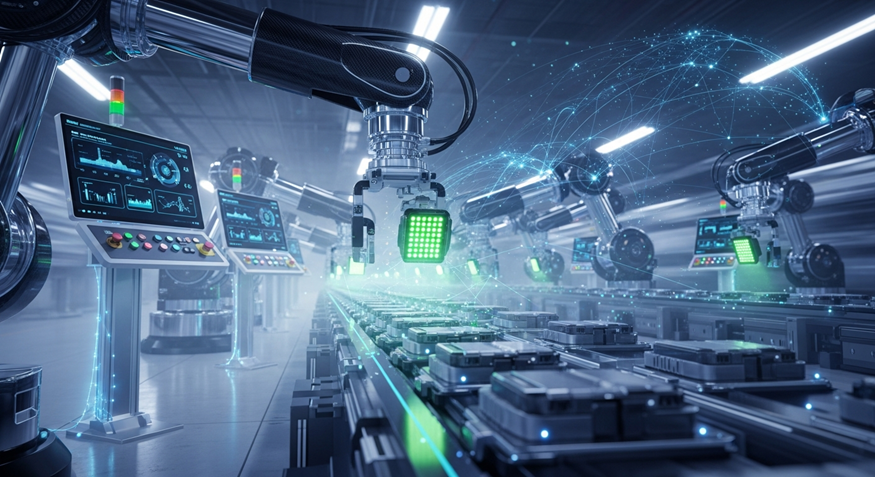
- Sensors: Detect conditions on the line.
- Controllers: Process data and make decisions.
- Actuators and Robotics: Execute physical movements.
Major Industry Sectors Using Automation
Industrial Automation Sector isn't limited to one field; it's transforming various sectors by boosting efficiency in diverse industrial environments. The manufacturing process, in particular, has seen a massive overhaul thanks to these technologies.
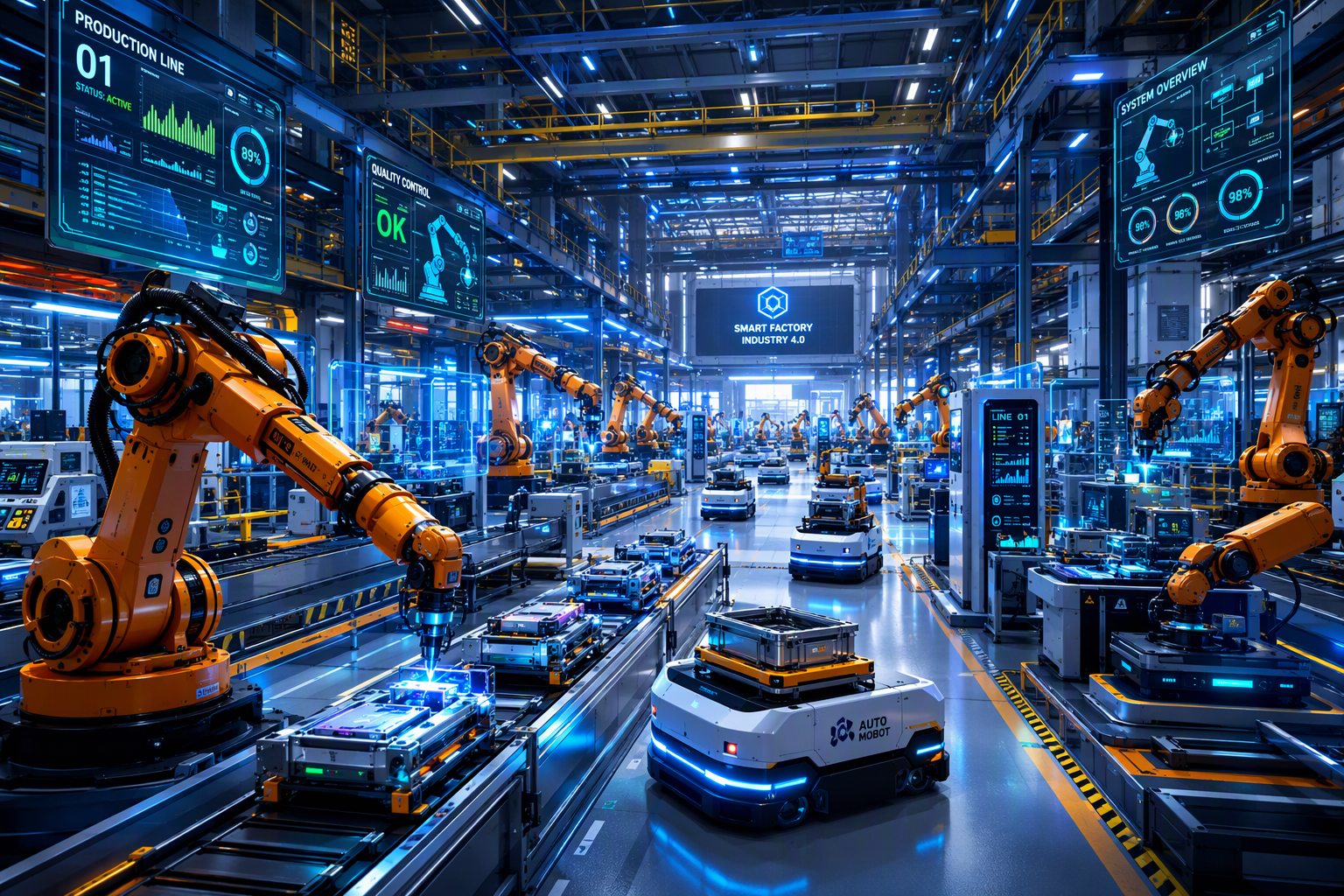
From cars to consumer goods, automation is everywhere. In automotive manufacturing, for example, robotic arms handle welding and painting with incredible precision. Food processing plants use automated systems for filling and packaging, ensuring consistency and quality.
Here are a few key sectors where automation is making a big impact:
- Automotive Manufacturing: Robots assemble cars on automated lines.
- Food and Beverage: Computerized systems manage mixing, filling, and packaging.
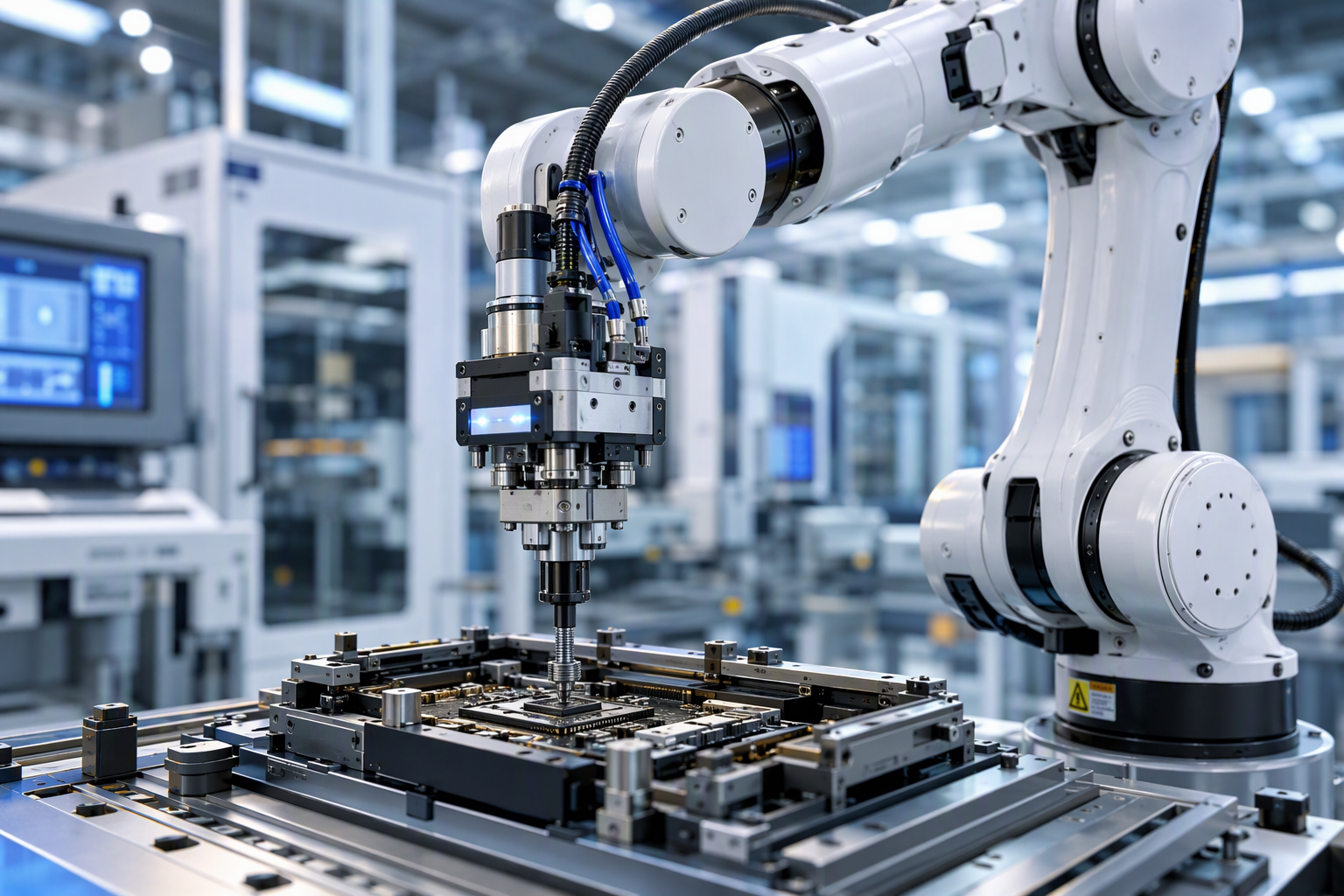
- Electronics Assembly: High-speed machines place tiny components on circuit boards.
Types of Industrial Automation Systems
When considering automation solutions, it's important to know that not all systems are the same. Different types of industrial automation technology are suited for different production needs, from high-volume, un-changing processes to highly customized manufacturing.
The choice of which type of automation to use depends on factors like production volume, product variety, and the need for flexibility. Understanding the primary categories—fixed, programmable, flexible, and integrated—helps businesses select the right automation system for their goals.
Fixed (Hard) Automation Solutions
Fixed automation, often called hard automation, is designed for high-volume production where the tasks are repetitive and do not change. This approach uses specialized automation equipment configured for a single, specific purpose.
Think of traditional assembly lines in the automotive industry. Once set up, these systems run continuously with minimal adjustments, making them incredibly efficient for mass production. They are built to perform the same sequence of operations over and over.
While this type of automation offers amazing speed and cost savings for large-scale manufacturing, its lack of flexibility is a key characteristic. It's perfect for when the production process is stable and not expected to change for a long time.
Programmable Automation Systems
Programmable automation offers a solution for manufacturing processes that handle products in batches. Unlike fixed automation, these systems can be reprogrammed to accommodate different product designs or tasks, offering greater flexibility.
This type of automation is ideal for industries with moderate production volumes and some variation in products, such as electronics manufacturing. For instance, a machine can be reprogrammed to produce different models of a device in separate batches. Programmable logic controllers (PLCs) are often at the heart of these systems.
These automation solutions strike a balance between efficiency and adaptability. They allow manufacturers to change their production without needing to completely overhaul their equipment, making them a versatile choice for many businesses.
Flexible (Soft) Automation Approaches
Flexible automation, also known as soft automation, is the most adaptable of all the types. It is designed to handle a variety of products and can switch between different tasks quickly without significant downtime on the production line.
This approach is perfect for industries that need to respond rapidly to changing market demands or produce customized items. It often involves advanced technologies like collaborative robots, sensors, and intelligent software that allow for quick adjustments.
Industries like consumer goods or small-batch manufacturing benefit greatly from flexible automation. The ability to make swift changeovers provides a high degree of both versatility and efficiency, enabling companies to stay agile and competitive.
Integrated Control Systems
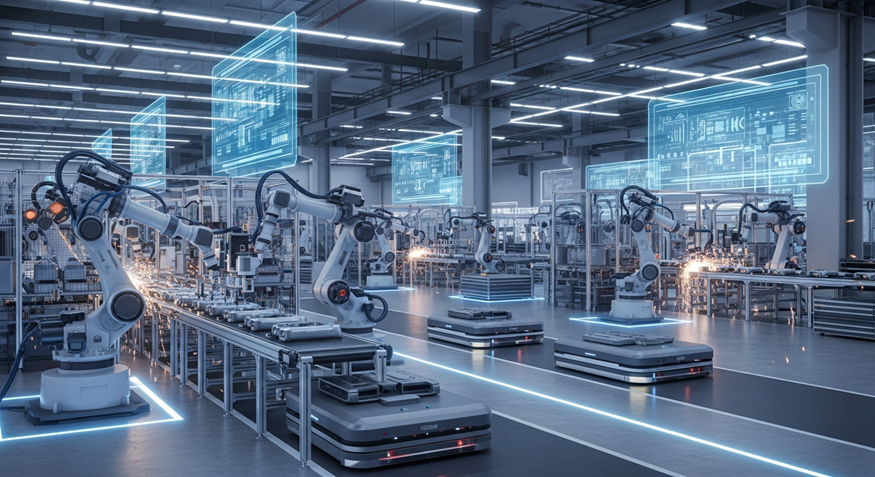
Integrated control systems represent the pinnacle of modern automation technology. They connect multiple machines, processes, and control systems into a single, coordinated platform that functions as a unified whole.
Instead of having isolated work stations, every part of the production process communicates and works in sync. Supervisory control and data acquisition (SCADA) systems gather real-time information from sensors and IoT devices, which allows the entire operation to be monitored and adjusted instantly.
This level of integration is the foundation of today's smart factories. It reduces downtime, improves consistency, and helps operations scale more efficiently. While it requires a significant initial investment, the result is a highly intelligent and responsive manufacturing environment.
Benefits of Industrial Automation
Implementing industrial automation brings a host of powerful advantages to any manufacturing operation. The benefits of automation go far beyond simply speeding up industrial processes; they touch every aspect of the business, from product quality to workplace safety and, ultimately, the bottom line.
By automating tasks, companies can address common operational challenges and achieve significant improvements across the board. These advantages, including major cost savings and enhanced efficiency, demonstrate why so many businesses are embracing this transformative technology.
Increased Productivity and Efficiency
One of the most significant advantages of industrial automation is the dramatic boost in productivity and operational efficiency. Automated systems can operate 24/7 without breaks or holidays, something that isn't possible with a human workforce alone.
This continuous operation allows manufacturing plants to maximize their output and achieve production goals that were previously out of reach. By automating key industrial processes, companies can streamline workflows and eliminate bottlenecks that slow down production. The result is a faster, more reliable, and highly efficient manufacturing cycle.
Automation delivers measurable gains, such as:
- Faster cycle times
- Increased throughput without adding labor
- Fewer unplanned shutdowns
Enhanced Product Quality and Consistency
Beyond speed, industrial automation delivers a remarkable improvement in product quality and consistency. Automation technology is designed to perform tasks with a level of precision that is difficult for humans to match, especially over long periods.
Unlike people, robots and automated systems don't get tired or distracted. This means they can produce items with consistent quality, no matter the time of day. For example, in the car industry, automated machinery reduced the error rate for installing pistons from over 1% to just 0.00001%.
This focus on precision is a key part of modern quality control. By minimizing human error, automation ensures that every product meets the same high standards, leading to greater customer satisfaction and a stronger brand reputation.
Improved Workplace Safety
Improving workplace safety is another crucial benefit of industrial automation. Many industrial environments involve tasks that are hazardous, physically demanding, or involve exposure to dangerous materials. Automation solutions can take over these high-risk jobs.
By deploying robots and automated systems to handle dangerous or repetitive tasks, companies can protect their human workers from potential harm. This not only reduces the risk of accidents and injuries but also improves the overall work environment.
This shift allows employees to move away from strenuous manual labor and into safer, more supervisory roles. Ultimately, automation makes the production line a safer place for everyone involved.
Cost-Saving Advantages
While the initial investment in Industrial Automation Sector solutions can be high, the long-term cost-saving advantages are substantial. Automation helps reduce operating costs in several key ways, making it a financially sound strategy for many businesses.
One of the most direct savings comes from reduced labor costs. Automated systems don't require wages, benefits, or paid leave. Furthermore, the maintenance costs for machinery are often lower than the ongoing expenses associated with a large human workforce.
Beyond labor, automation also leads to cost savings by reducing material waste, improving energy efficiency, and minimizing expensive errors. Over time, these savings compound, providing a strong return on the initial investment.
Current Market Trends Shaping the Industrial Automation Sector
The Industrial Automation Sector market is dynamic, constantly evolving to meet new market demands and leverage new technologies. In today's competitive global marketplace, businesses are pushed to streamline operations, and automation solutions are at the forefront of this movement.
Several key trends are currently shaping the industry's direction. From the integration of IoT to advances in artificial intelligence, these developments are making automation more accessible, powerful, and essential for companies looking to stay ahead.
Rise of Smart Factories and IoT Integration
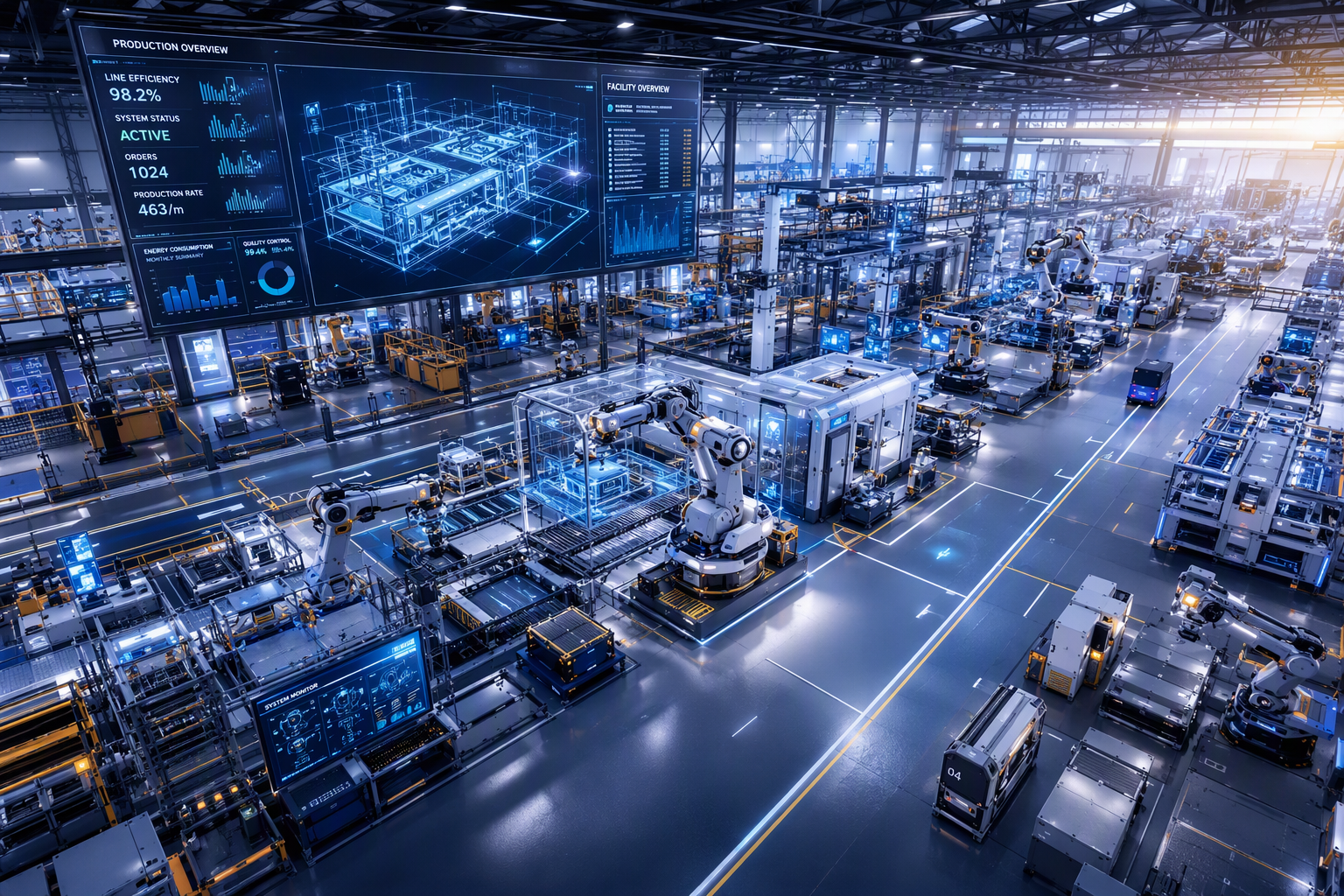
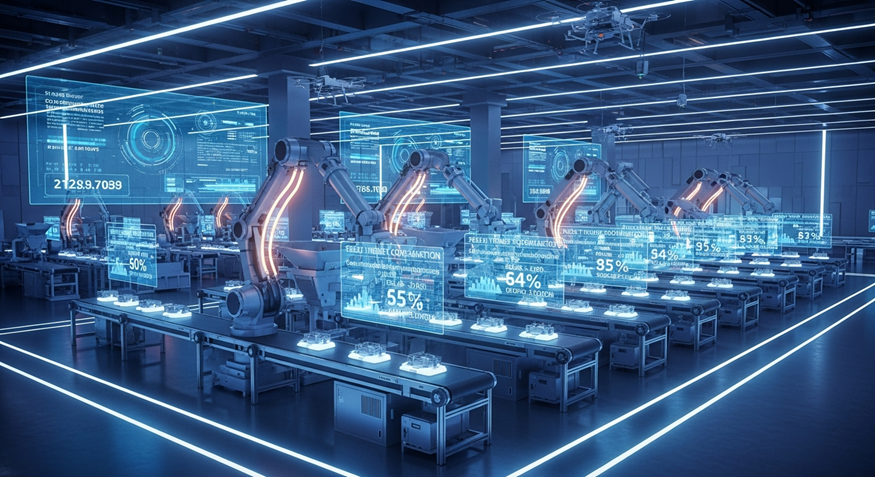
A major trend transforming the industry is the rise of smart factories, which are powered by the integration of the Internet of Things (IoT). This network of connected devices, often called the Industrial Internet of Things (IIoT), links the physical world of machines with digital systems.
In a smart factory, sensors and devices like machine vision systems are embedded everywhere, collecting vast amounts of data from the factory floor. This data is then analyzed to provide real-time insights into equipment performance, material usage, and quality control.
This deep integration of automation technology allows for more intelligent and adaptive production. Manufacturers can gain visibility into their processes, optimize workflows, and even predict maintenance needs before they cause downtime, leading to significant gains in productivity.
Advances in Industrial Robotics
The field of industrial robotics is advancing at a breathtaking pace. Today's industrial robots are more capable, flexible, and accessible than ever before, expanding their use across a wide range of industrial applications.
One of the most exciting developments is the emergence of collaborative robots, or "cobots." These robots are designed to work safely alongside human employees, combining the strength and precision of automation with the flexibility and problem-solving skills of people. This opens up new possibilities for automation in environments where full automation isn't practical.
As this automation equipment becomes more sophisticated and affordable, more businesses are integrating robotics to handle tasks from assembly and welding to material handling, driving efficiency and productivity forward.
Adoption of Artificial Intelligence and Machine Learning
Artificial intelligence (AI) and machine learning (ML) are becoming game-changers in the world of industrial automation. These technologies are being integrated into automation solutions to create systems that can learn, adapt, and make decisions on their own.
One of the most powerful applications is predictive maintenance. By analyzing data from sensors on equipment, machine learning algorithms can predict when a machine is likely to fail. This allows maintenance to be scheduled proactively, preventing costly unplanned downtime.
Beyond maintenance, AI is also being used to optimize production processes in real time, improve quality control through intelligent vision systems, and make supply chains more efficient. As AI and ML continue to mature, their impact on automation will only grow.
Shift Toward Digitalization and Data Analytics
The broader shift toward digitalization is having a profound impact on industrial automation. Companies are moving away from analog processes and embracing digital technologies to collect, analyze, and act on data from every corner of their operations.
Data analytics is central to this trend. By analyzing the massive amounts of data generated by automated systems, businesses can uncover valuable insights to improve efficiency, reduce waste, and make better decisions. This is enhanced by technologies like edge computing, which allows data to be processed closer to its source for faster response times.
This focus on data extends beyond the factory floor to encompass the entire supply chain. Digitalization and analytics are key to optimizing supply chain management, enabling better forecasting, inventory control, and logistics. This comprehensive approach is a hallmark of modern automation technology.
Predictions for Industrial Automation Market Growth by 2030
Looking ahead, the industrial automation market is on a trajectory of significant growth. As businesses worldwide face increasing pressure to improve efficiency and meet evolving market demands, the adoption of automation solutions is becoming a critical strategy for maintaining a competitive edge.
The global industrial automation market is forecast to expand considerably by 2030. This growth will be fueled by technological advancements, government initiatives promoting smart manufacturing, and the clear return on investment that automation provides.
Global Market Size and Expansion Forecasts
The global industrial automation market is poised for impressive expansion in the coming years. Projections show a steady and robust growth rate as more industries recognize the value of automating their processes to meet market demands.
This growth is driven by the increasing adoption of automation solutions across various sectors, from manufacturing and energy to pharmaceuticals. The market is expected to grow from an estimated value of USD 261.23 billion in 2026 to USD 455.26 billion by 2033, reflecting a compound annual growth rate (CAGR) of 9.7%. This expansion highlights the industry's strong momentum.
Here is a summary of the market forecast:
| Metric | Value |
|---|---|
| Base Year (2025) Value Est. | N/A |
| Estimated Market Size (2026) | USD 261.23 Bn |
| Forecasted Market Size (2033) | USD 455.26 Bn |
| CAGR (2026-2033) | 9.7% |
Key Growth Drivers in the United States
In the United States, the industrial automation market is being propelled forward by several key factors. A strong manufacturing base, early adoption of advanced technologies, and significant investments in factory modernization are creating a fertile ground for growth.
The need to enhance productivity and compete globally is pushing American manufacturers to invest heavily in automation technology. This includes upgrading plants with the latest robots, sensors, and Industrial IoT solutions for a wide range of industrial applications.
Furthermore, government initiatives aimed at digitizing manufacturing and strengthening domestic supply chains are also boosting demand. As companies look to reshore operations and increase efficiency to meet market demands, the adoption of automation will continue to accelerate across the country.
Regional Trends Across Major Industry Segments
Globally, the industrial automation market shows distinct regional trends. North America, with its established manufacturing infrastructure, currently dominates the market. The region has been an early adopter of advanced automation solutions, especially in industries like automotive and electronics.
The Asia Pacific region, however, is emerging as the fastest-growing market. Countries like China, Japan, South Korea, and India are experiencing a manufacturing boom, fueled by government initiatives and rising foreign investment. As labor costs increase, companies in this region are rapidly turning to automation to maintain their competitive edge.
In various industrial settings, the focus is on integrating automation to improve the entire supply chain. This global push for smarter, more connected manufacturing ensures that the demand for automation solutions will remain strong across all major industry segments and geographical regions.
Sustainability and Green Manufacturing in Automation
Industrial Automation Sector is not just about boosting productivity and profit; it also plays a crucial role in promoting sustainability and green manufacturing. By optimizing processes and reducing waste, automation helps companies minimize their environmental footprint.
This connection between automation and sustainability is becoming increasingly important. From improving energy efficiency to enabling eco-friendly operations, automation provides powerful tools for businesses committed to building a greener future.
Energy Efficiency Improvements through Automation
A key contribution of industrial automation to sustainable manufacturing is the significant improvement in energy efficiency. Automated systems can be programmed to operate machinery and equipment in the most energy-conscious way possible, reducing consumption and lowering costs.
Industrial Automation Sector technology allows for precise control over processes, ensuring that energy is used only when and where it is needed. For example, systems can automatically power down machines during idle times or optimize motor speeds to match the required load.
By implementing these strategies, companies can achieve substantial energy savings. This not only reduces their operational expenses but also lessens their environmental impact. Key benefits include:
- Optimized use of machinery to reduce power consumption.
- Smart control of lighting and HVAC systems in facilities.
- Reduced overall energy footprint for the entire operation.
Waste Reduction and Eco-Friendly Operations
In addition to saving energy, automation solutions are instrumental in promoting eco-friendly operations through waste reduction. The precision and consistency of automated systems lead to fewer errors and defects in production, which means less scrap and wasted material.
This focus on quality control has a direct impact on sustainability. By getting it right the first time, automation minimizes the resources consumed in producing goods, from raw materials to the energy used in the manufacturing process. This is especially important in industrial environments where large volumes are produced.
Automation helps companies achieve their waste reduction goals by:
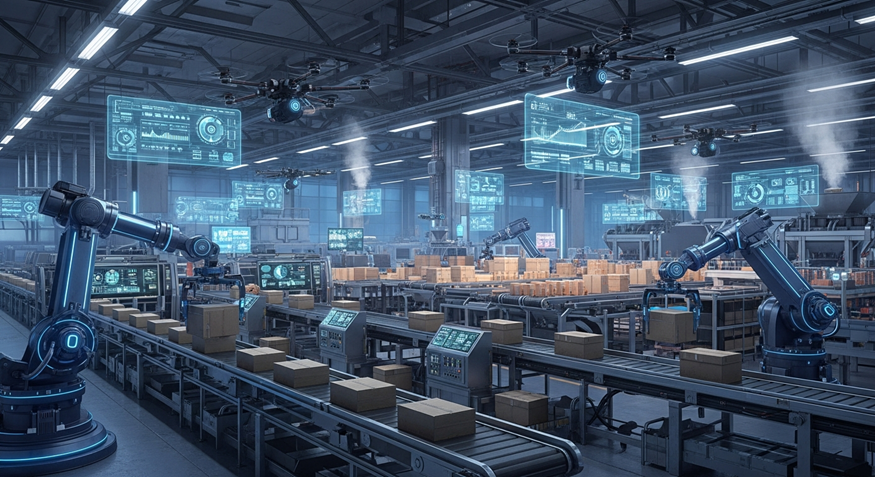
- Improving process accuracy to minimize material scrap.
- Enabling more efficient use of raw materials.
- Optimizing packaging processes to reduce excess materials.
Conclusion
In conclusion, the industrial automation sector is on the brink of transformative growth by 2030 and beyond. The integration of advanced technologies like AI, IoT, and robotics promises not only to enhance productivity and efficiency but also to align with sustainability goals. As industries embrace these innovations, the potential for improved product quality, enhanced workplace safety, and cost benefits are immense. Companies that proactively adapt to these trends will be well-positioned to thrive in an increasingly automated landscape. If you're curious about how your business can leverage these advancements, get in touch with us for a free consultation and explore the future of industrial automation together!
Frequently Asked Questions
What are real-world examples of industrial automation in manufacturing?
Real-world examples of Industrial Automation Sector include industrial robots performing welding and painting on automotive assembly lines, automated systems filling and packaging products in the food industry, and high-speed machines placing components on circuit boards. These automation solutions streamline the manufacturing process and improve efficiency.
What are the top automation trends to watch for in 2030 and beyond?
Looking toward 2030, key automation trends include the widespread adoption of artificial intelligence and machine learning for predictive maintenance and process optimization. The expansion of the Industrial Internet of Things (IIoT) will create more connected smart factories, driving the industrial automation market forward.
What challenges do companies face during automation adoption?
Companies adopting industrial automation often face challenges such as the high initial investment for equipment and implementation. Other potential issues include concerns about job displacement for human workers, cybersecurity risks in connected systems, and the need for new skills to manage and maintain the automation solutions.
You might also like