Getting Buy-In for OEE: Operators, Supervisors, and the Plant Manager
Key Highlights
- OEE helps you tie equipment effectiveness to daily actions that improve production efficiency.
- Strong oee implementation starts with simple operator input and clear feedback on the shop floor.
- Supervisors support OEE faster when they can see shift trends and coach from facts.
- Plant managers back OEE when it connects to cost, capacity, and ROI.
- Early wins in downtime, quality, and run time build trust for continuous improvement.
- A phased rollout keeps teams aligned and makes OEE easier to sustain.
Introduction
Getting buy-in for OEE is not really about selling a formula. It is about helping each level of your plant see why the metric matters to them. Operators want simple data entry and useful feedback. Supervisors want trends they can coach from. The plant manager wants better manufacturing performance, clearer oee calculation, and a path to continuous improvement that supports cost control, capacity, and stronger results. When each group sees its gain, support gets much easier.
Understanding OEE and Its Value in U.S. Manufacturing
Overall equipment effectiveness gives you a simple way to understand how well a line, cell, or machine is running. In U.S. manufacturing, that matters because teams are under constant pressure to improve production efficiency without adding major capital.
Just as important, OEE supports total productive maintenance and daily problem-solving. It helps you see where time, speed, and quality are slipping. That shared view makes it easier to align operators, supervisors, and managers around the same improvement target. The next sections break down what OEE means and why it matters plant-wide.
What is Overall Equipment Effectiveness (OEE)?
Overall equipment effectiveness, or OEE, is a metric used to measure how effectively a manufacturing process or a piece of equipment is running. It shows how much of your planned production time is truly productive. That makes it a practical starting point for teams that want better visibility into manufacturing performance.
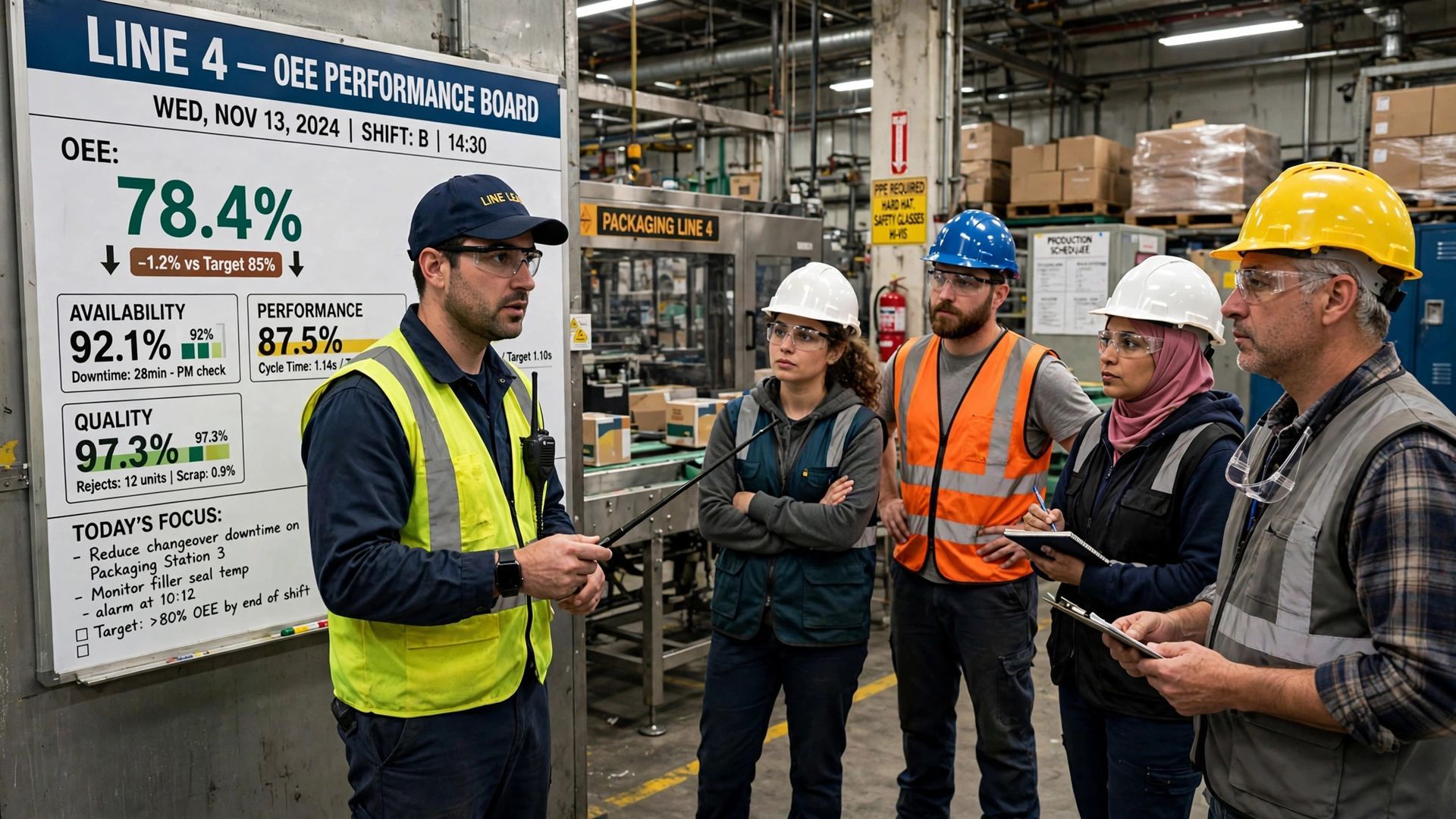
The oee calculation combines three factors: availability, performance, and quality. You multiply those three values together to get an oee score. The result is a percentage that tells you how close the process is to running as planned, at the right speed, and with good output.
If you want team buy-in, start there. Keep the explanation simple. Show that OEE is not about blame. It is a shared way to track lost time, slow running, and defects so people can improve what they control.
Key Components: Availability, Performance, and Quality
Availability measures how much of planned time your process is actually running. It captures availability losses such as breakdowns, changeovers, and scheduled maintenance. If the line is supposed to run but is stopped, availability is affected.
Performance looks at how well equipment runs compared to its maximum potential. This area reflects performance losses such as slow cycles, idling, and minor stops. A line can be running but still giving away output if the pace is off.
Quality shows how much of your output meets requirements the first time. It focuses on good parts versus scrap, rejects, or rework, which shapes the quality score. For management, these three factors matter because they connect directly to cost, throughput, and customer-facing quality issues.
Why OEE Matters for the Entire Plant Team
OEE works best when the whole plant treats it as a shared operating system, not just a report. Operators see what is happening in real time on the shop floor. Supervisors use oee metrics to spot patterns by shift. Managers use the same information to guide priorities.
That cross-level view matters because production efficiency problems rarely sit in one place. A downtime issue may start with maintenance practices, setup habits, or inconsistent operating methods. Quality losses may come from process drift that no single role can fix alone.
When buy-in exists at every level, OEE becomes more effective because everyone acts on the same losses. Instead of arguing about opinions, the team can focus on facts, root causes, and the next improvement step.
The Business Case for OEE: Cost, Capacity, and ROI
For plant managers, OEE earns support when it moves beyond a score and becomes a business case. Better equipment utilization means more output from the assets you already have. That can improve manufacturing performance without requiring a major capital project.
There is also a direct line to cost savings. Less downtime, fewer defects, and better run rates reduce waste and protect margins. If you want leadership buy-in, frame OEE around dollars, capacity, and practical return. The following sections show how to make that case clearly.
How OEE Drives Cost Reduction and Efficiency
OEE improves operational efficiency by making losses visible. When you can see where time is lost to breakdowns, setup times, slow running, or defects, you can target the biggest gaps first. That focus helps teams spend effort where it has the greatest effect.
The financial impact comes from several directions. Reducing machine downtime protects labor and schedule performance. Improving quality lowers scrap, reject, and rework costs. Increasing equipment effectiveness raises output from the same line, which supports better asset use.
These are the main benefits that usually win management attention. OEE supports cost savings, stronger throughput, more stable product quality, and better decision-making. It gives leaders a powerful metric they can connect to performance improvement rather than just activity.
Connecting OEE to Capacity Improvements
Many teams think capacity only improves with new equipment. OEE shows another path. If you reduce unplanned downtime, shorten changeovers, and cut slow cycles, you increase run time on existing assets. That raises production capacity without adding new machines.
This is useful when staff are hesitant. You are not asking them to chase a score for its own sake. You are showing how better oee data can relieve pressure by making current lines more dependable and productive. That is easier for teams to support.
In practical terms, OEE helps you find bottlenecks and losses that limit output today. Once those are visible, teams can improve the system they already know. That turns OEE into a capacity tool, not just a dashboard.
Demonstrating OEE’s ROI to Decision Makers
Decision makers want more than theory. They want to know what better OEE will return. The good news is that OEE ties directly to measurable gains from improved availability, performance, and quality. That gives you a clear way to discuss ROI using internal losses your team already sees.
Start with baseline data collection on one line or asset. Then compare current downtime, speed loss, and defect levels against results after focused changes. This shows how oee improvements support more output, lower waste, and better asset use.
OEE area
Operational change
Likely business effect
Availability
Fewer breakdowns and faster changeovers
More planned production time recovered
Performance
Less idling, fewer minor stops, improved cycle time
Higher output during the same shift
Quality
Fewer defects, less rework, better good count
Lower scrap cost and stronger margins
Combined OEE gain
Better visibility through data collection
Clearer ROI story for management
The Role of Operators in OEE Success
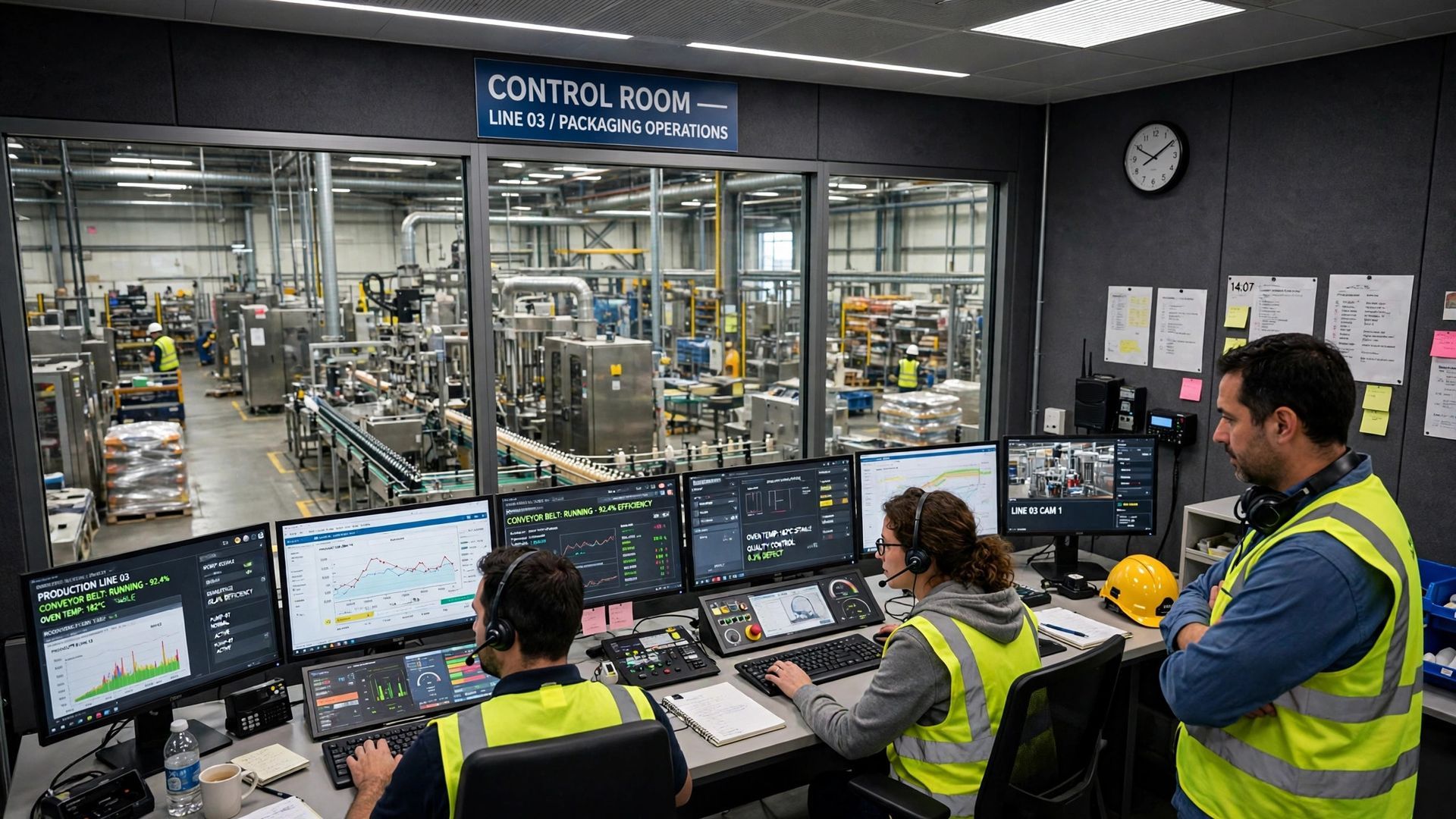
Operators are central to OEE because they see the process as it happens. They know when a machine hesitates, when a setup drags, or when quality begins to drift. Good oee data depends on that shop floor insight.
Still, buy-in from operators is earned, not assumed. If data collection feels slow, unclear, or one-sided, resistance will rise quickly. The answer is to make OEE easier to use and more useful to the people closest to the work. The next sections focus on how to do that.
Making Data Entry Simple and Unobtrusive
If you want operator buy-in, start by reducing effort. Data entry should be simple, fast, and tied to normal work. When people have to stop production to fill in too many fields, they will see OEE as extra admin instead of a useful tool.
Keep the focus on only the production data needed to understand losses. That may include downtime reasons, basic counts, and simple shift events. Oee software can help by organizing inputs clearly and reducing repeated manual steps.
Operators are more likely to support the process when the system respects their time. Make screens easy to use, keep choices clear, and avoid collecting data no one uses. That shows OEE is there to improve the line, not burden the crew.
Delivering Real-Time Feedback Operators Appreciate
Operators respond better when feedback comes back to them quickly. Real time visibility helps them see whether a stop, speed loss, or quality issue is affecting the production line right now. That turns OEE from reporting into action.
Digital tools can support this by showing current status, alerts, and trend views in a format people can read at a glance. Advanced analytics can help identify patterns, but the first value is simple visibility. Teams need clear signals before they need deeper analysis.
When operators can see the effect of their actions, they are more likely to engage. A visible board or dashboard that reflects actual line conditions makes OEE feel practical. It answers the question every operator asks: what does this do for me today?
Overcoming Operator Resistance to New Processes
Operator resistance usually comes from experience. If past systems added work without solving problems, people will be cautious. That kind of change resistance is normal on the shop floor, especially when production pressure is already high.
A better approach is to connect oee implementation to real pain points operators already live with. Show how better tracking can reduce recurring machine downtime, unclear downtime reasons, or quality issues that create rework. Keep the message practical and specific.
You can also build trust by involving operators early. Ask where data entry will slow them down. Ask which losses matter most on their line. When people help shape the process, they are more likely to support it and use it well.
Engaging Supervisors for Sustained OEE Improvements
Supervisors are the link between plant goals and daily execution. They translate oee metrics into actions during the shift, and they can reinforce whether OEE becomes useful or ignored. That makes them a critical key performance indicator owner in practice, even if they do not calculate the number themselves.
To keep gains moving, supervisors need tools they can coach from. They also need recognition for improvement work inside real production processes. The next three sections cover the habits that help supervisors turn OEE into sustained results.
Using Shift-Level Trends to Inform Coaching
Supervisors need more than an end-of-week report. Shift trends help them see when losses happen, where they repeat, and which crews or conditions are involved. That makes coaching more useful because it is tied to actual events, not assumptions.
For example, a drop in performance score may point to repeated slow cycles after changeover or frequent minor stops during a certain product run. Those patterns give supervisors a basis for root cause analysis and targeted follow-up with operators and support teams.
This is where leadership plays a direct role in OEE buy-in. When supervisors use trend data to coach fairly and solve problems, the plant sees OEE as a tool for improvement. When they use it only to judge people, support fades.
Recognizing and Rewarding Supervisor Involvement
Sustaining OEE takes more than launch energy. Supervisors help maintain daily discipline, so their effort should be visible. When improvement work goes unnoticed, attention shifts back to only hitting the schedule, and OEE loses momentum.
Simple supervisor recognition can support motivation without making the program feel forced. Focus on actions that improve clarity, response speed, and team problem-solving, not just on one number.
- Recognize supervisors who use shift reviews to remove recurring downtime causes.
- Highlight leaders who coach teams through improvement efforts on quality or cycle time.
- Share examples where supervisor follow-up improved communication across operations and maintenance teams.
This kind of recognition helps maintain enthusiasm after implementation. It tells the plant that OEE ownership includes leadership behavior, not just reporting results.
Coaching Strategies That Build OEE Ownership
Strong coaching builds oee ownership by helping people connect daily actions to plant performance. Supervisors should ask clear questions: What stopped the line? What slowed it down? What caused bad parts? Those conversations keep OEE grounded in work people understand.
Good coaching also focuses on process, not blame. If a team sees a loss in production efficiency, the next step is to define the cause and remove it. That may involve setup methods, machine conditions, or training gaps rather than individual fault.
Operators are more likely to buy in when supervisors coach consistently and fairly. They need leaders who use OEE to solve problems with them, not to talk at them. That creates shared responsibility and stronger engagement over time.
Gaining Commitment from Plant Managers
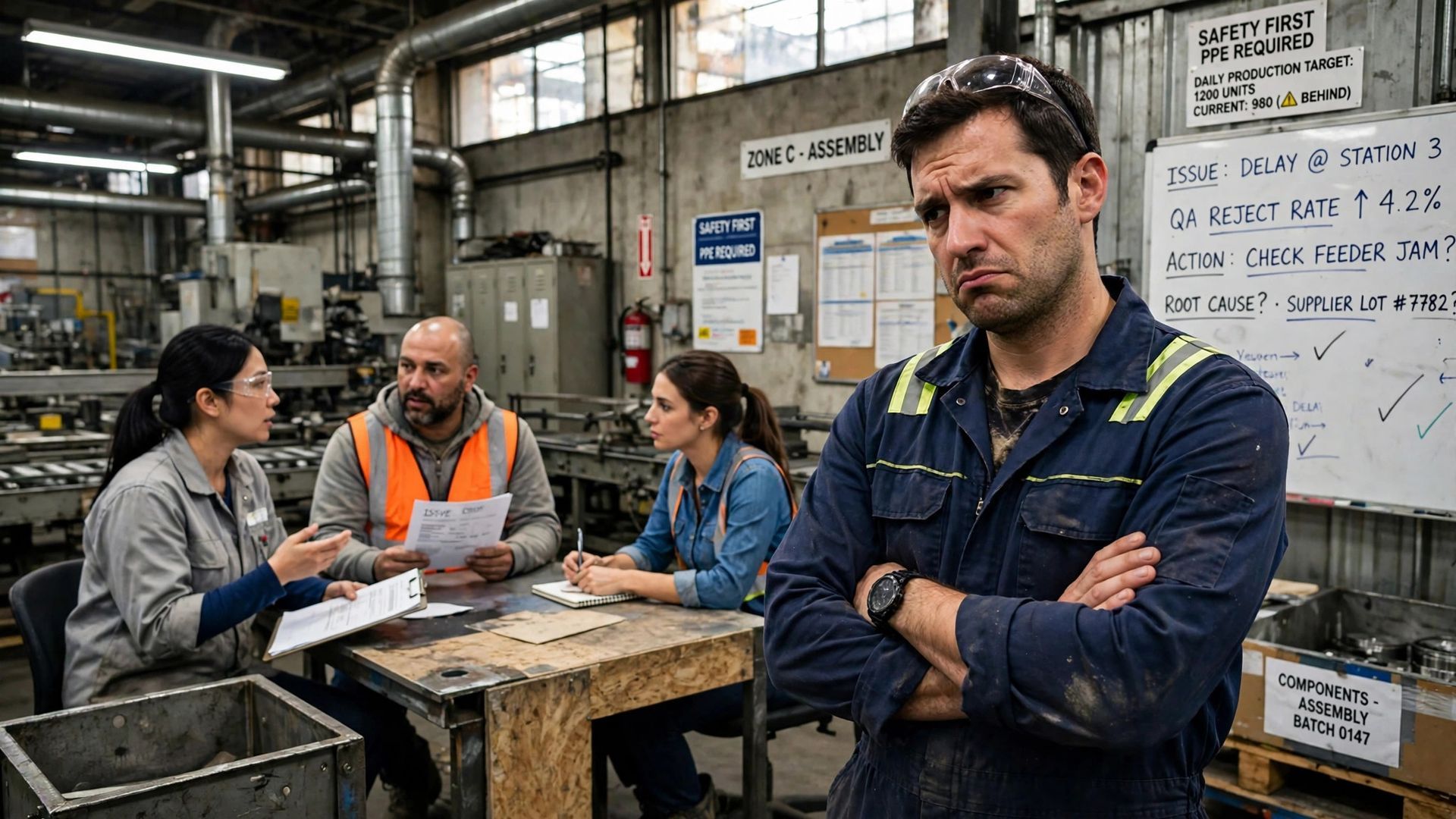
Plant managers need a broader view. They care about equipment performance, but they also need to balance delivery, labor, quality, and capital decisions. For them, OEE must show up as one of the key factors behind plant results, not as an isolated metric.
That is why your message should connect OEE to business priorities. Show how it improves visibility, supports better decisions, and increases output from existing assets. The sections below explain how to frame that conversation for plant management.
Making a Compelling OEE Pitch to Management
A strong management pitch starts with outcomes, not formulas. Lead with the problems the plant is trying to solve: downtime, waste, inconsistent output, and underused equipment. Then show how oee metrics give a structured way to track and improve those losses.
Plant leaders usually respond to a few key factors. They want better productivity, lower cost, stronger quality, and confidence that teams are acting on facts. OEE supports all four by connecting equipment losses to business performance in a single view.
To strengthen the case, present OEE as a management system for successful implementation of continuous improvement. It gives leaders a baseline, a way to prioritize actions, and a way to review progress over time. That is much easier to support than a vague improvement effort.
Linking OEE Metrics to Plant-Level Objectives
Teams buy in faster when they see that OEE is tied to real plant objectives. If the goal is to ship more on time, reduce scrap, or avoid overtime, show how oee metrics reflect the losses standing in the way. That creates a direct line from daily issues to plant priorities.
This is especially helpful for the plant manager. OEE makes the big losses visible across availability, performance, and quality. Instead of treating each issue separately, leadership can see which losses are hurting results most and where support is needed.
When you explain OEE this way, the metric becomes easier for everyone to accept. It is not just a score. It is a way to align front-line actions with broader plant goals and improve manufacturing performance with shared focus.
Addressing Cost Justification Questions
Cost questions are normal, especially when budgets are tight. Leaders may ask whether the investment in software, sensors, training, or process change will really pay off. That is one of the most common barriers to OEE buy-in.
The best answer is to connect spending to visible losses already affecting the plant. Unplanned downtime, scrap, rework, and slow cycles all reduce production efficiency. If OEE helps you find and remove those losses, it supports cost savings without waiting for a large capital project.
Keep the justification grounded in the plant’s current pain points. Start small, establish a baseline, and show improvement on one line or area. That lowers risk and gives leaders proof before expanding the effort.
Common Barriers and Objections to OEE Adoption
Most plants do not struggle with the value of OEE in theory. They struggle with adoption in practice. Common challenges usually show up around data collection, trust in the numbers, and concern that the system will add work without solving real problems.
Change resistance also plays a big role. People may worry about being measured unfairly or pushed harder. If you want lasting support, you need to address those objections directly and early. The next sections cover the ones that come up most often.
Addressing Concerns About Data Accuracy and Validity
Questions about data accuracy are common, especially when a plant still relies on manual inputs or disconnected systems. If people do not trust the numbers, they will not trust the actions that follow. That can slow OEE adoption quickly.
The answer is to keep collection methods clear and consistent. Define production data the same way across shifts, products, and lines wherever possible. If you track downtime, make reason codes simple and easy to apply. If you track quality, make sure good count and rejects are understood the same way.
Better oee data does not require perfection on day one. It requires discipline and transparency. When teams see that the process is fair, visible, and improving over time, confidence grows and objections start to soften.
Navigating Change Resistance Within the Plant
Change resistance often grows when leaders introduce OEE as a top-down mandate. That is a mistake to avoid. If teams hear only that a new metric is coming, they may assume it will be used to judge them rather than help them.
A better oee implementation approach is to explain why the plant is using it, what problems it will address, and how each group benefits. On the shop floor, that means showing how OEE can reduce recurring stops, quality issues, and daily frustration.
You also need visible follow-through. If teams enter data and never see action, resistance will return fast. People support change when they see the information being used to remove real barriers, not just fill reports.
Disproving Myths and Misconceptions Around OEE
Some hesitation comes from myths about what OEE is. People may think it is only for high-tech plants, only for management, or only useful in lean manufacturing programs. Those beliefs make adoption harder than it needs to be.
The truth is simpler. OEE is a practical way to understand losses in time, speed, and quality. It can support any plant that wants better production efficiency and a more fact-based improvement process.
- OEE is not just a score for leadership; it helps teams see and fix daily losses.
- OEE implementation is not only about software; clear process and consistent use matter just as much.
- OEE does not replace lean manufacturing; it gives lean teams a sharper view of loss.
Quick Wins: Building Early Success with OEE
Early success matters because people believe what they can see. Quick wins make OEE feel practical and build trust before the effort expands. In many plants, the best first targets are recurring downtime reasons, minor stops, or obvious quality loss.
Small oee improvements can still have a strong effect on production efficiency. They give teams proof that the work is worth doing and help leaders justify the next step. The following sections show how to identify, use, and celebrate those early gains.
Identifying and Communicating Fast, Measurable Results
To build momentum, choose losses that are visible, frequent, and fixable. You do not need a perfect system to start. Good oee data on one line can reveal easy opportunities that teams already suspect but have not measured clearly.
Focus on results that can be seen in real time or within a short review cycle. Advanced analytics can help later, but early wins usually come from basic visibility and fast response to common interruptions.
- Reduce one recurring downtime reason and show the recovered run time.
- Fix a repeated minor stop pattern and report the gain in output.
- Address one defect source and share the improvement in good parts.
These examples help answer the request for real-world proof. They show that OEE can create measurable results quickly when the target is specific.
Leveraging Small Victories to Motivate the Team
Small wins matter because they change the story teams tell about OEE. If the first experience is positive, people start to associate the process with fewer headaches and better control. That is a strong base for team motivation.
Do not wait for a huge jump in oee score before talking about progress. A reduction in changeover delay, fewer slow cycles, or a cleaner quality trend can all count as small wins worth sharing. Those gains show that effort leads to results.
To maintain enthusiasm, connect each win to what the team did. Make it clear that the improvement came from good observation, better response, or smarter routines. That keeps energy focused on the behaviors that drive OEE forward.
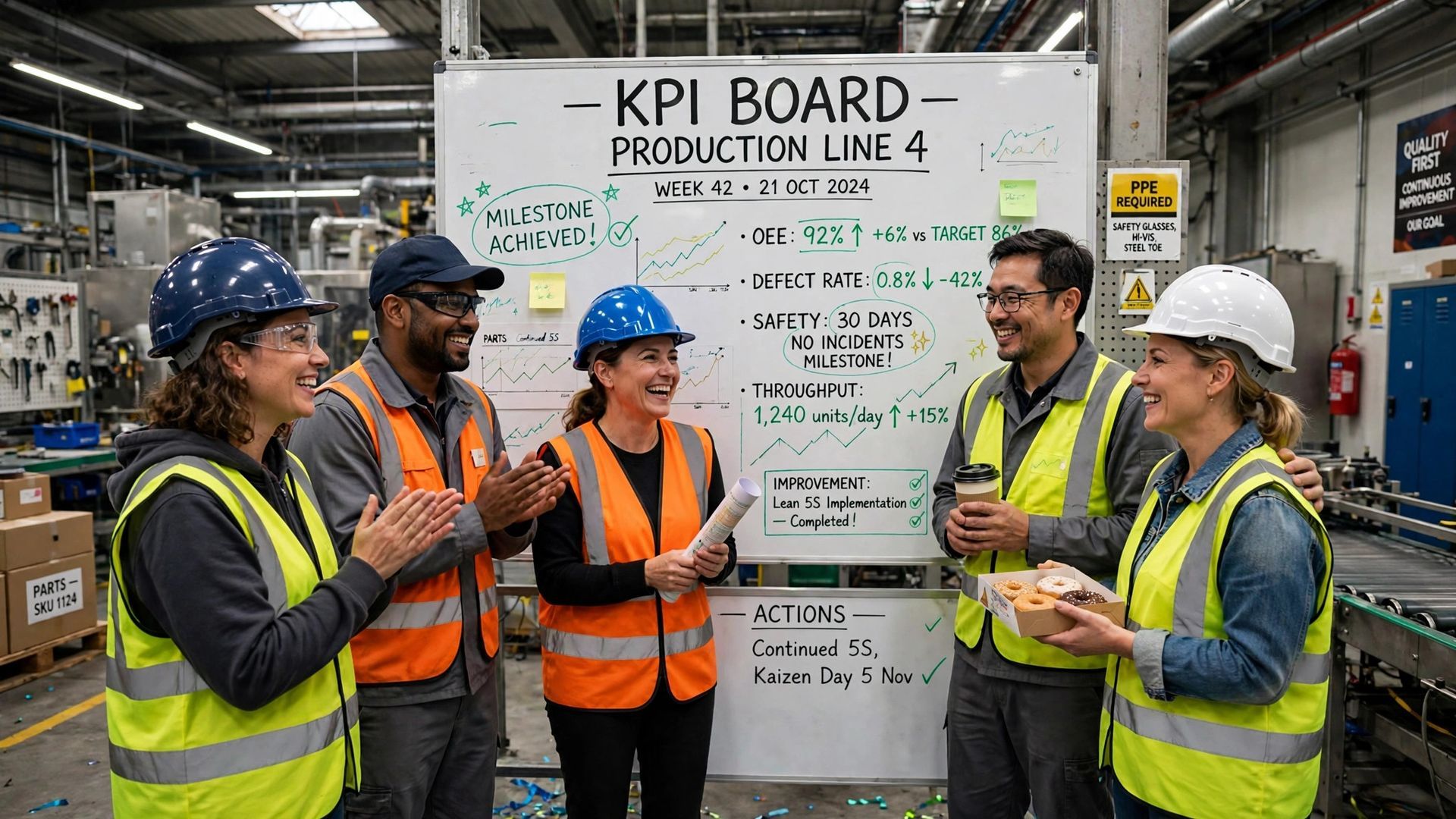
Celebrating Process Improvements With Staff
Celebration does not need to be big to be effective. What matters is that staff see improvement efforts being noticed. If a crew helped reduce scrap or recover lost production time, acknowledge it clearly and tie it to the production process they improved.
That kind of team celebration reinforces the idea that OEE is about shared wins. It also helps create examples you can use across the plant. Real stories from one line or shift often do more to build support than any presentation.
Keep it specific. Name the problem, the action, and the result. When people hear that a team solved a repeat stop or improved good count, OEE becomes more believable and easier to support.
Step-by-Step OEE Rollout Plan
A strong oee rollout is phased, clear, and manageable. Start small, define the purpose, and choose a line or asset where the team can learn quickly. That reduces risk and helps you shape the process before expanding it plant-wide.
The most effective oee implementation plans combine communication, training, and simple tools. Best practices matter here because a poor launch can create resistance that is hard to undo. The next sections cover sequencing, onboarding, and digital support.
Sequencing Your Introduction Across Teams
Sequence matters in oee implementation. Begin with leadership alignment so plant managers and supervisors agree on the purpose, the measures, and the expected behavior. If leaders are not consistent, the rest of the plant will feel that quickly.
Next, bring in the people closest to the manufacturing process. Operators and front-line supervisors need a clear explanation of what will be tracked, why it matters, and how the information will be used. Keep the message focused on the key factors affecting daily performance.
Leadership plays an ongoing role after launch too. Teams watch whether leaders review data, remove barriers, and support follow-up actions. When leadership stays involved, OEE feels like part of how the plant runs rather than a short-term project.
Training and Onboarding: Best Practices for Adoption
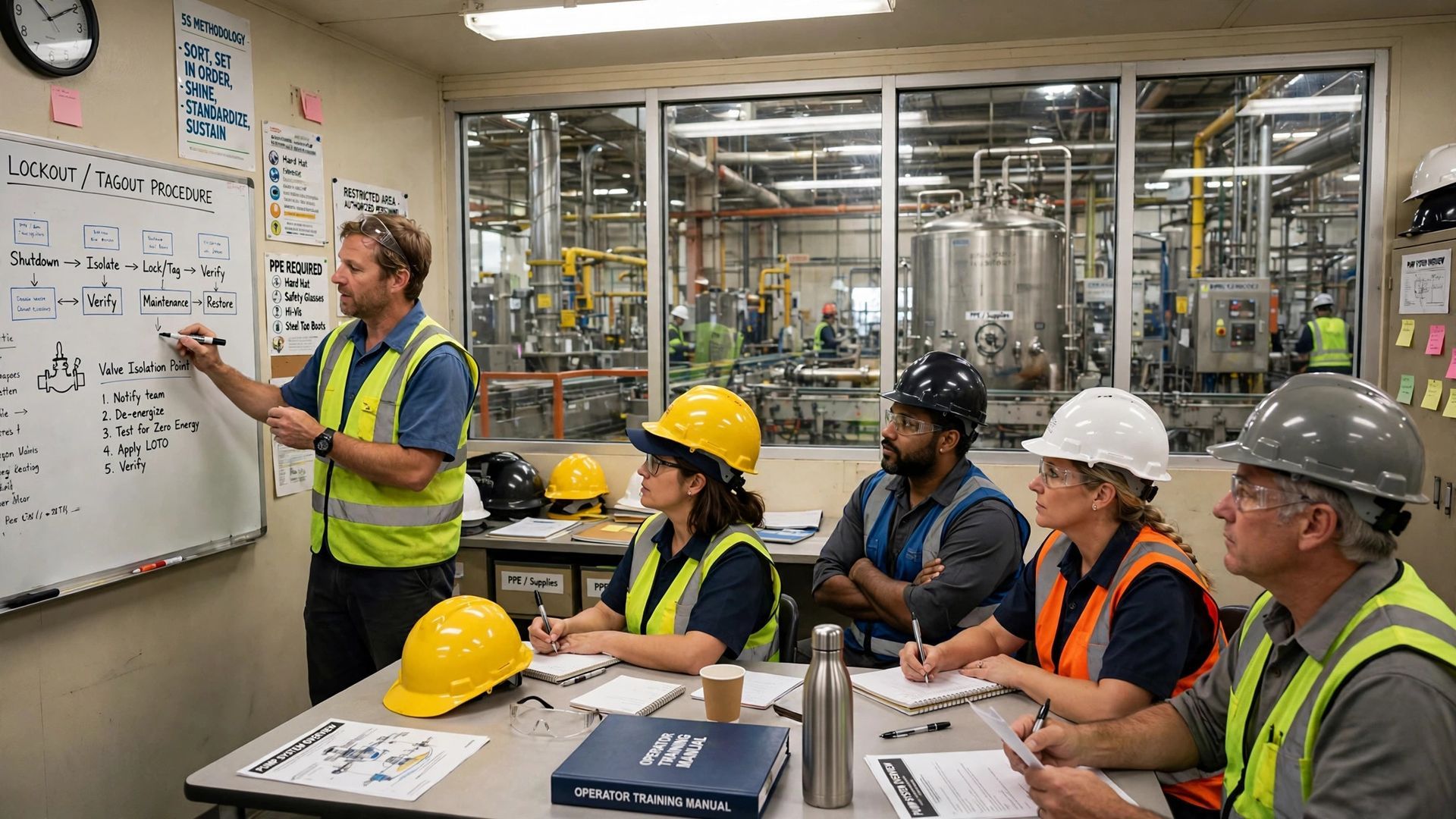
Training should make OEE easier, not more complicated. People need to understand the basic measures, the reason for the effort, and their role in the process. Keep onboarding practical and tied to actual line events, not just classroom slides.
A common mistake is overloading teams with too much theory too soon. Another is skipping role-based instruction. Operators, supervisors, and managers each need different examples and expectations. Good best practices keep the learning targeted and relevant.
- Show how to record common downtime and quality events correctly.
- Explain how OEE data will be reviewed and acted on after each shift.
- Train leaders to coach from facts rather than use the metric as blame.
This kind of training reduces confusion, builds trust, and supports smoother adoption.
Using Digital Tools and Software to Support Buy-In
Digital tools can make OEE easier to adopt when they reduce manual effort and improve visibility. Oee software can help collect events, organize reason codes, and display trends in ways different roles can understand. That supports faster learning and clearer action.
The value grows when machine data is available in near real time. Connected systems, Internet of Things devices, and mobile views can help teams see status, review losses, and respond faster. In some cases, advanced analytics and machine learning can support deeper analysis or predictive maintenance.
Still, software alone does not create buy-in. It works best when paired with simple process design, clear ownership, and visible use of the data. If you want a deeper overview of how OEE works in practice, see the OEE pillar page: https://www.empoweredautomation.com/oee
Conclusion
In conclusion, securing buy-in for Overall Equipment Effectiveness (OEE) is crucial for fostering a culture of continuous improvement in your plant. By effectively communicating the benefits of OEE to operators, supervisors, and plant managers alike, you pave the way for enhanced operational efficiency and substantial ROI. Addressing common objections with understanding and providing quick wins can create momentum, ensuring that everyone feels invested in the process. Remember, the journey to successful OEE implementation is a collaborative effort, and by leveraging resources like our comprehensive OEE pillar page at
https://www.empoweredautomation.com/oee, you can equip yourself and your team with the knowledge necessary to make informed decisions and drive meaningful change. Embrace this opportunity to elevate your manufacturing processes and achieve lasting results!
Frequently Asked Questions
How can I get buy-in for OEE from both shop floor and leadership teams?
Build buy-in by showing each group what OEE solves for them. Keep oee implementation simple on the shop floor, give supervisors useful trends, and connect oee metrics to cost, capacity, and quality for leadership. People support OEE faster when they see practical value in their own role.
What mistakes should I avoid when introducing OEE to my plant?
Avoid a rushed oee roll-out, weak team training, and unclear expectations. Do not present OEE as a blame tool or collect data you never use. Best practices focus on simple adoption, visible follow-up, and support for continuous improvement so change resistance does not harden.
How do I maintain team enthusiasm for OEE after implementation?
Sustain team motivation by sharing wins, recognizing oee improvements, and linking results to a better production process. Use celebration to reinforce progress, even when gains are small. Leadership support matters because teams stay engaged when leaders review results and help remove ongoing barriers.
You might also like