Industrial Automation Solutions: Revolutionize Your Workflow
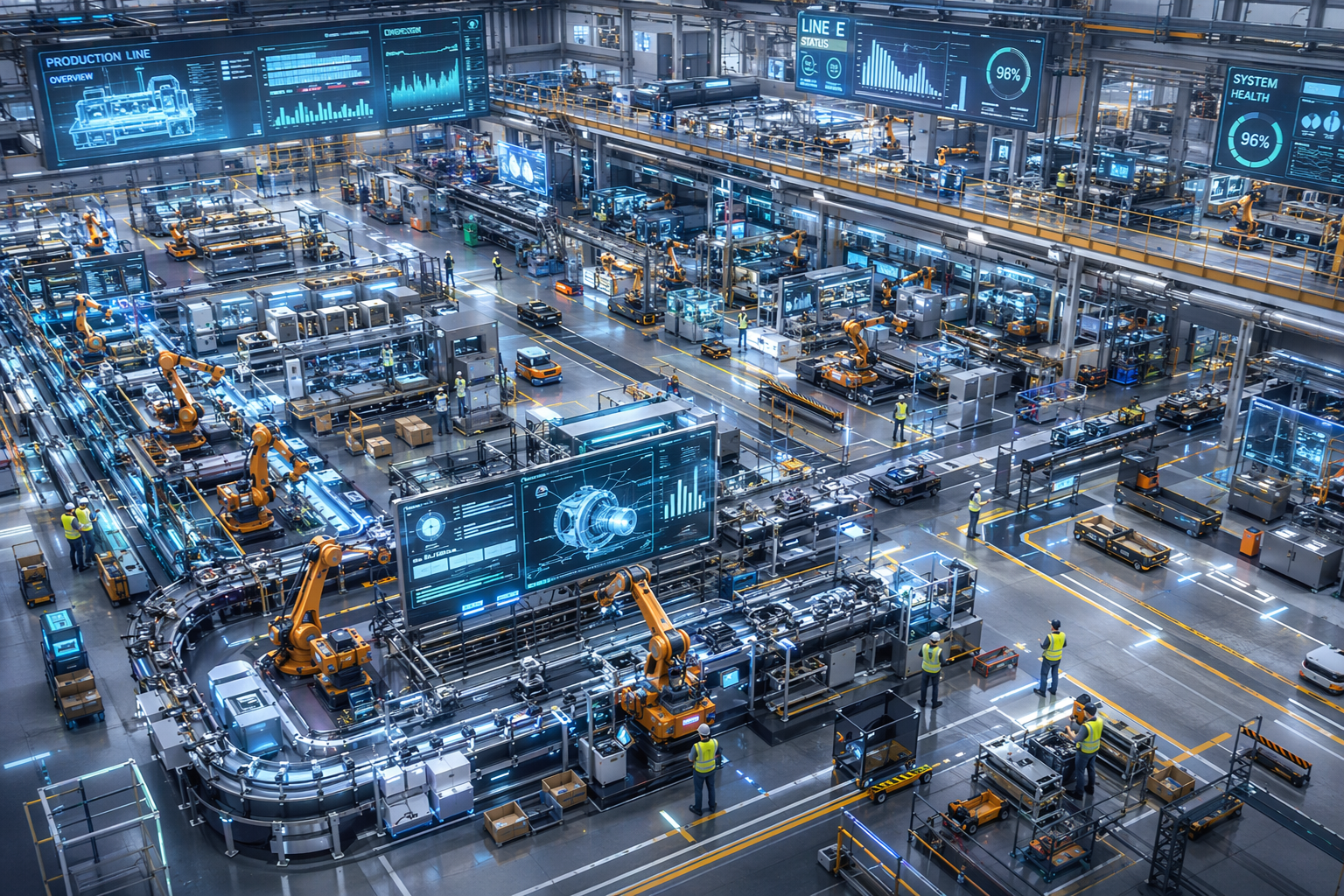
Key Highlights
- Industrial automation uses automation technology to reduce repetitive tasks and improve the production process.
- Modern automation solutions help factories raise output, improve quality control, and lower avoidable errors.
- Different systems fit different needs, from fixed automation to flexible automation and batch-based setups.
- Core tools include sensors, actuators, control systems, PLCs, HMI screens, and connected software.
- Better product consistency, safer operations, and lower labor costs are key reasons businesses invest.
- Smart data use now helps manufacturers monitor performance and refine workflows faster.
Introduction
Industrial automation is changing how the manufacturing industry runs every day. Instead of relying heavily on manual work, businesses now use automation solutions to handle repetitive jobs, improve accuracy, and keep production moving with fewer delays. That shift matters if you want stronger output without sacrificing consistency. From simple machine control to connected systems across a facility, industrial automation gives manufacturers a practical way to improve workflow, reduce errors, and stay competitive in a fast-moving market.
Understanding Industrial Automation Solutions
At its core, industrial automation means using computerized tools and machines to manage parts of the manufacturing process with minimal human intervention. An automation system combines hardware and software to complete specific manufacturing tasks with better speed, repeatability, and control.
You will see this approach used to reduce manual labor, limit human error, and improve day-to-day performance. As industrial automation has advanced, manufacturers now have more than one option for matching automation to their production goals, equipment, and workflow needs.
Defining Industrial Automation in Modern Manufacturing
In simple terms, industrial automation is the use of technology to control industrial processes and manufacturing tasks with limited direct input from human workers. It replaces many routine actions with programmed instructions, connected machines, and automated responses. That makes the manufacturing process more stable and easier to manage.
Across the manufacturing industry, this shift supports faster work, stronger consistency, and lower dependence on manual handling for repetitive tasks. It also helps reduce mistakes that often appear when people perform the same action again and again on a busy factory floor.
Industrial automation also connects closely with the modern push toward smarter operations. The rise of the Industrial Internet of Things, data collection, and machine-based decision support shows how automation fits into the broader move toward digitally connected manufacturing. In that sense, it aligns with today’s smarter, more integrated production model.
How Industrial Automation Drives Workflow Transformation
A major reason companies adopt automation solutions is simple: they help the production line run with fewer interruptions. Machines can repeat tasks at a steady pace, follow exact instructions, and operate for longer periods than human operators. That creates higher efficiency in daily output.
You also gain better control over cycle times and task sequencing. When systems handle welding, packaging, assembly, or material handling, the workflow becomes more predictable. That means fewer slowdowns, less variation, and easier planning when production demands increase or shift.
Another important change is visibility. Connected equipment and control tools make it easier to monitor operations, identify weak points, and respond faster when something goes wrong. As a result, automation solutions improve production efficiency by increasing output, reducing human error, and making the full workflow easier to optimize over time.
Types of Industrial Automation Systems
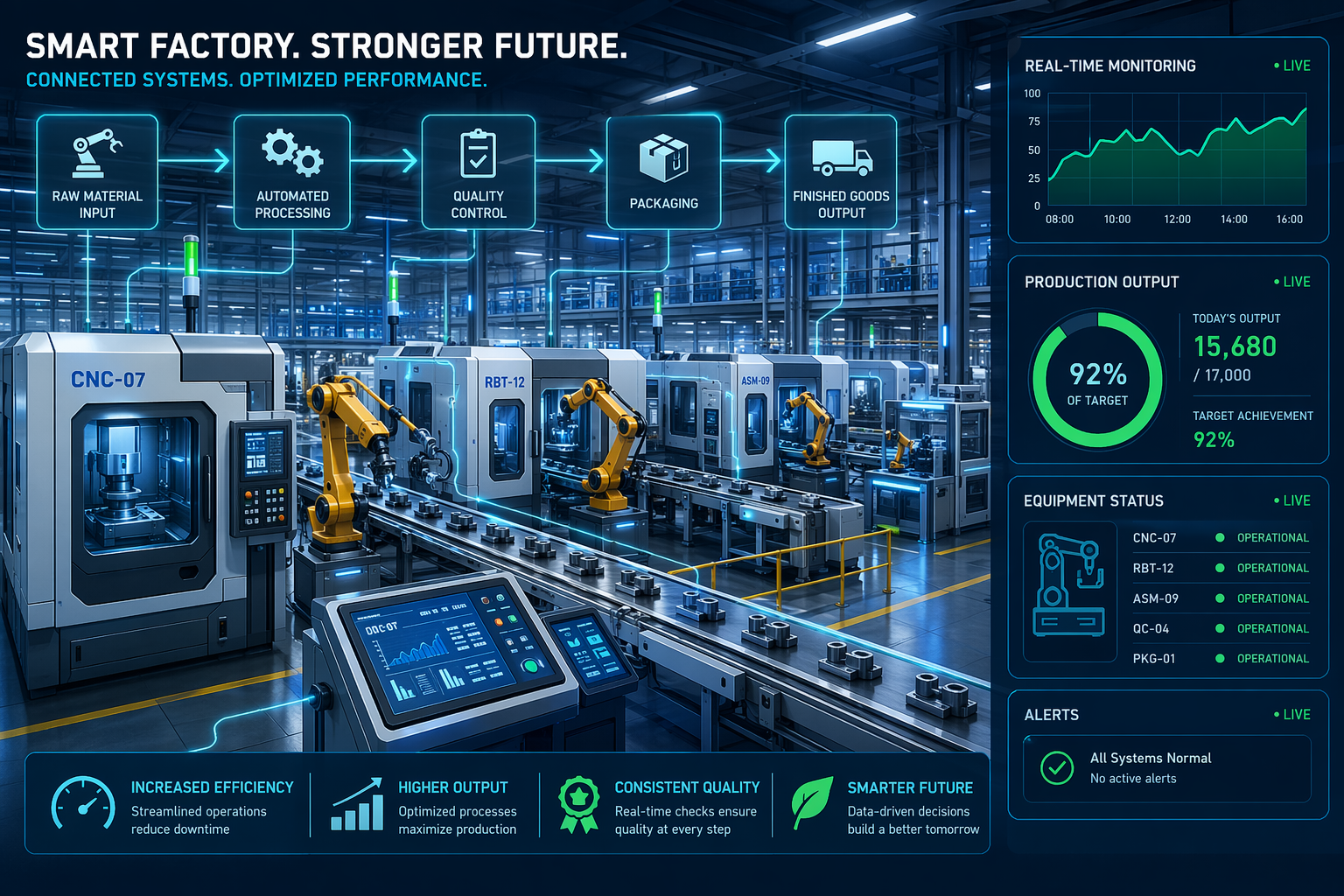
Factories do not rely on one single automation system. The right type of automation depends on product volume, process complexity, and how often production demands change. Some setups are built for long, repeatable runs, while others support batch work or frequent adjustments.
The most common categories used in manufacturing include fixed automation,
programmable automation, and flexible automation. Each one supports a different operating style, and understanding those differences helps you choose a system that matches your workflow, equipment, and output goals.
Fixed Automation: High-Volume Production
Fixed automation, often called hard automation, is designed for high-volume production and highly repetitive tasks. It works best when the same product is made in large quantities over a long period. Because the sequence is pre-set, the system can run fast and with strong consistency.
You will often find fixed automation in assembly lines and packaging operations where each step follows the same pattern. Common examples include PLC-based systems and HMI-supported processes that help operators view the current state of the line. These setups are reliable and efficient for stable product designs.
The tradeoff is flexibility. If your product changes often, fixed automation can be difficult to adjust because the equipment and programming are built for one routine. Still, for mass production with limited variation, it remains one of the main types of automation and one of the most efficient.
Programmable and Flexible Automation in Factories
Programmable automation is commonly used for batch production. In this setup, the control program can be changed for each batch, which helps when a facility makes several product versions. The equipment still needs reconfiguration between batches, so changes are possible, but they usually take time.
Flexible automation goes further. It supports a more adaptable production process and allows faster adjustments when production demands shift. This type often uses programmable logic controllers connected to several units, with a main controller directing tasks across the system. That makes it useful when product styles, volumes, or job requirements vary.
If your factory serves changing markets, flexible automation can be a strong fit. It works well in environments such as batch processing, job shops, discrete manufacturing, and consumer goods production. Common examples include CNC machinery, automatic guided vehicles, and robotic systems that need quick operational changes.
Core Components of Industrial Automation
Every effective automation setup depends on several connected parts working together. Good automation technology is not just about machines moving on their own. It also includes sensing, decision-making, communication, and operator visibility across the full process.
That is why control systems matter so much in industrial settings. Sensors gather information, controllers process it, and software helps teams respond quickly. When these elements are combined well, automation solutions become more reliable, easier to monitor, and better suited for demanding manufacturing environments.
Sensors, Actuators, and Control Systems
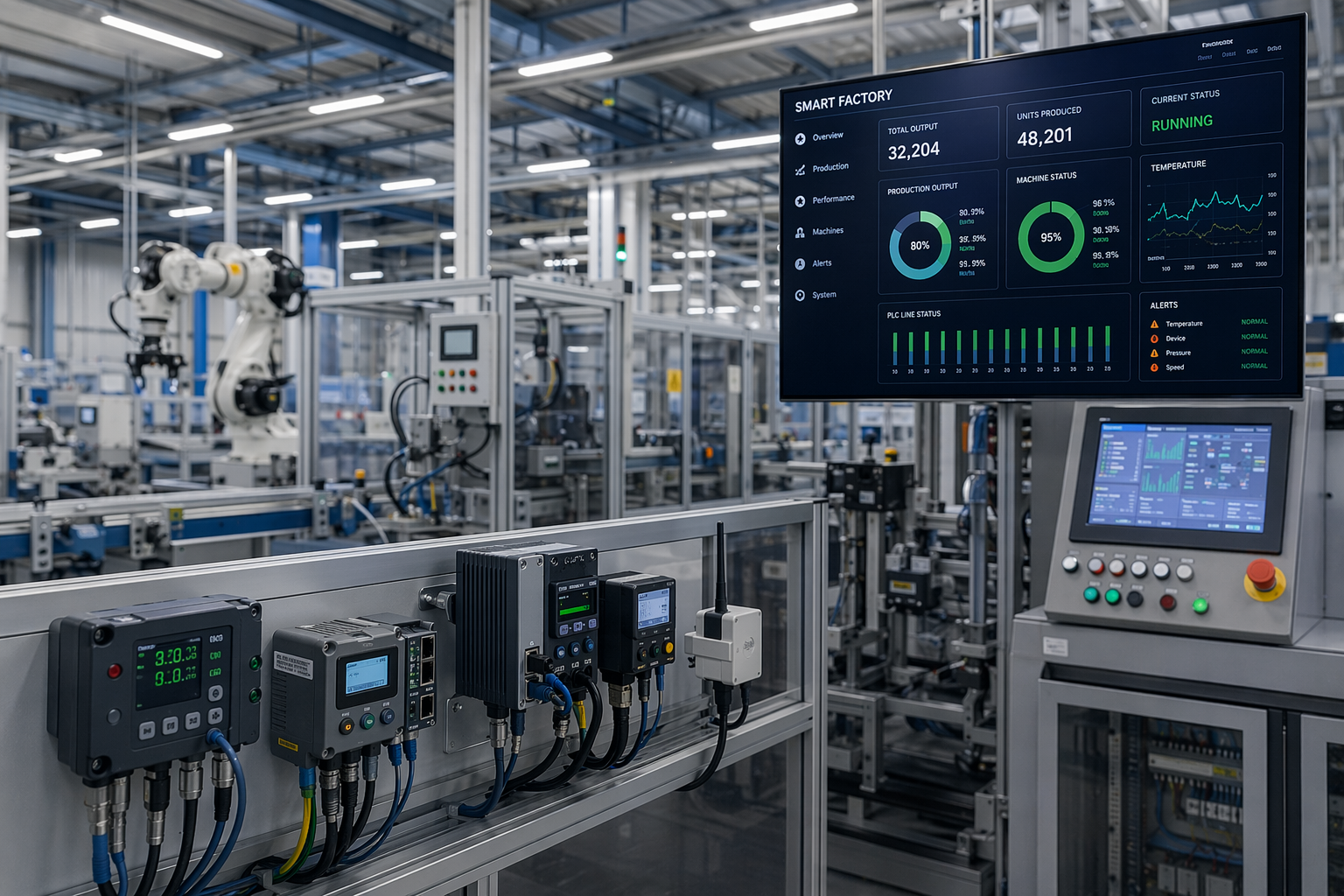
Sensors, actuators, and control systems form the working core of an automation setup. Sensors collect real-time data such as temperature, pressure, flow, and machine status. Actuators then respond to instructions by moving parts, switching motors, or opening valves. Together, they let the system react with speed and precision.
The PLC often acts as the decision center. It reads inputs, follows programmed logic, and sends commands back to the equipment. HMI screens give operators a visual view of the process, while communication networks keep devices connected. These are the same building blocks many providers install, integrate, and support as part of their automation services.
Key elements usually include:
- Sensors for live process monitoring
- Actuators for physical machine response
- PLCs for process logic and control systems
- HMI displays for operator oversight
- Industrial robots for repetitive production tasks
Software Integration and Industrial IoT (IIoT)
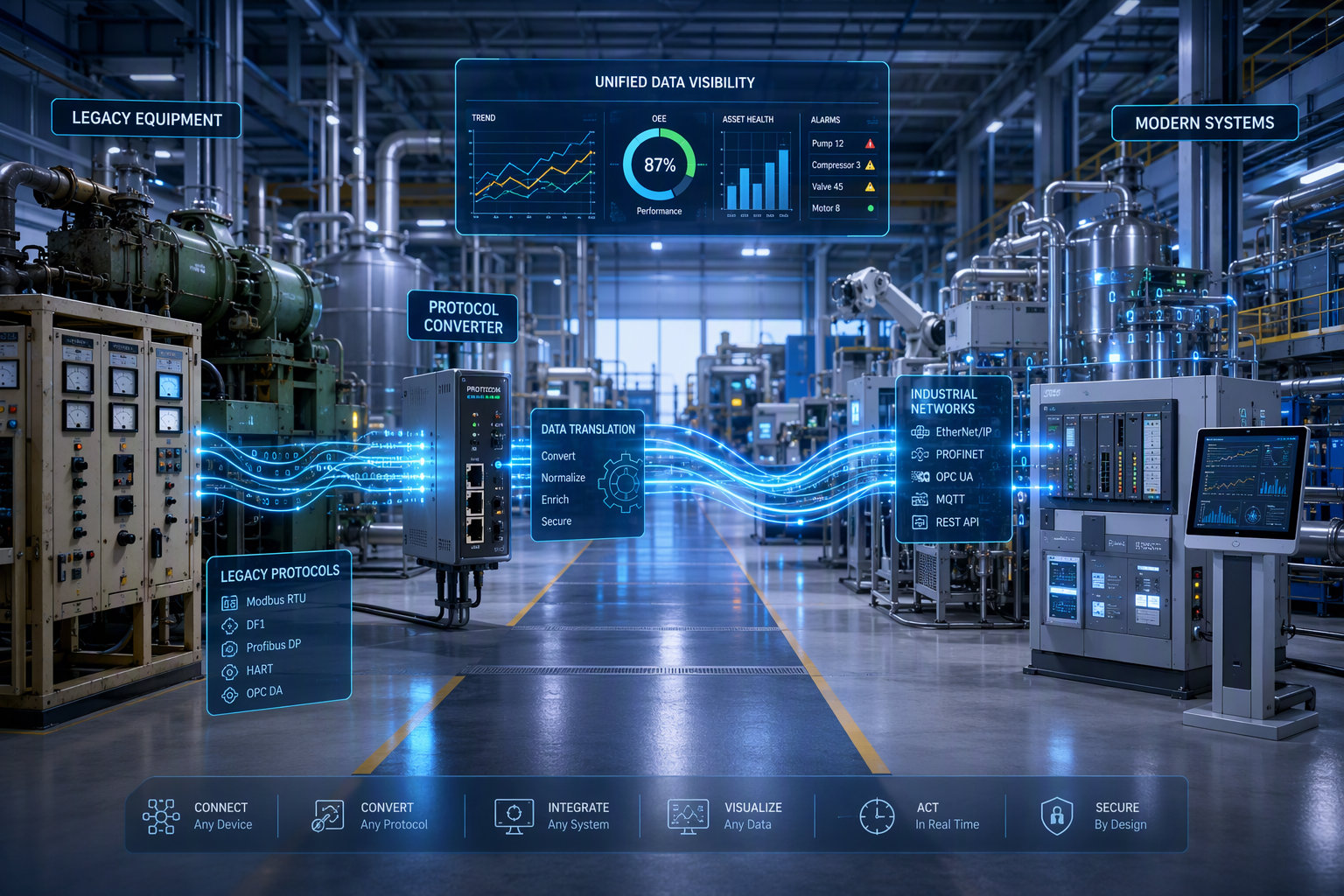
Software integration turns a basic automation system into a more connected and useful operating environment. When machines, controllers, and supervisory tools share information smoothly, you get better visibility across the production process. That helps teams monitor performance, track issues, and make faster adjustments.
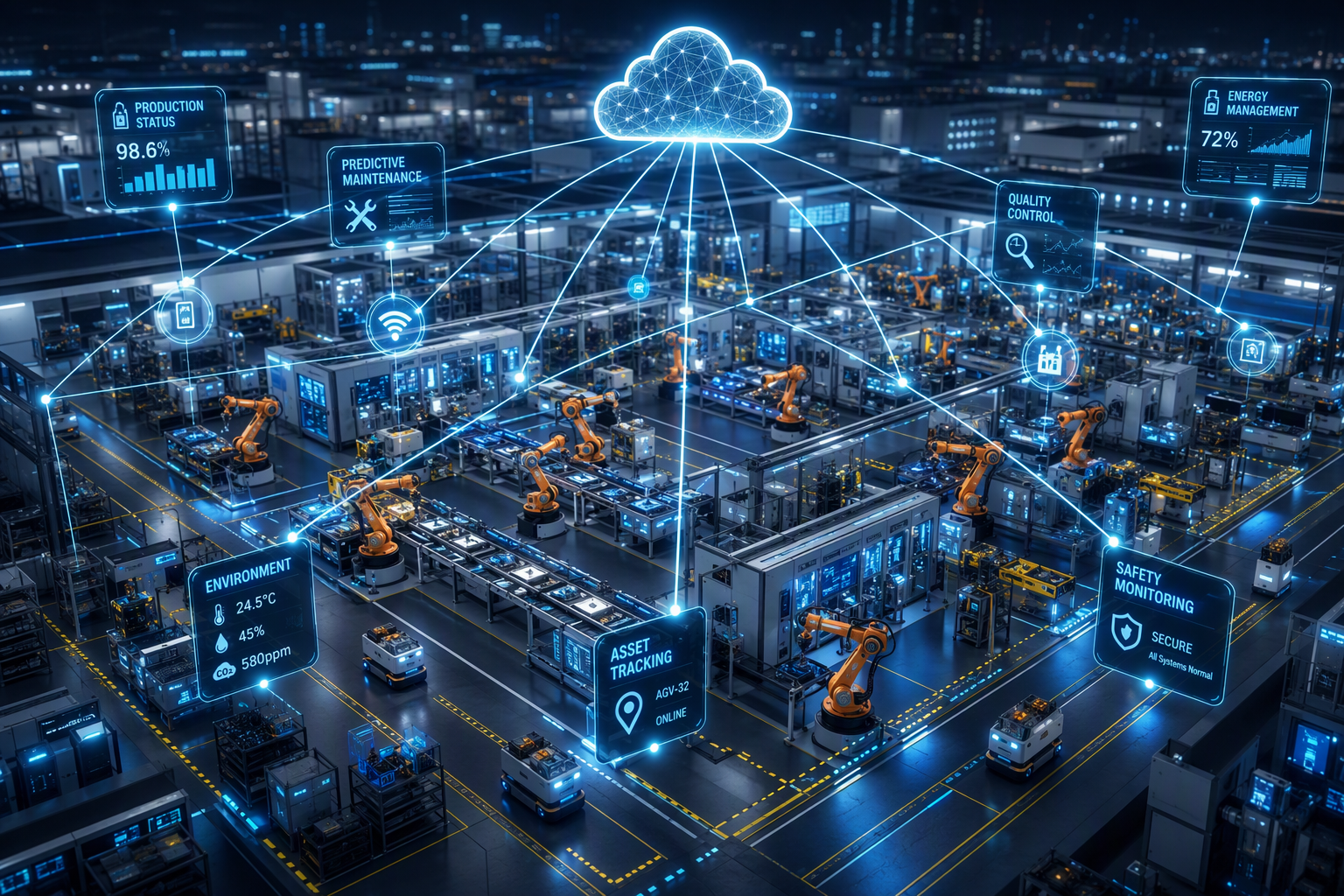
The industrial internet of things plays a major role here. IIoT connects machines and devices with sensors so they can exchange real-time data. With stronger data collection and communication, manufacturers can monitor conditions, support quality control, and improve coordination across equipment and production stages.
This is also where data analytics becomes valuable. By analyzing operating data, manufacturers can improve efficiency, support predictive maintenance, and reduce unplanned downtime. The compiled information also notes that machine learning can help optimize production processes based on incoming information. In short, industrial automation supports data-driven manufacturing by making operational data visible, usable, and timely.
Key Benefits of Implementing Industrial Automation Solutions
The benefits of automation are practical and measurable. Businesses use industrial automation solutions to improve production efficiency, reduce errors, and keep operations moving with better consistency. These systems also support safer work by shifting hazardous or physically demanding jobs away from people.
There is also a clear business case. Companies often pursue automation for cost reduction, better product quality, and stronger output over time. Once installed well, these systems can help lower waste, improve reliability, and create a steadier production environment that is easier to manage.
Enhanced Productivity and Production Efficiency
One of the biggest gains from automation is improved productivity. Automated equipment works at a consistent pace, follows exact instructions, and handles repetitive tasks without fatigue. That helps increase throughput while keeping performance steady across long operating hours.
You also benefit from stronger production efficiency because systems can run continuously. In many manufacturing settings, automation robotics and other automated tools support 24/7 output. This reduces delays, shortens cycle times, and helps teams meet customer demands more effectively without relying only on added staffing.
Key productivity gains often include:
- Faster completion of repetitive tasks
- Lower labor costs over time
- More stable cycle times on the production line
- Higher output with fewer manual slowdowns
Put simply, industrial automation solutions improve production efficiency by combining speed, consistency, and better use of labor and equipment.
Cost Reduction and Quality Improvement
Automation improves quality by reducing the variation that comes from manual work. Machines follow the same programmed steps again and again, which supports consistent quality across batches. That means fewer defects, fewer reworks, and better quality of products overall.
The cost side is just as important. Although the initial investment can be significant, automated systems help lower production costs over time by reducing labor-heavy tasks, limiting waste, and improving material use. Upkeep and energy remain ongoing expenses, but these are often more predictable than rising labor costs.
There is also an indirect gain. Better quality improvement leads to fewer returns, less scrap, and stronger customer satisfaction. When the production process becomes more accurate and reliable, businesses spend less fixing mistakes and more time delivering dependable output. That is how automation supports both cost reduction and stronger results.
Choosing the Right Industrial Automation Partner
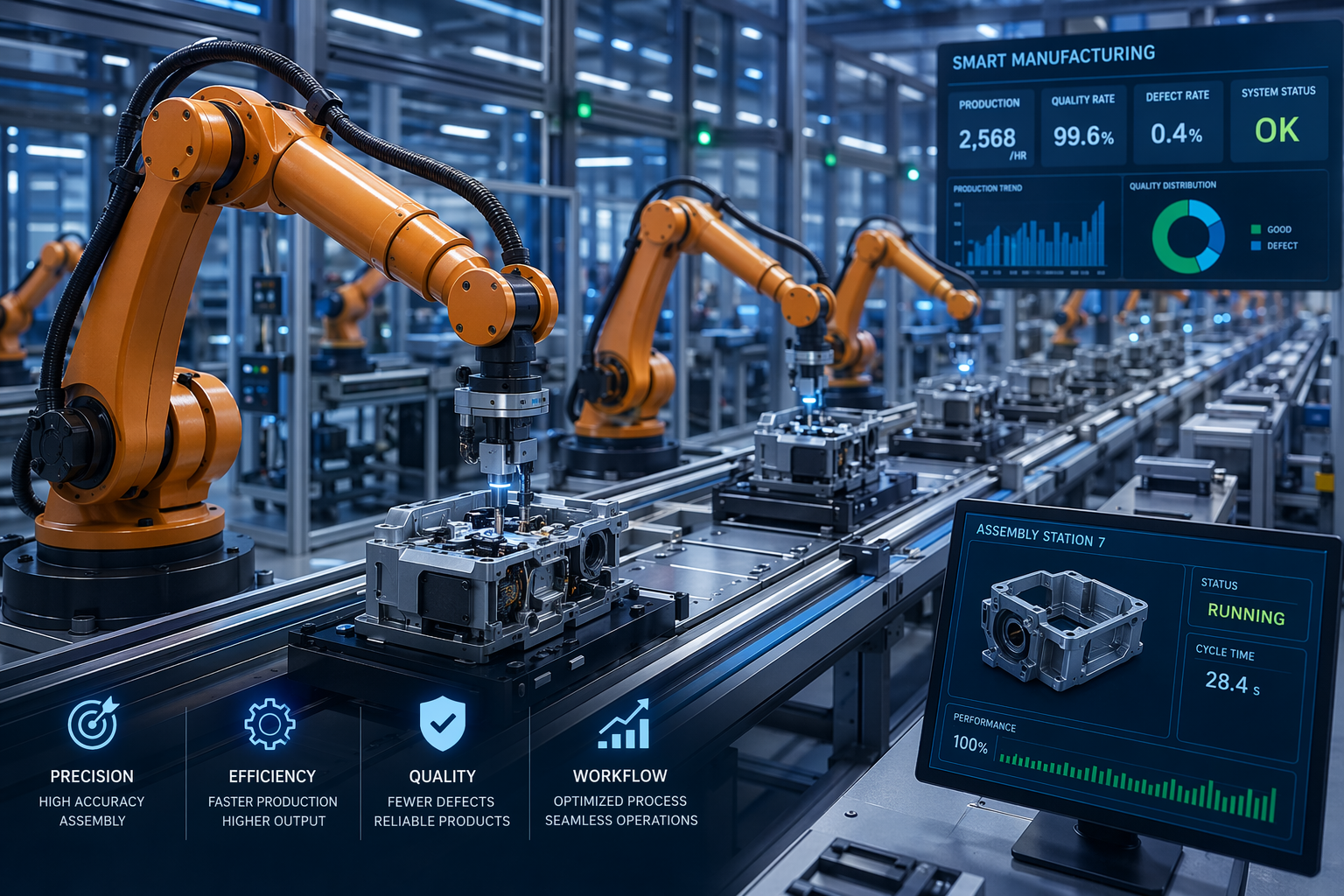
Choosing an automation solution provider is not only about buying equipment. You need a partner that understands your operational needs, current workflow, and production goals. The best solution should fit your process requirements, support your existing machinery and software, and give you room to adapt as needs change. Compatibility, reliability, and durability all matter when you are making automation investments.
Just as important, you should look at support after installation. Dependable maintenance help, technical guidance, and smooth integration can prevent costly disruptions later. Features such as real-time analytics, remote monitoring, and user-friendly interfaces can also improve day-to-day control. When you review these factors carefully, it becomes much easier to choose a partner that supports long-term performance and continuous improvement.
What to Consider When Selecting an Automation Solution Provider
Start with careful planning. Before choosing a provider, define which processes need automation, how much control you need, and what level of output you expect. A strong partner should help you assess your workflow and decide whether a full system or modular setup is the right fit.
You should also think beyond installation. The initial investment matters, but so do maintenance needs, integration complexity, and the provider’s ability to support your system after launch. If market changes affect your product mix or volumes, flexibility becomes even more valuable.
Important factors to review include:
- Fit with your existing machinery and software
- Reliability in demanding factory conditions
- Flexibility for changing production demands
- Vendor support and maintenance needs
- Expected return on the initial investment
When a provider can support all five areas, you are more likely to make a sound long-term decision.
Leading Companies in Industrial Automation (United States & Worldwide)
Based on the compiled information, two named companies stand out in this discussion: Schneider Electric and HighGear. Each is presented in a different way, but both are linked to automation technology that helps improve workflow, control, and productivity in the manufacturing sector.
Schneider Electric is described as offering a broad industrial automation portfolio, including programmable relays, motion controllers, motor controls, machine safety, emergency handling, and data acquisition tools. HighGear is presented as a workflow-focused platform that supports process improvement, integration, reporting, and automation management.
| Company | Focus in the compiled information | Example offerings mentioned |
|---|---|---|
| Schneider Electric | Industrial automation for manufacturing operations | Programmable relays, motion controllers, TeSys motor controls, Triconex, Altivar, Modicon M580 |
| HighGear | Workflow automation and business process management | No-code automation software, integrations, real-time reporting, task management |
These are the leading companies explicitly referenced in the provided material.
Frequently Asked Questions
How does industrial automation support sustainability and eco-friendly practices?
Industrial automation supports sustainability by making the production process more efficient and reducing waste caused by human error. Better automation technology can also improve equipment use and lower energy consumption. Over time, that supports cost reduction while helping industrial operations use resources more carefully.
Which industries experience the most workflow transformation through automation?
The manufacturing industry sees some of the biggest gains because many industrial processes involve repetitive, high-volume work. Industrial plants producing consumer goods, batch products, and discrete items benefit strongly from automation solutions, especially when they need faster output, better consistency, and easier control of changing production demands.
What are some important trends shaping the future of industrial automation solutions?
Important trends include wider use of the industrial internet of things, stronger data visibility, and smarter automation technology. Artificial intelligence and machine learning are helping manufacturers optimize performance using operating data, while predictive maintenance is becoming more valuable for reducing downtime and improving equipment reliability.
You might also like