Leading Industrial Automation Solutions for Every Sector
Key Highlights
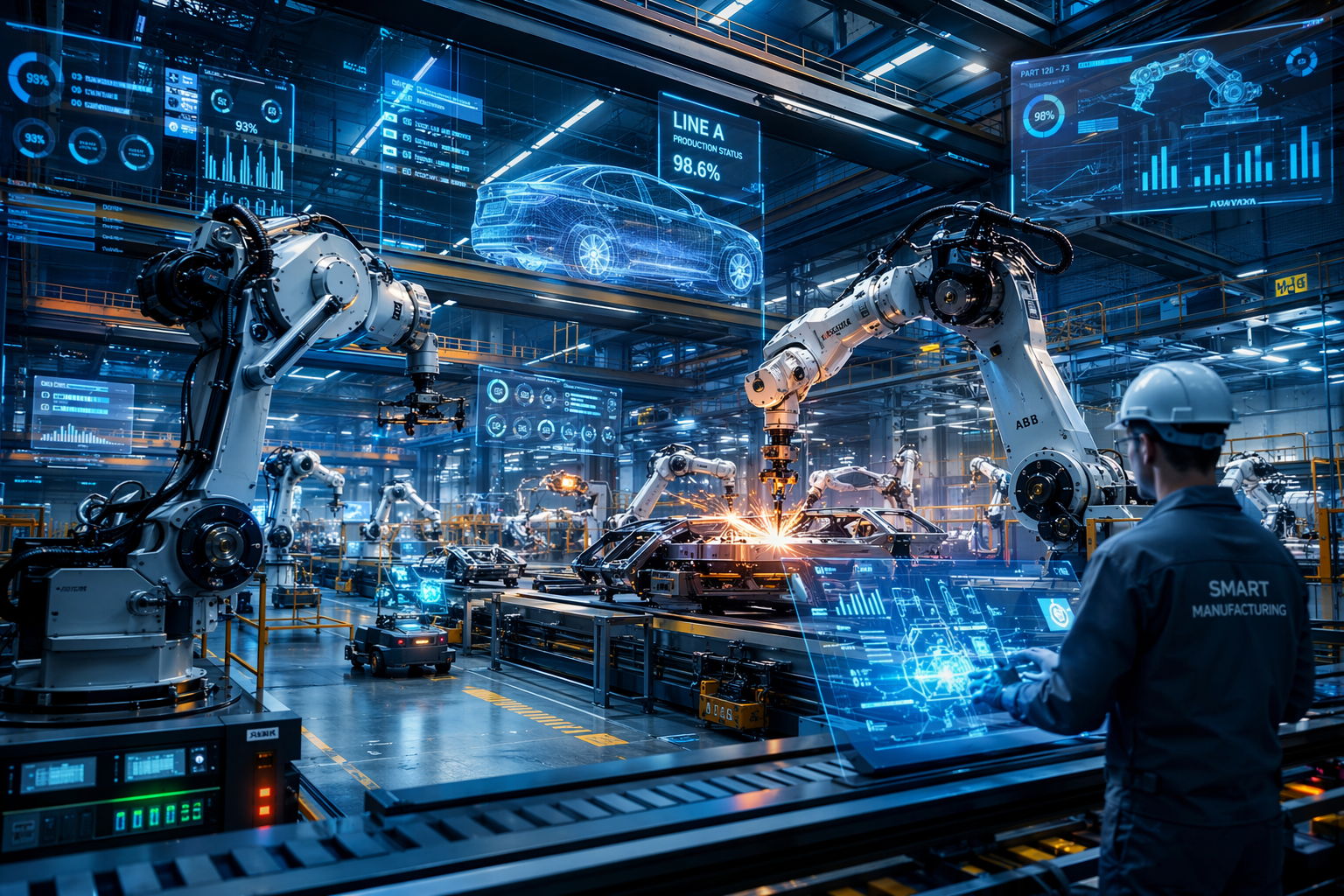
- Industrial automation uses an automation system to handle repetitive tasks with less manual effort.
- Modern automation solutions help raise production efficiency and reduce costly human errors.
- Sensors, HMIs, programmable logic controllers, and industrial robots support smoother operations.
- Better product quality comes from precise, repeatable control across the manufacturing process.
- Different system types, from fixed automation to flexible automation, fit different production needs.
- Choosing the right provider depends on planning, integration, support, and long-term business value.
Introduction
Industrial automation is changing how the manufacturing industry runs every day. Instead of relying heavily on manual work, companies now use automation solutions to improve speed, accuracy, and control. That shift matters if you want stronger output without adding unnecessary complexity. From simple machine control to connected systems, industrial automation helps businesses reduce errors and improve consistency. The real value is not just faster work. It is smarter production that supports growth, stability, and better operational results.
Understanding Industrial Automation Solutions
Industrial automation refers to computerized systems used in facilities to perform tasks with limited human involvement. These automation solutions reduce manual effort in repetitive tasks and support more accurate operations. In many cases, automation technology takes over mechanical work that would otherwise slow teams down.
You can see the benefits clearly in manufacturing. Industrial robots and connected controls help improve output, reduce mistakes, and support steadier workflows. They also help lower labor-related pressure and create more dependable production results. To understand how this works, it helps to look at the core parts of a system.
Key Components in Industrial Automation
A reliable automation system depends on several connected parts working together. Sensors collect real-time information such as temperature, flow, pressure, and machine status. Actuators then respond by moving parts, opening valves, or starting motors. This foundation keeps the manufacturing process running with better accuracy and timing.
At the center of many setups are programmable logic controllers. These controllers process incoming signals and send commands based on pre-set instructions. Human-machine interfaces give operators a clear view of system activity, while communication networks link equipment for smoother coordination.
Key components often include:
- Sensors and actuators that monitor conditions and trigger physical actions
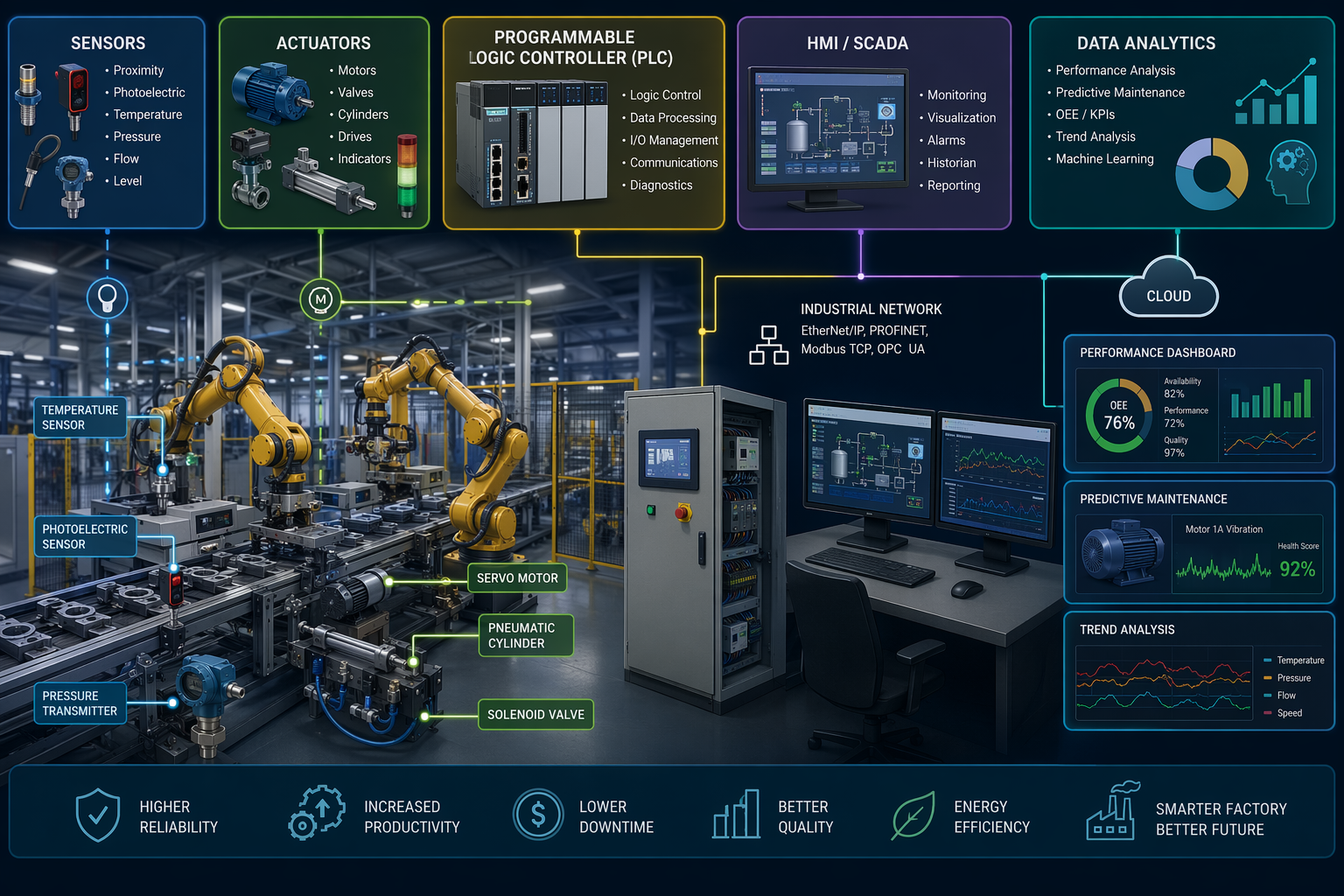
- Programmable logic controllers that manage decisions and control sequences
- SCADA tools and data analytics that support reporting, troubleshooting, and performance improvement
The Role of Control Systems and Robotics
Control systems keep industrial operations organized and repeatable. They manage signals from equipment, guide machine responses, and help maintain stable output across the production line. When you need precision at speed, these systems make a major difference. They also reduce process variation that can hurt overall performance.
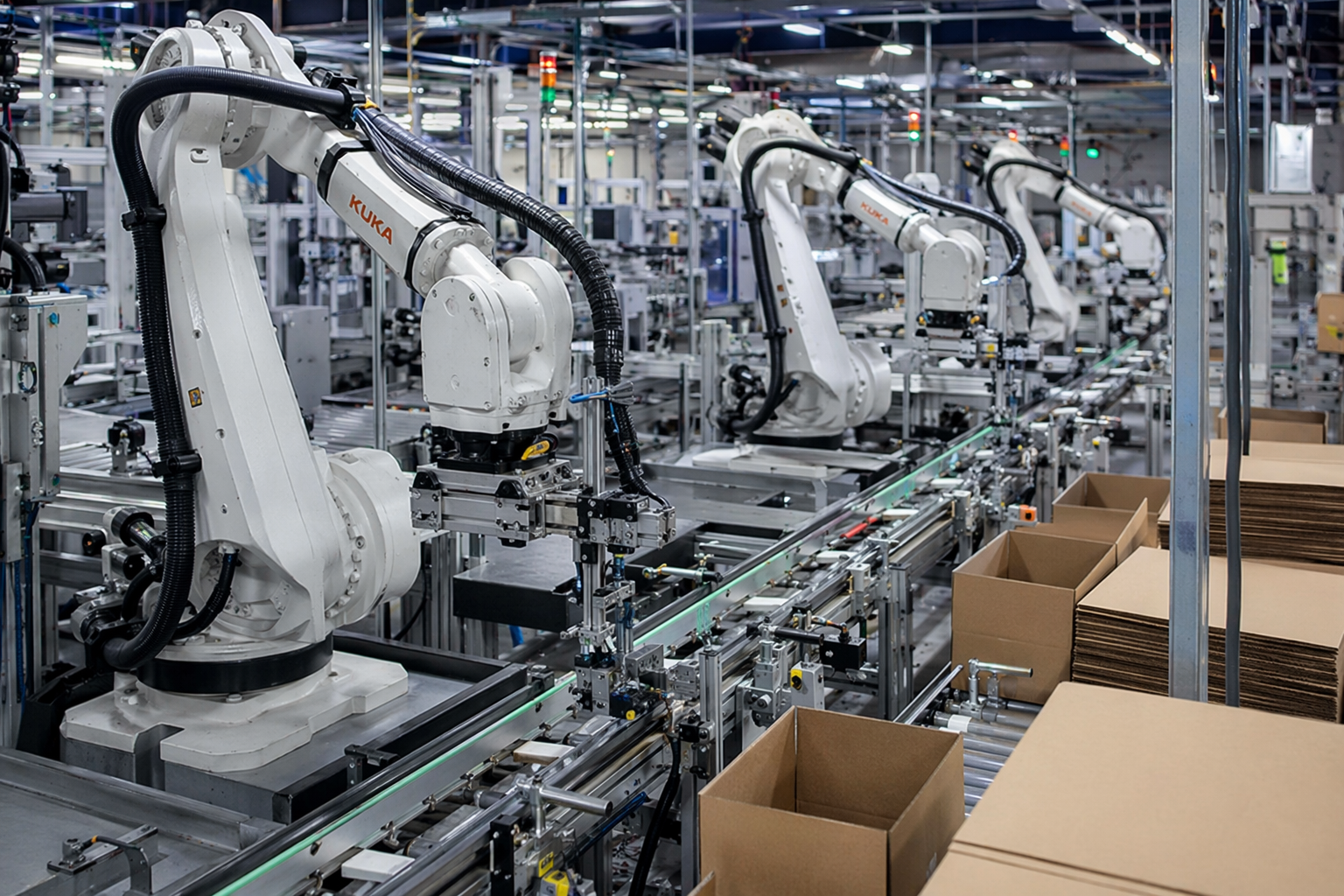
Robotic systems strengthen that control by handling tasks such as assembly, welding, painting, packaging, and other repetitive tasks. They work faster than people in many settings and can operate for long periods without fatigue. That makes automation solutions useful when cycle times matter.
There is still a role for people, but less human intervention is needed in routine work. This frees teams to focus on supervision, adjustments, and more skilled responsibilities. As factories become more connected, the next step is linking these systems with digital technologies.
Integration with Industry 4.0 Technologies
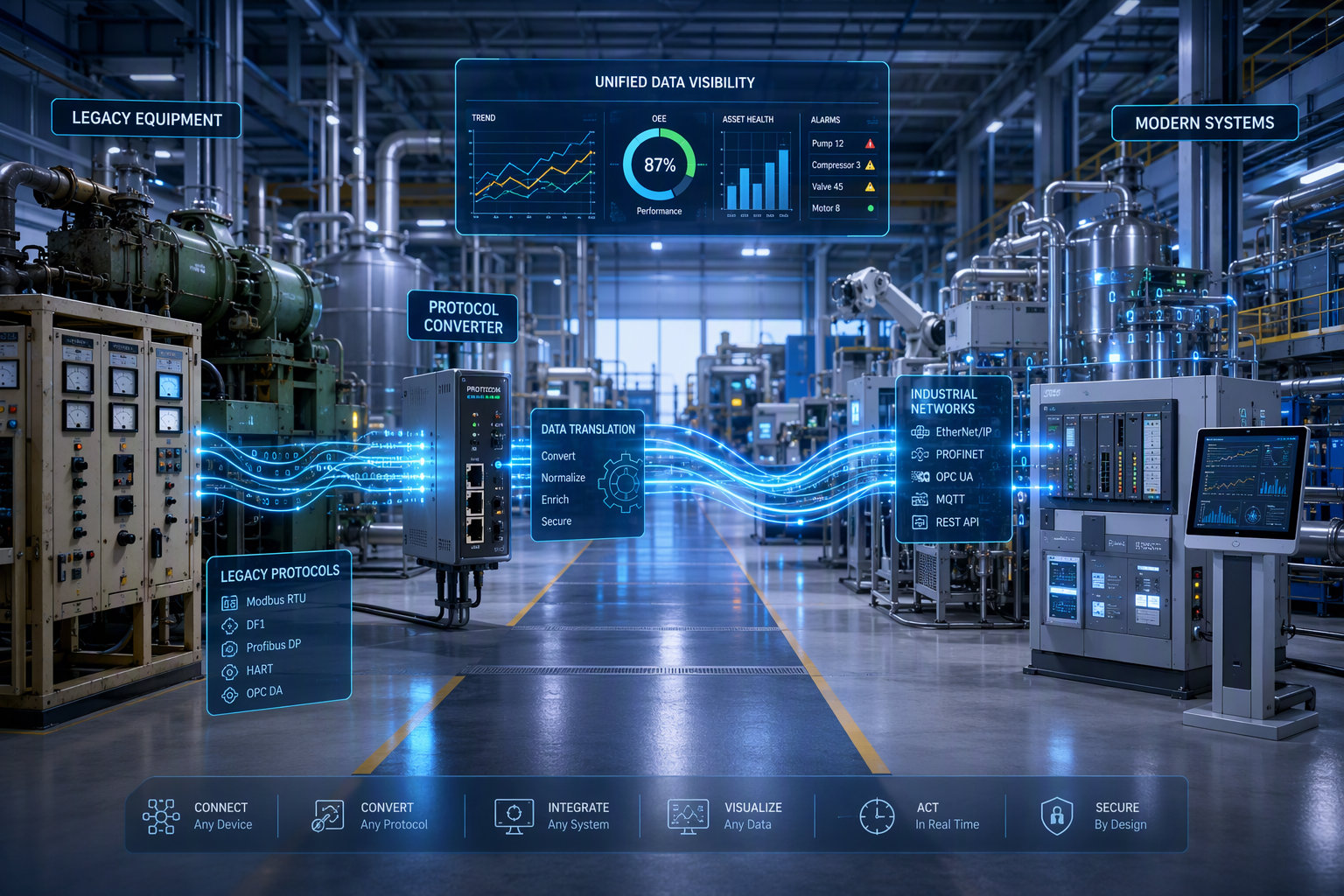
Industrial automation is closely tied to Industry 4.0 because both focus on smarter, connected operations. Instead of isolated machines, factories now use digital tools to share information across equipment and systems. That creates faster decisions and better visibility into what is happening on the factory floor.
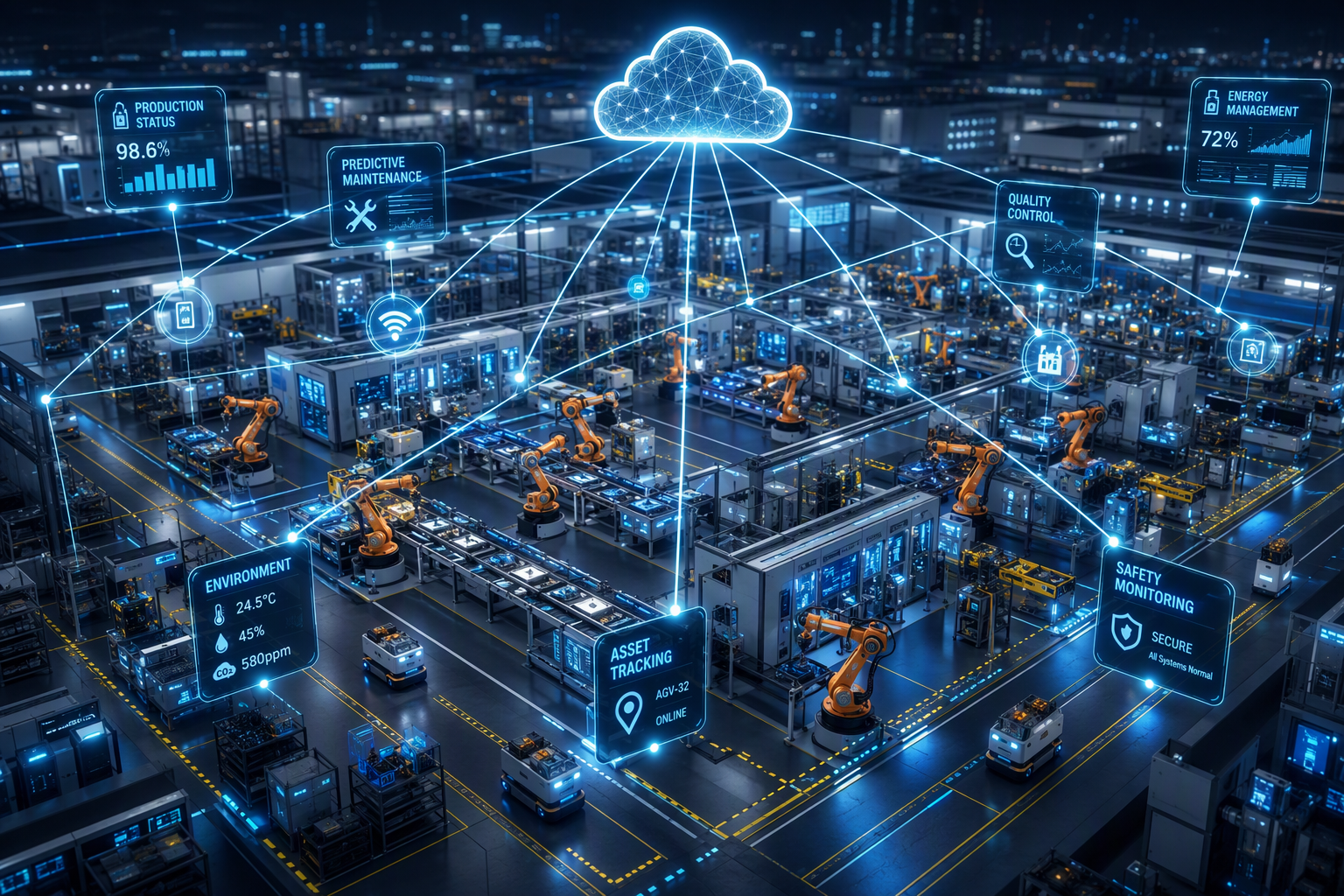
A big part of this shift comes from the industrial internet of things. Connected sensors and devices send data continuously, helping teams monitor performance, spot issues early, and improve coordination. Data analytics turns that information into useful insights for planning and process control.
Artificial intelligence and machine learning add another layer of value. These tools help optimize operations, support predictive maintenance, and improve decision-making over time. When combined, Industry 4.0 technologies move automation beyond task execution and into real-time operational intelligence.
Main Benefits of Industrial Automation Across Sectors
Across many industries, automation solutions improve the production process by making work faster, more accurate, and easier to manage. Businesses use them to reduce manual errors, improve consistency, and keep operations moving with fewer interruptions.
The benefits of automation are especially clear in production efficiency and product quality. Systems can run longer, support better control, and cut waste over time. They also help companies respond to labor pressure and changing production needs. The following areas show where those gains are most visible.
Increased Production Efficiency
One of the clearest gains from automation is higher efficiency. Machines and robotic tools can complete repetitive work faster than manual teams, which helps shorten cycle times and raise output. In environments where time directly affects cost, that speed matters.
Automation technology also supports steady operation. Many systems can run around the clock, which increases available production time and helps businesses meet demand more effectively. When fewer delays interrupt the production process, overall throughput improves.
Another advantage is stronger process visibility. Real-time monitoring and performance tracking make it easier to spot slowdowns, adjust workflows, and support continuous improvement. That means efficiency is not just a one-time win. It becomes something you can measure, manage, and improve over time.
Enhanced Product Quality and Consistency
Quality often improves when tasks are performed the same way every time. That is where process automation stands out. Automated equipment follows programmed instructions with precision, which reduces variation and helps maintain product quality across repeated runs.
With minimal human intervention in routine work, there are fewer chances for mistakes caused by fatigue, distraction, or manual inconsistency. This leads to stronger quality control and more reliable output from batch to batch. In many settings, that means less rework and fewer returns.
You also gain consistent quality at scale. Whether a company is producing consumer goods, components, or packaged items,
automated systems help keep standards steady even when volume increases. That makes quality easier to maintain without slowing production.
Improved Workplace Safety and Sustainability
Safety is a major reason companies invest in automation. When machines take over hazardous or physically demanding jobs, human workers face fewer risks from heavy lifting, toxic materials, and difficult environments. That creates a safer workplace safety profile across the factory floor.
Automation also supports sustainability by improving how resources are used. Better control reduces errors, waste, and unnecessary motion in industrial processes. This aligns well with lean manufacturing goals and can help lower energy consumption over time.
Common sustainability and safety gains include:
- Reduced exposure of human workers to unsafe tasks and harsh conditions
- Lower material waste through more precise production control
- Better energy consumption management through optimized machine operation
Common Types of Industrial Automation Systems Used Today
Not every automation system works the same way. The manufacturing industry uses different types of automation based on volume, product variety, and how often the production line needs to change. That is why choosing the right setup starts with understanding your process.
Thanks to technological advancement, factories now use fixed, programmable, and flexible models, along with newer collaborative approaches. Each option supports different goals, from mass output to adaptable workflows. Looking at these categories makes system selection much clearer.
Fixed Automation Applications
Fixed automation is designed for high-volume, repetitive work. It is often used when the same item is produced for a long period with little design change. Because the sequence is pre-set, this approach works well on a fast-moving production line where consistency matters most.
You will often find fixed automation in assembly lines and conveyor systems. It helps reduce labor time and supports steady output, but it is not ideal when products need frequent changes. That limited flexibility is the tradeoff for speed and simplicity.
| Fixed automation use | Typical fit |
|---|---|
| Assembly lines | High-volume, repeatable production |
| Conveyor systems | Continuous movement of materials and products |
| Long-cycle product runs | Stable designs with limited variation |
| Less suitable for batch production | Reconfiguration can be difficult and slow |
Programmable and Flexible Automation
Programmable automation is often used for batch production where output volumes are medium to high. Equipment can be reprogrammed for each batch, which makes it useful when products change in planned intervals. The downside is that setup and reconfiguration can take time.
Flexible automation goes a step further. It allows systems to adapt more easily to shifting production demands, smaller runs, and product variations. This type of automation technology is common in environments where customization or changing market needs are part of normal operations.
Both options help businesses manage different manufacturing tasks without rebuilding the entire process. Common examples include CNC machinery, automated guided vehicles, and PLC-driven equipment. If your operation needs adaptability, these systems usually provide a better fit than fixed setups.
Collaborative Robotics and Smart Manufacturing
Collaborative robotics brings machines and people closer together in day-to-day operations. Instead of replacing every manual role, these systems support human operators in tasks that need both speed and judgment. This makes them useful in smart manufacturing environments focused on flexibility and control.
Smart manufacturing also depends on connected data, responsive systems, and better visibility across operations. When machines share real-time information, teams can improve decisions, monitor performance, and reduce process delays. That helps automation investments deliver better long-term value.
Key outcomes often include:
- Better support for human operators during repetitive or demanding work
- Faster adjustments to changing production needs
- Cost reduction through improved efficiency, reduced waste, and smoother workflows
Choosing the Right Industrial Automation Solution Provider
Selecting a provider is about more than buying equipment. You need automation solutions that match your workflow, existing systems, and long-term goals. That takes careful planning, especially if you want a setup that can grow with your business.
A strong automation company should offer reliable support, practical services, and systems that fit your operation. Leading providers mentioned in this space include Schneider Electric, along with workflow automation platforms such as HighGear. The best solution balances performance, integration, and customer satisfaction.
Services Offered by Leading Automation Companies
Leading providers usually offer more than hardware. Their services often include system design, deployment support, controls, interfaces, monitoring tools, and integration help. Some also provide workflow software or business process tools that support wider operational management.
For example, providers may supply programmable relays, motion controllers, motor controls, safety systems, data acquisition tools, and monitoring platforms. These automation solutions help companies improve supervision, reduce disruptions, and maintain the quality of products across operations.
Common services include:
- Predictive maintenance support through monitoring and connected systems
- Data collection and reporting for visibility into performance and process health
- Equipment, controls, and software that improve quality, safety, and productivity
Factors to Consider for Optimal Business Outcomes
The right automation system should match your actual operational needs. Start by identifying which processes need automation, how much control you need, and what output you expect. It also helps to review your current machinery, software, and network setup before making a decision.
Cost matters, but the lowest price is not always the best choice. You need to weigh the initial investment against long-term gains such as lower operational costs, better quality, and smoother production. Reliability is also critical because system failures can lead to unplanned downtime.
Important selection factors include:
- Compatibility with existing equipment and infrastructure
- Maintenance needs, technical support, and durability in industrial settings
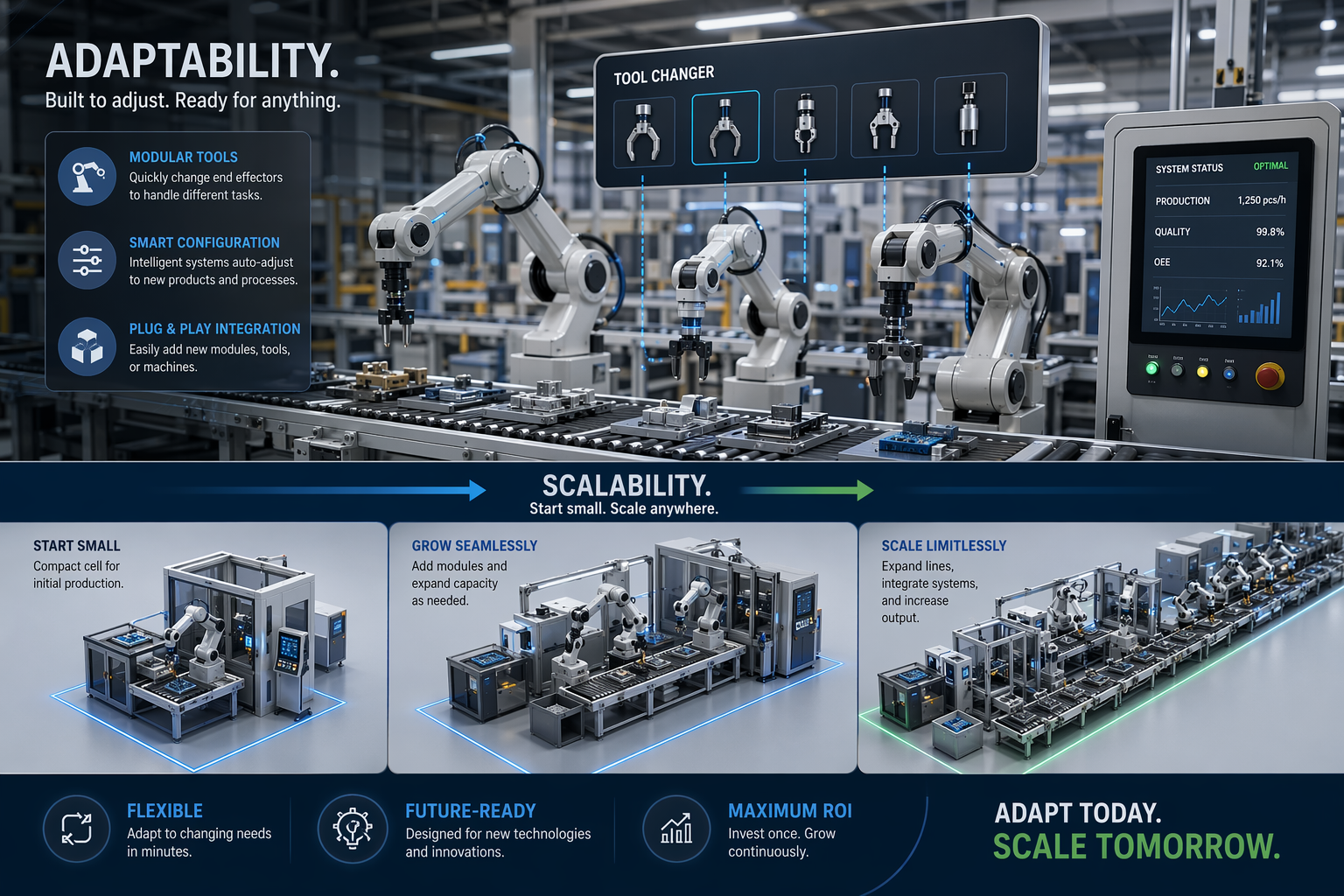
- Flexibility, scalability, and the likely return on the initial investment
Conclusion
In conclusion, embracing industrial automation solutions can significantly transform your business across various sectors. By understanding the different types of automation systems and their benefits, such as increased production efficiency, enhanced product quality, and improved workplace safety, you can make informed decisions that drive success. As technology continues to evolve, the integration of automation with Industry 4.0 principles will further enhance operational capabilities and sustainability. So, whether you’re looking to streamline processes or ensure safety in your workplace, exploring the right automation solutions is essential for staying competitive in today’s market. If you're ready to take the next step, reach out to industry experts who can guide you in selecting the best systems for your unique needs.
Frequently Asked Questions
Which industries benefit most from industrial automation solutions?
Various industries can benefit, but the manufacturing sector is one of the strongest examples. Industrial automation supports a faster production process, better consistency, and safer operations. It is especially useful where repetitive tasks, high output, and accuracy matter. Automation solutions also help businesses manage changing demand more effectively.
How does automation contribute to sustainability in modern operations?
Automation solutions support sustainability by improving control in industrial processes. Better precision can reduce waste, lower energy consumption, and support lean manufacturing goals. They also help companies avoid unnecessary rework and use resources more efficiently, which makes day-to-day operations cleaner and more cost-conscious.
What current technology trends are shaping the future of industrial automation?
Current changes in automation technology are being driven by artificial intelligence, machine learning, and the industrial internet of things. These tools improve monitoring, data use, and predictive maintenance. This technological advancement is pushing factories toward smarter, more connected systems that improve decision-making and overall performance.
You might also like