Discover the Future of Work: The Power of Automation
Discover the Future of Work: The Power of Automation

Key Highlights
- Automation technology uses machines and software to handle tasks with minimal human intervention.
- It streamlines operations by taking on repetitive tasks, enhancing efficiency and reducing errors.
- Process automation is crucial for modernizing workflows across various industries.
- Advanced technologies like AI and machine learning are making automation smarter and more capable.
- Key benefits include increased productivity, improved accuracy, and significant cost savings.
- Business process automation helps optimize entire workflows, from data entry to customer service.
Introduction
Welcome to the future of work! Have you ever wondered how businesses get so much done so quickly? The answer often lies in automation technology. This powerful approach uses machines and software to perform tasks that human workers might find repetitive or time-consuming. From improving efficiency to reducing errors, the benefits of automation are transforming industries. By leveraging tools like artificial intelligence and process automation, companies are not just speeding up their operations but also unlocking new possibilities for growth and innovation.
Understanding Automation in the Modern Workplace
Automation is all about using technology to perform tasks with little to no human intervention. Automated systems are designed to handle routine tasks, freeing up your team to focus on more complex, strategic work. Think of it as a digital assistant that never gets tired.
These control systems are a cornerstone of the modern digital transformation, changing how we approach work in nearly every field. Next, we will explore what automation is, how it works across different sectors, and how it relates to artificial intelligence.
Definition and Core Concepts of Automation
At its core, automation is the application of technology to perform tasks that once required a person to complete. An automation system is designed to execute processes with minimal human intervention, making it a key driver of efficiency in today's fast-paced world. The goal is to streamline operations and ensure consistency.
This is achieved through process automation, where automated systems are programmed to follow a set of rules and instructions. These systems are especially effective for handling repetitive tasks that are prone to human error, such as data entry or simple calculations. By assigning these duties to a machine, you can achieve a higher level of accuracy and speed.
Ultimately, automation works by integrating software and machinery to monitor, control, and execute functions. Whether it's a robot on an assembly line or a software script running on a server, these systems are built to operate continuously and reliably without constant oversight.
How Automation Functions Across Industries
Automation is not limited to a single field; its use of technology is seen across various industries. From large factories to your own home, its principles are applied to improve how things work. Each sector leverages automation in a way that best suits its unique challenges and goals.
In information technology, for example, automation helps manage routine tasks like software updates and system backups. This allows IT professionals to focus on more strategic issues. Similarly, manufacturing processes are revolutionized by robots that handle assembly with speed and precision, boosting production rates.
Even at home, automation contributes to better energy efficiency through smart thermostats that adjust temperatures automatically. The widespread adoption of this technology shows its incredible versatility and its crucial role in modernizing different aspects of our lives and work environments.
Automation vs Artificial Intelligence: Similarities and Differences
People often use the terms automation and artificial intelligence (AI) interchangeably, but they are not the same. Basic automation technology is designed to follow pre-programmed rules. It excels at performing repetitive tasks but doesn't learn or make decisions on its own.
Artificial intelligence, on the other hand, is designed to simulate human capabilities like learning and problem-solving. AI systems can analyze data, identify patterns, and make decisions to handle complex tasks. Machine learning, a subset of AI, allows these systems to improve their performance over time without being explicitly reprogrammed.
The key difference is that automation executes instructions, while AI makes decisions. However, they often work together. For instance, cognitive automation combines automation technology with AI, enabling systems to handle complicated processes that require judgment and analysis, going far beyond simple rule-based tasks.
The Evolution of Automation Technologies
The concept of automation is not new. Its evolution began long ago, starting with the mechanical systems of the industrial revolution. Over the decades, simple machines have transformed into the complex, intelligent systems we see today. Industrial automation laid the groundwork for modern digital tools.
Today, the journey continues with the integration of advanced technologies and smart devices. This ongoing progress has redefined what's possible in the workplace and at home. Let's look at the key milestones in this journey and the recent advances that are shaping our future.
From Industrial Revolution to Digital Transformation
The story of automation begins with the industrial revolution. During this era, new machines began to transform industrial settings by mechanizing parts of the production process. This shift from manual labor to machine-based work was the first major step toward the automated world we know today.
As technology progressed, automation technology evolved from simple mechanical devices to more sophisticated electronic and computer-based systems. The introduction of computers was a pivotal moment, allowing for more complex programming and control over industrial processes, which paved the way for the current digital transformation.
Now, we are in an age where digital transformation connects every aspect of a business. Automation is no longer just about the factory floor; it's about optimizing workflows, managing data, and enhancing decision-making across entire organizations, all powered by intelligent software and interconnected systems.
Milestones in Automation Systems and Tools
The development of automation systems has been marked by several groundbreaking innovations. These milestones have pushed the boundaries of what machines can do, from managing industrial processes to streamlining IT automation. Each step forward has built upon the last, leading to the powerful tools we have today.
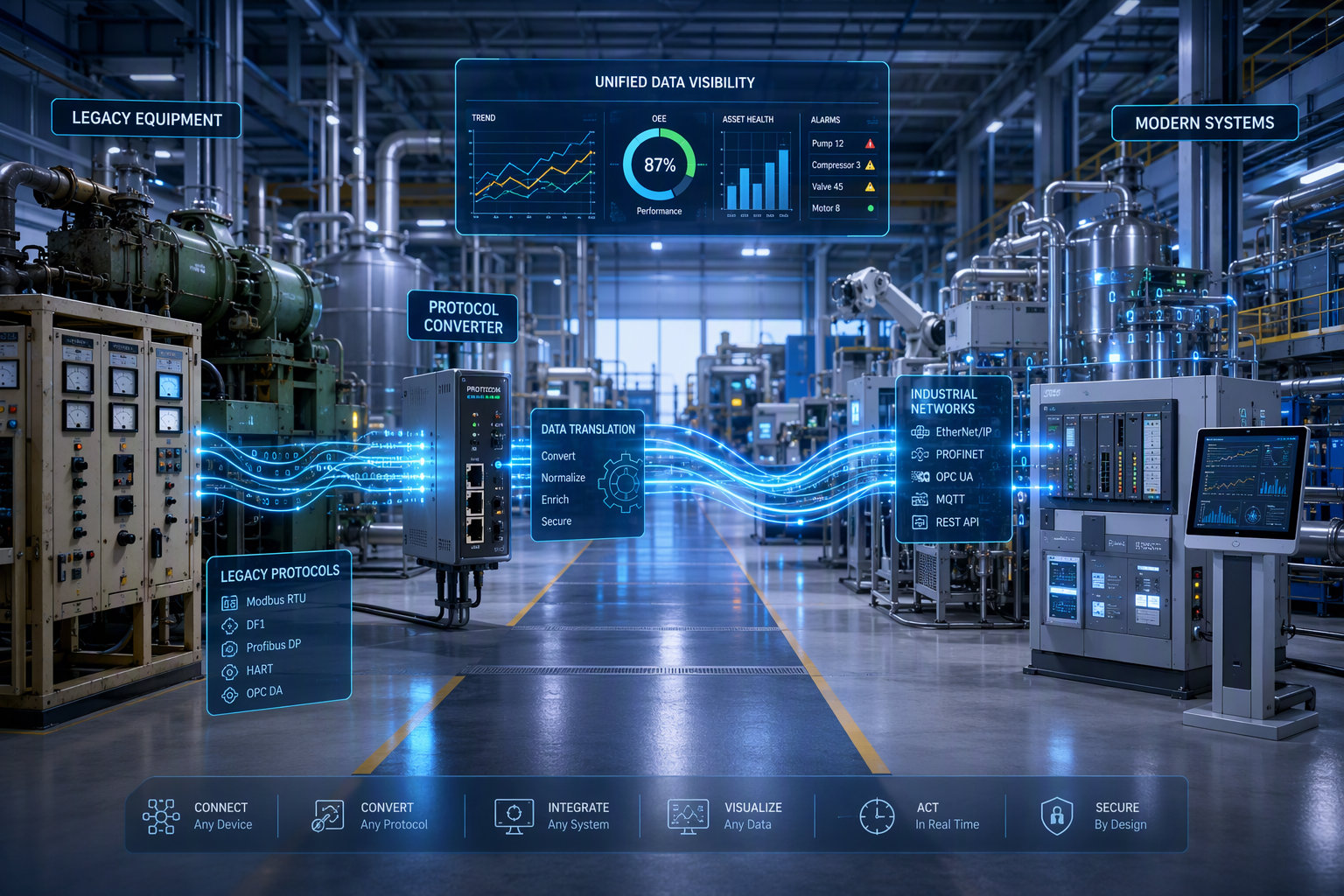
Key control systems like Programmable Logic Controllers (PLCs) and Supervisory Control and Data Acquisition (SCADA) systems were game-changers. PLCs provided a rugged, reliable way to control machinery, while SCADA systems allowed for remote monitoring and management of entire industrial operations.
These advanced technologies have become the backbone of modern automation. They ensure that processes run smoothly, efficiently, and with a high degree of precision.
| Milestone | Description |
|---|---|
| Programmable Logic Controllers (PLCs) | Specialized computers that control manufacturing processes and machinery with high reliability. |
| SCADA Systems | Software that allows for real-time monitoring and control of industrial processes from a central location. |
| Robotic Process Automation (RPA) | Software "bots" designed to mimic human actions for repetitive digital tasks like data entry. |
| Artificial Intelligence (AI) | Systems that can learn, reason, and make decisions, enabling more complex and intelligent automation. |
Recent Advances Shaping Workforce Automation
The pace of innovation in automation is accelerating, thanks to a new wave of advanced technologies. Machine learning is making automation smarter by enabling systems to learn from data and improve their performance over time. This means automated tools can now adapt to new situations without manual reprogramming.
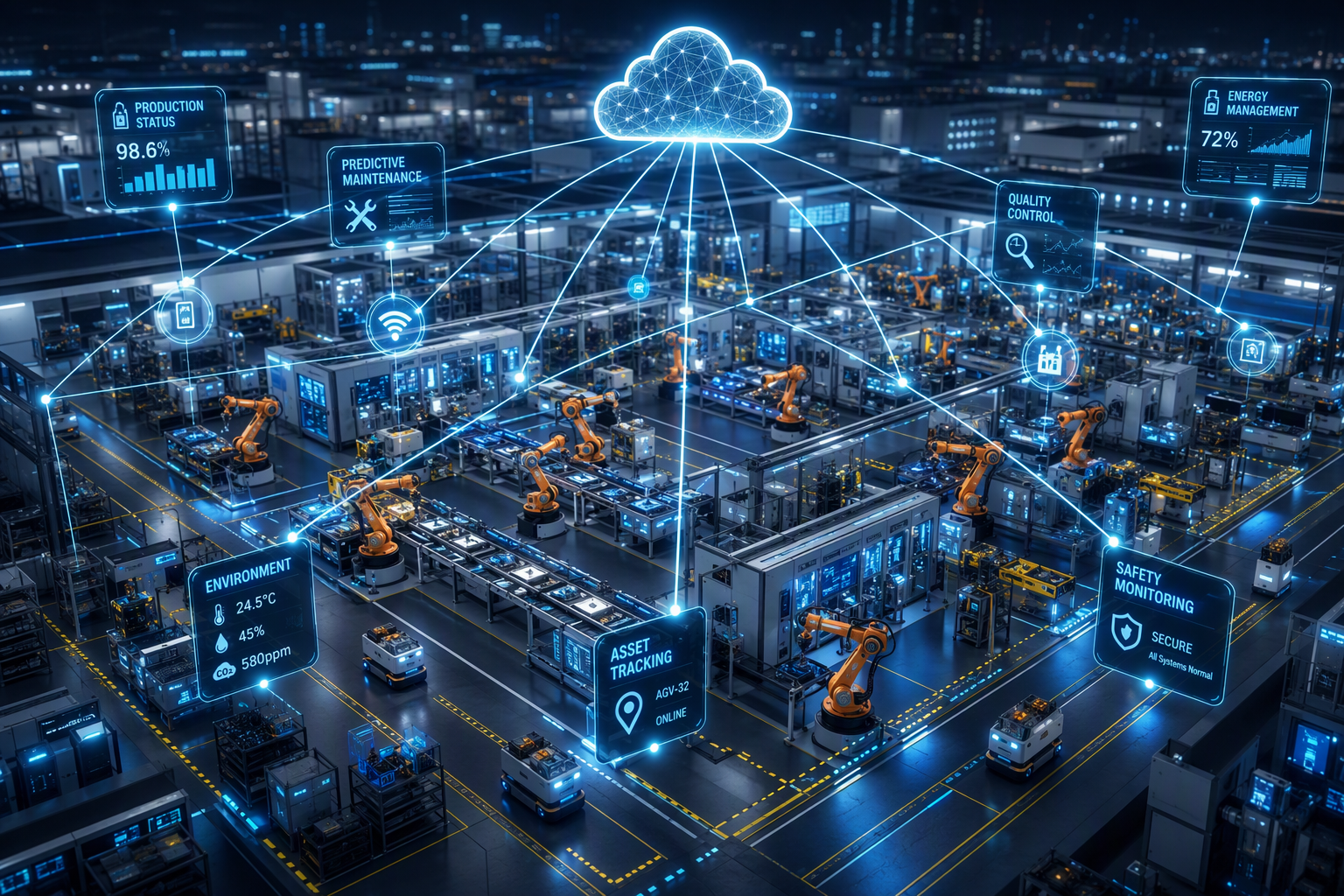
Another major development is IoT integration. By connecting smart devices and sensors, automation systems can gather and act on real-time data from the physical world. On production lines, this allows for predictive maintenance, where machines can signal they need a repair before they break down, preventing costly downtime.
These advances are not just confined to factories. Smart devices in our homes and offices are also becoming more automated, offering greater convenience and efficiency. This fusion of AI, IoT, and robotics is creating a future where automation is more connected, intelligent, and integrated into our daily lives.
Main Types of Automation Used Today
Automation isn't a one-size-fits-all solution. There are several different types of automation, each designed for specific purposes. From industrial automation on the factory floor to software bots in the office, these technologies are tailored to address unique challenges and opportunities.
Understanding these distinctions is key to choosing the right approach for your needs. We'll explore some of the main categories, including robotic process automation, business process automation, and the more advanced cognitive automation, to see how they function and where they are best applied.
Robotic Process Automation (RPA)
Robotic Process Automation, or RPA, involves the use of software "bots" to automate rule-based, repetitive tasks on a computer. These bots are programmed to mimic human actions, such as logging into applications, filling out forms, copying and pasting data, and moving files.
The primary goal of RPA is to take over mundane digital work, which helps reduce human errors and free up employees for more valuable activities. The use of software to handle these processes ensures that tasks are completed with perfect accuracy and consistency, 24/7.
RPA is widely adopted in areas like finance, human resources, and IT operations. For instance, it can automate invoice processing, onboard new employees by setting up their accounts, or manage routine help desk tickets. It’s a powerful tool for streamlining back-office operations and boosting efficiency.
Business Process Automation (BPA)
Business Process Automation (BPA) takes a broader approach than RPA. Instead of focusing on individual tasks, BPA aims to automate an entire business workflow from start to finish. This form of process automation orchestrates multiple tasks across different systems and departments to improve overall operational efficiency.
The goal of BPA is to streamline entire processes with minimal human intervention. For example, automating the entire customer onboarding process might involve automatically sending a welcome email, creating a user account, and scheduling a follow-up call, all without an employee needing to initiate each step.
By connecting different applications and automating the flow of information, BPA helps eliminate bottlenecks and ensures that routine tasks are handled smoothly. This leads to faster service, lower operational costs, and a more organized and efficient organization.
Cognitive and Intelligent Automation Solutions
Cognitive automation represents the next level of intelligent automation. It combines traditional automation techniques with artificial intelligence technologies like machine learning and natural language processing. Unlike systems that just follow rules, cognitive automation can handle tasks that require judgment and analysis.
This technology allows systems to understand unstructured data, such as emails, documents, and customer support tickets. For instance, it can analyze incoming customer inquiries, understand the sentiment and intent, and route them to the appropriate department or even generate a response.
By leveraging AI, cognitive and intelligent automation can tackle more complex issues that were once the exclusive domain of human workers. This ability to learn, adapt, and make decisions makes it a powerful tool for solving intricate business problems and driving innovation.
Key Benefits of Implementing Automation
Adopting automation offers a wide range of advantages that can significantly impact your business. The benefits of automation go far beyond just speed. They touch every aspect of your operations, leading to enhanced efficiency, improved accuracy, and better use of your resources.
From major cost savings to better decision-making, implementing automation is a strategic move that delivers long-term value. Let's explore some of the key benefits, including boosts in productivity, consistency, and scalability, that make automation a transformative force for any organization.
Enhanced Efficiency and Productivity
One of the most immediate benefits of automation is a significant boost in efficiency and productivity. Automated systems can work around the clock without breaks, completing tasks much faster than their human counterparts. This allows your business to accomplish more in less time.
When you use process automation to handle routine tasks, your employees are freed from tedious, repetitive work. This allows them to dedicate their time and skills to more creative, strategic, and high-value activities that drive business growth. This shift not only increases output but also improves employee morale and engagement.
By streamlining workflows and reducing manual effort, automation helps your entire organization run more smoothly. Key advantages include:
- Faster completion of tasks and processes.
- Continuous operation, 24/7, without fatigue.
- Increased output with the same or fewer resources.
- Empowering employees to focus on strategic work.
Improved Accuracy and Consistency
Humans are creative and brilliant, but we all make mistakes, especially when performing repetitive tasks. Automation helps solve this problem by ensuring improved accuracy and consistency. Automated systems are programmed to perform tasks the exact same way every time, which drastically reduces the risk of human errors.
This level of precision is crucial in many fields. In manufacturing, it ensures that every product meets the same high standards. In finance, it prevents costly mistakes in data entry and calculations. Consistent execution is a hallmark of automation and a key driver of quality control.
By relying on automated systems for tasks that require precision, you can build more reliable processes and deliver a higher quality product or service. This consistency builds trust with your customers and strengthens your company's reputation for reliability.
Scalable Solutions and Cost Savings
Automation provides scalable solutions that can grow with your business. When demand increases, you don't always have to hire more people. Instead, you can easily scale up your automated processes to handle the additional workload with minimal human input. This flexibility is a major competitive advantage.
While there may be an initial investment, automation leads to significant long-term cost savings. By reducing the need for manual labor on repetitive tasks, you can lower labor costs. Automation also optimizes resource utilization, such as energy and materials, further reducing operational expenses.
Over time, these savings add up, improving your bottom line and allowing you to reinvest in other areas of your business. The ability to do more with less makes automation a financially smart strategy for sustainable growth.
Impact of Automation on Different Industries
Automation technology is not just a concept; it's a practical tool that is reshaping industries across the board. The manufacturing industry has long been a pioneer in automation, but its impact is now being felt in sectors like retail, finance, healthcare, and logistics.
From robotic arms on an assembly line to AI-powered chatbots in customer service, automation is making processes faster, smarter, and more efficient. We will now examine how automation is driving innovation in manufacturing and creating new opportunities in other key sectors.
Manufacturing Industry Innovations
The manufacturing industry has been at the forefront of adopting automation solutions for decades. Today, innovations are pushing the boundaries even further. Modern factories use robotic arms for tasks like welding, assembly, and painting with incredible speed and precision, transforming their manufacturing processes.
Collaborative robots, or "cobots," are now designed to work safely alongside human employees, assisting with heavy lifting or intricate assembly. This partnership between humans and machines enhances the entire production process, increasing output while maintaining high standards.
Automation is also revolutionizing quality control. Advanced computer vision systems can inspect products on the assembly line, identifying defects far more accurately and quickly than the human eye. This ensures that every item leaving the factory meets strict quality standards, reducing waste and improving customer satisfaction.
Finance, Retail, and Healthcare Applications
Automation's reach extends far beyond the factory. In the banking industry, it is used to streamline back-office operations, manage risk, and automate compliance checks. RPA bots handle data entry and transaction processing, while AI-powered chatbots provide 24/7 customer service.
In retail, automation is enhancing the shopping experience. Amazon Go's cashier-less stores use computer vision to let customers shop and leave without waiting in line. Behind the scenes, automated systems manage inventory and personalize marketing efforts. IT automation and business process management tools are also key to streamlining operations.
Healthcare automation is improving patient care and diagnostics. Robotic surgical systems assist surgeons with minimally invasive procedures, and AI platforms analyze medical images to help radiologists detect abnormalities faster. These applications are making healthcare more efficient, accurate, and accessible.
Logistics, Transportation, and Emerging Sectors
The fields of logistics and transportation are undergoing a massive transformation powered by automation. In warehouses, autonomous robots are used to sort, move, and organize inventory, speeding up order fulfillment and reducing errors. This allows e-commerce companies to get packages to your door faster than ever.
On the road, the development of autonomous vehicles promises to revolutionize how goods and people are transported. Companies like Waymo are testing self-driving cars that could make transportation safer and more efficient. Drone delivery systems from companies like DHL and FedEx are also being explored for faster last-mile deliveries.
These technologies are not just improving existing industries but are also creating entirely new emerging sectors. From precision agriculture, where autonomous tractors and drones manage crops, to automated construction, the applications for automation continue to grow, driving innovation across the economy.
Challenges and Considerations When Adopting Automation
While automation offers many benefits, adopting it is not without its challenges. Implementing new systems often requires significant investment, planning, and a careful approach to change management. Companies must address common barriers to ensure a smooth integration.
A key consideration is the impact on human workers and the need for a thoughtful workforce transition. Successfully navigating these challenges is crucial for unlocking the full potential of automation. Let's look at the hurdles companies face and how they can prepare their organization for this change.
Common Barriers to Integration
One of the most common barriers to adopting automation is the initial cost. The price of new hardware, software, and the expertise needed for implementation can be substantial, especially for smaller businesses. This is one of the primary adoption challenges that requires careful financial planning.
Another hurdle is integration. New automated systems must work seamlessly with your existing technology and workflows. This can be a complex process, requiring technical expertise to ensure all the different control systems and software can communicate effectively. Without proper integration, you risk creating more problems than you solve.
Finally, there's the human element. Resistance to change from employees who are comfortable with existing processes can slow down adoption. Successful implementation requires clear communication, training, and a degree of human involvement to manage and oversee the new systems.
Skill Requirements and Workforce Transition
The rise of automation is changing the job market, leading to a necessary workforce transition. While some manual jobs may be displaced, automation is also creating new roles that require different skill requirements. The focus is shifting from repetitive labor to tasks that involve creativity, critical thinking, and technical expertise.
For human workers, this means adaptability is key. Instead of being replaced, many employees will have the opportunity to work alongside automated systems, managing, maintaining, and optimizing them. This collaboration between humans and machines is essential for driving economic growth in the age of automation.
To prepare for this shift, companies and individuals should focus on upskilling and reskilling. Important skills for the future include:
- Data analysis and interpretation.
- Technical proficiency with automation tools.
- Problem-solving and critical thinking.
- Creativity and strategic planning.
Managing Change and Organizational Adaptability
Successfully implementing automation requires more than just new technology; it requires effective change management. Organizational change can be disruptive, and it's essential to guide your team through the transition. This involves clear communication about why the changes are being made and how they will benefit both the company and its employees.
A culture of adaptability is crucial for long-term success. As technology and market changes continue to accelerate, your organization must be able to evolve. This means encouraging continuous learning, embracing new ways of working, and being open to experimentation.
Human involvement remains critical in this process. Leaders must actively manage the transition, address employee concerns, and provide the necessary training and support. By fostering a flexible and forward-thinking mindset, your organization can not only adopt automation successfully but also thrive in a constantly changing world.
The Role of Process Automation in Business Success
Process automation is a cornerstone of modern business success. By automating workflows and connecting different systems, it creates a more efficient and agile organization. This focus on operational efficiency is what allows companies to do more with less and stay ahead of the competition.
Effective business process management powered by automation not only streamlines tasks but also generates valuable data insights. These insights can inform better decision-making and drive strategic growth. Let's dive into how process automation helps streamline workflows, leverage data, and ensure quality.
Streamlining Workflows for Better Outcomes
Process automation is all about creating streamlined workflows that deliver better, faster results. By mapping out a business process and automating each step, you can eliminate bottlenecks, reduce delays, and ensure that work flows smoothly from one stage to the next.
Effective business process management involves identifying inefficiencies and applying technology to fix them. For example, instead of manually passing a document from one person to another for approval, an automated workflow can route it instantly, send reminders, and track its progress.
This smart application of technology boosts efficiency across the entire organization. When your workflows are streamlined, tasks are completed more quickly, communication improves, and your teams can focus on achieving their goals instead of getting stuck on administrative hurdles.
Data Insights Driving Decision-Making
One of the most powerful aspects of automation is its ability to generate valuable data insights. As automated systems execute tasks, they collect a huge amount of data on process performance, cycle times, error rates, and more. This information is a goldmine for improving your business.
Using data analytics, you can turn this raw data into actionable insights that drive smarter decision-making. Advanced technologies can identify trends and patterns that might not be obvious to a human observer, helping you pinpoint areas for improvement and opportunities for growth.
While automation provides the data, human intervention is still crucial for interpreting it and making strategic choices. By combining the power of automated data collection with human expertise, you can make more informed, data-driven decisions that guide your business toward success.
Ensuring Quality and Compliance
Maintaining high quality and adhering to compliance regulations are critical for any business. Process automation plays a vital role in both of these areas. By using an automation system to handle tasks, you can ensure they are performed with consistency and precision, which is essential for quality control.
Automation significantly reduces the risk of human errors, which are often a major source of quality issues. When a process is automated, it runs according to a predefined set of rules every single time, ensuring a consistent and reliable output.
This consistency is also a huge benefit for compliance. Many industries have strict regulations that require detailed record-keeping and auditable processes. An automation system can automatically log every action, creating a perfect audit trail and making it much easier to demonstrate compliance with industry standards and legal requirements.
The Future Outlook for Automation Technology
The future outlook for automation technology is incredibly bright and full of potential. Driven by rapid innovation in advanced technologies like AI and IoT, automation is set to become even more intelligent, connected, and integrated into our lives. The pace of change is accelerating.
This evolution will continue to fuel a major workplace transformation, creating new opportunities and changing the nature of work itself. Let's explore the trends that will shape the next decade, the opportunities for growth, and how we can prepare for the automated workplace of tomorrow.
Trends Shaping the Next Decade
The next decade of automation will be defined by the convergence of several powerful trends. The ongoing technology evolution, particularly in AI and machine learning, will make automation systems more predictive, adaptive, and capable of handling complex, non-routine tasks.
Widespread IoT integration will connect everything from factory equipment to smart homes, creating a vast network of devices that can communicate and collaborate. This will enable more seamless and responsive automation, where systems can react to real-time data from the physical world. Market changes will drive the need for more agile and flexible automation solutions.
These advanced technologies will become more accessible, moving beyond large corporations to smaller businesses and even our daily lives. The rise of smart homes, where devices anticipate our needs, is just one example of how automation will become more personal and pervasive.
Opportunities for Innovation and Growth
The continued advancement of automation opens up tremendous opportunities for innovation and economic growth. As business process automation becomes more sophisticated, it will enable companies to create more efficient and customer-centric services, driving a competitive edge.
This wave of innovation is not just about improving existing processes; it's about creating entirely new markets and business models. Process automation can unlock efficiencies that make new services possible, from hyper-personalized retail experiences to predictive healthcare solutions that were once unimaginable.
By embracing these new tools, businesses can find new ways to solve problems, serve customers, and operate more sustainably. This cycle of innovation will fuel economic growth, creating new jobs and opportunities in the industries that are leading the charge in automation.
Preparing for the Workplace of Tomorrow
The ongoing workplace transformation means we must prepare for a future where humans and machines work together. The goal isn't to replace human capabilities but to augment them with advanced technologies. In this new environment, success will depend on our ability to adapt and learn.
As automation takes over routine tasks with minimal human intervention, the value of uniquely human skills like creativity, emotional intelligence, and strategic thinking will increase. The focus of work will shift from doing to thinking, creating, and collaborating.
To thrive in this future workplace, a commitment to continuous learning and development is essential. We should all focus on building skills that complement automated systems. Key areas to focus on include:
- Developing strong problem-solving and critical-thinking abilities.
- Enhancing creativity and innovation.
- Improving collaboration and communication skills.
- Gaining technical literacy to work with advanced technologies.
Conclusion
As we move forward into an increasingly automated future, understanding the transformative power of automation in the workplace becomes essential. Automation not only enhances efficiency and productivity across various industries but also drives innovation and growth. Embracing these technologies can streamline workflows, improve accuracy, and provide valuable data insights that inform decision-making processes. While challenges exist, such as skill requirements and managing change, the potential benefits far outweigh the risks. By preparing for the workplace of tomorrow, organizations can adapt and thrive. If you're ready to explore how automation can elevate your business, get in touch with us for a free consultation and let’s discuss your path to success!
Frequently Asked Questions
Can automation technology lead to job loss in certain sectors?
While automation technology may displace some jobs focused on repetitive tasks, it also creates new roles that require different skills. This workforce transition emphasizes collaboration between human workers and machines. The overall effect is often a shift in job types, which can drive economic growth and create new opportunities that require human intervention.
What are the most popular uses of automation in business today?
Today, popular automation solutions include process automation for streamlining workflows, IT automation for managing systems, and RPA for handling repetitive tasks like data entry. Many businesses also use automated systems for customer service, such as AI-powered chatbots that provide 24/7 support and answer common questions instantly.
How do companies overcome challenges when implementing automation?
Companies overcome challenges by focusing on strategic change management. This includes clear communication, investing in training to meet new skill requirements, and ensuring proper human involvement to oversee the new systems. By managing the transition carefully, they can successfully integrate automation technology and achieve greater operational efficiency.
You might also like