How Does Industry 4.0 Affect People?
Key Highlights
- Industry 4.0 is the fourth industrial revolution in smart manufacturing. It builds on the industrial revolution by using digital transformation tools. Artificial intelligence, IoT, and cloud systems support faster, better decisions. For beginners, a simple guide to understanding how Industry 4.0 works is to see it as the integration of technology—like artificial intelligence and connected devices—into factory operations. This digital transformation enables smart manufacturing, where machines and systems communicate to improve efficiency, quality, and flexibility.
- It builds on the industrial revolution by using digital transformation tools.
- Artificial intelligence, IoT, and cloud systems support faster, better decisions.
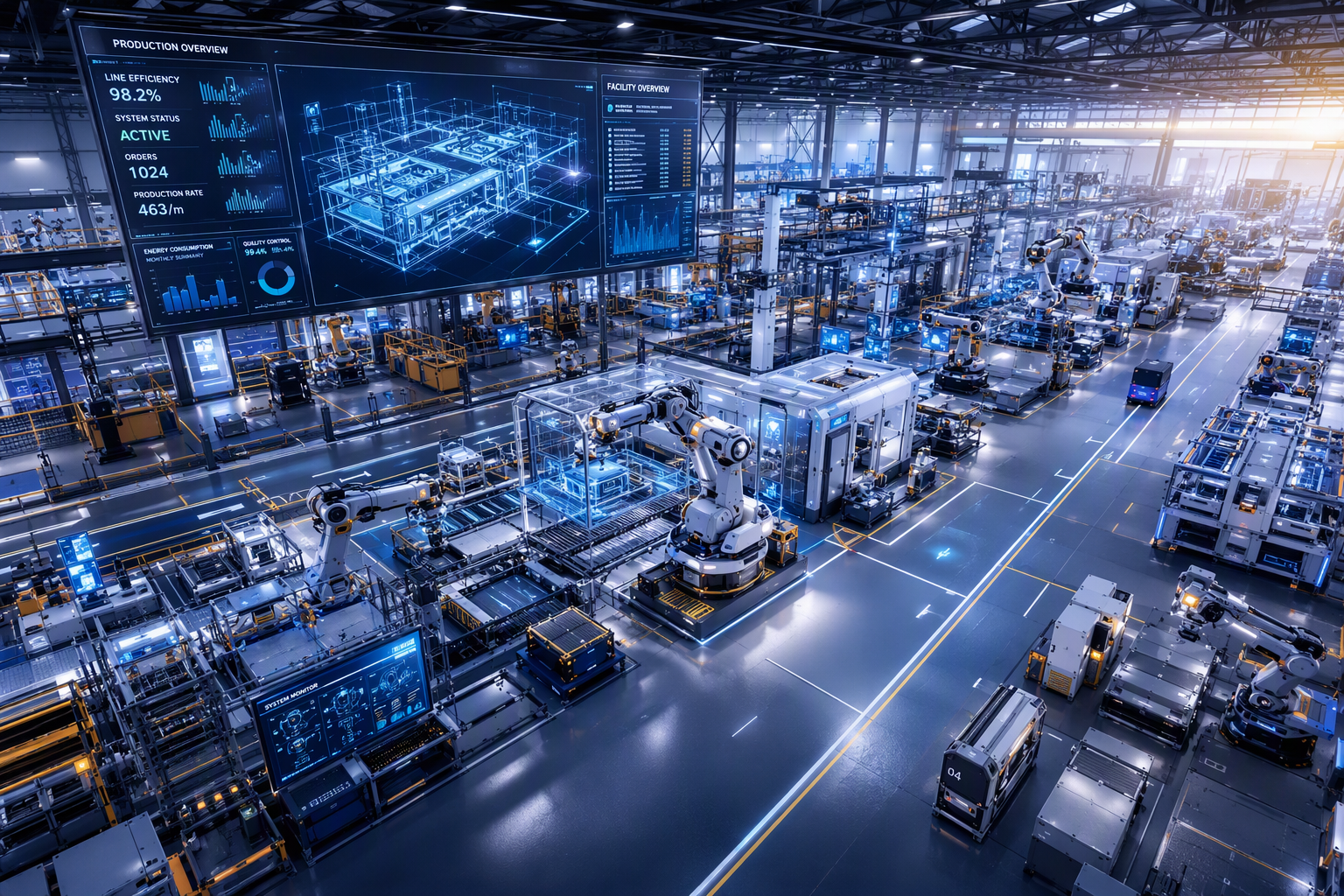
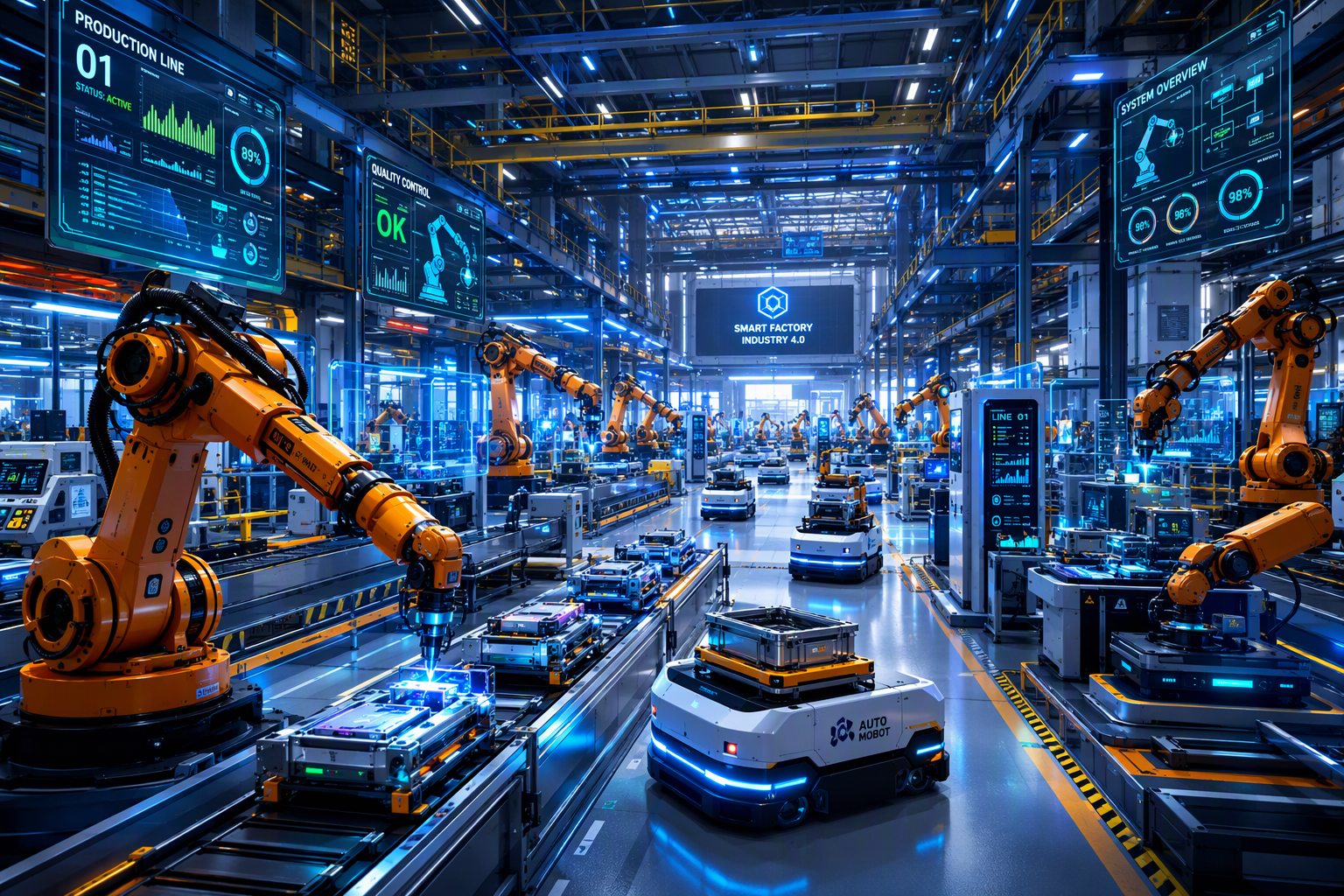
- Smart factories use connected machines and data for real-time visibility.
- Workers see changing roles, which increases the need for new skills.
- Businesses gain flexibility, stronger quality control, and better operational efficiency.
Introduction
Industry 4.0 is changing how people work, make products, and solve problems. Unlike earlier stages of the industrial revolution, this shift is driven by digital transformation, connected systems, and smarter use of data. In factories and other industrial settings, Industry 4.0 brings real-time visibility, stronger automation, and faster decisions. That affects not only machines, but also jobs, training, teamwork, and business strategy. To see why, it helps to understand where this change started and how it evolved.
Industry 4.0 Examples
Understanding Industry 4.0 and Its Evolution
The fourth industrial revolution did not appear overnight. It grew from earlier phases of the industrial revolution, each shaped by major technological advancements in power, production, and communication.
From steam engines to assembly lines, then computers and data systems, each era changed work in a new way. Industry 4.0 continues that path by combining smart machines, connectivity, and data-driven operations. Before looking at its impact on people, it helps to define what this stage really means.
Defining Industry 4.0 and the Fourth Industrial Revolution
Industry 4.0 refers to the digital transformation of industrial operations. It is closely tied to smart manufacturing, where machines, software, and connected systems work together to improve production, quality, and decision-making in real time. In simple terms, it is the current stage of the industrial revolution.
Many people use Industry 4.0 and the fourth industrial revolution as the same idea. This technological revolution focuses on automation, smart factories, connected assets, and data flowing across production, supply chain, and service systems. Klaus Schwab, linked to the World Economic Forum, helped popularize the term in global discussions.
What makes it different from earlier industrial revolutions is the level of connectivity and intelligence. Instead of only adding power or basic automation, this phase connects machines and data across the whole business, creating more visibility, flexibility, and responsiveness.
Major Differences Between Industry 4.0 and Earlier Industrial Revolutions
Each industrial era changed manufacturing in a distinct way. The first industrial revolution used water power and steam to move beyond hand production. The second industrial revolution introduced assembly lines, electricity, oil, gas, and the modern production line for mass production.
Later, the third industrial revolution brought computers, advanced telecommunications, PLCs, and data analysis into factories. That period, often called the digital revolution, laid the groundwork for the connected systems used today. The fourth industrial revolution builds on that digital base.
| Industrial era | Main change |
|---|---|
| First industrial revolution | Water power, steam, machine-based production |
| Second industrial revolution | Assembly lines, electric power, mass production |
| Third industrial revolution | Computers, telecommunications, PLCs, data analysis |
| Fourth industrial revolution | Smart factories, connected systems, automation, real-time data |
especially in manufacturing and operations.
Core Technologies Driving Industry 4.0
Industry 4.0 runs on a group of digital technologies that connect machines, people, and processes. These include the internet of things, cloud computing, data analytics, edge computing, artificial intelligence, and machine learning.
Together, these tools make factories more aware and more responsive. They collect data, support automation, and help teams act faster when quality, maintenance, or supply issues appear. Two of the most important building blocks are the Industrial Internet of Things and AI-driven smart manufacturing.
The Role of the Industrial Internet of Things (IIoT)
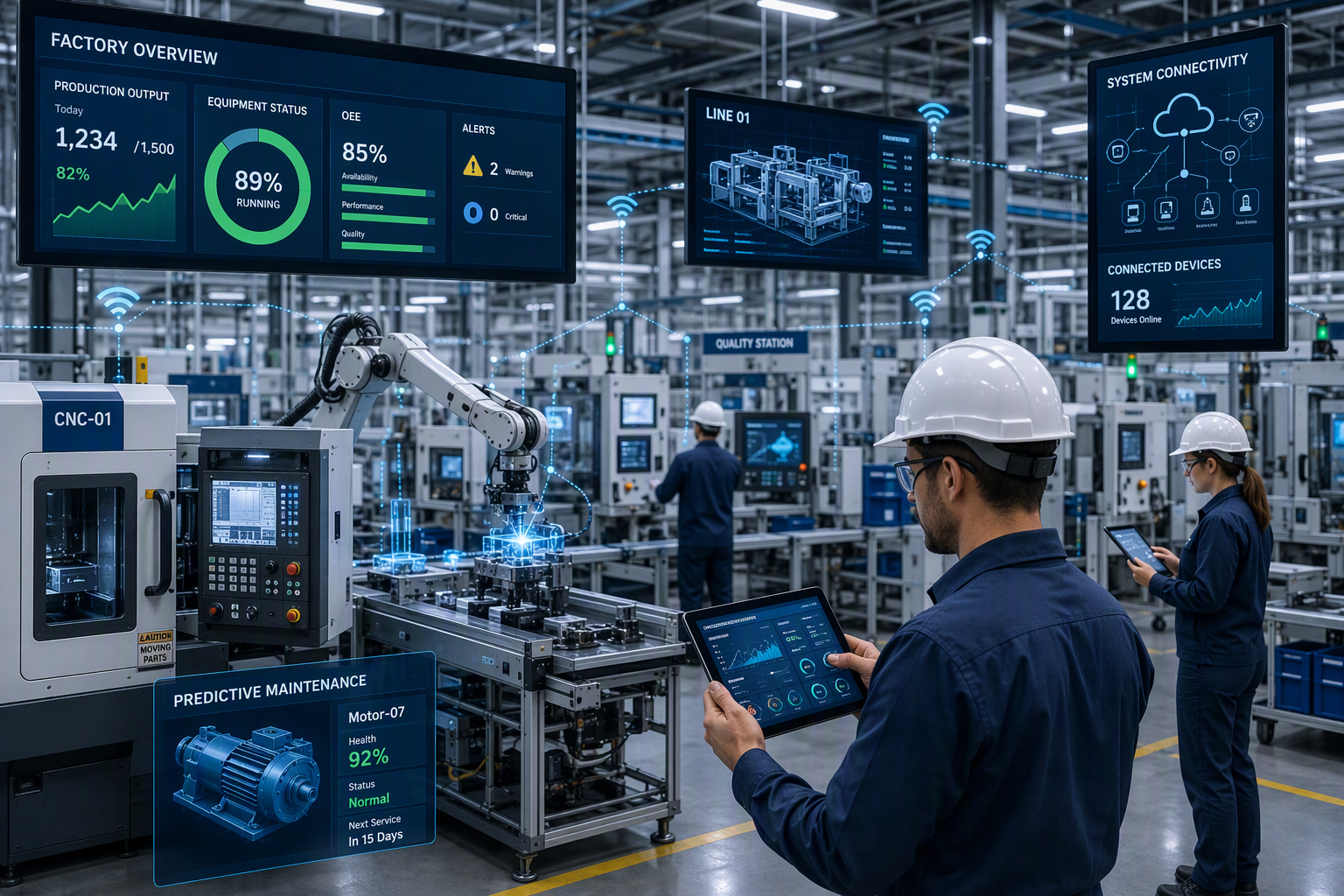
The industrial internet of things is a key part of Industry 4.0. It connects machines, tools, and equipment through IoT sensors and web-enabled devices so they can share information. That connection gives manufacturers real time visibility into what is happening on the factory floor.
With IIoT, data can move from equipment to software platforms that track performance, detect issues, and support faster responses. This is why the connection between Industry 4.0 and the Industrial Internet of Things is so strong. IIoT provides the live data that smart manufacturing depends on.
It supports important outcomes such as:
- real time monitoring of machines and production conditions
- predictive maintenance that reduces unplanned downtime
- better data collection for quality and performance improvements
When machines can communicate clearly, people can make more informed choices with less delay.
Artificial Intelligence, Automation, and Smart Manufacturing
Artificial intelligence helps companies use the huge amount of information generated across factories, supply chains, and business units. In Industry 4.0, AI and machine learning turn raw data into useful insights, helping teams improve performance, quality, and uptime.
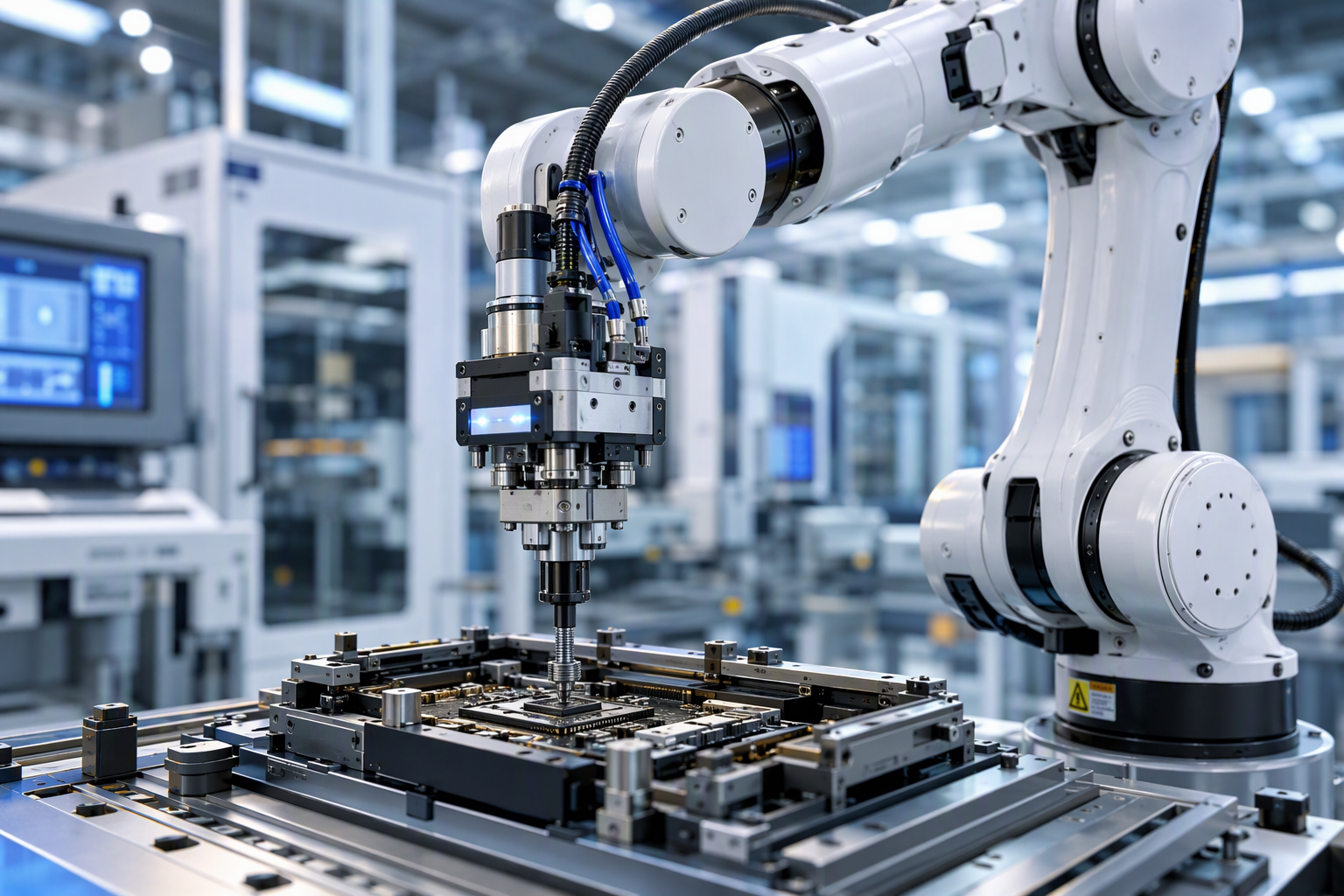
Automation is another major part of smart manufacturing. Robotics, software-driven controls, and AI-powered visual inspection can reduce errors and speed up production processes. In some settings, even a smartphone connected to the cloud can help monitor operations remotely. Generative AI is also part of current business conversations around modernization and innovation.
Commonly used technologies include:
- artificial intelligence and machine learning for analysis and prediction
- automation and robotics for repeatable tasks
- cloud systems and connected platforms for wider visibility
These tools work best when they support people, not just machines.
The Impact of Industry 4.0 on Modern Workplaces
Industry 4.0 changes more than factory equipment. It reshapes daily work through digital transformation, faster information flow, and broader access to operational data. That has a direct effect on decision-making, teamwork, and job design.
As the future of industry takes shape, workforce roles become more connected to technology. Some tasks become automated, while others require workers to interpret data, manage systems, and respond quickly to changing conditions. That shift makes role changes and skill growth impossible to ignore.
How Digital Transformation Changes Workforce Roles
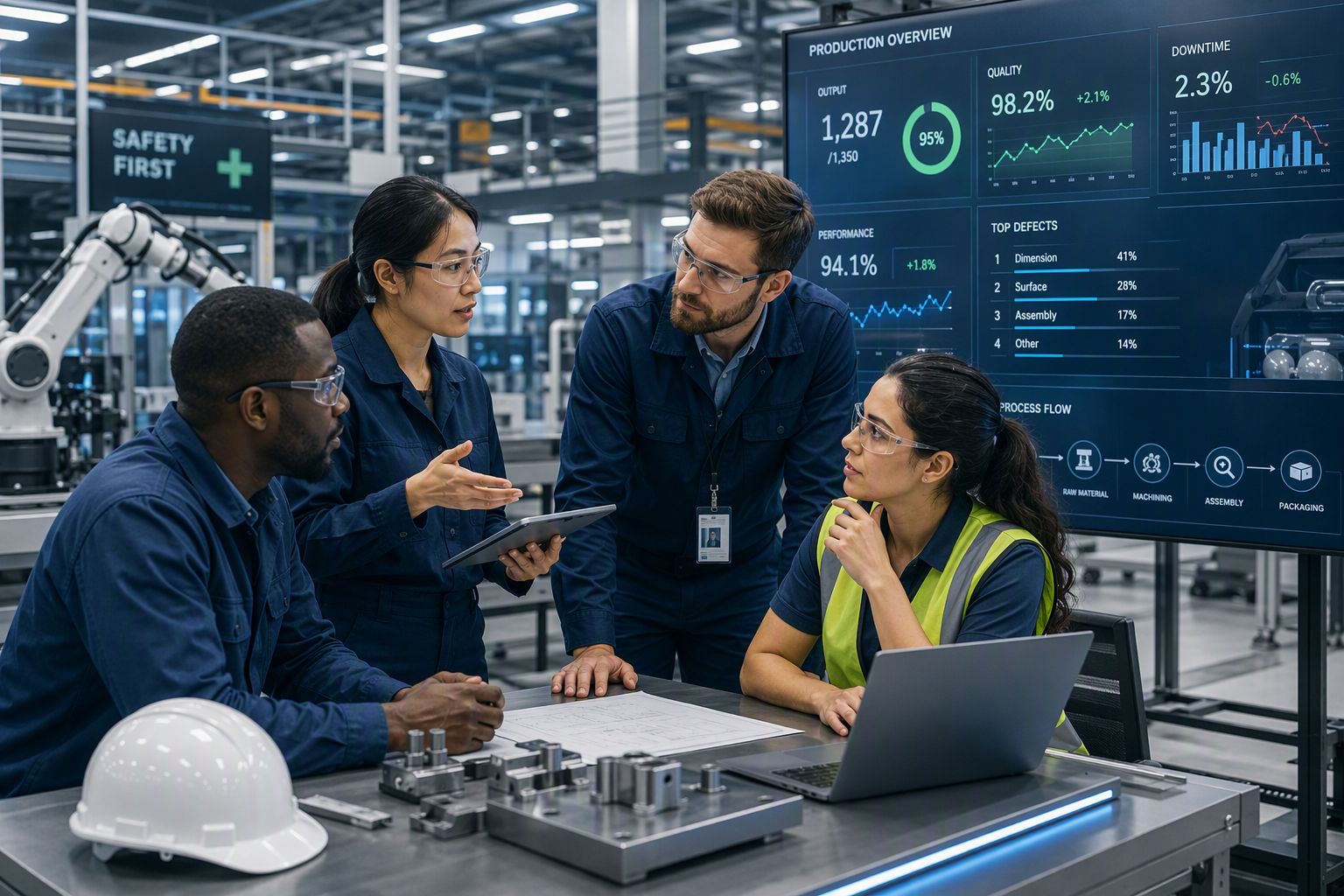
Digital transformation changes workforce roles by moving people closer to data, connected equipment, and software-based decisions. In modern manufacturing processes, workers are no longer limited to manual inspection or isolated machine tasks. They often interact with dashboards, alerts, and shared operational systems.
This shift improves efficient collaboration across production, engineering, supply chain, and service teams. When real-time information is shared across departments, people can coordinate faster and solve problems earlier. That makes the manufacturing process more responsive and less dependent on delayed reporting.
At the same time, roles become more blended. A worker may monitor performance, respond to quality issues, and support process improvements in the same day. Industry 4.0 does not remove people from the workplace. Instead, it changes how they contribute and where their judgment matters most.
Upskilling, Reskilling, and New Job Opportunities
As the future of manufacturing becomes more digital, workers need upskilling and reskilling to stay effective. New systems bring new expectations, especially in data use, connected equipment, and software-supported operations. That can feel challenging, but it also creates new job opportunities.
People can prepare by building practical knowledge around information technology, automation tools, and digital workflows. Training and educational offerings matter because workers need confidence, not just access, when new technologies enter the workplace. Businesses that invest in learning help employees adapt more smoothly.
Helpful focus areas include:
- upskilling in digital tools, monitoring systems, and data interpretation
- reskilling for roles linked to automation and connected operations
- exploring new job opportunities tied to smart manufacturing and maintenance
For many workers, readiness starts with learning how technology supports everyday decisions.
Business Benefits of Adopting Industry 4.0
Businesses adopt Industry 4.0 because it helps them run smarter operations. With stronger data analytics, connected systems, and faster visibility into performance, companies can improve quality, reduce waste, and respond more quickly to change.
There is also a clear link between innovation and operational efficiency. When data moves across production, supply chain, and service functions, leaders can make better decisions and test improvements with less guesswork. The next benefits show why so many manufacturers are investing in these systems.
Improved Productivity and Operational Efficiency
One of the biggest gains from Industry 4.0 is better productivity. Connected machines, smart sensors, and software systems generate big data that helps companies spot slowdowns, quality issues, and equipment risks earlier than before.
Predictive maintenance is especially valuable. Instead of waiting for a machine to fail during production, companies can use machine data to identify likely problems in advance. That reduces downtime and helps teams keep production moving. Better monitoring can also improve defect detection and yields.
Key business benefits include:
- higher productivity through smarter automation and data use
- stronger operational efficiency with fewer disruptions
- predictive maintenance that supports more uptime and lower repair costs
When operations become more visible, businesses can improve both speed and consistency without relying only on manual checks.
Enhanced Innovation and Data-Driven Decision Making
Industry 4.0 supports innovation by giving companies clearer insight into how products, equipment, and workflows perform. When information comes from production systems, suppliers, sales, and service data, leaders can see more of the full picture.
That broader visibility strengthens data-driven decision making. Through data analysis and cloud computing, businesses can combine once-separated information and turn it into practical actions. They can improve workflows, adjust scheduling, and test process changes with stronger evidence behind each move.
Digital transformation fits here because it creates the structure that innovation needs. Without connected systems and accessible data, good ideas stay limited. With them, companies can improve designs, refine operations, and respond faster to customer needs. In Industry 4.0, innovation becomes more measurable, repeatable, and tied to real business outcomes.
Social and Economic Effects of Industry 4.0
Industry 4.0 creates a social impact as well as an economic impact. As automation and connected systems spread, people experience changes in job expectations, workplace routines, and the kinds of skills employers value most.
These shifts also influence employment trends across the manufacturing industry and related sectors. Some jobs become more technical, some tasks become automated, and pay patterns can change as demand rises for specialized capabilities. To understand this fully, it helps to look at both employment and workplace culture.
Influence on Employment Trends and Wage Structures
Industry 4.0 affects employment trends by changing what the manufacturing industry needs from its workforce. As automation handles more repeatable tasks, employers place greater value on workers who can manage systems, interpret data, and support connected operations.
This can influence wage structures as well. Roles tied to advanced technology, maintenance intelligence, or digital process support may gain importance because they directly affect uptime, quality, and output. At the same time, jobs centered only on manual repetition may face pressure as workflows evolve.
Common effects include:
- employment trends shifting toward digital and technical roles
- wage structures reflecting demand for higher-value capabilities
- automation reducing some routine tasks while creating others around oversight
So, Industry 4.0 changes modern manufacturing processes not only through machines, but through the types of human work companies reward and prioritize.
The Changing Nature of Collaboration and Workplace Culture
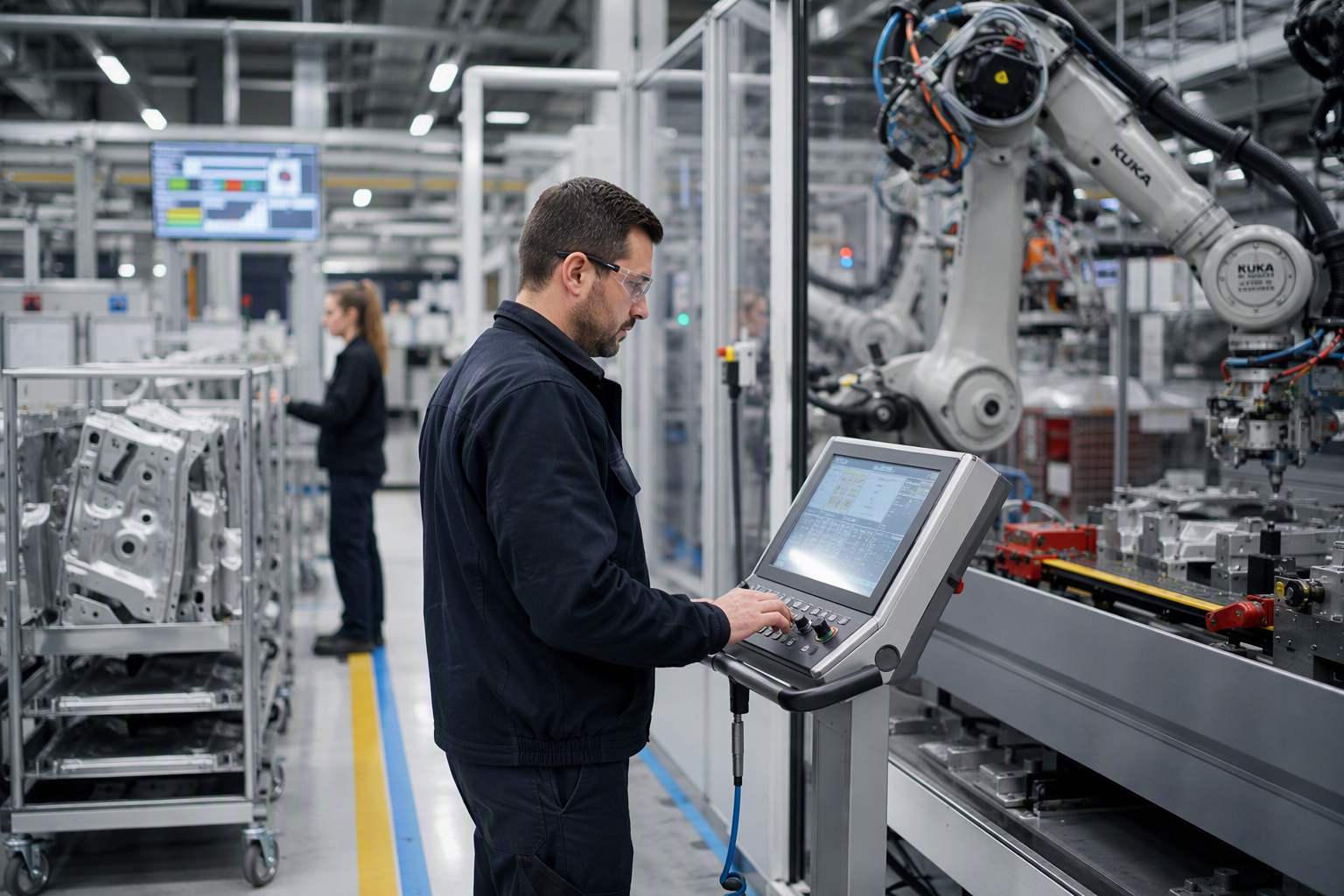
Workplace culture changes when digital technologies become part of daily operations. Teams often need to share information faster, work across functions, and trust data more than habit. That can improve collaboration, but it also requires people to adapt.
Efficient collaboration becomes easier when production, supply chain, engineering, and service teams can see the same information in real time. Shared visibility helps people respond to disruptions, schedule changes, or quality issues without waiting for updates to move slowly through the business.
Still, organizations can face challenges during implementation. Workers may need training, systems must connect properly, and cybersecurity becomes more important as IT and operational technology come together. Companies also need change management, because strong tools alone do not create a healthy workplace culture. People need clarity, support, and time to adjust.
Frequently Asked Questions (FAQ)
Curious minds often have similar questions about the fourth industrial revolution. One common inquiry is how digital technologies and artificial intelligence reshape production processes. Many wonder about the impact of the Internet of Things, and how smart factories utilize data analytics to enhance efficiency. Another frequent question is regarding predictive maintenance powered by industrial IoT—how does it improve operations? Understanding these elements helps clarify the transformative journey towards smarter manufacturing, ensuring that advancements benefit both businesses and workers alike.
What are popular real-world applications of Industry 4.0 in the United States?
In the United States, Industry 4.0 appears in smart factory systems, connected assembly lines, predictive maintenance programs, and AI-based quality checks. It is relevant across the aerospace industry and other industrial settings where the manufacturing process benefits from real-time monitoring, smarter scheduling, and stronger visibility across operations.
What challenges might companies face when implementing Industry 4.0 technologies?
Companies adopting Industry 4.0 may struggle with connecting digital technologies across older systems, training workers, and protecting data. They also need to align data analytics with real business goals, while keeping supply chain coordination and production processes stable during the shift to more connected operations.
How can individuals prepare themselves for careers shaped by Industry 4.0?
Individuals can prepare through upskilling in information technology, automation tools, and data use. Since the late 20th century, manufacturing has moved steadily toward digital transformation, so learning how new technologies support operations, maintenance, and decision-making can help workers stay relevant and ready for evolving roles.
You might also like