Understanding the Impact of Automatic Manufacturing Today
Understanding the Impact of Automatic Manufacturing Today
Key Highlights
- Automatic manufacturing enhances the manufacturing process using advancedindustrial automation technologies.
- With robotics, AI, and smart sensors, it boosts product quality while reducing the need for human intervention on production lines.
- Businesses benefit from higher productivity, lower labor costs, and greater consistency with the use of digital twins.
- Digital transformation in manufacturing drives data-driven efficiency and ongoing improvements within production systems through digital twins.
- Different types of automation, such as programmable andflexible automation, offer adaptability for varied production needs.
- Industries like automotive and aerospace flourish with increased innovation and streamlined operations.
Introduction
Automatic manufacturing is changing the way people do the manufacturing process today. It uses industrial automation, where machines and systems do jobs that people used to do by hand. This new way helps businesses speed up the production line, lower mistakes, and improve how well things work. When you want to make your product quality better or get your production line to run faster, automatic manufacturing can help your business stay ahead in the modern manufacturing world. To hold your spot in this fast-moving field, you need to know the main parts of automation.
Exploring the Future of Automatic Manufacturing Today
The Evolution of Automatic Manufacturing
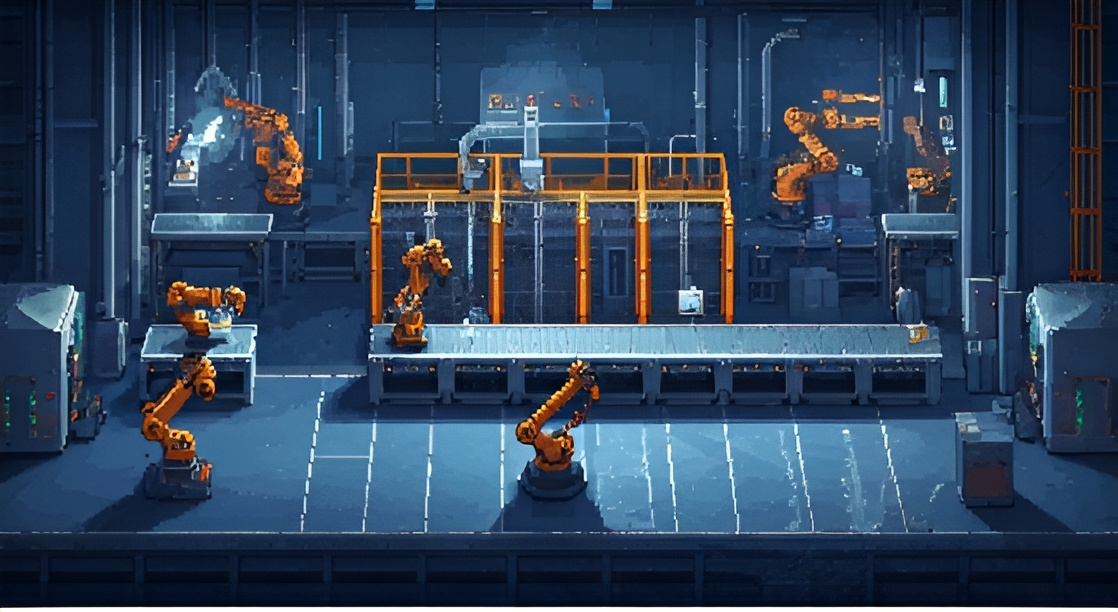
Automatic manufacturing has changed a lot in recent years. The types of automation have gone from simple manual processes to powerful automated manufacturing systems. At first, these systems were built to help with small, repetitive jobs. But now they use advanced control systems and artificial intelligence to make things run even better.
The way we see precision, efficiency, and adaptability in automatic manufacturing has also changed. Knowing about this journey will help you understand why automated manufacturing systems are so important. It also shows the big moments and new ideas that have shaped them over time. Keep reading as we look more into the origins and growth of these systems.
From Manual Processes to Automation
Manufacturing used to depend a lot on manual processes. People worked on the production line and did most of the jobs by hand. This way worked for a long time. But it cost more money. There was also a higher risk of human error. If someone had to put together many different parts or keep everything the same in the production line, they could make mistakes. Manual work would often show its limits when you needed speed or the same results every time.
The use of automation technology changed the manufacturing process. A lot of tasks that needed people to check every step now could be done with machines. These machines are fast and precise. They make the production line more flexible. Workers do not have to do the same boring tasks over and over again. With automation, there is less space for human error.
When factories added robotics and sensors, the modern manufacturing process got even better. Manufacturing plants can now use robotic arms to do assembly jobs. This lets them get more done with less mistakes. They can make a lot of products and still keep all of them the same every time. The switch from manual processes to using automation technology and robotic arms changed the way manufacturing works. Today, automation is a big part of the modern production line and the manufacturing plants. It makes everything work better and faster all around.
Key Milestones in Automated Manufacturing History
Looking at how automated manufacturing has changed over time, you can see some big moments. It started with early machines. Now there are advanced and smart manufacturing plants that use the latest technology.
| Milestone | Description |
|---|---|
| Early 1900s | General Motors brings in machines for their production lines. This changes how cars are put together. |
| 1952 | Numerical Control (NC) comes out. This is the start of making things with computer-based tools. |
| 1980s | Robots start doing very accurate jobs like welding in high-tech factories. |
| Fourth Industrial Revolution (2010+) | IoT, AI, and smart sensors get added. Now, there are fully connected and data-driven manufacturing plants. |
These moments in industrial automation show how each one helped change the way people work in production. Now, manufacturing plants from General Motors to many others are smarter thanks to things like numerical control and the fourth industrial revolution.
Core Technologies Powering Automatic Manufacturing
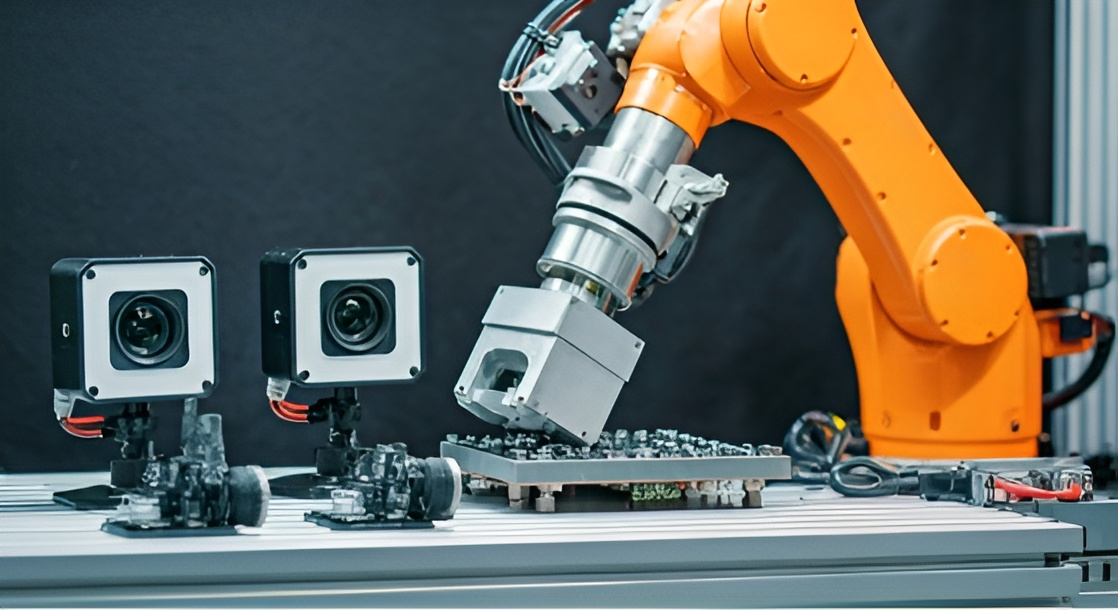
The heart of automatic manufacturing is built on important tools like industrial robots, smart systems, and new industrial robots. Automation technology uses things like robotic arms in the factory and smart control systems. These tools help people see just how much can change in manufacturing.
These ideas do more than just help make things faster. They also change the way the supply chain works. When you look at the role of robotics, AI, and IoT, you see how these new ideas shape how people do manufacturing right now.
Robotics and Machine Vision Systems
Industrial robots are changing how modern manufacturing works. Tools like robotic arms and machine vision systems can handle jobs that are boring, slow, or repeat over and over. They can help with everything from putting things together to packing. This boosts how fast things get done and helps make products the same every time.
Robotic arms, for example, are used in car factories for putting together parts. When these arms work with machine vision systems, they can check products for problems right as things are being made. This use of industrial automation cuts out human error and makes the work go faster.
Also, using robots gives different industries a big advantage. When robotics and machine vision work together, companies in places like aerospace and pharmaceuticals can keep up with strict rules, deliver higher product quality, and stay ahead in their field. Industrial robots are making a big impact, shaping what’s next for industrial automation and modern manufacturing.
Industrial Internet of Things (IIoT)
Using the Industrial Internet of Things (IIoT) is changing the way the manufacturing process works, especially when we talk about industrial automation. When you connect machines and devices, IIoT helps collect data and lets you watch the production lines in real-time. This makes it easier to see what’s going on and helps bring down labor costs. It also lowers the risk of human error. At the same time, having better data lets you spot trouble early so you can fix machines before they break, thanks to new ways to look at data.
There is a good example in General Motors. They use IIoT to improve their assembly process. Their work shows how the internet of things can raise product quality and boost production speed during this fourth industrial revolution. By using IIoT, they show everyone how to get better results with fewer mistakes and more time saved.
Artificial Intelligence and Smart Sensors
Artificial intelligence and smart sensors are changing how people work in manufacturing. These tools help by checking what is happening in real time so companies can stop problems and work better.
For example, artificial intelligence can look at what goes on in the supply chain. It finds where things do not go well. Using this data, a company can plan better and do their work with more accuracy. Smart sensors also look out for safety and make sure things that should not happen get caught during production so the quality stays high.
When you use both artificial intelligence and smart sensors, you get the advantage of data analytics. This can help a business make everything run smoother, making new standards in how things are done.
Types of Automated Manufacturing Systems
Automated manufacturing systems can be classified into three primary types: fixed, programmable, and flexible automation. Each type serves a unique purpose and is tailored to specific production needs. Fixed automation, also known as hard automation, is designed for high-volume production of a single product type. It is characterized by its rigid setup, which makes it efficient for repetitive tasks but less adaptable to changes in production. For example, automotive assembly lines often rely on fixed automation to produce components like gears or engine parts consistently and quickly.
On the other hand, programmable automation refers to programmable automation suited for batch production, allowing manufacturers to change production setups with some downtime involved. This type of automation is ideal for industries that need to produce different products in smaller quantities, such as food processing plants that package various food items. Lastly, flexible automation enables the production of multiple product types simultaneously, allowing manufacturers to adjust quickly to market demands. This adaptability makes it a preferred choice for manufacturers looking to optimize their production lines for real-time changes.
Fixed Automation
The transformative effects of automated equipment and automatic manufacturing resonate throughout the manufacturing sector, enhancing production processes and minimizing human error. By integrating industrial robots and artificial intelligence, companies can achieve operational efficiency and high product quality. Real-time data capture and vision systems facilitate continuous improvement in assembly lines, leading to fewer defects and optimized production schedules. As a result, the types of automation have expanded, with flexible automation systems catering to diverse product types. This evolution not only elevates manufacturing productivity but also helps mitigate challenges such as labor shortages and increasing market demands.
Programmable Automation
The integration of automated manufacturing into the production process has transformed operational efficiency across various industries. By employing programmable automation and advanced control systems, manufacturers can enhance production speed, reduce labor costs, and minimize human error through real-time monitoring and quality control process automation. This shift towards industrial automation not only streamlines material handling but also significantly improves product quality, leading to fewer defects. The use of robotic arms and collaborative robots on the factory floor has enabled businesses to adapt to market changes swiftly, ensuring customer satisfaction and promoting continuous improvement in manufacturing systems.
Flexible Automation
The shift toward automated manufacturing has revolutionized the operational dynamics of the manufacturing sector. Enhanced by programmable automation and robotics, this approach significantly boosts production efficiency and minimizes human intervention, leading to fewer defects and improved product quality. As industrial robots and machine learning technologies thrive, real-time data capture via execution systems enables adaptive responses to market changes, facilitating streamlined inventory management. Moreover, flexible automation systems offer versatility in meeting diverse product types while optimizing production schedules, thus fostering continuous improvement while aligning with customer satisfaction goals in an increasingly competitive landscape.
Major Industries Using Automated Manufacturing
Automated manufacturing has made significant inroads into various industries, leading to increased efficiency and productivity. The automotive sector is one of the most prominent users of automation, with robotic arms performing tasks such as welding, painting, and assembly. Only a few human workers oversee these processes. This not only speeds up the production process but also enhances the precision and consistency of vehicle manufacturing.
Another industry benefiting from automation is electronics, where intricate components require high precision. Automated systems are used to assemble circuit boards and other electronic devices, ensuring that quality standards are met while reducing human error. Similarly, the food and beverage industry has embraced automation to streamline packaging and processing, enhancing safety and product quality. As automation technology continues to evolve, its applications across diverse industries will only expand, further transforming the manufacturing landscape.
Automotive
The significance of automated manufacturing today is evident across numerous sectors. Streamlining operations through technologies such as programmable automation and industrial robots enhances operational efficiency while reducing labor costs. Moreover, flexible automation systems allow for quick adaptation in the production process, catering to different product types and market changes. By minimizing human intervention and leveraging artificial intelligence for quality control, manufacturers ensure higher product quality with fewer defects. This evolution not only fosters continuous improvement but also positively impacts customer satisfaction and overall productivity in the manufacturing industry.
Electronics
The landscape of production has transformed significantly with the rise of automated manufacturing. Various technologies, such as programmable logic controllers, artificial intelligence, and Internet of Things (IoT) systems, play pivotal roles in enhancing operational efficiency and enabling smart manufacturing processes. By integrating control systems with industrial robots and flexible automation systems, businesses can achieve precision and reduce human error. Automation plays a crucial part in tasks ranging from material handling to quality control, ultimately leading to fewer defects and increased customer satisfaction across the manufacturing sector. This shift sets a foundation for ongoing growth and innovation in manufacturing automation.
Food and Beverage
A significant transformation is reshaping the manufacturing industry through automation. Enhanced operational efficiency arises from technologies like robotic arms and machine learning, streamlining production tasks. As companies embrace flexible automation systems and maintenance schedules, they can meet market changes more adeptly while ensuring optimal product quality and customer satisfaction. The integration of artificial intelligence and vision systems improves real-time decision-making, significantly reducing human error. Consequently, businesses experience fewer defects and enhanced inspection systems, fostering a more reliable manufacturing process. This digital advancement not only elevates productivity but also addresses the ongoing labor shortages faced by many companies today.
Pharmaceutical
A transformative force in the manufacturing sector, automation streamlines operations, enhances productivity, and drives quality improvements. By integrating technologies like artificial intelligence and industrial robots, organizations can optimize their production processes on the factory floor, resulting in fewer defects and consistent product quality. The shift towards programmable automation and flexible automation systems allows manufacturers to respond swiftly to market changes and diverse product types. This evolution not only supports cost reduction by minimizing labor costs but also enhances operational efficiency across the factory floor, ultimately leading to increased customer satisfaction and robust supply chain management.
Construction
Current automated manufacturing systems leverage advanced technologies such as artificial intelligence, machine learning, and the Industrial Internet of Things (IIoT) to optimize the production process. These innovations facilitate real-time data capture and analysis, leading to enhanced operational efficiency and product quality. Programmable automation allows manufacturers to adjust production schedules with minimal human intervention, while flexible automation systems cater to varied production schedules and product types, accommodating market changes seamlessly. As these technologies evolve, they continue to reshape the manufacturing sector, driving continuous improvement and higher customer satisfaction by reducing labor costs and minimizing defects.
Textiles
The integration of automated manufacturing has significantly transformed the landscape of the manufacturing industry. By utilizing advanced control systems and artificial intelligence, organizations can enhance operational efficiency while reducing labor costs. This innovation facilitates a seamless flow on the factory floor, allowing for precise quality assurance through smart manufacturing processes. Automated machines, such as CNC machines and robotic arms, enable rapid execution of production tasks, leading to fewer defects and heightened customer satisfaction. As industries embrace these technologies, a shift towards flexible automation systems becomes increasingly evident, catering to evolving market demands, which ultimately contributes to improved customer satisfaction.
Aerospace
Significant advancements in automatic manufacturing mark a transformative era in the industrial sector. Through the integration of programmable automation and artificial intelligence, facilities are experiencing enhanced operational efficiency and reduced labor costs. Technologies such as machine learning and industrial robots streamline production tasks, improve product quality, and minimize human error. As manufacturing systems increasingly adopt flexible automation, the capability to adapt to market changes and various product types becomes crucial. The synergy of the Internet of Things and real-time data capture enables continuous improvements in processes, fostering higher customer satisfaction and sustainable growth.
Medical Devices
The landscape of manufacturing is undergoing a transformative shift as automation technologies take center stage. With the rise of industrial robots and flexible automation systems on the shop floor, production processes are becoming more efficient and adaptive to market changes. Manufacturing companies are increasingly leveraging artificial intelligence and machine learning to optimize control systems for enhanced operational efficiency. This evolution not only minimizes human error but also boosts product quality through real-time data capture and advanced quality control methods. Consequently, automated manufacturing is redefining productivity, ultimately paving the way for continuous improvement across the manufacturing sector.
Manufacturing Automation Tools
Manufacturing automation tools play a pivotal role in enhancing productivity and operational efficiency across various industries. Computer numerical control (CNC) machines, for instance, provide precise control over manufacturing processes, minimizing human error. Additionally, Programmable Logic Controllers (PLCs) enable efficient management of automation tasks, streamlining control systems. The integration of Computer Numerical Control Manufacturing Execution Systems (MES) allows for real-time monitoring of production schedules and inventory management. Automated Guided Vehicles (AGVs) and vision systems further optimize material handling, ensuring consistency in product quality. These tools collectively represent crucial advancements in modern manufacturing.
Computer Numerical Control (CNC) Machines
The significance of automated manufacturing is underscored by its transformative influence on operational efficiency across various sectors. Incorporating advanced technologies such as artificial intelligence and the Internet of Things, manufacturing processes have become more streamlined, enhancing operational efficiency and leading to reduced labor costs and fewer defects. Flexible automation systems adapt to different product types, enhancing productivity and customer satisfaction. With real-time data capture and integrated control systems, manufacturers can optimize production schedules and maintain high product quality. This evolution is essential for companies navigating market changes and striving for continuous improvement in their manufacturing plants.
Programmable Logic Controllers (PLCs)
The transformation within the manufacturing sector has been significantly impacted by automated manufacturing. This evolution enhances operational efficiency and reduces human error through advanced control systems and flexible automation. Implementing innovative technologies such as the Industrial Internet of Things and artificial intelligence allows for real-time data capture and analysis, leading to improved quality control and customer satisfaction. Manufacturing plants benefit from reduced labor costs and increased production speed while meeting diverse product types. As automation technologies continue to thrive, manufacturers can adapt swiftly to market changes and maintain competitive advantages. In practice, a PLC does not work on its own. Sensors on the machine report temperature, pressure, position, speed and counts, and the PLC uses that real-time data to start, stop and adjust equipment in a repeatable sequence. Above the PLCs, SCADA systems give operators a live view of the line: alarms when a value drifts out of range, trends that show whether a problem is getting worse, and production counts they can act on during the shift instead of after it. That is how automated manufacturing works day to day: sense what is happening, decide in the controller, act through the machine, and record the result so the next decision is better than the last.
Manufacturing Execution Systems (MES)
Transforming the landscape of the production process, automatic manufacturing integrates advanced technologies that enhance operational efficiency and minimize human error. With implementations like industrial robots and programmable automation, organizations benefit from decreased labor costs and improved product quality. In addition, the synergy of artificial intelligence and Internet of Things (IoT) facilitates real-time data capture and process control, thus driving continuous improvement across the manufacturing sector. As these automated systems adapt to varying production schedules, businesses can respond more effectively to market changes and evolving customer demands, ensuring greater satisfaction and sustainable growth.
Automated Guided Vehicles (AGVs) and Autonomous Mobile Robots (AMRs)
The transformation brought about by automatic manufacturing has revolutionized the manufacturing sector, improving operational efficiency across various production lines. By integrating programmable automation and innovative control systems, companies can utilize industrial robots and vision systems to ensure product quality consistently. This shift not only enhances productivity but also allows for real-time monitoring of manufacturing processes, significantly reducing human error and labor costs. With automated equipment managing repetitive tasks, manufacturers can achieve fewer defects and streamline inventory management, ultimately driving customer satisfaction and enabling continuous improvement in production schedules.
Computer Vision
The transformation witnessed in manufacturing sectors worldwide is profound. Implementing automated manufacturing, or manufacturing automation, enhances operational efficiency, reduces labor costs, and accelerates production speeds. Advanced technologies, including artificial intelligence and industrial robots, streamline processes and ensure product quality through real-time data analysis. As companies adopt flexible automation systems, they can adapt quickly to market changes, fostering continuous improvement. This shift not only increases productivity but also mitigates human error, leading to fewer defects in production. Consequently, businesses can maintain high customer satisfaction while optimizing their manufacturing processes for diverse product types.
Enterprise Resource Planning (ERP) Software
A substantial transformation is evident in the manufacturing sector, driven by automation technologies that enhance operational efficiency and product quality in the manufacturing sector. Automated manufacturing processes leverage programmable automation and control systems to streamline production tasks, reduce human error, and adapt to market changes with flexible automation systems. The integration of artificial intelligence and the industrial Internet of Things (IoT) further optimizes the production line, allowing for real-time monitoring and improved quality control. This shift not only accelerates batch production but also supports human workers by handling repetitive tasks while enabling continuous improvement within manufacturing plants.
Benefits of Manufacturing Automation for Businesses
Significant advantages stem from the implementation of manufacturing automation across various sectors. By leveraging programmable automation and advanced control systems, companies can achieve enhanced productivity and operational efficiency, ultimately leading to reduced labor costs. Additionally, the integration of artificial intelligence and machine learning into manufacturing processes minimizes human error and supports real-time quality control, resulting in fewer defects and improved product quality. Such efficiencies not only optimize production schedules but also contribute to increased customer satisfaction and adaptability in responding to market changes, affirming automation's role in producing better results in less time as a catalyst for continuous improvement.
Cost Savings
Automatic manufacturing today fundamentally transforms traditional practices. Utilizing advanced technologies like artificial intelligence and the Internet of Things ensures real-time monitoring and improved decision-making on the shop floor. Flexible automation systems and automated machines enable manufacturers to adapt to market changes and produce different product types efficiently. These innovations not only enhance operational efficiency but also significantly reduce labor costs and human error. With robotic arms and programmable automation, manufacturing plants can achieve higher production speeds while maintaining stringent quality control standards, leading to greater customer satisfaction and fewer defects in the final products.
Productivity Enhancement
The shift towards automated manufacturing has fundamentally transformed how products are created and distributed. By integrating advanced technologies such as robotics and artificial intelligence, manufacturers have significantly enhanced operational efficiency on the shop floor. Automated systems enable seamless control over production schedules and execution processes, minimizing human error and reducing labor costs. Moreover, real-time data capture and analysis improve the quality control measures for various product types, ensuring fewer defects and greater customer satisfaction. As the manufacturing industry evolves, flexible automation systems continue to adapt to market changes, driving continuous improvement across the sector and showcasing the benefits of flexible automation systems in production processes.
Safety Improvements
The shift towards automatic manufacturing has revolutionized operational efficiency across industries. By leveraging programmable automation and machine learning, companies can streamline their production processes while minimizing human intervention. This transformation enhances product quality, reduces labor costs, and addresses challenges such as labor shortages. Collaborative robots (also known as cobots) and advanced vision systems enable seamless integration of automated equipment on the shop floor, allowing for flexible automation systems that adapt to market changes. Real-time data capture and control systems facilitate continuous improvement in manufacturing plants, ensuring they meet evolving customer expectations and maintain high levels of satisfaction.
Quality Assurance
The advancements in automatic manufacturing profoundly affect the manufacturing sector, enhancing productivity and operational efficiency. These systems utilize programmable automation and industrial robots, which streamline repetitive tasks, reducing labor costs and minimizing the risk of human error. As machine learning and artificial intelligence integrate into control systems, manufacturing companies benefit from real-time insights and improved process control. This not only boosts product quality but also ensures faster response to market changes. Consequently, manufacturing companies can maintain competitive edges while ensuring customer satisfaction through consistent high-quality outputs.
Challenges and Considerations in Implementing Automation
Significant challenges accompany the adoption of automation within manufacturing processes. Understanding the affordability factor is critical; comprehensive cost analysis can help companies assess the viability of integrating automated solutions. Additionally, robotics accessibility plays a role, as the availability of advanced robotic systems must align with operational needs. Integration of software systems and sensors introduces another layer of complexity, necessitating robust process control strategies. Finally, measuring return on investment entails careful consideration of both immediate results and long-term benefits, ensuring that operational efficiency is substantially improved while minimizing human intervention and errors.
Affordability and Cost Analysis
Transforming traditional processes, automated manufacturing has established a profound impact across various sectors. By implementing programmable automation and integrating artificial intelligence, companies achieve remarkable operational efficiency and a reduction in human error. Enhanced flexibility in manufacturing systems allows businesses to quickly adapt to market changes, ensuring production schedules align with customer expectations. Moreover, the use of industrial robots and vision systems ensures product quality while minimizing labor costs. Overall, embracing these technologies leads to fewer defects and fosters continuous improvement in the manufacturing industry, creating a competitive edge for modern enterprises.
Robotics Accessibility
The influence of automated manufacturing on productivity cannot be overstated, as it transforms traditional manufacturing processes into agile, efficient operations. By utilizing automation technologies such as industrial robots and programmable logic controllers, manufacturers can streamline their production lines, enabling real-time data capture and process control systems. This shift not only enhances operational efficiency but also reduces labor costs and human error, leading to fewer defects in product quality. Emphasizing continuous improvement and flexibility in production tasks, automated systems adapt quickly to market changes, ultimately elevating customer satisfaction across the manufacturing sector.
Software and Sensors Integration
Transformations in the manufacturing sector driven by automated systems significantly enhance operational efficiency and product quality. Various types of automation, including programmable and flexible automation, streamline processes and support different product types, reduce labor costs, and minimize human error, resulting in fewer defects and consistent quality control. Advanced technologies such as artificial intelligence, machine learning, and industrial robots facilitate real-time decision-making and significantly improve production speed on the factory floor. With the rise of the Internet of Things and smart systems, manufacturing companies can adapt to market changes and optimize their supply chains for greater customer satisfaction.
Return on Investment
The role of automated manufacturing in today's manufacturing industry cannot be overstated, as it integrates various advanced technologies to enhance operational efficiency. With systems like programmable automation and artificial intelligence, manufacturers can streamline production processes, significantly reducing labor costs while improving product quality. Additionally, flexible automation systems enable quick adjustments in response to market changes, ensuring that manufacturing plants remain competitive. Real-time data capture through machine learning and the industrial internet of things also helps refine tasks such as inventory management, ultimately boosting customer satisfaction and fostering continuous improvement in the manufacturing sector.
Common Real-world Examples of Automated Manufacturing Facilities
Automated manufacturing facilities showcase a range of innovative applications transforming the industry. Robotic arms on assembly lines efficiently handle repetitive tasks, significantly enhancing production speed. Conveyor belts equipped with sensors ensure real-time monitoring for quality control, minimizing human error. CNC machines offer precise, programmable type of automation for various product types, resulting in fewer defects and reduced labor costs. Automated Guided Vehicles (AGVs) optimize material handling on the factory floor, streamlining inventory management. Additionally, 3D printing technologies redefine production processes, catering to unique customer demands and enabling rapid prototyping in the manufacturing sector.
Robotic Arms on Assembly Lines
The influence of automatic manufacturing on the manufacturing sector is profound, impacting operational efficiency and product quality across various industries. By integrating technologies like programmable automation and artificial intelligence, companies can streamline production processes, reduce labor costs, and minimize human error. The shift towards flexible automation systems allows for quick adjustments in response to market changes and varying product types. Furthermore, real-time data capture through IoT devices enhances monitoring and control, leading to fewer defects and improved customer satisfaction. This transformative approach is reshaping the factory floor, driving continuous improvement in the manufacturing process.
Conveyor Belts with Sensors
The influence of automated manufacturing extends across various sectors, integrating cutting-edge technologies like artificial intelligence and industrial robots into the production landscape. Enhanced real-time data capture and analysis through machine learning and edge computing allow for improved operational efficiency and process control. These systems streamline production tasks while minimizing human error, resulting in fewer defects and enhanced product quality. Furthermore, flexible automation systems enable manufacturers to adapt to market changes swiftly, ensuring that production schedules remain aligned with customer demand and inventory management goals, ultimately boosting overall productivity and satisfaction.
CNC Machines for Precision Cutting
Automated manufacturing transforms the production landscape by enhancing operational efficiency and product quality. By leveraging automation technologies such as robotics, artificial intelligence, and machine learning, companies can optimize their manufacturing processes through process automation, ensuring minimal human intervention while maximizing output. The incorporation of industrial internet of things (IIoT) allows for real-time data capture, enabling predictive maintenance schedules and improved inventory management. This shift not only reduces labor costs but also addresses labor shortages by automating repetitive tasks, leading to fewer defects and improved customer satisfaction across various manufacturing sectors.
Automated Guided Vehicles (AGVs)
The transition towards automated manufacturing has revolutionized the production landscape, fostering enhanced operational efficiency and productivity for various production tasks. This shift utilizes various automation technologies, including programmable automation and advanced control systems, significantly reducing labor costs while minimizing human error. By integrating artificial intelligence and machine learning, manufacturers can improve process control and quality assurance, resulting in fewer defects and more consistent product quality. Moreover, the rise of flexible automation systems empowers companies to adapt to market changes rapidly, optimizing production schedules and ensuring superior customer satisfaction through efficient inventory management and streamlined supply chain processes.
Pick-and-Place Robots
Automatic manufacturing significantly transforms the manufacturing landscape, enhancing operational efficiency across various sectors. By integrating advanced technologies like artificial intelligence, the Internet of Things, and robotics, businesses can streamline their production processes, ensuring fewer defects and higher product quality. Furthermore, flexible automation systems allow manufacturers to adapt to market changes swiftly, which is essential in today's dynamic environment. As a result, human workers can focus on more complex tasks, driving continuous improvement and increased customer satisfaction, marking a pivotal shift in how the manufacturing industry operates and evolves.
3D Printing (Additive Manufacturing)
The influence of automation on the manufacturing sector is profound, driving significant operational efficiency and enhanced product quality. By utilizing advanced technologies like artificial intelligence and industrial robots, companies can optimize their production processes, including inventory management, minimizing human intervention and reducing human error. Programmable automation systems enable manufacturers to adapt to varying product types while maintaining high standards of quality control. Additionally, the integration of the Internet of Things and real-time data capture allows for effective monitoring and management of factory operations, ultimately leading to increased customer satisfaction and continuous improvement across the shop floor.
Automatic Inspection Systems
Significant advancements in automation technologies have transformed the manufacturing landscape, fostering enhanced operational efficiency and productivity. By integrating artificial intelligence and machine learning technologies, manufacturing systems achieve greater flexibility, allowing for rapid adjustments to production schedules in response to market changes. The use of robotic arms and automated machines minimizes human error, resulting in fewer defects and improved product quality. Furthermore, smart sensors connected through the industrial internet of things facilitate real-time monitoring and control of manufacturing processes. These innovations not only reduce labor costs but also contribute to higher customer satisfaction and streamlined supply chain management.
When to Implement Automated Manufacturing
The decision to implement automated manufacturing should arise from a strategic analysis of production tasks and company objectives. Identifying bottlenecks in the manufacturing process can indicate a need for automation, especially when issues such as labor shortages or increasing demand for different product types arise. Additionally, advancements in automation technologies like artificial intelligence and machine learning can enhance operational efficiency. Monitoring product quality and minimizing human error are other critical factors that signal when to adopt automation, ensuring seamless integration into existing manufacturing systems.
Impact on Jobs and Workforce
The integration of automated manufacturing systems significantly reshapes job roles within the manufacturing sector. While some positions may be rendered obsolete, others evolve to utilize advanced technologies, promoting the need for skilled workers proficient in operating and maintaining automated equipment. Robotics and artificial intelligence enhance productivity in the face of labor shortages, allowing human workers to focus on more complex tasks, thereby reducing the risk of human error. Continuous improvement driven by automation leads to higher product quality and operational efficiency, fostering a more dynamic and adaptable workforce in response to market changes and technological advancements.
Future Trends in Manufacturing Automation
Emerging technologies are set to redefine the manufacturing landscape, particularly through increased integration of artificial intelligence and machine learning. These software systems advancements will enable predictive analytics, allowing manufacturing plants to optimize production schedules and enhance operational efficiency. Also, the rise of flexible automation systems will empower manufacturers to rapidly adapt to changing market demands and product types. Coupled with the industrial Internet of Things, data capture and communication across the production process will streamline workflows and reduce human intervention. As automation technologies continue to evolve, a major focus will be on sustainability and minimizing waste in the manufacturing sector.
FAQs About Manufacturing Automation
Manufacturing automation raises numerous questions, especially concerning its practical applications and benefits. Common inquiries include the main types of automation systems available, such as programmable and flexible automation, and how they impact production processes. Companies often ask about the role of artificial intelligence and machine learning in optimizing manufacturing efficiency. Questions regarding integration with existing software systems and the return on investment for automation technologies also emerge frequently. Potential users want clarity on how automation can enhance product quality and reduce labor costs while improving overall operational efficiency in the manufacturing sector. Frequently asked questions, answered directly: What is automated manufacturing? It is the use of control systems, machines and software to carry out production tasks with less manual handling, so output is more consistent from shift to shift. How does automated manufacturing improve quality? Sensors and machine vision check work as it happens, so defects are caught at the step where they occur instead of at final inspection. Does automated manufacturing remove jobs? It removes some repetitive and hazardous tasks, and it changes other roles toward operating, programming and maintaining equipment, which is why training matters when a line is automated. What is a sensible first step? Start with one repetitive, measurable process, confirm the data coming off it is reliable, and expand only after the first cell runs consistently.
ERP in Automation
The influence of automatic manufacturing is profound, reshaping operational efficiency across sectors. Advanced technologies, such as artificial intelligence, control systems, and flexible automation systems, enable seamless integration of robots on the factory floor, optimizing production tasks and automating repetitive tasks to enhance product quality. Furthermore, real-time data capture via Internet of Things (IoT) devices supports informed decision-making, reducing human error during the manufacturing process. As the industry evolves, automated systems not only yield higher productivity but also facilitate continuous improvement, driving customer satisfaction while addressing labor challenges and maintaining competitiveness in the ever-changing market landscape.
Accounting Software Integration
The rise of automated manufacturing has significantly transformed the manufacturing sector, ushering in enhanced operational efficiency and reduced labor costs. Advanced technologies such as artificial intelligence, programmable automation, and the Internet of Things have facilitated smarter manufacturing processes, enabling real-time data capture and sophisticated control systems. This evolution allows for flexible automation, where systems can adapt to varying product types and production schedules with fewer defects. As companies adopt automated equipment and industrial robots, they experience continuous improvement, leading to better product quality and heightened customer satisfaction on the factory floor.
Financial Management
Advancements in automation technologies profoundly shape the manufacturing sector today. With machine learning and artificial intelligence, automated systems optimize control processes on the factory floor, enhancing operational efficiency and reducing human error. Real-time data capture from flexible automation and vision systems enables precise quality control, ensuring product quality across different product types. Additionally, the integration of the Industrial Internet of Things (IIoT) allows for a seamless flow of information within supply chains, facilitating proactive maintenance schedules and smarter inventory management, including data capture for improved decision-making. As a result, companies experience decreased labor costs while boosting productivity and customer satisfaction.
Inventory Management
Significant transformations characterize the manufacturing sector today, driven largely by automation technologies. Material handling, alongside flexible automation systems, enables manufacturers to respond swiftly to market changes and varying product types, enhancing operational efficiency. The integration of artificial intelligence and machine learning into manufacturing processes ushers in real-time data analysis, optimizing production schedules and minimizing human error. Additionally, advanced robotic systems and inspection systems contribute to a continuous improvement cycle, resulting in fewer defects and higher product quality. Ultimately, automated manufacturing is reshaping supply chains, increasing customer satisfaction, and addressing labor shortages by streamlining repetitive tasks.
Warehouse Management
Significant advancements in automated manufacturing, including advanced robotic systems, are reshaping the landscape of the manufacturing sector, enhancing operational efficiency while reducing labor costs. Various types of automation, such as flexible and programmable automation, allow manufacturing companies to adapt swiftly to market changes and customer demands. Industrial robots and vision systems play essential roles in ensuring product quality, minimizing human error, and achieving fewer defects in the production line. Integrating artificial intelligence and the Internet of Things further streamlines processes, leading to real-time data capture and improved decision-making on the factory floor.
Supply Chain Management
The shift towards automated manufacturing has transformed the manufacturing sector, significantly enhancing operational efficiency. With the integration of programmable automation and artificial intelligence, production tasks are streamlined, reducing human error and ensuring product quality. Industrial robots equipped with advanced vision systems perform real-time quality control, leading to fewer defects and improved customer satisfaction. Additionally, automated equipment allows for flexible automation systems, enabling manufacturers to adapt to market changes swiftly. As these technologies evolve, they promise to reshape production processes and drive continuous improvement across various manufacturing plants.
You might also like