Discover the Best Industrial Automation Solutions Today
Discover the Best Industrial Automation Solutions Today
Key Highlights
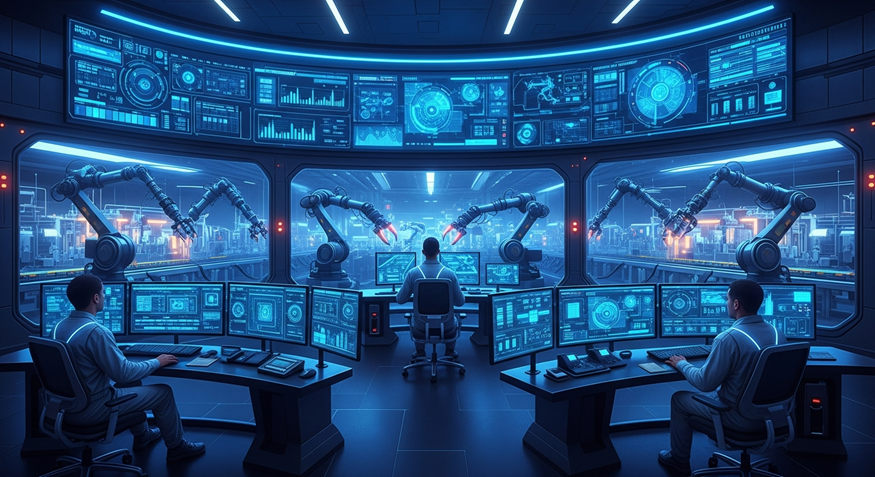
- Industrial automation uses technology and control systems to manage industrial processes, boosting operational efficiency.
- The main types of automation solutions include fixed, programmable, and flexible systems, each suited for different production needs.
- Key benefits of implementing industrial automation are improved productivity, enhanced quality standards, and significant cost savings.
- Industries like automotive, food and beverage, and pharmaceuticals are leading the way in adopting automation.
- Successful automation projects streamline operations, from manufacturing and assembly to quality control and supply chain management.
- Choosing the right provider is crucial for designing, integrating, and maintaining effective
automation systems.
Introduction
Welcome to the world of Industrial Automation Solutions! It's no longer a futuristic idea but a current reality transforming how businesses operate. Industrial automation involves using advanced technology and smart automation solutions to manage various industrial processes that were traditionally handled by people. From the production line to the final delivery, these systems are making work more efficient, consistent, and safe. Are you ready to see how these solutions can revolutionize your operations and give you a competitive edge?
Understanding Industrial Automation Solutions
Industrial automation solutions are systems that use control systems, robotics, and advanced software to operate industrial processes with minimal human help. Their main goal is to improve productivity, reduce costs, and enhance product quality. For manufacturing companies, this means streamlined operations and a stronger competitive position.
By integrating these automation solutions, businesses can achieve more precise and reliable production. This leads to fewer errors, less waste, and a more resilient supply chain. Let's explore what defines these systems and the key benefits they offer.
Defining Industrial Automation and Its Role in Manufacturing
At its core, Industrial Automation Solutions is the use of technology to run production processes with very little human intervention. For managers, the primary advantages are a significant boost in productivity and lower operational costs. By integrating automation systems into the manufacturing process, companies can streamline their entire workflow, from handling materials to final assembly.
This technology plays a vital role in modern manufacturing. It helps optimize the supply chain, improves the quality of products, and makes a business more resilient to market changes. Engineers use these systems to automate production with a high degree of precision and reliability. This ensures that tasks are completed consistently every time.
Ultimately, industrial automation transforms traditional manufacturing into highly efficient operations. These advanced systems can anticipate demand, reduce waste, and support scalability. This not only enhances operational efficiency but also contributes to more sustainable practices by minimizing environmental impact.
Common Features of Modern Automation Systems
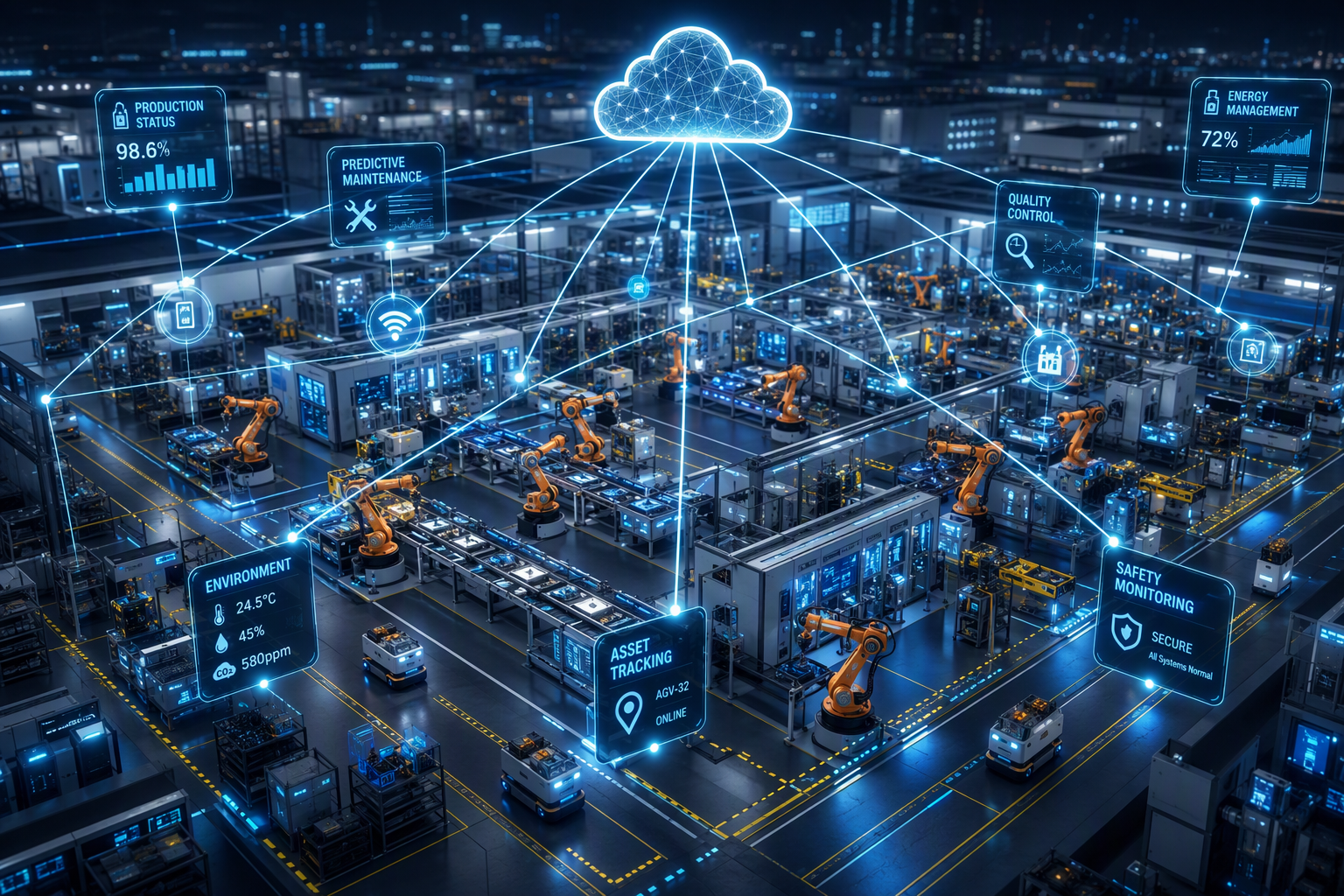
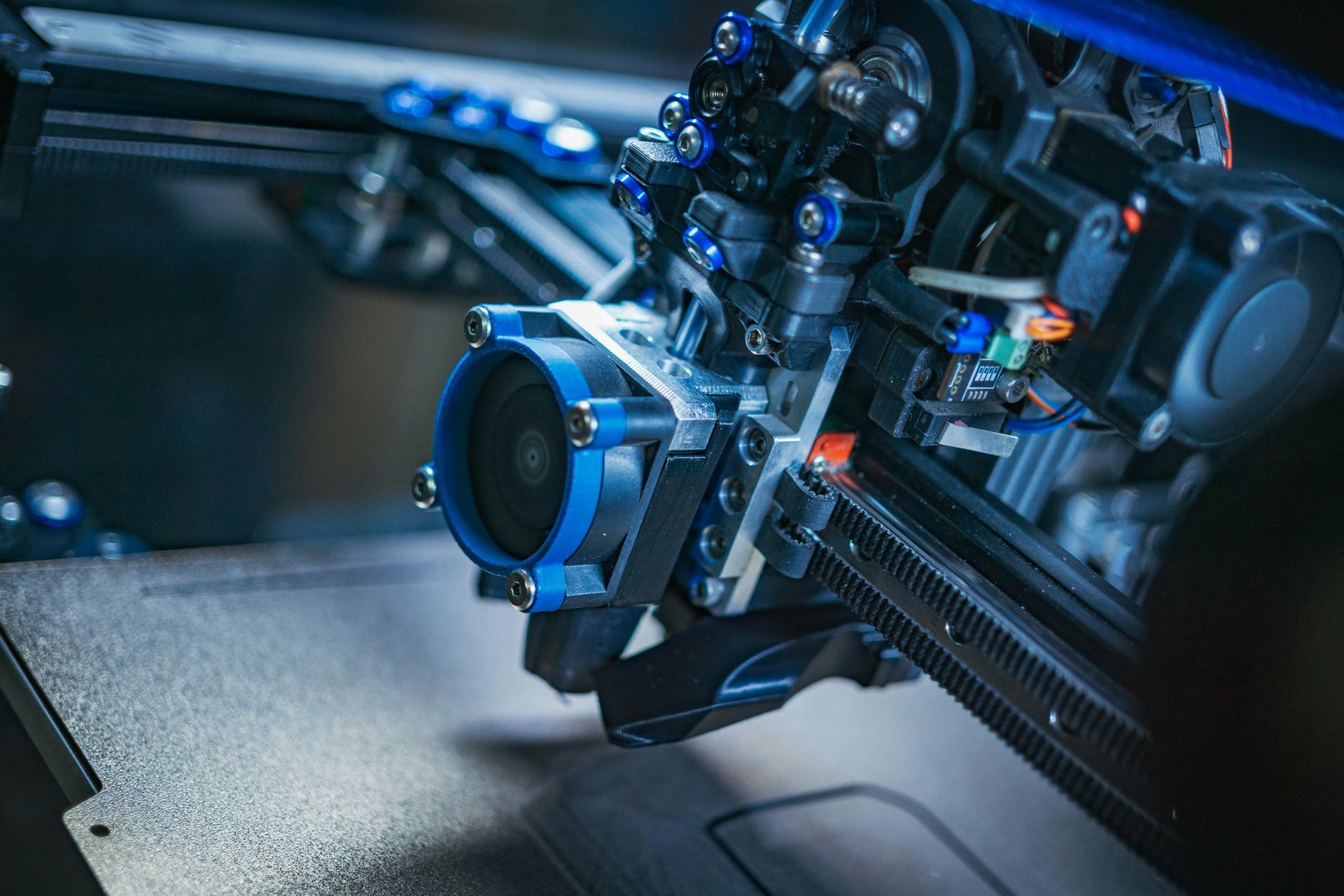
Modern Industrial Automation Solutions are packed with advanced technologies designed to improve how factories operate. These systems are far more than simple machines; they are intelligent networks that monitor and adjust processes in real time. This capability allows for continuous optimization and immediate responses to any changes in the production environment.
The integration of various components is a hallmark of these systems. They combine machinery, sensors, and sophisticated software to create a cohesive and efficient workflow. This allows for detailed data collection and analysis, which helps identify patterns and areas for improvement. Some of the most common features you'll find include:
- Control: Systems that monitor and adjust performance based on feedback.
- Feedback Mechanisms: Sensors and devices that detect and respond to environmental changes.
- Optimization: The use of data to analyze and improve system performance over time.
- Connectivity: Integration with the Internet of Things (IoT) for seamless communication between machines.
These features enable automation solutions to dramatically improve efficiency and productivity in industrial settings. They take over repetitive tasks, reduce the chance of human error, and ensure a consistent pace of production around the clock.
Key Benefits for Businesses in the United States
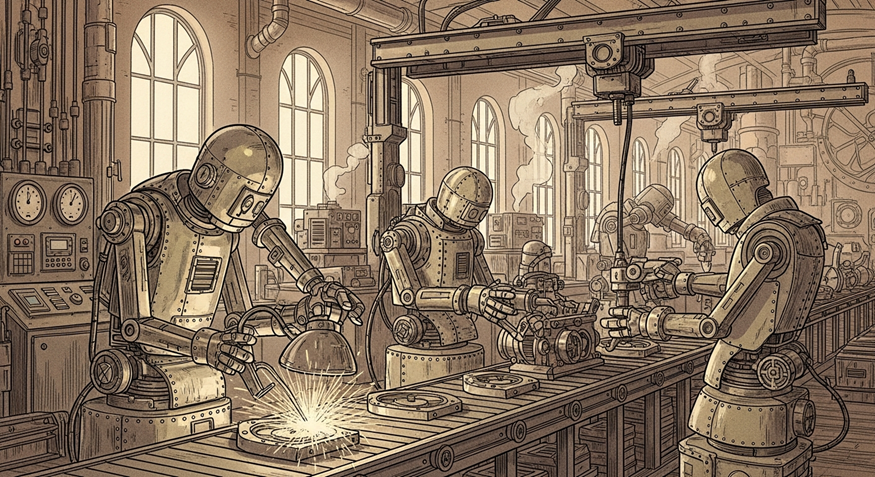
For businesses across the United States, adopting automation brings a host of powerful advantages. One of the most significant is the boost in operational efficiency. Automated systems can perform repetitive tasks much faster than manual labor, leading to higher production rates and shorter cycle times. This allows companies to operate 24/7, maximizing their output.
Another major plus is the improvement in quality standards. Industrial Automation Solutions ensures uniformity and precision in the manufacturing process, which leads to consistently high-quality products. By minimizing variability, businesses can meet strict quality requirements every time, reducing defects and waste. This also leads to predictable maintenance, as systems can forecast when repairs are needed, preventing costly downtime.
Ultimately, these benefits contribute to substantial cost reduction. By optimizing labor, reducing errors, and increasing throughput, businesses can lower their overall operational expenses. Key benefits include:
- Increased productivity and efficiency
- Enhanced product quality and consistency
- Improved workplace safety
- Data collection for better decision-making
Main Types of Industrial Automation Systems
There are several types of automation systems, each designed to meet different manufacturing needs. The main categories are fixed, programmable, and flexible automation. Each type of automation has unique characteristics that make it suitable for specific production environments, from mass production of a single product to customized manufacturing of various items.
Understanding these differences is key to choosing the right solution for your factory. Fixed automation is perfect for high-volume, repetitive tasks, while programmable automation offers the ability to handle different product batches. Flexible automation provides the most adaptability for custom orders. Let's look at each one more closely.
Fixed Automation for High-Volume Production
Fixed automation, also known as "hard automation," is designed for a single purpose: performing a specific set of repetitive tasks. This type of system uses dedicated equipment that is built to handle one particular job on a massive scale. While the initial setup cost can be high, it becomes very cost-effective in high-volume production environments where the same operation is performed thousands of times.
You'll often find fixed automation on assembly lines in industries where standardized products are the norm. The automotive industry is a classic example, where specialized machines assemble car parts with minimal variation. The production process is broken down into several stages, and each stage is handled by a dedicated machine.
The electronics and packaging industries also rely heavily on fixed automation. It's used to produce components like circuit boards or to handle high-speed processes such as filling, labeling, and sealing containers. This approach is ideal when you need to produce large quantities of a single product efficiently and consistently.
Programmable Automation for Flexible Operations
Programmable automation offers a greater degree of flexibility compared to fixed systems. It uses computer-controlled machines that can be reprogrammed to handle different product designs or tasks. This makes it perfect for batch production, where a company needs to produce a set quantity of one product before switching to another.
A key component of this type of automation is the Programmable Logic Controller (PLC). PLCs allow operators to program and control various automated processes, making it possible to adjust the production line with minimal downtime between batches. This adaptability is valuable in industries with frequent product updates or variations.
You can see programmable automation in action in automotive plants that switch between different car models, or in electronics manufacturing where new smartphone features require quick adjustments. It allows manufacturers to respond to changing market demands without a complete overhaul of their equipment, providing a balance between efficiency and flexibility.
Flexible Automation for Customized Manufacturing
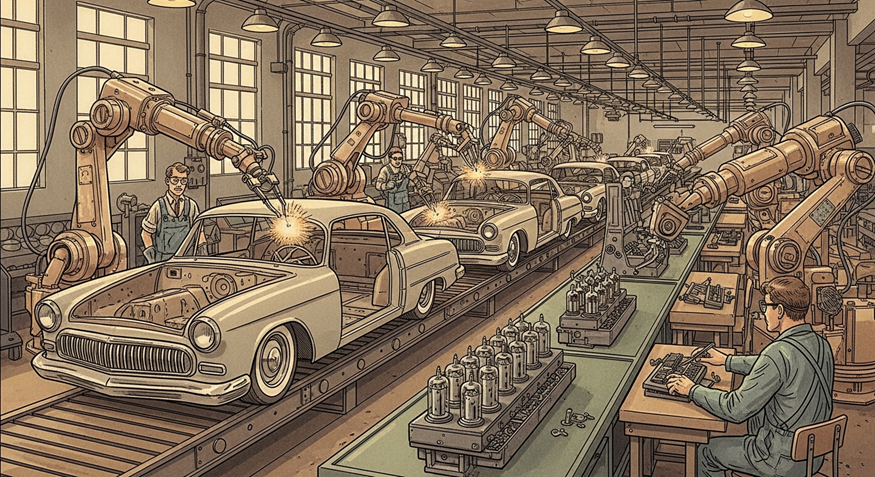
Flexible automation, sometimes called "soft automation," is the most adaptable type of industrial automation. It allows for real-time changes to the manufacturing process without causing significant downtime. This makes it ideal for customized manufacturing, where product designs change frequently, often from one order to the next. This is a core part of effective process automation.
This high level of adaptability comes from advanced control systems, robotic configurations, and modular equipment that can respond to new instructions on the fly. If a production order changes, a flexible automation system can adjust immediately without needing to be completely retooled. These automation solutions are perfect for high-mix, low-volume settings.
Industries like aerospace and medical device manufacturing benefit greatly from flexible automation. In these fields, each product or batch may have unique specifications or regulatory requirements. Flexible automation ensures that these custom needs can be met with rapid changeovers and minimal idle time, supporting a highly responsive production environment.
Essential Services Offered by Industrial Automation Providers
Industrial automation providers offer much more than just machinery. They provide a comprehensive suite of services to ensure your Industrial Automation Solutions strategy is successful from start to finish. These services typically include everything from initial system design and engineering to the full integration of automation technologies into your existing workflow.
Furthermore, top providers also offer ongoing support, such as maintenance, training, and technical assistance. This helps you maximize the return on your investment by ensuring your automation tools run smoothly and efficiently. Let's examine some of these essential services in more detail.
System Design and Engineering Support
A successful Industrial Automation Solutions project begins with a well-thought-out plan. System design and engineering support are foundational services offered by automation providers. They work with you to understand your specific needs, analyze your current processes, and design a custom solution that aligns with your business goals. This involves selecting the right automation tools and creating a blueprint for implementation.
The engineering support continues throughout the project. Experts will help you configure industrial control systems and ensure all components work together seamlessly. This phase is critical for creating a system that is not only efficient but also scalable for future growth. A comprehensive design approach considers everything from workflow dynamics to material handling.
This service is all about transforming your vision into a practical, functional system. Key aspects of system design include:
- Process Analysis: Evaluating existing workflows to identify automation opportunities.
- Custom Solution Design: Developing a tailored automation strategy.
- Technology Selection: Choosing the appropriate robots, sensors, and software.
Integration of Automation Technologies
Bringing new automation technologies into your existing setup can be a complex task. That's why the integration of these systems is such a crucial service. Providers specialize in making sure that new robots, software, and machinery work harmoniously with your current infrastructure. This prevents disruptions and ensures a smooth transition to an automated workflow.
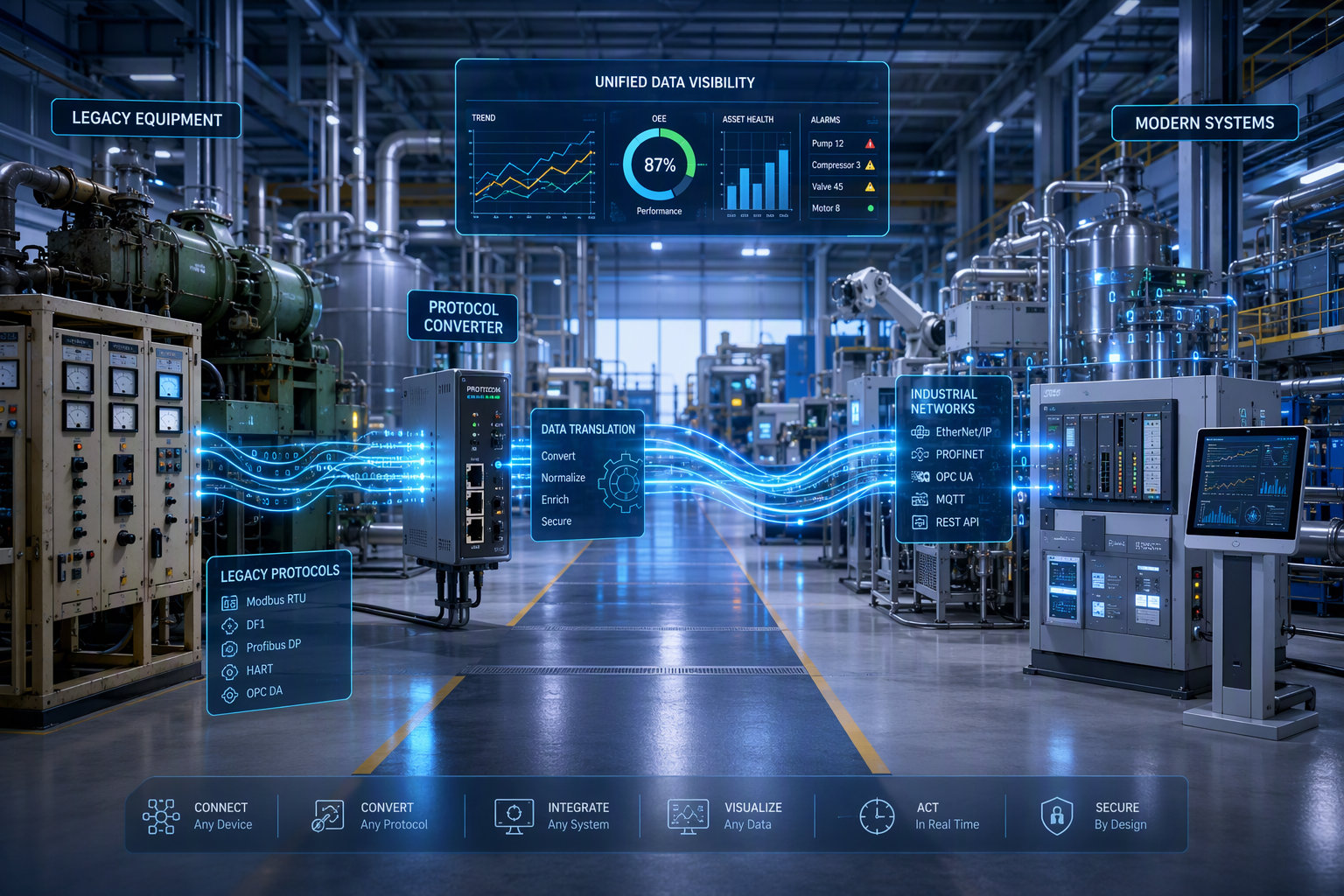
The integration process involves connecting various control systems, such as SCADA systems (Supervisory Control and Data Acquisition), to create a unified and interconnected factory floor. This allows for centralized monitoring and management of all automated processes, providing a complete overview of your operations.
Without proper integration, you might end up with isolated machines that don't communicate, leading to inefficiencies. A skilled provider ensures that all components, from robotic arms to conveyor belts, are part of a cohesive ecosystem. This holistic approach is what unlocks the full potential of your investment in Industrial Automation Solutions.
Maintenance, Training, and Technical Assistance
Once your new system is up and running, the support doesn't stop. Ongoing maintenance, training, and technical assistance are vital for long-term success. Maintenance services, especially predictive maintenance, help prevent equipment failures before they happen. This proactive approach ensures minimal downtime and keeps your operational costs in check.
Training is another key service. Your employees need to understand how to operate and work alongside the new automated systems safely and effectively. Providers offer comprehensive training programs to get your team up to speed, empowering them to manage the new technology with confidence.
Should any issues arise, technical assistance is just a call away. This responsive support helps you troubleshoot problems quickly, reducing disruptions to your production schedule. These ongoing services are designed to ensure your Industrial Automation Solutions investment continues to deliver value for years to come. Services include:
- Proactive and predictive maintenance
- Employee training programs
- On-demand technical support
- System upgrades and optimization
Industries Leading the Way in Automation
The adoption of automation is reshaping the industrial landscape across numerous sectors. Certain industries have been early adopters, leveraging automation solutions to gain significant competitive advantages. They have recognized that automation is key to boosting operational efficiency, improving quality, and staying ahead of the curve.
From automotive manufacturing to food production, these leading industries demonstrate the powerful impact of automation. By exploring their success stories, we can understand the key advantages that automation brings to different operational environments. Let's look at some of the sectors where automation is making the biggest waves.
Automotive Manufacturing and Assembly
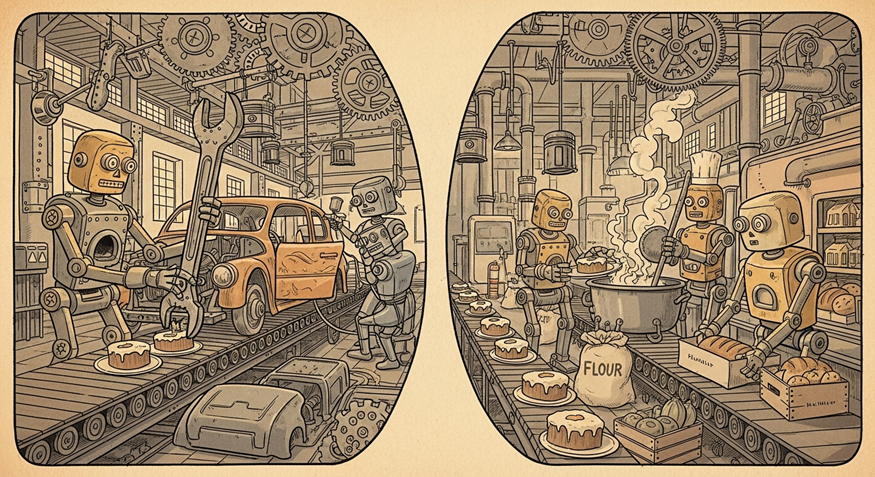
The automotive manufacturing sector is one of the pioneers of Industrial Automation Solutions. For decades, car makers have used robots and automated systems on their assembly lines to perform tasks like welding, painting, and component installation. This has allowed them to produce vehicles at a massive scale with remarkable consistency and speed.
Fixed automation is commonly used in this industry, where dedicated machines perform the same task repeatedly as cars move along the production line. However, programmable automation is also crucial, as it allows manufacturers to switch between different models and adapt to new designs without completely retooling their factories.
The entire production process in automotive manufacturing is a testament to the power of automation. By integrating robots and advanced control systems, companies can reduce human error, improve safety for workers by handling dangerous tasks, and maintain a high level of quality, all while keeping up with intense global demand.
Food and Beverage Production Facilities
In the food and beverage industry, automation solutions are essential for ensuring safety, consistency, and efficiency. Food processing tasks, such as sorting, cutting, mixing, and packaging, are increasingly being handled by automated systems. This not only speeds up production but also helps maintain strict hygiene standards by minimizing human contact.
Quality control is another area where automation shines. Automated inspection systems can detect contaminants or defects with a high degree of accuracy, ensuring that only safe, high-quality products reach consumers. This is critical for meeting the stringent regulatory compliance standards that govern the food industry.
From filling bottles to sealing packages, automation streamlines the entire production workflow. It helps companies manage inventory, reduce waste, and respond quickly to changes in consumer demand. By adopting these technologies, food and beverage producers can improve their operational efficiency while guaranteeing the safety and quality of their products.
Pharmaceuticals and Chemical Processing
The pharmaceuticals and chemical processing industries operate under extremely strict regulations where precision and consistency are non-negotiable. Industrial automation is vital for maintaining the high quality standards required in these fields. Automated systems can handle sensitive industrial processes like mixing, measuring, and packaging with an accuracy that is difficult to achieve manually.
In pharmaceutical manufacturing, automation ensures that every dose of medication is produced under sterile conditions and meets exact specifications. This reduces the risk of contamination and human error, which is critical for patient safety. Similarly, in chemical processing, automation helps manage hazardous materials and complex reactions safely.
By automating these critical processes, companies can ensure regulatory compliance, improve product consistency, and enhance worker safety. The data collected by automated systems also provides a detailed record of the entire production cycle, which is essential for quality assurance and traceability in these highly regulated industries.
Top Industrial Automation Companies in the United States
When it comes to implementing Industrial Automation Solutions, choosing the right partner is crucial. The United States is home to many top-tier companies that provide a wide range of automation solutions. These industry leaders are known for their innovation, reliability, and comprehensive service offerings.
From established giants to nimble emerging providers, there is a company to fit every need and budget. Understanding who the key players are can help you make an informed decision when selecting a partner for your automation journey. Let's take a look at some of the recognized leaders and rising stars in the field.
Recognized Industry Leaders and Innovators
Several companies have established themselves as industry leaders in the world of Industrial Automation Solutions. These innovators are known for developing cutting-edge automation solutions that drive operational efficiency and help businesses meet high quality standards. They offer a broad portfolio of products and services, ranging from robotics and control systems to advanced software and analytics.
These companies have a long track record of success across various industries, including automotive, manufacturing, and logistics. Their experience and expertise make them a trusted choice for large-scale automation projects. They are constantly pushing the boundaries of what's possible with technology, developing smarter and more integrated systems.
Here are a few of the top names that consistently lead the market:
| Company Name | Key Focus Areas |
|---|---|
| Rockwell Automation | Industrial control systems, smart manufacturing, enterprise software |
| Siemens | Digitalization, electrification, automation for various industries |
| Honeywell | Aerospace, building technologies, safety and productivity solutions |
| Emerson | Process automation, control systems, measurement instrumentation |
These industry leaders provide the robust and reliable solutions that large enterprises depend on to stay competitive.
Emerging Solutions Providers to Watch
Alongside the established giants, a new wave of emerging providers is making a significant impact on the automation landscape. These companies are often more agile and focused on specific niches, bringing fresh ideas and advanced technologies to the market. They are particularly strong in areas like collaborative robots (cobots), artificial intelligence, and autonomous mobile robots (AMRs).
These rising stars are worth watching because they are often at the forefront of innovation. They leverage the latest developments in AI and machine learning to create smarter, more flexible automation solutions. For businesses looking for highly customized or cutting-edge systems, these emerging providers can be an excellent choice.
One such innovator is Cyngn, which specializes in self-driving technology for industrial vehicles. By retrofitting existing fleets with DriveMod, Cyngn provides flexible and scalable automation that can adapt to dynamic warehouse environments. Their focus on AI-powered autonomy and data analytics through tools like Cyngn Insight is helping to redefine what's possible in material handling.
Comparing Service Offerings and Expertise
When you're evaluating potential automation partners, it's important to compare their service offerings and areas of expertise. Not all providers are the same. Some may specialize in heavy industrial robots, while others focus on software and industrial control systems. Finding the right fit depends on your specific needs and the complexity of your project.
Consider the provider's experience in your industry. A company with a deep understanding of automotive manufacturing will be better equipped to handle the unique challenges of that sector compared to a provider that primarily works in food and beverage. Look for case studies and testimonials that demonstrate their track record.
Also, evaluate the full scope of their services. Do they offer comprehensive support, from initial design to ongoing maintenance? A partner that can guide you through every stage of the process will likely provide a more seamless and successful implementation. Key points to compare include:
- Industry Specialization: Do they have expertise in your specific sector?
- Technological Focus: Are they strong in robotics, software, AI, or control systems?
- End-to-End Support: Do they provide services covering the entire project lifecycle?
Real-World Examples of Successful Automation Projects
Theory is great, but seeing automation in action is even better. Real-world examples show just how transformative automation solutions can be. Successful projects have helped companies boost operational efficiency, enhance quality control, and streamline their supply chain operations.
These case studies provide a practical look at the benefits of industrial automation. From improving productivity on the factory floor to ensuring flawless products, automation is delivering tangible results for businesses today. Let's explore a few examples of these successes.
Case Study: Improving Productivity in Manufacturing
A major manufacturing company was struggling with bottlenecks in its production line. The manual process of moving materials between workstations was slow and prone to delays, hurting overall productivity. To address this, they implemented a fleet of autonomous mobile robots (AMRs) to handle material transport.
The new automation solution transformed their manufacturing process. The AMRs worked around the clock, delivering parts and materials to the right stations at the right time. This eliminated the delays caused by manual transport and allowed skilled workers to focus on more value-added tasks instead of pushing carts.
The results were impressive. The company saw a significant increase in operational efficiency and a dramatic reduction in production cycle times. By automating a simple but critical task, they were able to unlock a new level of productivity and throughput, demonstrating the power of targeted automation solutions.
Case Study: Enhancing Quality with Automated Inspections
An electronics manufacturer was facing challenges with product quality. Manual inspections were time-consuming and couldn't catch every tiny defect, leading to a higher-than-desired rate of faulty products reaching the market. To improve their quality control, they invested in automated inspection systems.
These advanced automation solutions used high-resolution cameras and machine learning algorithms to inspect circuit boards for defects in real time. The system could identify flaws that were invisible to the human eye with incredible speed and accuracy. Any board that didn't meet the strict quality standards was automatically flagged and removed from the production line.
Thanks to this technology, the company was able to drastically improve its product quality and reduce the number of returns. This not only saved money but also enhanced their brand reputation for reliability. The automated system ensured that only flawless components moved forward, guaranteeing a higher standard of quality.
Case Study: Streamlining Supply Chain Operations
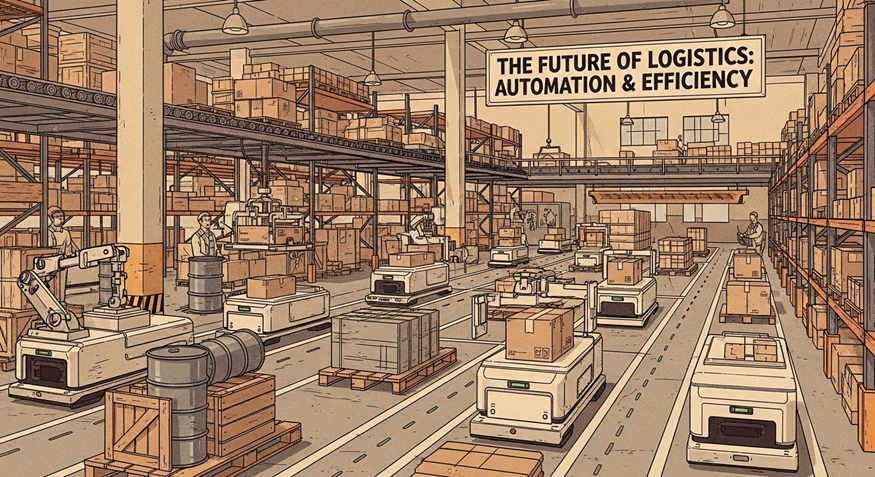
A large logistics and fulfillment center needed to improve the efficiency of its supply chain operations. The facility was facing labor shortages, and the manual process of moving goods through the warehouse was creating inefficiencies. They turned to automation solutions to streamline their material handling processes.
The company deployed autonomous tuggers from Cyngn, powered by DriveMod technology, to transport goods across the warehouse. These self-driving vehicles could navigate the dynamic environment, moving from one station to another without human intervention. The implementation of this technology led to a 33% increase in efficiency compared to using manual pallet jacks.
By automating their material handling, the company was able to improve its operational efficiency and combat the effects of labor shortages. The project also resulted in a 64% reduction in labor costs for the tasks handled by the autonomous vehicles. This case study shows how automation can optimize supply chain operations and deliver a significant return on investment.
Conclusion
In conclusion, embracing industrial automation solutions is essential for businesses looking to enhance efficiency, productivity, and overall performance. As we've explored, understanding the various types of automation systems and their benefits can significantly impact manufacturing processes across multiple industries. From fixed automation for high-volume production to flexible systems tailored for custom needs, there's a solution for every business requirement. By partnering with the right automation provider, companies can leverage cutting-edge technology, expert support, and ongoing maintenance to ensure seamless integration. Don't wait to start transforming your operations—discover the best industrial automation solutions today!
Frequently Asked Questions
What factors should businesses consider when choosing an automation partner?
When choosing an automation partner, consider their industry expertise, the scalability of their automation solutions, and their support offerings. Evaluate their track record and ability to meet your specific quality standards and operational efficiency goals. Also, think about the total cost of ownership beyond the initial investment to ensure a good long-term fit.
What challenges are common during automation implementation?
Common challenges include the high initial investment, integrating new systems with existing infrastructure, and the need for a skilled workforce. Companies may also face employee resistance to change and concerns about data security. Ensuring regulatory compliance and managing ongoing operational costs are other key considerations during the implementation of industrial automation.
Are there long-term cost savings with industrial automation solutions?
Yes, absolutely. While there is an upfront cost, industrial automation solutions lead to significant long-term cost savings. These savings come from reduced labor costs, increased operational efficiency, lower error rates, and improved quality standards. The ability to operate 24/7 further boosts productivity, providing a strong return on investment over time.
You might also like