How to Secure Industrial IoT Gateways: Best Practices
How to Secure Industrial IoT Gateways: Best Practices

Key Highlights
- A secure industrial iot gateway connects legacy equipment and modern systems in industrial environments.
- Strong security features such as secure boot, VPNs, firewalls, and access control reduce risk.
- Good data security depends on encrypted transmission, trusted users, and regular firmware updates.
- Industrial iot gateways support operational technology without exposing critical operations to easy attack.
- Certifications and standards help you judge whether a device fits critical infrastructure needs.
- The right setup improves uptime, edge processing, and safer remote management.
Introduction
Industrial iot is changing how factories, utilities, and field operations connect machines, software, and cloud systems. In the industrial internet of things, gateways sit at the center of that data flow. They translate protocols, move process data, and support local decision-making. Yet this role also makes them a prime target for security risks. If you want a secure industrial iot gateway, you need more than connectivity. You need a hardened device, smart configuration, and a clear plan for ongoing protection.
Understanding Industrial IoT Gateways in Modern Industry
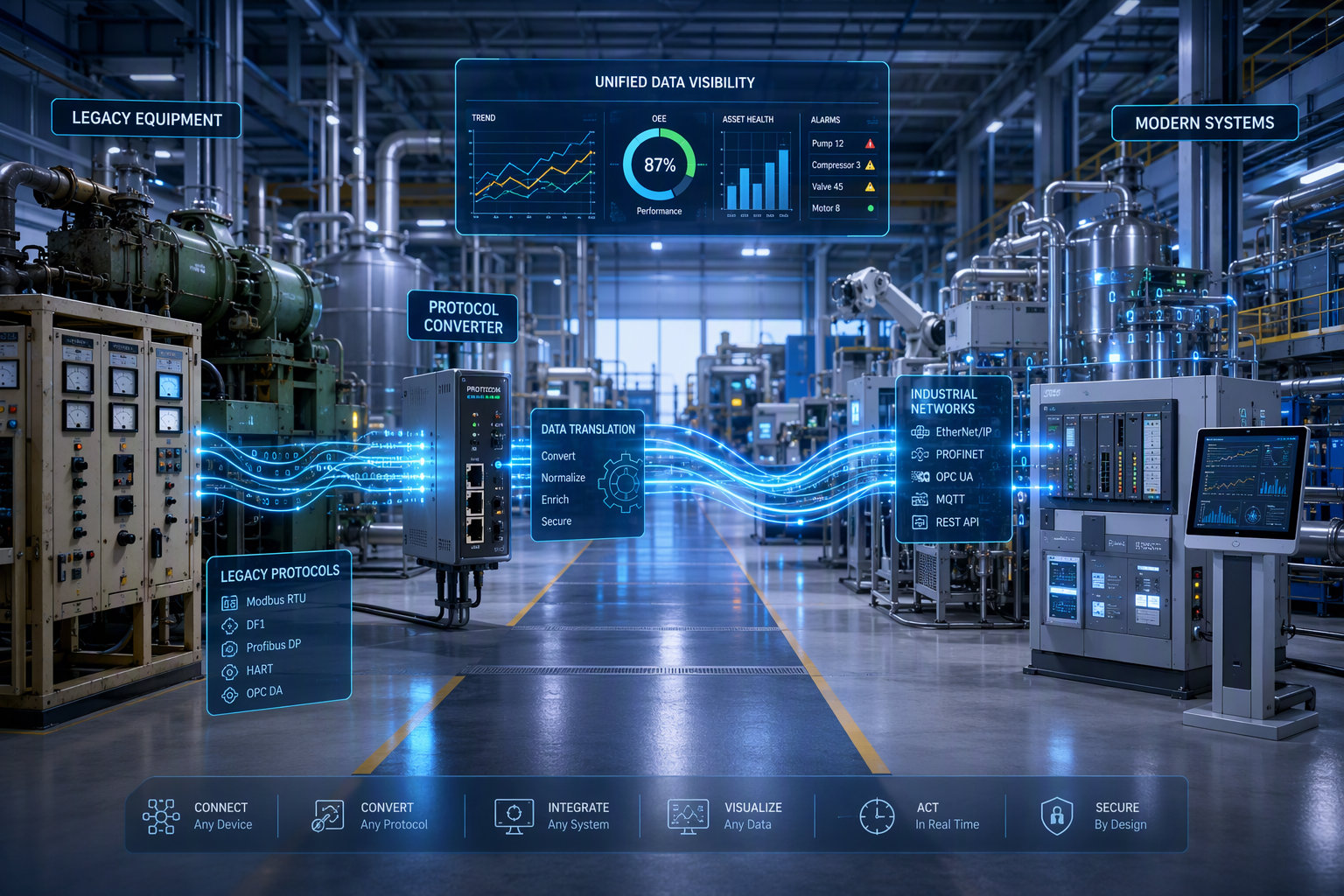
Industrial iot gateways act as the bridge between machines on the plant floor and higher-level systems. In industrial environments, these iot gateway devices connect sensors, controllers, and legacy equipment that often speak very different communication protocols.

They do more than pass data along. Many also handle data processing at the edge, filter noise, normalize values, and send useful information to cloud platforms or SCADA tools. That improves operational efficiency while helping older assets stay useful in modern industrial operations.
Definition and Core Functions of Industrial IoT Gateways
An industrial iot gateway is a device that links shop-floor assets with IT systems, cloud platforms, or centralized monitoring tools. In a factory, it becomes the point where operational technology and digital services meet. That makes it a central part of modern iot infrastructure.
Its main jobs are practical. It supports data collection from sensors, PLCs, controllers, and other iot devices. It also translates communication protocols such as Modbus, DNP3, CANbus, OPC UA, MQTT, and HTTP so different systems can exchange usable information.
Just as important, many gateways process data near the source. These edge devices can filter, standardize, and analyze inputs before forwarding only valuable insights upstream. In a secure setup, the gateway also enforces access rules, protects transmission, and helps keep factory operations running even when cloud connectivity is limited.
Difference Between Standard and Secure Industrial IoT Gateways
A standard iot gateway focuses on connectivity, protocol conversion, and basic data movement. It can connect machines to cloud systems, but it may not include the layered protections needed for industrial settings. That gap matters when your gateway sits between field devices and business systems.
A secure industrial iot gateway adds built-in defenses that help protect operations and data transmission. Instead of acting only as a bridge, it also works as a control point against unauthorized access and misuse.
- Secure boot helps verify system integrity at startup.
- Firewalls and VPNs protect network paths.
- Role-based access limits who can change settings.
- Certificate support strengthens trusted connections.
- Update tools help fix security issues over time.
So what is the real difference? A standard gateway connects. A secure industrial iot gateway connects while actively reducing exposure, protecting sensitive flows, and supporting safer long-term deployment.
The Importance of Security in Industrial IoT Gateways
In industrial iot, the gateway often touches every important stream of information. It can see machine status, alarms, commands, and process data. If it is weak, the rest of the system becomes easier to target.
That is why strong security measures matter in industrial systems. In industrial environments, a security failure can affect uptime, safety, and remote visibility. Before choosing features or vendors, it helps to understand the threats these connected systems face and why OT networks need extra care.
Common Cyber Threats Facing Connected Devices
Connected devices bring visibility and automation, but they also expand the attack surface. In industrial sites, a gateway may connect old controllers, smart sensors, cloud tools, and remote users. Each link creates new opportunities for cyber threats if the design is weak.
Common potential threats usually target weak authentication, insecure remote access, unpatched firmware, or exposed network paths. Since many iot devices were not built with modern defenses, the gateway has to compensate for that weakness.
- Weak login controls can open the door to unauthorized changes.
- Unencrypted traffic can expose data moving between devices and platforms.
- Outdated firmware can leave known security gaps in place.
- Flat networks can let threats spread across connected devices.
Secure industrial IoT gateways help by adding firewall functions, VPN access, certificate-based trust, and update mechanisms. These layers reduce exposure and help shield field assets from common attacks.
Why Security Is Critical for Operational Technology Networks
Operational technology networks are different from typical office networks. They support machines, controls, and physical processes that must run with consistency. In industrial iot, those systems are now more connected to cloud platforms, analytics tools, and remote teams.
That connection creates security risks. If a gateway or remote link is compromised, the issue can move beyond data loss and affect critical operations. Delays, bad commands, or broken visibility can interrupt production and maintenance workflows.
Security is critical because industrial systems often combine legacy assets with new digital services. These mixed environments need trusted communication, strict access rules, and resilient designs. A secure gateway supports that balance by protecting the OT edge while still allowing the connectivity needed for monitoring, analytics, and digital transformation.
Key Security Features to Look for in Industrial IoT Gateways
Not every industrial iot gateway offers the same level of protection. Some focus on protocol support and connectivity, while others include layered security features built for harsh, connected operations. That difference matters when your device becomes the bridge between OT and IT.
You should look for practical protections, not just marketing terms. Secure boot, strong access control, encrypted communications, VPN support, and tools that work with intrusion detection systems all make a gateway more dependable. The next sections break down the features that deserve your attention.
Data Encryption and Secure Protocols
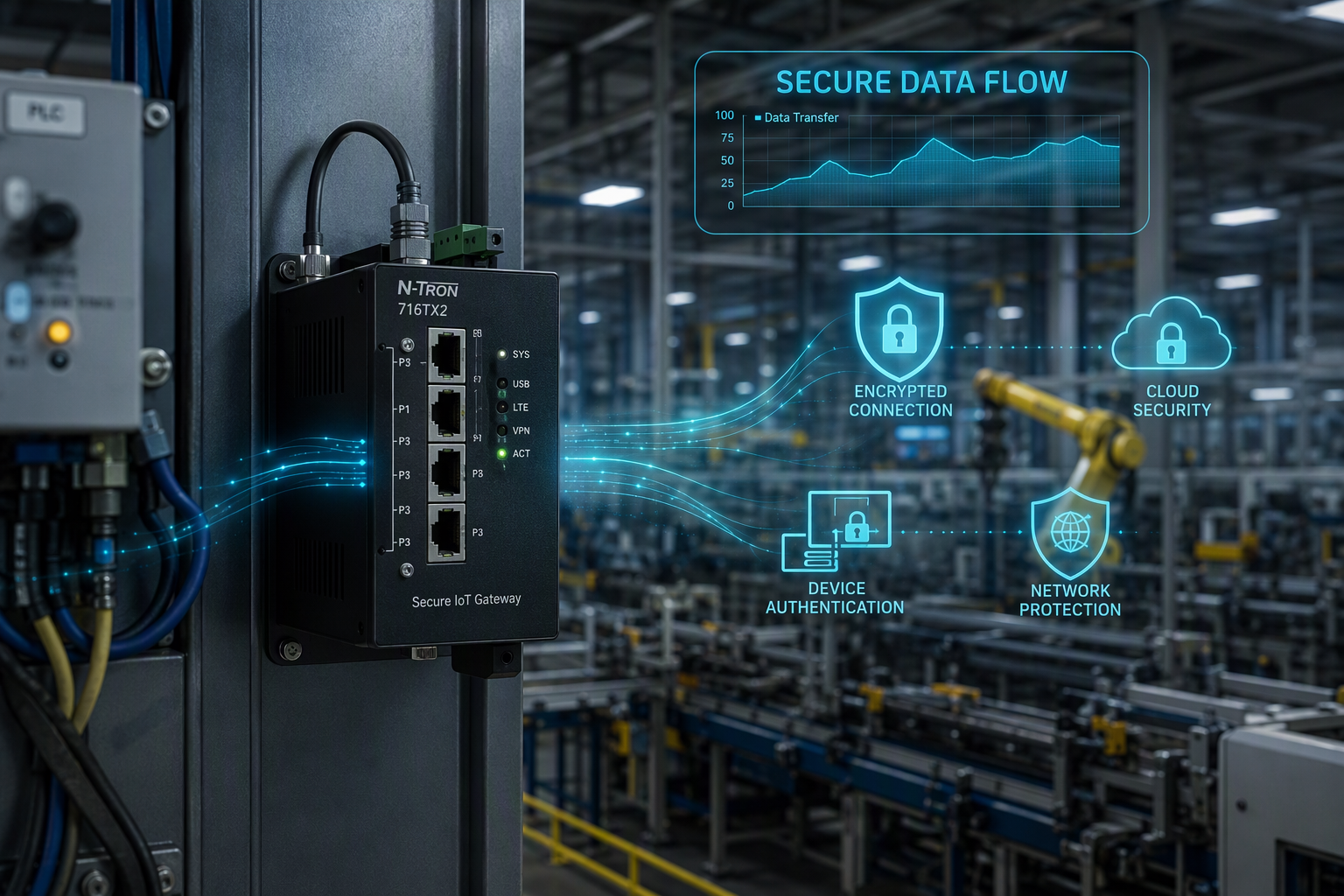
Data encryption is one of the most important protections in an iot gateway. Industrial systems often send machine values, alarms, and status updates across mixed networks. Without encryption, that traffic may be exposed while moving from field assets to cloud or supervisory tools.
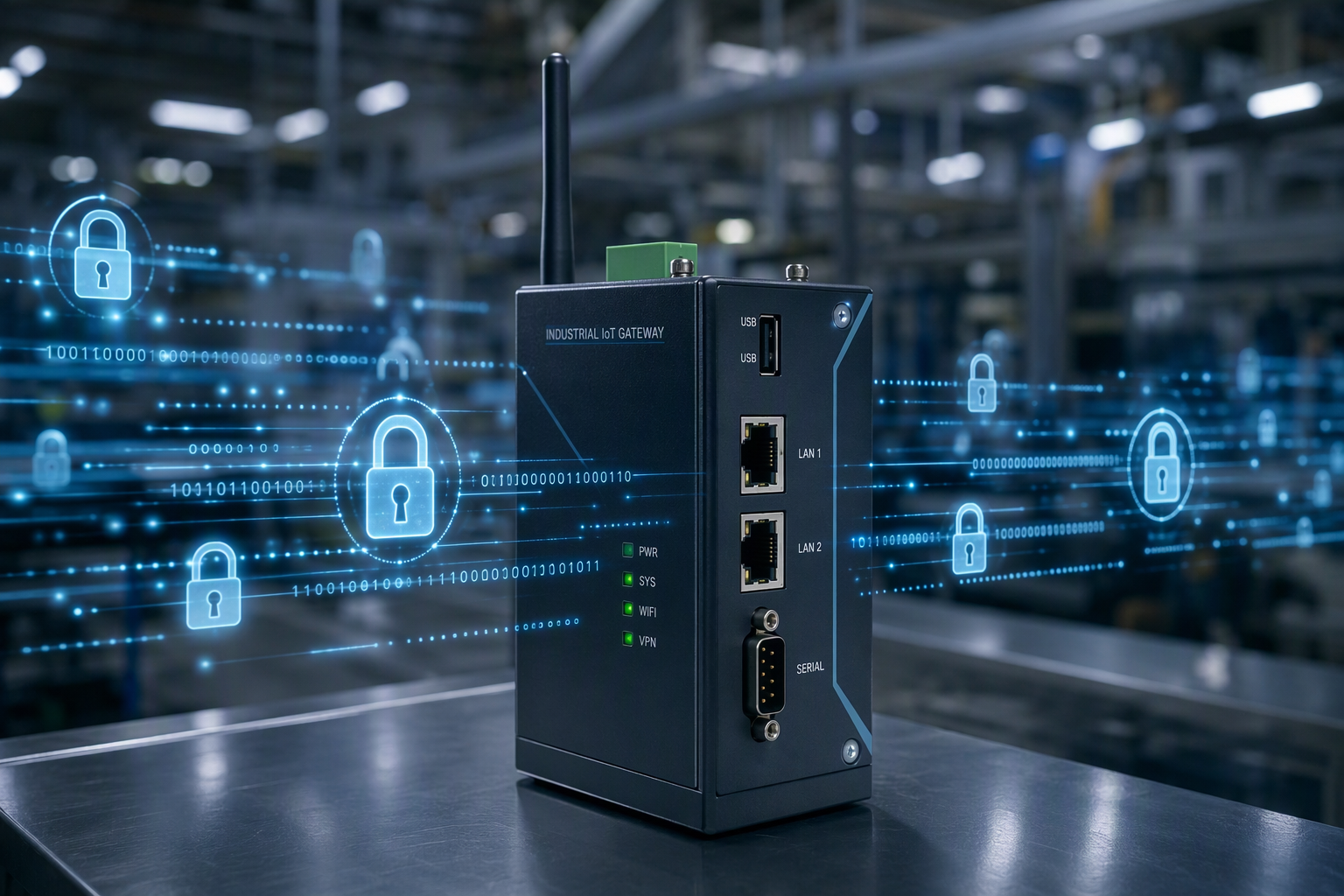
Secure protocols help protect that path. Many industrial gateways support HTTP(S), MQTT, OPC UA, and VPN-enabled communications so secure transmission can happen across public or private links. This is essential for data security when remote management or cloud integration is involved.
- Use encrypted protocols for data in transit.
- Prefer gateways with certificate support for trusted sessions.
- Look for VPN options to protect remote connections.
- Check for cryptographic logging or firmware validation where available.
When you compare products, ask a simple question: how does this device protect information while it moves? If the answer is vague, keep looking.
User Authentication and Role-Based Access Control
Strong user authentication keeps the wrong people out of your iot gateway. In industrial settings, that means more than a basic password. Some devices support local and LDAP-managed accounts, RADIUS authentication, digital certificates, or login attempt blocking to tighten control.
Access control is just as important. Not every user should be able to edit logic, change network settings, or push code. Role-based permissions let you separate administrators, operators, and read-only viewers. That reduces the chance of accidental changes and limits unauthorized access.
Good security features make this manageable at scale. If your teams use remote portals, WebUI tools, or command-line access, user roles should stay consistent across those methods. The goal is simple: give people the access they need, and nothing more.
Certifications and Standards for Secure Industrial IoT Gateways
Security claims are easier to trust when they line up with recognized certifications and industry standards. For an industrial iot gateway, those references can show whether a device was built for critical environments, electrical safety, and secure operation.
They also help with regulatory compliance and internal purchasing reviews. Standards do not replace good setup, but they give you a stronger starting point. To make this practical, let’s look at the most relevant security and compliance benchmarks for industrial deployments.
Essential Industry Certifications (e.g., IEC 62443, NIST)
When you review an industrial iot gateway, certifications help you separate general-purpose hardware from equipment designed for operational technology. The compiled information points to IEC 62443 as a key industrial cybersecurity reference, and it also highlights NIST cybersecurity frameworks as useful guidance for secure deployment.
These industry certifications and security standards matter because they support better regulatory compliance and more confident buying decisions. They do not guarantee safety by themselves, but they show that the device aligns with recognized expectations for industrial use.
| Standard or Certification | Why It Matters for an Industrial IoT Gateway |
|---|---|
| IEC 62443 | Focuses on layered cybersecurity for industrial systems and embedded protection. |
| NIST Frameworks | Provide practical guidance for identifying, protecting, detecting, and responding to risks. |
| ISO/IEC 27001 | Supports broader information security management practices. |
| CE / UL / FCC | Indicate electrical, safety, or regional compliance that may support deployment readiness. |
When vendors mention security, ask which standards back up those claims.
Compliance Requirements for U.S. Manufacturers
For US manufacturers, compliance often means matching gateway capabilities to internal policies, customer requirements, and the risks of the operating site. The compiled material does not list one universal rulebook for every plant, but it does stress regulatory compliance, recognized standards, and secure deployment practices.
That means a suitable industrial iot gateway should align with accepted frameworks such as IEC 62443, NIST guidance, and common safety or regional approvals like UL, CE, or FCC where relevant. In industrial environments, these markers can simplify reviews and vendor comparisons.
You should also look beyond labels. Ask whether the device supports secure boot, authenticated access, encrypted communication, remote update controls, and segmentation between trusted and untrusted networks. For US manufacturers, practical compliance is not just paperwork. It is choosing equipment that supports safer daily operations.
How Secure Industrial IoT Gateways Protect Industrial Environments
A secure industrial iot gateway protects more than traffic. It helps shield machines, workflows, and people by controlling how process data moves between the edge and higher-level systems. That matters in industrial environments where uptime and safe operation are tied together.
It also helps reduce the attack surface while still enabling useful outcomes such as predictive maintenance, remote visibility, and distributed analytics. To see how that works in practice, it helps to focus on monitoring, anomaly detection, and safer remote connectivity.
Real-Time Threat Monitoring and Anomaly Detection
A modern industrial iot gateway can do more than forward packets. Some platforms support local monitoring, rule-based alerts, diagnostics, and edge analytics that help teams notice unusual behavior quickly. This is valuable when operations depend on continuous data flow and fast reactions.
Anomaly detection at the edge can flag traffic or equipment patterns that do not look normal. The compiled information notes that many gateways support lightweight analytics and, in some cases, machine learning for identifying issues before they grow into outages or security events.
Intrusion detection systems are also part of the picture, even if support may come through advanced models or integrations rather than every gateway by default. Together, these tools help operators detect suspicious activity, review logs, and respond faster. That improves resilience without removing the speed benefits of edge-based industrial networks.
Remote Access Security and Network Segmentation
Remote access is useful, but it can also become one of the biggest security risks in industrial environments. Technicians want to troubleshoot devices from the office, push updates, and review alarms without a site visit. A secure gateway makes that possible while reducing unnecessary exposure.
The strongest setups pair remote access with network segmentation. Instead of placing every device on one flat network, you separate trusted and untrusted zones. Some gateways even include dual Ethernet interfaces or firewall tools that support this design.
- Use VPN-based remote sessions instead of open internet exposure.
- Apply access control so only approved users reach OT assets.
- Segment business systems from control networks.
- Limit each gateway to the devices and services it must handle.
The benefit is clear: you keep remote convenience, but with tighter boundaries. That lowers the chance that one weak point will spread problems across the whole facility.
Beginner’s Guide: How to Secure Your Industrial IoT Gateway
If you are new to iiot security, start with the basics. Your industrial iot gateway should not be treated like a simple modem or router. It is a control point that affects connectivity, visibility, and data security across your operation.
The good news is that practical security measures are manageable when you take them step by step. First choose the right hardware and software, then configure access, updates, and monitoring. The next sections give you a clear path to a safer deployment.
What You Need to Get Started (Hardware, Software, and Resources)
Start with the right industrial iot gateway for your environment. The compiled information suggests focusing on protocol support, remote management, edge computing capabilities, cellular backhaul, rugged design, and built-in security features. Your hardware should match the conditions and connectivity needs of the site.
Software matters too. Many gateways run Linux-based systems, vendor operating systems, or tools such as Node-RED, Docker, web consoles, and remote management portals. If you use cloud platforms, make sure the gateway supports secure protocols and easy integration.
- Hardware that supports needed industrial protocols and connectivity
- Software for remote updates, diagnostics, and policy management
- Security features such as VPN, firewall, certificates, and secure boot
- Resources for deployment, including vendor docs and operations staff
How do you choose the right fit? Match the gateway to your protocols, environment, remote access needs, and the level of local processing you expect.
Step-by-Step Guide to Securing an Industrial IoT Gateway
Securing an industrial iot gateway is easier when you break the work into small stages. Begin with visibility. Know what devices are connected, which protocols are in use, and where data moves. From there, you can apply focused security measures instead of guessing.
Next, lock down the basics. Set strong access control, enable data encryption for all supported communications, and disable anything you do not need. If the gateway offers VPNs, certificates, secure boot, or firewall tools, turn them into standard policy rather than optional extras.
Finally, plan for ongoing maintenance. A secure deployment is not a one-time project. Firmware updates, audits, remote management rules, and event monitoring all need attention over time. The step-by-step approach below helps you choose and secure the right platform for your application.
Step 1: Assess Your Current Network and Device Inventory
Before changing settings, build a clear inventory. List your gateways, PLCs, sensors, controllers, routers, and cloud connections. In many sites, old and new assets have grown into a mixed iot ecosystem without one complete record. That makes security planning harder than it should be.
You should also map data acquisition paths. Which iot devices send data, which protocols they use, and where that information ends up all affect risk. This step helps you see unnecessary links and weak points that expand the attack surface.
- Record all devices, protocols, and user access methods.
- Identify where data enters, gets processed, and exits.
- Note unsupported or outdated assets that may need extra protection.
A good inventory helps you choose the right gateway features for your application. It also prevents surprises later when you enforce segmentation, update policies, or remote access controls.
Step 2: Configure Strong Authentication and Access Controls
Once you know what is connected, tighten who can reach it. Your industrial iot gateway should use strong user authentication, not shared default accounts. If the device supports RADIUS, LDAP, certificates, or login attempt blocking, use those options to strengthen identity checks.
Then set role-based access control. Operators may need dashboards and read-only views, while engineers need configuration rights. Admin-level privileges should stay limited to a small group. This reduces mistakes and keeps critical settings from being changed by the wrong user.
These security features matter when choosing the right gateway for your application. A device with flexible identity management is easier to secure as your team grows. Good access control also supports audits, remote work, and cleaner separation between IT, OT, and service vendors.
Step 3: Implement Regular Firmware Updates and Patching
Even a strong industrial iot gateway becomes risky if it falls behind on maintenance. Firmware updates fix bugs, improve performance, and close security vulnerabilities that attackers may already know how to target. That makes patching a core part of your defense plan.
Choose gateways that support remote or over-the-air updates when possible. The compiled information highlights OTA mechanisms, remote management portals, and fail-safe update options as valuable features. These tools reduce the need for site visits and help keep distributed fleets consistent.
When choosing a device, ask how updates are delivered, verified, and rolled back if something goes wrong. A good gateway should make patching practical, not painful. Regular firmware updates keep protection current and help your deployment stay reliable as threats and operational needs change.
Step 4: Monitor, Audit, and Respond to Security Events
After deployment, keep watching the system. Continuous monitoring helps you spot unusual logins, traffic changes, failed updates, or device faults before they become major problems. In connected industrial sites, fast visibility often matters as much as prevention.
Set up an audit routine for gateway settings, user roles, firmware versions, and remote access policies. If your platform can integrate with intrusion detection systems, alerts, or cloud dashboards, use that visibility to review both security events and operational trends in one place.
This step also supports predictive maintenance. The same edge data and diagnostics that reveal equipment issues can help identify abnormal behavior tied to cyber risk or misconfiguration. A secure gateway is easier to trust when you can monitor it, audit it, and respond with a clear process.
Conclusion
In conclusion, securing your industrial IoT gateways is not just a necessity but a proactive step towards safeguarding your entire operational technology network. By understanding the core functions and common cyber threats associated with these devices, you can implement essential security features like data encryption and user authentication. Following best practices, such as regular firmware updates and real-time monitoring, ensures that your systems remain resilient against potential attacks. As we embrace the future of connectivity, making security a priority will empower you to harness the full potential of industrial IoT. If you're ready to take the next step in fortifying your industrial environment, get in touch for a free consultation to discover tailored solutions for your specific needs.
Frequently Asked Questions
What are the most popular secure industrial IoT gateway models in 2025?
Popular options mentioned in the compiled information include the Red Lion FlexEdge DA50D, Westermo Merlin 3100, Siemens SIMATIC IOT2050, Teltonika TRB Series, and Opto 22 GRV-EPIC-PR2. Each industrial iot gateway offers different security features, certifications, protocol support, and rugged design choices for connecting iot devices.
How do secure industrial IoT gateways enable edge computing?
A secure industrial iot gateway enables edge processing by collecting data from iot devices, translating communication protocols, and running local data processing before sending only useful insights upstream. This lowers latency, cuts bandwidth use, and supports faster operational decisions even when cloud connectivity is limited.
What are the main deployment best practices for large facilities?
For large facilities, strong deployment practices include building a full asset inventory, standardizing gateway configurations, enabling remote update tools, and applying layered security measures. Network segmentation is especially important. It keeps one issue from spreading widely and helps each industrial iot gateway operate within controlled boundaries.
How do I choose the right secure industrial IoT gateway for my application?
Choose an industrial iot gateway by matching it to your protocols, site conditions, remote management needs, and expected edge workload. Look for strong access control, reliable connectivity, and built-in data security. In industrial environments, the best fit is the one that supports both operations and long-term protection.
You might also like