Industrial Protocol Conversion: A Practical Guide
Industrial Protocol Conversion: A Practical Guide
Key Highlights
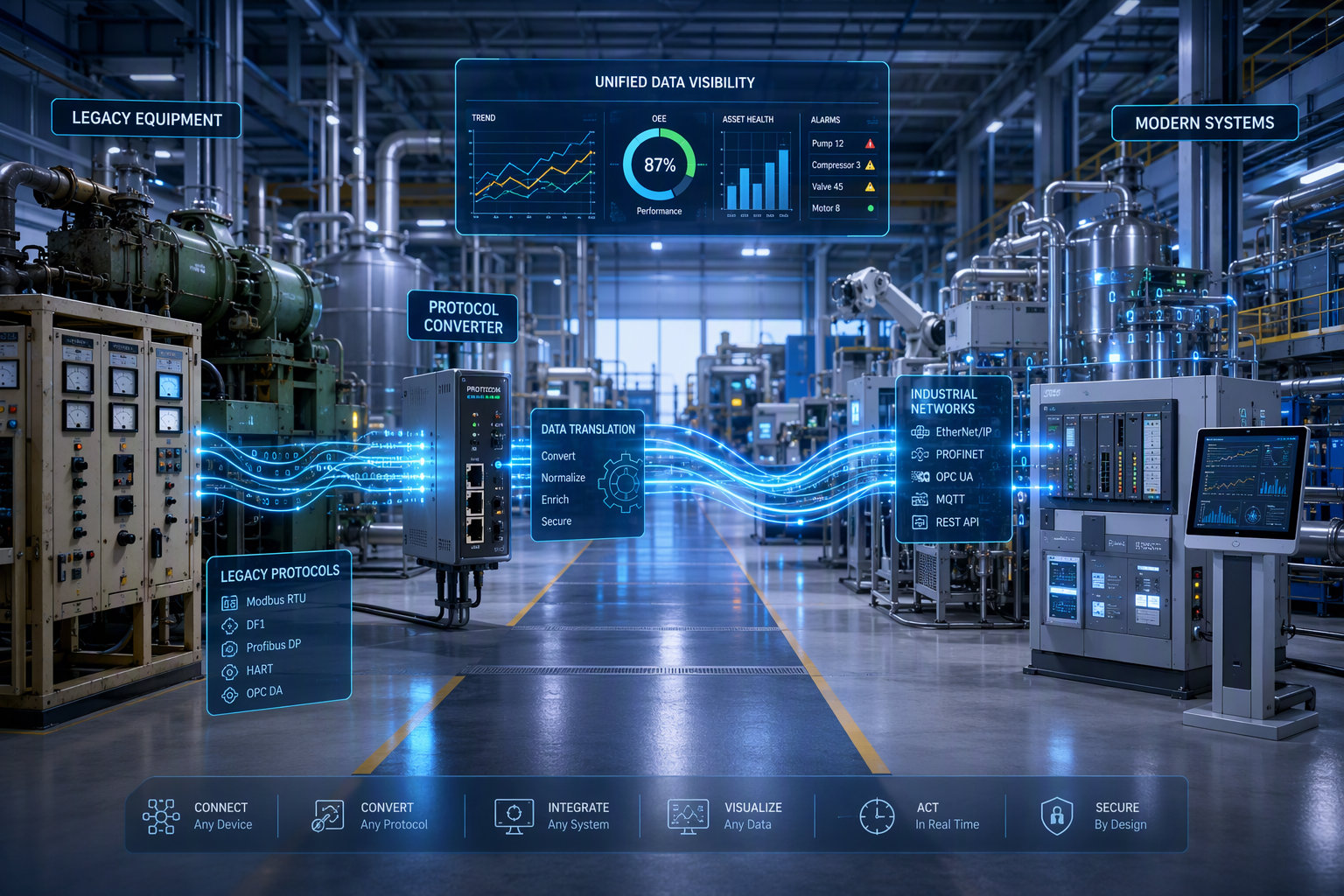
- Protocol conversion helps industrial automation systems connect devices that use different communication protocols.
- A protocol converter supports data exchange between controllers, field equipment, and software from different vendors.
- It is especially useful when legacy devices must work with newer Ethernet-based systems.
- These tools improve system integration without forcing full equipment replacement.
- They also support reliable communication on the plant floor, even in harsh environments.
- You can use them to simplify upgrades, improve flexibility, and extend the life of existing assets.
Introduction
On the plant floor, industrial automation depends on many devices working together without confusion. That sounds simple, but different communication protocols often stand in the way. A protocol converter solves that problem by translating data so machines, controllers, and software can understand one another. If you are trying to connect older assets with newer systems, this can be a practical and cost-effective step. It helps you keep production moving while making your network easier to expand and manage.
Understanding Protocol Conversion in Industrial Automation
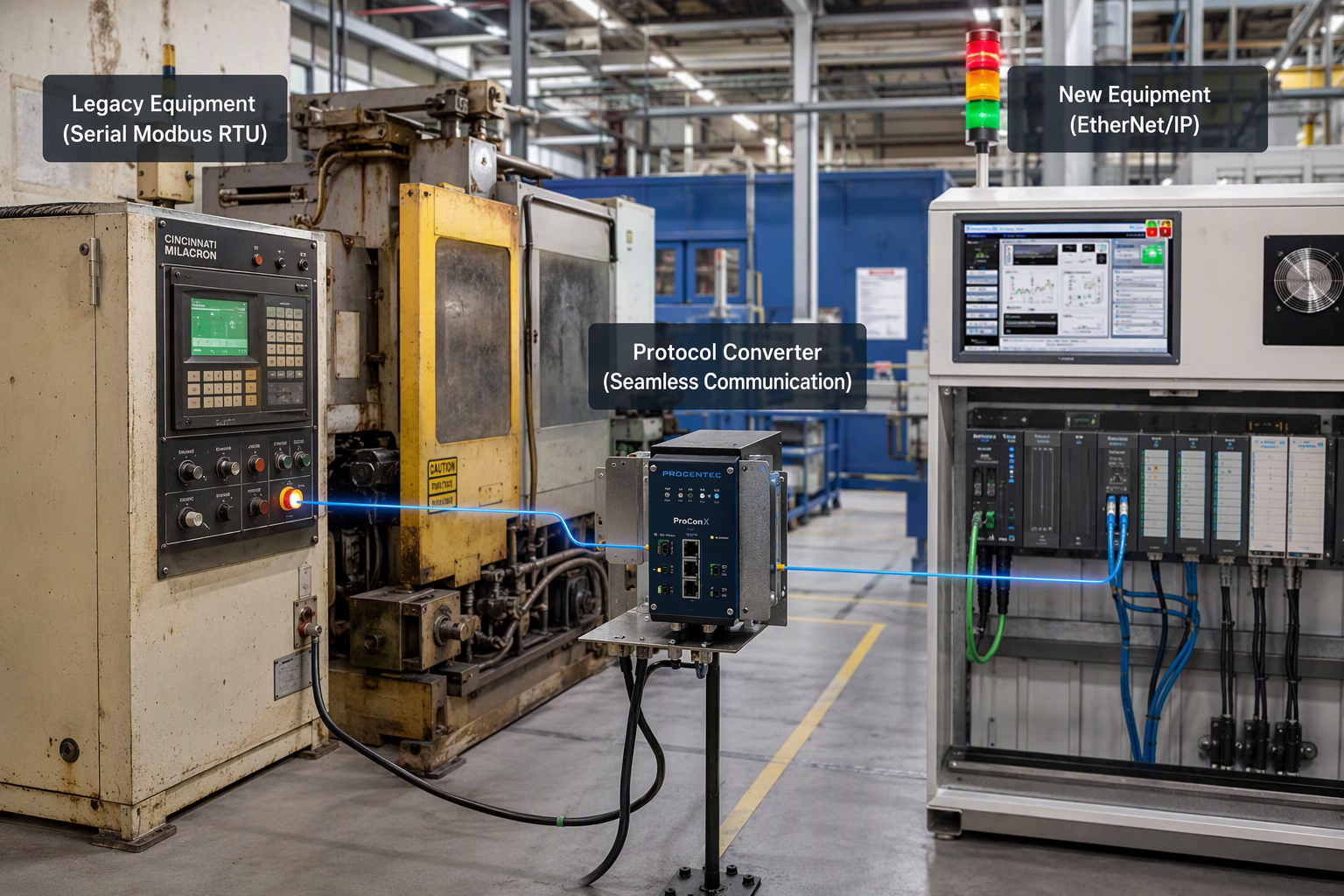
In industrial automation, protocol conversion means translating data between communication systems that do not naturally work together. Many industrial devices use different industrial communication standards, so direct communication is not always possible.
That matters because plants often include equipment from different manufacturers and different generations. Without protocol conversion, system integration becomes harder, and valuable data may stay trapped inside isolated machines. The right approach lets you connect industrial devices, share status information, and support coordinated control across the plant floor.
What is Protocol Conversion and Why Is It Needed?
At its core, protocol conversion is the process of translating information from one set of communication protocols into another. A machine may send data in one format, while a controller or software platform expects something different. The converter bridges that mismatch.
You need it because plant networks are rarely uniform. Equipment from different vendors may rely on fieldbus, Ethernet systems, serial links, or even proprietary protocols. When these incompatible communication protocols meet, data exchange slows down or stops unless a translator sits in between.
For system integration, that translator is a practical tool. It allows control commands, status updates, and process values to move between devices that would otherwise remain isolated. Instead of replacing working equipment, you can connect it into a broader automation system and keep your plant more flexible.
Key Benefits of Protocol Conversion on the Plant Floor
One major benefit is seamless integration. Plants often mix older serial devices with modern equipment on Ethernet network infrastructure. Protocol conversion lets those assets share information without forcing a costly rip-and-replace project.
It also improves data exchange across industrial networks. When a converter handles translation correctly, you get reliable data exchange between machines, PLCs, HMIs, and higher-level systems. That supports better monitoring, tighter coordination, and smoother production workflows.
- It connects legacy and modern systems in one working environment.
- It reduces engineering effort compared with custom conversion work.
- It supports flexibility and scalability as your plant changes.
- It helps preserve investment in existing devices while improving connectivity.
Exploring Common Industrial Communication Protocols
Plant networks use many communication protocols, and each was built for specific needs. Some are common in simple device communication, while others are designed for industrial communication tasks that demand speed, determinism, or broad vendor support.
That is why different protocols often appear side by side in one facility. You may see Modbus in utility equipment, Profinet in factory automation, and Ethernet/IP in broader control systems. In applications such as motion control, matching the right protocol behavior to the process is especially important.
Overview of Popular Protocols (Modbus, Profinet, Ethernet/IP, Profibus)
Several protocols appear often in conversion projects because they are widely used across plants. Modbus remains common in both serial and Ethernet environments. Profinet and Profibus are familiar in factory automation, while Ethernet/IP is widely used for industrial device communication and control.
The need for translation usually comes from mixed infrastructure. A plant may run modbus rtu on older serial devices, modbus tcp on newer Ethernet systems, and profinet or ethernet/ip on line equipment. Profibus still shows up in many existing installations, especially where long-running assets remain productive.
| Protocol | Typical role in plant communication |
|---|---|
| Modbus RTU | Serial communication for older or simple devices |
| Modbus TCP | Ethernet-based Modbus for newer networked systems |
| Profinet | Industrial Ethernet used in automation and real-time tasks |
| Profibus | Established fieldbus used in many existing control systems |
| Ethernet/IP | Industrial Ethernet protocol for broad device connectivity |
Legacy Protocols vs. Modern Industrial Protocols
Legacy devices often use serial connections, older fieldbus standards, or proprietary protocols. They may still perform well, but they were not built for today’s connected industrial networks. That creates a gap when you want broader visibility or easier control.
By contrast, modern equipment is usually designed for Ethernet-based communication, faster data sharing, and tighter integration with software platforms. These systems fit better into expanding control systems, but they do not always speak the language of older machines.
- Legacy devices help preserve proven production assets.
- Modern equipment supports broader connectivity and flexibility.
- Protocol converters bridge communication between both worlds.
- This avoids unnecessary replacement while improving interoperability.
How Protocol Converters Work
A protocol converter acts like an interpreter between industrial devices. It receives incoming data from one side, applies protocol translation, and sends the information out in a form the other side can use. That simple idea is what makes mixed networks possible.
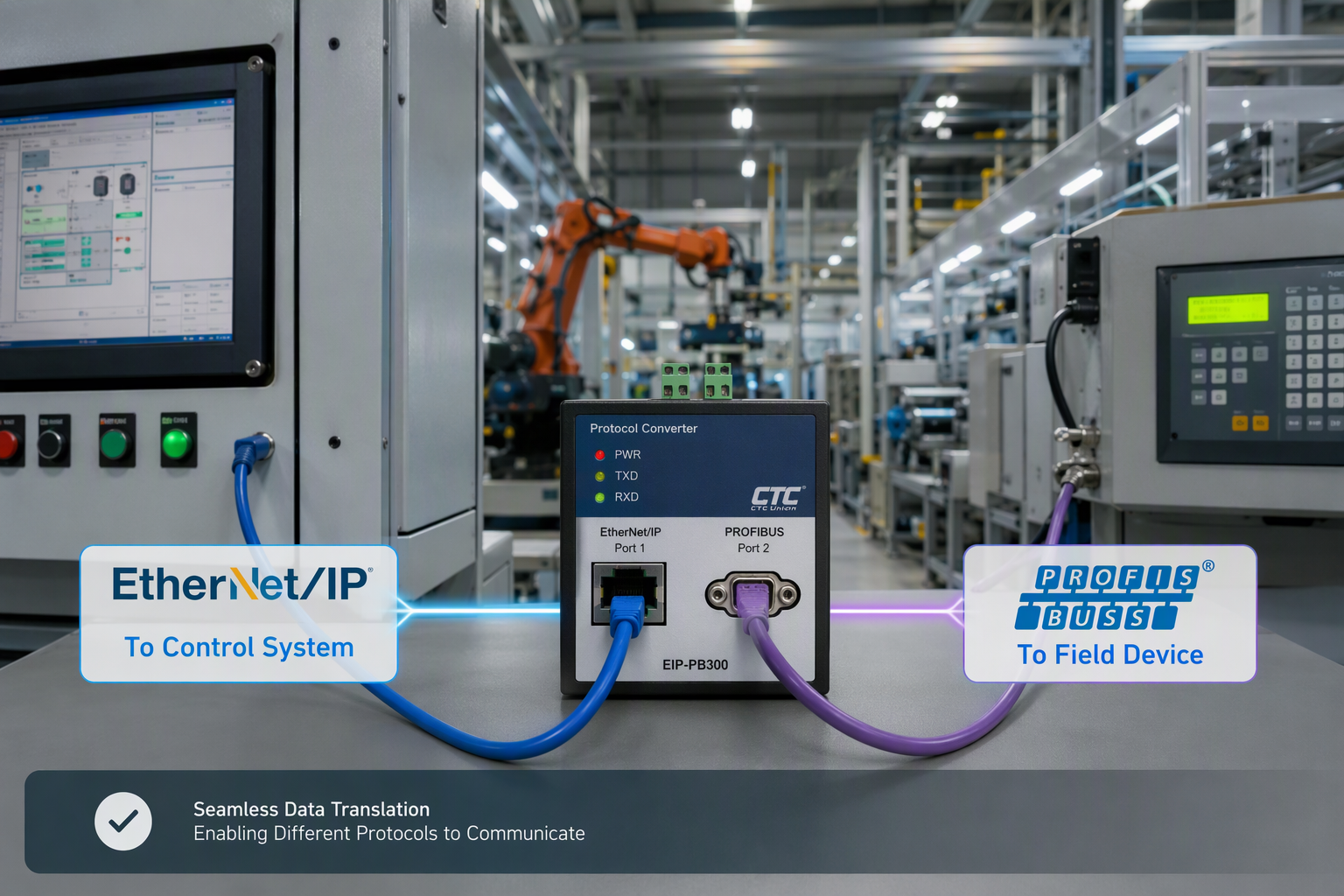
Behind the scenes, the process depends on data mapping and correct handling of data transmission. The converter must match values, commands, and status information between two systems without losing meaning. When done well, the connected devices can exchange information as if they shared the same native language.
Principles of Protocol Translation and Data Mapping
Protocol translation starts with receiving information in one protocol stack and preparing it for another. The converter changes framing, encoding, and other communication details so the destination device can process the message correctly. That is the basic bridge between different communication protocols.
Just as important is data mapping. A value from one register, object, or telegram must be matched to the correct point in the other system. If the data format does not line up, the receiving device may misread the information or ignore it.
When configuration is done properly, you get seamless data exchange across different industrial protocols. Control commands, alarms, and status signals can move between equipment without custom engineering for every connection. That saves time and makes mixed-device automation more practical for everyday plant operations.
Types of Protocol Conversion Solutions (Hardware, Software, Cloud-based)
You can find protocol conversion in several forms. Dedicated hardware devices are common on the plant floor because they are compact, rugged, and built for harsh environments. Many support DIN rail or wall mounting and include isolated interfaces for industrial applications.
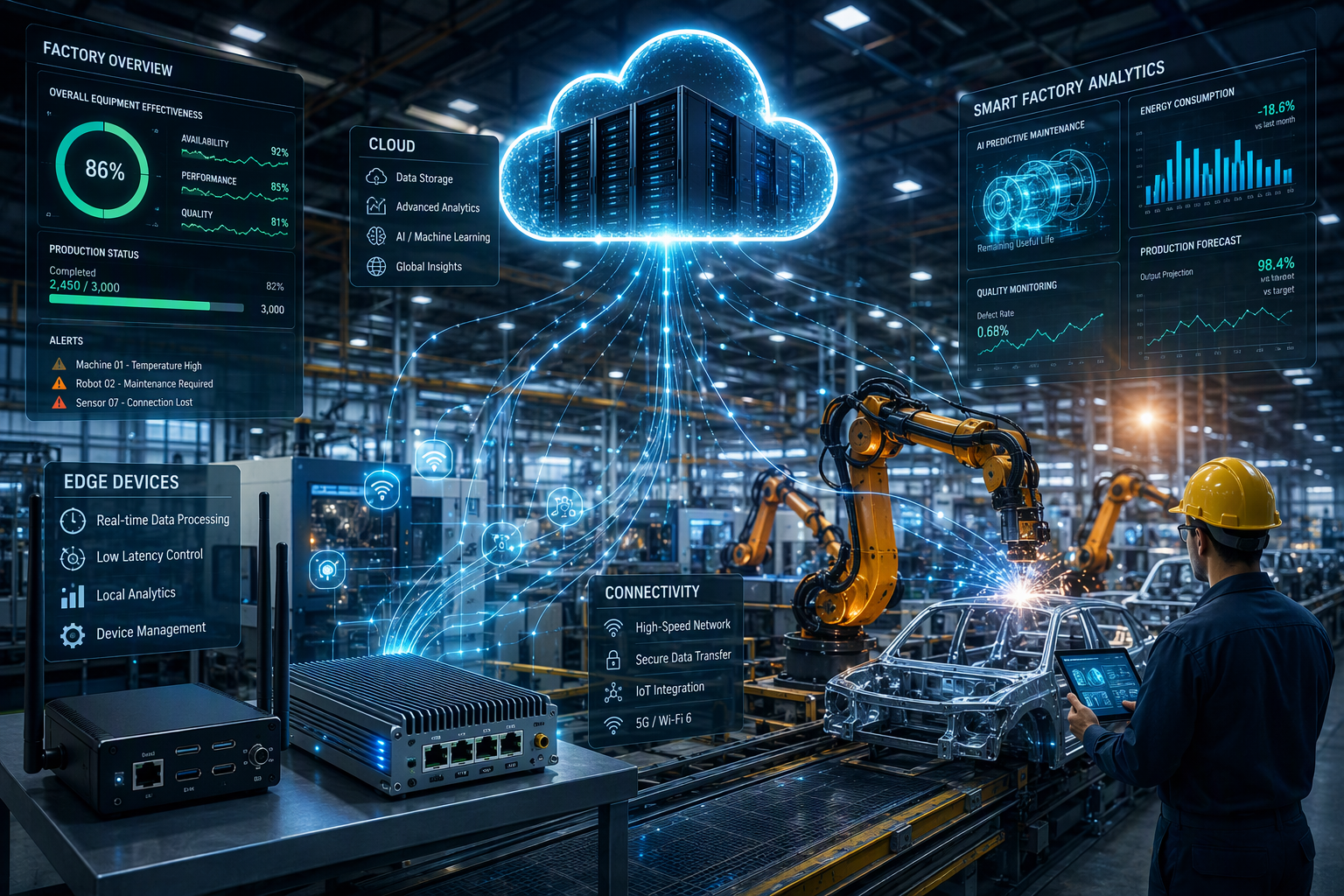
There are also software solutions and software platforms that handle conversion where computing resources already exist. In some cases, embedded modules or modular I/O systems include this function directly. For plants connecting operational technology with higher-level systems, edge devices may add cloud connectivity as well.
- Hardware converters fit cabinet and machine-level installation.
- Software solutions can support flexible deployment and updates.
- Edge and cloud-capable devices help link sensor data upward.
- A hybrid approach can combine local conversion with broader connectivity.
Protocol Converters vs. Protocol Gateways
People often use the terms protocol converter and protocol gateway in similar ways because both help connect different protocols inside automation systems. In practice, both can support communication between devices that would otherwise stay separate.
The difference usually comes down to role and scope. A protocol converter focuses on translating data so two sides can exchange information. A protocol gateway may do that too, but it can also serve as a broader interface between networks, systems, or layers of plant communication. The next sections make that clearer.
Core Differences and Ideal Use Cases
A protocol converter is usually chosen when your main need is direct translation between two communication standards. It handles the message changes required for industrial communication so connected devices can share data, commands, and status information.
A protocol gateway can cover wider tasks. It may connect larger network segments, link operational layers, or support added functions tied to system integration. In edge scenarios, gateways can also help close the gap between OT and IT for IIoT use cases.
- Use a protocol converter for focused device-to-device translation.
- Use a protocol gateway when broader network interfacing is needed.
- Choose based on communication scope, not just product naming.
- Match the tool to the integration goal and plant architecture.
When to Use a Protocol Converter Instead of a PLC Gateway
Use a protocol converter when the main problem is straightforward communication between devices or control applications that speak different languages. If a machine, drive, or field unit cannot exchange data with another system, focused translation is often enough.
This is especially useful when equipment comes from different manufacturers and you do not want to redesign the whole architecture. A converter can sit between the devices, translate the needed signals, and keep the rest of the network unchanged. That lowers engineering effort and speeds deployment.
A plc gateway may make more sense when the PLC itself must serve as a wider communication hub. But if your goal is targeted interoperability, preserving older assets, or connecting a few mismatched systems, a protocol converter is often the simpler and more cost-effective choice.
Integrating Legacy and Modern Devices with Protocol Conversion
Most plants do not start from a blank page. They combine legacy devices that still run well with modern equipment added during upgrades or expansions. That mix creates industrial communication challenges because each generation may use different standards and data structures.
Protocol conversion supports system integration without forcing you to discard productive assets. It allows older serial or fieldbus-based equipment to work with newer Ethernet-based systems, helping you standardize communication step by step. From there, you can apply the same idea to real production examples.
Real-World Applications in Process and Discrete Manufacturing
On real plant floors, protocol converters appear anywhere mixed systems must cooperate. In process environments, they can connect meters, sensors, PLCs, and SCADA systems so data flows into central monitoring. In discrete manufacturing, they help machines and line devices share status and commands across different networks.
They also support applications beyond the production cell. Energy management projects use them to gather values from diverse sources. Utility and smart grid environments rely on them to link distribution automation equipment with control centers. In each case, the aim is practical data acquisition and coordinated control.
- Linking field devices to higher-level control systems
- Connecting smart meters and sensors to energy management software
- Bridging SCADA systems with remote equipment
- Supporting plant-wide visibility across mixed automation assets
Connecting IoT Devices with Industrial Equipment
Yes, protocol conversion can help connect internet of things technologies with plant assets. Many industrial machines were not designed to speak directly with newer connected devices or higher-level software. A conversion layer makes that link possible.
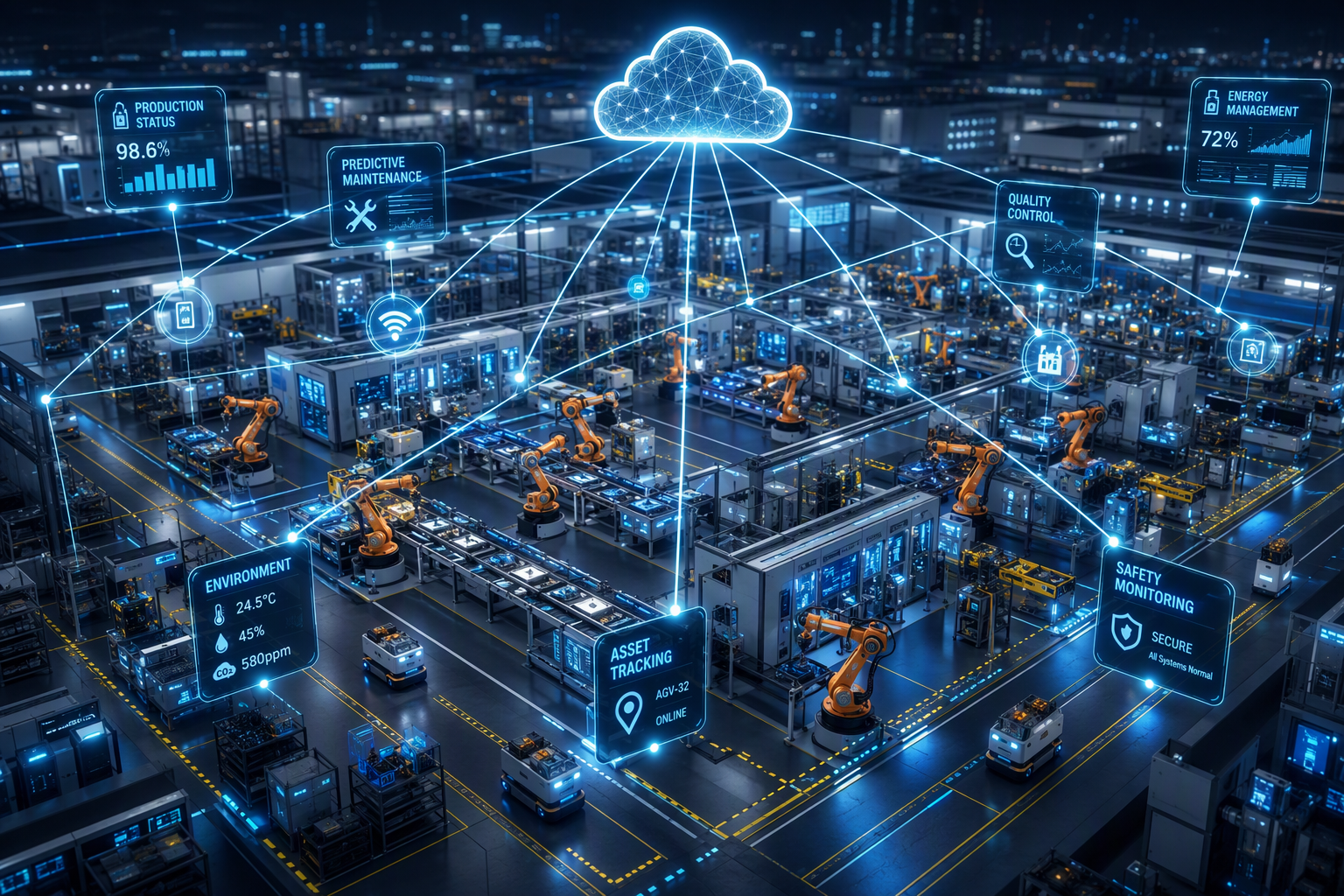
This matters in the industrial internet of things, where data from machines must move upward for monitoring, analysis, or broader coordination. Edge gateways are a strong example because they bridge operational technology and information systems while supporting sensor-to-cloud communication.
- They connect older machines to newer connected devices.
- They support cloud connectivity from plant-floor data sources.
- They help prepare production environments for Industry 4.0 goals.
- They create a practical path from machine data to wider visibility.
Selecting the Right Protocol Converter for Your Plant
Choosing the right protocol converter starts with a clear picture of your plant. You need to know which devices you are connecting, which protocols they use, and what kind of data must pass between them. Compatibility comes first because even a rugged device is useless if it does not match your application.
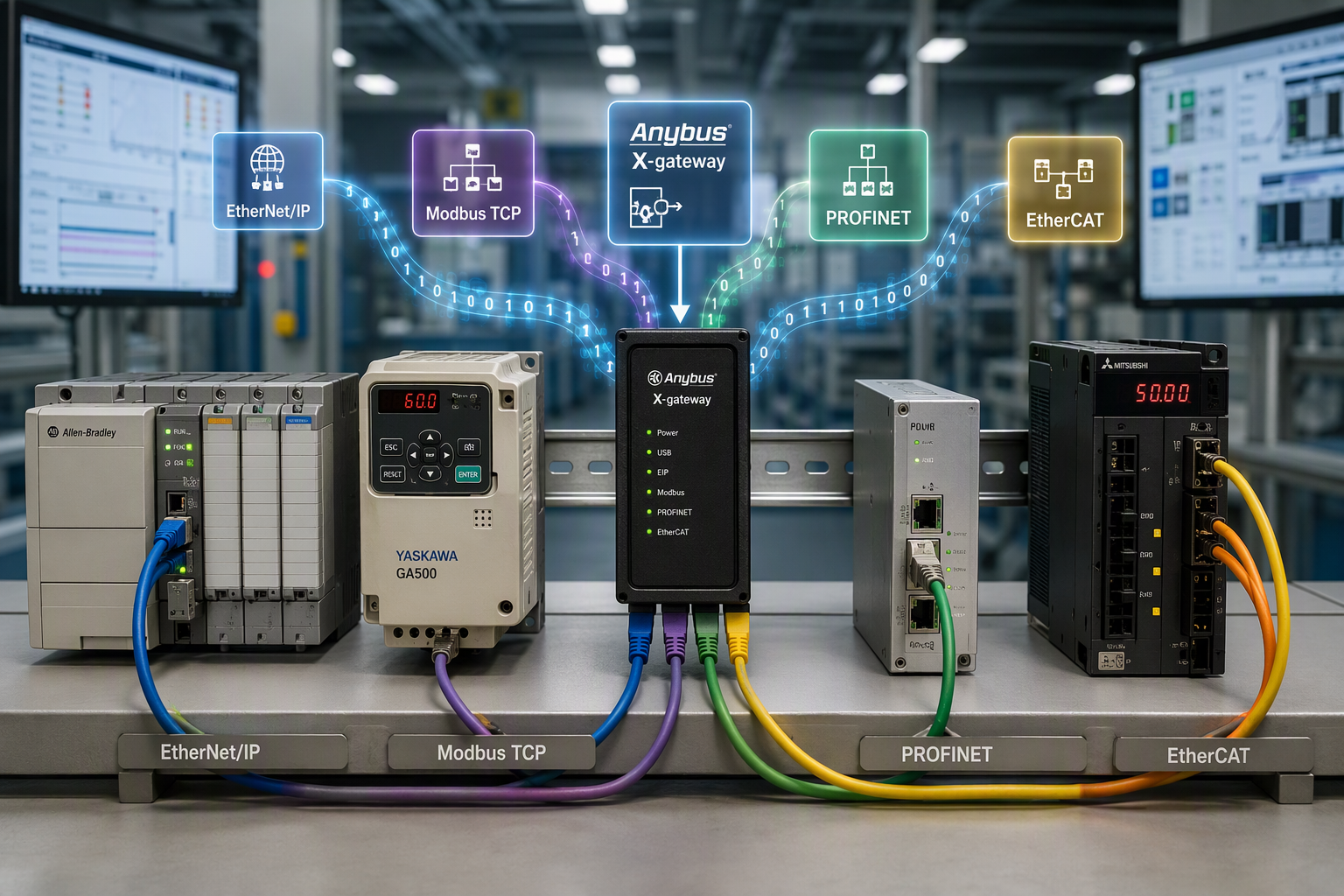
After that, look at operating needs. Plants often deal with different industrial communication standards, harsh conditions, and long service life expectations. That makes technical support, mounting options, and future expansion just as important as the basic conversion feature.
Key Factors to Consider (Compatibility, Speed, Support, Security)
Start by checking compatibility at every layer. The converter must support the exact protocols, interfaces, and device roles used in your plant. It should also fit the physical environment, whether that means compact form factors, isolated interfaces, or DIN rail mounting.
Next, think about speed and communication behavior. Some industrial applications need deterministic or real-time performance, especially in robotics and motion-related tasks. Support quality matters too, because setup often includes mapping and configuration that must be done correctly the first time.
- Confirm protocol and interface compatibility.
- Match speed and timing to the process need.
- Choose strong technical support for setup and maintenance.
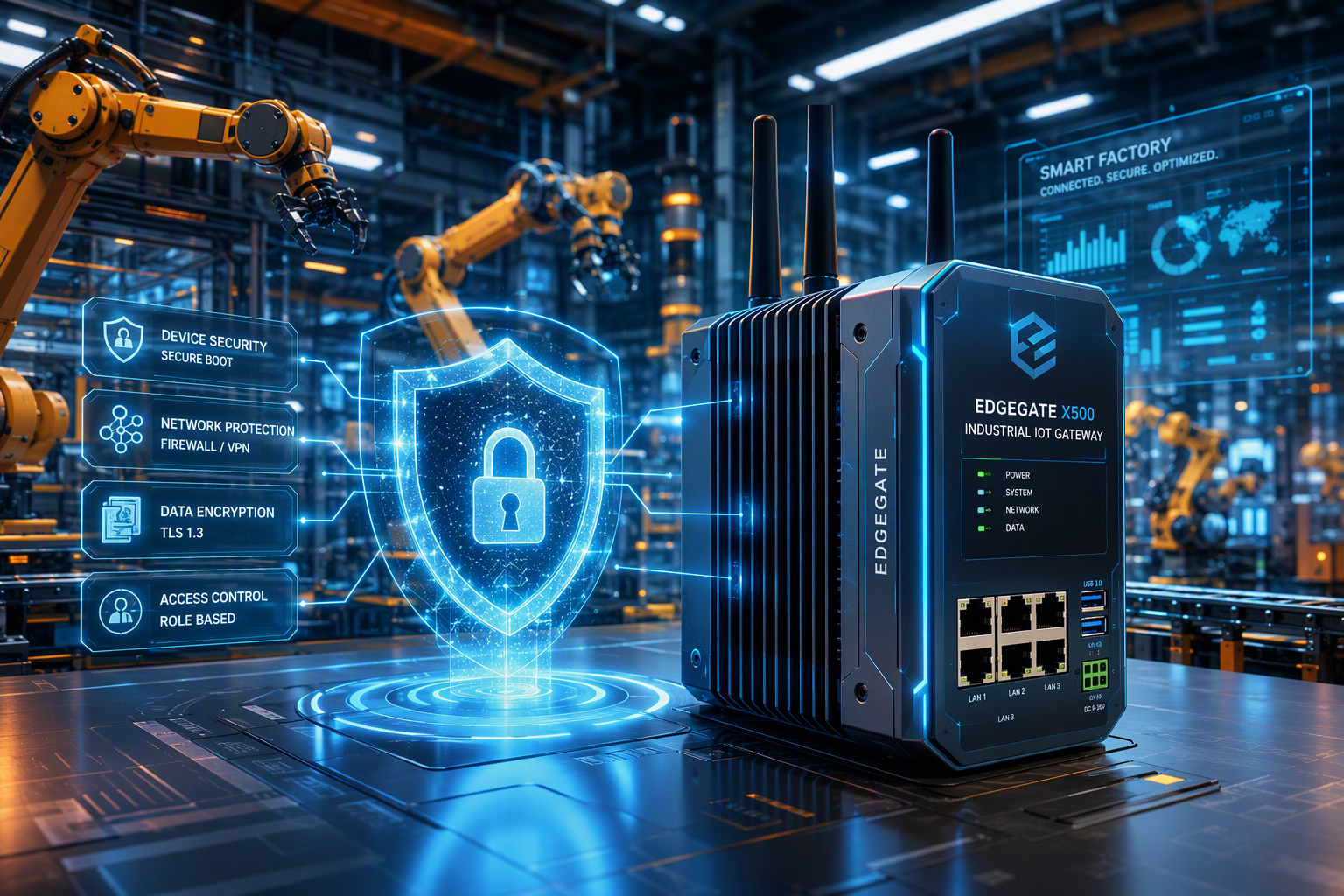
- Review security features for safer plant integration.
Addressing Challenges When Converting Modbus, Profinet, and Other Protocols
Converting between modbus tcp, modbus rtu, profinet, and other standards is practical, but it is not always plug-and-play. Each protocol handles messaging, timing, and data structure in its own way. That means careful configuration is needed before devices can communicate cleanly.
Plants also deal with disparate components from different generations. A serial meter, an Ethernet controller, and a newer I/O platform may all define data differently. If mapping is incomplete or the communication behavior is mismatched, data transmission can become unreliable or confusing.
- Align data structures and point mapping carefully.
- Account for serial versus Ethernet communication differences.
- Check timing needs for real-time or deterministic tasks.
- Test communication thoroughly across all connected components.
Conclusion
In summary, protocol conversion is essential for ensuring seamless communication between various industrial devices, especially as automation technologies evolve. By understanding the differences between protocol converters and gateways, and selecting the right solutions based on compatibility, speed, and security, you can enhance the efficiency of your plant operations. Embracing protocol conversion allows for better integration of legacy systems with modern devices, thereby improving productivity and reducing downtime. If you're ready to optimize your plant floor with the right protocol conversion strategies, don’t hesitate to reach out for a consultation.
Frequently Asked Questions
Can protocol converters enable communication between PLCs and field devices?
Yes. A protocol converter can translate between communication protocols used by programmable logic controllers and a field device. That allows data exchange, command transfer, and status reporting even when the PLC and device were built around different industrial standards.
What are some examples of protocol converters used in plant automation?
Examples include dedicated hardware units for cabinet mounting, embedded modules, modular I/O systems with built-in protocol conversion, edge gateways, and software tools. These different types support industrial automation by connecting fieldbus, serial, Ethernet, and mixed-network environments.
Are protocol converters secure for connecting to modern industrial networks?
They can support secure deployment when chosen and configured properly. In industrial networks, look for features and practices that strengthen access control, security, and reliable operation across operational technology environments. The best fit depends on your architecture, interfaces, and overall plant communication needs.
You might also like