Sustainable Practices in the Industrial Automation Sector Today
Sustainable Practices in the Industrial Automation Sector Today
Key Highlights
- Industrial automation uses control systems and technologies to manage industrial processes with minimal human input, enhancing sustainability.
- The primary types of automation solutions are fixed, programmable, flexible, and integrated, each serving different production needs.
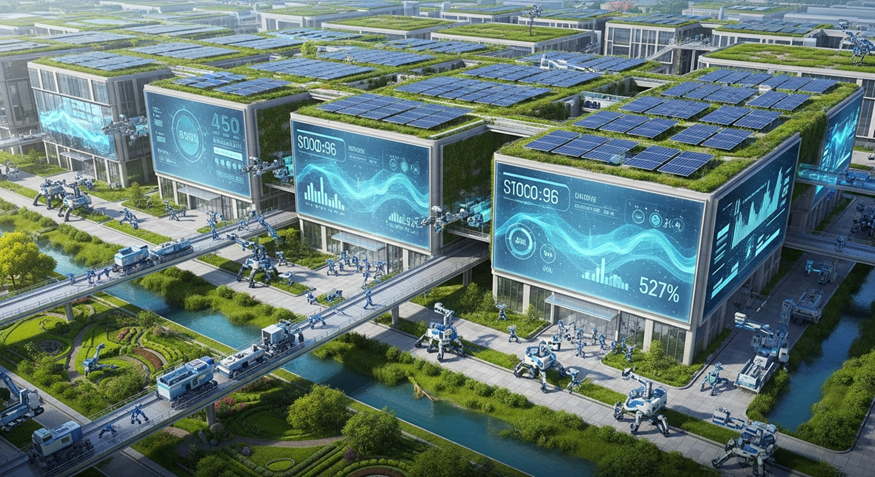
- Embracing sustainable automation helps companies reduce their carbon footprint, improve energy efficiency, and optimize resource management.
- Key technologies like robotics, AI, machine learning, and IoT are driving the shift toward smarter, more sustainable automation.
- Market trends show a growing demand for green technologies and integrated automation solutions, with the market expected to see significant growth by 2033.
Introduction
Welcome to the world of industrial automation, where innovation is reshaping how industries operate. This field uses advanced Industrial Automation Sector technology and control systems to manage industrial processes, moving from manual labor to self-operating machinery. As companies seek greater efficiency and a smaller environmental footprint, sustainable practices are becoming a core part of this transformation. This article explores how industrial automation is paving the way for a more sustainable and productive future in manufacturing and beyond.
Overview of Industrial Automation Sector and Sustainability
Industrial Automation Sector involves using computer-controlled systems to run industrial processes with little human help. It's about shifting from people operating machines to machines operating themselves, guided by human strategy. This evolution is central to modern smart manufacturing.
As market demands shift toward sustainability, automation solutions are being designed to not only boost productivity but also to align with environmental goals. Let's look closer at what industrial automation means today and how it connects with sustainability.
Defining Industrial Automation Sector in Modern Industries
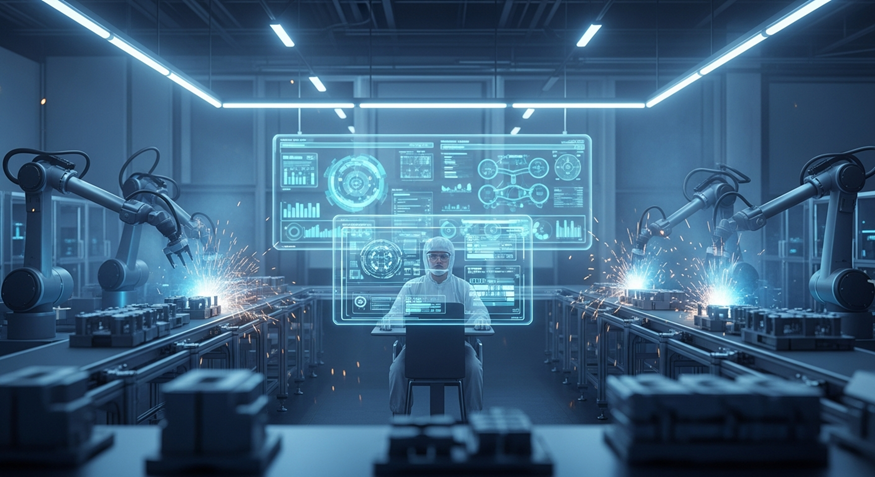
So, what is Industrial Automation Sector? In simple terms, it's the use of automation technology, such as robots and software, to handle repetitive tasks in industrial settings. This reduces the need for constant human intervention, allowing systems to operate more consistently and efficiently. It's the engine behind today's smart factories.
The process functions through a continuous feedback loop. Sensors collect data from the production line, which is then sent to controllers like PLCs. These control systems make decisions based on the data and instruct actuators, motors, and robots to perform physical actions. This entire process happens in real time, enabling the system to self-adjust.
This shift from manual operation to automated control systems means processes are faster, safer, and more scalable. It minimizes the errors associated with manual work and allows employees to focus on more strategic responsibilities, guiding the overall production strategy instead of performing repetitive tasks.
Understanding Sustainability in the Industrial Automation Sector
Sustainability in the Industrial Automation Sector means designing and implementing automation solutions that minimize environmental impact while maximizing operational efficiency. It’s about creating industrial processes that are not just productive but also responsible. This includes reducing energy consumption, minimizing waste, and using resources more effectively.
Industrial automation contributes directly to these goals. For instance, automated systems can optimize energy use by running machinery only when needed or at off-peak hours. Precision control over industrial processes also leads to less material waste. Better quality control, managed by automated systems, reduces the number of defective products that end up as scrap.
Ultimately, sustainability is becoming a key performance indicator for manufacturers. By integrating eco-friendly practices into their automation strategies, companies can meet regulatory requirements, appeal to environmentally conscious consumers, and build a more resilient business model for the future.
Why Sustainable Practices Matter for Industrial Automation Sector Companies
For companies in the Industrial Automation Sector space, adopting sustainable practices is no longer optional—it's a strategic necessity. Sustainability offers a significant competitive edge in a crowded marketplace. Customers are increasingly demanding greener products and transparent supply chains, and companies that can meet these expectations are better positioned for success.
Implementing sustainability also drives innovation. It pushes companies to develop more efficient technologies and processes, leading to better product quality and reduced operational costs. This focus on efficiency naturally aligns with the core benefits of industrial automation, creating a win-win scenario.
Moreover, a commitment to sustainability can enhance a company's brand reputation and attract top talent. Key benefits include:
- Improved Brand Image: Demonstrating a commitment to the environment builds trust with customers and stakeholders.
- Cost Reductions: Energy-efficient systems and waste reduction lead to direct financial savings.
- Future-Proofing Operations: Adhering to environmental regulations and anticipating future trends ensures long-term viability.
Types of Industrial Automation Sector Systems
When exploring Industrial Automation Sector, it’s important to understand that not all systems are the same. Different industrial environments and production needs call for different types of automation. The four main categories are fixed, programmable, flexible, and integrated automation.
Each automation system offers unique advantages depending on the manufacturing process. Choosing the right type of automation is crucial for achieving your production goals, whether you need high-volume output or the ability to adapt to changing market demands. Let’s examine these approaches more closely.
Fixed and Hard Industrial Automation Sector Approaches
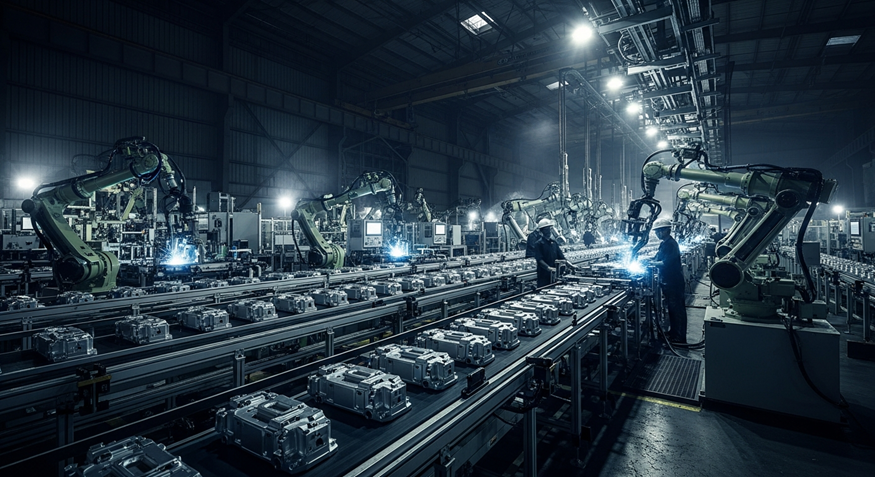
Fixed Industrial Automation Sector, also known as hard automation, is designed for high-volume, repetitive tasks where the product design remains consistent over a long period. This type of industrial automation uses specialized equipment dedicated to performing a single, specific task repeatedly. Think of an assembly line in automotive manufacturing where a machine performs the same weld on every car that passes.
Once set up, these systems operate continuously with high efficiency and speed. The initial investment in specialized machinery is significant, but the cost per unit becomes very low when producing millions of identical items. This makes fixed automation ideal for mass production environments.
The main drawback of this approach is its lack of flexibility. If the product design changes, the entire production line may need to be reconfigured or replaced, which is both costly and time-consuming. Therefore, it's best suited for products with a very long life cycle and stable demand.
Programmable Automation in Manufacturing
Programmable automation offers more flexibility than fixed automation, making it suitable for batch production. In this setup, the automation technology can be reprogrammed to handle different product variations or perform different tasks. This is particularly useful in industries where products are made in batches, such as electronics manufacturing.
The core of programmable automation often involves programmable logic controllers (PLCs) that control the sequence of operations. When a new batch of products needs to be produced, the system can be reprogrammed to accommodate the new specifications. This changeover takes time, but it allows for greater product variety compared to a fixed system.
While the production rate of programmable automation is generally lower than that of fixed automation, its flexibility makes it a valuable choice for businesses with moderate production volumes. It strikes a balance between efficiency and the ability to adapt to periodic changes in product design.
Flexible and Integrated Industrial Automation Sector Solutions
Flexible automation, sometimes called soft automation, is the most adaptable type of system. It allows for rapid changes between different products with minimal downtime. This is achieved using advanced Industrial Automation Sector solutions like industrial robots and smart sensors that can be quickly reconfigured. Flexible automation is ideal for various sectors that require customized products or small-batch production.
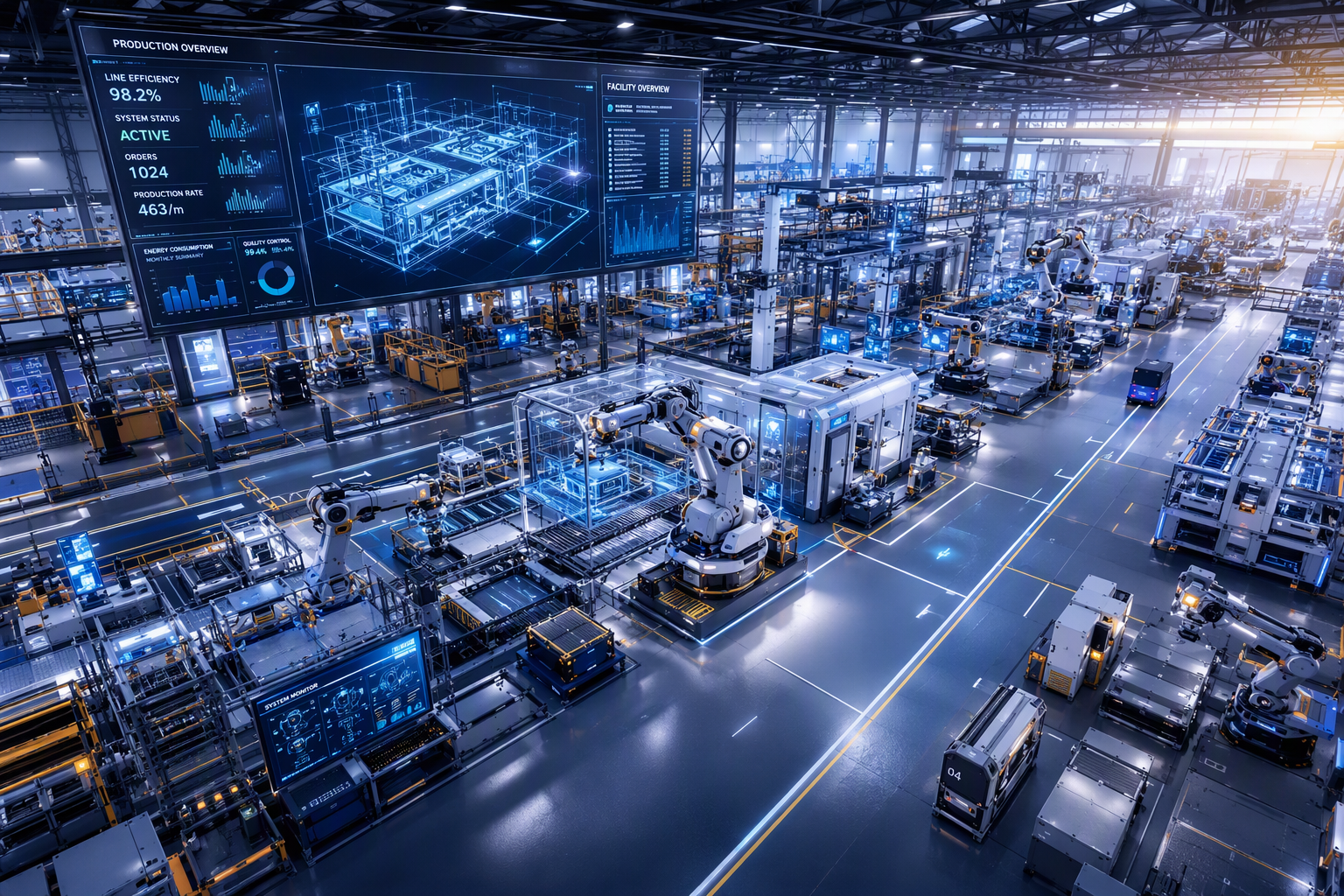
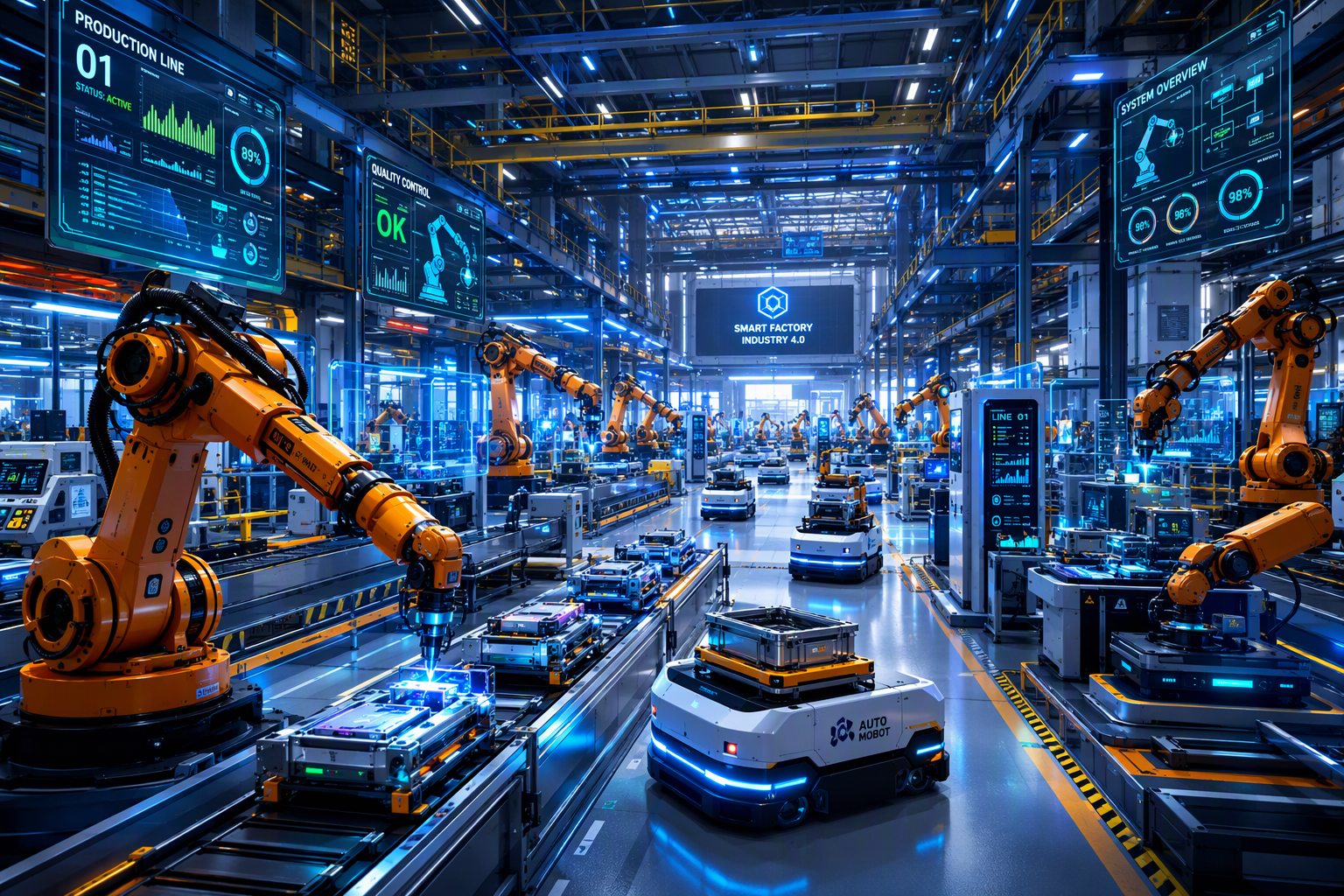
Integrated automation takes this a step further by connecting multiple machines, processes, and control systems into a single, coordinated platform. This is the foundation of the modern smart factory, where every part of the production process communicates in real time. From robots on the line to inventory systems, everything works in sync.
This high level of integration offers significant benefits across the production process, including:
- Reduced Downtime: Systems can predict and address potential issues before they cause a shutdown.
- Improved Consistency: Coordinated operations ensure uniform product quality.
- Enhanced Scalability: Operations can be scaled more efficiently to meet changing demands.
Benefits of Implementing Sustainable Industrial Automation Sector Practices
Adopting sustainable Industrial Automation Sector practices brings a host of benefits that go beyond just being environmentally friendly. By integrating sustainable automation technology, companies can significantly boost their operational efficiency, improve resource management, and gain a stronger competitive position in the market.
These advantages translate into tangible results, from lower operating costs to enhanced brand reputation. Below, we'll explore some of the key benefits, including improved energy efficiency, better operational performance, and smarter use of materials.
Energy Efficiency and Reduced Carbon Footprint
One of the most significant benefits of sustainable Industrial Automation Sector is the improvement in energy efficiency. Automated systems can be programmed to optimize energy consumption, such as shutting down machinery during idle periods or running operations during off-peak hours when energy is cheaper. This not only lowers utility bills but also contributes to a reduced carbon footprint.
Furthermore, modern automation technology is often designed with energy efficiency in mind. Advanced motors, drives, and controllers consume less power while delivering the same or better performance. This focus on operational efficiency means that every aspect of the production process is fine-tuned to use the least amount of energy necessary.
By leveraging automation to monitor and control energy usage in real time, companies can:
- Identify and eliminate energy waste in their processes.
- Optimize machine performance for lower power consumption.
- Make data-driven decisions to further reduce their environmental impact.
Improved Operational Performance
Industrial automation dramatically enhances operational performance by ensuring consistency and precision. Automated systems can perform tasks around the clock without fatigue, leading to a significant increase in productivity. This continuous operation helps companies meet production targets and scale their output without relying on additional manual labor.
Another key aspect is improved quality control. Automation solutions use sensors and machine vision to inspect products with a level of accuracy that is difficult for humans to match. For instance, in the automotive industry, automated systems have reduced error rates from 1-1.5% to as low as 0.00001%. This leads to fewer defects, less rework, and higher customer satisfaction.
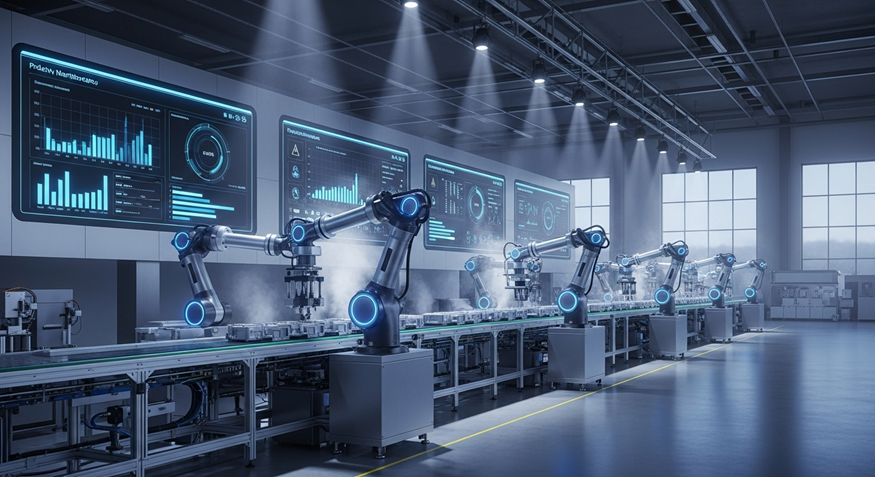
Moreover, technologies like predictive maintenance help improve performance by minimizing unplanned downtime. By analyzing data from machines, these systems can predict when a part is likely to fail and schedule maintenance before a breakdown occurs. This proactive approach keeps the production line running smoothly and extends the life of the equipment.
Enhanced Resource Management
Effective resource management is another major advantage of implementing automation technology. Automated systems can precisely measure and dispense materials, significantly reducing waste in the production process. This is especially valuable in industries where raw materials are expensive. Better material handling also minimizes spills and spoilage, leading to further cost savings.
Automation also enhances supply chain management. Automated data collection provides accurate, real-time information about inventory levels, production status, and material usage. This data allows companies to make informed decisions about procurement and logistics, ensuring that they have the right materials at the right time without overstocking.
By optimizing the use of materials and improving the efficiency of the supply chain, companies can achieve substantial cost savings. Enhanced resource management not only benefits the bottom line but also supports sustainability goals by reducing the overall consumption of raw materials.
Key Technologies Driving Sustainable Automation
The push for sustainable industrial automation is powered by several new technologies that are making factories smarter and more efficient. Innovations in automation technology are enabling companies to achieve new levels of performance while prioritizing sustainability.
Key drivers include robotics, artificial intelligence (AI), machine learning, and the Industrial Internet of Things (IIoT). These technologies work together to create connected, data-driven environments where processes can be monitored and optimized in real time. Let’s look at how these tools are shaping the future of automation.
Robotics in Sustainable Manufacturing
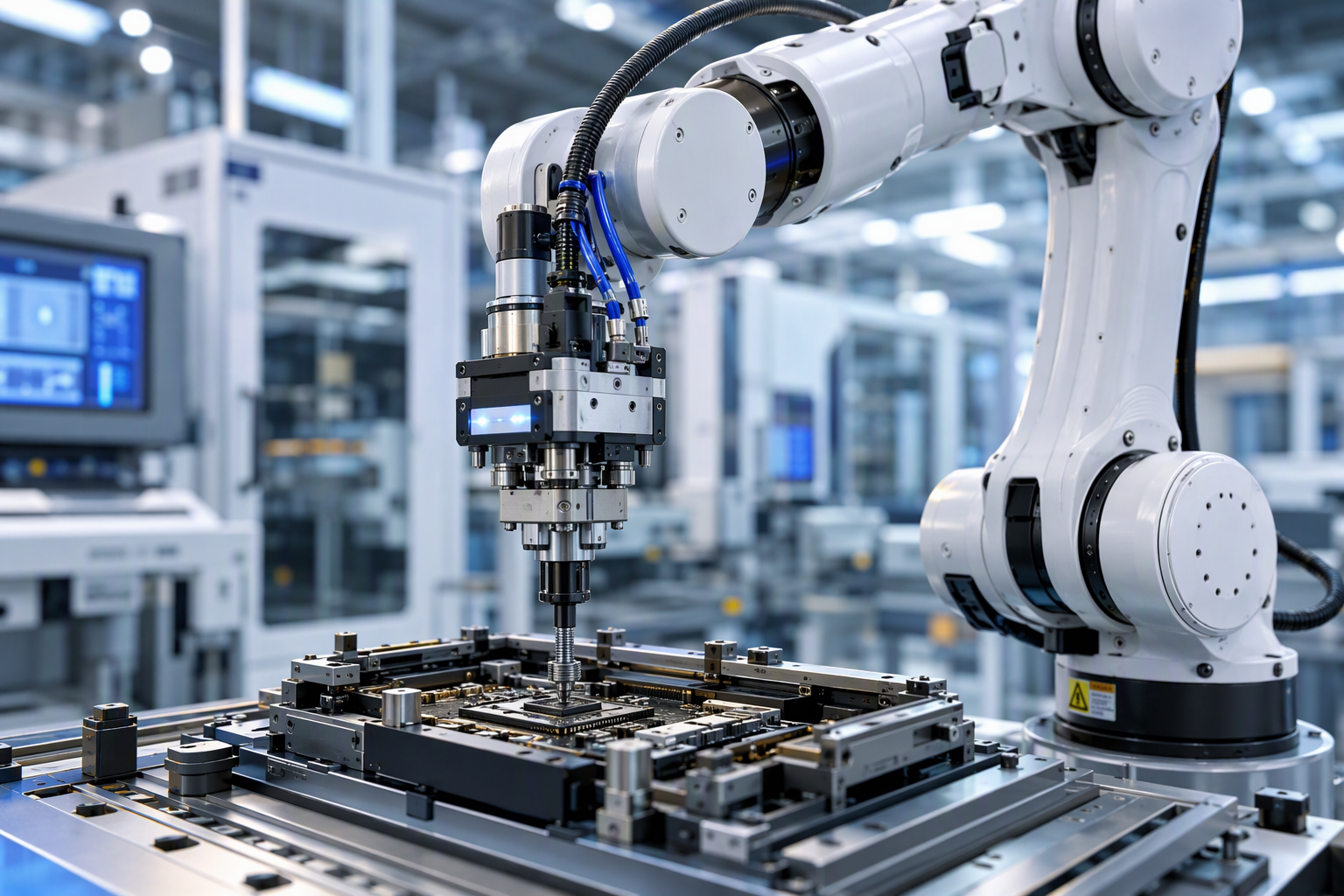
Industrial robots are at the forefront of sustainable manufacturing, handling tasks with a level of precision and consistency that humans cannot match. This precision reduces material waste and ensures higher product quality, minimizing the number of defective items. Robots can also operate in "lights-out" environments, which reduces the need for factory lighting and climate control, saving significant energy.
A growing trend is the use of collaborative robots, or "cobots." These robots are designed to work alongside human employees, taking over repetitive or physically demanding tasks. This improves workplace safety and allows workers to focus on more complex, value-added activities. Automation solutions featuring cobots are becoming increasingly popular for their flexibility.
Combined with machine vision, robots can perform intricate quality control checks on the production line, identifying defects that might be missed by the human eye. This integration leads to:
- Reduced Scrap: Fewer defective products mean less wasted material.
- Higher Efficiency: Robots work continuously without breaks, increasing throughput.
- Improved Safety: Robots handle hazardous tasks, protecting human workers.
Artificial Intelligence and Machine Learning Applications
Artificial intelligence (AI) and machine learning are transforming industrial automation by adding a layer of intelligence to manufacturing operations. These technologies can analyze vast amounts of data from the production process to identify patterns, predict outcomes, and suggest improvements. This allows for real-time optimization of everything from energy consumption to production schedules.
One of the most impactful applications is predictive maintenance. Machine learning algorithms can monitor equipment performance and predict when a component is likely to fail. This allows maintenance to be scheduled proactively, preventing costly unplanned downtime and extending the lifespan of machinery.
AI also plays a crucial role in quality control. By learning from production data, AI systems can identify the root causes of defects and adjust process parameters to prevent them from recurring. This continuous improvement cycle leads to higher product quality and less waste, making the entire production process more sustainable.
IoT and Smart Sensors for Real-Time Monitoring
The Internet of Things (IoT) connects machines, sensors, and control systems across the factory floor, enabling seamless data acquisition and communication. Smart sensors are the eyes and ears of this network, collecting real-time data on everything from temperature and pressure to energy usage and machine health.
This constant stream of data allows for remote monitoring of operations from anywhere in the world. Managers can track performance, identify potential issues, and make adjustments without being physically present on the factory floor. This capability is crucial for managing large-scale or distributed manufacturing operations efficiently.
The integration of IoT and smart sensors drives sustainability in several ways:
- Energy Optimization: Real-time data helps pinpoint energy waste.
- Process Control: Precise monitoring allows for fine-tuning processes to reduce material use.
- Predictive Insights: Data trends can be analyzed to anticipate problems and improve efficiency.
Market Trends Shaping Industrial Automation Sustainability
The industrial automation market is constantly evolving, driven by new technologies, changing consumer demands, and a global push for sustainability. Current market trends reflect a strong focus on creating more efficient, flexible, and environmentally friendly automation solutions.
Companies that stay ahead of these trends can gain a significant competitive edge, optimize their supply chain, and meet the growing demand for sustainable products. Let's examine some of the key trends that are shaping the future of industrial automation.
Adoption of Green Technologies
A major trend in the industrial sector is the widespread adoption of green technologies. Companies are actively seeking ways to reduce their environmental impact, and automation technology is playing a key role in this effort. Green automation focuses on sustainability at every stage, from energy-efficient hardware to processes that minimize waste.
This trend is driven by a combination of factors, including stricter environmental regulations, consumer demand for eco-friendly products, and the long-term cost savings associated with energy efficiency. As a result, automation providers are developing new solutions specifically designed to help companies achieve their sustainability goals.
Key aspects of this trend include:
Growth Forecasts for Sustainable Automation by 2030
The global industrial automation market is poised for substantial growth, with sustainability being a key driver. As market demands for efficiency and eco-friendly production increase, the adoption of sustainable automation solutions is expected to accelerate across the global marketplace. Growth forecasts indicate a strong upward trend for the coming years.
According to market analysis, the industrial automation market is projected to expand significantly. The market was estimated to be valued at USD 261.23 billion in 2026 and is expected to reach USD 455.26 billion by 2033, exhibiting a compound annual growth rate (CAGR) of 9.7%.
This growth reflects the increasing investment by manufacturers in advanced robotics, IoT, and AI-driven technologies to enhance productivity and operational efficiency. The push for digitalization and the adoption of Industry 4.0 principles are fueling this expansion.
| Market Report Scope | Details |
|---|---|
| Base Year | 2025 |
| Market Size in 2026 | USD 261.23 Bn |
| Forecast Period | 2026 to 2033 |
| 2033 Value Projection | USD 455.26 Bn |
| CAGR (2026-2033) | 9.7% |
US-Based Initiatives Supporting Sustainable Automation
In the United States, various initiatives are in place to support the adoption of sustainable automation solutions. These programs, often backed by government agencies, aim to help domestic manufacturers become more competitive by embracing advanced technologies. They provide incentives like tax relief, low-interest loans, and grants for companies investing in automation projects.
These US-based initiatives recognize that modernizing the production process is crucial for long-term industrial competitiveness. By encouraging investments in technologies like robotics and AI, they help companies improve efficiency, reduce costs, and enhance sustainability. For example, some states offer tax credits specifically for investments in industrial robotics.
Providers of automation services are also playing a role by helping businesses navigate these programs and implement the right solutions. As companies look to upgrade their facilities, these initiatives ease the financial burden and accelerate the transition to smarter, more sustainable manufacturing.
Common Challenges in Adopting Sustainable Automation
While the benefits of sustainable industrial automation are clear, the path to adoption is not without its challenges. Companies often face hurdles such as high initial investment costs, a shortage of skilled workers, and difficulties integrating new systems with existing infrastructure.
Understanding these challenges is the first step toward overcoming them. By planning carefully and investing in training, businesses can navigate these obstacles and successfully implement automation technology. Let's explore some of the most common challenges in more detail.
High Initial Investment and Cost Implications
One of the biggest barriers to adopting industrial automation is the high initial investment. Purchasing robots, sensors, and control systems, along with the software to run them, requires significant capital. For small and medium-sized enterprises (SMEs), this upfront cost can be a major deterrent.
The payback period for an automation system can range from two to four years, which may seem long for companies operating on thin margins. This makes it difficult to justify the investment, especially when market conditions are uncertain. However, it's important to look beyond the initial cost and consider the long-term cost savings.
While the initial investment is high, the return on investment (ROI) is substantial. Automation leads to:
- Lower Operating Costs: Reduced labor costs, energy savings, and less material waste.
- Increased Productivity: 24/7 operation without breaks or holidays.
- Enhanced Competitive Edge: Higher quality products and faster production times.
Skill Gaps and Workforce Training Needs
As automation technology becomes more advanced, it creates a demand for new skills. Many companies face a skill gap, where their current workforce lacks the expertise to operate, maintain, and manage new automated systems. This challenges the successful implementation and long-term success of automation projects.
To bridge this gap, significant investment in workforce training is required. Human workers need to be reskilled or upskilled to transition from manual tasks to more technical roles, such as robotics programming, data analysis, and system maintenance. This training ensures that employees can work effectively with new technologies.
The shift in job roles is a critical aspect of the automation journey. While some manual jobs may be displaced, new opportunities are created. By investing in their workforce, companies can ensure a smooth transition and empower their employees to thrive in a more automated environment.
Integration with Existing Legacy Systems
Another common challenge is integrating new industrial automation solutions with existing legacy systems. Many factories operate with a mix of old and new equipment, and getting these different systems to communicate with each other can be complex and costly. Incompatibility issues can lead to delays and disruptions in operational efficiency.
The integration process often requires custom engineering work to create interfaces between legacy systems and modern automation platforms. This can add to the overall cost and complexity of the project. Without proper planning, companies may end up with isolated "islands of automation" that don't work together effectively.
To overcome this challenge, it's important to develop a clear integration strategy from the outset. This may involve phasing out older systems over time or using middleware to connect disparate technologies. A well-planned approach ensures that new automation solutions can be seamlessly integrated to improve overall operational efficiency.
Real-World Examples of Sustainable Automation Practices
To see the true impact of sustainable automation, it's helpful to look at real-world industrial applications. Across various sectors, companies are using automation solutions to enhance efficiency, improve quality control, and advance their sustainability goals.
From the automotive production line to food and beverage processing, automation is making a tangible difference. These examples showcase how different industries are leveraging technology to build smarter, greener operations.
Automotive Sector Success Stories
The automotive manufacturing industry has long been a pioneer in industrial automation. Modern car factories rely heavily on industrial robots for tasks like welding, painting, and assembly. These robots perform with incredible precision and speed, which is essential for maintaining high product quality on a fast-moving assembly line.
In recent years, the use of collaborative robots has also grown. Cobots work alongside human operators, assisting with tasks that require a delicate touch or involve heavy lifting. This collaboration improves both efficiency and worker safety. The result is a more streamlined and safer production environment.
The benefits of automation in this sector are clear:
- Higher Precision: Robots ensure every part is installed correctly, improving overall product quality.
- Increased Speed: Automated assembly lines can produce vehicles much faster than manual methods.
- Reduced Waste: Precise painting and welding processes use less material and energy.
Food and Beverage Industry Automation Upgrades
The food and beverage industry is increasingly turning to industrial automation to meet strict hygiene standards and improve efficiency. Automation solutions are used throughout the production process, from mixing and processing ingredients to filling, packaging, and palletizing finished goods.
Automated systems ensure consistency in batch production, which is crucial for maintaining product quality and taste. For example, computerized control systems can precisely manage mixing times and temperatures, ensuring that every batch meets the exact same specifications. This level of control is also vital for quality control and food safety.
By automating repetitive tasks like packaging and sorting, companies can reduce the risk of contamination and improve workplace ergonomics. This not only leads to a safer and more reliable production process but also helps minimize food waste by reducing errors and ensuring consistent product handling.
Conclusion
In conclusion, the integration of sustainable practices in the industrial automation sector is not just beneficial—it's essential for future growth and environmental well-being. By embracing technologies such as robotics, AI, and IoT, companies can improve energy efficiency, reduce their carbon footprint, and enhance overall operational performance. As industries face challenges like high initial investments and skill gaps, the drive towards sustainability will pave the way for innovation and resilience. The examples from sectors like automotive and food and beverage illustrate the potential for success when sustainable practices are adopted. It's time to take action; if you're ready to transform your operations, reach out for a free consultation to explore how sustainable automation can work for you.
Frequently Asked Questions
How does industrial automation contribute to sustainability efforts?
Industrial automation supports sustainability by enhancing energy efficiency, optimizing processes to reduce material waste, and improving overall resource management. Through precise process optimization and control, it helps companies lower their energy consumption and achieve a reduced carbon footprint, making operations more environmentally friendly.
What are some key technologies enabling sustainable practices in industrial automation?
Key automation technology driving sustainability includes artificial intelligence and machine learning for predictive maintenance and process optimization. The Internet of Things (IoT) and smart sensors enable real-time monitoring to reduce energy and material waste, while advanced robotics perform tasks with high precision to minimize errors and scrap.
What challenges should companies anticipate when transitioning to sustainable automation?
Companies should anticipate challenges like high initial investment costs, skill gaps requiring workforce training, and difficulties with the integration of new automation solutions into legacy systems. Addressing these hurdles through careful planning, financial incentives, and robust training programs is crucial for a successful transition.
You might also like