Enhancing Efficiency with SCADA: Tips and Tricks

Key Highlights
- SCADA systems provide centralized monitoring and control over industrial processes, using integrated hardware and software.
- The core components include RTUs, PLCs, a Human-Machine Interface (HMI), and a communication network.
- Real-time data collection and analysis enable predictive maintenance and optimize operations across various industries.
- Modern cloud-based SCADA solutions offer greater scalability, remote access, and advanced analytics capabilities.
- Implementing a SCADA system improves efficiency, reduces downtime, enhances safety, and helps streamline regulatory compliance.
- Strong cybersecurity measures are crucial to protect these vital systems from unauthorized access and cyber threats.
Introduction
Welcome to the world of industrial automation! If you've ever wondered how large-scale operations like power plants or water treatment facilities run so smoothly, the answer often lies in a powerful technology called SCADA. Standing for supervisory control and data acquisition, SCADA is a system that allows organizations to monitor and manage industrial processes from a central location. It's the brain behind the brawn, ensuring everything from manufacturing lines to energy grids operates efficiently and safely. Let's explore how this technology works.
A SCADA system is a type of industrial control system that gives you a high-level overview of your industrial processes. Think of it as a comprehensive dashboard for your entire operation. It communicates with various field devices like sensors and pumps to gather important information.
This data is then sent back to a central computer, allowing operators to monitor everything
in real time and make smart decisions. Let's look closer at what a SCADA system is and its specific meaning within industrial automation.
What Is SCADA?
In simple terms, a SCADA system, which stands for Supervisory Control and Data Acquisition, is a setup of software and hardware elements that enables you to control processes locally or at remote locations. It's designed to monitor, gather, and process real-time data from your industrial operations.
This system interacts with field devices such as sensors, valves, pumps, and motors. It collects data through these devices and then sends it to a computer with SCADA software. The software processes this information and presents it to a human operator in a clear, graphical format.
Based on the data, an operator can issue control commands to the field devices to adjust the control processes. This allows for precise management of complex industrial environments, ensuring everything runs smoothly and efficiently.

SCADA Meaning in Industrial Automation
In the context of industrial automation, a SCADA system is all about giving you centralized visibility and control. It acts as the nerve center for large-scale operations, making process control much more manageable. Imagine trying to manually oversee every machine in a massive factory or every pump station in a water distribution network—it would be nearly impossible.
The system works by enabling remote monitoring of your equipment and processes. Data is collected from various points and transmitted to a central location. From there, operators can view the status of the entire system on a screen, identify issues, and even make adjustments without being physically present.
This capability for remote access and control is a cornerstone of modern industrial automation. It dramatically improves efficiency, enhances safety by allowing for quick responses to problems, and reduces the need for constant on-site staffing, ultimately saving time and resources.
Core Components of SCADA
To truly grasp how a SCADA system functions, it's helpful to understand its building blocks. The SCADA architecture is composed of several key components, including both hardware devices and sophisticated software, that work together seamlessly. These elements gather, transmit, and display data to enable effective control.
From the devices in the field collecting data to the interface you use to view it, each part has a specific job. We will now look at the essential components, such as remote terminal units, the human-machine interface, and the communication networks that tie it all together.
Remote Terminal Units (RTUs) and Programmable Logic Controllers (PLCs)
At the heart of a SCADA system's data collection are Remote Terminal Units (RTUs) and Programmable Logic Controllers (PLCs). These are small, ruggedized computers located at remote sites, directly connected to field sensors and other equipment. Their primary job is to gather data and execute basic control logic.
PLCs are mini-computers that monitor inputs from devices and make decisions based on their programming. For example, a PLC can read the speed of a motor and send a signal to slow it down if necessary. They are the workhorses that carry out the automated control functions on the plant floor.
RTUs, on the other hand, collect and store information from sensors until they receive a command from the central system to transmit the data. They act as the data collection points for the SCADA system, ensuring that all relevant information from the field is captured and sent for analysis.
Human-Machine Interface (HMI) Functions
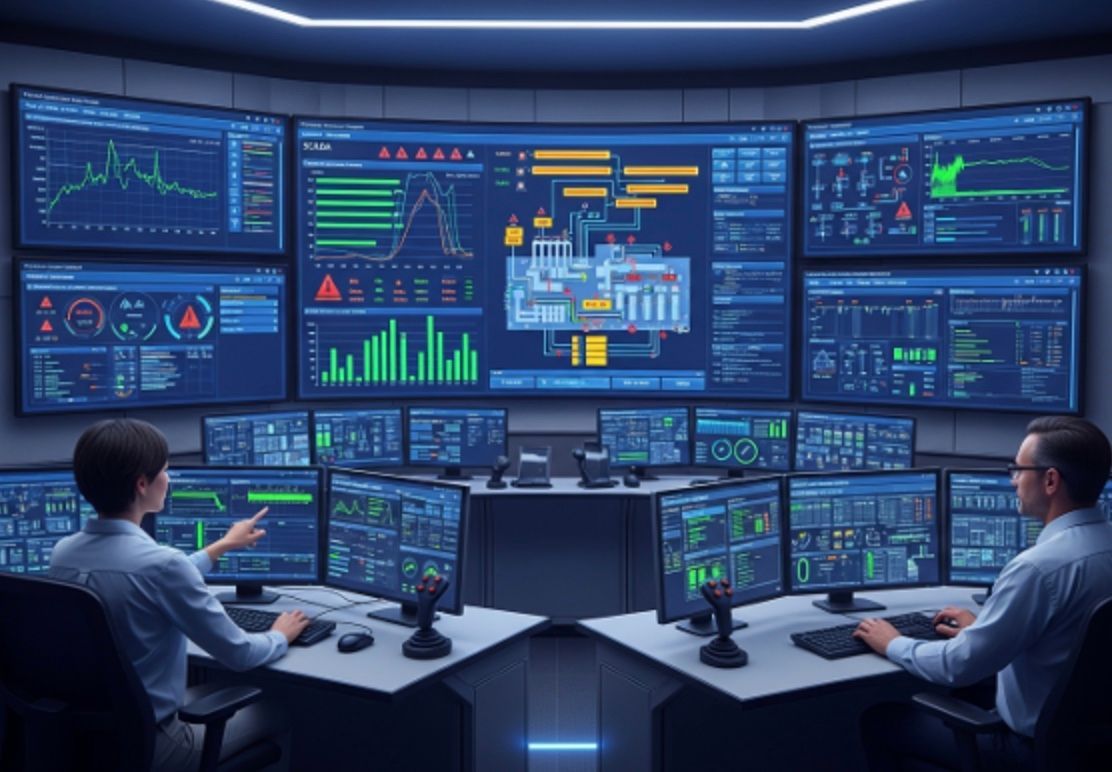
The Human-Machine Interface (HMI) is where people and technology meet. It's a user interface, often a graphical dashboard on a computer screen in a control room, that allows an operator to interact with the SCADA system. The HMI translates complex process data into easy-to-understand visual information like charts, diagrams, and alarms.
Through HMI software, operators can monitor key performance indicators, track production trends, and see the status of all connected equipment in real time. This visual representation is crucial for making quick and informed decisions. For instance, an operator can see a water tank's temperature and pressure levels on the HMI.
Essentially, the HMI provides a window into the entire industrial process. It allows operators to not only see what's happening but also to issue commands, adjust settings, and respond to alarms, all from a centralized location. It's the primary tool for managing and optimizing the system's performance.
Communication Networks and Protocols
The communication network is the backbone of any SCADA system, connecting all the different components so they can talk to each other. This network facilitates data communication between the central control station and the PLCs and RTUs in remote locations. It's the infrastructure that makes remote monitoring and control possible.
These networks can use various technologies, from fiber optic cables and twisted-pair wires to wireless connections like radio or cellular. The key is to have a reliable and secure channel for transmitting data back and forth. This bidirectional communication is essential for sending commands to the field and receiving status updates.
To ensure all devices can understand each other, SCADA systems use standardized communication protocols like Modbus or DNP3. These protocols define the rules for data exchange, ensuring interoperability between components from different manufacturers and helping to prevent unauthorized access to the network.
How SCADA Improves Operational Efficiency
Implementing a SCADA system brings a wealth of benefits, with improved operational efficiency being one of the most significant. By providing real-time data and automated control, these systems help you make smarter, faster decisions. They enable you to optimize processes, reduce waste, and prevent costly downtime.
From predictive maintenance based on data analysis to issuing automated control commands, SCADA is a powerful tool for streamlining your operations. Let's examine how real-time data acquisition, automated control, and smart alarm management contribute to this boost in efficiency.
Real-Time Data Acquisition and Monitoring
One of the greatest strengths of a SCADA system is its ability to perform real-time data acquisition. The system continuously gathers live data from sensors and devices across your entire operation. This information is instantly available to operators, giving them an up-to-the-minute view of everything that is happening.
This constant stream of information is crucial for effective remote monitoring. Operators can watch process variables like temperature, pressure, and flow rates from a central control room, no matter how geographically dispersed the equipment is. This allows for immediate detection of any deviations from the norm.
In addition to live data, SCADA systems also log historical data. This archive of information is invaluable for analyzing trends, troubleshooting problems, and optimizing processes over the long term. By comparing current performance with past data, you can identify opportunities for improvement and make data-driven decisions.
Automated Control and Rapid Response
SCADA systems excel at providing automated control over complex industrial processes. Many control actions are performed automatically by the system's PLCs or RTUs, which are programmed to respond to specific conditions. This automation handles tasks that would be too complex or fast for humans to manage manually.
This level of automation enables a rapid response to changing conditions. For example, if a sensor detects that pressure in a pipeline is too high, the SCADA system can automatically issue a command to open a relief valve, restoring normal levels almost instantly. This immediate action helps ensure stable process control.
By automating these control processes, SCADA significantly reduces the potential for human error. Since the system follows pre-programmed rules precisely, it minimizes mistakes that can lead to production issues, safety hazards, or equipment damage, leading to a more reliable and consistent operation.
Alarm Management and Event Logging
Effective alarm management is a key feature of any SCADA system. The system continuously monitors process data and compares it against predefined thresholds. When a parameter goes outside its normal operating range, an alarm is triggered to notify operators of a potential issue, allowing for swift corrective action.
These alarms are crucial for preventing equipment failure, ensuring safety, and minimizing downtime. By alerting operators to abnormal conditions, the system helps you address problems before they escalate into major incidents. This proactive approach can significantly reduce maintenance costs and production losses over time.
Alongside alarms, SCADA systems perform detailed event logging. Every alarm, operator action, and system change is recorded in a log file. This historical record is an invaluable tool for troubleshooting, analyzing incidents, and proving regulatory compliance. It provides a clear timeline of events, helping you understand what happened and why.
SCADA vs. Other Control Systems
In the world of industrial automation, SCADA is not the only type of control system available. You might also hear about technologies like Distributed Control Systems (DCS) and Programmable Logic Controllers (PLCs). While they all play a role in process control, they serve different purposes and have distinct characteristics.
Understanding the differences is key to choosing the right solution for your needs. We'll compare the SCADA system to a DCS, clarify its relationship with PLCs, and discuss how it integrates with more advanced management platforms.

Comparing SCADA with Distributed Control Systems (DCS)
While both SCADA and Distributed Control Systems (DCS) are used for industrial automation, they are designed for different types of applications. A SCADA system is typically more event-driven and focuses on gathering data from geographically dispersed assets. It excels at intermittent monitoring and supervisory control over large areas.
A DCS, on the other hand, is more process-driven. It is usually found within a single plant or facility and provides continuous, high-speed control over complex, integrated processes. Its software components are tightly integrated to manage every aspect of production in real time.
The choice between them often comes down to the nature of the operation. SCADA is ideal for monitoring pipelines or power grids, while a DCS is better suited for managing a chemical plant or refinery where thousands of variables need constant adjustment.
| Feature | SCADA System | Distributed Control System (DCS) |
|---|---|---|
| Primary Focus | Supervisory monitoring and data acquisition over wide areas | Continuous process control within a single plant |
| Architecture | More flexible and open, often using COTS components | More integrated and proprietary |
| Data Handling | Event-driven, focuses on collecting and logging data | Process-driven, focuses on real-time control loops |
| Typical Use | Utilities, pipelines, transportation networks | Refineries, chemical plants, power generation stations |
SCADA vs. PLC: Main Differences
It's common to hear SCADA and Programmable Logic Controllers (PLCs) mentioned together, but they are not the same thing. The primary difference lies in their function and scope within a control system. A PLC is a hardware-based controller that directly interacts with industrial equipment on the plant floor.
PLCs execute the detailed, real-time control logic needed to operate a specific machine or process. They read inputs from sensors and send outputs to actuators, functioning autonomously based on their programming. Think of a PLC as the hands-on worker directly managing a piece of machinery.
In contrast, a SCADA system provides high-level supervision. It is a software-based system that oversees multiple PLCs and other devices. SCADA gathers data from the PLCs, visualizes it for operators, and allows for centralized management and command. In this relationship, the SCADA system is the supervisor, and the PLC is the operator on the front line.
Integration with Advanced Process Management (APM)
While a SCADA system is excellent for collecting process data and enabling process control, its true power can be unlocked when integrated with an Advanced Process Management (APM) solution. APM platforms take the raw data from SCADA and apply advanced analytics and AI-driven diagnostics to it.
This integration moves you beyond simple monitoring into the realm of predictive maintenance. By analyzing historical and real-time data, an APM system can predict potential equipment failures before they happen. This allows you to schedule maintenance proactively, reducing unplanned downtime and extending asset life.
Combining SCADA's remote management capabilities with APM's analytical power creates a highly efficient operational ecosystem. You not only see what's happening now but also get actionable insights into what might happen next. This synergy bridges the gap between data collection and strategic action, maximizing reliability and performance.
Applications of SCADA Across Industries
The versatility of SCADA makes it a cornerstone of industrial automation across a vast range of sectors. Wherever there are complex industrial operations, especially those spread across remote sites, you are likely to find a SCADA system at work. It helps organizations manage production processes and maintain high quality standards.
From ensuring the lights stay on to making sure your food is safe, SCADA plays a crucial role in our daily lives. Let's explore some of the specific applications in energy and utilities, manufacturing, and the food and beverage industry.
Energy, Utilities, and Water Management
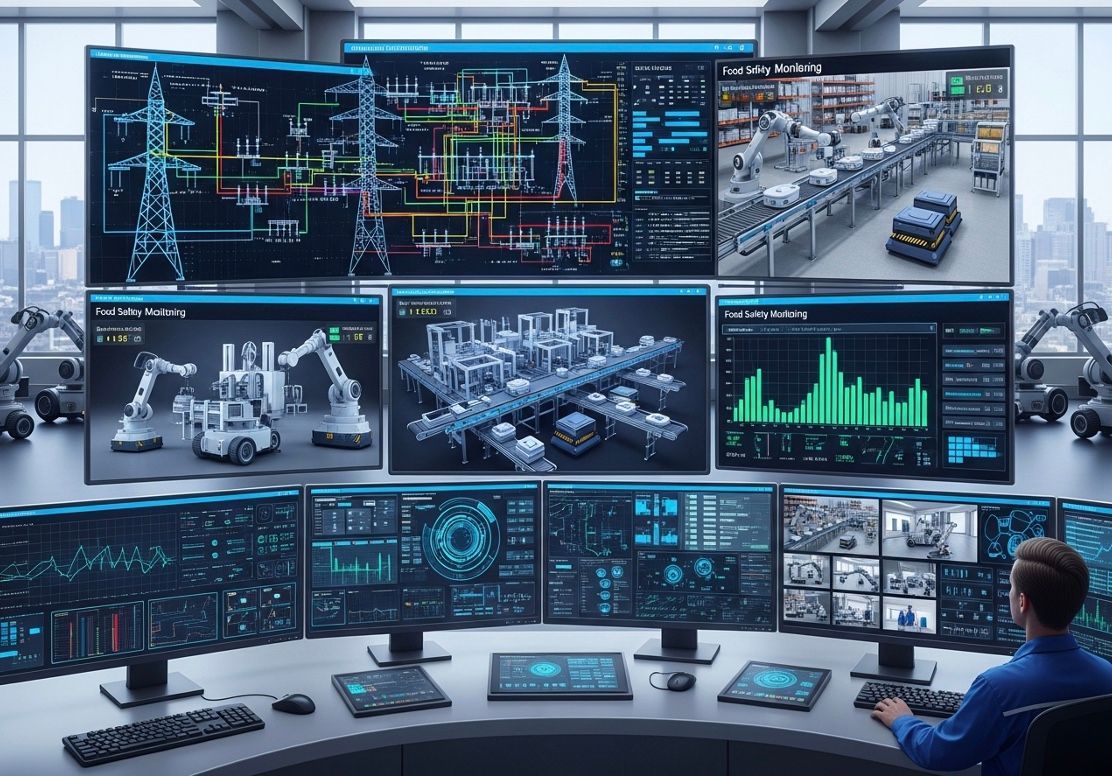
The energy and utilities sector relies heavily on SCADA systems to manage critical infrastructure. In power distribution, SCADA is used to monitor power grids, control substations, and ensure a reliable supply of electricity. It allows utility firms to detect faults and restore power remotely, minimizing outages.
For water management, these systems are essential. They monitor and control everything from water treatment plants to pump stations and storage tanks. Operators can track water levels, manage chemical dosing, and ensure the entire system operates efficiently and safely, protecting a vital public resource.
Because power grids and water systems are so crucial, SCADA helps safeguard this infrastructure from cyber threats and operational failures. By providing continuous monitoring and alarm processes, SCADA enables firms to intervene quickly if activity deviates from the norm, ensuring reliability and security.
Manufacturing and Production
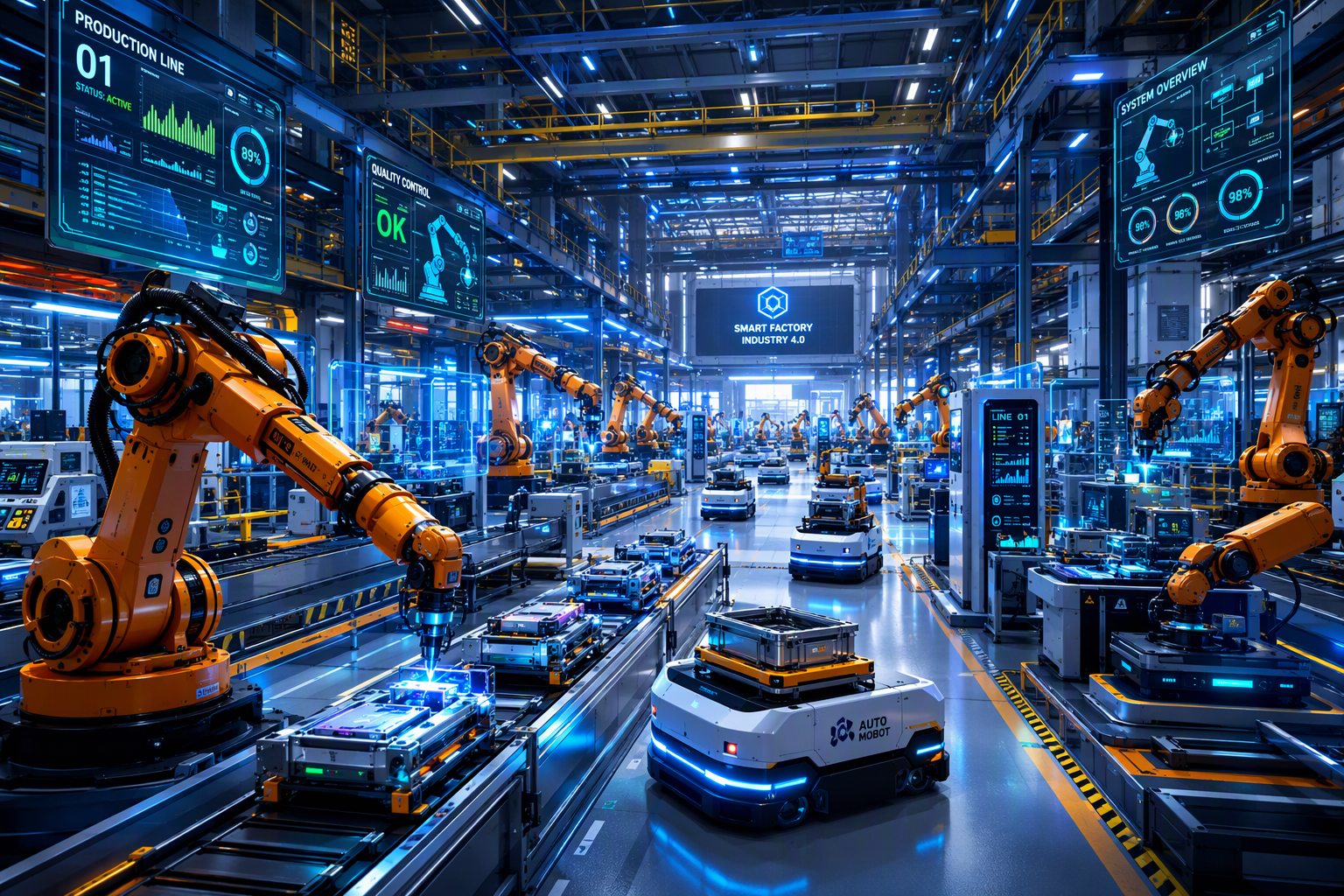
In the manufacturing industry, SCADA systems are used to oversee and optimize complex production processes. They provide a centralized view of the entire plant floor, allowing managers to monitor machine performance, track production metrics, and manage energy consumption effectively.
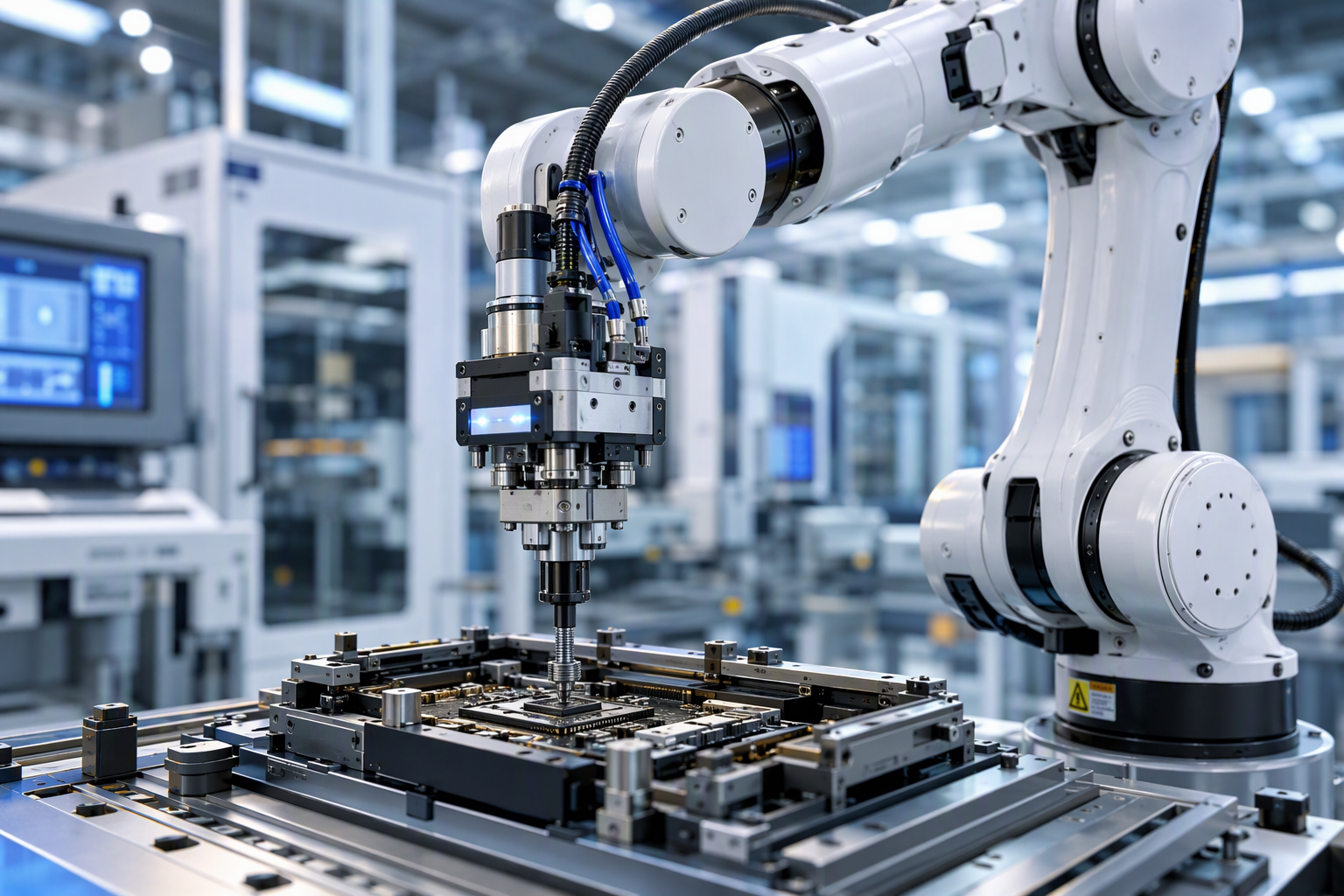
By collecting process data from industrial equipment, SCADA helps manufacturers improve efficiency and quality. For example, it can monitor the temperature of an oven, the speed of a conveyor belt, or the output of a robotic arm. This information allows operators to make real-time adjustments to keep production running smoothly.
This level of oversight ensures that production targets are met while maintaining high standards. It also helps in identifying bottlenecks in the production line and optimizing the use of resources. Ultimately, SCADA enables manufacturers to produce more, waste less, and respond faster to changing demands.
Food, Beverage, and Pharmaceuticals
In the food, beverage, and pharmaceutical industries, maintaining strict quality standards is paramount. SCADA systems play a vital role in ensuring that products are safe and consistent. In food processing, for instance, SCADA can monitor and control critical parameters like temperature, cooking times, and ingredient mixing.
This precise data collection and control help companies meet regulatory requirements and improve product quality and yield. By automating processes, SCADA minimizes the risk of human error, which is especially important in industries where even small deviations can have significant consequences.
Pharmaceutical firms also use SCADA software solutions to ensure their equipment works at optimal levels and to maximize production. The system's ability to log all process data provides a detailed record for compliance and quality assurance, helping to reduce maintenance costs and keep wastage to a minimum.
The Role of Operators in SCADA Efficiency
While SCADA systems automate many tasks, human operators still play a crucial role in ensuring overall efficiency. From the control room, operators are the ones who interpret the data, make high-level decisions, and respond to unexpected events. Their skill and judgment are essential for managing the system effectively.
A well-designed user interface can empower operators, while poor design can lead to confusion and human error. Let’s look at how interface design and the availability of manual overrides are key to maximizing the effectiveness of the human-in-the-loop.
User Interface Design and Customization
The design of the user interface is critical to an operator's ability to effectively manage a SCADA system. A good HMI software presents information clearly and intuitively, allowing operators to quickly assess the situation and take appropriate action. Customization is key to making the interface work for your specific needs.
Modern SCADA software applications offer extensive customization options. You can tailor the graphical displays to match your plant's layout, prioritize the most important data, and configure alarms to be as informative as possible. This ensures that operators have the right information at their fingertips.
An effective user interface should:
- Provide a clear and uncluttered view of the process.
- Use color and graphics strategically to highlight important information and alarms.
- Be easy to navigate, allowing operators to quickly access detailed information when needed.
Manual Overrides and Safety Protocols
Even in a highly automated system, there are times when a human needs to take direct control. This is where manual overrides come in. These functions allow an operator to bypass the automated control logic and intervene directly, which can be crucial during emergencies or unique operational situations.
However, the use of manual overrides must be governed by strict safety protocols. Uncontrolled or improper use of overrides can introduce risks and lead to human error. A well-designed system will require proper authorization for overrides and log every manual action for later review.
These safety measures are part of a broader strategy that includes effective alarm management. By providing clear procedures for both automated responses and manual interventions, you can create a system that is both flexible and safe, balancing the power of automation with the necessity of human oversight.
Enhancing Security in SCADA Systems
As SCADA systems become more connected, especially with the rise of remote access, SCADA security becomes increasingly important. These systems control critical infrastructure, making them a valuable target for cyber threats. Protecting your industrial control system from unauthorized access is not just an IT issue; it's a matter of operational safety and public security.
A security breach could lead to equipment damage, production shutdowns, or even environmental and public safety incidents. Understanding the risks and implementing robust security measures is essential. Let's explore the common threats and the best practices for keeping your system secure.
Common Security Risks
SCADA systems face a variety of security risks that can compromise their integrity and availability. One of the most significant threats is unauthorized access, where malicious actors gain entry to the control network. This can happen through vulnerabilities in software, weak passwords, or unsecured remote access points.
Once inside, attackers can launch various cyber threats. They might attempt to steal sensitive operational data in a data breach, inject malware to disrupt processes, or issue false commands to cause physical damage. The increasing connectivity of these systems to corporate networks and the internet expands the potential attack surface.
Key security risks to be aware of include:
- Insider threats, both malicious and accidental, from employees with access to the system.
- Zero-day attacks that exploit previously unknown vulnerabilities in SCADA software.
- Lack of security training for employees, making them susceptible to phishing and other social engineering tactics.
Best Practices for Cybersecurity
To protect your SCADA system, a multi-layered approach to cybersecurity is essential. Implementing strong security measures helps create a resilient defense against threats. One of the first steps is to map out your network to understand all connection points and potential vulnerabilities.
From there, you can implement technical controls. This includes using firewalls to segment the control network from other networks, ensuring all software components are regularly updated and patched, and enforcing strong access control policies to limit user privileges.
Here are some best practices for SCADA security:
- Implement robust detection and monitoring systems to spot suspicious activity in real time.
- Provide regular security training for all employees to build awareness of cyber threats.
- Develop and practice an incident response plan so you know exactly what to do if a breach occurs.
Tips and Tricks to Maximize SCADA Performance
Once your SCADA system is up and running, the journey doesn't end. To get the most out of your investment, you need to actively manage and optimize its performance. Proactive system maintenance and leveraging advanced analytics are key strategies for industrial organizations looking to enhance efficiency.
By fine-tuning your SCADA solutions, you can ensure they continue to deliver maximum value. Let's look at a few tips and tricks, focusing on regular maintenance and making the most of your data.
System Maintenance and Regular Upgrades
Just like any other critical asset, your SCADA system requires regular system maintenance to perform optimally. This includes checking the health of hardware components, verifying network connections, and ensuring that all field devices are communicating correctly. Proactive maintenance helps prevent unexpected failures.
Keeping your system up-to-date with regular upgrades and software updates is also crucial. Vendors frequently release patches to fix bugs, address security vulnerabilities, and add new features. Staying current not only improves security but also gives you access to the latest capabilities.
A consistent maintenance schedule can help lower long-term maintenance costs by catching small issues before they become big problems.
Key maintenance activities include:
- Regularly backing up system configurations and historical data.
- Reviewing alarm logs to identify recurring issues.
- Periodically testing failover systems and manual override functions.
Optimizing Data Analysis and Reporting
Your SCADA system is a treasure trove of process data, but the data is only valuable if you use it effectively. Optimizing your data analysis and reporting processes can unlock powerful insights into your operations. Start by defining the key performance indicators (KPIs) that matter most to your business.
Use the historical data logged by your system to analyze long-term trends. Are certain machines failing more often than others? Is energy consumption higher during specific shifts? This type of analysis can reveal hidden inefficiencies and opportunities for improvement.
Consider leveraging advanced analytics tools to dig even deeper. These tools can identify complex patterns and correlations in your data that might not be obvious through standard reporting. By transforming raw data into actionable intelligence, you can make smarter, more strategic decisions to drive your business forward.
Evolution of SCADA Technology
SCADA technology has come a long way since its early days. What started as monolithic, standalone systems has evolved into highly connected, intelligent software solutions. This evolution has been driven by advances in networking, computing power, and software development, fundamentally changing the landscape of industrial automation.
The rise of cloud computing and the Internet of Things (IoT) has had a particularly profound impact. Let's trace the journey from traditional SCADA to modern, cloud-based solutions and explore how IoT is shaping the future of this technology.
Traditional SCADA vs. Modern Cloud-Based Solutions
Traditional SCADA systems were typically hosted on-premise, requiring significant investment in local hardware and infrastructure. While reliable, these systems were often limited in terms of scalability and remote access. Data was confined to the local network, making enterprise-wide visibility a challenge.
In contrast, modern SCADA is increasingly leveraging cloud computing. These cloud-based software solutions offer incredible flexibility and scalability. You can access real-time data and perform remote management from anywhere with an internet connection, using a web browser or mobile app.
This shift to the cloud also reduces the burden of managing physical servers. Hosted by third-party providers, these solutions can be more cost-effective, especially for smaller organizations. However, this increased connectivity also means that strong cybersecurity measures are more important than ever to protect your data.
Impact of Internet of Things (IoT) on SCADA
The Internet of Things (IoT) is revolutionizing SCADA systems by dramatically increasing the amount of data available for analysis. IoT involves deploying vast networks of small, low-cost field sensors that can collect a wide variety of raw data from industrial processes. This goes far beyond what traditional systems could capture.
This flood of data provides unprecedented visibility into every aspect of an operation. Instead of just monitoring a few key variables, you can now track hundreds or even thousands of data points in real time. This granular detail allows for much more sophisticated control logic and optimization.
The integration of IoT with SCADA enhances the system's ability to monitor, analyze, and control industrial processes. It enables more precise predictive maintenance, better resource management, and a deeper understanding of operational performance, ultimately leading to smarter and more efficient industrial automation.
Popular SCADA Software Options
If you're considering implementing a SCADA system, you'll find a wide range of SCADA software options on the market. Many different manufacturers offer powerful software applications, each with its own set of features, strengths, and ideal use cases. Choosing the right one depends on your specific industry, scale of operations, and technical requirements.
Navigating this landscape can be challenging. To help you get started, let's look at some of the leading vendors in the United States and discuss the key features you should consider when making your choice.
Leading SCADA Vendors in the United States
The market for SCADA software is home to several major players known for their robust and scalable solutions. These vendors serve a wide range of industrial organizations, from small businesses to large enterprises with complex, distributed operations.
One of the prominent names in the industry is Schneider Electric. The company offers a suite of SCADA software designed for everything from simple HMI applications to large SCADA systems that manage critical infrastructure. Their products are widely used in sectors like energy, water, and manufacturing.
When exploring your options, it's worth investigating vendors that have a strong track record in your industry. Other leading providers for industrial organizations to consider include:
- Siemens, with its WinCC platform.
- Rockwell Automation, offering the FactoryTalk View suite.
- Inductive Automation, known for its Ignition SCADA platform.
Features to Consider When Choosing SCADA Software
When evaluating different SCADA software applications, it's important to look beyond the price tag and consider the features that will best support your operational needs. Scalability is a key factor. Choose a system that can grow with your business, whether you're adding new equipment or expanding to new sites.
The quality of the HMI software is also crucial. Look for a platform that offers an intuitive, customizable interface and powerful visualization tools. The ability to build clear and informative dashboards will directly impact your operators' effectiveness. Also, consider the system's data collection and logging capabilities for real-time analysis and reporting.
Important features to look for include:
- Compatibility with a wide range of hardware and communication protocols.
- Robust security features to protect against cyber threats.
- Strong reporting and analytics tools for turning data into insights.
Conclusion
In conclusion, implementing SCADA systems can significantly enhance operational efficiency across various industries. By maximizing real-time data acquisition, automated control, and effective alarm management, SCADA empowers businesses to streamline processes and reduce downtime. Additionally, understanding the differences between SCADA and other control systems enables companies to make informed decisions regarding their automation needs. With the right tips and tricks in place—such as regular maintenance and optimizing data analysis—organizations can unlock the full potential of SCADA technology. Don't wait any longer to elevate your operations; get in touch today to explore how SCADA can transform your business!
Frequently Asked Questions
Can you implement SCADA in small manufacturing businesses?
Yes, absolutely. Modern, scalable SCADA system options, especially cloud-based solutions, have made industrial automation accessible for small manufacturing businesses. They can start with a smaller control system for essential process control and expand it as their needs grow, improving efficiency without a massive upfront investment.
How do you choose the right SCADA system for your industry?
Choosing the right SCADA system involves assessing your specific needs. Consider the scale of your control processes, your data analysis requirements, and your budget. Evaluate different software solutions and vendors with experience in your industry to find a system that fits your industrial organization's unique operational demands.
What troubleshooting tips help resolve common SCADA issues?
For common SCADA issues, first check network connectivity and device communication logs. Reviewing alarm histories can also pinpoint recurring problems. Regular system maintenance is the best troubleshooting tool, as it prevents many issues from occurring and can help lower long-term maintenance costs for your control system.
You might also like