SCADA in Action: Real-World Applications and Use Cases
SCADA in Action: Real-World Applications and Use Cases
Key Highlights
- A SCADA system provides centralized monitoring and process control for industrial automation.
- It uses data acquisition from field devices to optimize complex industrial processes.
- Key components include sensors, PLCs, RTUs, communication networks, and the Human-Machine Interface (HMI).
- SCADA solutions enhance efficiency, reduce downtime, and improve safety across various industries.
- Modern systems integrate with IoT and cloud computing for advanced analytics and remote management.
- This industrial control system is essential for sectors like energy, water management, and manufacturing.
Introduction
Have you ever wondered how large-scale industrial operations, like power grids or water treatment plants, run so smoothly? The answer often lies in a powerful technology called SCADA. Standing for Supervisory Control and Data Acquisition, a SCADA system is the backbone of modern industrial automation. It provides operators with the tools for supervisory control over vast and complex processes, ensuring everything runs efficiently and safely. This technology has become critical for managing the intricate systems that power our daily lives.
Understanding SCADA: Foundations and Core Concepts
At its core, a SCADA system is a setup of software and hardware elements that allows organizations to monitor and manage industrial processes. This control system excels at data acquisition from remote locations, bringing all the information to a central point for analysis and action.
Through remote monitoring and process control, operators can oversee everything from a single interface. This capability is fundamental to industrial automation, enabling efficient management of industrial processes without needing to be physically present at every machine or sensor. The system uses control logic to automate and streamline operations. Let's look closer at what this means in practice and how it has evolved.
Simple Definition and Everyday Relevance of SCADA
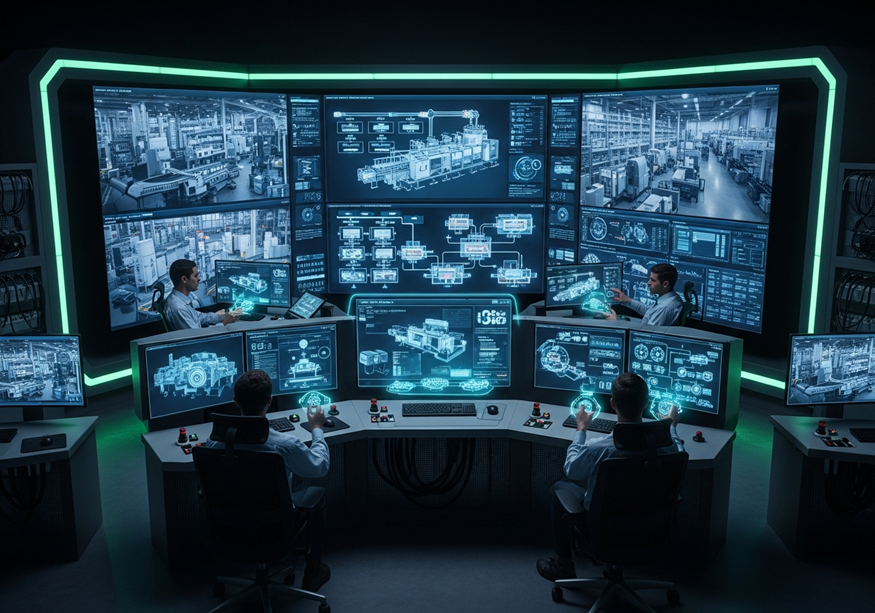
In simple terms, a SCADA system acts as a central nervous system for industrial operations. Imagine it as a sophisticated remote control that not only lets you see what's happening in a factory or across a utility network but also allows you to make adjustments from a control room. This control system gathers process data from sensors and equipment, presenting it in an easy-to-understand format.
The everyday relevance of SCADA is more significant than you might think. It's the technology that helps ensure your lights stay on by managing power grids. It also plays a role in making sure your tap water is clean by overseeing water treatment plants. From managing traffic lights to streamlining manufacturing production lines, SCADA is a hidden but essential part of modern life.
Without this level of industrial automation, managing these large-scale processes would be incredibly difficult and inefficient. SCADA provides the real-time visibility and control needed to keep critical infrastructure running smoothly and safely.
Evolution of SCADA Technology Over Time
The evolution of the SCADA system is a fascinating journey. It began in the 1960s with centralized mainframe computers designed for industrial process automation. These early systems were monolithic, meaning all functions were contained in a single, standalone unit without network connectivity. They were groundbreaking but limited in flexibility and scalability.
As technology progressed through the 1980s and 90s, SCADA systems became networked, allowing for distributed control and greater accessibility. The introduction of programmable logic controllers (PLCs) and remote terminal units (RTUs) enabled more sophisticated data collection and local control. This shift made systems more resilient and efficient.
Today, modern SCADA has embraced cloud computing and the Internet of Things (IoT). This integration allows for powerful advanced analytics, remote access from mobile devices, and predictive maintenance using historical data. This advanced technology makes today's industrial operations smarter and more connected than ever before.
How SCADA Systems Work in Practice
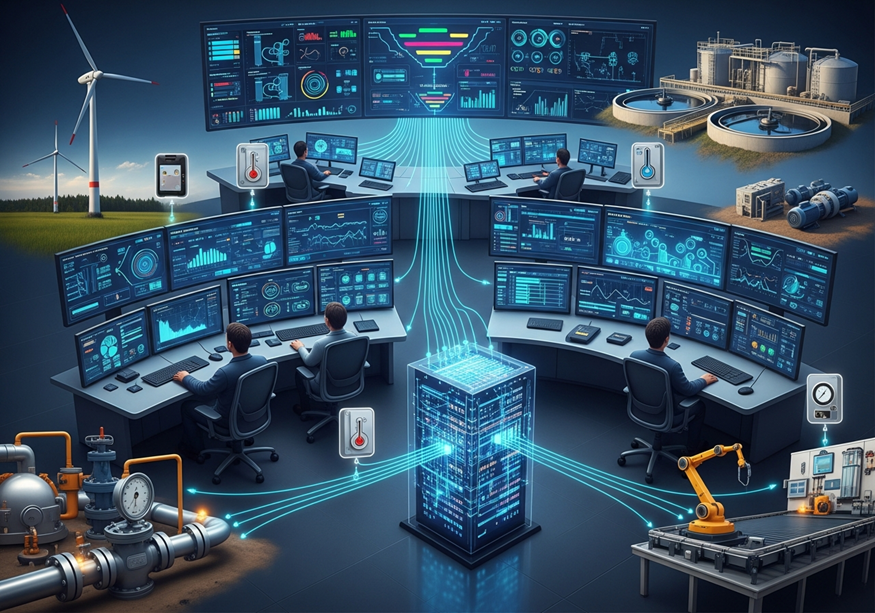
A SCADA system functions by seamlessly connecting various components to direct industrial processes in real time. The process starts with data acquisition, where information is collected from numerous field devices like sensors and meters spread across a facility or geographical area.
This data is then sent to a central system for processing and analysis. Operators can monitor the information and issue control commands to the field devices, adjusting settings or responding to alerts. This cycle of data collection, monitoring, and remote management allows for precise control logic and automation, ensuring operations run smoothly and efficiently. We will now explore the specific processes of data collection and automation.
Data Acquisition and Real-Time Monitoring
The foundation of any SCADA system is its ability to perform data acquisition. This process involves the continuous data collection of process data from field sensors and other devices. These sensors measure variables like temperature, pressure, flow rate, and equipment status.
This raw sensor data is then transmitted to a central control system for processing. Here, the system provides real-time monitoring capabilities, allowing operators to see exactly what is happening at any given moment. This immediate feedback is crucial for making timely and informed decisions to maintain operational efficiency.
The system continuously tracks this information against predefined thresholds. Key aspects of this process include:
- Collecting data from numerous field devices.
- Transmitting sensor data to a central SCADA server.
- Processing and displaying the information for operators.
- Alerting operators to any anomalies or deviations from normal operating conditions.
Control and Automation Processes
Beyond just monitoring, SCADA systems provide powerful control and automation capabilities. The control system allows authorized operators to interact with industrial equipment and adjust its performance remotely. Based on the real-time data they see, operators can send commands to change set points, start or stop machinery, or modify other process variables.
This function is driven by sophisticated control logic. Many automation processes are pre-programmed into the system, enabling it to respond automatically to certain conditions without human intervention. For example, if a tank's water level gets too high, the system can automatically shut off the inflow pump.
These automation processes streamline operations, reduce the need for manual adjustments, and minimize the chance of human error. By combining real-time data with intelligent control logic, these key components of SCADA ensure precise process control and help maintain safety and efficiency across the entire operation.
Essential Components of a SCADA System
A functional SCADA system is made up of several key components that work in harmony. These can be broadly categorized into hardware devices, software components, and the communication networks that link them all together. The hardware includes the field devices and field sensors that gather data directly from the industrial environment.
The software is what processes this data and presents it to the operator through a Human-Machine Interface (HMI). Finally, communication protocols ensure that information flows securely and reliably between all parts of the system. Let’s break down these essential elements further.
Hardware: Sensors, RTUs, and PLCs
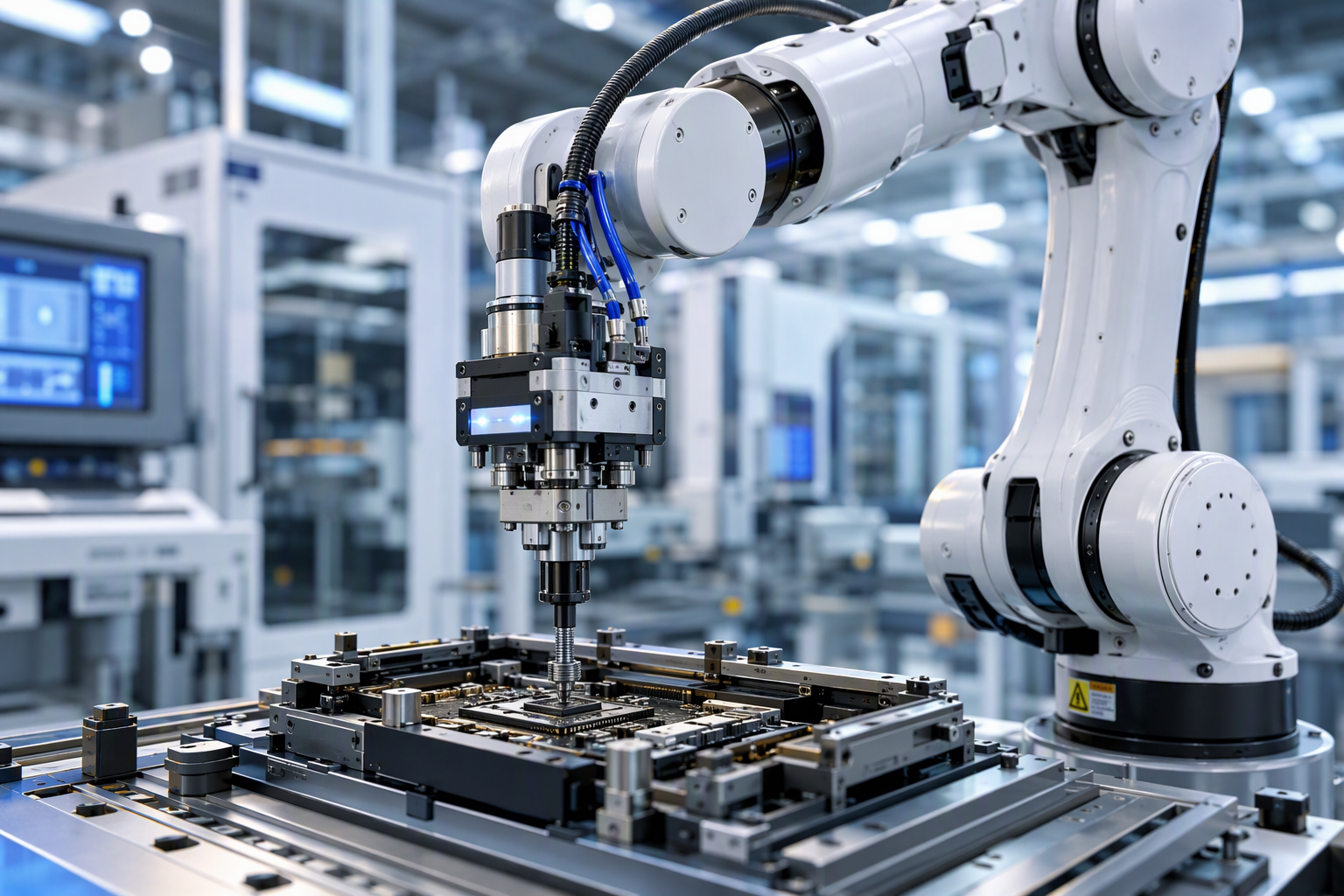
The hardware devices are the hands and eyes of a SCADA system, interacting directly with the industrial environment. Sensors are the most basic field devices, responsible for measuring physical variables like temperature, pressure, and flow. This data provides the raw information that the entire control system relies on.
This information is collected by either Remote Terminal Units (RTUs) or Programmable Logic Controllers (PLCs). RTUs are specialized microcomputers designed to gather data from sensors in remote locations and transmit it back to the central system. They are built to operate independently in harsh environments.
PLCs perform a similar function but are typically used in more localized or automated settings, like a factory floor. In addition to collecting data, PLCs can execute predefined control logic to manage machinery and processes directly. Both RTUs and PLCs are crucial for linking the central SCADA system to the physical equipment it controls.
Software and the Human-Machine Interface (HMI)
The software components are the brain of a SCADA system, turning raw data into actionable insights. SCADA software is responsible for processing the information collected from hardware devices, archiving it for historical analysis, and executing control logic. These software applications are designed to handle vast amounts of data in real time.
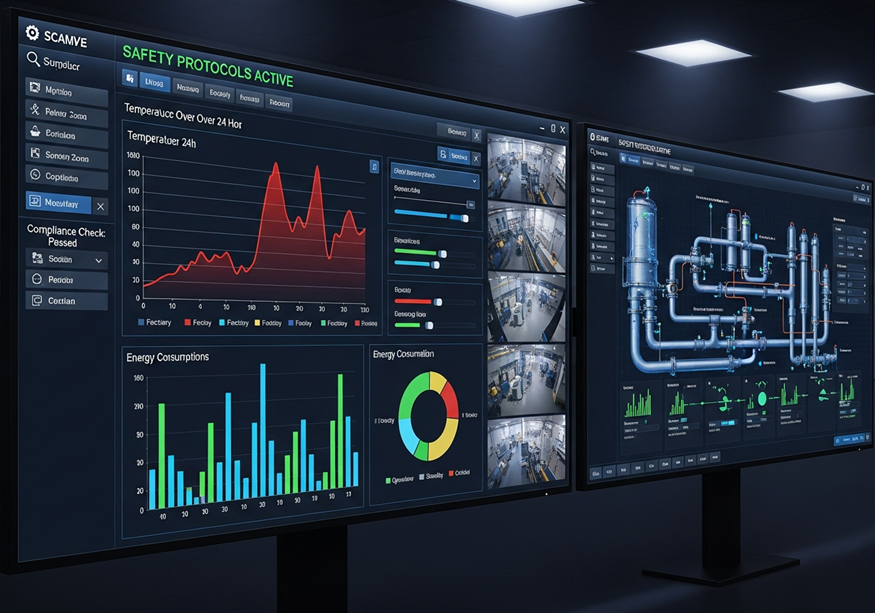
A crucial part of this software is the Human-Machine Interface (HMI). The HMI software creates the graphical user interface that operators interact with. It displays real-time data, alarms, and control options through intuitive dashboards, maps, and charts. This visual representation allows operators to quickly understand system performance and identify potential issues.
Through the HMI, operators can monitor processes, acknowledge alarms, and send commands to control equipment. A well-designed user interface is essential for efficient operation, as it simplifies complex processes and helps reduce the likelihood of errors, making it one of the most important software components.
Communication Networks within SCADA
Communication networks are the vital link that connects all the components of a SCADA system. This infrastructure is responsible for transmitting data from field devices to the central control station and relaying commands back to the equipment. These networks can include wired connections like Ethernet or wireless technologies, depending on the geographical spread of the system.
To ensure all devices can talk to each other, SCADA systems rely on standardized communication protocols like Modbus and DNP3. These protocols define the rules for data exchange, ensuring interoperability between components from different manufacturers. This allows data acquisition systems to function seamlessly.
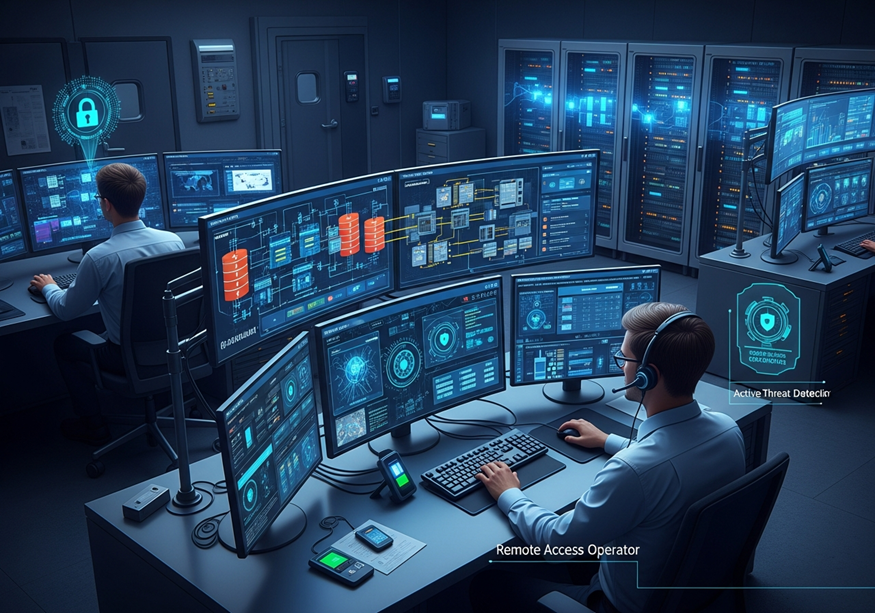
Given the critical nature of SCADA, network security is a top priority. Techniques like network segmentation are used to isolate the control network from corporate or public networks, limiting unauthorized access. Secure remote access protocols are also implemented to allow operators to manage the system from off-site locations without compromising security.
Types of SCADA Architectures
SCADA architectures have evolved significantly over the decades, moving from simple, self-contained units to complex, interconnected networks. The system architecture you choose depends on the scale and needs of your operation. Early systems were monolithic, with all components housed in a single computer.
As technology advanced, distributed and networked systems became the norm, offering greater flexibility and scalability. Today, modern SCADA often incorporates cloud and IoT technologies. Understanding these different architectures is key to selecting the right setup for your data acquisition and control needs. Let's examine these types in more detail.
Monolithic, Distributed, and Networked Systems
The earliest SCADA systems were monolithic, operating on a single mainframe computer. In this setup, a central SCADA system handled all data processing and control tasks. While simple, this architecture lacked scalability and is now considered obsolete due to its limitations.
As networks became more common, distributed SCADA systems emerged. These systems use multiple stations connected over a local area network (LAN), dividing data acquisition and control functions across different nodes. This improved reliability, as each node could operate independently, making it suitable for managing processes on a single plant floor.
Networked systems took this a step further by using wide area networks (WANs) to connect a central SCADA system with remote sites. This architecture is ideal for large SCADA systems that span vast geographical areas, such as pipelines or power grids.
| Architecture | Description | Best For |
|---|---|---|
| Monolithic | All functions reside on a single, isolated computer. | Now obsolete. |
| Distributed | Multiple stations connected on a local network. | Single-site operations like a factory plant floor. |
| Networked | A central system connected to remote sites via a WAN. | Geographically dispersed operations. |
Modern SCADA and Integration with IoT
The latest evolution in SCADA technology is its integration with the Internet of Things (IoT) and cloud computing. Modern SCADA systems leverage these technologies to push the boundaries of industrial automation. This combination provides unprecedented connectivity, allowing countless smart devices and sensors to feed data into the system.
This integration unlocks the potential for advanced analytics. With the massive amount of data collected from IoT devices, companies can use artificial intelligence and machine learning algorithms to predict equipment failures, optimize energy consumption, and streamline industrial operations. This moves SCADA from a reactive to a proactive control system.
Cloud computing further enhances modern SCADA by offering scalable data storage and processing power. It also enables secure remote monitoring and control from anywhere in the world via web browsers or mobile apps. This flexibility makes it easier to manage large-scale industrial operations efficiently and cost-effectively.
SCADA vs. Other Industrial Control Systems
While SCADA is a powerful industrial control system, it's not the only one. It's often compared to other systems like Distributed Control Systems (DCS) and Programmable Logic Controllers (PLCs). Each system has a distinct purpose, architecture, and application within the world of industrial automation.
The key differences often lie in their scope and focus. A SCADA system excels at high-level supervision and remote access over large geographical areas. In contrast, other systems may focus more on localized, real-time process control. Understanding these distinctions will help clarify where each system fits best.
Comparing SCADA and DCS (Distributed Control Systems)
A Distributed Control System (DCS) is another key player in industrial automation, but it serves a different purpose than a SCADA system. A DCS is typically process-oriented and used to manage complex processes within a single, geographically confined area like a chemical plant or refinery. Its architecture is built for high-speed, localized control loops.
In contrast, a SCADA system is data-acquisition-oriented. It is designed to monitor and control processes that are spread out over a wide area. Think of it as supervising multiple smaller systems from a central location. While a DCS focuses on the intricate details of a single process, SCADA provides a big-picture view of many processes.
Both systems are powerful software solutions for process control. The choice between them often comes down to the nature of the operation. If you need tight, real-time control over a complex process in one location, a DCS is likely the better fit. If you need to monitor and manage distributed assets, SCADA is the way to go.
Differences Between SCADA and PLCs (Programmable Logic Controllers)
Programmable Logic Controllers (PLCs) and SCADA systems are often used together, but they are fundamentally different. A PLC is a ruggedized hardware device designed for real-time control of specific machines or automation processes on the factory floor. It executes control logic, like ladder logic, to directly manage equipment based on sensor inputs.
A SCADA system, on the other hand, is primarily a software-based system that provides supervisory-level control. It doesn't typically control machines directly. Instead, it gathers data from multiple PLCs and other hardware devices to give operators a centralized view of the entire operation. Operators then use the SCADA interface to send high-level commands to the PLCs.
Think of a PLC as a soldier on the front lines, executing specific tasks. The SCADA system is the command center, monitoring the entire field and directing the soldiers. While a PLC can function on its own for localized automation, a SCADA system is necessary for overseeing and coordinating large, complex operations.
Key Industries Utilizing SCADA Solutions
SCADA solutions are vital across a wide range of key industries. Any industrial organization that manages geographically dispersed or complex processes can benefit from this technology. Its ability to provide centralized monitoring and control makes it indispensable for maintaining efficiency, safety, and reliability.
Some of the most prominent sectors include power generation and distribution, water management and wastewater management, manufacturing, oil & gas, and transportation. In each of these fields, SCADA plays a crucial role in keeping essential services and production running smoothly. Let's look at how SCADA is applied in these areas.
Power Generation and Energy Distribution
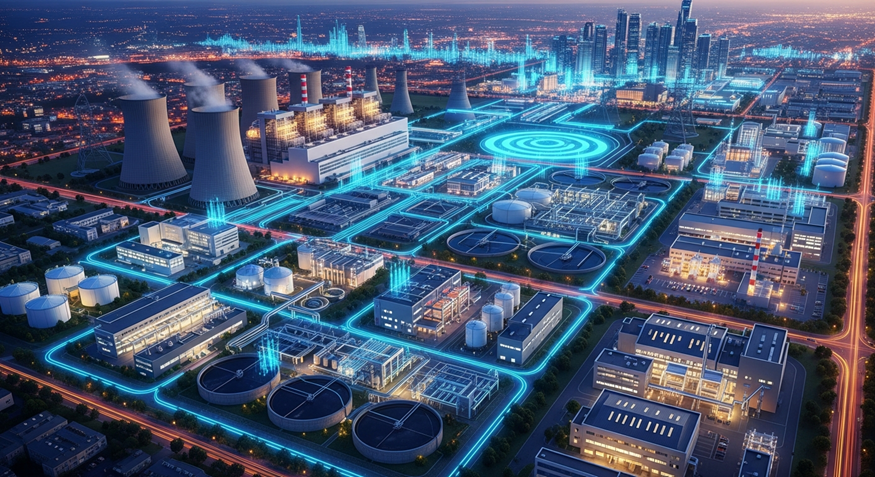
In the energy sector, SCADA is essential for managing power generation and power distribution. At power plants, a SCADA system monitors turbines, generators, and other critical equipment to ensure they are operating efficiently and safely. It allows operators to track system performance in real time and make adjustments to optimize output.
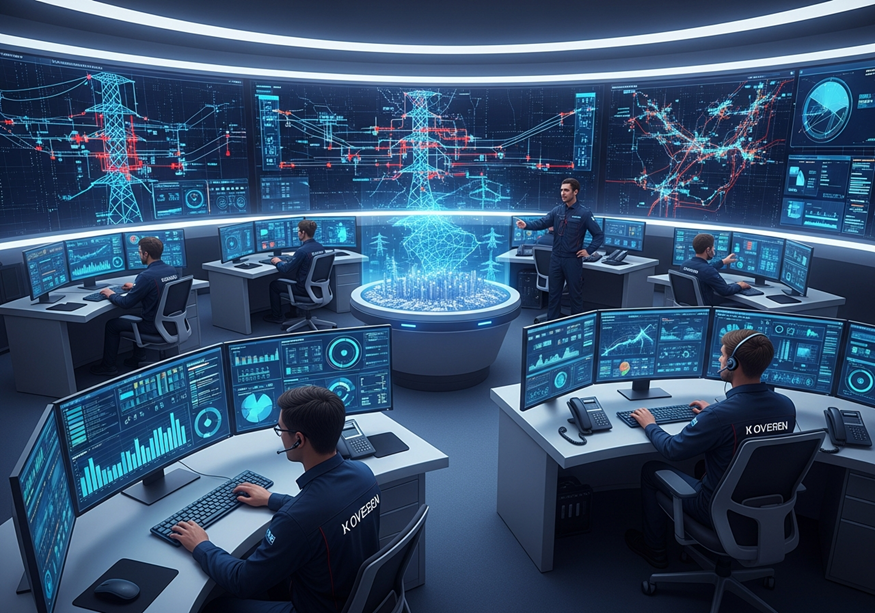
For power distribution, SCADA is used to manage vast power grids. Operators rely on it for remote monitoring of substations, transformers, and transmission lines that can span hundreds of miles. The system helps detect faults, reroute power during outages, and balance electrical loads to prevent blackouts.
This level of control is crucial for maintaining a stable and reliable supply of electricity to homes and businesses. By providing a centralized view of the entire grid, SCADA enables utility companies to respond quickly to issues and ensure consistent system performance.
Water Treatment and Wastewater Management
SCADA systems are fundamental to modern water treatment and wastewater management. These facilities often involve a series of complex processes spread across large sites or multiple remote locations. A SCADA system provides the centralized process control needed to manage everything from a single control room.
In water treatment, SCADA monitors and controls pumps, valves, chemical dosing systems, and filtration processes. It ensures that water quality standards are met by tracking variables like pH levels and chlorine concentration. Operators can view real-time data and make precise adjustments to keep the process running optimally.
For wastewater management, SCADA oversees the collection and treatment of sewage. It helps manage pump stations, monitor flow rates, and control aeration tanks. The system also logs historical data, which is essential for regulatory compliance reporting and for analyzing long-term trends to improve efficiency.
Manufacturing, Oil & Gas, and Transportation
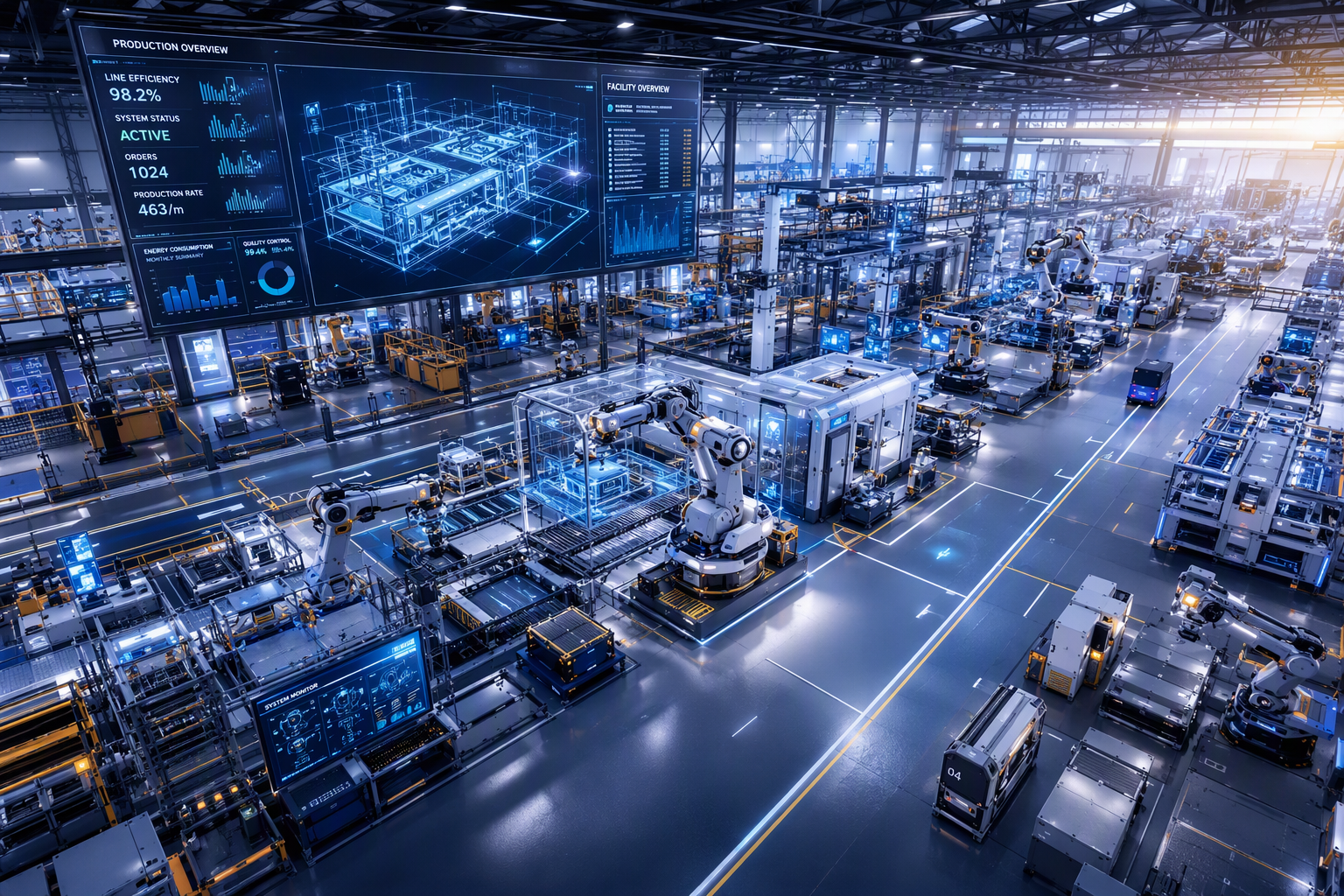
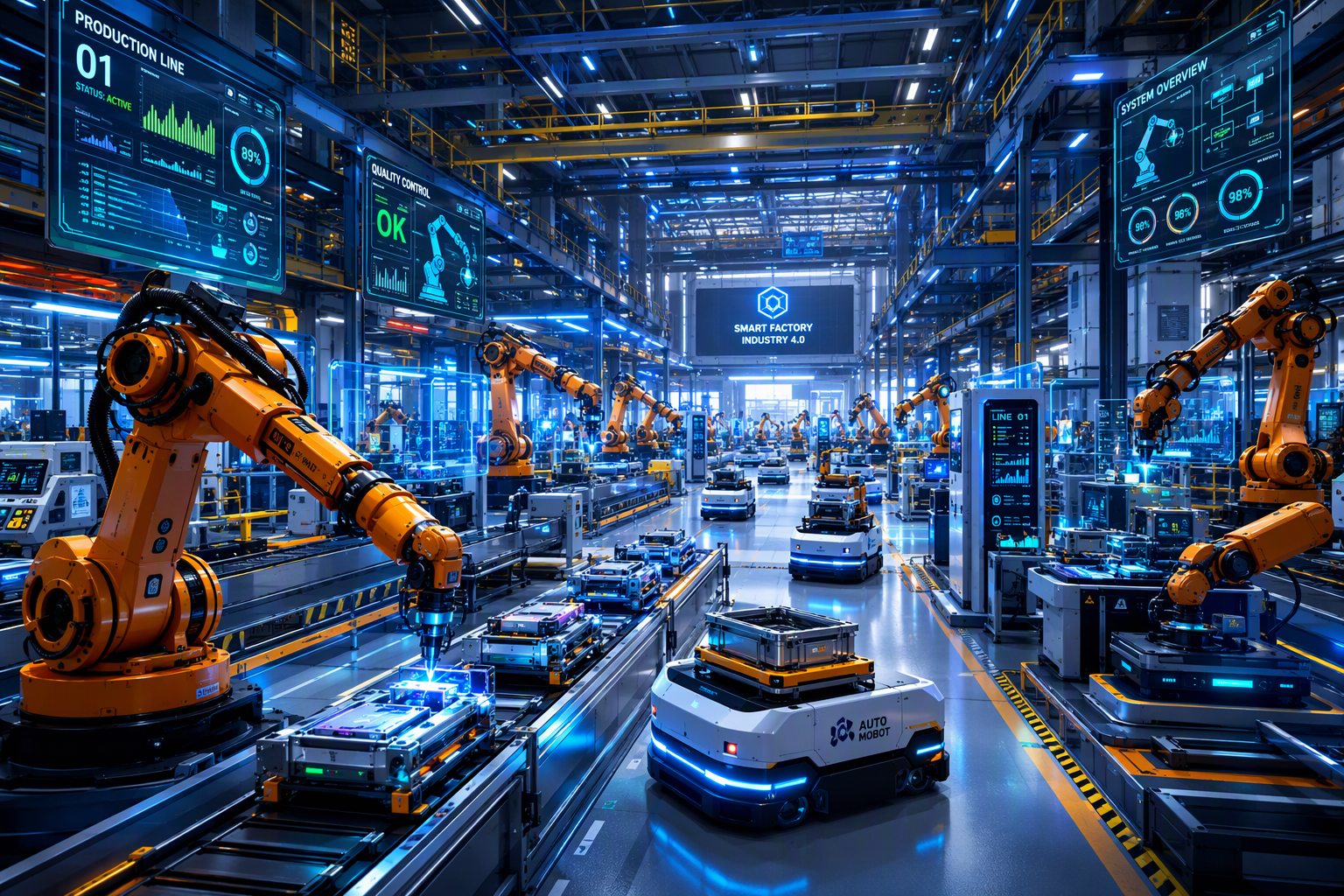
In manufacturing, SCADA systems are used to oversee production lines and monitor industrial equipment. They track key performance metrics, manage machine runtimes, and ensure quality control, forming a core part of industrial automation. This helps manufacturers optimize output and minimize downtime.
The oil & gas industry relies heavily on SCADA for monitoring and controlling pipelines, drilling operations, and refineries. With assets often located in remote and harsh environments, SCADA provides the essential remote process control needed to detect leaks, manage flow rates, and ensure safety from a central location.
In transportation, SCADA manages everything from traffic light systems to railway networks and public transit. It helps control train movements, monitor track conditions, and manage traffic flow to reduce congestion. By connecting countless field devices, SCADA keeps our transportation systems moving safely and efficiently.
Benefits of Implementing SCADA Systems
Implementing a SCADA system brings a host of benefits that can transform industrial operations. By leveraging real-time process data and industrial automation, organizations can significantly boost operational efficiency and productivity. This leads to reduced downtime, lower maintenance costs, and a better bottom line.
One of the most powerful advantages is the ability to enable predictive maintenance. By analyzing trends in equipment performance, you can anticipate failures before they happen. This proactive approach not only saves money but also enhances safety and reliability. Let's explore these benefits in greater detail.
Increased Efficiency and Reduced Downtime
A key benefit of SCADA is the significant boost in operational efficiency. By automating repetitive tasks and centralizing control, SCADA systems reduce the need for manual intervention and minimize the chance of human error. This allows operators to focus on more strategic aspects of process management, leading to higher productivity.
This enhanced control and automation directly contribute to reduced downtime. SCADA systems continuously monitor equipment health and performance, allowing for predictive maintenance. By analyzing process data and using advanced analytics, you can identify potential issues before they cause a breakdown. This proactive approach keeps operations running smoothly and cuts maintenance costs.
The result is a more resilient and cost-effective operation. Key advantages include:
- Predictive Maintenance: Identify equipment issues early to prevent failures.
- Optimized Processes: Use real-time data to fine-tune operations for maximum efficiency.
- Faster Response: Immediately detect and respond to problems to minimize disruptions.
- Lower Maintenance Costs: Shift from reactive repairs to proactive, planned maintenance.
Improved Safety, Security, and Compliance
SCADA systems play a crucial role in enhancing workplace safety. They can automatically trigger emergency shutdowns or alarms when hazardous conditions are detected, protecting both personnel and equipment. This automated response is often faster and more reliable than manual intervention, preventing accidents before they escalate.
On the digital front, SCADA security is paramount. Modern systems incorporate robust measures to protect against security risks like cyberattacks. Features like encryption, user authentication, and intrusion detection help prevent unauthorized access to critical control systems. This is essential for protecting sensitive data and preventing operational disruptions.
Furthermore, SCADA systems help organizations meet regulatory compliance and quality standards. They provide accurate data logging and reporting capabilities, creating a detailed record of operational parameters. This historical data is invaluable for audits and for demonstrating adherence to environmental and safety regulations.
Addressing SCADA Security and Operational Challenges
While SCADA systems are essential for modern industrial automation, their increasing connectivity also introduces significant security risks. As these systems become more integrated with corporate networks and the internet, they become more attractive targets for cybercriminals. A successful attack could disrupt critical infrastructure, leading to financial loss, operational downtime, and even safety hazards. Therefore, prioritizing SCADA security is not just an IT issue; it's a critical business and public safety concern.
Addressing these challenges requires a multi-layered approach. It involves securing all system components, from field devices to software applications, and implementing strict network security policies. Strategies like network segmentation, regular software updates, and robust access controls are fundamental. Employee training is also crucial to ensure personnel can recognize and respond to potential threats, protecting the entire system from the inside out.
Common Security Risks and Protection Strategies
SCADA systems face several common security risks. Denial-of-Service (DoS) attacks can overwhelm a system with traffic, making it unresponsive. Man-in-the-middle attacks intercept and alter communication between system components, while malware like viruses or ransomware can corrupt data or lock operators out of the system. Phishing attacks that target employees to steal credentials are also a major threat.
To counter these risks, organizations must implement robust protection strategies. Strong network security is the first line of defense. This includes using firewalls and implementing network segmentation to isolate the SCADA network from other networks, which limits the potential pathways for an attack and helps prevent unauthorized access.
Effective protection strategies also involve a combination of technical controls and best practices.
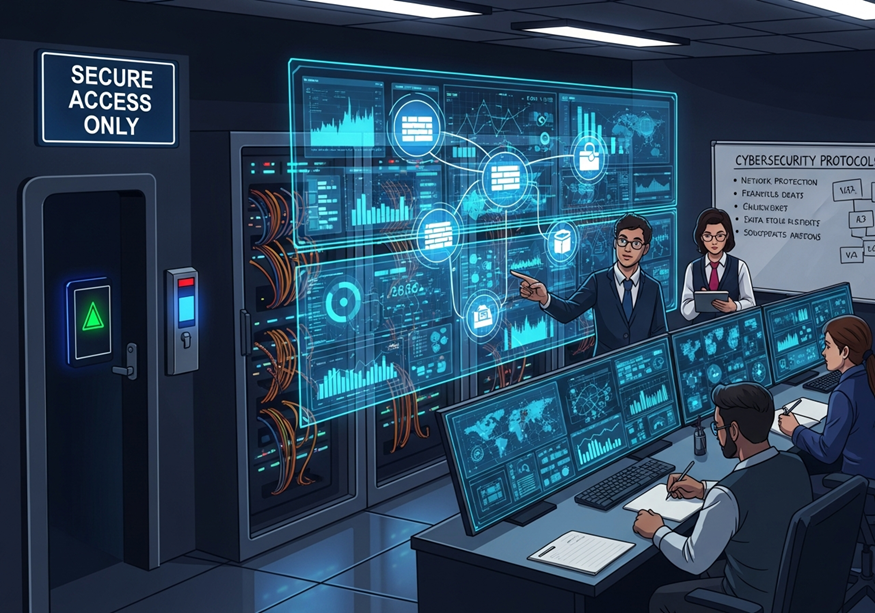
- Access Control: Use strong authentication to ensure only authorized personnel can access the system.
- Regular Updates: Keep all software and hardware patched to protect against known vulnerabilities.
- Intrusion Detection: Monitor network traffic for suspicious activity.
- Employee Training: Educate staff on cybersecurity best practices to prevent phishing and other social engineering attacks.
Conclusion
In conclusion, SCADA systems play a crucial role in modern industrial operations, offering real-time data acquisition, control, and automation that enhance efficiency and safety across various sectors. From power generation to water treatment and manufacturing, the applications of SCADA are vast and impactful. By understanding its foundations, components, and benefits, organizations can better leverage this technology to meet their specific operational goals. As industries continue to evolve, embracing SCADA systems will be essential for staying competitive and ensuring compliance with safety standards. If you're looking to implement or improve your SCADA system, feel free to reach out for a consultation!
Frequently Asked Questions
What role do human operators play in a SCADA system?
Human operators are crucial for overseeing the SCADA system. They use the user interface to monitor processes, make strategic decisions, and intervene when necessary. While the control system automates many tasks, operators provide the high-level supervision needed to handle complex situations and reduce the risk of human error in critical scenarios.
What are the most popular SCADA software tools today?
Several popular SCADA software solutions are available, each offering unique features. Leading vendors provide robust HMI software and advanced software applications for modern SCADA needs. The choice often depends on industry requirements, scalability, and integration capabilities with existing systems. Examples include solutions from Siemens, Rockwell Automation, and Schneider Electric.
How do organizations choose the right SCADA system for their needs?
Industrial organizations choose a SCADA system by first defining their operational needs and budget. They evaluate compatibility with existing field devices, the scalability of software components, and the vendor's support. It's also vital to ensure the system can meet industry-specific quality standards and security requirements.
You might also like