Choosing the Right Industrial Automation Solutions for You
Choosing the Right Industrial Automation Solutions for You
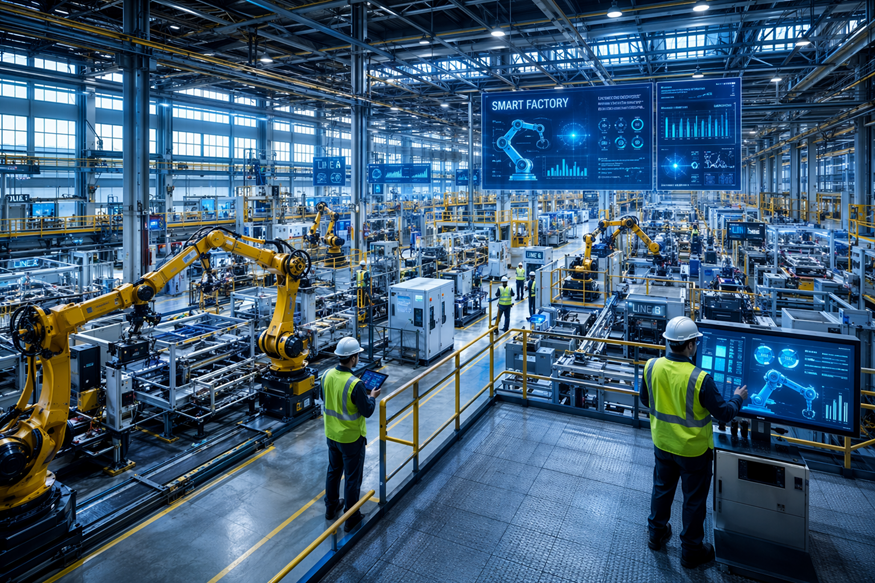
Key Highlights
- Industrial automation uses control systems and software to reduce human intervention in industrial processes.
- The main automation solutions include fixed, programmable, flexible, and integrated systems for different production needs.
- These systems improve productivity, operational efficiency, and product quality across production lines.
- Businesses often use industrial robots, sensors, and real time monitoring to handle repetitive tasks.
- Smart factories rely on connected platforms to support better process control and faster decisions.
- The future of industrial automation centers on flexibility, data, and scalable performance.
Introduction
Industrial automation means using machines, software, and Industrial Automation Solutions to manage industrial processes with minimal human input. In simple terms, sensors detect conditions, controllers process information, and machines respond in real time. This creates a steady feedback loop that keeps operations moving efficiently. If your business handles repetitive tasks, this approach can improve speed, consistency, and safety. The benefits of industrial automation also include stronger decision-making, better output, and less strain on your workforce.
Exploring the Best Industrial Automation Solutions for Your Business
Not every business needs the same Industrial Automation Solutions. The right choice depends on your production lines, product mix, and production goals. Some companies need a simple automation system for repetitive work, while others need broader iIndustrial Automation Solutions with connected equipment and real time visibility. Leading companies in the field of industrial automation solutions include Siemens, Rockwell Automation, ABB, Schneider Electric, and Mitsubishi Electric. These industry leaders are recognized for offering advanced technologies and comprehensive solutions tailored to various business needs.
You may be looking at industrial robots, programmable equipment, or integrated platforms that link machines and data. The main types available are fixed, programmable, flexible, and integrated systems. Each one supports a different operating model, which is why it helps to compare them before investing.
1. Fixed Automation Systems for High-Volume Production
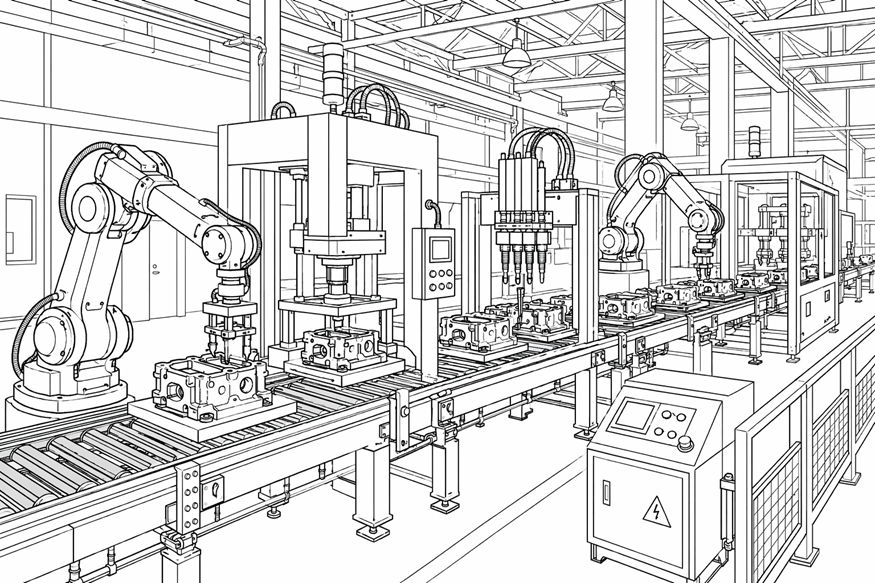
Fixed automation is built for speed and repetition. It uses specialized equipment designed to perform the same task again and again with very few changes. If your company runs high-volume industrial processes, this type of setup can be a strong fit.
You often see fixed automation in mass production settings such as automotive assembly lines. In these environments, each machine handles one step in the manufacturing process, like welding or painting, while the product moves through a set sequence. This structure keeps output fast and consistent.
For businesses with stable demand and little product variation, fixed automation can deliver strong efficiency and cost savings. It works best when the process stays the same over long periods. Common factory examples include dedicated assembly lines and other equipment designed around a single repeatable task.
2. Programmable Automation Solutions for Customizable Operations
Programmable automation gives you more room to adapt. Instead of locking equipment into one job forever, this approach lets you reprogram machines for different runs. That makes it useful when your products change from time to time.
A common example is batch production. Electronics manufacturers, for instance, may produce one model for a period, then switch to another by updating settings and instructions. Programmable logic controllers are central here because they manage machine actions, monitor status, and respond to changing conditions in production processes.
Among the main types of automation, programmable automation suits businesses that need efficiency without giving up flexibility. You get the benefits of automation technology while keeping the ability to support moderate variation. CNC machines, programmable industrial robots, and other reconfigurable systems fit well in this category.
3. Flexible Automation Technologies for Dynamic Manufacturing Needs
Flexible automation is designed for fast changeovers. If your production environment shifts often, this type can help you move between tasks or different products without major downtime. It supports businesses that need to respond quickly to customer demand.
Unlike more rigid systems, flexible automation can adjust through robots, sensors, and smart software. These Industrial Automation Solutions are useful when production processes change regularly or when customization matters. Consumer goods manufacturing and small-batch operations often benefit because they need speed and adaptability at the same time.
This model also reduces heavy human involvement in repeated machine changes. Teams still guide the process, but the system handles more of the adjustment work. Collaborative robots, autonomous mobile robots, automated guided vehicles, and adaptive assembly lines are all examples of flexible setups in action.
4. Integrated Automation Platforms for Seamless Process Control
Integrated automation connects multiple machines, processes, and control systems through one coordinated platform. Instead of running separate stations in isolation, the whole operation shares data and works together. This creates stronger process control and supports faster decisions across the facility.
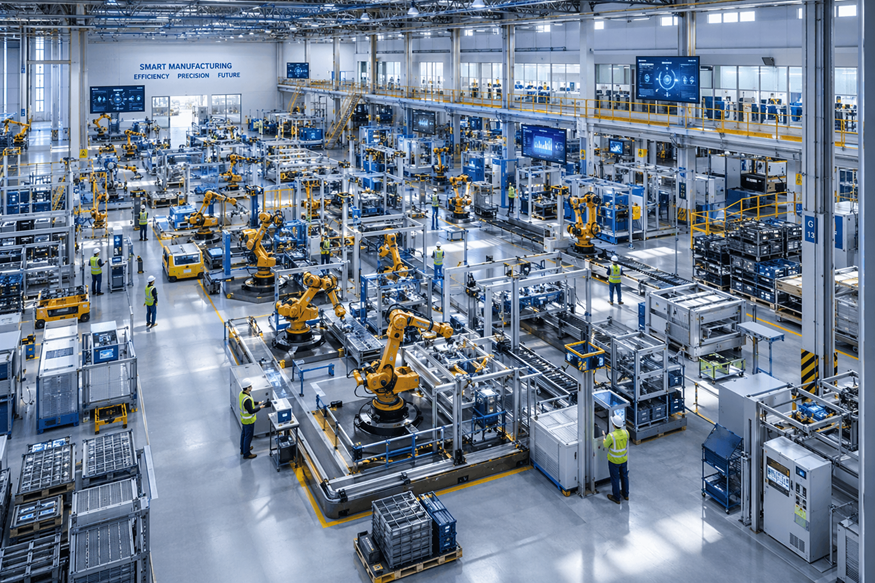
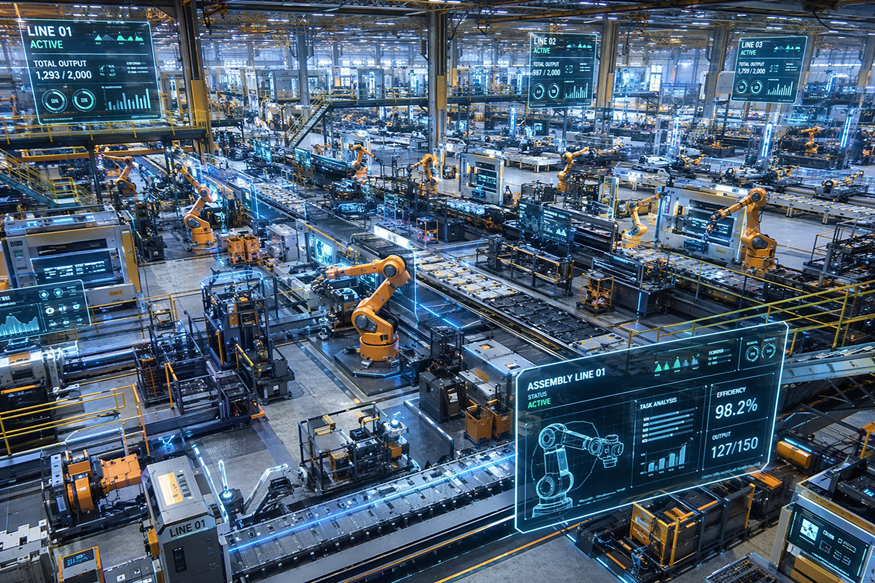
In many smart factories, integrated automation forms the base for connected production. Sensors, robots, software, and industrial control systems exchange information through communication networks, helping operators monitor output and adjust performance in real time. That leads to better consistency and less downtime.
Key features usually include:
- Shared data flow between machines, sensors, and software
- Centralized visibility for process control and performance tracking
- Connected communication networks that support coordinated actions
If you want broader visibility and tighter control, this approach can be a strong long-term option, though it usually needs more investment and technical expertise.
5. Robotics and Machine Vision Systems in Industrial Settings
Robotic automation is now common in many industrial settings. Industrial robots handle tasks such as welding, painting, part placement, and material movement with high precision. These Industrial Automation Solutions help reduce fatigue-related mistakes and keep output steady over long runs.
Machine vision adds another layer of control. Vision systems allow equipment to inspect items, identify position, and support quality-related decisions during production. When robots and cameras work together, your operation can react faster and maintain tighter standards with less manual checking.
Here is a simple view of common uses:
| System | Typical Use in Factories |
|---|---|
| Industrial robots | Welding, painting, assembly, and part handling on production lines |
| Machine vision | Inspection, detection, positioning, and quality checks |
| Pick-and-place machines | Fast electronics assembly with accurate component placement |
| Autonomous mobile robots | Moving materials through warehouse and factory automation areas |
Essential Features to Look for in Industrial Automation Solutions
Before you invest, focus on the practical features that shape daily performance. Strong Industrial Automation Solutions should help your team monitor operations, improve quality control, and support reliable process decisions without creating unnecessary complexity.
In many smart factories, the key components include dependable control systems, clear visibility into performance, and the ability to connect with iot devices. You also want room to scale and a setup that works with your current equipment. These features make the difference between a useful upgrade and a difficult rollout.
Advanced Control Systems and Monitoring Capabilities
Strong control systems sit at the center of effective automation. They receive inputs from sensors, interpret control signals, and send commands to equipment. This allows machines to respond quickly and maintain stable performance across different operating conditions.
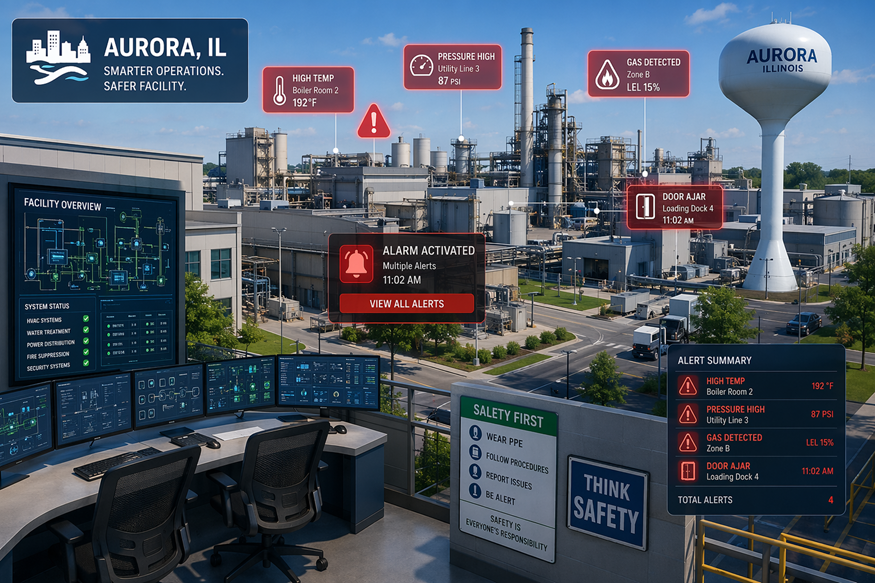
Just as important is visibility. SCADA systems and other monitoring tools give operators access to process data in real time, so they can spot slowdowns, changes, or faults before those issues spread. Better data also improves decision-making and helps teams reduce waste.
Look for capabilities such as:
- Real time monitoring of machines, alarms, and production status
- Clear access to process data for faster troubleshooting
- Predictive maintenance support to identify issues before failure
- When these features are built in, your team can run operations more smoothly and avoid unnecessary downtime.
Scalability and Compatibility with Existing Infrastructure
A good system should fit your business today and still support growth tomorrow. That is where scalability matters. If demand rises or you add new production lines, your Industrial Automation Solutions should expand without forcing a full replacement.
Compatibility is just as important. Many businesses already have machines, software, and wiring in place, so new tools need to work with existing infrastructure. A solution that connects easily reduces disruption, lowers implementation risk, and helps your team get value faster.
When selecting a provider, ask whether their offering can support future changes as well as current needs. You want a partner that understands your facility, your production goals, and your existing setup. The best choice is not always the most advanced option. It is the one that fits and grows with you.
Safety, Reliability, and Compliance Standards
Safety should never be an afterthought. One of the biggest reasons companies invest in automation is to move dangerous work away from people. Robots and automated equipment can handle hazardous conditions, heavy movement, and repetitive motion with less risk to workers.
Reliability also matters because frequent failures can cancel out the value of a new system. In the industrial automation industry, dependable equipment supports stable output, stronger product quality, and fewer costly interruptions. It also helps reduce human errors that often happen during repetitive manual work.
Compliance is part of the picture too. Businesses need systems that support safe operations and meet applicable standards inside their facilities. Challenges can still appear during implementation, especially with training, change management, and setup complexity. Even so, choosing reliable and safety-focused solutions can reduce those problems from the start.
Key Benefits of Industrial Automation Solutions
The biggest benefits of automation come from doing more with fewer interruptions. Well-chosen Industrial Automation Solutions can raise output, improve consistency, and help your team focus on higher-value work instead of repeated manual steps.
You also gain stronger operational efficiency, lower waste, and long-term cost savings. For many manufacturers, that leads to a clear competitive advantage. While human labor remains important, automation handles the routine workload that slows people down. The result is a more stable, scalable operation that can respond better to market pressure.
Improved Productivity and Operational Efficiency
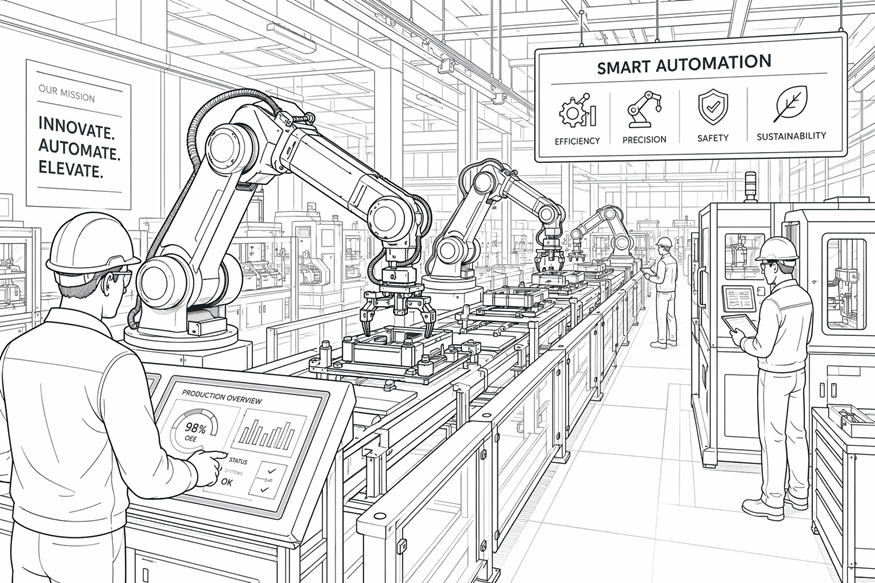
Automation improves productivity by taking over repetitive tasks that consume time and attention. Machines do not tire in the same way people do, so they can keep production lines moving for longer periods with more consistent output. That directly supports stronger operational efficiency.
Another benefit is reduced dependence on manual labor for routine work. Instead of spending hours on repeated actions, your team can focus on supervision, improvement, and problem-solving. This shift helps operations stay steady while increasing throughput.
In practical terms, automation solutions often deliver:
- Faster cycle times across production lines
- Higher throughput without adding the same level of manual labor
- Fewer bottlenecks that limit output
If your current setup struggles with delays or labor shortages, automation can remove friction and make performance more predictable.
Enhanced Product Quality and Consistency
Consistent output is one of the strongest reasons to automate. An automation system can repeat the same action with high precision, which helps improve product quality across every shift. That matters when your customers expect dependable results.
Manual work often introduces variation. People get tired, distracted, or rushed, and that can affect the manufacturing process. Automated equipment reduces that variation by following set instructions with very little deviation. It can also support quality control by catching issues earlier in the line.
Less human intervention does not mean people are removed from the process completely. Your team still sets goals, reviews performance, and manages exceptions. What changes is the level of consistency. With automation handling repeatable steps, the business gets more reliable products and fewer quality-related surprises.
Reduced Labor Costs and Minimization of Human Error
Many companies look at automation because labor costs continue to rise while production demands stay high. Automated equipment can run longer hours without the same wage-related expenses tied to human labor. Over time, that can improve cost control.
Another advantage is the reduction of human error. In repetitive work, mistakes often come from fatigue, distraction, or inconsistent handling. Automation solutions help lower that risk by repeating tasks the same way each time. This improves output and reduces scrap or rework.
That said, automation does not erase the need for people. The benefits of industrial automation come from shifting workers toward more valuable roles, not removing every role. Businesses still need skilled teams for programming, maintenance, supervision, and system management. The difference is that routine strain becomes easier to manage.
Top Challenges When Implementing Industrial Automation
Industrial automation brings clear advantages, but implementation is not always simple. Businesses often face upfront costs, integration concerns, training needs, and questions about how new systems will affect daily work for human operators.
Another common issue is change management. Teams need time to learn new tools and trust new processes. Cybersecurity also becomes more important as automation solutions connect more devices and data sources. If you plan ahead for these hurdles, the transition is usually smoother and the long-term payoff is easier to achieve
Integration Complexities and Change Management
One of the biggest implementation issues is integration. New automation technology must often connect with older machines, existing software, and established workflows. If those pieces do not work well together, delays and confusion can follow.
There is also the human side. Change management matters because people need training, support, and a clear reason for the shift. Without that, even a capable automation system can face resistance. Workers may worry about role changes or struggle to use unfamiliar tools.
The best way forward is to tie automation to clear production goals. Show how the system will reduce bottlenecks, improve consistency, or make work safer. When teams understand the purpose and see practical value, adoption becomes easier. Technical planning and people planning need equal attention if you want a smoother rollout.
Cybersecurity Risks and Data Protection
As systems become more connected, cybersecurity becomes a bigger concern. Modern automation solutions often rely on networks, software, and shared data, which can create openings for cyberattacks if protections are weak. That risk grows as facilities add more advanced technology.
Data matters too. Production information, machine status, and process data all support operations, so protecting them is essential. A breach can interrupt production, expose sensitive information, or reduce trust in the system. That is why security should be part of planning from the start, not added later.
Focus on basics such as:
- Securing connected devices and network access points
- Protecting process data used for monitoring and decision-making
- Training teams to support safe system use
Strong data protection helps keep automated operations reliable, especially as connected environments become more common.
Conclusion
In conclusion, selecting the right industrial automation solutions can be a game changer for your business. By understanding the various types of automation systems, essential features, and potential challenges, you can make informed decisions that enhance productivity, improve product quality, and reduce operational costs. Investing in automation not only streamlines processes but also positions your business for future growth in an increasingly competitive landscape. If you're ready to take the next step in optimizing your operations, don't hesitate to reach out for a consultation. Your path to enhanced efficiency starts today!
Frequently Asked Questions
What are common examples of industrial automation systems used in factories?
Common examples include industrial robots for welding and assembly, programmable logic controller-based equipment, automated filling machines, pick-and-place systems, conveyors, and warehouse robots. In factory automation, each automation system supports production lines by improving speed, accuracy, and consistency while reducing repetitive manual work.
How can a business select the right automation solution provider?
Choose an automation solution provider that understands your facility, production goals, and existing control systems. The right partner should explain different types of industrial automation clearly, show how their automation solutions fit your needs, and support implementation within the realities of the industrial automation industry.
How does factory automation differ from other types of industrial automation?
Factory automation focuses mainly on production inside manufacturing facilities, such as assembly, inspection, and material flow. Other types of automation may cover broader industrial tasks beyond the factory floor. Depending on the production environment, automation solutions vary in flexibility, scope, and the level of human involvement required.
You might also like