Predicting the Industrial Automation Sector Growth by 2035
Key Highlights
Here are the key takeaways about the future of industrial automation:
- The global industrial automation market is set for significant market growth, projected to reach over $504 billion by 2033.
- Advanced technologies like artificial intelligence, machine learning, and the Industrial IoT (IIoT) are major drivers of this expansion.
- Key players such as Siemens AG, Rockwell Automation, and Schneider Electric are leading the way with innovative automation solutions.
- The United States market is showing strong growth, emphasizing digital transformation and smart manufacturing.
- Industries like automotive, food and beverage, and energy are undergoing major transformations due to automation advancements.
- Despite growth, the sector faces challenges, including a workforce skills gap and high implementation costs.
Introduction
The world of industrial automation is on the brink of a massive transformation, with the automation market poised for incredible growth over the next decade. Driven by rapid technological advancements and a global push for efficiency, industries are increasingly adopting automated systems to stay competitive. So, what is the outlook for the industrial automation sector? We are seeing a future where smart factories are the norm, and processes are more connected and intelligent than ever before, paving the way for unprecedented productivity and innovation.
Overview of the Industrial Automation Sector in the United States
The industrial automation market in North America is a powerhouse, accounting for a significant share of the global landscape. Fueled by a strong push toward smart manufacturing and the need to build more resilient supply chains, companies across the United States are investing heavily in automation.
This trend is not just about keeping up; it's a strategic move to boost productivity and innovation. Global demand plays a significant role in shaping the industrial automation sector in the United States, as increased international needs drive domestic companies to innovate and scale operations to maintain competitiveness. The following sections will explore the historical context of this growth, provide forecasts for the market size, and identify the key segments driving this expansion.
Evolution and Historical Growth Trends
Industrial automation has come a long way from its early days of simple factory automation. Initially focused on replacing manual labor for repetitive tasks, its evolution has been marked by significant technological advancements. The journey began with basic control systems and has since progressed to sophisticated, interconnected networks that manage entire production lines.
This transformation is revolutionizing how manufacturing processes work. Instead of isolated machines, modern facilities use integrated automation solutions that communicate and cooperate. This shift allows for greater precision, higher output, and improved safety across the factory floor. The integration of IT and operational technology (OT) has been a pivotal development, enabling real-time data analysis and smarter decision-making.
Today, industrial automation is transforming manufacturing by creating more agile and responsive operations. Companies can now adapt quickly to changing market demands, reduce human error, and optimize resource usage. This evolution continues as new technologies emerge, promising even greater efficiency and intelligence in the factories of the future.
Current Market Size and 2035 Forecasts
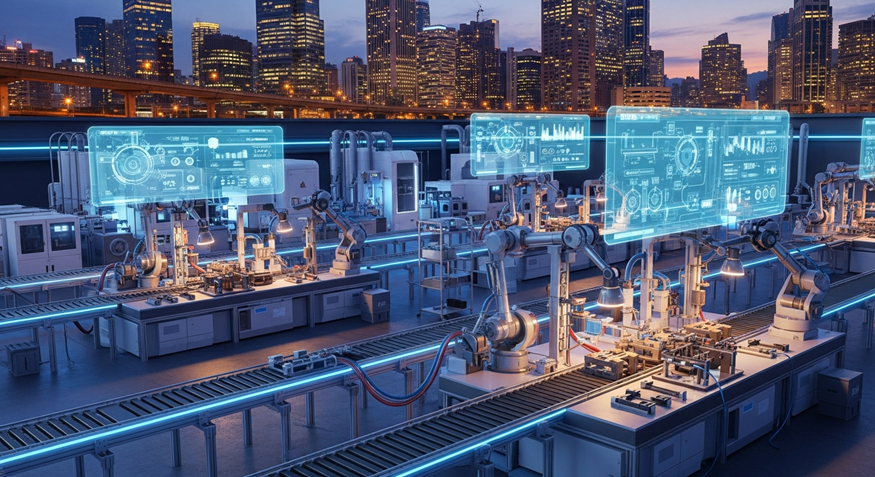
Understanding the current market size and its projected growth is crucial for grasping the scale of the industrial automation boom. The global market was valued at an impressive figure in recent years and is on a steep upward trajectory, demonstrating strong investor confidence and widespread industry adoption.
According to a recent market report, the market data points to a robust expansion. The global industrial automation and control systems market size was estimated at $226.76 billion in 2025 and is expected to grow significantly due to various government initiatives. This market growth is fueled by the increasing need for efficiency and precision in manufacturing sectors worldwide.
Looking ahead, forecasts indicate sustained momentum. The U.S. market, in particular, is expected to grow at a compound annual growth rate (CAGR) of over 10% between 2026 and 2033. Moreover, the Asia Pacific region can expect significant growth during this period. Here is a snapshot of the global market forecast:
| Market Metric | Value |
|---|---|
| 2025 Market Size | $226.76 Billion |
| 2033 Projected Market Size | $504.38 Billion |
| CAGR (2026-2033) | 10.5% |
Key Segments Driving Market Expansion
Several key segments are contributing to the rapid expansion of the industrial automation market, each holding a significant market share. Control systems form the backbone of this growth, enabling the precise management of industrial processes and machinery. These systems are essential for ensuring operational stability and efficiency.
Among these, certain components and control systems stand out. For instance, the Distributed Control System (DCS) segment accounted for the largest revenue share in 2025, driven by its ability to manage complex, large-scale process automation tasks. Similarly, control valves play a critical role in regulating flows within industrial settings.
The primary drivers of this market expansion include:
- Supervisory Control and Data Acquisition (SCADA): Essential for remote monitoring and centralized control of industrial processes.
- Programmable Logic Controllers (PLCs): Widely used for automating specific machine functions and processes.
- Industrial Robots: Their adoption is surging, driven by the need for precision and consistency in production.
- Human-Machine Interface (HMI): Provides operators with the tools to interact with and manage automated systems.
Major Trends Shaping Industrial Automation by 2025 and Beyond
As we look toward 2025 and beyond, several major trends are set to redefine the industrial automation landscape. The integration of advanced technologies is no longer a futuristic concept but a present-day reality, fueling unprecedented market growth and transforming factory floors into highly intelligent environments. These trends are enhancing efficiency and creating new possibilities for production.
From artificial intelligence that predicts maintenance needs to interconnected devices that share data seamlessly, these innovations are at the forefront of the industry's evolution. In the following sections, we'll explore how AI, the Industrial Internet of Things (IIoT), and smart manufacturing are shaping the future of industrial work.
Rising Integration of Artificial Intelligence and Machine Learning
The integration of artificial intelligence (AI) and machine learning (ML) is one of the most transformative trends in modern industrial automation. These technologies are enabling machines to learn from data, adapt to new conditions, and make decisions autonomously. This shift is moving industries from simple automation to intelligent automation.
One of the most significant applications is in predictive maintenance. By analyzing real-time data from equipment, AI algorithms can identify patterns and anomalies that signal a potential failure. This allows companies to schedule maintenance before a breakdown occurs, saving significant downtime and costs. This proactive approach maximizes asset utilization and extends equipment life.
Furthermore, AI and machine learning are revolutionizing quality control. Machine vision systems powered by deep learning can inspect products with incredible speed and accuracy, detecting defects that might be invisible to the human eye. This ensures a higher standard of product quality and reduces waste in the production process.
Expansion of Industrial Internet of Things (IIoT) Solutions
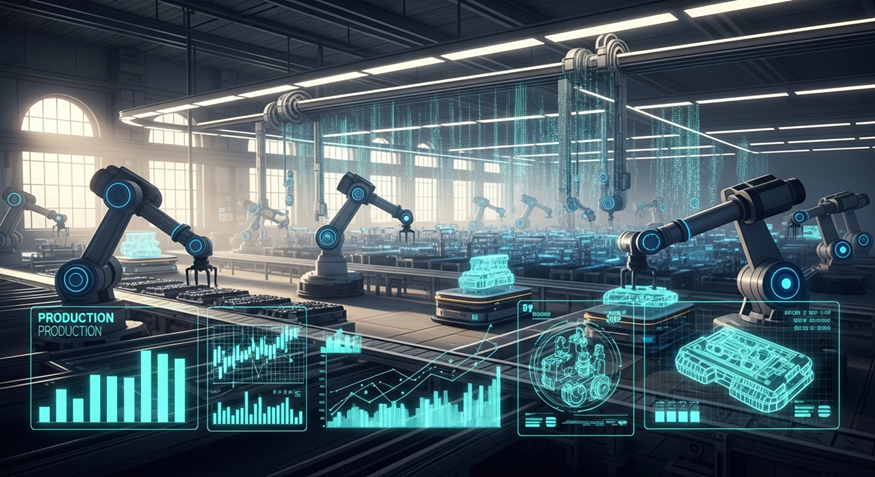
The Industrial Internet of Things (IIoT) is rapidly expanding, creating a network of interconnected sensors, instruments, and other devices across the factory floor. This network is fundamental to the development of smart factories, where data flows freely between machines, systems, and people. IIoT facilitates massive data acquisition in real time.
This continuous stream of data provides unprecedented visibility into industrial operations. Managers can monitor everything from machine performance to energy consumption from a central dashboard. The convergence of Information Technology (IT) and Operational Technology (OT), enabled by the Internet of Things, allows for a holistic view of the entire production process, breaking down traditional data silos.
Ultimately, IIoT solutions empower businesses to optimize processes, improve decision-making, and enhance control over production. As more devices become connected, the potential for creating truly intelligent and autonomous smart factories grows, driving efficiency and innovation across the industrial landscape.
Growth of Smart Manufacturing and Digital Twins
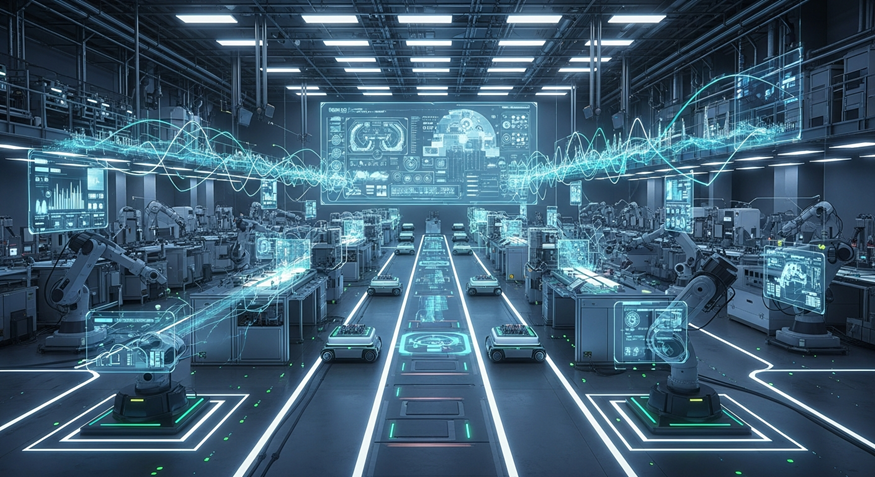
The concept of smart manufacturing is at the heart of the ongoing digital transformation in the industrial sector. It involves creating fully integrated and collaborative manufacturing systems that respond in real time to meet the changing demands of the factory, supply network, and customer needs. This approach is key to achieving greater operational efficiency.
A cornerstone of smart manufacturing is the use of digital twins. A digital twin is a virtual model of a physical object or system, which is updated with real-time data from its physical counterpart. This technology allows companies to run simulations, test new processes, and predict outcomes without impacting actual production.
By leveraging digital twins, manufacturers can optimize performance, identify potential issues before they arise, and streamline workflows. This powerful tool is transforming how products are designed, manufactured, and maintained. The growth of smart manufacturing and digital twin technology represents a significant leap forward in making industrial operations more agile, resilient, and efficient.
Key Technologies Revolutionizing Industrial Automation
A wave of key technologies is currently revolutionizing industrial automation systems from the ground up. These advanced technologies are not just improving existing processes; they are creating entirely new capabilities and adding value at every step of the value chain. From autonomous robots to intelligent data analytics, innovation is happening at a rapid pace.
These tools are making factories smarter, safer, and more productive. In the sections ahead, we will look at some of the most impactful technologies, including robotics and autonomous systems, advanced control systems, and crucial cybersecurity developments that are shaping the industry's future.
Robotics and Autonomous Systems in Industry
Robotics and autonomous systems are profoundly transforming industrial environments. The adoption of industrial robots continues to accelerate, driven by the demand for high-precision, consistent output, and lower labor costs. These automation technologies are taking on tasks ranging from welding and assembly to packaging and material handling with remarkable efficiency.
A particularly exciting development is the rise of collaborative robots, or "cobots." Unlike traditional industrial robots that operate in caged-off areas, cobots are designed to work safely alongside human employees. This collaboration enhances productivity by combining the strength and precision of robots with the flexibility and problem-solving skills of people.
The integration of AI and machine vision into robotic systems has further expanded their capabilities. Robots can now make real-time decisions, adapt to changes in their environment, and perform complex tasks like quality inspection. This evolution is making automation more flexible and accessible across a wider range of industries, including electronics, automotive, and pharmaceuticals.
Advanced Control Systems and Real-Time Data Analytics
Modern industrial automation relies heavily on advanced control systems and real-time data analytics to achieve peak operational efficiency. These systems go beyond simple command-and-control functions, integrating vast amounts of data to provide deep insights into every aspect of production. The foundation of this is efficient data acquisition from sensors and connected devices across the factory.
This real-time data is then processed using advanced analytics platforms. These tools can uncover hidden patterns, predict future trends, and identify opportunities for process optimization. By analyzing data as it is generated, companies can make faster, more informed decisions, leading to reduced waste, lower energy consumption, and higher output.
The integration of cloud platforms and edge computing is further enhancing these capabilities. Edge computing allows data to be processed closer to its source, reducing latency and enabling immediate action. Meanwhile, cloud-based analytics provide the power to analyze large datasets for strategic planning. Together, these technologies give businesses the intelligence they need to stay competitive.
Cybersecurity Developments for Industrial Infrastructure
As industrial processes become more connected, cybersecurity has emerged as a critical concern. Protecting industrial infrastructure from cyber threats is essential to ensure the safety, reliability, and integrity of operations. A security breach could lead to production shutdowns, equipment damage, or even safety incidents.
Recent cybersecurity developments focus on creating secure, scalable ecosystems for industrial automation. This includes deploying advanced security tools designed specifically for operational technology (OT) environments. Companies are investing in solutions that provide real-time threat detection, secure remote access, and robust data protection for supervisory control and data acquisition (SCADA) systems.
The rise of edge computing also introduces new security considerations. Securing devices at the edge of the network is just as important as protecting the central control systems. As a result, a multi-layered security approach is becoming the standard, with protections implemented at every level of the industrial network to defend against an evolving threat landscape.
Industries Most Impacted by Automation Advancements
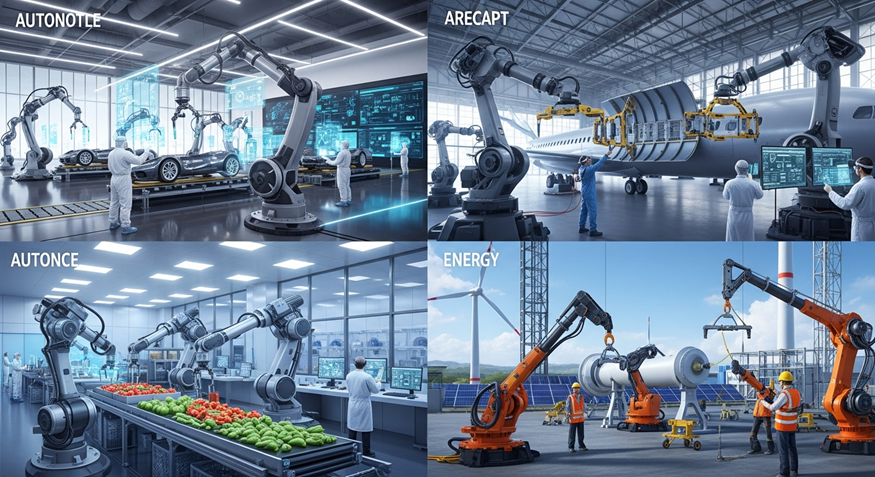
The adoption of automation is not uniform across all sectors; certain industries are experiencing a more profound transformation due to these technological advancements. From manufacturing floors to energy plants, automation solutions are redefining industrial operations, boosting productivity, and enhancing safety in unprecedented ways. These sectors are at the forefront of the Industry 4.0 revolution.
In the following discussion, we will explore some of the industries most impacted by this shift. We will examine how automation is reshaping automotive and aerospace manufacturing, the food and beverage sector, and the oil, gas, and energy industries.
Transformation in Automotive and Aerospace Manufacturing
The automotive and aerospace industries have long been pioneers in industrial automation, and they continue to lead the way in adopting advanced technologies. The relentless pressure to increase efficiency, improve quality, and reduce costs makes automation a critical component of their manufacturing strategies. The automation market in these sectors is driven by the need for high-volume, high-precision production.
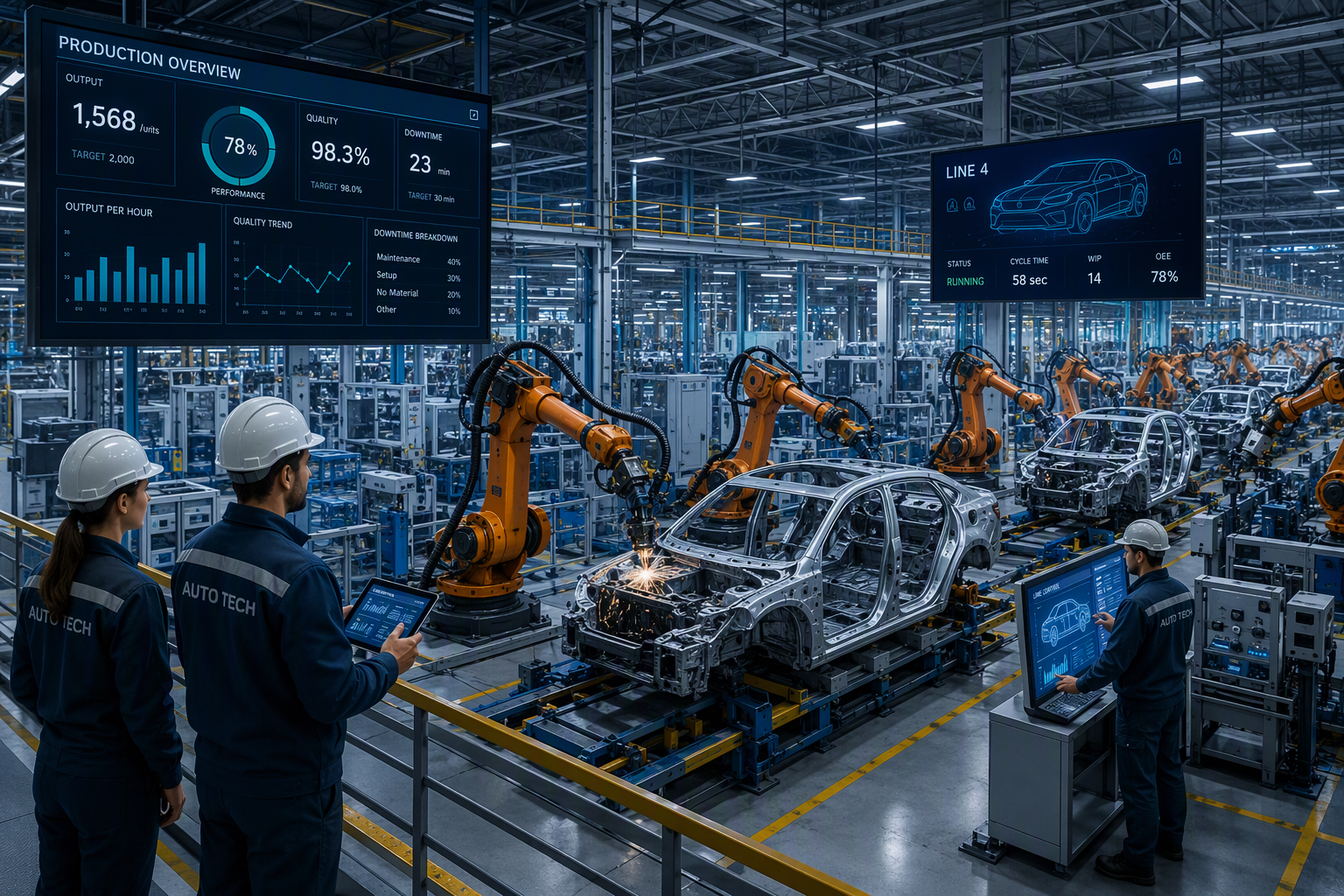
In automotive manufacturing, robots dominate production lines, performing tasks like welding, painting, and assembly with incredible speed and accuracy. The integration of AI and machine vision is further enhancing quality control, ensuring that every vehicle meets exacting standards. This level of automation enables carmakers to build complex vehicles efficiently.
Similarly, aerospace manufacturing relies on automation for process optimization in producing high-tolerance components. Robots are used for tasks like drilling, riveting, and composite material lay-up, which require extreme precision. These technologies help manufacturers meet the stringent safety and quality requirements of the aerospace industry while managing complex supply chains and production schedules.
Automation in the Food and Beverage Processing Sector
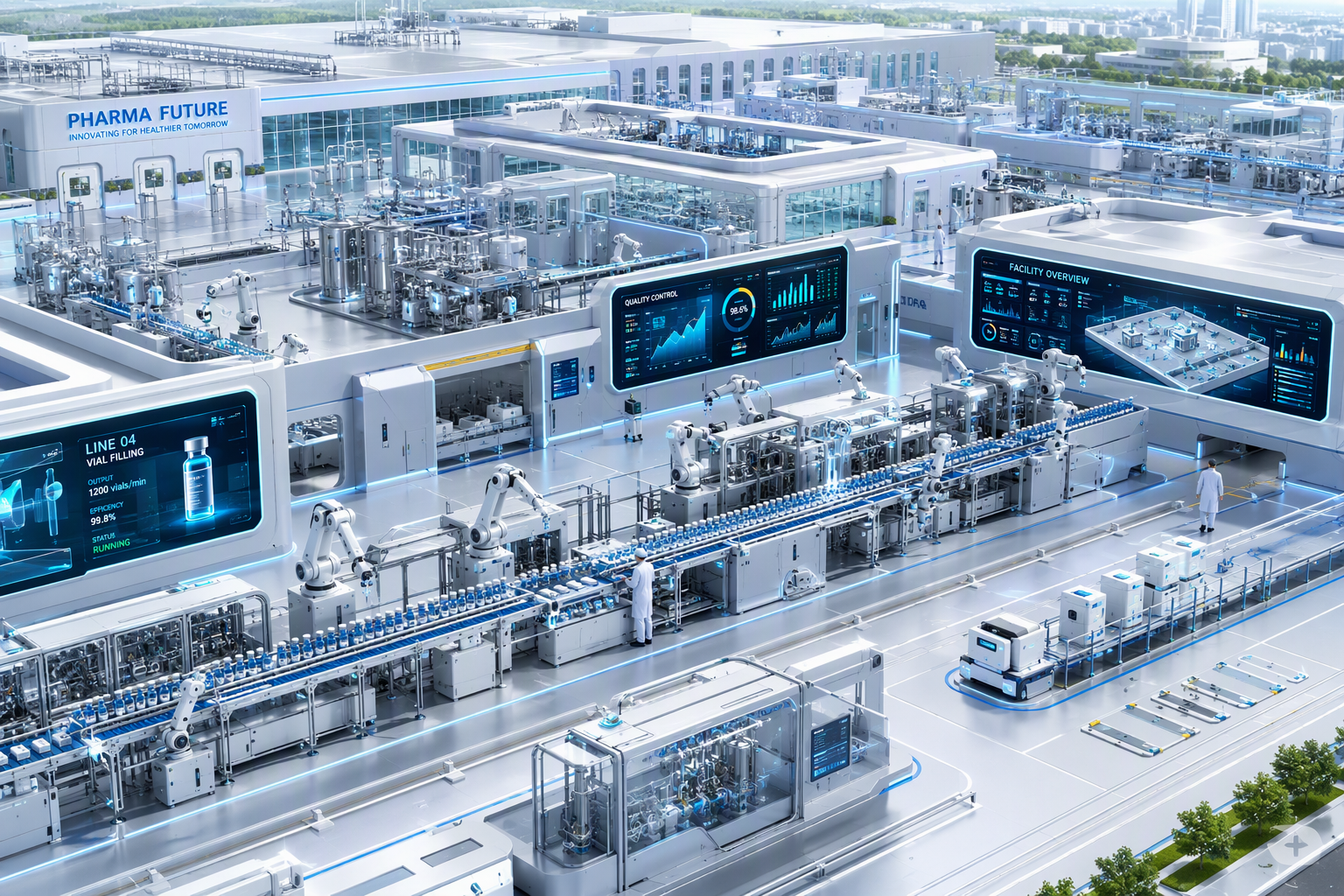
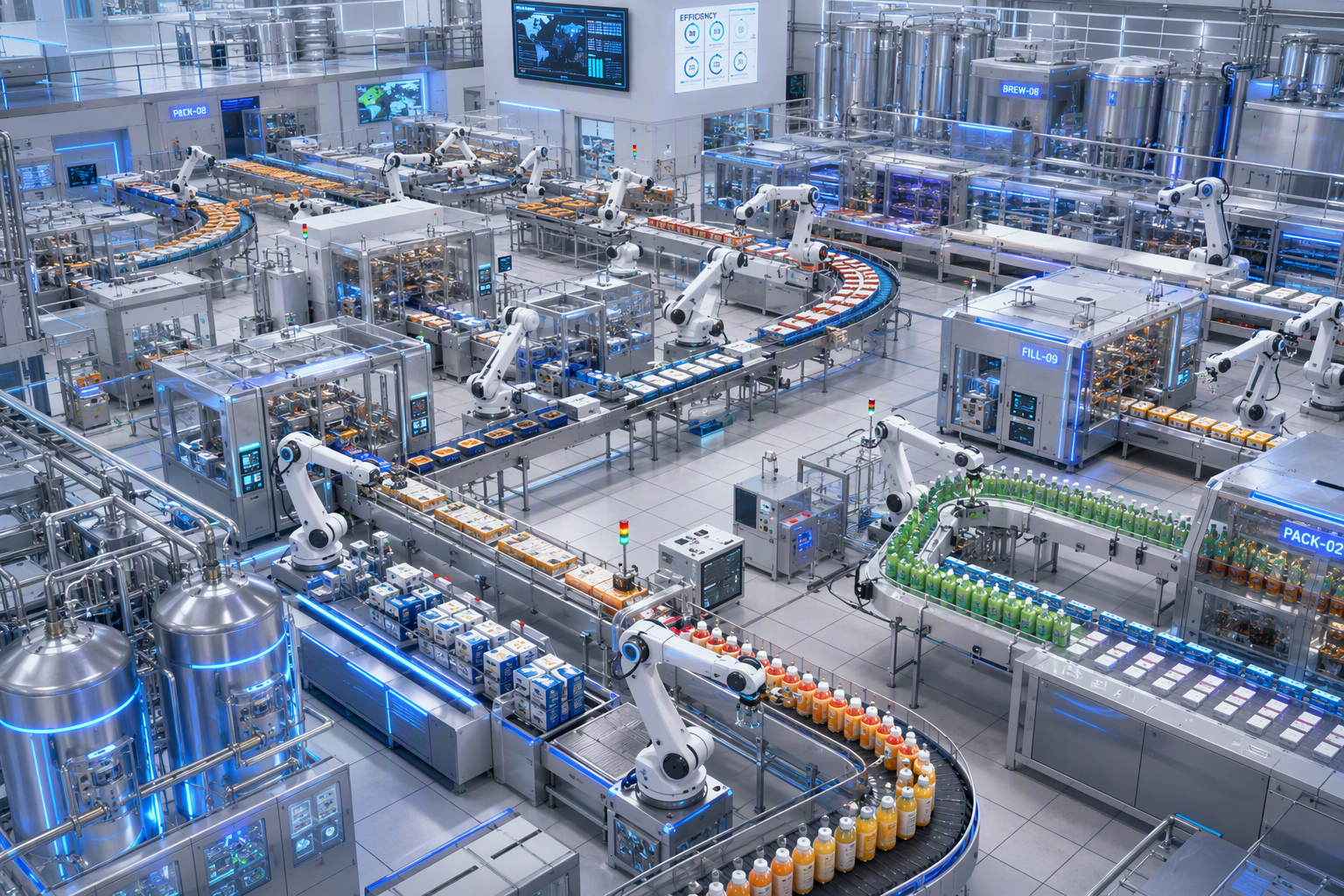
The food and beverage industry is increasingly turning to automation to meet demands for safety, consistency, and efficiency. Automation solutions are being deployed across the production process, from sorting and processing raw ingredients to packaging and palletizing finished goods. This shift helps companies comply with strict food safety regulations and maintain high standards of quality control.
Automation systems in this sector are designed to handle delicate products, perform repetitive tasks, and operate in challenging environments, such as freezers or wash-down areas. For example, robotic arms with specialized grippers can pack items without causing damage, while machine vision systems inspect products for defects or contaminants at high speeds.
The growing demand for a wider variety of products and faster delivery times is another driver for automation in the food and beverage sector. Automated systems allow for greater flexibility in production, enabling manufacturers to quickly switch between different products and packaging formats. This agility is crucial for staying competitive in a fast-moving market.
Innovations in the Oil, Gas, and Energy Industries
The oil and gas and energy industries are adopting innovative automation technologies to enhance safety, improve energy efficiency, and optimize complex operations. In these sectors, process automation is critical for managing large-scale, continuous operations in often hazardous environments. The industrial automation market provides solutions that allow for remote monitoring and control of assets.
In the oil and gas sector, automation is used for everything from drilling operations to pipeline monitoring. Advanced distributed control systems (DCS) help manage decentralized operations, while predictive analytics can forecast equipment failures on offshore platforms, reducing unplanned downtime and improving worker safety. This technology is vital for maximizing output while minimizing risks.
The energy sector is also leveraging automation to manage the transition to renewable sources and smart grids. Automation helps balance energy supply and demand, optimize the performance of wind turbines and solar farms, and improve the overall reliability of the power grid. These innovations are key to building a more sustainable and efficient energy future.
Top Companies in the U.S. Industrial Automation Market
The U.S. industrial automation market is home to a mix of established giants and innovative newcomers, all competing to provide cutting-edge automation solutions. These key players are instrumental in driving the market forward, offering a wide range of products and services that cater to diverse industrial needs. Their contributions are shaping the direction of the entire automation market.
Understanding who these companies are and what they offer provides insight into the competitive landscape. The following sections will highlight leading solution providers, introduce some disruptive startups to watch, and discuss the partnership strategies that are defining the industry.
Leading Automation Solution Providers and Their Offerings
Several global powerhouses dominate the industrial automation space, offering comprehensive portfolios of products and services. These companies have built their reputations on reliability, innovation, and a deep understanding of industrial processes. Their offerings span from control hardware to advanced software platforms.
For example, Siemens AG is a major player known for its extensive range of solutions, including PLCs, industrial software, and digital twin platforms. Likewise, Schneider Electric focuses on energy management and automation, providing industrial IoT platforms and smart manufacturing technologies. Other key companies like ABB Ltd., Honeywell International, and Rockwell Automation are also at the forefront of the industry.
These leaders provide a wide array of solutions, including:
- Programmable Logic Controllers (PLCs) and Distributed Control Systems (DCS): Core components for process and factory automation.
- Industrial Software: Platforms for SCADA, manufacturing execution systems (MES), and asset performance management.
- Robotics and Motion Control: Systems for automating physical tasks on the production line.
- Industrial IoT and Analytics: Technologies that enable smart, connected operations and data-driven insights.
Notable Startups and Disruptors to Watch
While established leaders command a large share of the automation market, a vibrant ecosystem of startups and disruptors is bringing fresh ideas and new technologies to the forefront. These agile companies are often focused on niche applications or cutting-edge technologies like AI, advanced analytics, and specialized robotics.
These startups are playing a crucial role in the industry's digital transformation. They are developing innovative software platforms that make advanced automation more accessible and affordable for small and medium-sized enterprises. By focusing on user-friendly interfaces and cloud-based solutions, they are lowering the barrier to entry for companies looking to automate.
As they gain traction, these emerging players are challenging the status quo and pushing the entire industry to innovate faster. Their focus on areas like AI-driven quality inspection, collaborative robotics, and industrial data platforms is creating new growth opportunities and driving the next wave of automation advancements.
Partnership Strategies and Mergers & Acquisitions
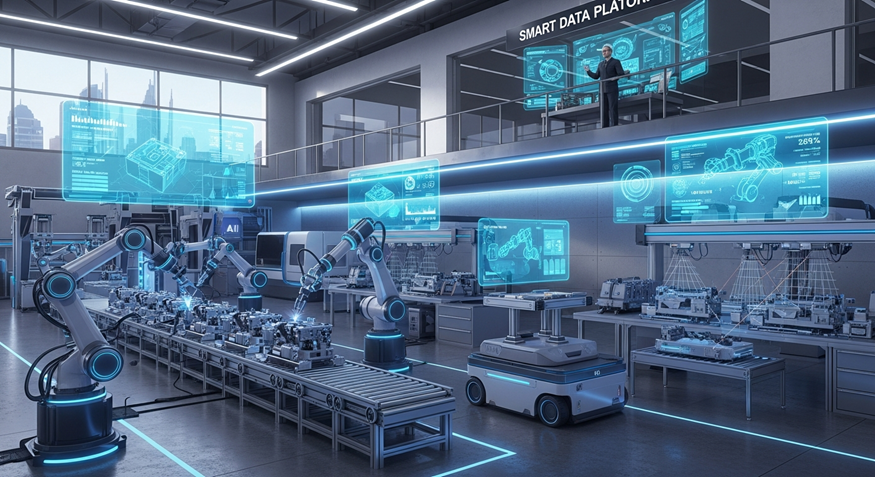
In the complex and rapidly evolving industrial automation landscape, no single company can do it all. As a result, partnership strategies and mergers & acquisitions (M&A) have become essential for growth. Companies are forming strategic alliances to expand their capabilities, enter new markets, and strengthen their position in the value chain.
These partnerships often bring together hardware manufacturers with software developers or cloud service providers. For instance, a robotics company might partner with an AI firm to create smarter, more autonomous robots. This collaboration allows both companies to offer a more comprehensive solution and increase their market share.
Mergers and acquisitions are another key strategy for growth. Larger companies often acquire smaller, innovative firms to gain access to new technologies or talent. For example, Emerson Electric's acquisition of National Instruments was a strategic move to bolster its presence in test and measurement. These activities are reshaping the competitive landscape and driving consolidation within the industry.
Challenges Facing the Industrial Automation Sector
Despite its promising outlook for market growth, the industrial automation sector is not without its challenges. Navigating these obstacles is crucial for companies looking to successfully implement automation and for the industry to reach its full potential. Issues range from workforce development to technical and financial hurdles.
These challenges require careful planning and strategic investment to overcome. In the sections that follow, we will examine some of the most significant hurdles, including the workforce skills gap, the high costs of implementation, and the complexities of regulatory compliance and security.
Workforce Skills Gap and Evolving Job Roles
One of the most significant challenges stemming from the digital transformation is the growing skills gap in the workforce. As automation technologies become more sophisticated, the demand for workers with expertise in areas like robotics, data science, and AI is skyrocketing. However, there is a shortage of qualified individuals to fill these new job roles.
This skills gap can hinder a company's ability to implement and maintain advanced automation systems. The nature of manufacturing jobs is evolving; tasks that are repetitive are being automated, while new roles are emerging that require higher-level skills, such as managing automated systems and analyzing data. This shift impacts the entire supply chain.
Addressing this challenge requires a concerted effort from industry, government, and educational institutions. Companies need to invest in training and upskilling their existing workforce to prepare them for the jobs of the future. At the same time, educational programs must be updated to equip the next generation of workers with the digital skills needed in a highly automated world.
Implementation Costs and Legacy System Integration
The high initial implementation costs associated with automation are a major barrier for many companies, especially small and medium-sized enterprises. The investment required for robotics, advanced software, and system integration can be substantial, making it difficult for some businesses to justify the expense, despite the long-term benefits.
Another significant technical challenge is integrating new automation solutions with existing legacy systems. Many factories operate with a mix of old and new equipment from different vendors, which may not be designed to communicate with each other. Making these disparate systems work together seamlessly can be complex and costly.
Overcoming these hurdles is essential for driving widespread market growth. Vendors are working to develop more modular and scalable automation solutions that allow companies to start small and expand over time. Additionally, advancements in interoperability standards and integration platforms are making it easier to connect new technologies with legacy systems, smoothing the path to automation.
Regulatory Compliance and Security Concerns
Navigating the complex web of regulatory compliance is another challenge for the industrial automation sector. Different industries are subject to specific regulations regarding safety, environmental impact, and product quality. Automated systems must be designed and implemented in a way that meets all these requirements, which can vary significantly by region and industry.
Alongside regulatory issues, security concerns are paramount. As industrial operations become more connected, they also become more vulnerable to cybersecurity threats. A successful cyberattack could disrupt production, compromise sensitive data, or even cause physical damage and safety risks. This makes robust cybersecurity a non-negotiable aspect of modern automation.
Companies must stay vigilant and proactive in addressing these challenges. This involves keeping up-to-date with changing regulations and investing in comprehensive cybersecurity measures to protect their industrial operations. As automation technology continues to evolve, so too will the regulatory and security landscapes surrounding it.
Conclusion
As we look ahead to 2035, the industrial automation sector is poised for remarkable growth driven by technological advancements and evolving market demands. The integration of artificial intelligence, smart manufacturing, and IIoT solutions are not just trends; they are reshaping the landscape of industries like automotive, aerospace, and energy. While challenges such as workforce skill gaps and implementation costs persist, the potential for innovation and efficiency remains strong. Embracing these changes will be essential for companies seeking to stay competitive. If you’re eager to explore how these advancements can benefit your business, don’t hesitate to get a free consultation with our experts. Together, we can navigate this exciting journey into the future of industrial automation.
Frequently Asked Questions
What is the expected growth rate for the industrial automation sector by 2035?
The global industrial automation market is projected to experience strong market growth. While specific market data for 2035 varies, reports indicate a compound annual growth rate (CAGR) of around 10.5% through 2033, suggesting the market size will continue its rapid expansion toward and beyond that year.
How will automation impact future manufacturing jobs in the United States?
Automation will transform the manufacturing workforce rather than simply eliminate jobs. The automation market will see a shift from manual labor to roles requiring digital skills to manage automation solutions. This digital transformation will create demand for new positions focused on robotics, data analysis, and system maintenance across the supply chain.
Where can I find reliable data and market statistics on industrial automation?
Reliable market data on the automation market can be found in reports from market research firms like Grand View Research and The Insight Partners. These reports offer detailed statistics, analysis of key players, and regional insights, including for North America, providing a comprehensive view of industry trends.
You might also like