Explore the Industrial Automation Sector: Key Insights
Key Highlights
Here are the key takeaways from our look into the industrial automation sector:
- The global industrial automation market was valued at USD 226.76 billion in 2025 and is set to grow significantly.
- Advanced technologies like artificial intelligence and the Industrial Internet of Things (IIoT) are major drivers of innovation.
- Asia Pacific leads the market, holding the largest revenue share in 2025.
- Key components like control systems and industrial robots are essential for improving operational efficiency.
- Automation solutions are being adopted across various industries, including manufacturing, healthcare, and energy.
- The sector is focused on boosting productivity, enhancing quality control, and reducing human error.
Introduction
Welcome to the world of industrial automation, a field that is completely reshaping how things are made. The automation industry is experiencing rapid growth, thanks to the integration of advanced technologies that boost efficiency, precision, and safety. From smart factories to automated supply chains, these changes are making industrial operations faster and more intelligent. This article will explore the key aspects of the industrial automation sector, from its core concepts and technologies to its market trends and future outlook.
Understanding Industrial Automation
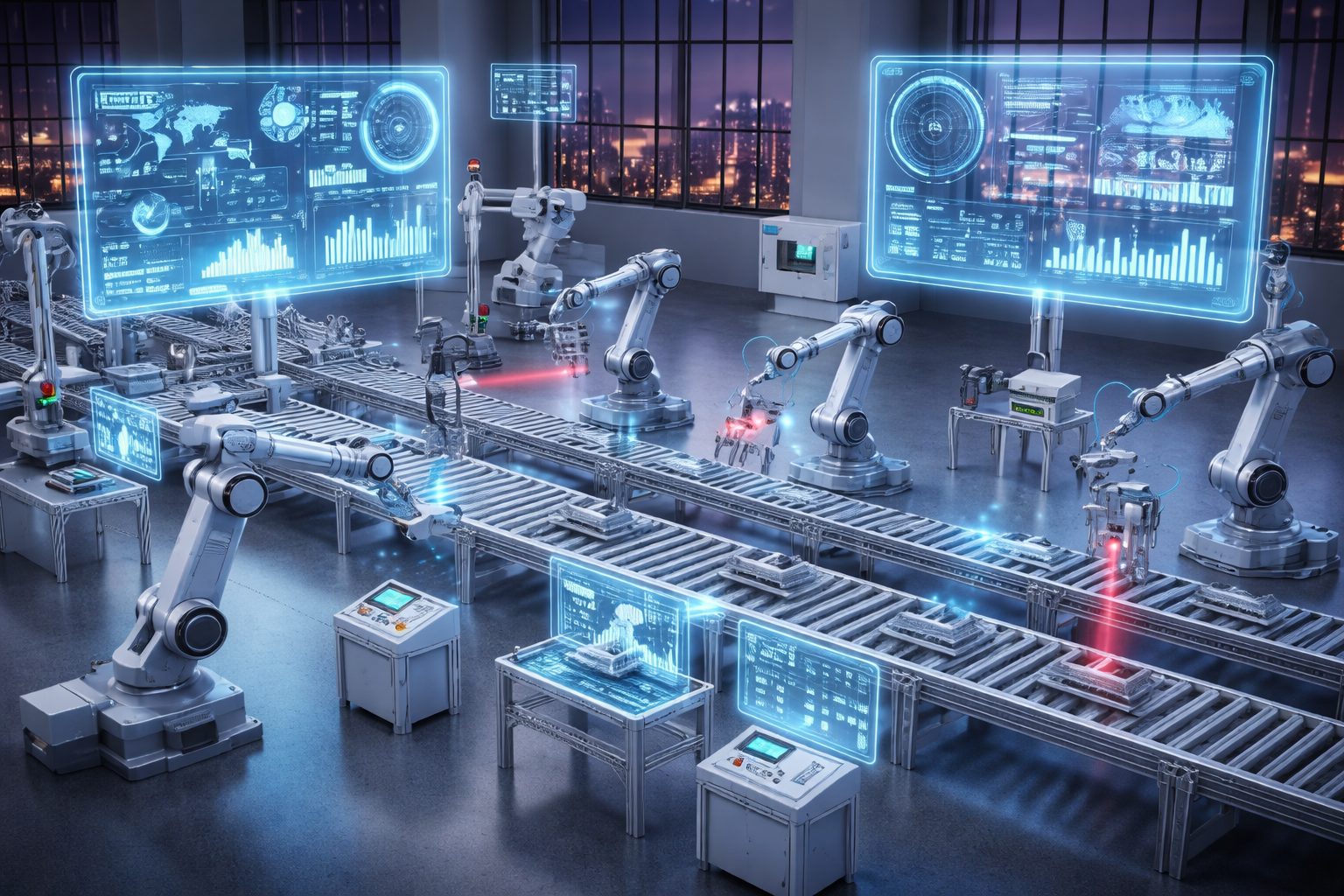
At its heart, industrial automation involves using technology to control and monitor industrial processes with minimal human input. This helps streamline industrial operations, making them faster, more reliable, and more efficient. Think of it as the brain and nervous system of a modern factory.
The goal is to enhance productivity and quality while reducing costs and errors. By implementing effective automation solutions, companies can optimize their industrial processes and gain a significant competitive advantage. Let's look closer at the fundamental concepts, key components, and how this approach differs from traditional manufacturing.
Definition and Fundamental Concepts
Can you explain what industrial automation is in simple terms? Absolutely. Industrial automation is the use of control systems, like computers and robots, to handle different industrial processes and machinery. Instead of having a person manually operate a machine, automation technologies do the work, reducing the need for direct human involvement. This shift allows for continuous operation, 24/7, without compromising on precision or speed.
The fundamental idea is to create a self-regulating system. This involves setting up machines and software to perform tasks, monitor their own progress, and even make minor adjustments to maintain quality. The use of advanced sensors and software allows these systems to gather data and respond to changes in the production environment instantly.
Ultimately, the aim is to streamline complex industrial processes. By automating repetitive or intricate tasks, companies can free up their human workforce to focus on more strategic activities, such as innovation and process improvement. This leads to a more efficient, productive, and safer manufacturing environment.
Key Components Used in Automation
Industrial automation and control systems are used to manage and execute tasks in a production environment. To make this happen, various key components work together seamlessly. These hardware and software elements are the building blocks of modern automation solutions, each playing a distinct role in creating an efficient and connected system. Without these parts, achieving full automation would be impossible.
Some of the most critical components include:
- Programmable Logic Controllers (PLCs): These are ruggedized digital computers adapted for controlling manufacturing processes.
- Control Software: This software acts as the brain, managing the entire automated system and allowing for monitoring and adjustments.
- Sensors: These devices detect changes in the environment, such as temperature or position, and send that information to the control system.
- Machine Vision: This technology uses cameras and software to inspect products, guide robots, and ensure quality control.
These components are integrated to create a cohesive system that can handle complex tasks with high precision. For example, a sensor might detect a product on a conveyor belt, signal a PLC, which then instructs a robot to pick it up. This synchronized effort is what makes automation so powerful and effective in today's factories.
How Industrial Automation Differs from Traditional Manufacturing
Industrial automation has transformed modern manufacturing by fundamentally changing how production processes are managed. The most significant difference lies in the reduction of manual human intervention. In traditional manufacturing, workers are directly involved in operating machinery and assembling products. In contrast, automation relies on machines and control systems to perform these tasks, leading to greater consistency and speed.
This shift brings several key distinctions that highlight the power of automation:
- Operational Efficiency: Automated systems can run continuously, which dramatically increases output compared to human-led shifts.
- Precision and Quality: Automation minimizes human error, resulting in higher-quality products with fewer defects.
- Safety: By taking over dangerous and repetitive tasks, automation creates a safer working environment for employees.
- Data Integration: Automated systems generate vast amounts of data, which can be analyzed to optimize production processes further.
As a result, industrial automation allows for a level of operational efficiency that traditional methods simply cannot match. While traditional manufacturing is limited by human capabilities and schedules, automated production lines can adapt quickly to changes, produce goods around the clock, and maintain a consistent standard of quality, reshaping the entire manufacturing landscape.
Evolution of the Industrial Automation Sector
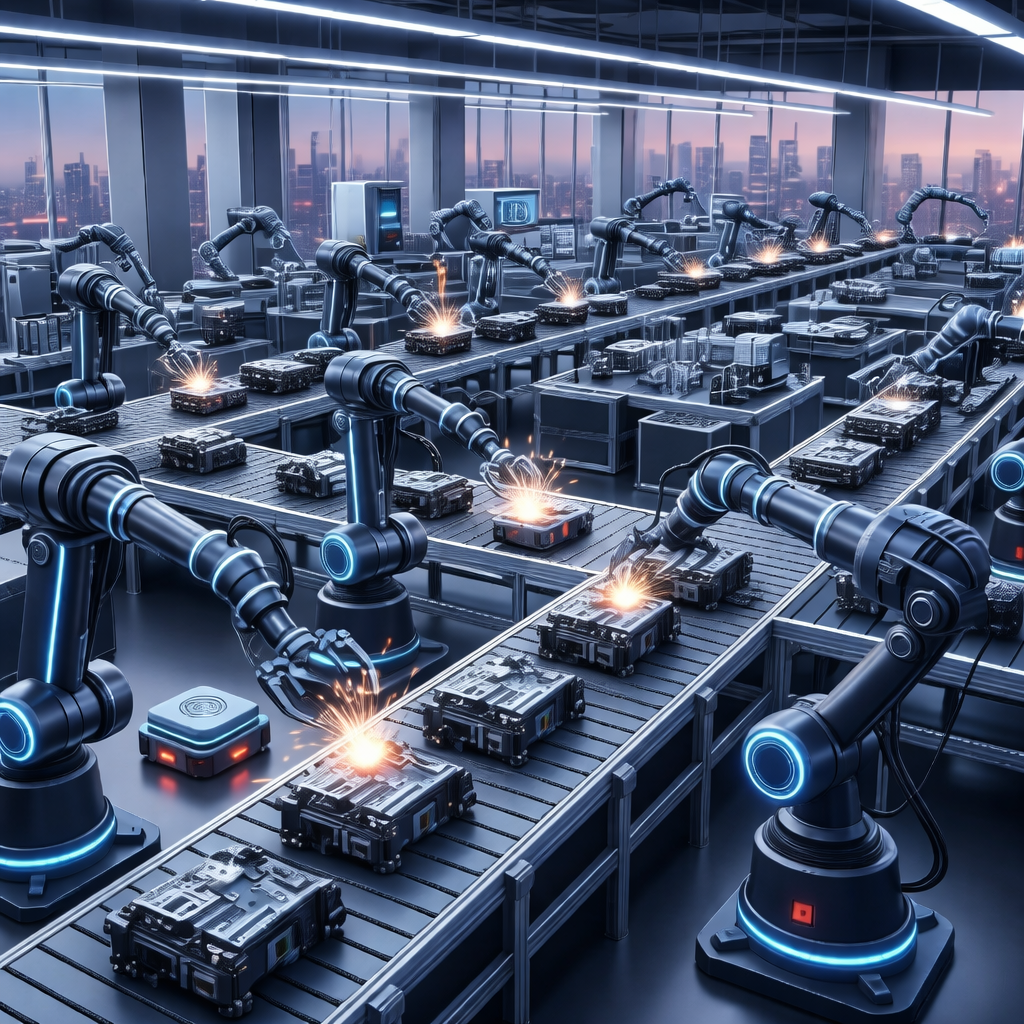
The journey of industrial automation is a story of continuous innovation. What started with simple mechanical devices has evolved into a highly sophisticated field driven by digital transformation. Early automation focused on mechanizing single tasks, but today, it involves creating interconnected, intelligent systems that manage entire production lines. This evolution has been fueled by breakthroughs in computing, electronics, and software.
The rapid advancement of automation technologies has paved the way for Industry 4.0, where factories are becoming smarter and more connected. We will now explore the historical timeline of these technologies, the impact of digital transformation, and how automation integrates with the latest industrial revolution.
Historical Timeline of Automation Technologies
The evolution of automation technologies shows a clear progression from basic mechanization to intelligent, data-driven systems. The historical timeline of the automation industry began with the first industrial revolution, where steam and water power mechanized some industrial processes. However, the real shift toward modern automation started in the 20th century with the advent of electricity and assembly lines.
The mid-20th century brought the first programmable controllers, which allowed for more flexibility in manufacturing. This was a major leap from fixed, single-purpose machines. As digital technology advanced, so did the capabilities of automation systems, leading to the sophisticated robotics and control systems we see today. The integration of computers marked a pivotal moment, enabling more complex and precise control over industrial tasks.
New technologies like AI, IIoT, and edge computing are currently driving the next wave of innovation, creating smart factories that can optimize themselves.
| Era | Key Developments |
|---|---|
| 1970s - 1980s | Introduction of PLCs and early robotics. |
| 1990s - 2000s | Rise of Distributed Control Systems (DCS) and SCADA. |
| 2010s - Present | Integration of IIoT, AI, cloud computing, and digital twins. |
Impact of Digital Transformation
Digital transformation has profoundly influenced automation solutions by infusing them with intelligence and connectivity. It has shifted automation from simply performing tasks to optimizing entire operations. By integrating advanced technologies like the Industrial Internet of Things (IIoT), companies can now connect machines, sensors, and software into a single, cohesive network. This connectivity allows for the collection of massive amounts of real-time data from the factory floor.
The true power of this transformation lies in what can be done with that data. Through advanced data analytics and machine learning, manufacturers can gain deep insights into their processes. For instance, they can predict when a machine is likely to fail and perform maintenance proactively, avoiding costly downtime. This predictive capability is a game-changer for maintaining operational continuity and efficiency.
Ultimately, digital transformation enables smarter, more adaptive automation solutions. Systems can now learn from experience, adjust to changing conditions, and make decisions without human input. This has led to the development of "smart factories" where production is not just automated but also intelligent, flexible, and highly optimized for performance and resource use.
Integration with Industry 4.0
Industry 4.0 represents the fourth industrial revolution, characterized by the fusion of the physical and digital worlds in manufacturing. Industrial automation is at the very core of this movement, providing the foundation for smart manufacturing. The integration with Industry 4.0 means that automated systems are no longer isolated; they are part of a larger, interconnected ecosystem of an enterprise.
A key element of this integration is the Industrial IoT (IIoT), which connects machines, devices, and sensors to the internet. This allows for seamless communication and data exchange across the entire production facility. Advanced control systems use this data to monitor operations in real time, enabling instant adjustments and optimizations. For example, a system can automatically re-route production if a machine on one line goes down.
This synergy between automation and Industry 4.0 principles is creating factories that are more flexible, efficient, and responsive than ever before. New technologies driving this innovation include digital twins, which create virtual models of physical systems for simulation, and edge computing, which processes data locally for faster decision-making. These advancements are making smart manufacturing a tangible reality.
Major Automation and Control Systems
Within the automation industry, several major types of control systems form the backbone of modern industrial operations. These systems are designed to manage and monitor processes with varying levels of complexity, from single machines to entire plant-wide operations. Understanding these different systems is key to appreciating how tailored automation solutions can be.
Each type of control system offers unique capabilities suited for specific applications. Whether it's managing a continuous chemical process or overseeing a vast network of remote assets, there is a specialized system for the job. We will now explore three of the most prominent systems: Distributed Control Systems (DCS), Programmable Logic Controllers (PLC), and SCADA systems.
Distributed Control Systems (DCS)
Distributed Control Systems, or DCS, are powerful systems used for process automation in large-scale industrial environments. What are industrial automation and control systems like a DCS used for? They are typically found in industries with continuous or batch-oriented processes, such as oil and gas, chemical plants, and power generation facilities. Unlike centralized systems, a DCS distributes control functions across multiple controllers, each handling a specific part of the process.
This distributed architecture is a key advantage. If one controller fails, it doesn't bring the entire operation to a halt; the other controllers can continue to function. This built-in redundancy makes DCS extremely reliable, which is crucial for industries where downtime can be catastrophic and costly. The system provides a unified view of the entire process, allowing operators to monitor and manage complex operations from a central control room.
The adoption of DCS is growing within the automation industry, particularly with the transition to renewable energy sources that require management of decentralized operations. The ability of a DCS to handle complex, large-scale processes makes it an indispensable tool for many of the world's most critical industrial sectors.
Programmable Logic Controllers (PLC)
Programmable Logic Controllers (PLCs) are one of the most common and versatile types of control systems in industrial automation. So, what are they used for? PLCs are essentially rugged industrial computers designed to control individual machines or smaller, discrete processes. You can find them in everything from assembly lines and robotic cells to packaging machines. Their main function is to automate specific tasks based on programmed logic.
PLCs are beloved for their robustness, flexibility, and ease of programming. They can withstand harsh industrial environments with vibrations, temperature fluctuations, and electrical noise. Unlike older hard-wired relay systems, PLCs can be easily reprogrammed to accommodate changes in the production process, making them highly adaptable automation solutions. This flexibility is a major reason why they are a cornerstone of modern automation technologies.
As automation has evolved, PLCs have become more powerful, now offering advanced capabilities like network communication and data logging. They can be integrated into larger control systems, acting as the local "brains" for specific equipment while communicating with a central supervisory system. Their reliability and versatility make PLCs an essential component of the automation toolkit.
SCADA Systems and Operations
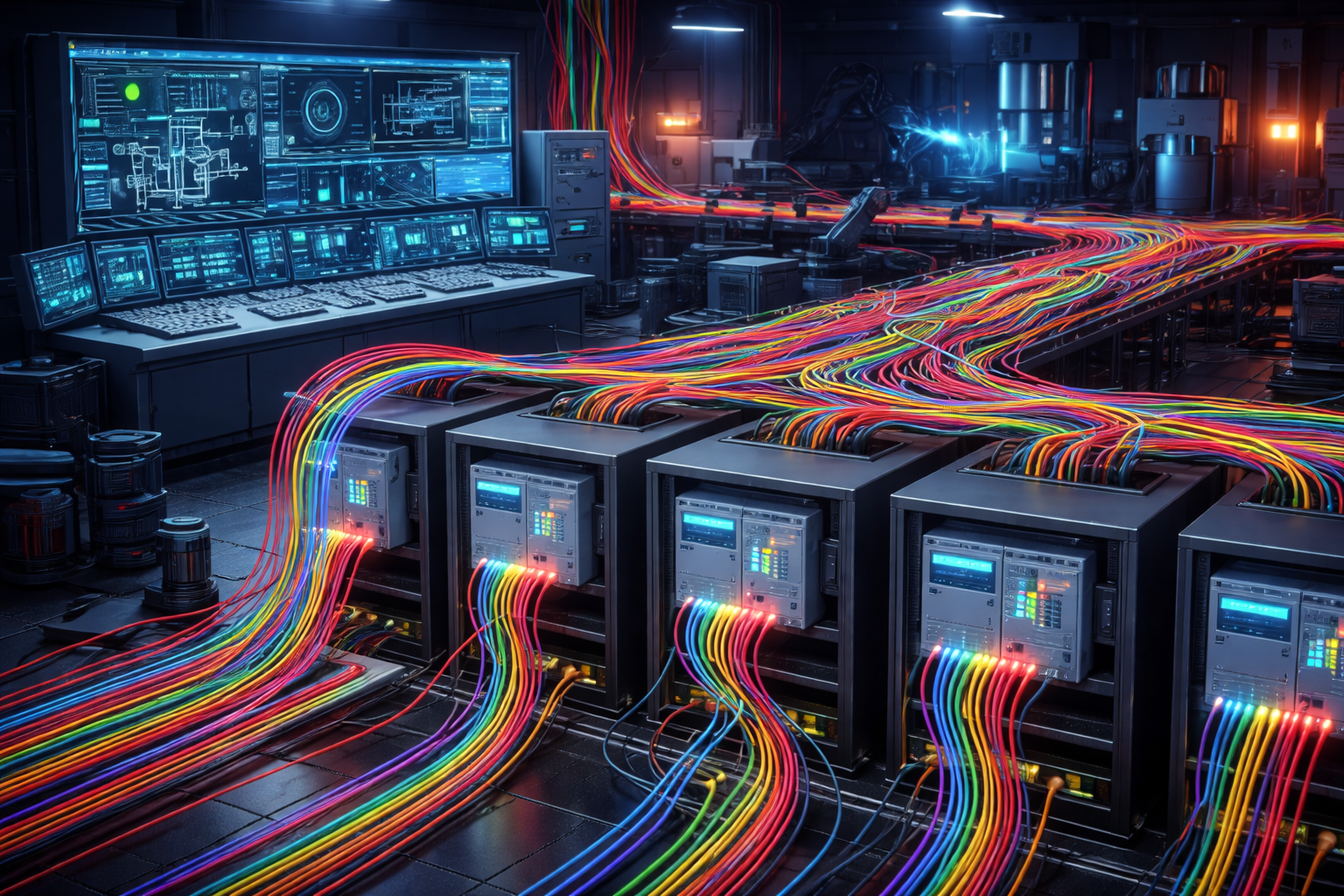
SCADA, which stands for Supervisory Control and Data Acquisition, is a type of control system used for monitoring and controlling large-scale industrial operations, often spread over vast geographical areas. What is a system like SCADA used for? It is commonly used in industries like water and waste management, oil and gas pipelines, and electrical power grids. SCADA systems are not designed for direct process control but rather for high-level supervision.
The primary function of a SCADA system is to gather data from remote locations, transfer it back to a central site, and present it to operators in a digestible format. This allows operators to monitor the status of remote equipment, identify alarms or issues, and make control decisions from a single location. For example, an operator at a water utility can monitor reservoir levels and control pumps in different parts of a city using a SCADA system.
With the rise of IoT and cloud computing, SCADA systems are becoming even more powerful. They are being integrated with cloud platforms to enhance data analytics capabilities, allowing for better quality control and more informed decision-making. As industries continue to digitize their operations, the demand for secure and intelligent SCADA architectures is expected to grow rapidly.
Core Technologies Powering Innovation
Innovation in industrial automation is being fueled by a set of core advanced technologies that are pushing the boundaries of what's possible. These technologies are the engines of Industry 4.0, enabling factories to become smarter, faster, and more efficient. The integration of artificial intelligence and the Industrial Internet of Things (IIoT) is creating a new generation of industrial automation solutions.
These tools are not just improving existing processes; they are enabling entirely new ways of manufacturing. From robots that can work alongside humans to systems that predict their own maintenance needs, technology is transforming the factory floor. Let's examine some of the most influential technologies: the IIoT, robotics and cobots, and AI and machine learning.
Industrial Internet of Things (IIoT)
The Industrial Internet of Things (IIoT) is one of the key new technologies driving innovation in automation. It refers to the network of interconnected sensors, instruments, and other devices on the factory floor. These devices are connected to the internet, allowing them to collect and share vast amounts of data. This constant flow of information provides an unprecedented, real-time view of industrial operations.
This data is the foundation for numerous advancements. For example, by analyzing data from machine sensors, companies can implement predictive maintenance. Algorithms can detect subtle signs of wear and tear and predict when a part is likely to fail, allowing for maintenance to be scheduled before a breakdown occurs. This simple capability drastically reduces unplanned downtime and saves money.
Furthermore, IIoT works hand-in-hand with technologies like edge computing, which processes data close to its source for faster analysis. The combination of IIoT and advanced data analytics enables smarter, data-driven decisions across the board, from optimizing production schedules to improving energy efficiency. It is the connective tissue of the modern smart factory.
Robotics and Cobots in Modern Factories
Robotics is another technology at the forefront of innovation in industrial automation. Industrial robots have long been used for heavy-duty, repetitive tasks like welding and painting, but today’s robots are more advanced than ever. They are faster, more precise, and equipped with sophisticated sensors and vision systems, allowing them to perform increasingly complex tasks.
A particularly exciting development is the rise of collaborative robots, or "cobots." Unlike traditional industrial robots that must be kept in safety cages, cobots are designed to work safely alongside human employees. They can assist with tasks that require a delicate touch or handle the more strenuous parts of a job, freeing up workers to focus on quality control or other higher-value activities.
The role of robotics and cobots in modern factories continues to expand, driven by their increasing intelligence and flexibility.
- They perform repetitive tasks with high precision, improving quality.
- They handle dangerous jobs, enhancing worker safety.
- They can be quickly reprogrammed for different tasks, supporting mass customization.
- Autonomous mobile robots (AMRs) are used for material handling, automating logistics within the factory.
Artificial Intelligence and Machine Learning Applications
Artificial intelligence (AI) and machine learning (ML) are perhaps the most transformative technologies driving innovation in the industrial automation sector. These technologies enable machines and systems to learn from data, identify patterns, and make intelligent decisions without being explicitly programmed. This brings a new level of intelligence and adaptability to the factory floor.
The integration of AI is creating powerful applications across the manufacturing process. For example, AI-powered machine vision systems can perform quality control inspections with a level of accuracy and speed that surpasses human capabilities. These systems can spot tiny defects in products that would be invisible to the naked eye, ensuring that only perfect products leave the factory.
Furthermore, machine learning algorithms are used for advanced analytics to optimize production processes. They can analyze data from the entire supply chain to predict demand fluctuations or identify bottlenecks in production. The potential for AI is still being explored, but it is already being used to improve design processes, enable sophisticated predictive maintenance, and enhance the precision of industrial robots.
Market Overview and Growth Drivers
The industrial automation market is experiencing robust market growth, driven by a global push for greater efficiency, safety, and productivity. As industries face rising labor costs and a shortage of skilled workers, the adoption of automation solutions has become a strategic necessity. This trend is fueling sustained expansion across the entire automation industry.
Several key factors are contributing to this growth, from technological advancements to supportive government policies. To understand the current landscape, it's important to look at the global market size, the primary factors promoting expansion, and the major industries that are leading the charge in adopting automation.
Global Market Size and Forecasts
So, how big is the global industrial automation market right now? The market is already substantial and poised for impressive growth. In 2025, the global industrial automation and control systems market size was estimated at USD 226.76 billion. Projections show that this figure is expected to reach USD 504.38 billion by 2033, growing at a compound annual growth rate (CAGR) of 10.5%.
This strong market growth is a clear indicator of the increasing importance of automation across all industries. Regionally, Asia Pacific dominated the market in 2025, accounting for over 37% of the total revenue share. This is fueled by rapid industrialization and strong government support in countries like China and India. North America also holds a significant market share, driven by a focus on smart manufacturing and reshoring initiatives.
The forecast highlights a continued, accelerated investment in automation technologies worldwide as companies strive to stay competitive.
| Market Metric | Value |
|---|---|
| 2025 Market Size | USD 226.76 Billion |
| 2033 Projected Market Size | USD 504.38 Billion |
| CAGR (2026-2033) | 10.5% |
| Largest Regional Market (2025) | Asia Pacific |
Key Factors Promoting Sector Expansion
What are the main factors influencing growth in the industrial automation sector? A combination of economic, technological, and regulatory forces is driving the expansion. One of the primary drivers is the relentless pursuit of a competitive edge. Companies are investing in automation to increase productivity, improve product quality, and reduce operational costs, which are all critical for succeeding in a global market.
The continuous advancement of technology is another major factor. The increasing accessibility of advanced technologies like AI, IoT, and robotics makes it easier for companies to implement powerful automation solutions. These tools enable advanced data analytics and real-time decision-making, which were not possible with older systems. Additionally, rising labor costs and shortages of skilled workers are pushing more companies toward automation.
Government initiatives worldwide are also playing a crucial role in promoting sector expansion.
- Programs like "Make in India" encourage industrial modernization.
- Europe’s Green Deal incentivizes automation that improves energy efficiency.
- Tax incentives and grants lower the financial barrier for companies to invest in new automation systems.
- A global emphasis on digital transformation is accelerating investments in automation.
Main Industries Adopting Automation Solutions
What industries rely most on industrial automation solutions? While automation is spreading across nearly every sector, some industries have been particularly aggressive in their adoption. The manufacturing segment is the largest user, accounting for the highest market share in 2025. In this sector, automation is used to streamline production processes, from assembly and welding to packaging and quality inspection.
The automotive and electronics industries have long been pioneers in using robotics and automation to achieve high-volume, high-precision production. However, adoption is rapidly growing in other sectors as well. The need for efficiency and precision makes automation a natural fit for many industrial applications.
Here are some of the main industries leading the adoption of automation solutions:
- Manufacturing: The largest adopter, using automation for everything from assembly to quality control.
- Energy and Utilities: Using SCADA and DCS for managing power grids and resource distribution.
- Healthcare and Pharmaceuticals: Adopting automation for precision in medical device manufacturing and lab processes.
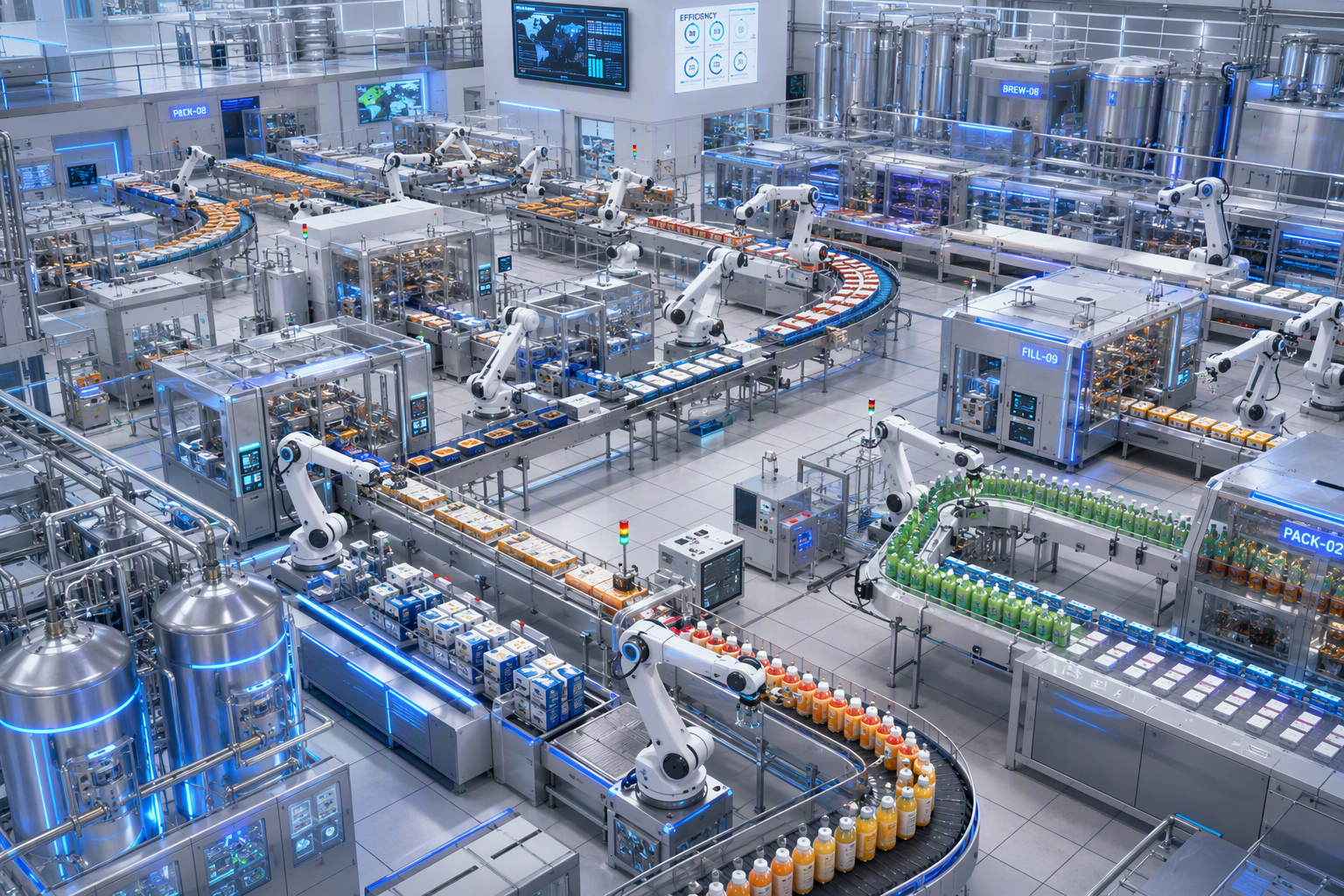
- Food and Beverage: Implementing automation to ensure consistency, safety, and efficiency in production.
Leading Companies in the Automation Sector
The industrial automation sector is home to a mix of established giants and innovative emerging companies. These key players are the ones developing the cutting-edge hardware and software that power modern factories. They offer a wide range of automation solutions, from comprehensive control systems to specialized components like sensors and robots.
These leading automation players are not just selling products; they are shaping the future of the industry through strategic partnerships and relentless innovation. To understand the competitive landscape, it's helpful to look at the top global providers, notable U.S.-based companies, and the collaborative efforts that are driving the industry forward.
Top Providers of Automation and Control Systems
When asking which companies are considered leaders in the industrial automation sector, a few names consistently rise to the top. These global powerhouses have a long history of providing reliable and innovative control systems and automation systems. They offer comprehensive portfolios that cater to a wide range of industries, making them go-to partners for companies embarking on their automation journey.
These automation players have built their reputations on the quality of their products and their ability to deliver end-to-end solutions. From PLCs and DCS to advanced industrial software, they provide all the essential components for building a smart factory. Their global presence and extensive support networks also make them attractive partners for multinational corporations.
Some of the top providers in industrial automation include:
- Siemens AG
- Schneider Electric
- ABB Ltd.
- Rockwell Automation, Inc.
- Emerson Electric Co.
- Honeywell International, Inc.
These companies continue to lead the market by investing heavily in research and development to stay ahead of the technological curve.
Notable U.S.-Based Companies
While the automation industry is global, several U.S.-based companies are major players and leaders in the sector. These firms are at the forefront of driving digital transformation and smart manufacturing initiatives, particularly in North America. They offer a wide range of automation solutions that help companies improve productivity and maintain a competitive edge.
Rockwell Automation, Inc. is a prominent example, providing a broad portfolio of industrial automation and information solutions. Other key players, like Emerson Electric Co. and Honeywell International, Inc., also have strong roots in the U.S. and are known for their advanced control systems and process automation technologies. While global giants like Siemens AG and Schneider Electric have a massive presence, the U.S. market has its own champions.
Here are some of the notable companies with a strong U.S. presence that are considered leaders:
- Rockwell Automation, Inc.
- Emerson Electric Co.
- Honeywell International, Inc. These companies are not just competing; they are also innovating, especially in areas like cybersecurity and edge computing, which are critical for the future of the industry.
Strategic Partnerships and Innovations
Innovation in the automation sector is often a collaborative effort. Leading companies are increasingly forming strategic partnerships to accelerate the development and deployment of new automation solutions. These collaborations often involve pairing traditional automation hardware providers with software developers, cloud service providers, and AI specialists. This allows them to integrate the latest advanced technologies into their offerings.
For instance, a company specializing in PLCs might partner with a cloud computing giant to offer cloud-based monitoring and data analytics for their systems. This synergy creates more powerful and comprehensive solutions for end-users. Rockwell Automation's partnerships with companies like NVIDIA and Microsoft are perfect examples of this trend, bringing AI and cloud capabilities directly into the industrial design environment.
These partnerships are crucial for driving innovation and addressing the complex challenges of modern manufacturing. By combining their expertise, companies can deliver more value and help their customers navigate the journey of digital transformation more effectively. This collaborative approach is a hallmark of the leading players in the industry and is essential for pushing the boundaries of what automation can achieve.
Current Challenges Facing the Industrial Automation Sector
Despite its rapid growth, the industrial automation sector is not without its hurdles. Companies implementing automation face a range of challenges, from technical complexities to human resource issues. The ongoing global supply chain disruptions have highlighted vulnerabilities, while persistent labor shortages make the need for automation more urgent, yet harder to implement.
Integrating new technologies with legacy systems can also be a significant obstacle for many established manufacturers. To get a complete picture, it's important to examine the specific challenges related to workforce skills, cybersecurity and safety, and integration and supply chain issues.
Workforce Skill Gaps and Adaptation
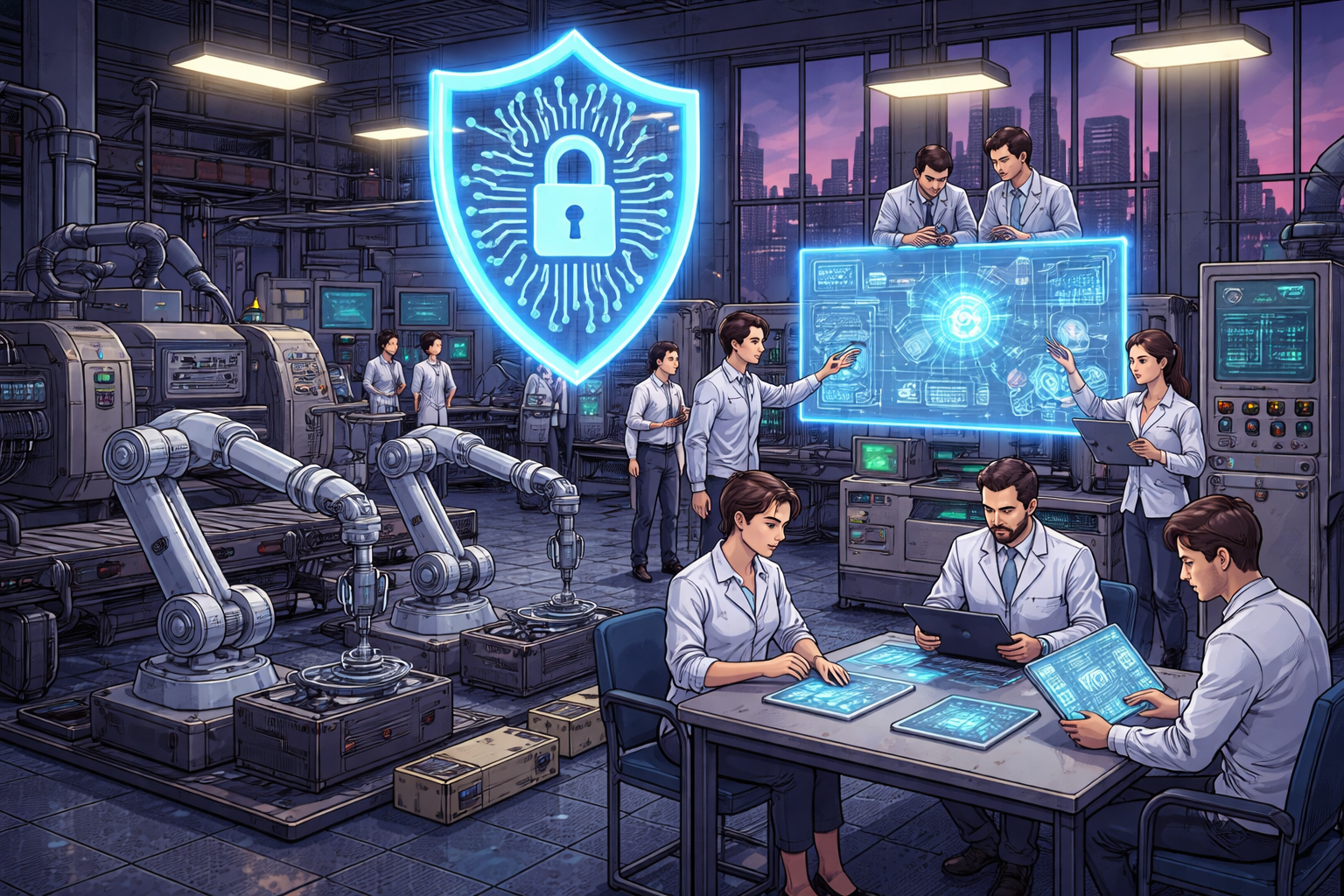
One of the most significant challenges the industrial automation sector is currently facing is the growing workforce skill gap. As automation systems become more sophisticated, the skills required to design, implement, and maintain them are also evolving. There is a high demand for workers with expertise in advanced technologies like robotics, AI, and data analytics, but the supply of qualified talent has not kept pace.
This issue is compounded by general labor shortages in the manufacturing sector. While automation can help mitigate the impact of a smaller workforce, it also creates a need for upskilling the existing employees. Workers who once performed manual tasks must be retrained to operate and collaborate with new automated systems. This requires significant investment in training and development programs.
To address this, companies are exploring various solutions, including apprenticeships, collaborations with educational institutions, and the use of connected worker technologies. These tools can provide on-the-job guidance and make it easier for employees to adapt to new roles. Closing the skill gap is critical for ensuring that companies can fully leverage the benefits of their automation investments.
Cybersecurity and Safety Concerns
Another major challenge facing the sector is ensuring cybersecurity and safety. As industrial operations become more connected through digital transformation, they also become more vulnerable to cyberattacks. A security breach in an automated factory could have devastating consequences, leading to production shutdowns, equipment damage, or even physical harm to employees.
Protecting these interconnected systems is a complex task. Industrial control systems were often designed before cybersecurity was a major concern, and many facilities still use older equipment that lacks modern security features. Securing these environments requires a multi-layered approach that addresses both new and legacy systems.
Key concerns in this area include:
- Protecting networks from unauthorized access.
- Ensuring the integrity of data flowing between devices.
- Securing remote access for monitoring and maintenance.
- Complying with industry standards and regulations for data governance. As a result, companies are making significant investments in cybersecurity measures, from advanced encryption to employee training, to protect their industrial operations.
Integration Issues and Supply Chain Disruptions
Integration issues are another common challenge, especially for established manufacturers. Many factories have a mix of new and old equipment from different vendors, and getting these disparate systems to communicate with each other can be difficult and costly. Integrating modern automation technologies with these legacy systems without disrupting existing production lines is a significant hurdle.
This challenge is often referred to as "brownfield" integration, as opposed to "greenfield" projects where a new factory is built from scratch. Companies must find ways to bridge the technology gap between their older machines and new, IoT-enabled systems. This might involve using special gateways or middleware to translate data between different protocols.
On top of these technical issues, recent global supply chain disruptions have created additional problems. Shortages of critical components like semiconductors can delay the implementation of new automation projects. These disruptions highlight the need for more resilient and flexible supply chains, which is another area where automation and data analytics can ultimately provide solutions.
Trends Shaping Industrial Automation in 2025
Looking ahead to 2025, several key trends are set to shape the future of the automation industry. The pace of technological change is accelerating, and the push toward smart manufacturing is becoming more intense. These trends are centered around greater connectivity, more powerful data processing, and an increasing focus on sustainability.
Companies that embrace these shifts will be well-positioned to gain a competitive advantage. The future of automation is about creating systems that are not only efficient but also intelligent, flexible, and environmentally responsible. Let's explore three of the most important trends: advanced wireless connectivity, edge and cloud computing, and sustainable automation.
Advanced Connectivity: Wireless Private 5G
One of the top trends shaping industrial automation is the adoption of wireless private 5G networks. This advanced connectivity solution is a game-changer for industrial environments. Unlike traditional Wi-Fi, private 5G offers higher speeds, lower latency, and the ability to connect thousands of devices simultaneously without network bottlenecks. This makes it ideal for supporting the massive data flows generated by IIoT sensors and devices.
For manufacturers, a private 5G network offers a secure, reliable, and high-performance alternative to both wired and Wi-Fi connections. It allows for seamless communication between machines, robots, and control systems across the entire factory floor. This enables true real-time control and monitoring, which is essential for many advanced automation solutions.
The advantages of wireless private 5G are compelling and are driving its adoption as a key trend:
- Faster data transmission and lower latency for real-time control.
- Ability to connect a massive number of devices in a defined area.
- Exceptional security with advanced encryption and user authentication.
- Easier and often more cost-effective deployment compared to extensive wiring.
Edge and Cloud Computing Solutions
The combined use of edge and cloud computing is another major trend shaping the sector. These two technologies offer a powerful, hybrid approach to data processing. Edge computing involves processing data at or near its source—right on the factory floor. This is ideal for applications that require a fast, real-time response, such as controlling machinery or detecting immediate safety hazards.
Meanwhile, cloud computing provides vast storage capacity and powerful processing capabilities for less time-sensitive tasks. Data from the factory floor can be sent to cloud platforms for long-term storage, in-depth analysis, and machine learning model training. This allows companies to gain deeper insights from their data without overwhelming their local networks.
Many manufacturers are adopting a strategy that uses both. Edge devices handle the immediate, real-time control and analysis, while the cloud is used for big-picture analytics, predictive modeling, and remote access to data. This balanced approach allows companies to get the best of both worlds: the speed of edge computing and the power of the cloud.
Sustainable Automation and Green Manufacturing
A growing emphasis on sustainability is driving the trend of green manufacturing and sustainable automation. Companies are under increasing pressure from regulators and consumers to reduce their environmental impact. Automation is playing a crucial role in helping them achieve these goals by optimizing energy use and minimizing waste.
Automation technologies can help companies monitor their energy consumption in real time and identify opportunities for improvement. For example, systems can be programmed to power down machines when they are not in use or to optimize production schedules to reduce peak energy demand. This focus on energy efficiency not only helps the environment but also reduces operational costs.
Here are some ways automation is contributing to green manufacturing:
- Optimizing processes to reduce energy use and carbon emissions.
- Minimizing material waste through precise control and additive manufacturing.
- Enabling better recycling and reuse of materials.
- Improving overall resource management through data-driven insights. This trend reflects a broader shift in the industry toward creating manufacturing processes that are both profitable and environmentally responsible.
Applications Across Different Industry Verticals
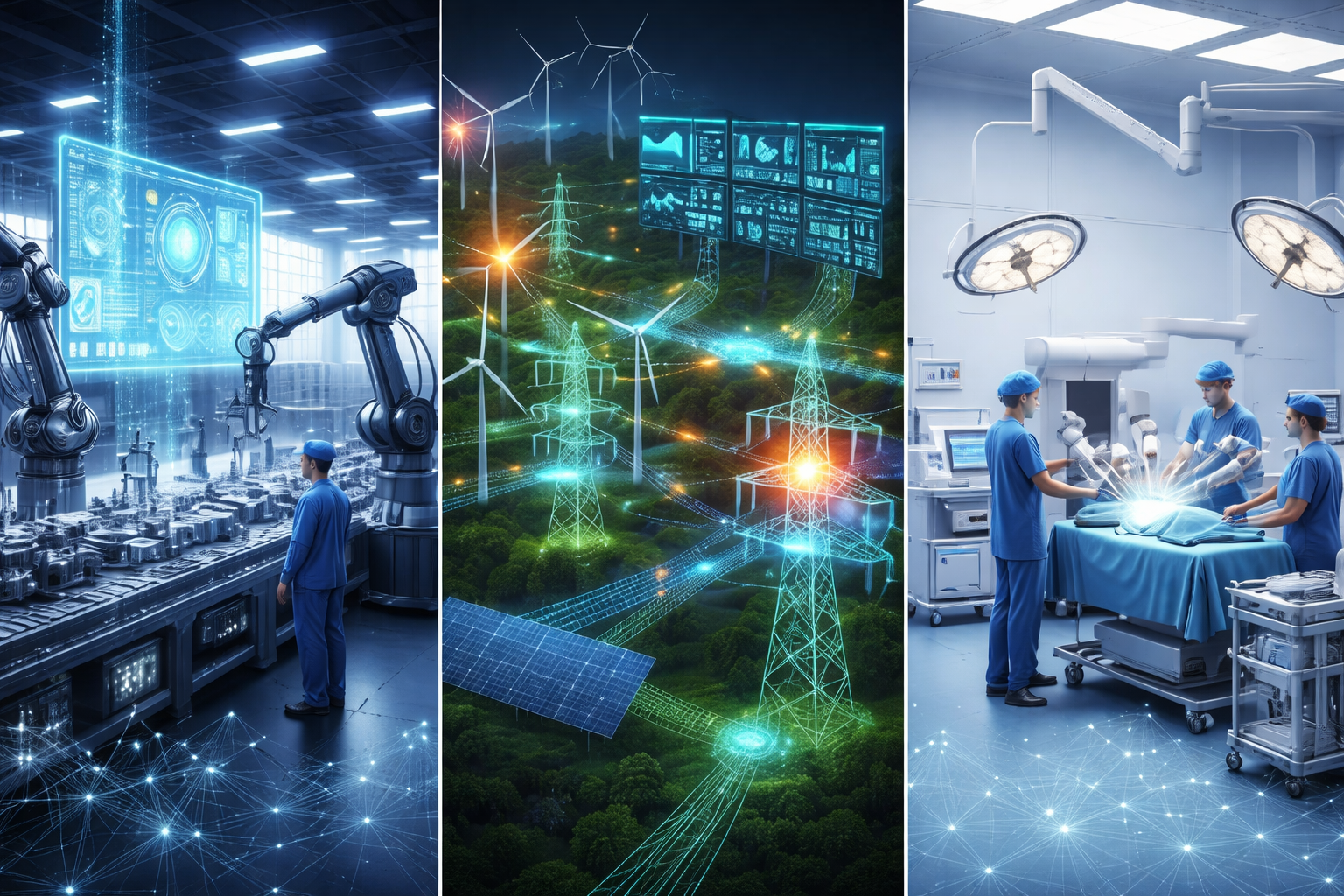
The impact of automation is not confined to a single industry. Automation solutions are being deployed across a wide range of industry verticals, each with its own unique challenges and requirements. From factory automation in discrete manufacturing to process control in the energy sector, the industrial applications of this technology are incredibly diverse.
This widespread adoption demonstrates the versatility and power of modern automation. It can be tailored to meet the specific needs of different sectors, helping them improve efficiency, quality, and safety. Let's explore how automation is being used in three key verticals: manufacturing and production, energy and utilities, and pharmaceuticals and healthcare.
Manufacturing and Production
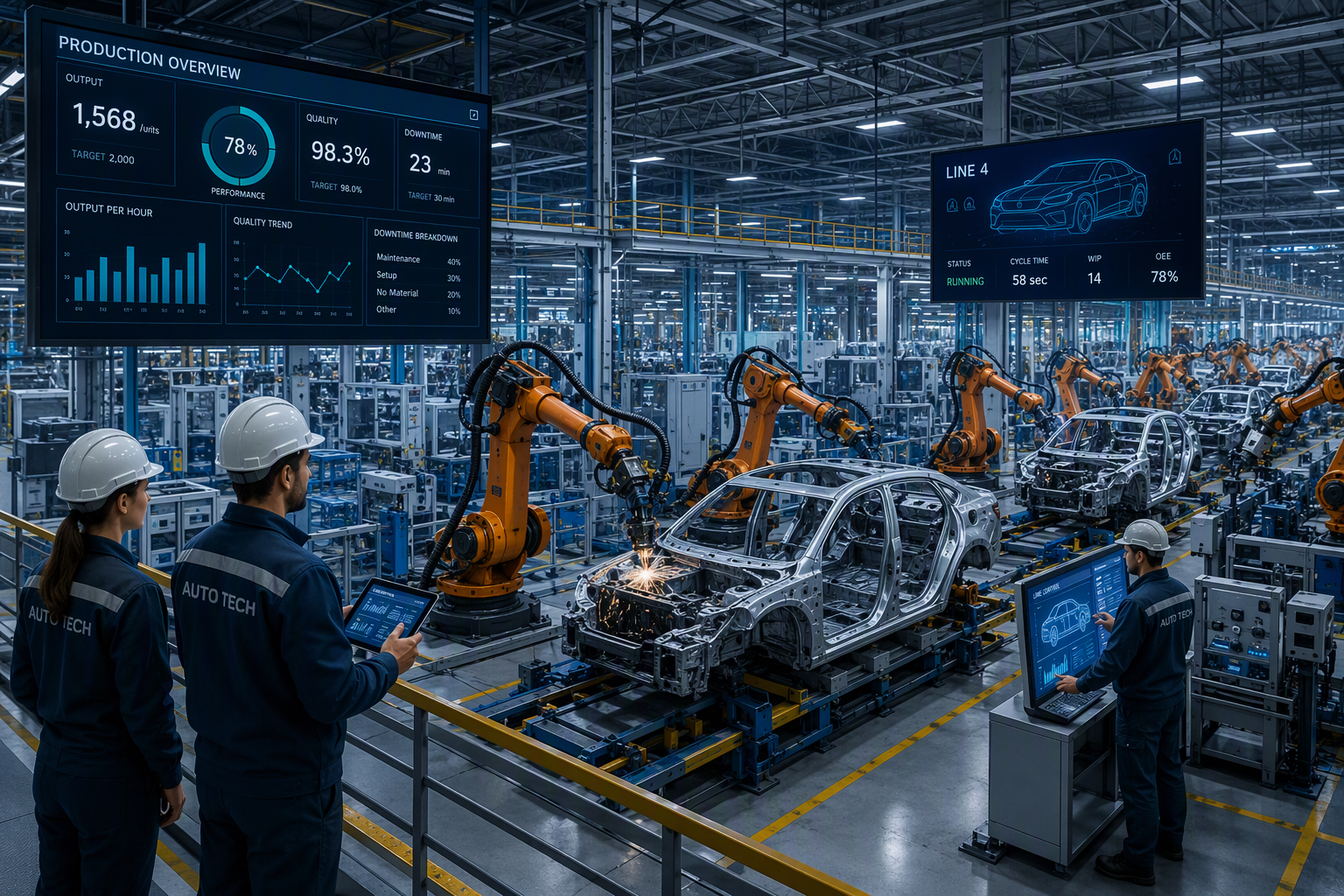
The manufacturing sector is the largest and most established user of industrial automation solutions. In this industry, automation is used to streamline virtually all aspects of the production processes. On the assembly line, robots perform tasks like welding, painting, and component placement with a level of speed and precision that humans cannot match. This leads to higher throughput and more consistent product quality.
Beyond assembly, automation is also critical for quality control. Automated inspection systems, often using machine vision and AI, can scan products for defects at high speed, ensuring that only flawless items move on to the next stage of production. This reduces waste and prevents faulty products from reaching the customer.
Furthermore, automation solutions are used to manage the logistics within the factory. Autonomous mobile robots (AMRs) transport materials and finished goods around the facility, optimizing workflow and reducing the need for manual material handling. By automating these core processes, manufacturers can significantly enhance productivity and reduce operational costs.
Energy and Utilities
The energy and utilities sector is another major industry that relies heavily on automation. In this vertical, automation solutions are primarily used for process automation and the management of large, distributed infrastructure. For example, power generation plants use Distributed Control Systems (DCS) to manage the complex processes involved in producing electricity, ensuring stability and safety.
In the utilities sector, SCADA systems are essential for monitoring and controlling vast networks, such as electrical grids and water distribution systems. These systems allow operators to remotely monitor equipment, detect faults, and make adjustments to ensure a reliable supply of energy and water to customers. This is particularly important with the growth of smart grids and decentralized renewable energy sources.
The push for sustainability is also driving the adoption of automation in this sector. Automation helps optimize energy production and distribution, reducing waste and improving overall efficiency. By enabling remote monitoring and predictive maintenance, automation also helps reduce the need for physical inspections of remote assets, saving time and resources.
Pharmaceuticals and Healthcare
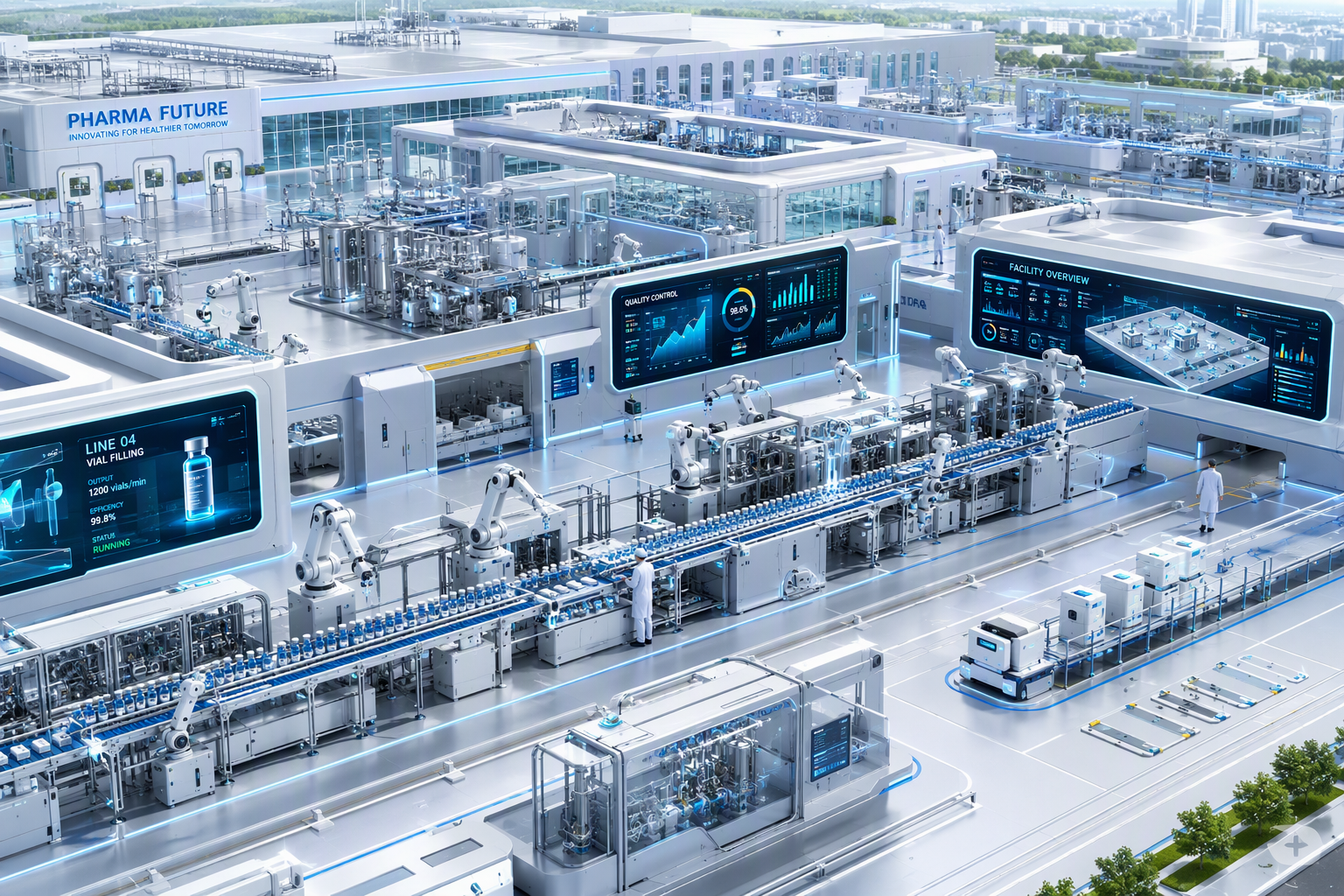
The pharmaceuticals and healthcare sectors are rapidly adopting automation solutions to improve precision, safety, and efficiency. In pharmaceutical manufacturing, automation is crucial for maintaining strict quality control and complying with regulatory standards. Automated systems are used for tasks like mixing ingredients, filling vials, and packaging medicines, which require a high degree of accuracy and consistency.
This use of automation helps to minimize the risk of human error, which can have serious consequences in this industry. In addition to manufacturing, automation is also being used in research and development labs to speed up the drug discovery process. In healthcare, the growth is accelerating, with automation being used in medical device manufacturing and even in hospital operations.
The demand for robotics in surgical procedures is another growing area, where automation provides surgeons with enhanced precision and control. Smart diagnostic systems powered by AI are helping doctors analyze medical images more accurately. The adoption of automation in pharmaceuticals and healthcare is driven by the need for scalability, reliability, and cost-efficiency in delivering life-saving products and services.
Transformative Impact on Modern Manufacturing
The impact of industrial automation on modern manufacturing has been nothing short of transformative. It has fundamentally reshaped how products are designed, produced, and delivered. By replacing manual labor with automated systems, companies have been able to achieve unprecedented levels of operational efficiency and consistency. This shift has not just improved existing processes; it has enabled entirely new business models.
The benefits of automation extend beyond just speed and productivity. It has also led to significant improvements in quality control and reductions in operational costs. Let’s explore these transformative effects in more detail by looking at how automation enhances productivity, improves quality, and lowers costs.
Enhancing Productivity and Efficiency
One of the most significant ways industrial automation has transformed manufacturing is by dramatically enhancing productivity and operational efficiency. Automated systems can operate 24 hours a day, 7 days a week, without breaks or fatigue. This continuous operation allows for a much higher production output compared to traditional, human-centric manufacturing schedules.
Automation technologies also perform tasks at a speed and consistency that is difficult for humans to match. Robots on an assembly line can perform their designated tasks in a fraction of the time it would take a person, and they do it the same way every single time. This consistency minimizes variations and ensures a smooth, predictable workflow.
The use of machine learning and data analytics further boosts efficiency by optimizing processes. Here’s how automation drives productivity:
- Enabling 24/7 operations to maximize output.
- Increasing the speed of production processes.
- Optimizing workflows and reducing bottlenecks through data analysis.
- Minimizing downtime through predictive maintenance. These factors combine to create a highly efficient manufacturing environment.
Quality Control Improvements
Industrial automation has revolutionized quality control in modern manufacturing. By minimizing human error, which is a common source of defects, automation naturally leads to a higher and more consistent level of product quality. Automated systems perform tasks with a degree of precision that is repeatable and reliable, reducing the variability that can lead to quality issues.
A key technology in this area is machine vision. High-resolution cameras combined with powerful artificial intelligence software can inspect products at incredible speeds. These systems can detect minute flaws, such as scratches, misalignments, or incorrect labeling, that might be missed by the human eye. This ensures that only products meeting the exact quality standards proceed down the production line.
This automated approach to quality control is not just more accurate; it's also more comprehensive. It allows for 100% inspection of products, rather than relying on sample-based checks. By integrating quality control directly into the production processes, companies can identify and address issues immediately, preventing waste and ensuring that customers receive only high-quality goods.
Reducing Operational Costs
Another transformative impact of automation is the significant reduction in operational costs. While the initial investment in automation can be high, the long-term savings are often substantial. One of the most direct ways automation cuts costs is by reducing the need for manual labor, which lowers expenses related to wages, benefits, and training.
Beyond labor costs, automation helps reduce expenses in several other areas. Predictive maintenance, enabled by IIoT sensors and data analytics, prevents costly unplanned downtime by allowing for repairs to be made before a machine fails. This proactive approach is far more cost-effective than reactive maintenance. Automation also contributes to greater energy efficiency by optimizing machine usage and reducing idle time.
Furthermore, the precision of automated systems leads to a reduction in material waste. Machines use materials more efficiently and make fewer errors, which means less scrap is produced. This not only saves money on raw materials but also contributes to more sustainable manufacturing practices. Over time, these combined savings can provide a significant return on the initial automation investment.
Future Outlook and Opportunities
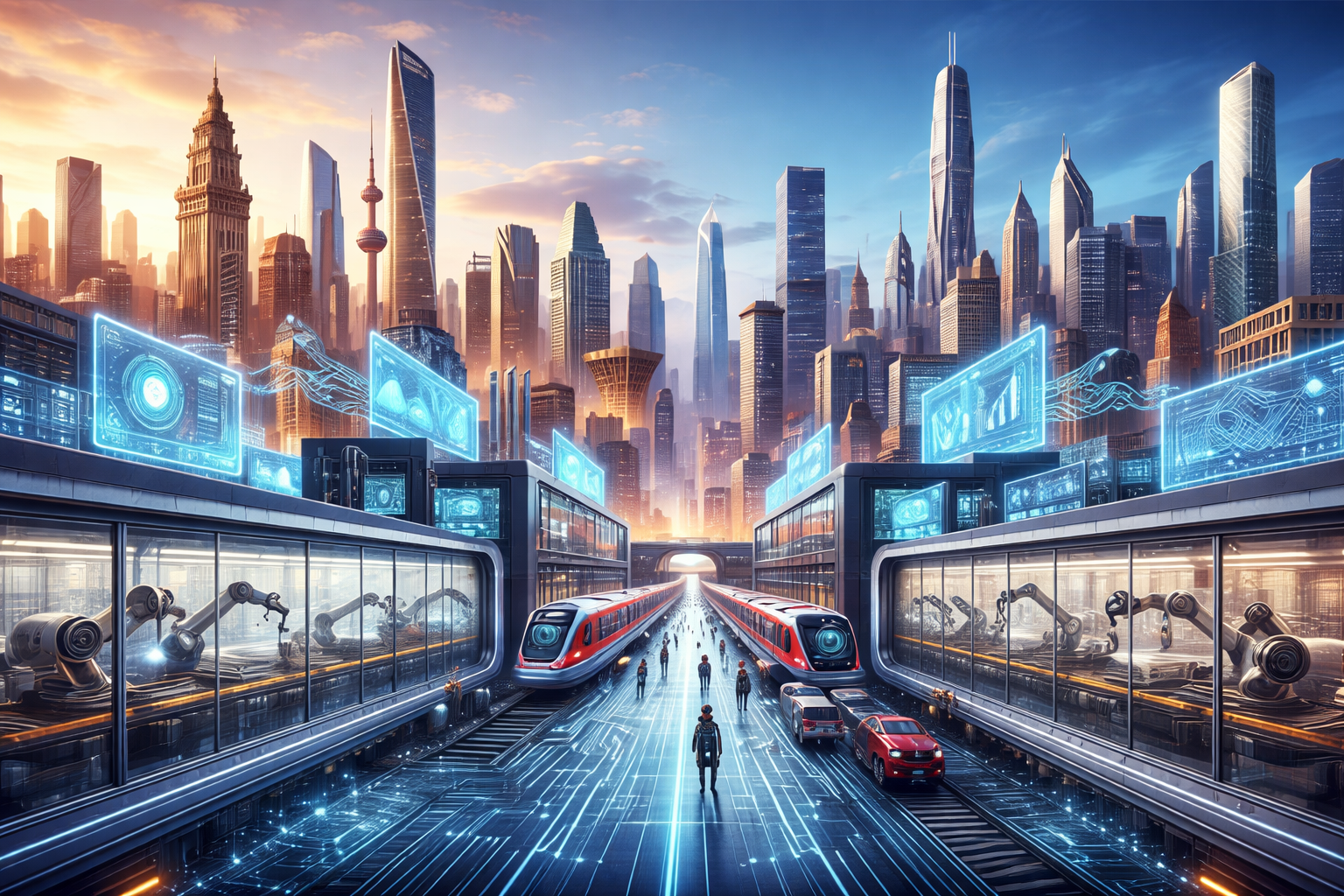
The future of the industrial automation sector looks incredibly bright, with abundant opportunities for growth and innovation. As technology continues to advance and become more accessible, the adoption of automation is expected to accelerate, particularly in emerging markets. The automation industry is on the cusp of another wave of transformation, driven by even more intelligent and connected systems.
Looking forward, there are several key areas to watch. These include the expansion into new geographical markets, the development of next-generation technologies, and the evolution of the regulatory environment. These factors will shape the trajectory of the automation sector in the coming years.
Emerging Markets and Potential Growth Areas
While North America and Europe remain strong markets for automation, the biggest opportunities for market growth are now found in emerging markets. The Asia Pacific region, in particular, is a major growth engine for the industry. Rapid industrialization, expanding manufacturing sectors, and strong government support in countries like China, India, and South Korea are fueling massive demand for automation solutions.
Increasing foreign direct investment in these regions is also accelerating the adoption of modern manufacturing technologies. As these countries build out their industrial infrastructure, they are often able to leapfrog older technologies and implement state-of-the-art automation systems from the start. This creates a huge market for automation vendors.
Beyond Asia Pacific, other emerging markets in Latin America and the Middle East & Africa are also showing significant potential. As these economies grow and diversify, the need for increased productivity and efficiency will drive further investment in automation. These regions represent a vast, largely untapped market for the automation industry.
Technologies to Watch
As we look to the future, several advanced technologies are poised to drive the next wave of innovation in industrial automation. These technologies will make factories even smarter, more flexible, and more autonomous. Keeping an eye on these developments is key to understanding where the industry is headed.
One of the most exciting technologies to watch is the digital twin. This involves creating a detailed virtual model of a physical asset, process, or even an entire factory. This virtual replica can be used for simulation, testing, and optimization without affecting the real-world operation. Another key area is the continued evolution of artificial intelligence, which will enable even more sophisticated decision-making and self-optimization in automated systems.
Here are some of the key technologies to watch:
- Digital Twin: For advanced simulation and predictive analysis.
- Advanced Artificial Intelligence: Enabling more autonomous and intelligent systems.
- Autonomous Mobile Robots (AMRs): For more flexible and intelligent material handling.
- Generative AI: Assisting engineers with design, code generation, and troubleshooting. These technologies will be instrumental in creating the fully autonomous factories of the future.
Evolving Regulatory Landscape
The evolving regulatory landscape is another important factor that will shape the future of the automation industry. Governments around the world are implementing new policies and regulations that are influencing the adoption of automation. These regulations often aim to promote safety, sustainability, and economic competitiveness.
For example, stricter environmental regulations are pushing companies to adopt automation solutions that can help them reduce energy consumption and minimize waste. Europe’s Green Deal is a prime example of a government initiative that incentivizes investments in green manufacturing technologies. Similarly, regulations related to worker safety can drive the adoption of robots to handle hazardous tasks.
Government initiatives that provide financial incentives, such as tax credits or grants for investing in automation, also play a significant role in accelerating adoption. As governments continue to focus on modernizing their industrial bases and addressing challenges like climate change and supply chain resilience, the regulatory landscape will continue to evolve, creating both challenges and opportunities for the automation industry.
Conclusion
In summary, the industrial automation sector is rapidly evolving, shaped by innovative technologies and increasing demand for efficiency and productivity. As we embrace this digital transformation, understanding the core concepts, historical context, and current challenges becomes essential for businesses looking to thrive. The integration of advanced systems like IIoT, AI, and robotics not only enhances operational capabilities but also promises exciting opportunities for growth across various industries. By staying informed and adaptable, organizations can navigate the complexities of automation and harness its full potential. If you're interested in exploring how industrial automation can benefit your business, don't hesitate to reach out for a consultation today!
Frequently Asked Questions
What are the four main types of industrial automation?
The four main types of industrial automation are fixed (or hard) automation for high-volume, repetitive tasks; programmable automation for batch production with some flexibility; flexible automation for easily reconfigurable production lines; and integrated automation, which uses a total control system to unify all processes with advanced technologies.
Which industries depend most on automation solutions?
Industries that heavily depend on automation solutions include manufacturing, particularly automotive and electronics, for their high-volume production needs. Other key sectors are energy and utilities for managing vast infrastructure, and increasingly, healthcare and pharmaceuticals for precision and quality control in their industrial applications.
Who are the major players in the global industrial automation sector?
The major key players in the global automation industry include established technology giants like Siemens AG, Schneider Electric, ABB, and Rockwell Automation. These companies are leaders in providing comprehensive control systems, software, and hardware that power modern automated factories and industrial processes around the world.
You might also like