How to Audit an Alarm System
How to Audit an Alarm System
An alarm audit shows whether operators can trust every alarm.
An alarm audit is a systematic review that evaluates the effectiveness and reliability of an alarm system. It ensures that operators can act confidently on each alert, enhancing safety and operational efficiency. Here’s how to conduct a comprehensive audit:

Define Objectives: Clearly outline the goals of the audit. Are you assessing regulatory compliance, improving response times, or reducing nuisance alarms?
Define Objectives: Clearly outline the goals of the audit. Are you assessing compliance with security policies, improving response times, or reducing nuisance alarms?
Gather Data: Collect alarm logs and documentation of system configurations, including alarm points. This data will serve as your baseline for analysis.
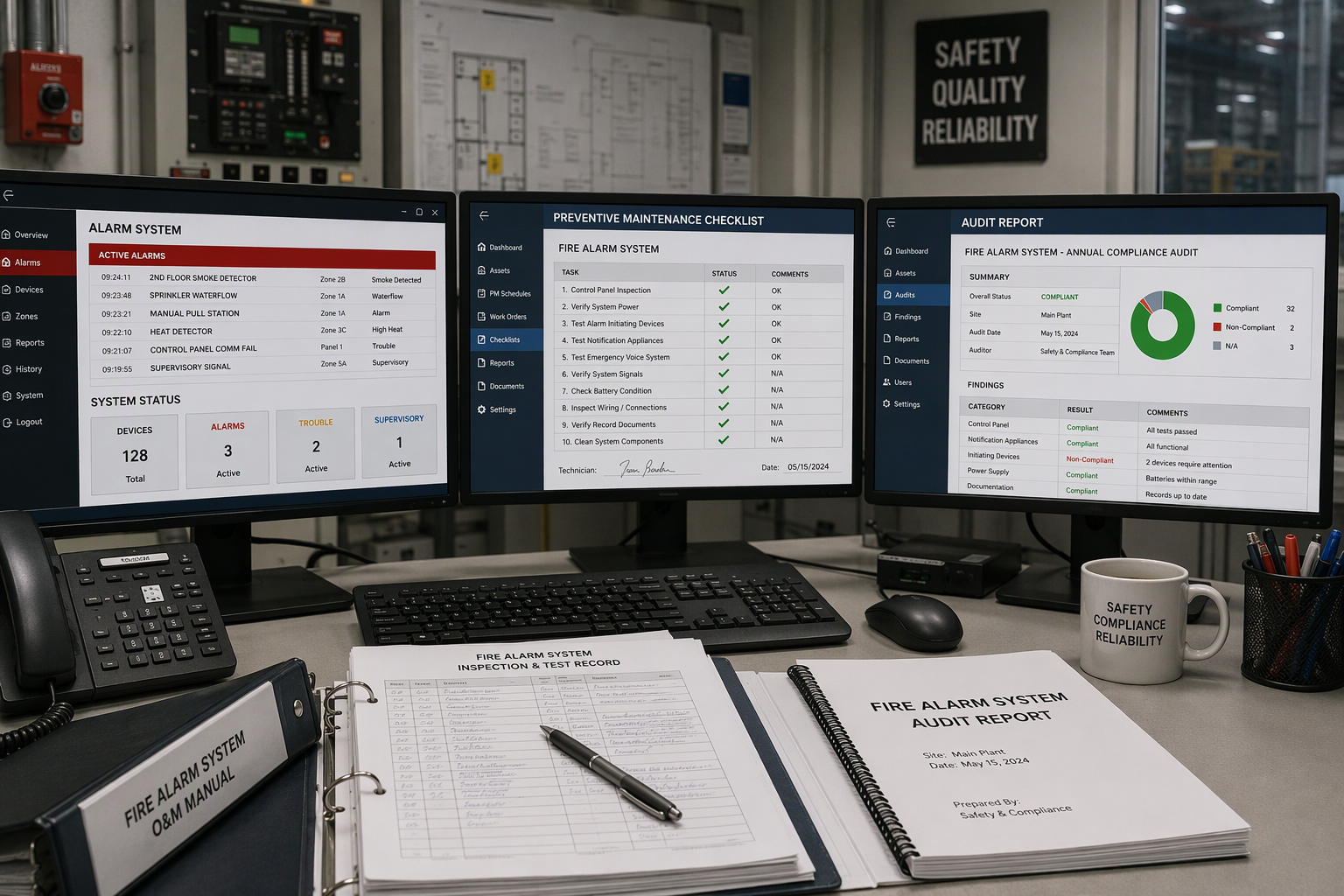
Analyze Alarm Performance: Review the frequency and type of alarms generated. Identify Patterns: Look for trends in alarm occurrences. Are certain alarms triggered more frequently than others? Understanding these patterns can help pinpoint areas needing improvement. To effectively audit your fire alarm system for safety and compliance, use a checklist that includes reviewing alarm performance, checking proper system installation, ensuring regular maintenance and testing, verifying documentation, confirming compliance with local fire codes, and examining alarm response protocols. Regularly assessing these factors will help ensure your fire alarm system remains reliable and up to standard.
Identify Patterns: Look for trends in alarm occurrences. Are certain alarms triggered more frequently than others? Understanding these patterns, including any relevant remote monitoring capabilities, can help pinpoint areas needing improvement.
Evaluate Response Procedures: Assess how operators respond to alarms. Are there established protocols? Measure response times and the effectiveness of actions taken after an alarm is activated.
Engage Stakeholders: Involve all relevant personnel, from operators to management. Their insights can provide valuable perspectives on the alarm system's performance and any challenges faced.
Test Alarm System Functionality: Conduct hands-on tests to verify that each alarm functions as intended.
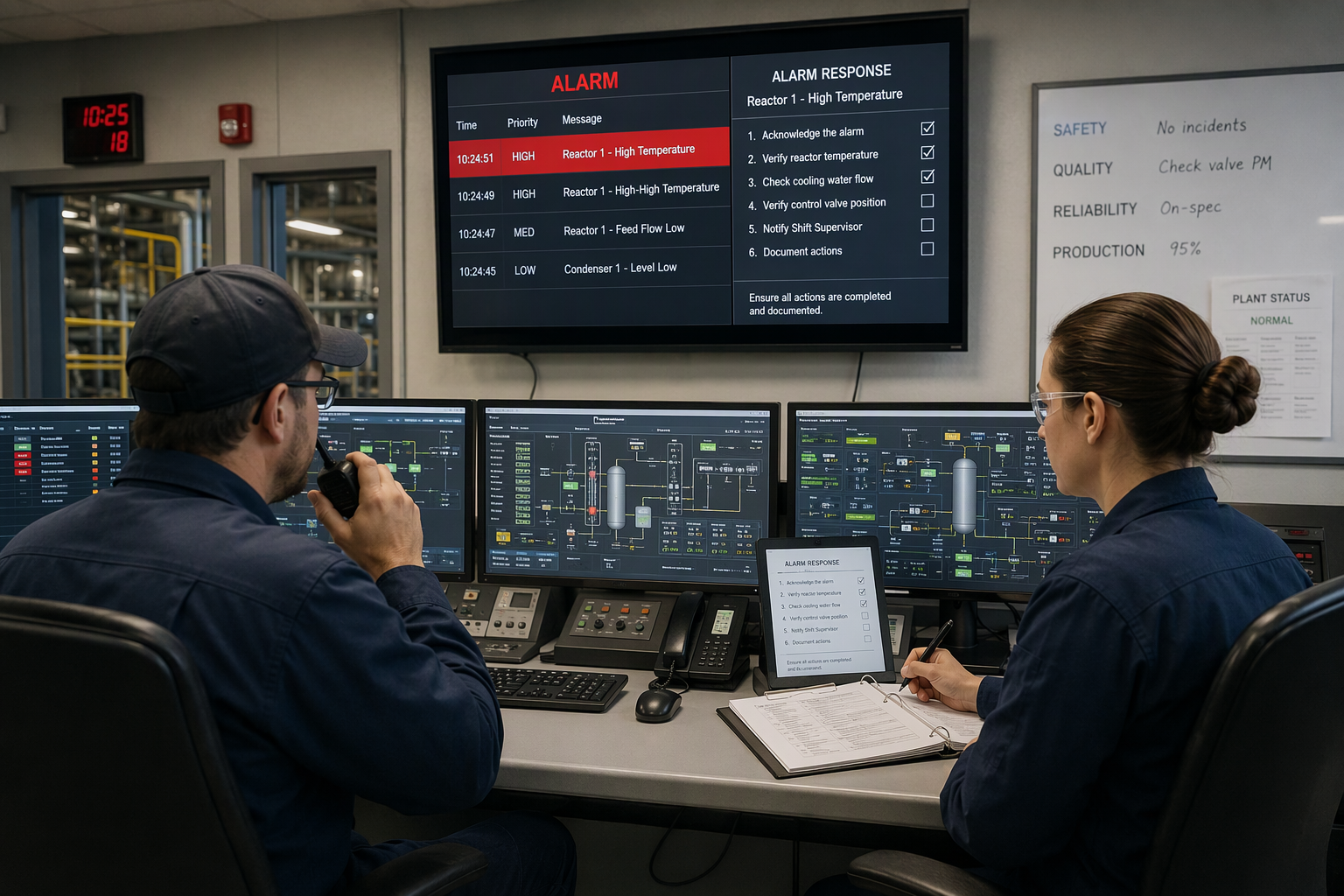
What an alarm audit should cover in a Process Plant Control Room
What an Alarm Audit Should Cover
To ensure a thorough audit evaluation of your alarm system, the audit should encompass several critical aspects, including security measures: alarm management measures:
Alarm Configurations: Review the settings and parameters of each alarm. Are they appropriately calibrated to minimize false alarms while still capturing potential threats and genuine threats?
Alarm Categorization: Assess how alarms are classified—critical, warning, or informational. This categorization affects prioritization during responses and can influence operator training.
Historical Performance Metrics: Analyze historical data to gauge alarm efficacy over time.
Set clear audit objectives first for Process Units
Set Clear Audit Objectives First. The alarm audit checklist begins with clear objectives related to process safety and alarm performance.
Document System Configurations. Compile a comprehensive report inventory of all system configurations. This includes alarm types, sensitivity settings, and integration with other security systems. With the rapid advancements in technology, a well-documented baseline will aid in identifying discrepancies during the audit.
Gather alarm data and records
Gather Alarm Data and Records Collect all relevant alarm data and incident records to provide a background for your audit, ensuring that you take stock of your surveillance cameras and other security features in the United States. This includes timestamps of alarms triggered, the nature of each incident, response actions taken, and outcomes. By compiling this information, you can identify patterns and trends that may highlight areas needing attention or improvement.
Conduct Staff Interviews and integrate structured interview guides to enhance communication. Engage with personnel who interact with the alarm system daily. Their insights can shed light on operational challenges and procedural inefficiencies, including any potential suspicious activity that smart technology might not be immediately apparent from the data alone. Understanding their experiences helps create a holistic view of the system's performance.
Measure alarm load and flooding
Measure Alarm Load and Flooding To assess the effectiveness of your alarm system and ensure operator trust, it's essential to analyze the alarm load—how many alarms are generated within a specific timeframe compared to the actual incidents. Look for periods of alarm flooding, where multiple alarms trigger in quick succession, potentially overwhelming response teams at various access points. This analysis will help identify vulnerable areas where the system is appropriately calibrated or if adjustments are necessary to reduce burden on operators and responders.
Evaluate Response Times Once you have a grasp on alarm load, dive into response time metrics with the latest security technology. Measure how quickly responders act upon receiving an alarm notification in light of potential security threats, and compare these figures against your established audit objectives.
Check alarm design and setpoints
Check Alarm Design and Setpoints. Next, evaluate the alarm system's design and its setpoints, including motion detectors. Determine whether the thresholds for activating alarms are set appropriately to minimize false positives while ensuring genuine threats are not overlooked for your peace of mind. Assess the clarity of alarm notifications—do they provide sufficient information for responders? Moreover, confirm that alarms are categorized correctly based on severity to streamline response protocols effectively.
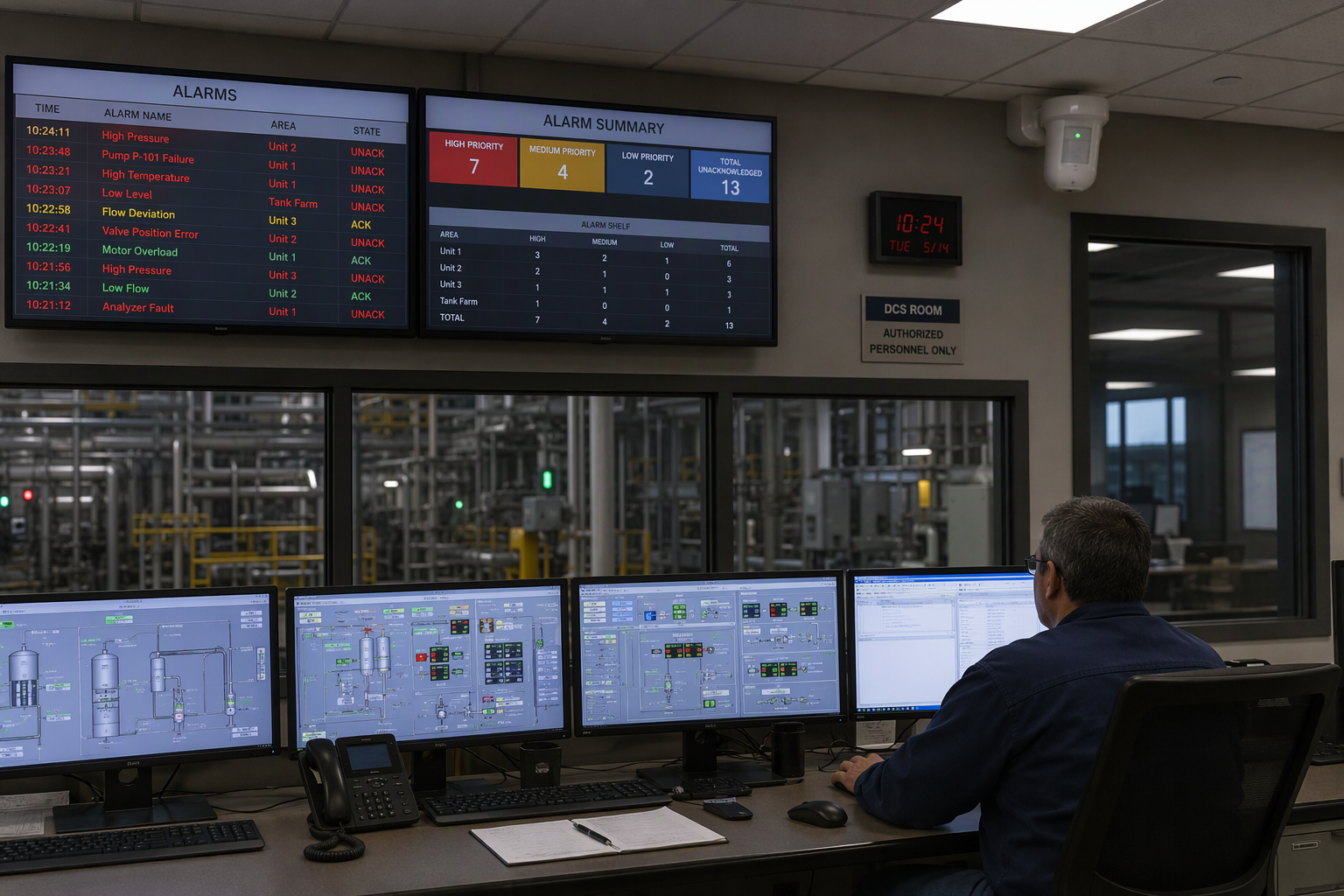
Perform Compliance Assessment Conduct a compliance assessment to ensure that your alarm system adheres to industry regulations and standards, including security requirements. Review documentation related to local codes, safety practices, and any specific requirements mandated by governing bodies.
Test operator response procedures
Test Operator Response ProceduresTo ensure that your alarm system functions seamlessly, it is crucial to assess the operator response procedures, especially during power outages. Conduct drills and simulations that mimic real-life scenarios, allowing operators to practice their reactions under pressure, including how they respond to a motion sensor alert. Observe how quickly they initiate protocols and communicate with responders. Encourage feedback from participants to identify areas needing improvement.
Review Training ProgramsAdditionally, examine the training programs in place for operators and responders regarding smart home ecosystems. Are they adequately equipped with knowledge of the alarm system's functionalities? Continuous education and refresher courses can bridge gaps in understanding and enhance overall efficiency in responding to alarms.
Interview operators and engineers
Interview Operators and EngineersTo gain deeper insights into the alarm system's effectiveness, conduct interviews with both operators and engineers. Operators can provide firsthand accounts of their experiences, highlighting common challenges faced during alerts related to window contacts. Engineers, on the other hand, can elaborate on the technical aspects of the system, discussing any recent upgrades or recurring issues that may necessitate attention.
During these discussions, focus on specific questions: Are there patterns in false alarms? How often do they receive updates or training about system changes? Such dialogues can reveal operational blind spots and pain points, helping to fine-tune protocols.
Review documentation and change records
Review Documentation and Change RecordsA pivotal aspect of auditing an alarm system is to thoroughly examine all relevant documentation and change records, including camera coverage. This includes maintenance logs, incident reports, and any modifications made to the system over time. Look for trends in service calls or repairs that might indicate chronic issues needing resolution.
Ensure that all changes are documented comprehensively, including the rationale behind them. Are there any discrepancies or gaps in record-keeping? Such inconsistencies can compromise the integrity of the audit process. By tracing the history of the alarm system and evaluating access control systems, you can better understand its evolution and pinpoint areas for improvement.
Score findings by risk
Score Findings by RiskOnce you have gathered insights from interviews and reviewed documentation, the next step is to score your findings by risk, particularly focusing on vulnerabilities like the front door. This involves evaluating each identified issue's potential impact on safety and security. Create a framework that scores risks based on likelihood and consequence, allowing for a clear prioritization of concerns.
For example, frequent false alarms may warrant a lower score compared to a process safety gap that could lead to unauthorized access. A solid security strategy involves engaging stakeholders in this scoring process to ensure a comprehensive understanding of the implications associated with each risk factor.
Build an action plan
Build an Action Plan Having assessed and prioritized the risks, it's time to construct a proactive action plan. This plan should outline best practices and specific steps for mitigating identified risks and improving the overall functionality of the alarm system. Clearly define responsibilities and timelines for each action item, ensuring that all stakeholders are in agreement on their roles.
Consider breaking down the plan into short-term fixes and long-term strategies. Short-term actions might include addressing immediate vulnerabilities or enhancing user training to deter potential intruders, while long-term initiatives could involve system upgrades or implementing new technologies.
Verify fixes after the audit
Verify Fixes After the AuditOnce your action plan has been implemented, it’s crucial to verify that all fixes have been correctly executed and are functioning as intended. Conduct follow-up assessments to evaluate the efficacy of the changes made. This can involve re-testing the alarm system under various conditions to ensure its reliability and robustness.
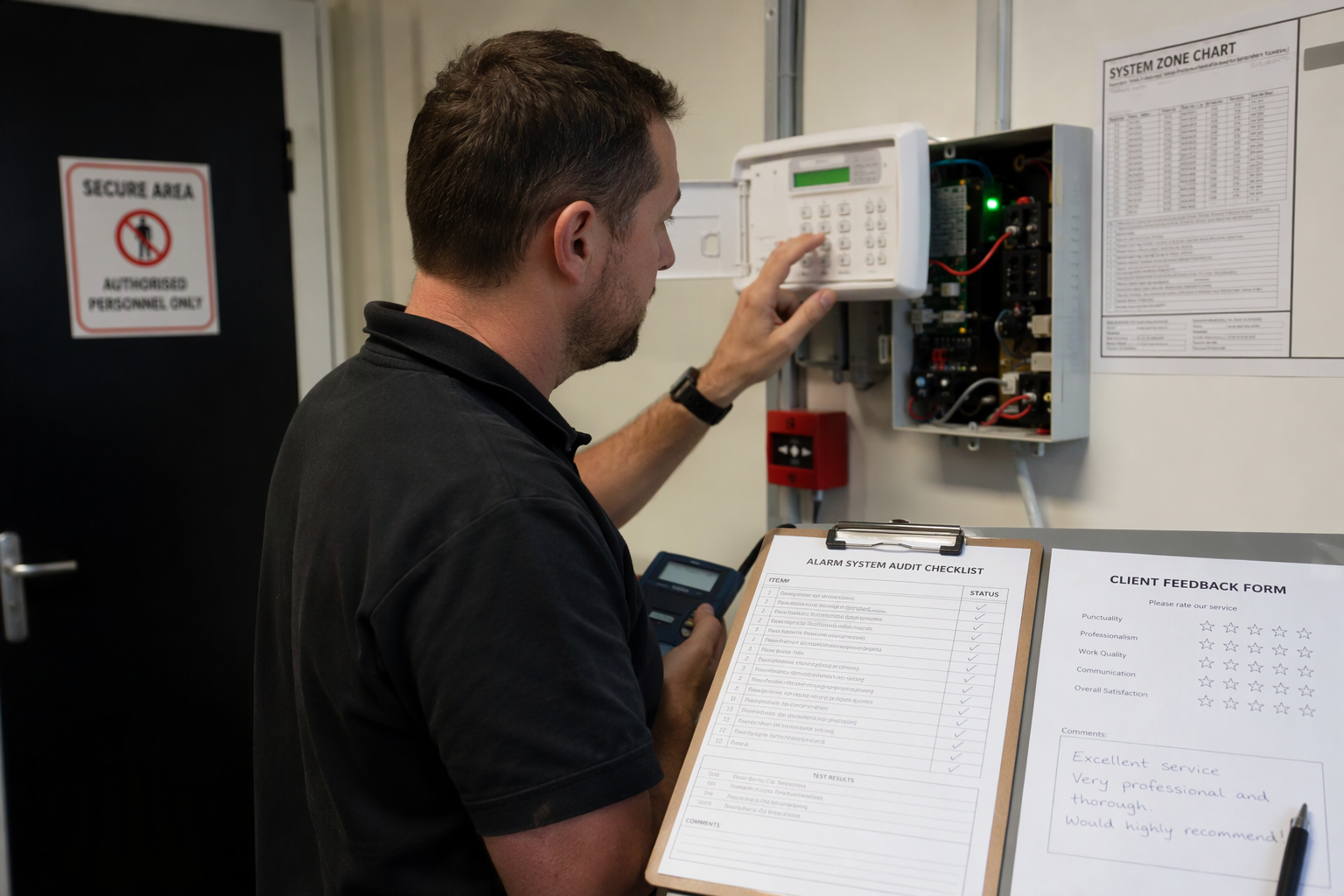
Engage with users and stakeholders once again to gather feedback on any improvements noticed in the system's performance regarding sensitive information security. Document these findings meticulously, as they will serve as a benchmark for future audits and continuous improvement efforts.
How often should you audit?
How Often Should You Audit? Establishing a regular auditing schedule to address process safety needs is vital for maintaining the effectiveness of your alarm system. Typically, it is recommended to conduct audits at least annually; however, more frequent assessments may be warranted based on factors such as system complexity, regulatory requirements, or recent security incidents.
Consider implementing semi-annual reviews to address any emerging process risks and ensure ongoing compliance with industry standards. Additionally, following significant changes—like personnel shifts or technology upgrades—should trigger an immediate audit to reassess risks, vulnerabilities, and potential tech solutions.
Common audit mistakes to avoid
Common Audit Mistakes to Avoid When conducting an audit of your alarm system, it's essential to steer clear of common pitfalls that can undermine the effectiveness of your evaluation. One frequent mistake is failing to establish a clear scope tailored to your specific needs before diving into the audit process. Without defined objectives, audits can become unfocused, leading to missed vulnerabilities.
Another error is neglecting to involve key stakeholders during the audit. Their insights and experiences are invaluable for identifying areas of improvement and ensuring that all potential risks are considered.
Audit checklist
Audit Checklist for Alarm Systems
Define Scope and Objectives
Clearly outline what the audit will assess (e.g., system components, response protocols).
Set measurable objectives to gauge success.
Involve Key Stakeholders
Identify and engage relevant personnel (operations, maintenance, and process safety staff, management).
Gather input on past performance and areas for potential improvement.
Review System Documentation
Check manuals, installation reports, and previous audit findings.
Ensure all documentation is up-to-date and accurate.
Audit Against ISA 18.2
In a process plant, audit the alarm system against ISA 18.2 and the plant's alarm philosophy, not a generic security checklist. Review the master alarm database, alarm load per operator, nuisance and standing alarms, and management of change records for setpoints and priorities. Confirm that the control room alarm list matches the process, that high-priority alarms carry a clear operator response, and that every change was approved through the alarm management lifecycle. An audit that follows ISA 18.2 turns alarm review into a process safety discipline.
How to Audit an Alarm System in a Process Plant?
To audit an alarm system in a process plant, review the inventory, the setpoints, and the operator records, then test a sample of loops and score each finding by risk. That is how to audit an alarm system without missing stale points or broken displays.
What Tools Help Automate an Alarm System Audit?
Tools help at every step of how to audit an alarm system. To learn how to audit an alarm system with software, export the historian data, rank points by count, and flag stale points. A good checklist for how to audit an alarm system includes setpoint review, response-time review, and change-history review. Tools also help a new auditor learn how to audit an alarm system without missing a step, and check loops in service with environmental hazards, such as corrosive or high-temperature service, more often. When a team documents how to audit an alarm system, it should record the tools used, the sample size, and the findings. Finally, review how to audit an alarm system in the plant alarm philosophy, so the next audit starts from the last report, not from scratch. That is how to audit an alarm system consistently, and how to audit an alarm system with evidence an auditor can trace. Keep the documented alarm philosophy
You might also like