IOT Connectors Omaha NE
Key Highlights
- IoT connectors help iot devices move data exchange securely across the internet of things. They act as smart intermediaries between devices and a connectivity management platform or cloud endpoint. Businesses can lower data usage, support battery life, and open new possibilities for simple deployments. To manage iot connectors within a network, you should use a connectivity management platform which allows you to monitor, configure, and update your iot devices remotely. This centralized control makes it easier to provision new connections, track data usage, optimize battery life, and ensure secure data exchange across all iot connectors deployed on your network.
- They act as smart intermediaries between devices and a connectivity management platform or cloud endpoint.
- Businesses can lower data usage, support battery life, and open new possibilities for simple deployments.
- A tls connector can add encryption without changing device code.
- Connectors also simplify rerouting device traffic to a new endpoint.
- For Omaha teams, they support flexible growth across many connected systems.
Introduction
The internet of things keeps growing, and that means more iot devices need reliable iot connectivity and safe data exchange. If you run connected equipment in Omaha, NE, you need a practical way to link devices to cloud platforms without adding too much complexity. That is where IoT connectors fit in. They help you move data, improve security, and simplify how devices communicate, all while making daily management easier for your team.
Understanding IoT Connectors in Omaha, NE
In simple terms, iot connectors are network-based tools that help iot devices send data transfer traffic to cloud or server endpoints more efficiently. They support iot connectivity by sitting between the device and the destination.
For Omaha organizations building or expanding iot infrastructure, that role matters. Connectors make integration easier because you can improve routing, add security, and adapt where device traffic goes without changing hardware in the field. The next sections explain how they work.
Defining IoT connectors and their role in connected devices
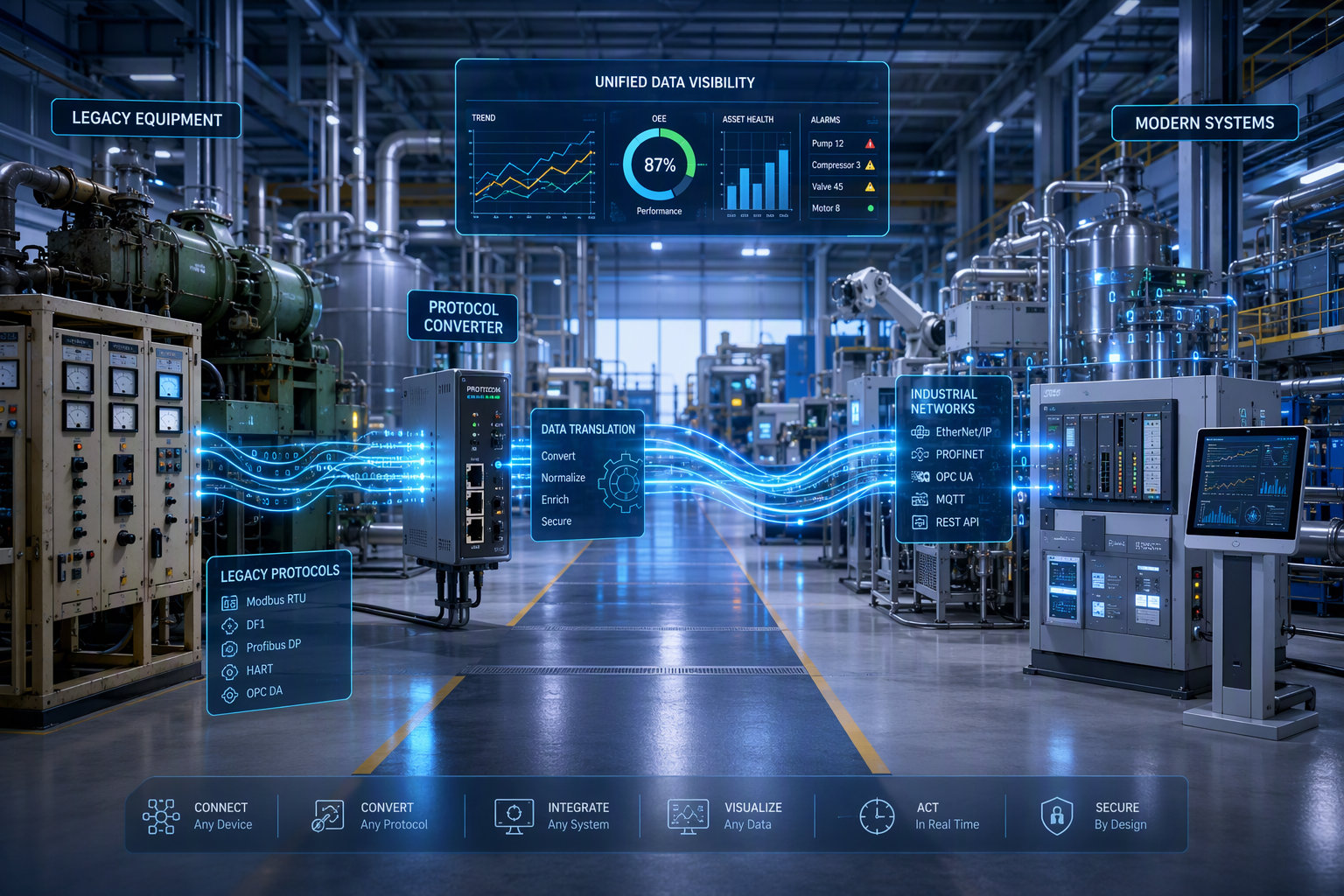
IoT connectors are in-network optimization tools used in the internet of things to help devices communicate with cloud services, MQTT brokers, or other endpoints. You can think of them as trusted smart proxies. Instead of forcing every device to handle every security and routing task alone, the connector helps manage that work in the network.
That matters because many iot applications need real time communication but run on limited hardware. A connector can add encryption layers, support routing, and help move iot data securely without extra code on the device. This reduces pressure on devices with constrained resources.
For your iot systems, the value is practical. IoT connectors make device integration easier, help reroute traffic to new services, and simplify changes in your setup. If you need flexible device management without touching each unit, connectors offer a strong option.

Key differences between IoT connectors and IoT connections
Many people mix up iot connectors with an iot connection, but they are not the same thing. An iot connection is the basic link a device makes to send traffic, such as a tcp connection to a tcp server. A connector sits in the path and changes how that traffic is handled.
In a theoretical context, the device may still behave as if it is making a normal connection. Yet the connector can encrypt, reroute, or adapt the traffic after it enters the network. With iot sim cards, this can happen without changing the device itself.
| Term | What it means |
|---|---|
| IoT connection | The direct communication session, such as a tcp connection from device to server |
| IoT connectors | Network tools that modify, secure, or reroute device traffic |
| TLS or tlc connector | A connector that adds a secure tunnel and may use a root certificate |
| Result | The device keeps its simple behavior while the network adds more control |
Importance of IoT Connectors for Local Businesses
For local businesses in Omaha, iot connectors play a vital role in digital transformation. They help connected tools share information with less friction, which supports asset tracking, faster decisions, and cleaner data analysis.
Just as important, connectors improve how companies secure and manage traffic from field devices. That matters for predictive maintenance and daily operations, especially when devices are spread across sites. The next two sections look at platform integration and stronger protection in more detail.
Streamlining device integration across platforms
When you manage devices across platforms, compatibility becomes a big issue. Connectors offer an easy way to bridge iot connectivity between devices and cloud endpoints without rebuilding each setup. They work well when your equipment includes different data sources and iot sensors that must report to one place.
Another benefit is flexibility. A connector acts like your data’s dedicated smart passageway, so traffic can move to a different host or endpoint through network changes instead of device rewrites. That helps when iot settings need to shift after deployment.
- Check whether your devices use simple protocols that a connector can support well.
- Confirm the target platform or different host can receive the routed traffic.
- Review how your iot sensors send data before selecting the connector type.
Enhancing data security for Omaha's industries
Security is one of the strongest reasons to use connectors. For Omaha industries handling sensitive information, a connector can protect data exchange after traffic enters the network. This is especially useful when field devices have limited resources and cannot manage complex security tasks on their own.
A tls connector is a clear example. It adds a secure tunnel for traffic and can be configured with a root certificate when a self-signed certificate is used. That means data can reach the right destination in encrypted form without changing the device-side setup.
- Add an extra encryption layer from the network onward.
- Reduce the burden of certificate updates on constrained devices.
- Improve data security while keeping deployment changes simple.
That shows the power of connectors in real operations.
Selecting the Right IoT Connector for Your Project
When selecting iot connectors, start with the needs of your iot product. Look at data usage, power use, and how much control you need over routing and security. The right choice should match both device limits and business goals.
You should also weigh the technical advantages for your wider iot fleet. Some connectors help lower power consumption and simplify cloud integration, while others focus on security or provisioning. The next sections break down compatibility, scalability, and deployment factors that matter most.
Compatibility with sensors and diverse devices
Compatibility starts with understanding how your iot sensors and iot devices already communicate. Devices used for asset tracking, metering, telematics, or status reporting often benefit from connectors because they need efficient transmission but may not support heavy security features on their own.
You should also think about future changes. If your iot fleet may need to move traffic to a new endpoint later, a connector can make that shift easier. Instead of changing every deployed unit, you can often handle the update in the network.
- Review protocol support and traffic behavior across your device types.

- Check whether the connector can support routing to a new endpoint.
- Match connector features to the scale and purpose of your iot fleet.
That approach helps keep compatibility practical and manageable.
Factors to consider: scalability, reliability, and deployment
As your project grows, scalability and reliability become just as important as security. Good deployment planning should cover how connectors will support large numbers of devices, stable routing, and smooth updates. Cloud connectors are useful here because they can simplify integration with platforms while reducing changes on the device side.
Efficiency matters too. Connectors can support lighter protocols in the last mile, which helps cut data costs and improve battery life. The compiled platform information also highlights terms like maximum storage duration and maximum storage, reminding you to review how platform settings and retained data behavior may affect operations.
- Choose deployment options that can grow with device volume.
- Prioritize reliability when devices must stay connected over time.
- Look for features that reduce last mile overhead and protect battery life.
Trends and Use Cases of IoT Connectors in Nebraska
Across Nebraska, trends in IoT connectors point to simpler deployment, stronger security, and better support for digital transformation. Businesses want tools that can handle real time traffic without forcing complex code changes on every device.
That demand is shaping new use cases in iot applications where power consumption, routing flexibility, and data analysis all matter. From no-code integration to industrial monitoring, connectors are becoming more practical for everyday operations. Let’s look at where that shift is most visible.
Intelligent connectors and no-code solutions
One clear trend is the rise of intelligent connectors and no-code solutions. These tools act as smart intermediaries inside the network, allowing device traffic to be secured or redirected without rebuilding the firmware. That is useful when you need fast changes but cannot touch devices already in the field.
In onomondo’s network, connectors can be applied through a platform or through onomondo’s api. That means a new connection path can be created or updated at the network level. Some advanced connectors also handle provisioning and status updates in cloud environments.
- Reduce the need for custom code on constrained devices.
- Speed up changes to routing or security settings.
- Simplify cloud integration through network-based controls.
For many teams, that is the biggest no-code benefit.
Common industrial applications for IoT connector technology
Industrial applications for connectors are tied to communication, cost control, and flexibility. In logistics and transportation, they can support supply chain visibility by helping devices send information to the right systems securely. In metering or telematics, they simplify data movement without forcing major hardware changes.
They also support predictive maintenance by making it easier to gather device traffic for data analysis. When businesses can reroute data or secure it in the network, they improve operational efficiency and reduce delays tied to manual reconfiguration.
- Asset and fleet monitoring across wide service areas
- Predictive maintenance workflows for connected equipment
- Lowering data costs through simpler transmission methods
These use cases show why connectors matter in everyday industry.
Conclusion
In summary, IoT connectors play a crucial role in the ever-evolving landscape of connected devices, particularly for businesses in Omaha, NE. By understanding their significance, you can streamline device integration, enhance data security, and ensure you select the right connector for your specific needs. As the IoT ecosystem continues to grow, it’s essential to stay informed about the latest trends and use cases that can benefit your industry. Embracing these technologies will not only improve operational efficiency but also position your business for future success. If you're ready to explore how IoT connectors can elevate your organization, don’t hesitate to contact us for a free consultation!
What exactly is Internet of Things (IoT)?
The Internet of Things (IoT) refers to a network of interconnected devices that communicate and share data over the internet. These devices, ranging from everyday household items to complex industrial machinery, can collect and exchange information, enhancing automation and enabling smarter decision-making across various applications.
You might also like