Exploring the Industrial Automation Sector: Key Insights
Exploring the Industrial Automation Sector: Key Insights
Key Highlights
- Industrial automation uses control systems, industrial robots, and software to manage industrial processes with minimal human input.
- The four main types of automation systems are fixed, programmable, flexible, and integrated, each serving different manufacturing needs.
- Key benefits of automation include enhanced productivity, improved product quality, greater safety, and significant cost savings.
- Industrial automation is a cornerstone of Industry 4.0, driving the shift toward smart factories and more efficient manufacturing processes.
- Despite challenges like high initial costs and cybersecurity risks, the benefits of automation offer a strong competitive advantage.
Introduction
Welcome to the world of industrial automation! This isn't a far-off concept anymore; it's a reality transforming the modern manufacturing industry. Industrial Automation Sector technology is rapidly changing how businesses operate, from handling materials to delivering the final product. By integrating advanced tech, companies can streamline their processes, boost safety, and improve their bottom line. Ready to explore how this innovative field is reshaping industries and what it means for the future of work?
Understanding Industrial Automation Sector
So, what exactly is industrial automation? In simple terms, it's the use of computer-controlled systems, like robots and software, to run industrial processes with very little human involvement. This shift from people operating machines to machines operating themselves is a core part of modern smart manufacturing.
This evolution is more than just basic mechanization; it's about creating "smart" factories. The benefits of automation are clear: improved efficiency, quality, and safety. Below, we’ll look at the definition, evolution, and importance of automation in today's manufacturing industry.
Defining Industrial Automation Sector and Its Role in Manufacturing
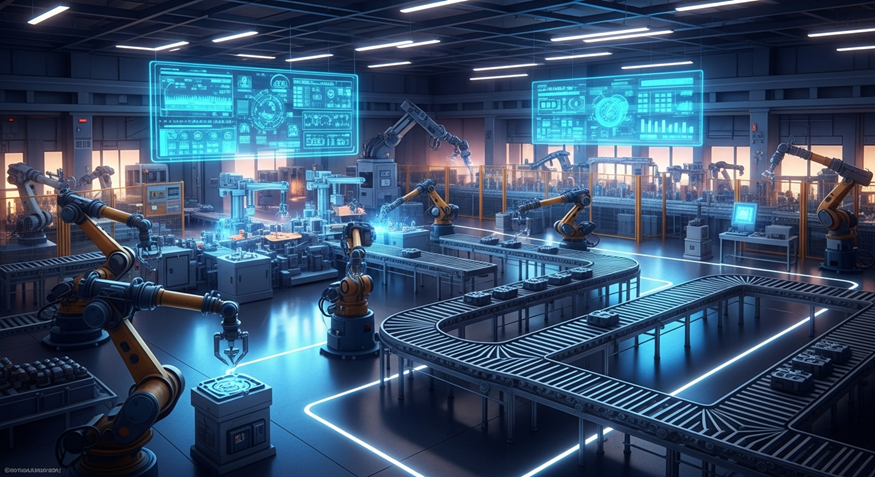
Industrial Automation Sector involves using advanced technology and machinery to make industrial tasks and processes more efficient, all with reduced human intervention. It’s about integrating various machines, sensors, and systems to automate the entire manufacturing process, from start to finish.
The core idea is to shift from people directly operating machines to a system where machines operate themselves, and people guide the overall strategy. This approach is fundamental to modern smart manufacturing and offers numerous automation solutions that enhance production.
This technology allows organizations to optimize their production, improve safety, and lower costs. The benefits of the Industrial Automation Sector are vast, making it a critical component of today's competitive manufacturing landscape by reducing the need for constant human intervention.
The Evolution of Automation Technologies
Industrial Automation Sector technology has come a long way from its early days. It started with simple mechanization of repetitive tasks, like assembly line production, but has evolved into highly sophisticated systems.
Today's automation incorporates new technologies like artificial intelligence, machine learning, and advanced industrial robots. These systems can do much more than just repeat a single action. For example, programmable automation allows machines to be reprogrammed for different tasks, offering greater flexibility.
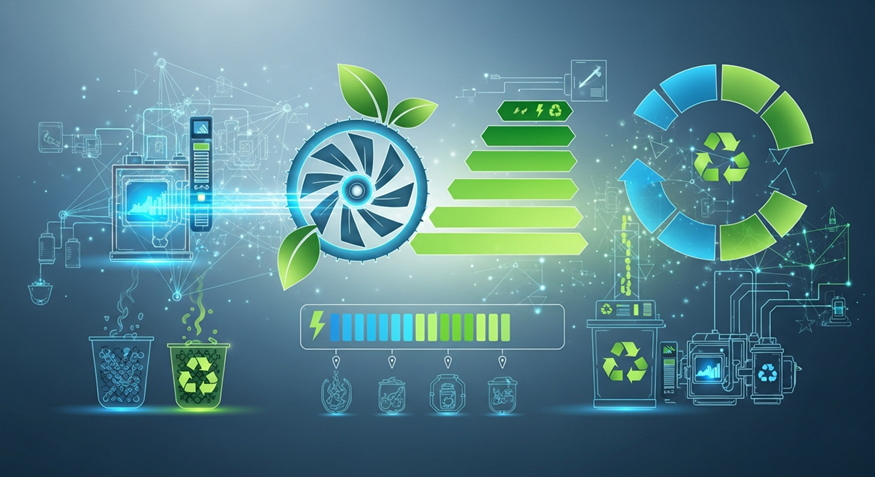
With the rise of Industry 4.0 and the Internet of Things (IoT), automation is becoming even smarter. These advancements are leading to more sustainable practices by optimizing resource use, reducing waste, and improving energy efficiency, which helps companies meet environmental goals.
Importance of the Industrial Automation Sector in Modern Industry
The adoption of industrial automation has become essential for businesses looking to thrive in the modern market. One of the primary drivers is the significant cost savings it offers. By automating tasks, companies can reduce labor costs associated with wages, benefits, and paid time off.
Beyond just savings, process automation provides a significant competitive advantage. Automated systems can operate 24/7 without fatigue, leading to increased productivity and consistent quality. For instance, in the auto industry, automated machines install parts with an error rate of just 0.00001%, a level of precision humans can't match.
Ultimately, automation helps businesses streamline operations, reduce errors, and stay competitive in a global marketplace. It allows companies to achieve higher output and better quality, making it a crucial strategy for growth and success.
Types of Industrial Automation Systems
When exploring the world of Industrial Automation Sector, it’s helpful to understand the different types of automation systems available. Each type is designed for specific industrial processes and production needs, offering unique benefits based on the manufacturing environment.
From fixed systems for mass production to highly adaptable flexible automation, the choice depends on your goals. We'll examine the main types of industrial automation, including fixed, programmable, and flexible automation systems, to see how they differ and where they are best applied.
Fixed Automation Explained
Fixed automation, sometimes called "hard automation," is the oldest type of automation technology. It uses specialized equipment designed to perform a specific set of repetitive tasks. Think of a traditional production line where the same operation is performed over and over.
These systems are ideal for high-volume, continuous production where the product design doesn't change. Once set up, they run with minimal adjustments, offering high efficiency, speed, and cost savings for mass production. This makes them perfect for tasks that require high precision.
Common applications include assembly lines in the automotive industry or material handling systems that move items along a set path. Fixed automation is built for one job, and it does that job extremely well with remarkable consistency.
Flexible Automation and Its Uses
Flexible automation, also known as soft automation, is the most adaptable form of automation. It allows for rapid changes in production without significant downtime, making it perfect for industries that need to respond quickly to market demands or create custom products.
This type of automation can manage different products and production processes seamlessly. It uses robots, sensors, and smart software to make quick adjustments. This provides a high level of flexibility and efficiency, especially for batch production or industries like consumer goods manufacturing. Some common uses for these automation solutions include:
- Automotive Manufacturing: Assembling different car models on the same line.
- Consumer Goods: Quickly switching between different product variations.
- Electronics: Handling small-batch production of various devices.
Programmable Automation in Today’s Factories
Programmable automation uses computer-controlled machines that can be reprogrammed to perform a variety of tasks. Unlike fixed automation, which is designed for a single task, this type is flexible enough to handle different products in batches.
A key component of these systems is the Programmable Logic Controller (PLC). PLCs allow for the programming and control of different automated processes, enabling factories to switch between products or adjust the production process to meet changing demands. This automated system is ideal for industries that require a moderate level of customization.
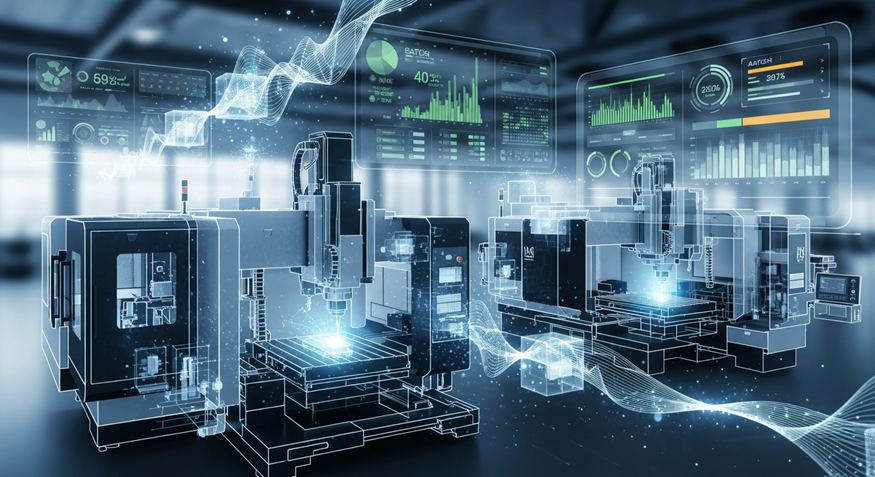
This approach is perfect for low-volume, high-variety production tasks. For instance, CNC machines can be programmed to produce different parts simply by changing the software instructions, making it a versatile choice for modern batch production environments.
Key Benefits of the Industrial Automation Sector
Manufacturers adopt industrial automation systems because they offer real solutions to operational challenges and improve performance across the board. The benefits of automation are extensive, ranging from higher operational efficiency to lower costs and improved safety.
By automating the production process, companies can achieve greater consistency, reduce errors, and free up human workers for more valuable tasks. Let's explore some of the key advantages, including enhanced productivity, better product quality, and significant cost savings.
Enhanced Productivity and Efficiency
One of the most significant advantages of automation is the boost in productivity and efficiency. Automated systems can operate around the clock, 24/7, all year long, without needing breaks or holidays. This allows for a continuous production process and a substantial increase in output.
Automation optimizes the manufacturing process by taking over repetitive tasks that are often tedious for human workers. This not only speeds up production but also reduces the likelihood of errors associated with boredom or fatigue. Key benefits include:
- Increased Throughput: Automated systems complete tasks faster than humans.
- Reduced Cycle Times: The time required to produce a single unit decreases.
- Freed-Up Workforce: Human workers can focus on higher-value activities.
By streamlining operations, companies can achieve significant gains in efficiency, leading to higher overall productivity and a stronger bottom line.
Improved Consistency and Product Quality
When it comes to manufacturing, consistency is key to high product quality. Manual labor can lead to variations due to human error, fatigue, or inconsistency. Industrial automation eliminates these variables, ensuring that every product meets the same high quality standards.
Automated machinery and industrial robots perform tasks with incredible precision and accuracy, time after time. They can work continuously while maintaining a constant rate of production and quality. This high precision is something that is simply not achievable with manual processes alone.
Furthermore, automation provides continuous control over manufacturing processes. This allows for the rapid detection and correction of any deviations from standard procedures. This proactive approach to quality control helps maintain brand reputation and customer satisfaction.
Cost Savings and Resource Optimization
A major driver for adopting automation is the potential for significant cost savings. By automating tasks, companies can reduce labor costs, as automated systems don't require wages, benefits, or paid leave. While the initial investment can be high, the long-term savings are substantial.
Resource optimization is another key benefit. Automation tools can control the flow of materials with high precision, minimizing material waste. This efficiency extends to energy consumption as well, as systems can be programmed to operate in the most energy-efficient manner, reducing utility bills.
This focus on reducing waste and energy consumption not only lowers operational costs but also contributes to sustainability efforts. By using resources more effectively, companies can reduce their environmental footprint while improving their profitability.
Main Challenges Facing the Sector
While the benefits are clear, the industrial automation industry is not without its hurdles. Companies looking to automate face several main challenges, including high initial costs, the complexity of integrating new systems with existing ones, and the need for workforce adaptation.
Other significant concerns include ensuring cybersecurity in increasingly connected environments and keeping up with rapid technology upgrades. In the following sections, we'll examine these challenges in more detail, covering integration difficulties, security risks, and ongoing maintenance needs.
Integration Difficulties and Workforce Adaptation
One of the biggest hurdles in adopting automation is the difficulty of integration. Making new automated systems work seamlessly with existing machinery and software can be a complex and costly process. It often requires significant expertise to ensure all parts of the production line communicate effectively.
Another major challenge is workforce adaptation. The shift from manual labor to automation can lead to job displacement as machines take over tasks once performed by human workers. This change requires a thoughtful approach to managing the human labor force.
To address this, reskilling and training programs are crucial. These initiatives help workers transition into new roles, such as robotics technicians, data analysts, or system managers. This not only mitigates the impact on employees but also ensures the company has the skilled talent needed to operate and maintain the new technology.
Cybersecurity Risks in Automated Environments
As industrial environments become more connected, cybersecurity has emerged as a critical concern. Highly integrated control systems that operate in real time can be vulnerable to cyberattacks if they are not properly secured. A breach could disrupt production, compromise data, or even cause physical damage.
An attack on an automated system can have severe consequences. Malicious actors could potentially take control of machinery, leading to safety hazards, or shut down operations entirely, resulting in costly downtime. Key vulnerabilities include:
- Network Infiltration: Gaining unauthorized access to the industrial network.
- Data Manipulation: Altering data sent between sensors and controllers.
- System Disruption: Launching denial-of-service attacks to halt production.
Protecting these systems requires a robust cybersecurity strategy that includes network monitoring, access control, and regular security audits to safeguard against evolving threats and protect the integrity of the automated system.
Maintenance, Training, and Technology Upgrades
Advanced automation systems come with significant maintenance needs. To avoid costly downtime, companies must invest in both preventive maintenance and predictive maintenance. This requires skilled staff and ongoing technical support to keep the machinery running smoothly.
Proper training is another essential component. Employees must be trained to operate, monitor, and maintain the new sophisticated equipment. This upfront and ongoing training is a substantial cost but is vital for the long-term success of any automation initiative.
Finally, the rapid pace of technology upgrades presents a constant challenge. Companies must stay current with the latest advancements to remain competitive, which may require periodic investments in new hardware and software.
| Challenge | Description | Solution |
|---|---|---|
| Maintenance Needs | Advanced systems require ongoing support to prevent failure. | Implement preventive and predictive maintenance schedules. |
| Training | Staff must be skilled to operate and maintain new systems. | Invest in comprehensive and continuous training programs. |
| Technology Upgrades | Automation technology evolves rapidly. | Create a long-term strategy for periodic technology refreshes. |
Current Trends and Market Growth
The industrial automation market is expanding rapidly, driven by several key factors. One of the biggest current trends is the push toward digital transformation and the creation of smart factories. This shift is reshaping how companies operate on a global scale.
Advancements in technology, growing competition, and the need for greater efficiency are fueling the growth of the global industrial automation market. Let's look at the trends shaping the industry and the forecasts for market growth in the coming years.
Digital Transformation and Smart Factories
Digital transformation is revolutionizing the manufacturing sector, with smart factories at its core. These are not just automated facilities; they are fully integrated environments where every part of the production process is connected and communicates in real time.
The foundation of smart factories lies in technologies like the Internet of Things (IoT) and artificial intelligence (AI). IoT devices and sensors gather vast amounts of data from the factory floor, while AI algorithms analyze this information to optimize processes, predict maintenance needs, and make intelligent decisions without human intervention.
These advanced automation systems create a dynamic and responsive manufacturing environment. By embracing digital transformation, companies can improve efficiency, reduce downtime, and gain a significant competitive edge in the modern industrial landscape.
Market Growth Forecasts and Industry Statistics
The industrial automation market is experiencing robust market growth, driven by the increasing need for efficiency and productivity in the global marketplace. As companies strive to stay competitive, they are turning to automation to streamline operations and reduce costs.
Recent industry statistics show a significant upward trend. The global market was valued at $196.6 billion in 2021 and grew to $213.49 billion in 2022. This momentum is expected to continue, with forecasts predicting substantial expansion over the next decade, highlighting the bright future of industrial automation.
Experts project the market will continue to grow at a compound annual growth rate of 9.8%. These statistics demonstrate the increasing adoption of automation worldwide as it becomes an essential strategy for success.
| Market Metric | Value/Forecast |
|---|---|
| 2021 Global Market Value | $196.6 Billion |
| 2022 Global Market Value | $213.49 Billion |
| Projected 2029 Market Value | $395.09 Billion |
| Compound Annual Growth Rate (CAGR) | 9.8% |
Conclusion
In conclusion, the industrial automation sector is at the forefront of transforming manufacturing processes and enhancing operational efficiencies. By understanding the different types of automation systems and their benefits, businesses can strategically leverage technology to improve productivity, reduce costs, and maintain quality. However, challenges such as integration and cybersecurity must be addressed to fully realize these advantages. As the industry continues to evolve with trends like digital transformation and smart factories, staying informed is crucial for those looking to thrive in this dynamic landscape. If you want to explore how industrial automation can benefit your operations, feel free to reach out for a free consultation today!
What is your review of Industrial Automation?
The Industrial Automation Sector is transforming industries by enhancing efficiency and productivity. Companies implementing automation technologies see improved accuracy, reduced labor costs, and increased safety. Additionally, this sector promotes innovation through advanced robotics and AI integration, making it essential for businesses aiming to remain competitive in today's market.
You might also like