How Industrial Automation Solutions Improve Operations
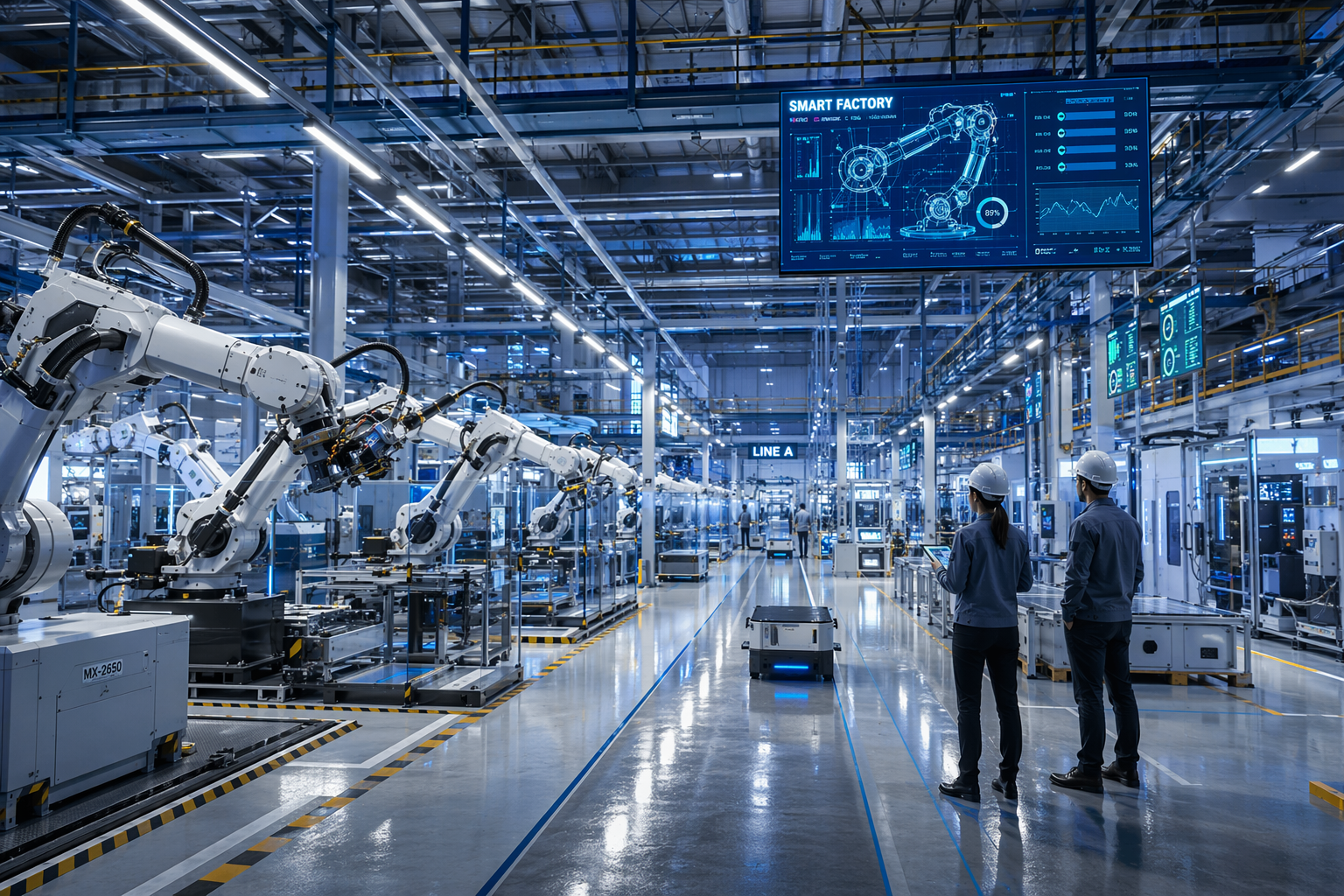
Key Highlights Industrial Automation Solutions
Industrial automation solutions are at the forefront of transforming modern manufacturing and production environments. By integrating advanced technologies such as robotics, artificial intelligence, machine learning, and the Industrial Internet of Things (IIoT), automation enables businesses to achieve levels of precision, speed, and reliability that were once unimaginable.
One of the most significant advantages of industrial automation is its ability to minimize human error and reduce downtime. Automated systems can operate 24/7 without fatigue, ensuring consistent quality output and maximizing productivity. This kind of reliability is especially critical in industries where even minor disruptions can result in substantial financial losses or compromised safety.
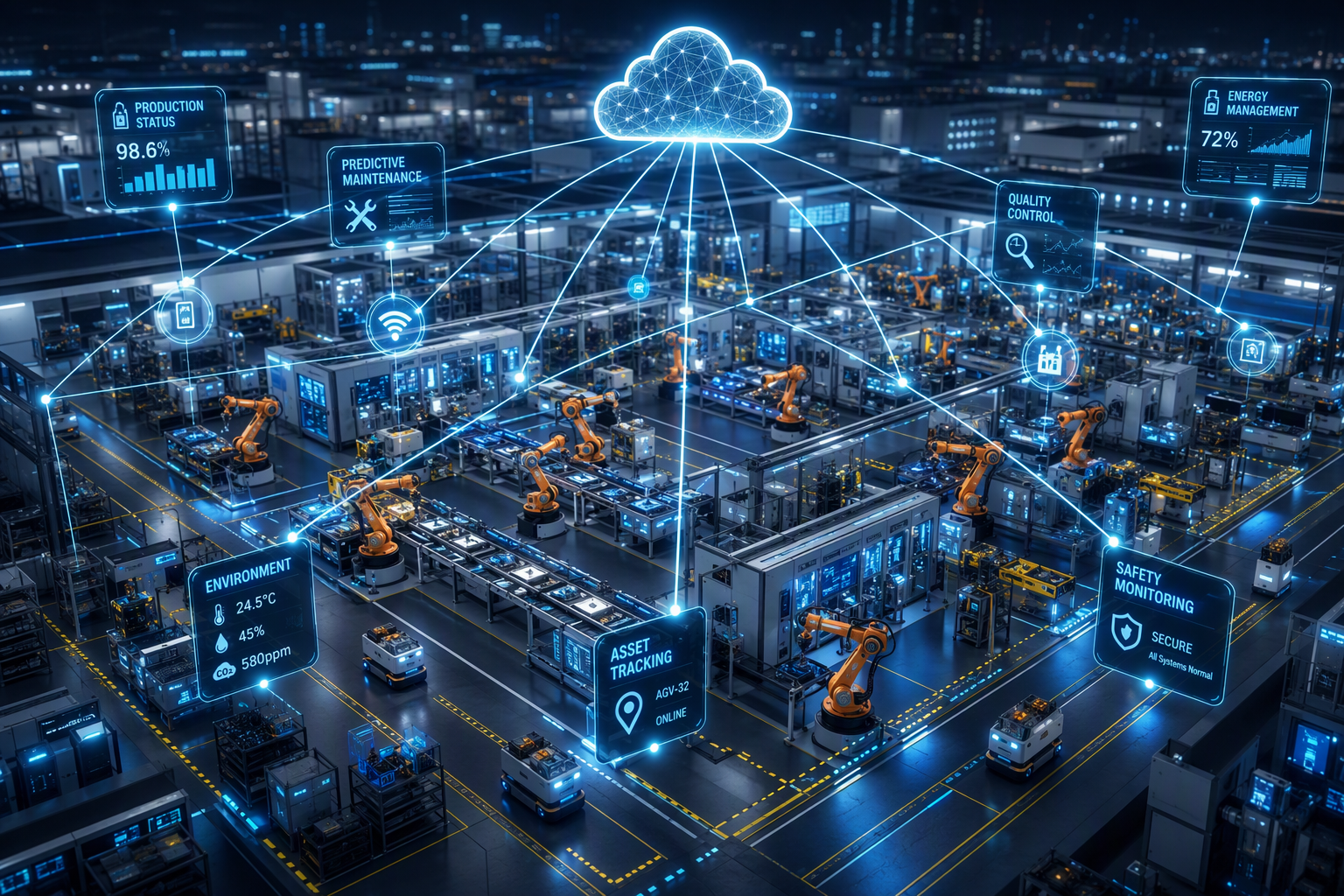
Moreover, industrial automation facilitates predictive maintenance through real-time monitoring and data analytics. Sensors embedded in machinery collect vital information on equipment performance, allowing for early detection of potential issues before they escalate into costly breakdowns. This proactive approach not only extends machine lifespan but also significantly lowers maintenance expenses.
Another key benefit is scalability. Automation solutions can be tailored and expanded according to a business’s growth trajectory or changing market demands. Flexible manufacturing systems enable quick reconfiguration for new product lines or increased production volumes without extensive retooling or additional labor costs.
Automation also plays a pivotal role in enhancing workplace safety. By delegating repetitive, hazardous, or physically demanding tasks to machines, companies can reduce the risk of accidents and injuries among workers. As a result, employees can focus on more strategic responsibilities that require critical thinking and problem-solving skills.
Additionally, integrated software platforms connect various stages of the supply chain—from inventory management to order fulfillment—creating seamless communication between departments. This holistic view improves resource allocation, reduces waste, and accelerates delivery times to customers.
As global competition intensifies and customer expectations rise, businesses investing in industrial automation position themselves for long-term success. Embracing these solutions isn’t just about keeping pace with technological advancements; it’s about unlocking new opportunities for innovation and growth.
In summary, industrial automation delivers measurable value by optimizing operations at every level—boosting efficiency, driving cost savings, improving safety standards, and supporting agile business strategies. By harnessing these powerful tools today, companies can prepare for the challenges—and possibilities—of tomorrow’s industrial landscape.
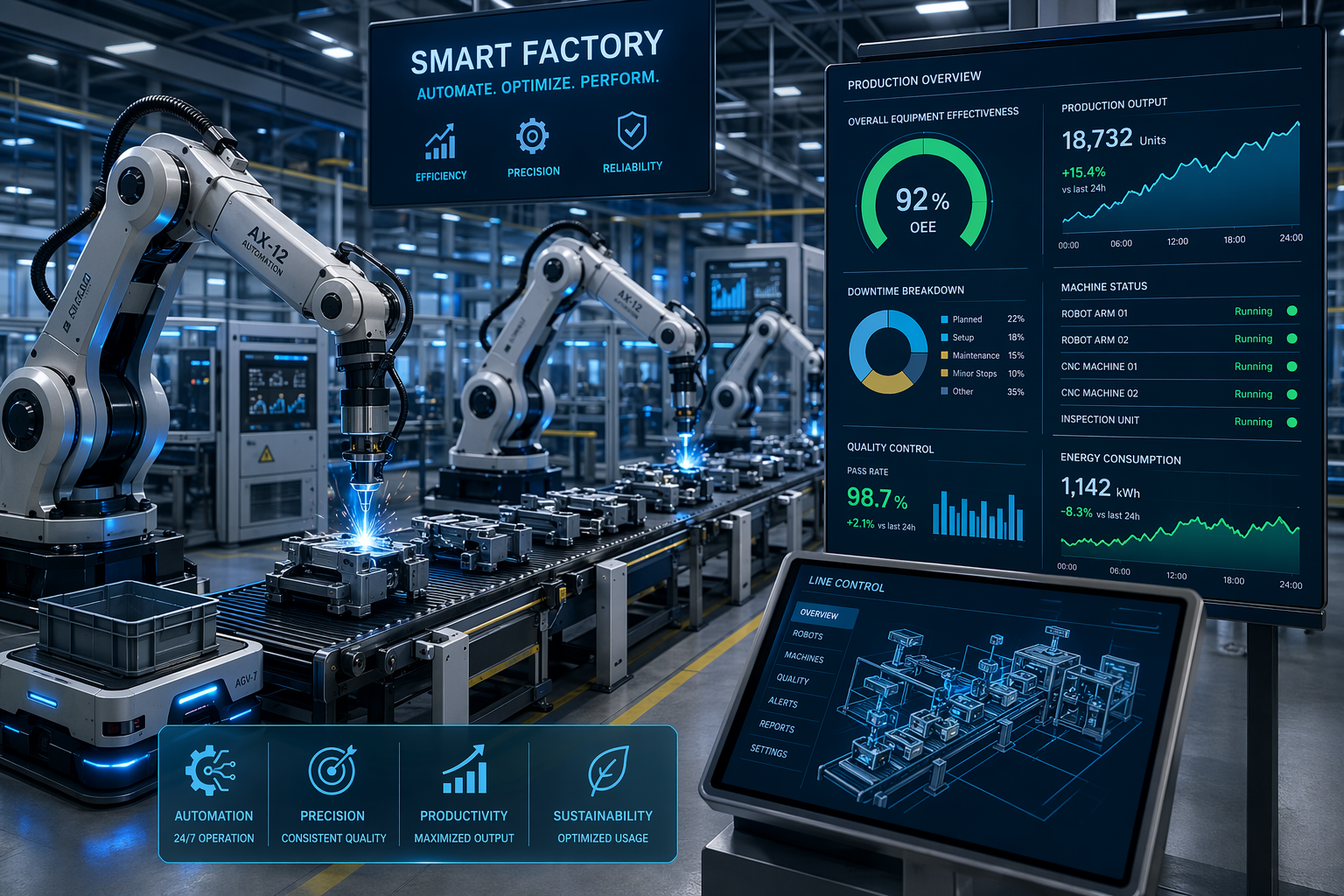
Introduction to Industrial Automation Solutions
Industrial automation plays a transformative role in modern manufacturing by streamlining operations and minimizing the need for manual labor. At its core, industrial automation involves integrating advanced technologies such as robotics, programmable logic controllers (PLCs), sensors, and artificial intelligence into production lines. These systems take over repetitive and time-consuming tasks—like assembly, packaging, inspection, and material handling—which not only boosts efficiency but also reduces the likelihood of human error.
One of the key benefits of industrial automation is improved consistency in product quality. Automated machines operate with precision and can maintain exacting standards across large volumes of output, something that can be challenging to achieve with manual processes. Additionally, automation enables manufacturers to collect real-time data from their equipment and production lines. This data can be analyzed to identify bottlenecks, predict maintenance needs before breakdowns occur, and optimize resource usage—all contributing to lower operational costs. Some of the top companies providing industrial automation solutions worldwide include Siemens, ABB, Rockwell Automation, Schneider Electric, Honeywell, Mitsubishi Electric, Emerson, and Yokogawa. These global leaders offer advanced automation products and services that help manufacturers enhance productivity, quality, and efficiency.
Safety is another significant advantage brought about by industrial automation. By handling hazardous or strenuous tasks, automated systems help protect workers from potential injuries associated with heavy machinery or exposure to dangerous materials. This shift not only creates a safer workplace but also allows employees to focus on higher-value activities like system oversight and process improvement. When choosing an industrial automation company, businesses should consider the provider's experience in implementing safe and reliable solutions, their track record with similar industries, and their ability to offer ongoing technical support and customization to meet specific operational needs.
Furthermore, industrial automation enhances scalability and flexibility within manufacturing environments. Automated systems can be programmed or reconfigured quickly to adapt to changing product designs or market demands without extensive retraining or downtime. This agility gives companies a competitive edge in responding rapidly to customer needs.
In summary, industrial automation leads to faster production cycles, greater reliability in quality control, reduced costs due to fewer errors and less waste, improved workplace safety, and increased adaptability for future growth. As technology continues to advance—with innovations like the Industrial Internet of Things (IIoT) and machine learning—the impact of automation on manufacturing is expected to grow even further, making it an essential strategy for businesses aiming for long-term success in a competitive global market.
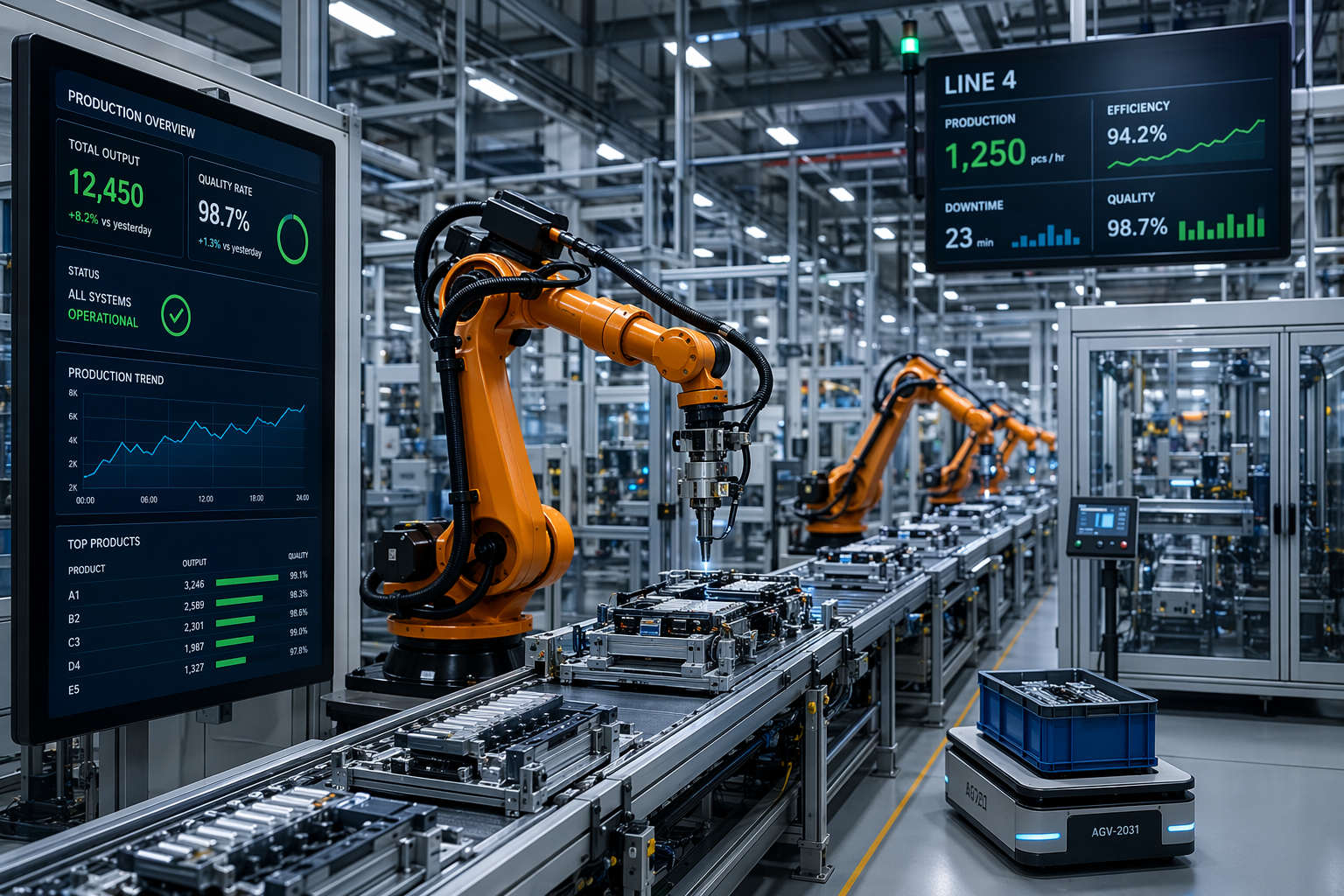
Robots Used in Modern Industry
Industrial robots are at the heart of modern industrial automation solutions, fundamentally transforming how manufacturing operations are carried out. These robots are designed to perform repetitive, high-precision tasks such as assembly, welding, painting, packaging, and material handling with greater speed and accuracy than human labor alone. By integrating robotics into their workflows, manufacturers can achieve a significant boost in productivity while reducing the likelihood of human error.
Beyond robotics, industrial automation solutions often incorporate other advanced technologies like artificial intelligence (AI), machine learning, the Internet of Things (IoT), and advanced sensor systems. For example, AI-powered analytics can monitor equipment health in real time and predict when maintenance is required—helping prevent costly downtime. IoT devices enable machines to communicate seamlessly with each other across the production floor, allowing for smarter coordination and optimized resource allocation.
One major advantage of these automated systems is cost reduction. While the initial investment in automation technology can be substantial, long-term operational costs decrease due to lower labor expenses, reduced waste, minimized errors, and improved energy efficiency. Additionally, automation allows companies to scale production more easily and respond rapidly to changing market demands.
Quality improvement is another hallmark of industrial automation. Automated processes ensure consistent product quality by maintaining precise control over every stage of manufacturing. This reduces variability and helps businesses meet strict regulatory standards or customer expectations.
In summary, industrial robots—combined with a broader suite of automation technologies—are revolutionizing manufacturing by increasing throughput, decreasing costs, enhancing workplace safety (by taking on hazardous tasks), and elevating product quality. As these technologies continue to evolve, they promise even greater flexibility and intelligence in tomorrow’s factories through concepts like
smart manufacturing and Industry 4.0.
Systems of advanced control mechanisms
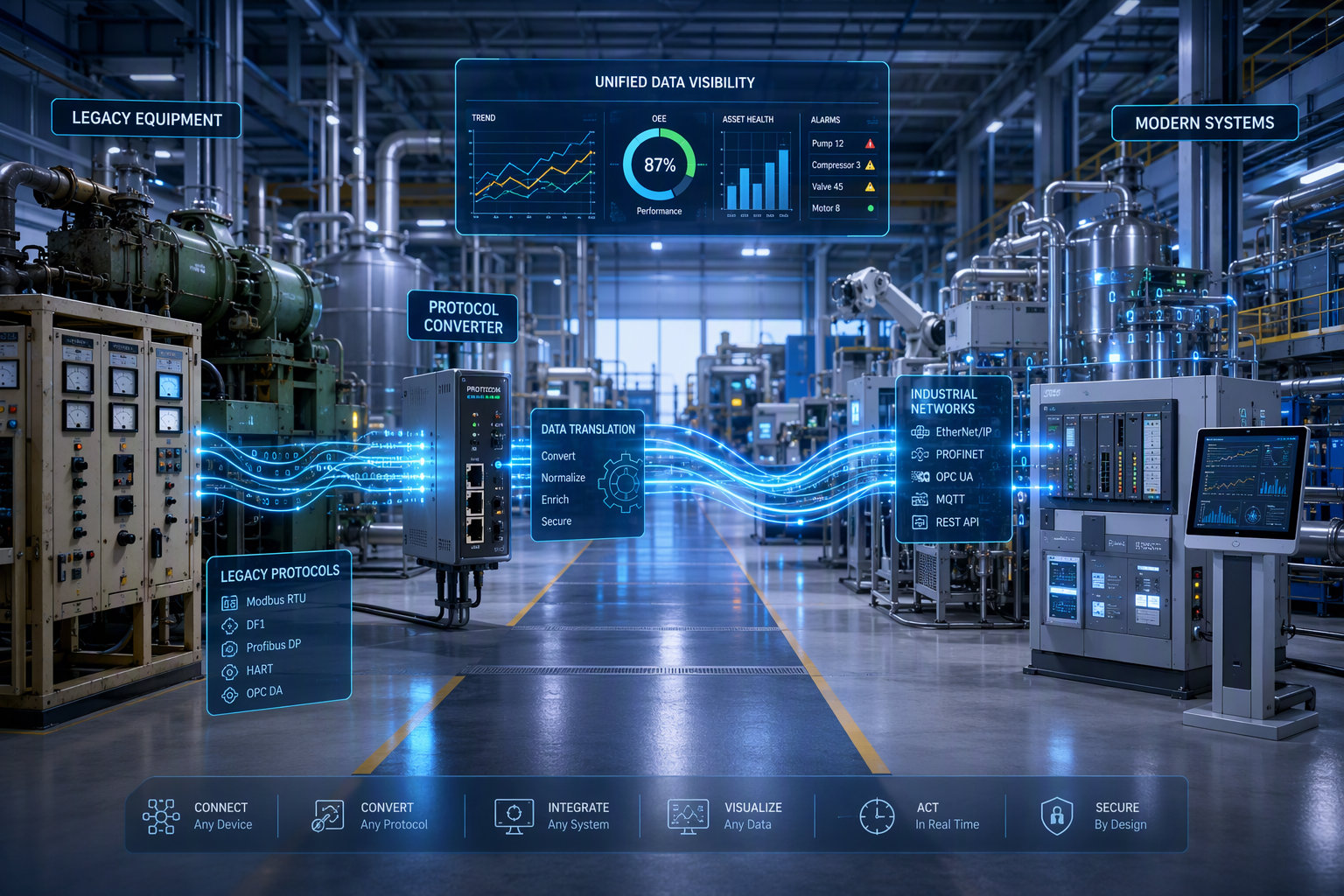
Industrial automation solutions utilize cutting-edge technologies such as programmable logic controllers (PLCs), robotics, artificial intelligence, and the Industrial Internet of Things (IIoT) to streamline manufacturing operations. These systems can automate repetitive tasks, monitor processes in real-time, and make data-driven decisions that minimize errors and optimize output.
While the upfront costs for implementing industrial automation—such as purchasing equipment, integrating new software, and training staff—can be significant, the long-term benefits typically outweigh these initial expenses. Automated systems can operate continuously with minimal human intervention, significantly reducing labor costs and human error. They also help decrease operational downtime by predicting maintenance needs through advanced diagnostics and analytics, ensuring machinery is serviced before breakdowns occur.
Additionally, industrial automation enhances product quality and consistency by maintaining precise control over manufacturing parameters. This leads to fewer defects and higher customer satisfaction. Automation also allows manufacturers to respond quickly to market demands by enabling flexible production lines that can be reconfigured for different products with minimal delay.
Beyond efficiency gains, automation improves workplace safety by allowing machines to handle hazardous or strenuous tasks that would otherwise put workers at risk. Moreover, the data collected from automated processes provides valuable insights for continuous improvement initiatives, fostering innovation and keeping businesses competitive in an evolving market.
In summary, although investing in industrial automation requires thoughtful planning and resources up front, it offers substantial returns through increased efficiency, reduced costs, enhanced quality control, improved safety standards, and greater adaptability in manufacturing processes. This makes it a strategic choice for companies seeking sustainable growth and a competitive edge in today’s industrial landscape.
Automated System Solutions
An automation system is a crucial component of industrial automation solutions, designed to streamline processes, enhance efficiency, and reduce human intervention in manufacturing environments.
The benefits of automation in industrial settings include increased efficiency, reduced operational costs, enhanced product quality, and the ability to minimize human error, driving overall productivity and competitiveness.
Flexible automation is a versatile industrial solution that allows manufacturers to quickly adapt their processes to changing product demands, enhancing efficiency and supporting both small-batch production and mass customization
One prominent type of automation is
fixed automation, which is designed for high-volume production and involves dedicated equipment that performs specific tasks with minimal flexibility for changes in product design
Robotic Automation System Solutions
Robotic systems are at the forefront of industrial automation solutions, enhancing efficiency by performing repetitive tasks with precision and reliability while freeing up human workers for more complex responsibilities
Industrial automation solutions enhance quality control by employing advanced technologies that monitor and maintain production standards, ultimately reducing errors and improving overall efficiency
Continuous Improvement is essential for optimizing processes and maximizing productivity in industrial environments.
Industrial automation solutions are pivotal in fostering continuous improvement, as they streamline processes, enhance productivity, and empower employees to identify and resolve inefficiencies effectively.
Industrial automation solutions play a crucial role in enhancing product quality by minimizing human errors, reducing material waste, and optimizing production processes for greater efficiency.
Industrial automation solutions enhance efficiency and precision in industrial processes by integrating advanced technologies like PLCs and SCADA systems, enabling seamless control and optimization
Industrial automation solutions are designed to minimize unplanned downtime by leveraging predictive maintenance and real-time data analysis, ultimately enhancing operational efficiency and productivity
Data Collection and Analysis
Industrial automation solutions play a crucial role in improving data collection processes for manufacturers. By integrating advanced sensors, programmable logic controllers (PLCs), and networked devices into their production lines, companies can automatically collect and transmit data from various stages of manufacturing in real time. This real-time data provides valuable insights into equipment performance, production rates, product quality, and energy consumption.
With automated data collection, manufacturers are able to quickly identify bottlenecks or inefficiencies within their operations. Issues such as machine downtimes, quality defects, or supply chain disruptions can be detected promptly and addressed before they escalate into major problems. Automation also reduces the risk of human error during data entry and ensures that collected information is accurate and consistent.
Furthermore, by analyzing the data gathered through automation systems, manufacturers can make informed decisions regarding predictive maintenance schedules, process optimization, and resource allocation. This leads to increased productivity, reduced operational costs, and improved overall efficiency on the factory floor.
Another advantage of industrial automation is its ability to integrate with cloud-based platforms or Manufacturing Execution Systems (MES), enabling centralized monitoring and control of multiple facilities—even those located in different regions. This connectivity supports better collaboration among teams and allows for more agile responses to market changes or customer demands.
In summary, industrial automation solutions not only streamline data collection but also empower manufacturers with actionable intelligence that drives smarter decision-making and sustainable competitive advantages within their industries.
Conclusion: In conclusion, implementing industrial automation solutions can significantly enhance operational efficiency and productivity in various sectors.
In conclusion, embracing industrial automation solutions can significantly enhance operational efficiency and productivity. By streamlining processes, reducing human error, and optimizing resource management, companies can not only save time and costs but also foster a work environment that encourages innovation and growth. As industries continue to evolve, investing in automation technologies will become increasingly essential for staying competitive. It's time to consider how these solutions can benefit your business. If you're ready to explore how automation can transform your operations, reach out for a free consultation today!
What is your review of Industrial Automation?
Industrial automation solutions significantly enhance operational efficiency by minimizing human error, increasing production speed, and improving safety. They streamline processes through advanced technologies like robotics and AI, ultimately leading to cost savings and higher quality outputs. Embracing these solutions can transform manufacturing and service industries dramatically.
You might also like