Planned vs Unplanned Downtime
Planned vs Unplanned Downtime: Managing the Inevitable
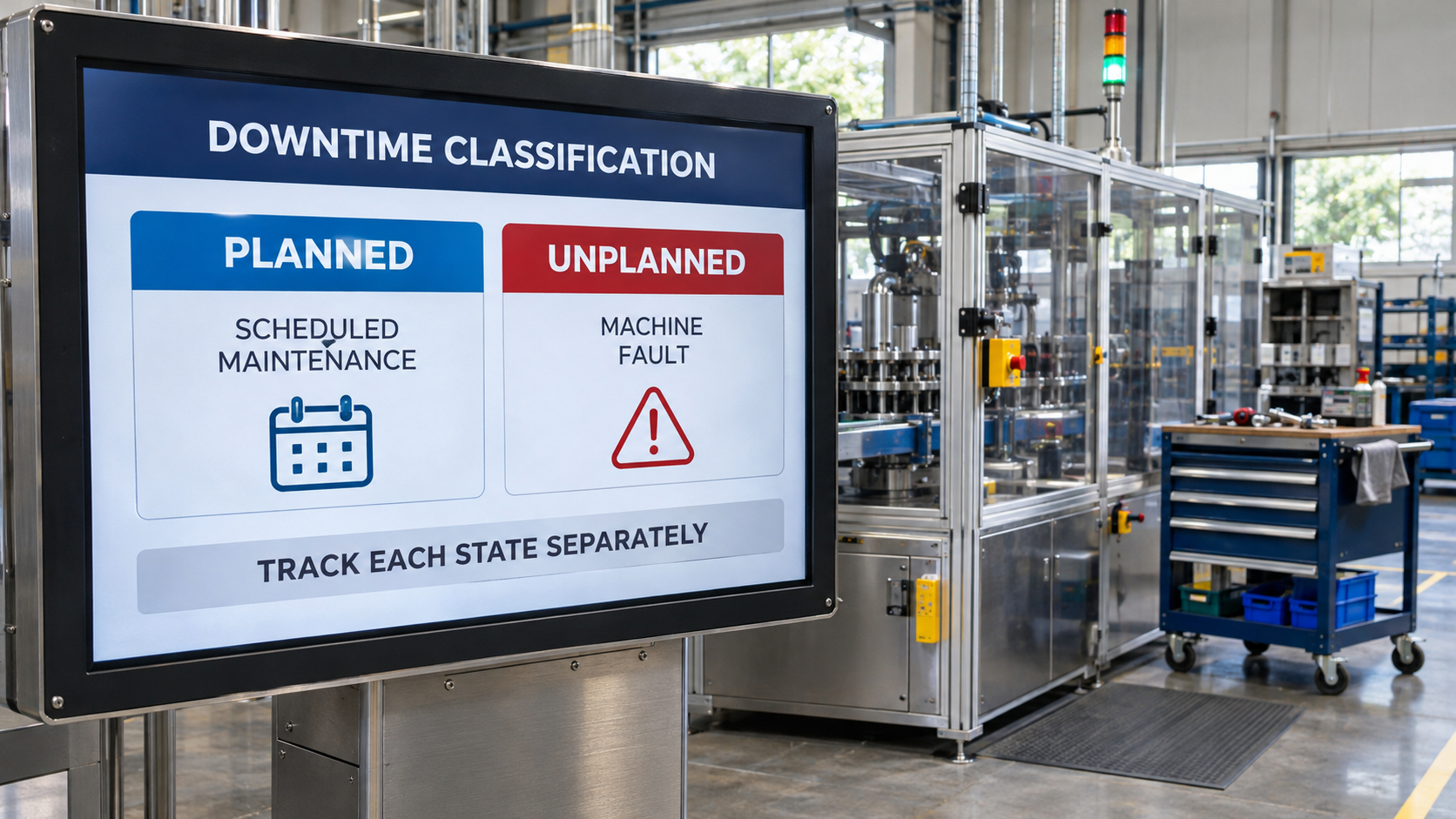
Not all downtime is a disaster. In fact, some downtime is entirely necessary to keep a plant running efficiently. The distinction between Planned and Unplanned downtime is the difference between an orchestra playing in perfect sync and a band falling down the stairs.
Planned downtime is controlled, scheduled, and resourced. Unplanned downtime is chaotic, dangerous, and wildly expensive.
The ultimate goal of any manufacturing facility is to eliminate unplanned downtime or shift it into the planned category. Here is a look at how plants mismanage these two categories, the cost of doing it wrong, and how modern automation fixes the problem.
Mistake #1: Categorizing Changeovers as Unplanned Downtime
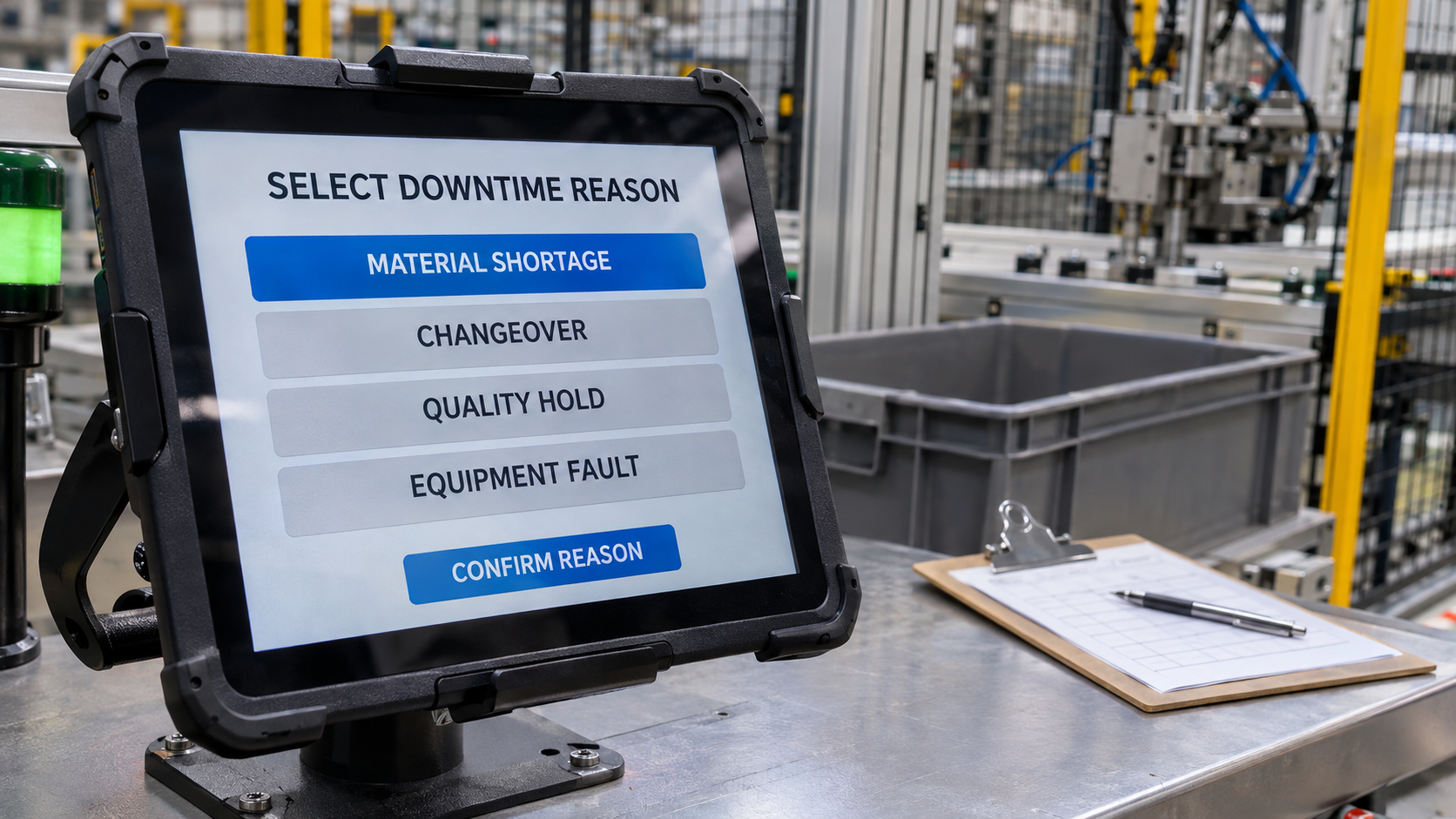
Why it happens: A reporting system is installed with basic "Running" or "Not Running" logic. When a machine stops for a scheduled 45-minute format change, the system logs it as standard downtime.What it costs: It ruins your Overall Equipment Effectiveness (OEE) and Availability metrics. Management sees a massive amount of "downtime" and assumes maintenance is failing, when in reality, production is just executing a heavy schedule of product changeovers.The fix: Program the HMI and PLC to understand machine states. Empowered Automation Solutions integrates state-based logic where operators can select "Changeover Mode." This pauses the unplanned downtime clock and measures the changeover against a planned, target duration.
Mistake #2: Skipping Planned Downtime for Production Push
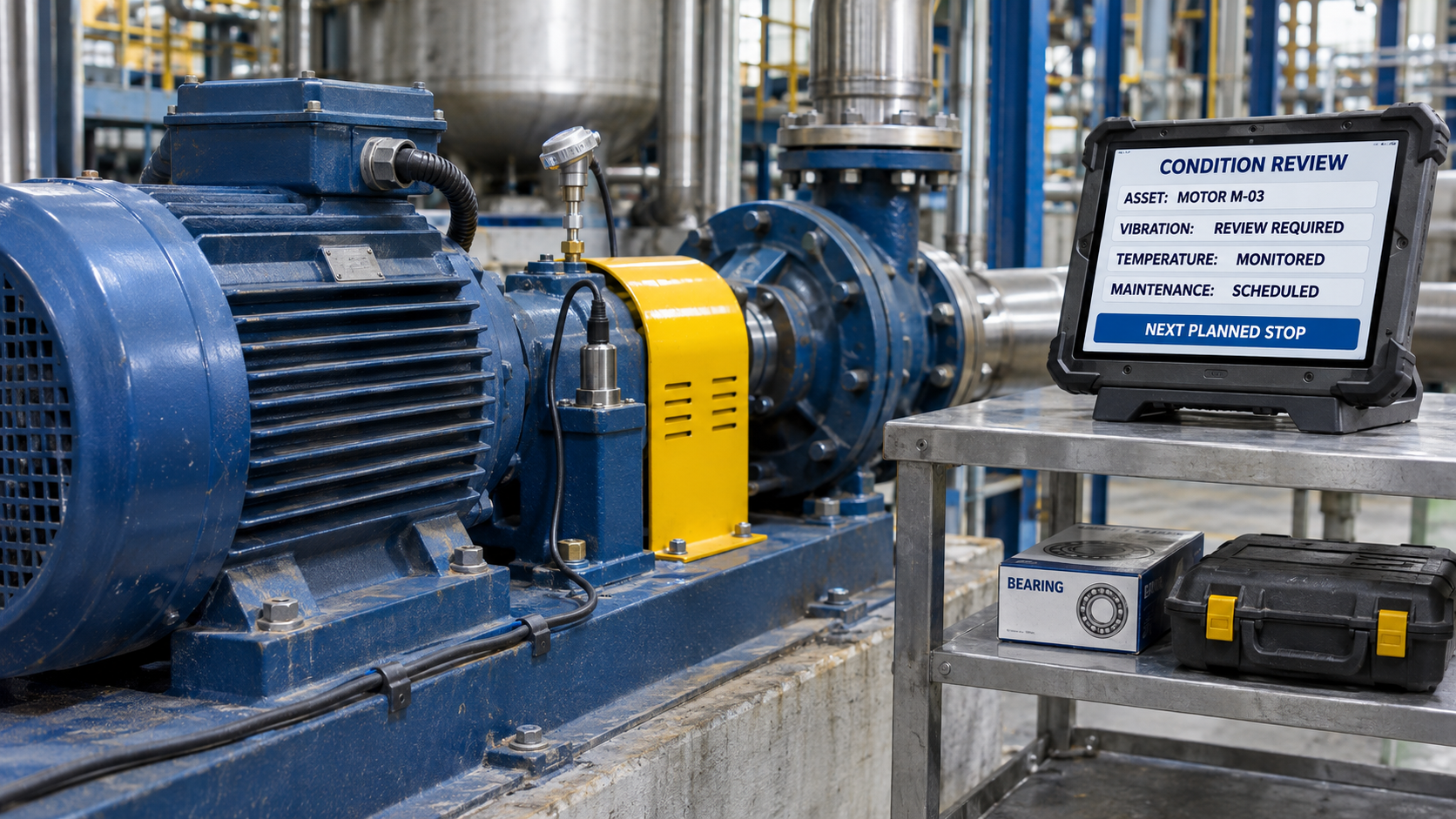
Why it happens: Sales lands a massive order, and plant management decides to skip this weekend's planned preventative maintenance (PM) to keep the lines running.What it costs: You are trading a controlled, inexpensive 4-hour stop for a catastrophic, highly expensive 24-hour unplanned failure next week. When belts aren't tensioned and bearings aren't greased, they break when it hurts the most.The fix: Treat planned downtime as non-negotiable. Use a Data Historian to trend machine degradation (e.g., motor temperatures slowly rising). Show this data to management to prove why the planned PM is critical to preventing a disastrous unplanned breakdown.
Mistake #3: Poor Coordination During Planned Stoppages
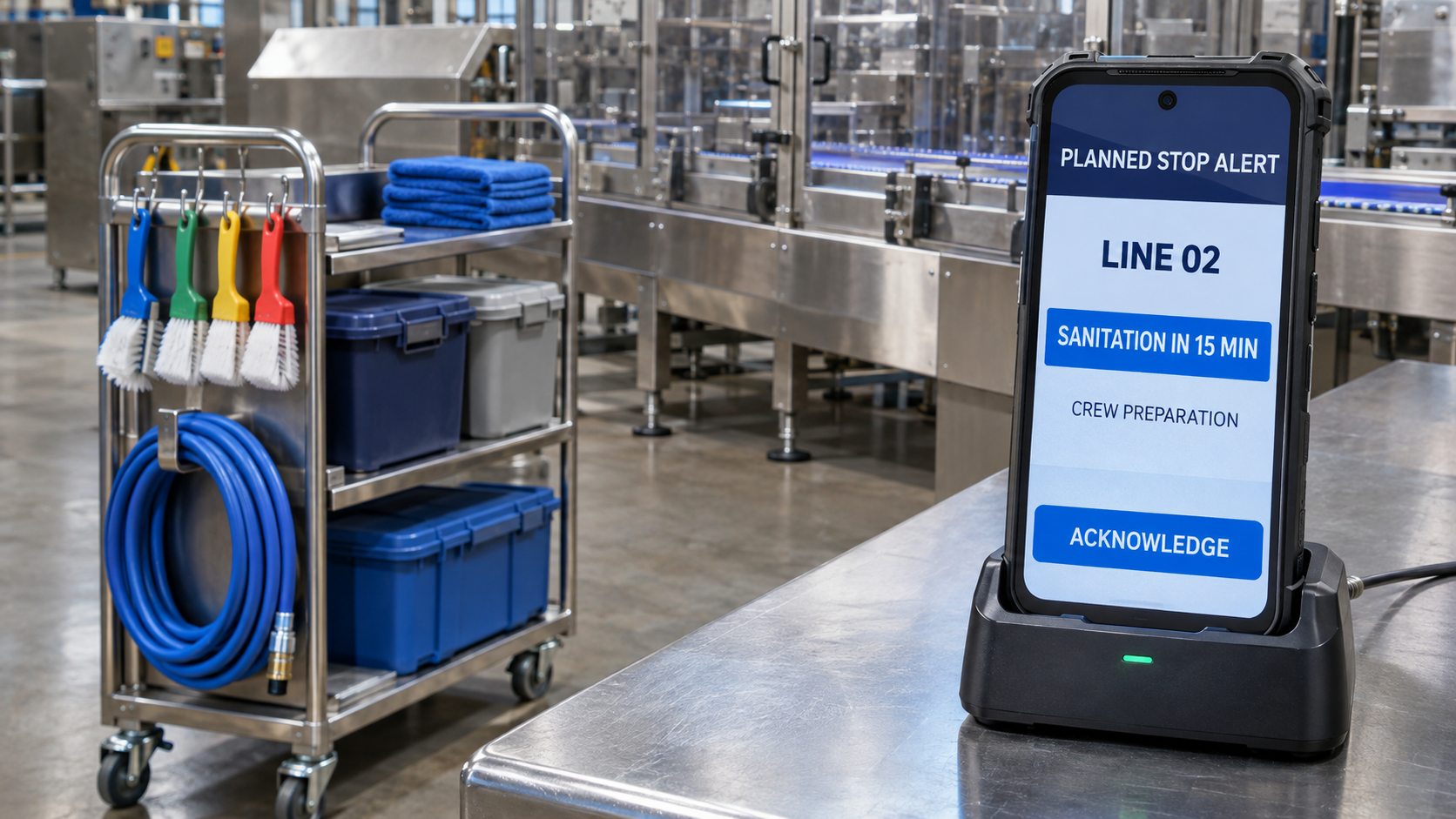
Why it happens: The line shuts down for a planned 2-hour sanitation cycle, but the sanitation crew wasn't notified in advance. They show up 30 minutes late, pushing the planned downtime over its allotted window.What it costs: The excess time bleeds directly into production time. "Planned" downtime that overruns its schedule becomes, by definition, unplanned downtime.The fix: Utilize Alarm Logging & Notification tools. Have the SCADA system automatically send a text/email to the sanitation or changeover crew 15 minutes before the planned stop is scheduled to begin, ensuring personnel are staged and ready the moment the machine stops.
Mistake #4: Accepting Unplanned Downtime as "Just Part of the Process"
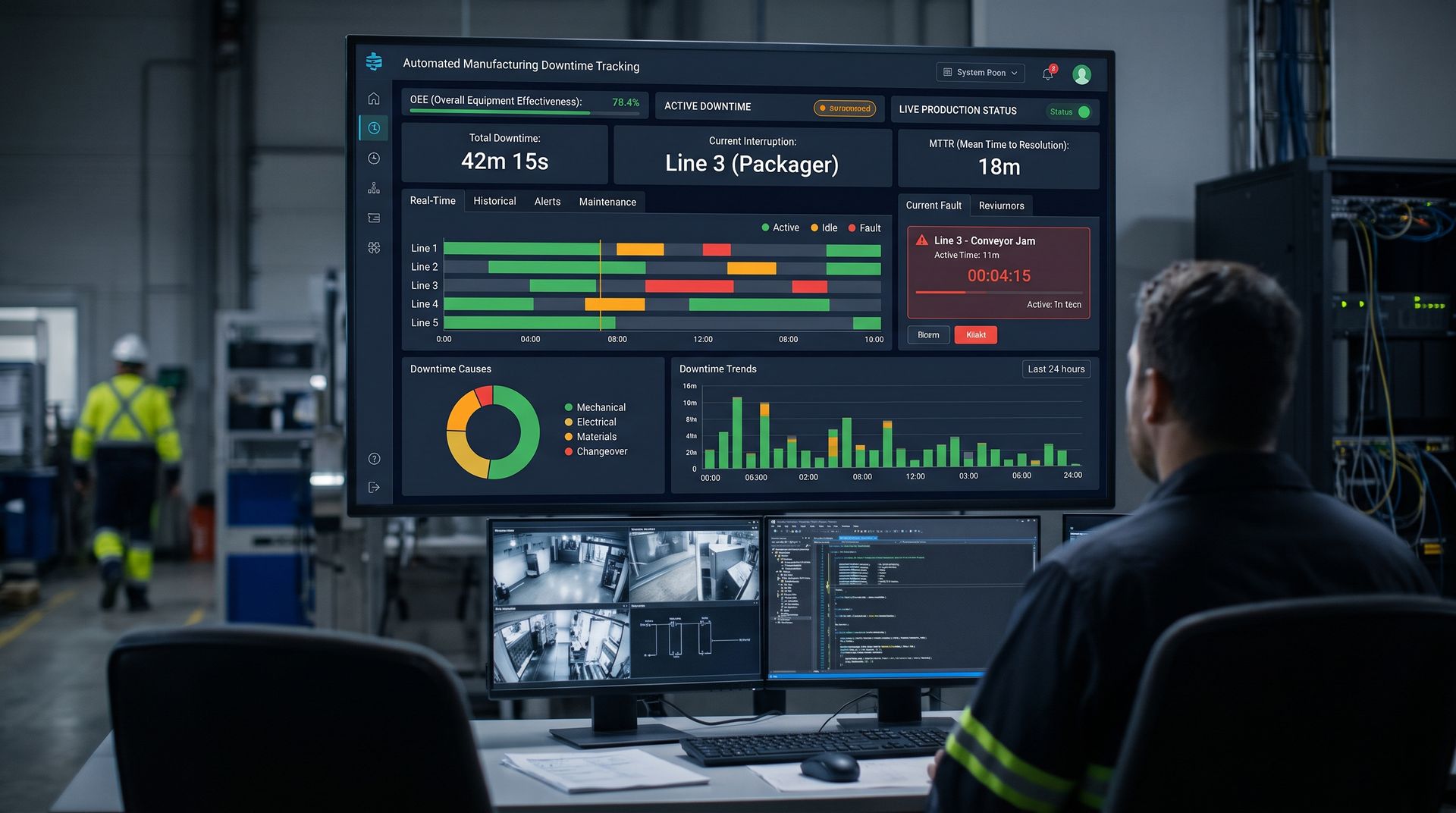
Why it happens: Aging equipment faults frequently. Operators get so used to resetting it that they accept a dozen 5-minute stops a day as normal operating procedure.What it costs: Normalization of deviance destroys plant capacity. If you accept a machine stopping unprompted as "normal," you will never achieve top-tier manufacturing efficiency.The fix: Implement rigorous Data Historian tracking and Systems Integration. By networking legacy machines, you can visualize exactly how much time is lost to these "normal" faults. Once the invisible time loss is made visible on a dashboard, it becomes impossible to ignore.
The Goal: Shifting Unplanned to Planned
Predictive maintenance is the bridge between the two. By using IoT Connectors and advanced historians to monitor vibration, temperature, and current, you can see a motor failing days before it actually snaps. You can then schedule a replacement during a planned changeover window—effectively converting a 4-hour unplanned outage into a 1-hour planned task.
Quick Audit Checklist for Downtime States
- Ensure PLCs have distinct logic states for Running, Idle, Planned Down, and Unplanned Down.
- Verify that changeover times are tracked against a target baseline.
- Ensure out-of-bounds planned downtime automatically rolls over into unplanned downtime reports.
- Check that predictive data (current, temp) is being historized for critical motors.
Conclusion
You cannot eliminate all downtime, but you can control when it happens. By accurately categorizing machine states and utilizing automation platforms to coordinate resources, a chaotic factory floor can transform into a predictable, highly efficient operation.
Ready to Take Control of Your Downtime?
Empowered Automation Solutions helps manufacturers digitize their factory floors. From HMI/SCADA design that tracks machine states to Data Historians that enable predictive maintenance, we provide the tools to make unplanned downtime a thing of the past. Reach out to our Yorkville, IL team at (630) 553-0411 or info@empoweredautomation.com.
Frequently Asked Questions
What is considered Planned Downtime? Scheduled maintenance, sanitation, product changeovers, safety inspections, and scheduled breaks or shift changes (if the machine must be stopped).
Is planned downtime bad? No. Optimizing planned downtime (doing it faster via SMED principles) is good, but eliminating it entirely leads to catastrophic machine failure.
How can SCADA help with changeovers? A well-programmed SCADA system can store product recipes. Instead of an operator manually adjusting 20 dials, the SCADA system downloads the new recipe parameters directly to the PLC in seconds, drastically reducing planned downtime.
You might also like