SCADA Explained: Essential Insights for Engineers
SCADA Explained: Essential Insights for Engineers
Key Highlights
Here are the key takeaways from our discussion on SCADA systems: A SCADA system provides supervisory control and data collection for industrial automation. It is essential for monitoring and managing critical infrastructure like power grids and water treatment plants. Typical SCADA software solutions available today include platforms such as Wonderware, Siemens WinCC, GE iFIX, and Schneider Electric EcoStruxure. These solutions are widely used across various industries for reliable supervisory control, data collection, and efficient operation of critical infrastructure, including water treatment facilities.
- A SCADA system provides supervisory control and data collection for industrial automation.
- It is essential for monitoring and managing critical infrastructure like power grids and water treatment plants.
- The system uses real-time data from sensors and equipment to maintain operational efficiency.
- Key components include HMIs, PLCs, RTUs, and communication networks.
- Integrating IoT and cloud technologies enhances SCADA functionality but also introduces new cybersecurity risks.
- Effective security practices are vital to protect these critical systems from cyber threats.
Introduction
Welcome to the world of industrial automation! Have you ever wondered how massive industrial processes like power grids or water treatment plants run so smoothly? The answer often lies in a powerful SCADA system. SCADA, which stands for Supervisory Control and Data Acquisition, is a type of industrial control system that gives organizations the ability to monitor, manage, and optimize their operations. It plays a crucial role in enhancing operational efficiency and ensuring that complex industrial processes run safely and effectively.
Understanding SCADA Systems
A Supervisory Control and Data Acquisition (SCADA) system is a high-level control system designed to simplify the management of large-scale industrial processes. Think of it as the brain of your industrial automation setup, overseeing everything from a central point. Its main purpose is to help with data acquisition and control, making complex operations much easier to handle.
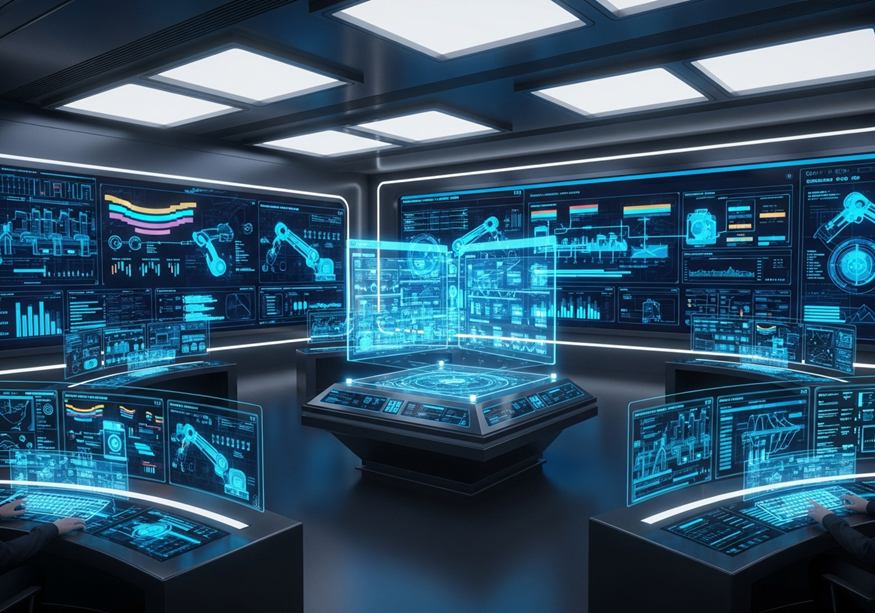
This industrial control system works by collecting data from devices in the field, processing it, and presenting it to a human operator. This allows for both automated control and the ability for a person to step in and make decisions. Essentially, a SCADA system gives you the power to monitor and direct your entire operation from one place.
Core Concepts of Supervisory Control and Data Acquisition
The term "Supervisory Control and Data Acquisition" perfectly describes what this type of system does. Supervisory control refers to the high-level management of industrial processes. Instead of direct, real-time control, it provides oversight and allows operators in a central control room to intervene when needed. This supervisory role is what differentiates it from other fully autonomous systems.
Data acquisition is the other fundamental part of the equation. The system gathers process data from various sensors and devices spread across a facility or even multiple sites. This raw information is collected and sent back to the main system for analysis and monitoring.
Together, these two concepts create a powerful control system. You get a comprehensive view of what’s happening in your operations, with the ability to make adjustments and respond to issues from a centralized location. This ensures that even the most complex industrial processes can be managed effectively.
How SCADA Operates in Modern Automation
In today's industrial automation landscape, SCADA systems are more sophisticated than ever. The modern SCADA architecture has evolved to incorporate technologies like IoT and cloud computing. This allows for more advanced capabilities, such as remote monitoring and advanced analytics, making the systems incredibly powerful.
The operation remains centered on collecting data in real time from various control modules distributed across a network. These modules communicate with each other and with the main control systems. The process involves two key functions: automated, programmable control actions and a supervisory layer for human intervention.
This evolution has led to a more connected and intelligent approach. Key features of modern SCADA operations include:
- Integration with IoT for edge computing and broader data collection.
- Cloud-based platforms for enhanced remote access and scalability.
- Use of advanced analytics for predictive maintenance and optimization.
- Enhanced remote monitoring capabilities across vast geographical areas.
Essential Components of a SCADA System
A SCADA system is not a single piece of technology but a combination of several key components working in harmony. These system components include both hardware and software elements that together enable the monitoring and control of your industrial processes. Understanding these parts helps clarify how the entire control system functions.
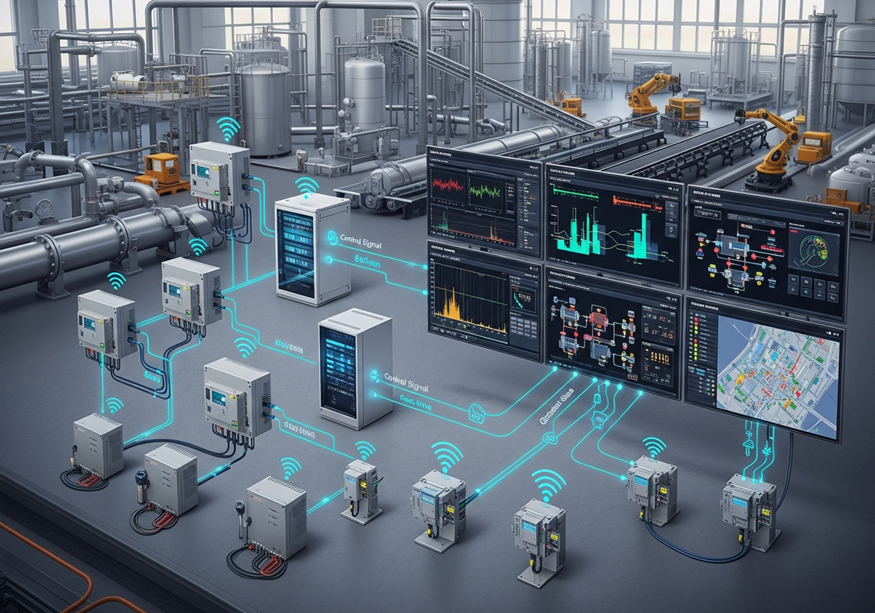
From the devices in the field collecting data to the software that displays it for you, each element plays a vital role. We will explore the specific hardware elements like RTUs and PLCs, the different software components, and the communication networks that tie everything together.
Hardware Elements: RTUs, PLCs, and HMIs
The hardware of a SCADA system includes several essential devices. Programmable Logic Controllers (PLCs) are rugged computers that execute control logic for specific machines or processes. They are the workhorses of automation, carrying out predefined tasks efficiently. Remote Terminal Units (RTUs) act as intermediaries, collecting data from sensors and other field devices and transmitting it to the central system.
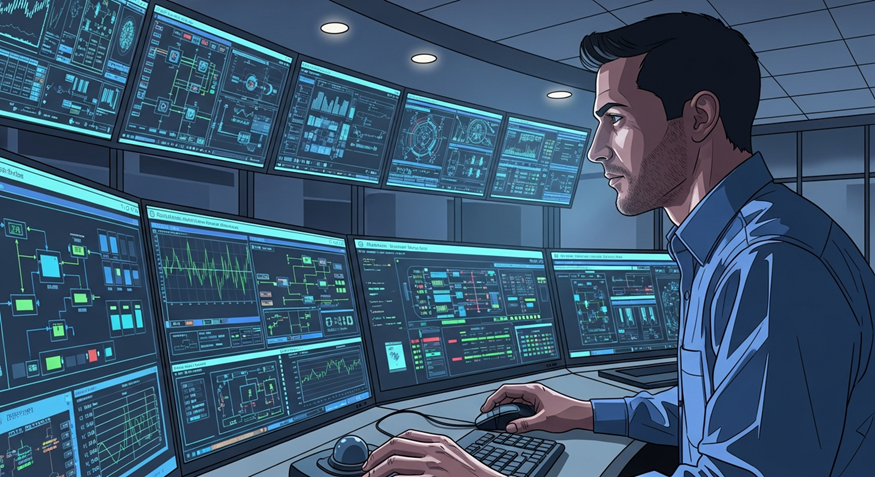
Another critical hardware element is the Human-Machine Interface (HMI). This is the screen or dashboard where you, the operator, can view process data and issue commands. It provides a user-friendly graphical representation of the system's status, allowing for quick responses to alerts and manual overrides of automated controls. These field devices are the eyes, ears, and hands of your SCADA system.
Here’s a quick breakdown of these core hardware components: | Component | Function | |---|---| | PLC (Programmable Logic Controller) | Executes automated control logic for specific machines or processes. | | RTU (Remote Terminal Unit) | Collects data from field sensors and transmits it to the central system. | | HMI (Human-Machine Interface) | Provides a graphical interface for operators to monitor data and issue commands. |
Software Applications and Interfaces
On the software side, several applications work together to make a SCADA system functional. The core SCADA software is responsible for processing, distributing, and displaying the data collected from the field. This includes the HMI software, which creates the graphical user interface that operators interact with.
These software solutions are designed to present complex information in an easy-to-understand format. They allow operators to see real-time data, view historical trends, and acknowledge alarms. A good user interface is crucial for making quick, informed decisions and maintaining operational efficiency.
Modern SCADA software often includes a data historian, which is a database used to log and archive all process data over time. This historical information is invaluable for trend analysis, generating reports for regulatory compliance, and identifying opportunities for process improvement. The right software turns raw data into actionable insights.
Communication Networks and Protocols
Communication networks are the backbone that connects all the components of a SCADA system. These networks are responsible for transmitting data from field devices at remote sites to the central control system and distributing commands back out. Without reliable communication, the entire system would fail.
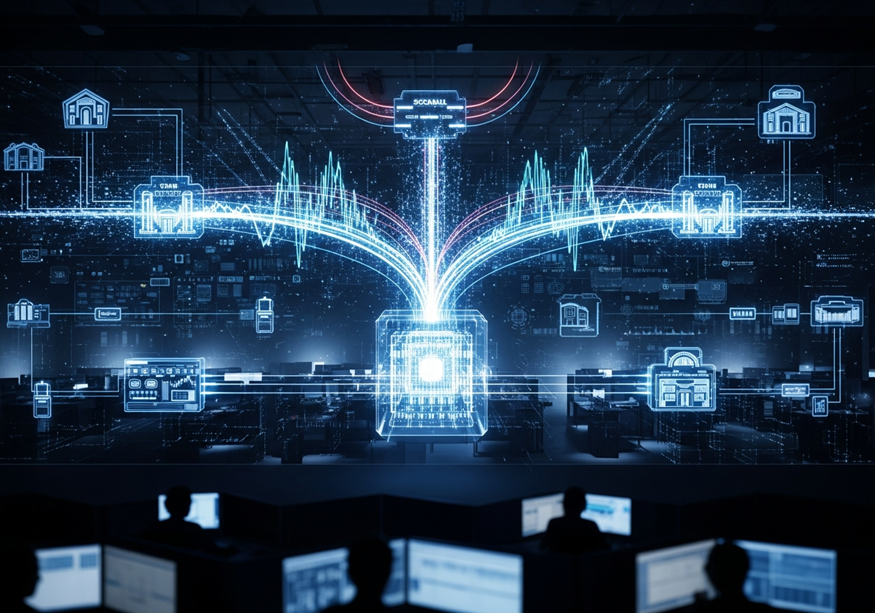
SCADA networks are often layered. A field layer network, using standard automation protocols like Modbus, connects sensors, PLCs, and RTUs. At the supervisory layer, a control network connects these devices to the backend systems, often using Ethernet/IP. For long-distance communication with remote sites, Wide Area Networks (WANs) using cellular or satellite technology are common.
The integrity of these networks is critical. Secure and fast connectivity ensures data is transmitted without delay or interference. Key aspects of SCADA communication include:
- Use of both wired and wireless networks.
- Reliance on standard communication protocols for interoperability.
- Implementation of access control to secure the network.
- Layered architecture for efficient data flow.
Functionality of SCADA in Industrial Automation
The core function of SCADA in industrial automation is to provide centralized oversight and management of complex processes. By gathering data in real time, it allows you to monitor what’s happening across your entire operation, from a single machine to multiple facilities. This capability is essential for maintaining process control and driving operational efficiency.
The system doesn't just monitor; it also enables control actions. Based on the data it receives, the system can automatically adjust processes or alert an operator to take manual action. This combination of monitoring and control makes SCADA a powerful tool for any industrial setting, as we'll explore in the following sections on data collection, remote control, and alarm management.
Real-time Data Collection and Processing
One of the most powerful features of a SCADA system is its ability to perform real-time data collection. The system continuously gathers sensor data from various field devices like PLCs and RTUs. This isn't just a snapshot; it's a constant stream of information about temperature, pressure, flow rates, and other critical variables.
This raw data is then transmitted to the central system, where it is filtered and preprocessed. For example, an analog sensor reading might be converted into a digital signal. This processing turns a flood of information into usable process data that can be analyzed and displayed.
By having access to this up-to-the-minute information, operators can make informed decisions quickly. They can see exactly how a process is performing at any given moment and identify potential issues before they become major problems. This real-time visibility is fundamental to effective process control.
Remote Monitoring and Control
Remote monitoring is a game-changer for industries with distributed operations. SCADA systems provide remote access to your processes, meaning you don't have to be physically present to know what's going on. Operators can monitor equipment and performance from a centralized control room, regardless of where the assets are located.
This capability extends beyond just watching. A SCADA control system allows operators to issue control commands remotely. If a parameter needs adjustment or a piece of equipment needs to be shut down, you can do it with a few clicks from the HMI. This enables a rapid response to changing conditions or emergencies.
The ability to both monitor and control from a distance offers significant advantages.
- It improves safety by reducing the need for personnel in hazardous areas.
- It increases efficiency by allowing a small team to manage a large area.
- It enables faster troubleshooting and reduces downtime.
- It ensures consistent operation across all sites.
Alarm Handling and Event Management
Effective alarm handling is a crucial function of any SCADA system, especially for critical systems where failures can have serious consequences. The SCADA software continuously compares incoming data against predefined thresholds. If a parameter goes outside its normal operating range, the system generates an alarm to notify operators immediately.

This event management capability ensures that potential problems are flagged right away. Alarms can be prioritized based on their severity, so operators know which issues require the most urgent attention. This allows for a rapid response, helping to prevent equipment damage, production losses, or safety incidents.
In addition to real-time alerts, the system maintains an event log. This log provides a detailed record of all alarms and system activities. This historical data is extremely useful for troubleshooting after an incident, analyzing system performance over time, and demonstrating regulatory compliance.
SCADA in Different Industries
SCADA solutions are incredibly versatile, making them essential for a wide range of industrial operations. You'll find these systems at the heart of much of the world's critical infrastructure. From power plants managing energy distribution to water treatment facilities ensuring clean water, SCADA is the unseen force that keeps things running smoothly.
The ability to monitor and control large-scale processes makes SCADA indispensable in sectors where reliability and efficiency are paramount. Let's look at how SCADA is applied in specific industries like utilities, manufacturing, and energy to optimize performance and reduce energy consumption.
Utilities and Power Generation
In the world of utilities and power generation, SCADA systems are absolutely vital. Power plants, substations, and transmission lines all rely on SCADA to monitor the grid, collect data, and automate controls. This helps prevent blackouts and overloads by ensuring power is distributed efficiently.
By tracking energy consumption and the performance of industrial equipment, utility companies can optimize their operations. The SCADA system allows operators to send control commands to adjust power distribution and balance loads in real time. This is especially important with the rise of smart grids and renewable energy sources like solar and wind farms.
Ultimately, SCADA enhances operational efficiency and reliability for the entire power sector. It helps maximize the uptime of power plants and ensures that energy is delivered safely and consistently to homes and businesses, all while managing complex networks of equipment.
Water and Wastewater Management
The water and wastewater management industry heavily depends on SCADA for its operations. These systems are used to monitor everything from water treatment plants to wastewater collection systems. Continuous monitoring is essential to ensure that water quality standards are met and that processes are running efficiently.
Many components of a water system, such as pump stations or reservoirs, are in remote locations. SCADA allows operators to monitor and control these assets from a central facility, eliminating the need for constant on-site staffing. This is crucial for managing large distribution networks effectively.
Key applications of SCADA in this sector include:
- Monitoring chemical dosages and pH levels in water treatment.
- Tracking water levels in tanks and reservoirs.
- Controlling pumps and valves in distribution and collection systems.
- Ensuring compliance with environmental and quality standards.
Manufacturing and Energy Sectors
In manufacturing, SCADA systems are the key to factory automation and efficient production processes. They monitor assembly lines, machinery, and robots in real time, ensuring that everything operates as it should. This level of process control helps maintain quality standards and maximize output.
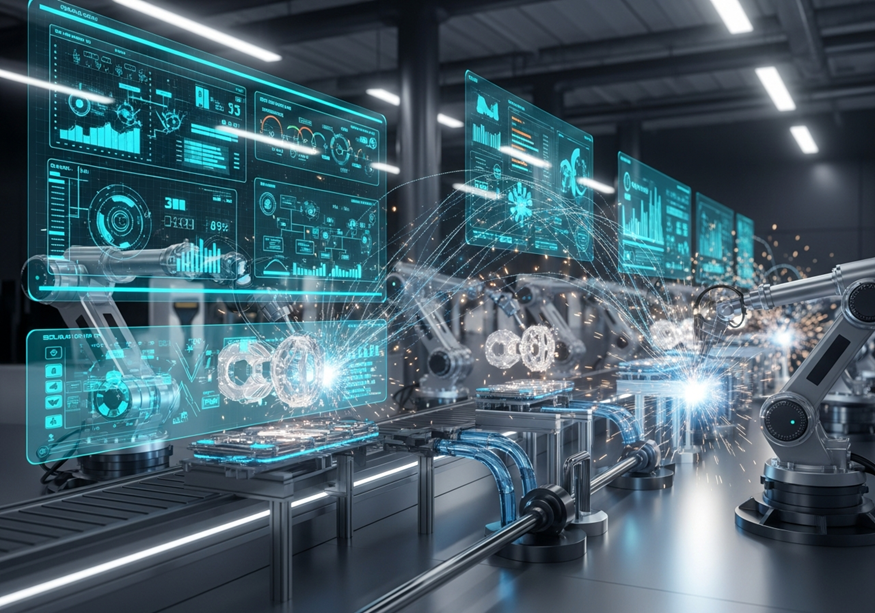
The energy sectors, including oil and gas, also rely heavily on SCADA. These systems are used to monitor pipelines for leaks, control drilling operations, and optimize refinery processes. By providing real-time data and remote control capabilities, SCADA enhances both safety and efficiency in these high-stakes environments.
Furthermore, the data collected by SCADA systems enables predictive maintenance. By analyzing trends in equipment performance, companies in both manufacturing and energy can identify potential failures before they happen. This proactive approach reduces unplanned downtime and saves significant costs.
Comparing SCADA with Other Automation Solutions
While a SCADA system is a powerful tool, it's not the only type of automation solution available. It’s helpful to understand how it compares to different systems like Distributed Control Systems (DCS) and PLCs. Each has a unique control system architecture and is designed for specific types of tasks.
SCADA was developed to provide remote access to a variety of local control modules, often from different manufacturers. This focus on high-level supervision and wide-area control sets it apart. The following sections will clarify the distinctions between these systems and explain how they can work together.
Differences Between SCADA, DCS, and PLC
It's common to see SCADA, DCS, and PLC mentioned together, but they serve different roles. A PLC is a hardware-based controller that executes control logic for a single machine or process, often using programming like ladder logic. It operates at the local level.
A DCS, or Distributed Control System, is more process-oriented and typically found within a single plant or facility. It integrates control across many different processes but is generally more self-contained than a SCADA system. In contrast, a SCADA system is geographically-oriented, designed to supervise processes spread over large areas, often incorporating hardware from different manufacturers.
Key differences can be summarized as:
- PLC: Focuses on real-time control of individual machines.
- DCS: Manages and integrates control of processes within a single facility.
- SCADA: Provides high-level supervision and data acquisition across multiple, often remote, sites.
- SCADA System: Primarily software-based and event-driven, while DCS is more process-state driven.
Integration Between SCADA and PLC Systems
Rather than being competitors, SCADA and PLC systems are often integrated to create a comprehensive automation solution. In this setup, the PLC acts as the local controller, directly managing the machinery on the plant floor. It executes the detailed, real-time control tasks based on sensor inputs and its programmed logic.
The SCADA system then sits at a higher level, providing supervision. It communicates with one or more PLCs to gather data and provide a centralized view of the entire operation. This integration allows operators to monitor the performance of all the PLC-controlled processes from a single HMI.
This combination of system components leverages the strengths of both technologies. The PLC handles the fast, reliable control needed at the machine level, while the SCADA software components offer powerful data visualization, historical logging, and remote management capabilities. This seamless integration is the foundation of modern industrial automation.
Conclusion
In conclusion, understanding SCADA systems is crucial for engineers and professionals working in industrial automation. By grasping the core concepts, essential components, and functionalities of SCADA, you can leverage its capabilities to enhance efficiency, improve monitoring, and ensure safety across various industries. Whether you are involved in utilities, manufacturing, or energy sectors, SCADA offers valuable insights and control over your operations. As you continue to explore this field, remember that successful implementation combined with ongoing education will empower you to make informed decisions and optimize your processes. For more detailed insights and personalized guidance, feel free to reach out for a consultation.
Frequently Asked Questions
What are the typical cybersecurity threats to SCADA systems?
Typical cybersecurity threats to SCADA networks include unauthorized access from malicious actors, malware like ransomware, and denial-of-service attacks. Because these systems manage critical infrastructure, SCADA security is paramount. A breach can lead to physical damage or widespread service disruptions, making robust security measures for critical infrastructure protection essential.
How can SCADA systems be protected from cyber attacks?
Protecting SCADA systems involves a multi-layered approach to security. Key security measures include network segmentation, implementing strict access control, continuous monitoring for anomalies, and timely patch management. Following SCADA security best practices is vital for safeguarding critical infrastructure from cyber threats and ensuring operational integrity.
What are the benefits of implementing a SCADA system?
Implementing a SCADA system leads to significant benefits, including improved operational efficiency, major cost savings, and reduced maintenance costs through predictive analytics. By providing real-time data and control, it enhances decision-making and boosts overall performance, allowing for optimized resource use and minimized downtime across industrial operations.