SCADA Systems: What You Need to Know for Success
SCADA Systems: What You Need to Know for Success
Key Highlights
- SCADA systems are crucial for industrial automation, enabling supervisory control and data acquisition.
- The control system collects real-time data from various system components to monitor and manage industrial processes.
- Key components include Human-Machine Interfaces (HMIs), Remote Terminal Units (RTUs), and Programmable Logic Controllers (PLCs).
- SCADA improves operational efficiency, enhances safety, and supports predictive maintenance.
- Despite their benefits, these systems face significant cybersecurity risks that require robust security measures.
- Industries like energy, manufacturing, and water treatment rely heavily on SCADA for process automation.
Introduction
Welcome to the world of industrial automation! Have you ever wondered how large-scale industrial processes, like power grids or water treatment plants, are managed so effectively? The answer often lies in a powerful technology known as a SCADA system. SCADA, which stands for Supervisory Control and Data Acquisition, is a combination of hardware and software that allows organizations to monitor and control industrial processes from a central location. It streamlines data collection and automates tasks, making complex operations safer and more efficient.
Understanding SCADA Systems and Their Importance
SCADA systems are a specialized type of industrial control system designed for supervisory control over assets spread across large geographical areas. They are the eyes and ears of many industrial plants, providing operators with the real-time information they need to keep everything running smoothly.
Their importance cannot be overstated. By centralizing monitoring and control, SCADA helps boost operational efficiency, reduce downtime, and ensure that industrial operations meet strict safety and regulatory standards. They are fundamental to the reliable operation of the critical infrastructure we depend on daily. Let's explore the key features of these systems and how they differ from older methods.
Definition and Key Features of SCADA
At its core, a SCADA system is a computerized framework designed for supervisory control and data acquisition. It’s not just about watching what’s happening; it’s about having the power to manage it from a distance. The system gathers data from sensors and equipment in the field, processes it, and presents it to a human operator through a user-friendly interface.
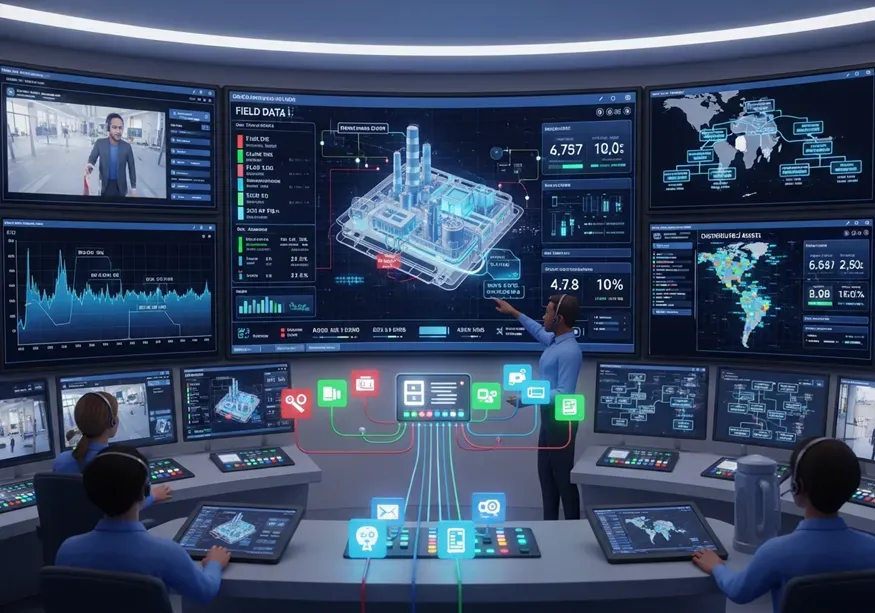
The key features revolve around this core function. The software components allow for real-time monitoring, data logging for historical analysis, and alarm processing to notify operators of any issues. This allows for immediate action and informed decision-making.
Furthermore, a SCADA system enables operators to issue control commands to remote equipment. For instance, an operator can open a valve, start a pump, or adjust a setting from a central control room, ensuring processes are optimized and safe without needing to be physically present at the site. This combination of monitoring and control makes it an indispensable tool.
How SCADA Differs From Traditional Control Systems
Unlike traditional monitoring methods that often rely on manual checks and significant human intervention, a SCADA control system automates much of this process. In the past, someone would have to physically visit a remote site to read a gauge or check equipment status. SCADA brings all that information to a single, centralized control point.
This shift from manual to automated industrial automation has been revolutionary. SCADA systems provide a continuous stream of data, offering a complete and up-to-the-minute view of operations. Traditional monitoring is often periodic and can miss critical, time-sensitive events.
The ability to not only monitor but also control processes remotely is another key differentiator. While older systems might have had localized controls, SCADA integrates these functions over vast distances. This centralized control reduces the need for constant on-site personnel and minimizes human error, leading to more consistent and efficient operations.
The Evolution of SCADA Technology
SCADA systems have a long history, with their evolution closely tied to advancements in computer and communication technologies. What began as simple, centralized systems have transformed into sophisticated, networked solutions that are at the heart of modern industrial control. This journey reflects the growing complexity of industrial processes.
The ability to collect and analyze both real-time and historical data has been a consistent driver of this evolution. As technology progressed, so did the capabilities of SCADA, offering organizations more power and insight than ever before. Let's look at how these systems developed and what trends are shaping their future.
Brief History of SCADA Development
The story of SCADA begins in the 1960s, a time when industrial organizations started using computers for industrial process automation. Early monolithic SCADA systems were self-contained and centralized, often relying on mainframe computers to handle data acquisition and control. While groundbreaking for their time, these systems were limited in flexibility and scalability.
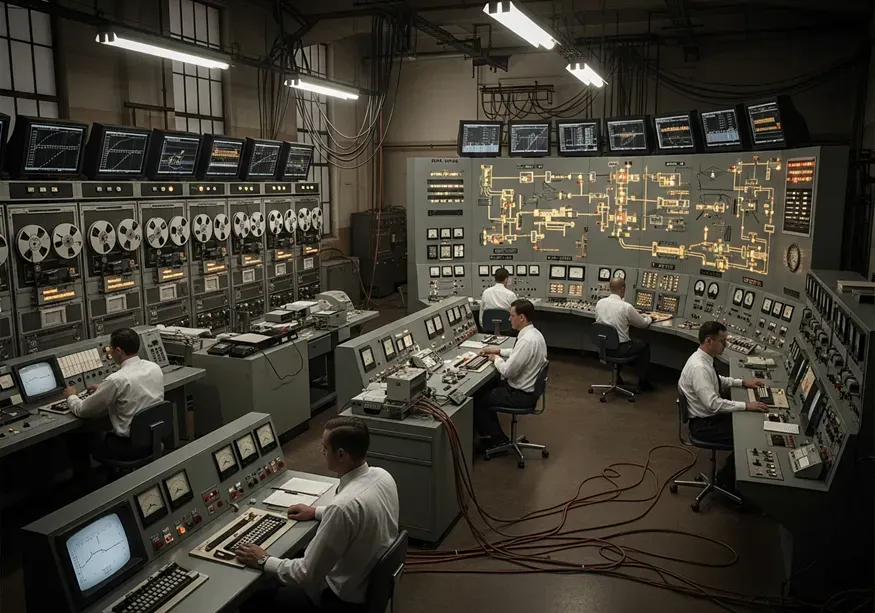
During the 1980s and 1990s, the development of networked and web-based SCADA systems marked a significant leap forward. The introduction of PLCs and RTUs allowed for more distributed and modular architectures. This change provided greater flexibility and made it easier for industrial organizations to expand their systems as their needs grew.
As technology continued to advance, so did SCADA. The need to comply with evolving regulatory standards and the desire for greater efficiency pushed for even more advanced systems. Today, SCADA has integrated with cloud computing and advanced analytics, making it a far more powerful tool than its early predecessors.
Recent Trends in SCADA Systems
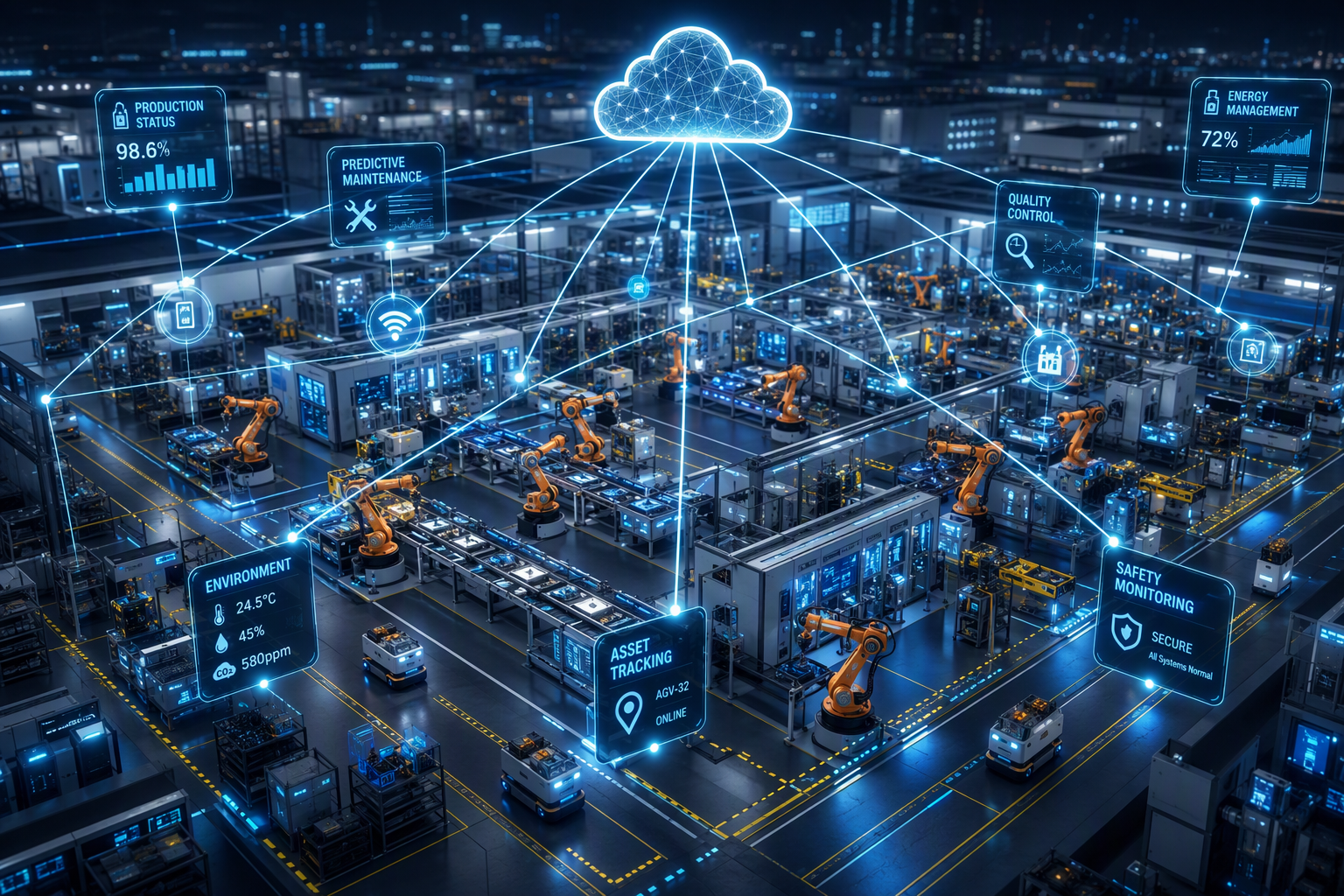
Modern SCADA systems are embracing cutting-edge technologies to help organizations make smarter decisions. One of the most significant trends is the integration of predictive maintenance capabilities. By analyzing real-time and historical data, these systems can identify patterns that suggest potential equipment failure, allowing for maintenance to be scheduled before a breakdown occurs.
Another key trend is the increasing reliance on remote access and remote management. Web-based and cloud-integrated SCADA solutions allow authorized personnel to monitor and control processes from anywhere with an internet connection. This provides incredible flexibility and ensures faster response times to any issues that may arise.
Finally, the push for greater efficiency and optimization continues to shape SCADA technology. Advanced analytics and machine learning are being incorporated to not only monitor processes but also to suggest improvements. This helps businesses minimize waste, reduce energy consumption, and enhance overall productivity in real time.
Core Components of a SCADA System
A SCADA system comprises several essential components that work in harmony to facilitate supervisory control and data acquisition. Core elements include field devices, such as sensors and actuators, that gather real-time process data from industrial equipment. This information is transmitted to a central control system via communication protocols, where SCADA software analyzes and displays it. The user interface allows operators to monitor operations, manage control functions, and make informed decisions for optimizing industrial process automation while ensuring compliance with regulatory standards.
Human-Machine Interface (HMI) and Its Role
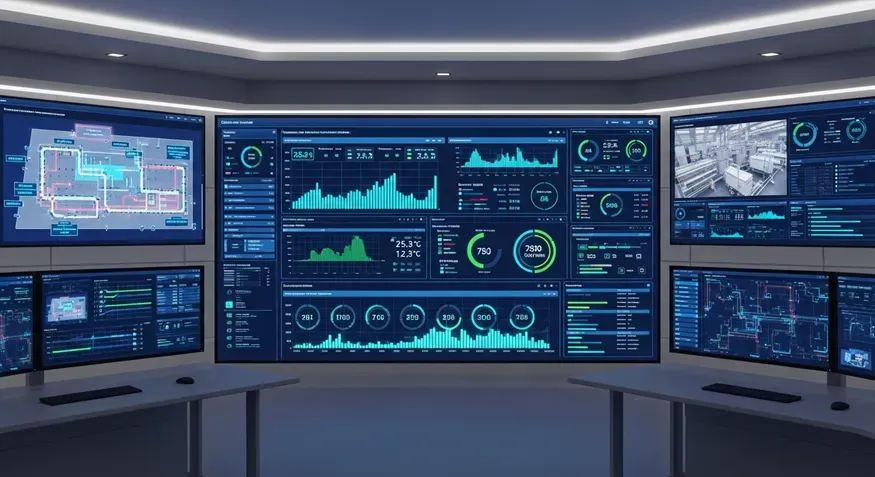
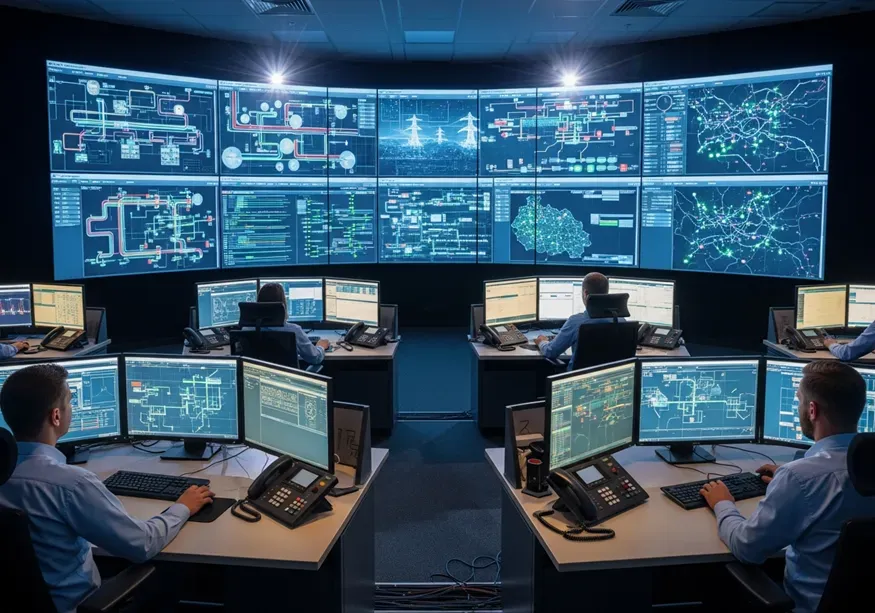
The Human-Machine Interface, or HMI, is the user interface of the SCADA system. It’s the screen where an operator interacts with the industrial process. The HMI translates complex process data into intuitive graphics, charts, and diagrams, making it easy for operators to understand what’s happening at a glance.
Its primary role is data visualization. Instead of looking at raw numbers, operators see a graphical representation of the plant or network, with real-time status updates on equipment like pumps, valves, and motors. This visual context is crucial for effective process control and quick decision-making.
Through the HMI, operators can also issue commands, acknowledge alarms, and change system setpoints. It serves as the command center, providing a centralized point of interaction with the entire central control system. A well-designed HMI is essential for ensuring operators can manage processes efficiently and safely.
Remote Terminal Units (RTUs) and Programmable Logic Controllers (PLCs)
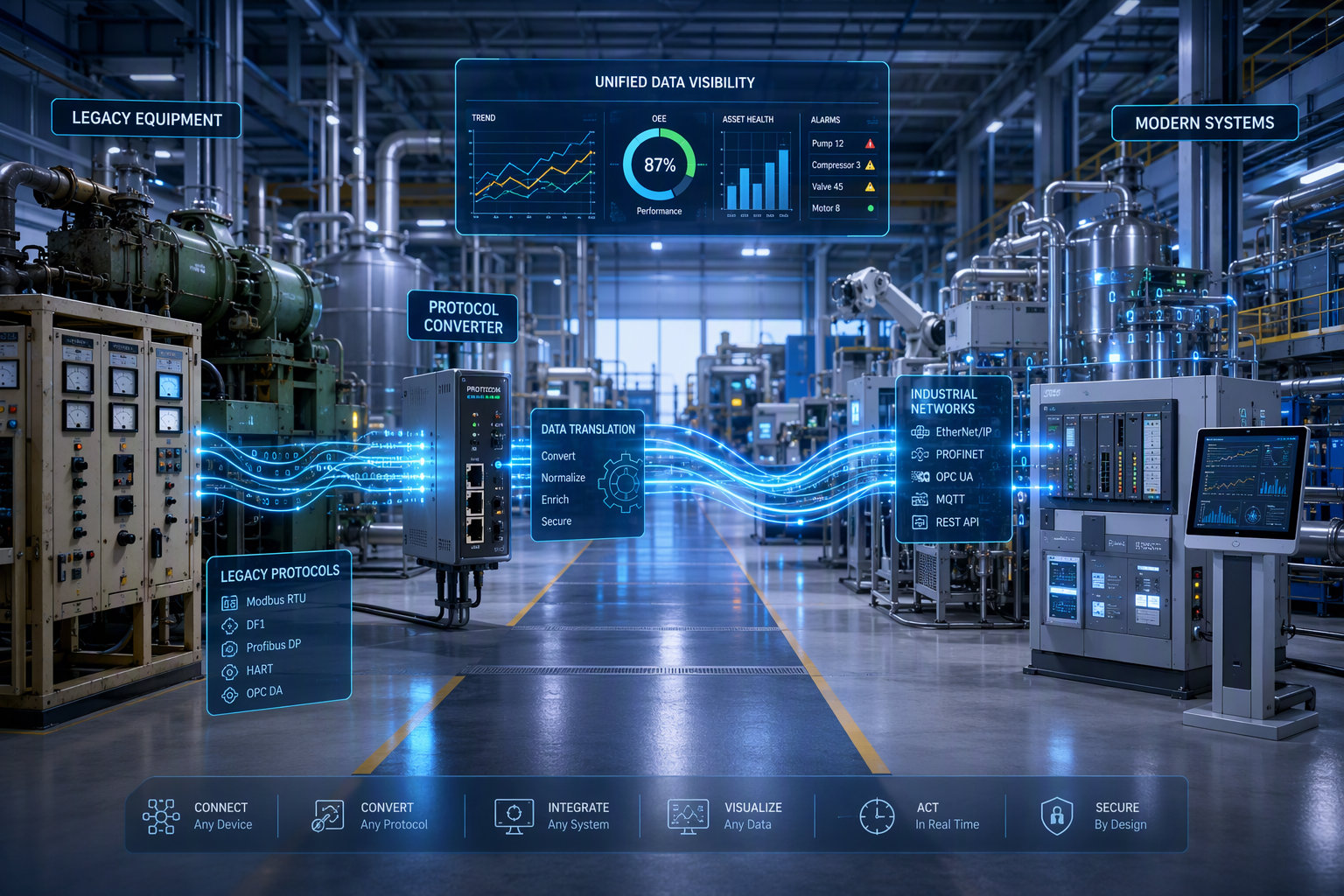
Remote Terminal Units (RTUs) and Programmable Logic Controllers (PLCs) are the workhorses of the SCADA data acquisition system. These ruggedized microcomputers are installed in the field, right next to the equipment they are monitoring and controlling. They act as the bridge between the physical field devices (like sensors and actuators) and the central SCADA system.
PLCs are typically used for localized automation and control functions. They execute predefined logic to manage specific machinery or processes in real time. For example, a PLC might control the sequence of operations on a manufacturing assembly line.
RTUs, on the other hand, are often used in more geographically spread-out applications, like pipelines or power grids. Their main job is to collect data from sensors and transmit it back to the central station. While both can perform control functions, RTUs are especially designed for reliable communication over long distances.
How SCADA Systems Monitor and Control Processes
At its heart, a SCADA system performs two fundamental tasks: monitoring and controlling. It achieves this through a continuous cycle of data acquisition, processing, and output. The system gathers real-time data from industrial processes, presents it to an operator, and allows that operator to take control actions to manage the process.
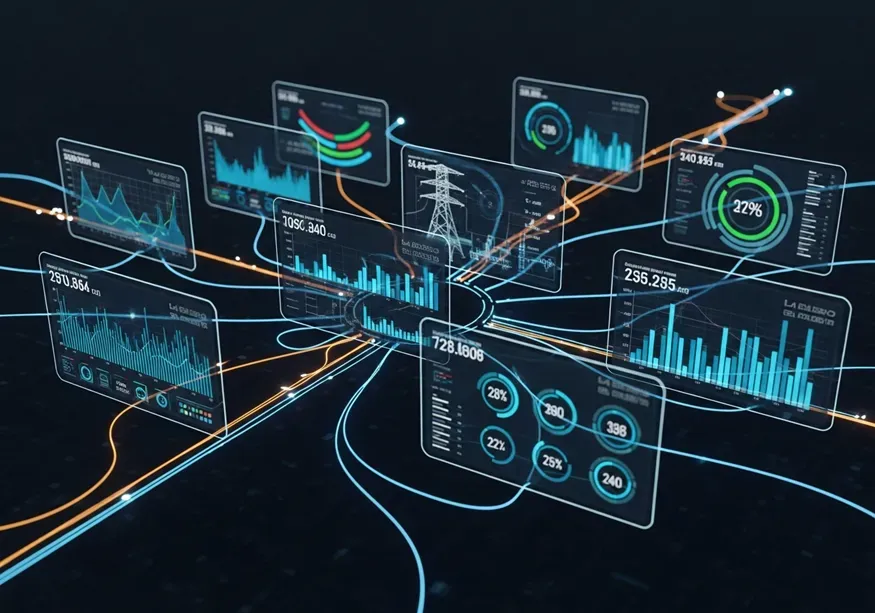
This seamless integration of monitoring and control is what makes SCADA so powerful. It provides a dynamic and interactive way to manage complex operations, ensuring they run smoothly and efficiently. Let's look closer at how it handles data collection and executes process automation.
Data Collection and Real-Time Monitoring
The process begins with data collection. Sensors and instruments connected to industrial equipment continuously measure key variables like temperature, pressure, flow rate, and tank levels. This raw process data is gathered by RTUs or PLCs located in the field.
Once collected, the data is transmitted to the central control system in real time. The SCADA software then processes this information, converting it into a more usable format. It logs the data for historical analysis, checks it against predefined alarm limits, and updates the graphical displays on the HMI.
This real-time monitoring capability gives operators an immediate and accurate picture of the entire operation. They can see trends as they develop, spot anomalies instantly, and understand the current state of every piece of equipment. This constant flow of information is the foundation for effective process management.
Process Automation and Control Capabilities
Beyond just monitoring, SCADA systems excel at process automation. They can execute predefined control logic automatically to maintain optimal conditions. For example, if a tank level drops below a certain point, the system can automatically turn on a pump to refill it without any human intervention.
For situations requiring manual oversight, operators can use the HMI to issue direct control commands. These commands are sent from the central station back to the RTUs or PLCs in the field, which then execute the required action on the equipment. This gives operators precise operational controls over remote assets.
This combination of automated and manual control is a cornerstone of modern industrial automation. It allows organizations to streamline repetitive tasks, freeing up operators to focus on more strategic aspects of process management. By enabling both direct and automated control commands, SCADA ensures that operations are both efficient and responsive.
Common Industries and Applications for SCADA
SCADA systems are incredibly versatile and are used across a wide range of industries to manage critical industrial processes. You'll find them at the heart of operations in the energy sector, from power plants to oil and gas fields. They are also essential in water treatment facilities and large-scale manufacturing operations.
Essentially, any industry that needs to monitor and control assets spread over a large area can benefit from SCADA. This technology is the backbone of much of our modern infrastructure, ensuring reliability and safety. Let's explore some specific applications in more detail.
Utilities, Manufacturing, and Critical Infrastructure
In the world of utilities, SCADA is indispensable. It's used to manage the complex networks that deliver essential services to our homes and businesses. The energy sector, for instance, relies on SCADA for everything from managing power generation at plants to overseeing power distribution grids.
The same is true for water and wastewater collection systems. SCADA helps monitor reservoir levels, control water treatment processes, and manage the distribution network to ensure a safe and steady supply of water. In manufacturing, it controls production lines and monitors machinery conditions to prevent downtime.
SCADA plays a vital role in protecting critical infrastructure across many sectors. Its applications include:
- Oil and Gas: Monitoring pipelines for leaks and pressure changes.
- Transportation: Managing railway systems and traffic light grids.
- Facilities Management: Controlling HVAC and security systems in large buildings.
- Food and Agriculture: Automating irrigation systems and monitoring storage conditions.
Real-World Examples of SCADA Hardware and Software
To make this more concrete, let's look at some real-world examples of SCADA hardware and software. The hardware includes the physical field devices and controllers, while the software is the platform that brings all the data together.
SCADA hardware consists of the industrial equipment that interacts with the physical world. RTUs and PLCs are the most common controllers, connecting to a variety of sensors that measure things like pressure, temperature, and flow. Communication hardware, such as radios or modems, handles the data transmission back to the central system.
On the software side, products from vendors provide the HMI, data processing, and reporting functionalities. This SCADA software is what operators use to visualize and control the process.
| Component | Example |
|---|---|
| SCADA Software | Ignition SCADA, Wonderware System Platform |
| PLC (Hardware) | Allen-Bradley ControlLogix, Siemens SIMATIC S7 |
| RTU (Hardware) | Schneider Electric SCADAPack, Emerson ControlWave |
| Sensor (Field Device) | Rosemount pressure transmitters, Endress+Hauser level sensors |
Comparing SCADA With Other Industrial Control Systems
SCADA is just one type of industrial control system (ICS). While it's perfect for certain applications, other types of industrial control systems are better suited for different tasks. Understanding the differences can help you appreciate why a specific control system is chosen for a particular job.
Two other common systems are Distributed Control Systems (DCS) and Programmable Logic Controllers (PLCs). Although they share some similarities with SCADA and often work together, they have distinct functions and architectures. Let’s compare SCADA with both DCS and PLCs to clarify their unique roles.
SCADA vs. DCS (Distributed Control System)
The primary difference between a SCADA system and a Distributed Control System (DCS) lies in their architectural focus. A SCADA system is event-driven and designed for intermittent monitoring and centralized control over geographically dispersed assets. It excels at gathering data from remote locations and presenting it to a central operator.
A DCS, on the other hand, is process-driven. It is typically used to control complex, continuous processes within a single plant or a confined area, like a chemical plant or refinery. The control functions in a DCS are distributed among multiple controllers throughout the facility, providing high-speed, redundant process control.
While SCADA emphasizes supervisory-level control from a distance, a DCS is more focused on regulatory, moment-by-moment control of an entire process. Think of SCADA as being more like an air traffic controller overseeing many planes, whereas a DCS is more like the autopilot system managing a single, complex aircraft.
SCADA vs. PLC (Programmable Logic Controller)
It's important to understand that a SCADA system and Programmable Logic Controllers (PLCs) are not mutually exclusive; in fact, PLCs are often key system components within a larger SCADA architecture. The main difference is one of scope and function. A PLC is a specific hardware device, while a SCADA system is a complete system.
A PLC is a ruggedized industrial computer designed for real-time process automation. It executes a specific program to control a machine or a small, localized process. It's the "hands-on" worker that directly manages the equipment based on its programming.
A SCADA system, in contrast, is the supervisor. It sits at a higher level, collecting data from multiple PLCs (and/or RTUs) and providing a centralized interface for human operators to monitor and oversee the entire operation. So, while a PLC handles the direct control of a machine, the SCADA system tells the operator how all the machines are performing together.
Security Considerations for SCADA Systems
As SCADA systems have become more connected, SCADA security has become a major concern. These systems control vital services and contain sensitive information, making them attractive targets for cyberattacks. A successful attack could disrupt operations, cause physical damage, or compromise public safety.
Therefore, robust critical infrastructure protection is essential. This involves a multi-layered approach, from securing networks with tools like network segmentation to ensuring regulatory compliance with industry security standards. Let's examine the common risks and the best practices for defending against them.
Common Cybersecurity Risks
SCADA systems face a variety of cybersecurity risks. One of the most significant is unauthorized access. If a malicious actor gains entry, they could manipulate control settings, steal sensitive information, or shut down critical processes. This is a particularly high risk with the increase in remote access capabilities.
Malware, such as viruses, worms, and ransomware, poses another serious threat. This malicious software can be introduced into the system through various means, including phishing attacks or infected USB drives. Once inside, malware can disrupt operations, corrupt data, or hold the system hostage for a ransom.
Finally, human error remains a persistent risk. An employee might accidentally click a malicious link, use a weak password, or misconfigure a security setting, inadvertently creating a vulnerability. Proper training and clear procedures are crucial for mitigating these types of risks and protecting the integrity of the SCADA system.
Best Practices for Protecting SCADA from Threats
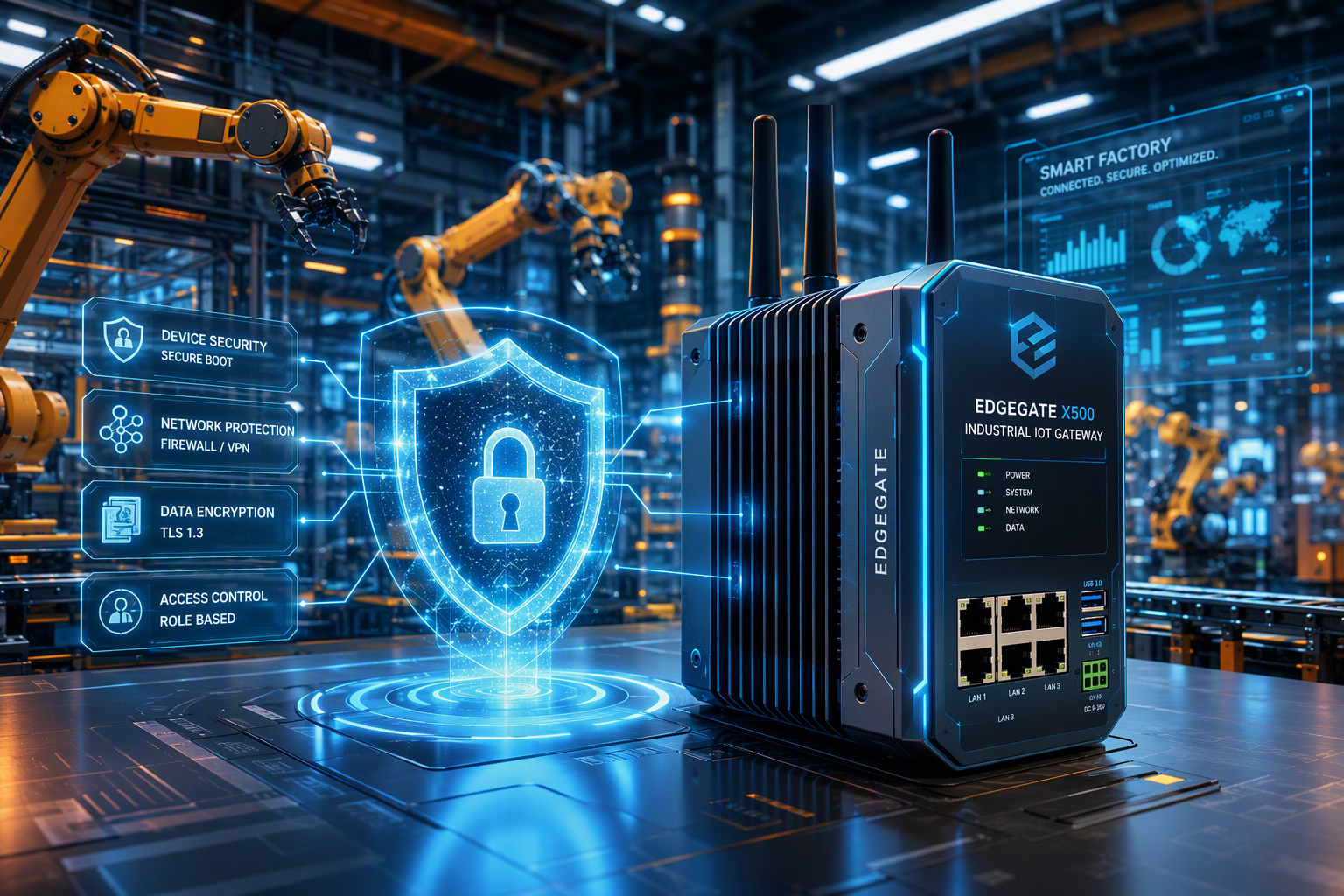
Protecting SCADA systems requires a proactive and layered security strategy. Simply relying on a single firewall is not enough. One of the most effective best practices is network segmentation. This involves isolating the SCADA network from the corporate business network to prevent attackers from moving laterally between them.
Implementing strong access controls is also critical. This means ensuring that only authorized personnel can access the system and that they only have the permissions necessary to do their jobs. Regular security audits and vulnerability assessments should be conducted to identify and patch any weaknesses before they can be exploited.
Ultimately, a strong security posture combines technology, processes, and people. Here are some key best practices:
- Enforce strong password policies and multi-factor authentication.
- Keep all software and firmware updated with the latest security patches.
- Conduct regular cybersecurity awareness training for all employees.
- Develop and test a comprehensive incident response and recovery plan.
- Monitor network traffic for any suspicious activity.
Conclusion
In conclusion, understanding SCADA systems is essential for anyone involved in industrial operations. These systems not only enhance real-time monitoring and control but also play a crucial role in improving efficiency across various sectors. As technology continues to evolve, staying updated on the latest trends and security practices is vital for successful implementation. Whether you are in utilities, manufacturing, or any critical infrastructure, leveraging SCADA can lead to significant improvements in both productivity and safety. If you're ready to take your SCADA knowledge to the next level, consider reaching out for a free consultation to explore how these systems can specifically benefit your operations.
Frequently Asked Questions
How does SCADA software collect and display real-time data?
SCADA software facilitates data collection by communicating with RTUs and PLCs in the field. These devices perform the initial data acquisition from sensors. The software then processes this real-time data and presents it on a graphical user interface (HMI), using charts and diagrams to give operators a clear view of the process.
What are typical examples of SCADA hardware used in the field?
Typical SCADA hardware includes field devices like sensors and actuators that interact with the industrial equipment. The core of the hardware consists of programmable logic controllers (PLCs) and remote terminal units (RTUs), which gather data from these devices and execute control commands. Communication equipment like radios and modems is also essential.
How is SCADA used differently than manual monitoring methods?
SCADA replaces sporadic, manual monitoring with continuous, real-time data collection. This control system minimizes the need for human intervention by providing centralized oversight and automation capabilities. Unlike manual methods that are prone to delays and human error, SCADA delivers instant and accurate process data for faster, more reliable decision-making.
You might also like