SCADA: How Supervisory Control Transforms Industries
SCADA: How Supervisory Control Transforms Industries
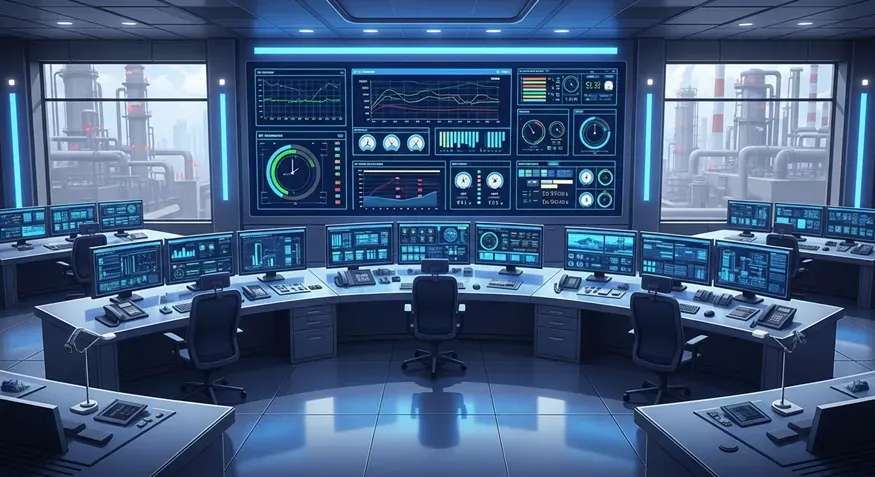
Key Highlights
- SCADA stands for supervisory control and data acquisition, a key system in industrial automation.
- This control system collects and processes real-time data to manage industrial equipment remotely.
- A SCADA system enhances operational efficiency, safety, and reliability in various industries.
- Core components include a Human-Machine Interface (HMI), Remote Terminal Units (RTUs), and Programmable Logic Controllers (PLCs).
- Despite its benefits, SCADA faces significant cybersecurity risks that require robust security measures.
- It allows for predictive maintenance and helps organizations meet regulatory standards.
Introduction
Have you ever wondered how massive industrial operations run so smoothly? The answer often lies in a powerful technology called SCADA, which stands for Supervisory Control and Data Acquisition. This computerized system is a cornerstone of modern industrial automation, enabling organizations to monitor and manage complex processes from a central location. A SCADA system gathers real-time data from equipment, helping to ensure everything runs efficiently and safely. It's the invisible force behind many essential services we rely on daily.
Understanding SCADA in Industrial Automation
SCADA plays a pivotal role in industrial automation by providing a high-level overview of complex industrial processes. It functions as an industrial control system designed to collect information from various sensors and devices spread across large areas. This data acquisition capability is what makes it so powerful.
By centralizing control and monitoring, a SCADA system allows operators to make informed decisions quickly. This improves efficiency, reduces downtime, and enhances safety across the board. Now, let's look closer at its definition and key functions.
Definition and Purpose of SCADA
So, what exactly is a SCADA system? At its core, SCADA stands for Supervisory Control and Data Acquisition. It is a system of software and hardware elements that allows industrial organizations to control processes locally or at remote locations. It provides the supervisory control needed to oversee operations that are geographically dispersed.
The main purpose of a SCADA system is to monitor and direct industrial processes for optimal performance. This involves gathering real-time data from the field, processing it, and presenting it to a human operator through a user-friendly interface. This capability helps organizations achieve greater operational efficiency.
Ultimately, SCADA is essential for process control in modern industrial automation. It enables companies to maintain safety, meet regulatory standards, and minimize downtime by providing a clear, centralized view of their entire operation.
Key Functions and Capabilities
A SCADA control system performs several vital functions that transform industrial management. Its primary capability is data collection, where it gathers information from sensors and field devices. This data acquisition is continuous, providing a real-time look into the operational status of equipment and processes.
Once the data is collected, it is transmitted via various communication protocols to a central location. Here, the system processes and displays the information, allowing operators to oversee the entire operation from a single interface. This real-time feedback loop is what makes SCADA so effective.
Key capabilities of a SCADA system include:
- Real-time Monitoring: Instantly access process data to speed up decision-making.
- Remote Control: Manage and adjust equipment from any location at any time.
- Data Logging: Record historical data for analysis, reporting, and compliance.
- Alarming: Automatically notify operators of anomalies or potential dangers.
Evolution and History of SCADA Systems
The SCADA system has a long history that mirrors the growth of computer technology in industrial process automation. Originating in the 1960s, these systems were developed to address the need for automated control and monitoring over long distances, replacing manual checks with more efficient, computer-based solutions.
Over the decades, technological advancements have dramatically transformed SCADA from simple, centralized systems to complex, networked architectures. This evolution has made them more flexible, scalable, and powerful than ever before. Let's explore the early developments and modern advancements that have shaped these systems.
Early Developments in Supervisory Control
The concept of supervisory control emerged as industrial organizations sought better ways to manage their operations. The early developments in the 1960s were focused on creating centralized systems that could automate data acquisition and control functions, which were previously handled by human operators.
These first-generation systems are often referred to as monolithic SCADA systems. In this setup, all main components were housed in a single, large mainframe computer. While revolutionary for their time, these systems were isolated and had limited flexibility, as they were custom-built for specific tasks and couldn't easily connect with other systems.
Despite their limitations, these early systems laid the groundwork for modern SCADA. They introduced the fundamental idea of using computers to oversee industrial processes from a central point, a principle that remains at the heart of SCADA technology today.
Advancements Leading to Modern SCADA
Technological advancements in the 1980s and 1990s propelled SCADA into a new era. The introduction of local area networks (LANs) and more powerful personal computers allowed for the creation of distributed and networked SCADA systems. This shift improved data transmission and overall system performance.
These modern systems offered greater flexibility, allowing different components of the control system to communicate over a network. This meant the SCADA architecture could be scaled more easily and integrated with other business systems. The move toward web-based technologies further enhanced accessibility, enabling remote monitoring in real time.
Today's SCADA systems continue to evolve with cloud computing and advanced analytics, providing deeper insights and better control.
| SCADA Generation | Key Characteristics |
|---|---|
| First (Monolithic) | Centralized mainframe computers; isolated systems. |
| Second (Distributed) | Used LANs to connect multiple stations; real-time data sharing. |
| Third (Networked) | Used open system architecture and protocols; improved integration. |
| Fourth (Web-Based/IoT) | Utilizes cloud computing and web technologies for remote access. |
Core Components of a SCADA System
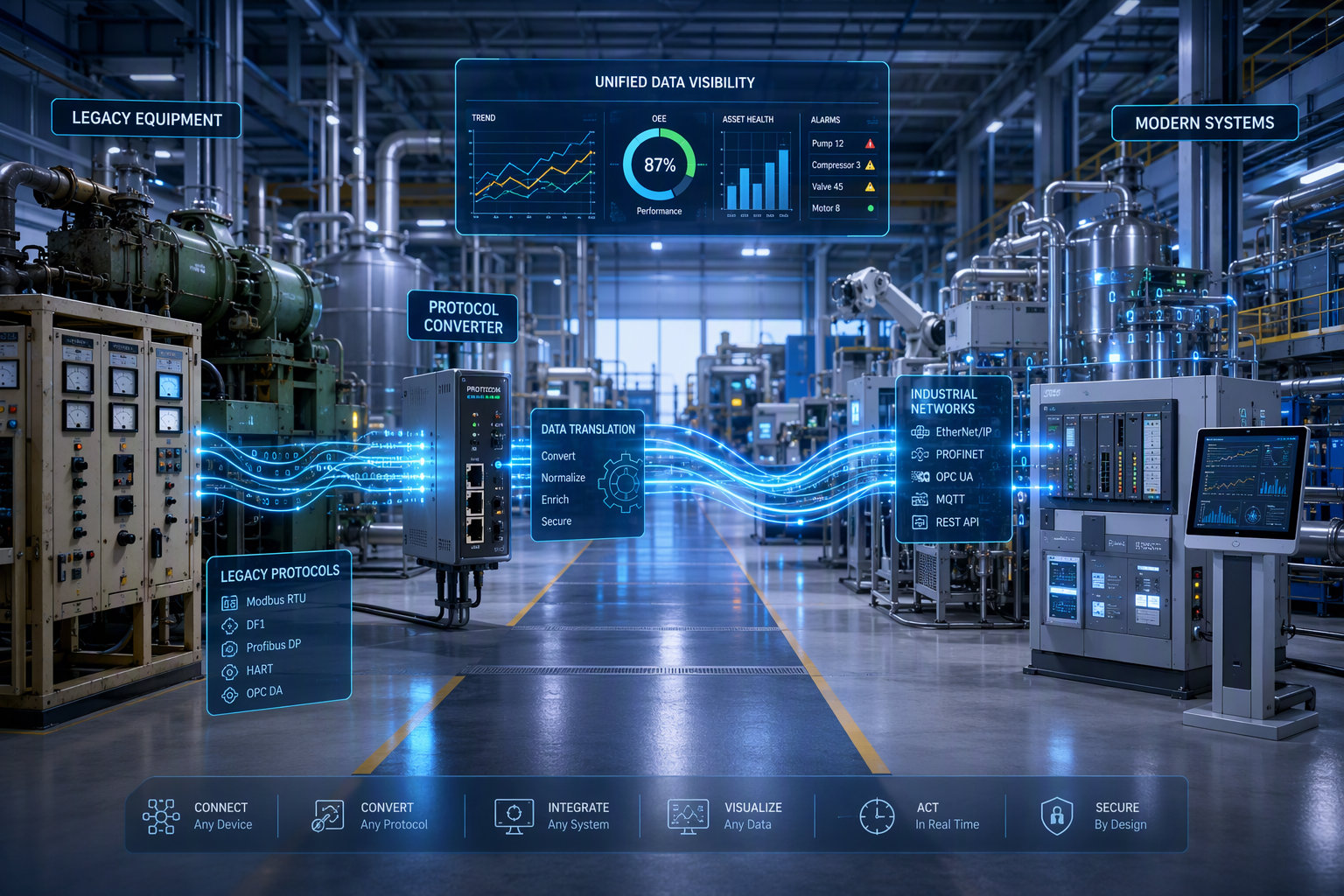
A functional SCADA system is composed of several key system components working in harmony. These include both hardware and software components that enable data collection, communication, and control. The hardware includes field devices like sensors and controllers, which are the "eyes and ears" of the system.
The software components, on the other hand, process this data and present it in a usable format. Together, these elements form a cohesive architecture that allows operators to monitor and manage industrial processes effectively. We'll now look at the specific roles of the HMI, RTUs, and PLCs.
Human-Machine Interface (HMI)
The Human-Machine Interface, or HMI, is arguably the most recognizable part of a SCADA system. It is the user interface that allows an operator to interact with the machinery and processes being monitored. Think of it as the central dashboard where all the action happens.
This central interface presents real-time data in a graphical format, using diagrams, charts, and alarm indicators to give operators a clear view of the system's status. The SCADA software powers the HMI, translating complex process data into intuitive visuals that are easy to understand at a glance.
Through the HMI, operators can not only see what's happening but also issue commands, adjust settings, and respond to alerts. This direct interaction is crucial for maintaining control over the industrial process and ensuring everything runs as intended.
Remote Terminal Units (RTUs) and Programmable Logic Controllers (PLCs)
Remote Terminal Units (RTUs) and Programmable Logic Controllers (PLCs) are the workhorses of a SCADA system. These are small, ruggedized microcomputers placed out in the field, close to the equipment they are monitoring and controlling. They serve as the primary points for data collection.
RTUs are designed to collect data from sensors and transmit it to the central SCADA system, often from remote locations. PLCs perform a similar function but are typically used for more localized automation and control tasks within a facility, such as managing a specific machine on a production line.
Both RTUs and PLCs are essential field devices that bridge the gap between the physical industrial processes and the digital control system. They interact directly with sensors, valves, pumps, and motors, executing commands and sending back status updates to ensure the entire operation is synchronized.
How SCADA Systems Monitor and Control Processes
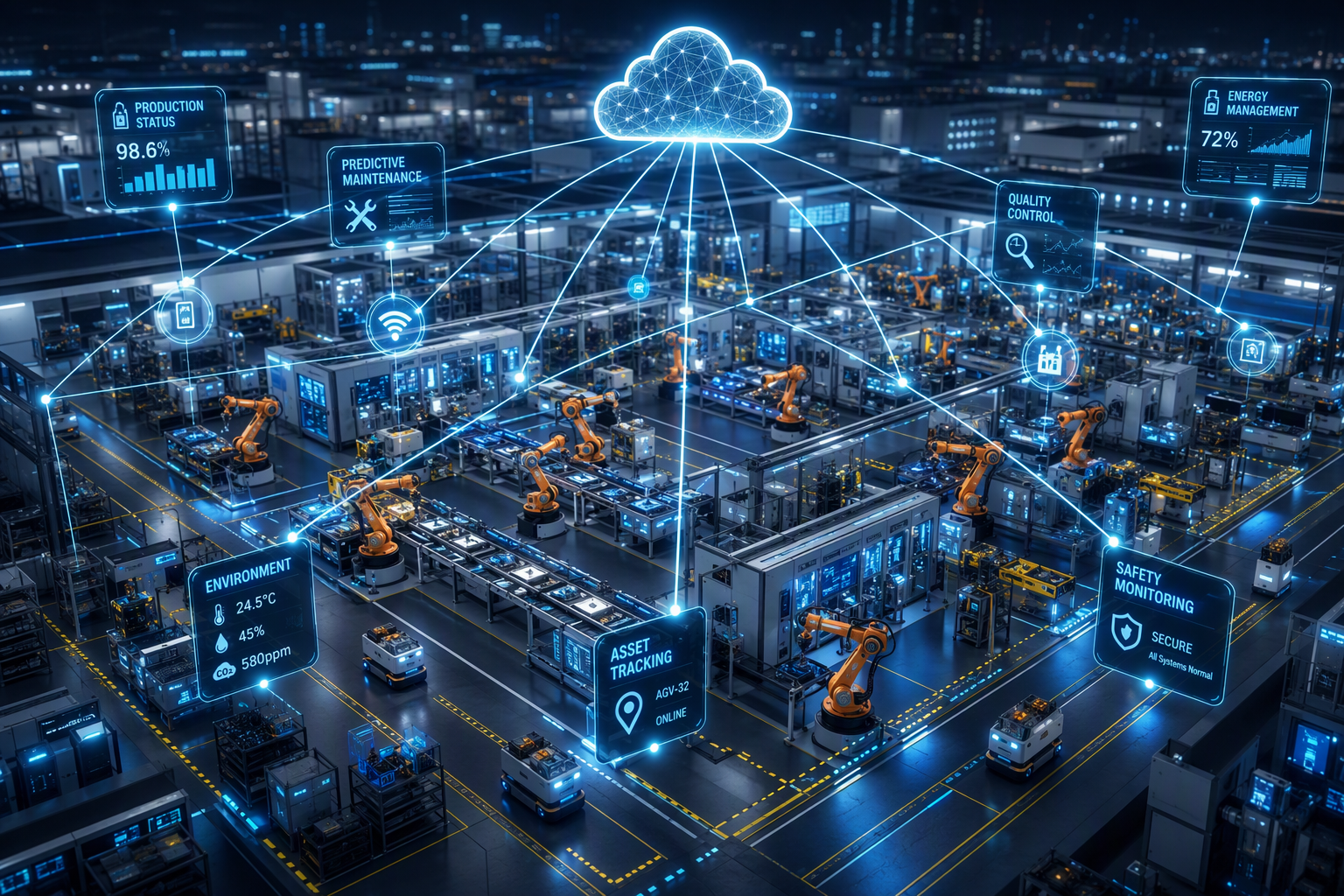
SCADA systems excel at monitoring and controlling industrial processes through a continuous cycle of data acquisition and action. The system constantly gathers process data from field devices scattered across the operation. This information is then sent to a central control room for processing and visualization.
Based on this incoming data, operators can initiate control actions by sending control commands back to the field devices. This allows for real-time adjustments to maintain efficiency and safety. Let's examine how data is acquired and how automated monitoring helps streamline this process.
Data Acquisition and Real-Time Display
The process of data acquisition is the foundation of how a SCADA system works. It begins with sensors and field devices performing data collection on key metrics like temperature, pressure, flow rate, and equipment status. This raw data needs to be gathered efficiently to be useful.
Next, this information is sent to the central system through various data transmission methods, including wired connections, radio frequencies, or cellular networks. The SCADA software is responsible for receiving this stream of data, processing it, and organizing it for display.
Finally, the software presents this information in real time on the Human-Machine Interface (HMI). Operators see a live, graphical representation of the entire process, allowing them to monitor everything as it happens. This immediate feedback is critical for making timely and informed decisions.
Automated Process Monitoring and Alerts
One of the greatest strengths of a SCADA system is its ability to perform automated process monitoring. Instead of relying on a human to watch a screen 24/7, the system can be configured to watch for specific conditions or deviations from normal operating parameters.
When the system detects an issue, such as a pressure level that is too high or a machine that is malfunctioning, it automatically generates alerts. These alerts immediately notify operators so they can take corrective action. This real-time notification is crucial for preventing accidents and minimizing downtime.
This capability also supports predictive maintenance by identifying trends that may indicate a future equipment failure. By analyzing historical and real-time data, SCADA helps organizations schedule maintenance before a breakdown occurs, improving reliability and extending the life of industrial equipment. Key benefits include:
- Continuous monitoring of critical systems.
- Immediate alerts for abnormal conditions.
- Reduced need for manual oversight.
- Enhanced safety through proactive issue detection.
SCADA Applications Across Key U.S. Industries
Across the United States, SCADA systems are the backbone of many critical industries. From managing public utilities to optimizing manufacturing lines, this technology is everywhere. The energy sector relies on it to control power grids, while cities use it for water treatment and traffic management.
The versatility of SCADA allows it to be adapted for a wide range of applications, making it essential for everything from producing consumer goods to building smart cities. Let's explore how it transforms operations in utilities, energy, manufacturing, and other key sectors.
Utilities, Energy, and Critical Infrastructure
In the utilities and energy sector, SCADA is indispensable for managing critical infrastructure. Power plants use these systems to monitor and control electricity generation, ensuring a stable supply of power to homes and businesses. This oversight is crucial for maintaining the reliability of the entire grid.
SCADA systems also manage power distribution networks, allowing operators to reroute electricity during outages or periods of high demand. Similarly, the oil and gas industry uses SCADA to monitor pipelines, tank levels, and pressure from a central control room, enhancing both safety and operational efficiency.
For these industries, remote monitoring capabilities are a game-changer. Technicians no longer need to travel to distant sites to check equipment, as all the necessary data is available in real time. This not only saves time and money but also improves response times during emergencies.
Manufacturing, Water Treatment, and Smart Cities
In manufacturing, SCADA systems are used to oversee and control production processes. They monitor machinery performance, track output speeds, and identify potential issues before they cause delays. This helps manufacturers streamline their operations, reduce waste, and ensure product quality.
Water treatment facilities rely heavily on SCADA to manage the entire water and wastewater cycle. These systems monitor water supply, control chemical dosing, and manage wastewater collection systems, ensuring that clean, safe water is delivered to communities. It provides the oversight needed to meet strict regulatory standards.
The concept of smart cities also leverages SCADA for various functions. From managing traffic light patterns to monitoring public power consumption, SCADA helps city officials optimize resource usage and improve urban living. This technology provides the data-driven insights needed to build more efficient and sustainable communities.
SCADA vs. Other Industrial Control Systems
While SCADA is a type of industrial control system (ICS), it's not the only one. Other systems like Distributed Control Systems (DCS) and Programmable Logic Controllers (PLCs) also play important roles in industrial automation. Understanding the differences is key to choosing the right solution for a specific need.
The main distinction often comes down to scope and architecture. A SCADA system is typically designed for monitoring processes over large geographical areas, whereas other systems might be more focused on controlling processes within a single plant. Let's make a direct comparison.
Comparing SCADA with DCS and PLCs
It's helpful to think of the relationship between these systems as a matter of scale and function. A SCADA system is primarily a supervisory control system. Its strength lies in gathering data from widespread locations and presenting it to a central operator. It’s more about monitoring than continuous, second-by-second control.
In contrast, a Distributed Control System (DCS) is process-oriented and designed for controlling complex processes within a single plant, like a chemical refinery. A DCS distributes control functions across multiple controllers, offering high reliability and precise process management.
Programmable Logic Controllers (PLCs), on the other hand, are rugged devices designed for automating specific machines or tasks. While PLCs are a component of many SCADA and DCS architectures, they can also operate independently for smaller-scale industrial control needs.
SCADA Versus Traditional Manual Monitoring
Before SCADA became widespread, industries relied on traditional manual monitoring. This involved technicians physically visiting equipment to read gauges, record data in logbooks, and make adjustments by hand. This method was slow, labor-intensive, and prone to human error.
SCADA revolutionizes this approach by automating data acquisition and centralizing control functions. Instead of periodic checks, SCADA provides a continuous, real-time view of the entire operation. This eliminates the need for much of the manual human intervention that was previously required.
The difference is night and day. With SCADA, operators can respond to issues instantly from a control room, rather than waiting for a technician to discover a problem hours later. Key advantages over manual monitoring include:
- Real-time data versus periodic manual readings.
- Centralized control versus on-site adjustments.
- Automated alerts versus delayed discovery of issues.
- Reduced human error and increased consistency.
Security and Risk Management in SCADA
As SCADA systems have become more connected, SCADA security has become a top priority. These systems control critical infrastructure, making them attractive targets for cybercriminals. A successful attack could disrupt essential services, compromise sensitive information, and pose a threat to public safety.
Effective risk management strategies are essential for critical infrastructure protection. This includes implementing technical controls like network segmentation and developing robust security policies to safeguard these vital systems. Let's explore the common threats and how to defend against them.
Common Cybersecurity Threats
SCADA systems face a variety of cybersecurity threats that can have severe consequences. Because they manage industrial process automation in critical sectors, any disruption can be catastrophic. Malicious actors, from hackers to nation-states, actively target these systems.
One common threat is malware, including viruses and ransomware, which can infect a system to disrupt operations or steal sensitive information. Phishing attacks are also prevalent, targeting employees with deceptive emails to trick them into revealing login credentials or installing malicious software. Another significant risk is the denial-of-service (DoS) attack, which can overwhelm a system and make it unavailable.
These threats are a serious concern for both public and private sectors. A breach in an industrial plant's SCADA system could lead to production shutdowns, environmental damage, or even physical harm, making robust security measures non-negotiable.
Strategies for Protecting SCADA Environments
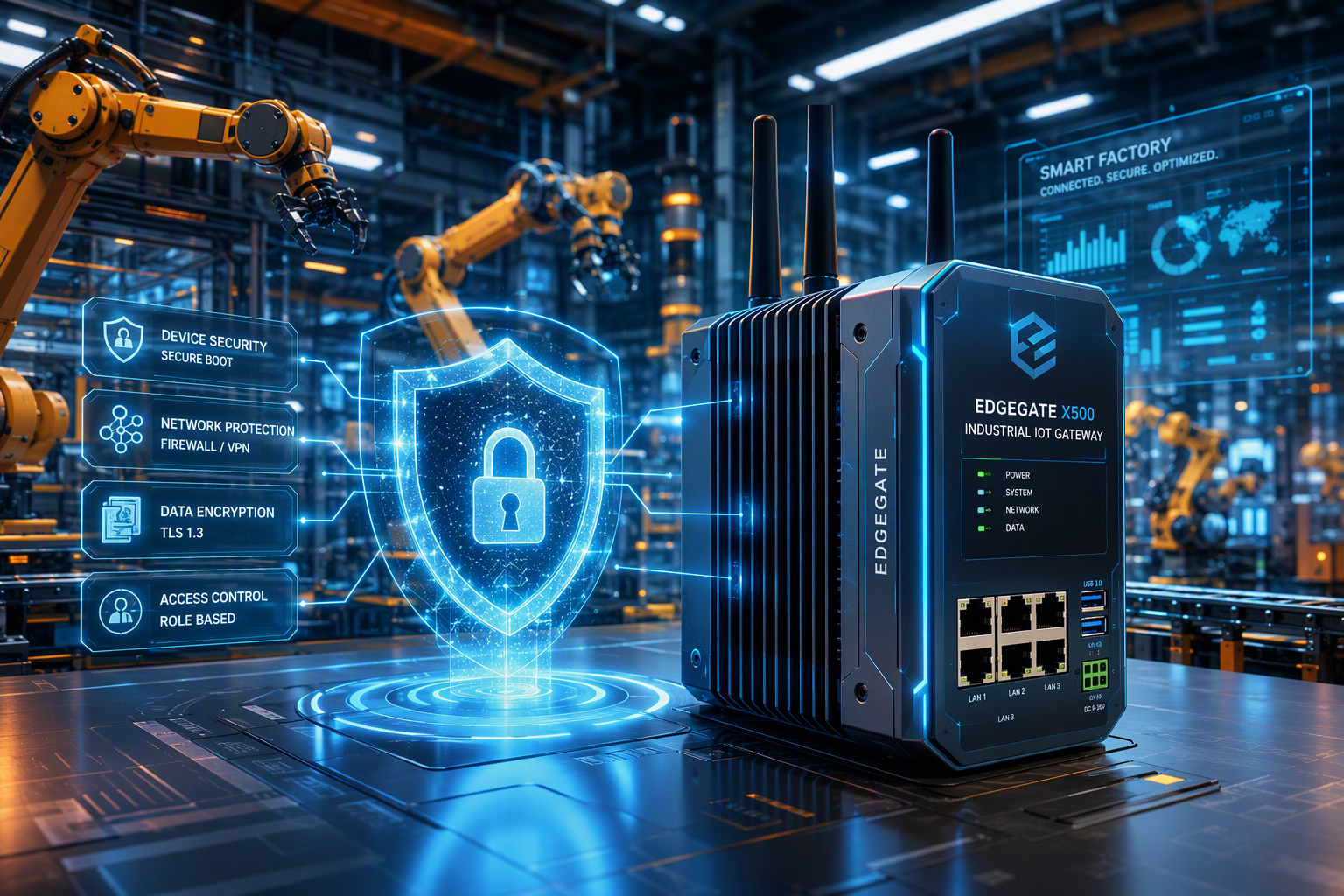
Protecting SCADA environments requires a multi-layered approach that combines technology, policies, and employee training. Implementing security best practices is the first step toward building a strong defense against cyber threats.
A crucial technical strategy is network segmentation. This involves isolating the SCADA network from the corporate network, which limits the potential pathways for an attacker to gain access. Controlling remote access is also vital, ensuring that any external connections are heavily secured and monitored. Adhering to regulatory standards provides a solid framework for security.
Ultimately, a comprehensive SCADA security plan is proactive, not reactive. It involves continuous monitoring, regular security audits, and ongoing employee education to stay ahead of evolving threats.
- Implement strong access controls to ensure only authorized personnel can access the system.
- Regularly update and patch all hardware and software components.
- Use firewalls and intrusion detection systems to monitor for malicious activity.
- Develop and test a backup and recovery plan to ensure operational continuity after an attack.
Selecting the Right SCADA Solution for Your Operations
Choosing the right SCADA software solutions for your business is a critical decision that impacts efficiency, security, and future growth. It's not just about picking the flashiest option; it's about finding a system that aligns with your specific operational needs and goals. Key factors to consider include integration capabilities with your existing hardware, scalability to accommodate future expansion, and ensuring the system helps you meet regulatory compliance.
Before you commit, it's important to clearly define what you need the system to do. Identify the key processes you want to monitor and the level of automation you hope to achieve. This initial planning will help you evaluate different vendors and solutions against your unique requirements, ensuring you adhere to all relevant industry regulations and select a system that truly fits your operations.
Key Features to Consider
When evaluating SCADA software, the user interface (UI) is one of the first things to assess. A clean, intuitive UI will reduce the learning curve for your operators and minimize the risk of errors. Look for clear data visualization, customizable dashboards, and easy navigation.
Beyond the interface, consider the system's core functionality. Does it support all the main components you need, such as advanced data logging, robust alarming, and detailed reporting? Good system performance is non-negotiable, as you need a solution that can handle your data load in real time without lagging.
Finally, think about the total cost of ownership. This includes not only the initial setup price but also ongoing maintenance costs, licensing fees, and the availability of vendor support. A reliable vendor can make a huge difference in the long-term success of your SCADA implementation.
Integration and Scalability Factors
Proper integration is essential for a SCADA system to function effectively. The solution you choose must be compatible with your existing system components, including PLCs, RTUs, and sensors from various manufacturers. It should also support the communication protocols you use to ensure seamless data flow.
Scalability is another critical factor, especially if you anticipate growth. A good SCADA system should be able to expand easily to cover large geographical areas, add new remote sites, or handle an increasing number of data points without requiring a complete overhaul.
Consider whether the system can grow with your business needs. Ask vendors about their approach to scalability to ensure you're not locked into a system that will become obsolete as your operations evolve.
- Compatibility: Does it work with your current hardware and software?
- Protocol Support: Can it communicate with all your devices?
- Expansion: Can you easily add more users, devices, or sites?
- Future-Proofing: Is the architecture flexible enough for future technologies?
Conclusion
In summary, SCADA systems are pivotal in transforming how industries operate, offering enhanced monitoring, control, and efficiency. By understanding the core components and applications of SCADA, organizations can leverage this technology to optimize performance and ensure safety across various sectors. As industries continue to evolve, adopting modern SCADA solutions is crucial for staying competitive and resilient against emerging challenges. If you're ready to explore how SCADA can enhance your operations, don't hesitate to reach out for a consultation. Your journey towards smarter industrial automation starts now!
Frequently Asked Questions
What types of hardware are commonly used in SCADA systems?
A SCADA system relies on various field devices to gather data. The most common hardware includes Remote Terminal Units (RTUs) and Programmable Logic Controllers (PLCs), which connect to sensors and other industrial equipment. These devices collect data from the field and communicate it back to the central system.
How does SCADA software display real-time system data?
SCADA software uses a Human-Machine Interface (HMI) to display real-time system data. After the data acquisition process, the software translates complex process data into intuitive graphical formats like charts, diagrams, and dashboards. This user interface allows operators to easily monitor the system's status at a glance.
Are SCADA systems suitable for small and medium-sized businesses?
Yes, SCADA systems are increasingly suitable for small and medium-sized businesses. Modern SCADA software components are more affordable and scalable, allowing smaller companies to benefit from industrial automation. Improved system performance and remote monitoring capabilities can provide a significant return on investment for businesses of any size.
You might also like