Exploring SCADA: Key Features and Benefits Explained
Exploring SCADA: Key Features and Benefits Explained
Key Highlights
- SCADA stands for supervisory control and data acquisition, a system for managing industrial processes.
- Industrial organizations use a SCADA system for high-level process control and industrial automation.
- The system gathers data from sensors and equipment, allowing for real-time monitoring and control.
- Key benefits include increased efficiency, predictive maintenance, and enhanced safety.
- SCADA is vital for industries like energy, water treatment, manufacturing, and transportation.
- Protecting these systems from cyber threats is crucial for operational continuity and safety.
Introduction
Welcome to the world of industrial automation! Have you ever wondered how large-scale industrial processes, like power grids or water treatment plants, are managed so efficiently? The answer often lies in a powerful industrial control system known as SCADA. This technology is the backbone of modern industry, enabling organizations to monitor and control complex operations from a central location. It enhances safety, boosts efficiency, and ensures the reliable delivery of essential services we all depend on daily.
Understanding SCADA in Industrial Automation
A SCADA system is a critical tool for industrial automation, combining hardware and software to oversee large-scale industrial control operations. Its primary purpose is to provide supervisory-level management over processes that are spread out over vast geographical areas, which would be impossible to manage manually.
This sophisticated control system enables operators to gather and process real-time data from various points in a facility or network. This data acquisition capability is fundamental to making informed decisions quickly. Let's explore the definition, history, and core functions of SCADA to better understand its role.
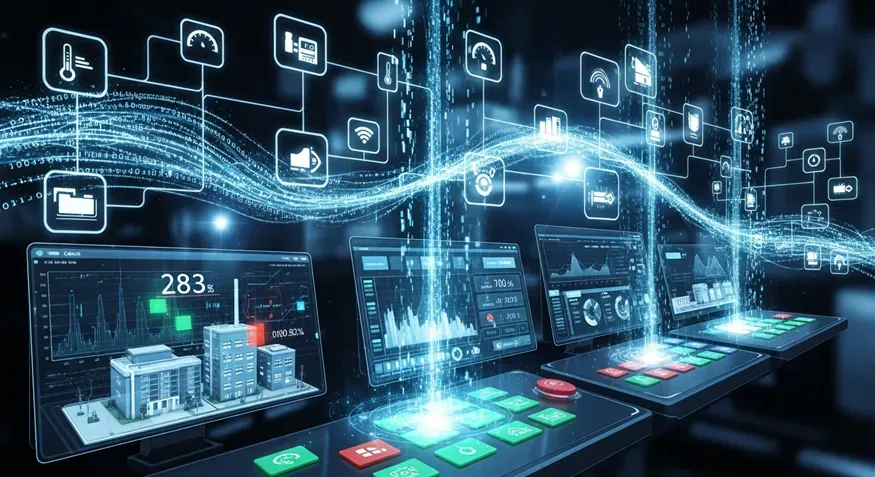
Definition and Meaning of SCADA
SCADA is an acronym for Supervisory Control and Data Acquisition. At its core, it's an architecture that allows industrial organizations to monitor, manage, and control their industrial processes, machinery, and plants from a high level. Think of it as a centralized command center for complex operations.
The "supervisory control" part means that the system provides a top-down view and allows operators to oversee the entire process. It doesn't usually handle the moment-to-moment control of individual machines—that's often left to local controllers. Instead, it provides the big picture.
The "data acquisition" element refers to the system's ability to collect information from sensors and equipment in the field. This data is then transmitted to a central computer where SCADA software processes it, logs it, and presents it to a human operator through a graphical interface, making the management of complex processes much simpler.
Brief History and Evolution of SCADA Technology
The SCADA system has a long history, with its origins stretching back to the 1960s. During this era, industries began using computer-based systems for industrial process automation. The earliest versions were monolithic SCADA systems, where a single mainframe computer handled all data acquisition and control tasks.
As technology advanced through the 1980s and 1990s, these systems evolved. The introduction of programmable logic controllers (PLCs) and remote terminal units (RTUs) allowed for more distributed control. Networked and web-based SCADA systems became popular, offering greater flexibility and accessibility than their predecessors.
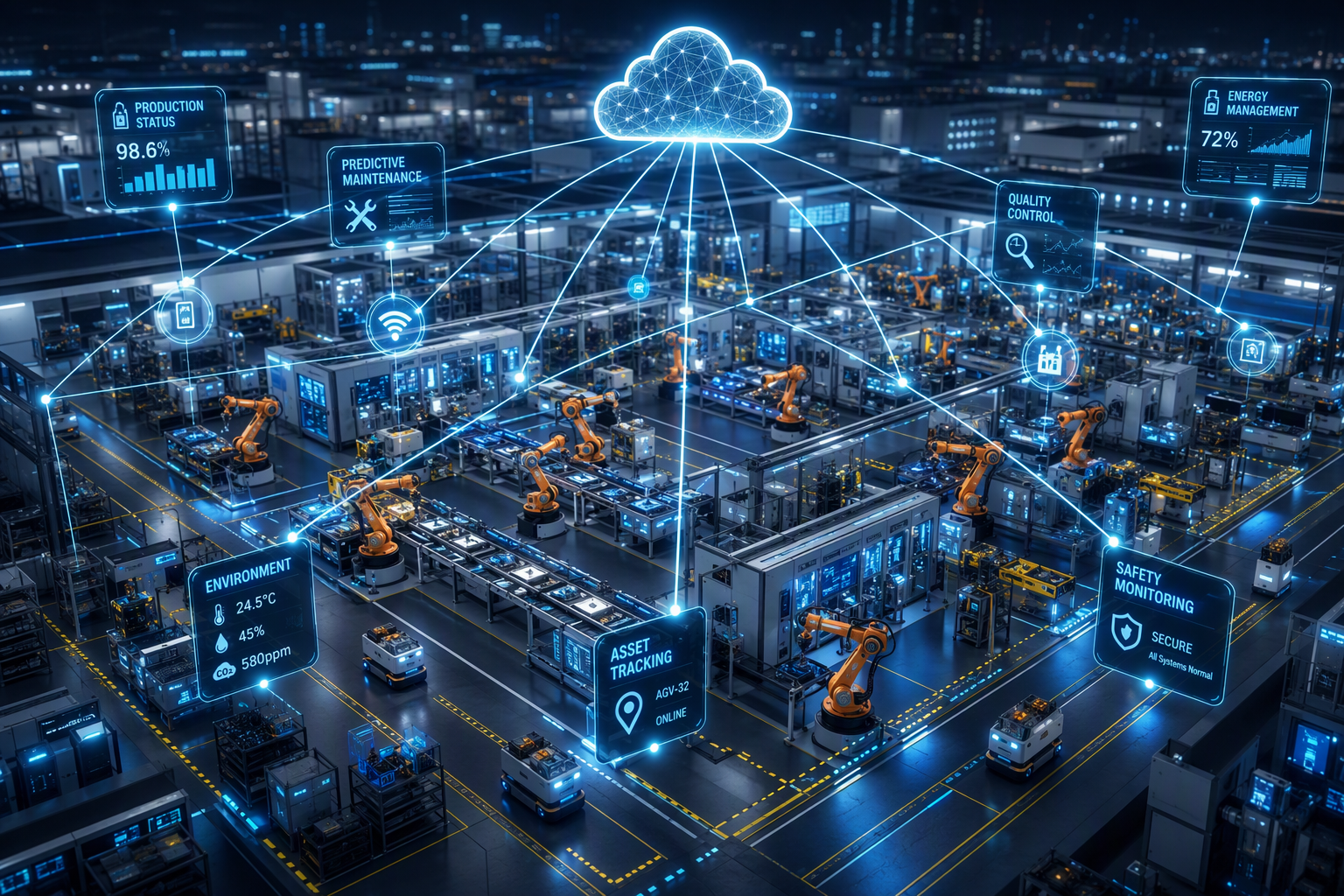
Today, SCADA technology has grown even more sophisticated. Modern systems often integrate with cloud computing and advanced analytics. This continuous evolution has made SCADA an indispensable tool for managing the increasingly complex and distributed infrastructure of modern industries.
Core Functions of SCADA Systems
The primary job of a SCADA system is to give organizations the power to manage their industrial processes effectively. This is achieved through several core functions that combine monitoring, control, and data analysis to ensure smooth operations.
One of the most vital functions is real-time process control. While many control actions are automated at the local level by PLCs or RTUs, SCADA allows operators to issue high-level control commands. They can adjust set points, respond to alarms, and perform other operational controls based on the data they see. This blend of automation and human oversight is key to its effectiveness.
Key functions include:
- Data Collection: Gathering real-time and historical data from sensors and field equipment.
- System Monitoring: Continuously tracking system performance against set parameters and identifying deviations.
- Event and Alarm Notifications: Alerting operators to hazardous conditions or abnormal behavior.
- Reporting: Logging data for historical analysis, performance review, and regulatory compliance.
How SCADA Systems Work
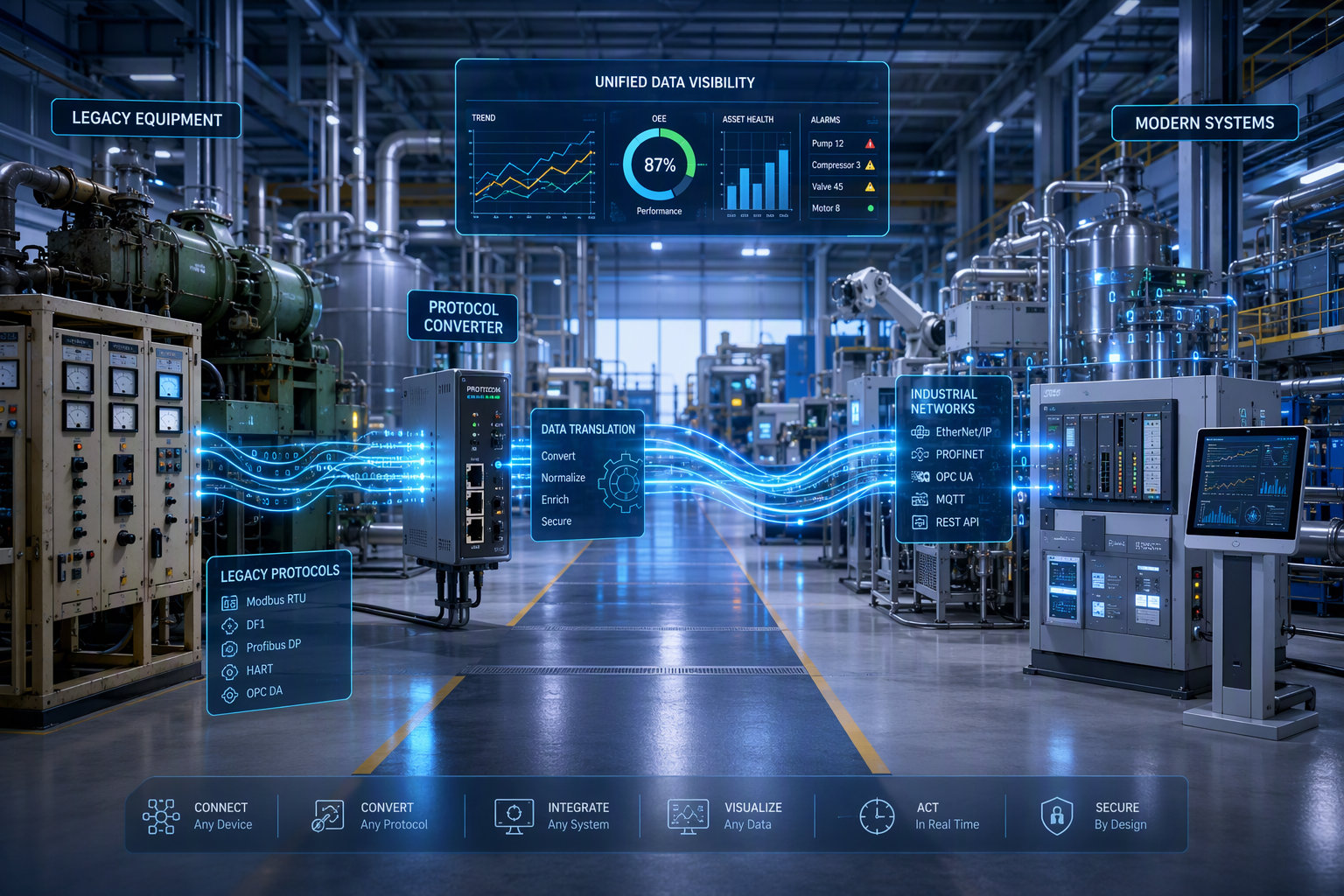
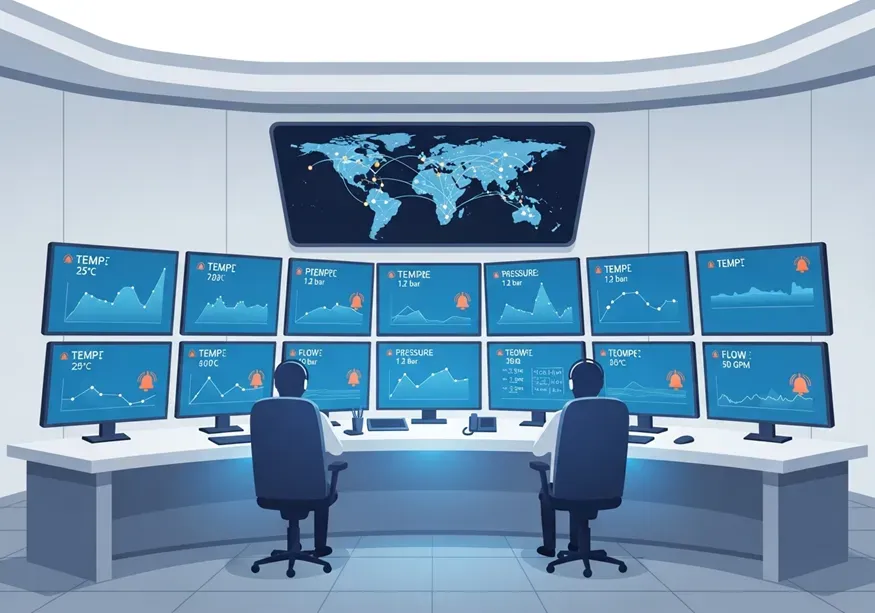
So, how does a SCADA system bring all these functions together? It works by linking a central control system with various sensors and controllers spread across an industrial site. This connection facilitates seamless data acquisition and data transmission, providing a complete picture of operations.
The SCADA software serves as the brain, processing the incoming real-time data and displaying it in an easy-to-understand format for operators. This allows for immediate response to any issues. Let's look closer at how data is collected, how processes are controlled, and how the system keeps operators informed.
Data Collection and Real-Time Monitoring
Data collection is the foundation of any SCADA system. The process begins with field devices, such as sensors and meters, which are installed throughout the industrial environment. These devices measure key process data like temperature, pressure, flow rate, or tank levels.
This raw data is then gathered by Remote Terminal Units (RTUs) or Programmable Logic Controllers (PLCs). These intelligent devices collect the information and transmit it to the central SCADA system. This ensures a constant flow of real-time information from the field.
Once the data reaches the central server, the SCADA software processes it and displays it on a human-machine interface (HMI). It also logs historical data, creating a valuable archive for future analysis, trend identification, and troubleshooting. This enables operators to see not just what's happening now, but also what has happened in the past.
Process Control and Automation
Before SCADA, process control relied heavily on manual monitoring, which was slow, inefficient, and prone to human error. SCADA revolutionizes this by introducing a high degree of automation and centralized control. The system can be programmed to perform specific control actions automatically in response to certain conditions.
For example, if a sensor detects that pressure in a pipeline is too high, the SCADA system can automatically open a relief valve to restore normal levels. This automation significantly improves system performance and safety, reducing the need for constant human intervention. By automating routine tasks, operators are freed up to focus on more strategic decisions.
This level of process control also helps lower maintenance costs. By ensuring equipment operates within optimal parameters, the system reduces wear and tear. Furthermore, the data collected can be used for predictive maintenance, allowing teams to address potential issues before they cause costly downtime.
Alarm Notifications and Reporting Features
A critical feature of any SCADA system is its ability to provide timely alarm notifications. The system constantly monitors data against predefined thresholds. If a parameter deviates from its normal operating range, an alarm is triggered on the user interface, immediately drawing the operator's attention to a potential problem.
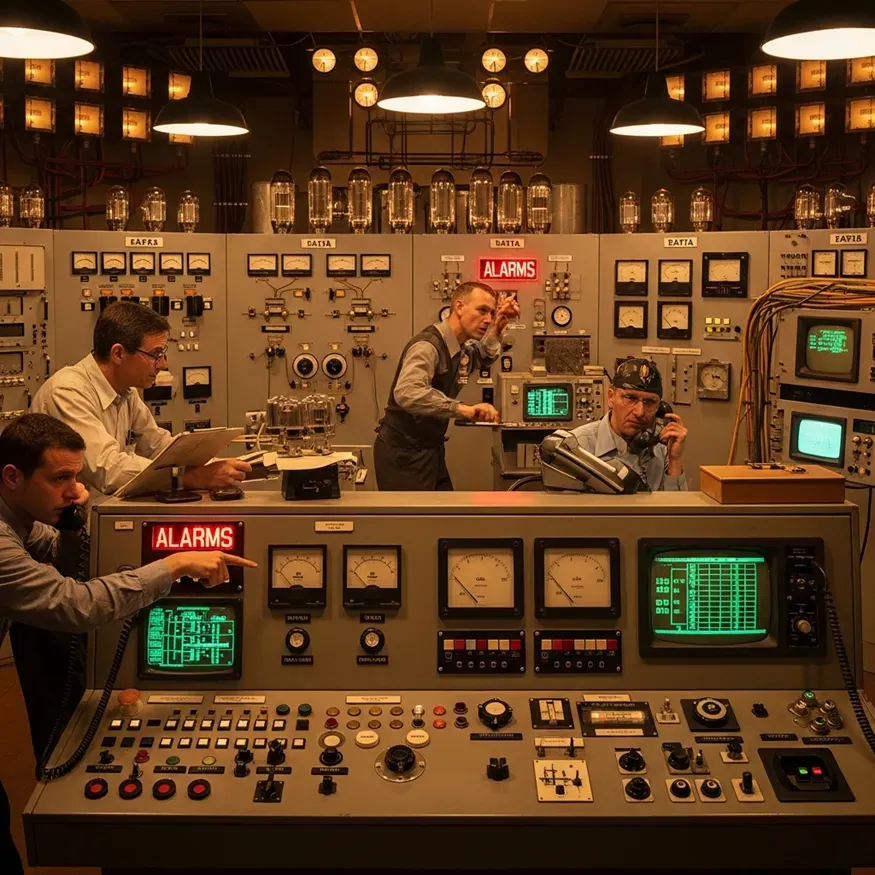
These alerts are essential for preventing equipment damage, ensuring safety, and maintaining operational continuity. The reporting features of SCADA are equally important. The system logs all data, alarms, and operator actions, creating a comprehensive record of events. This information can be compiled into reports for various purposes.
These features enable organizations to make smarter decisions by:
- Analyzing historical trends to optimize processes.
- Generating compliance reports to meet regulatory standards.
- Using data to schedule predictive maintenance and avoid unexpected failures.
Key Components of a SCADA System
To achieve its powerful capabilities, a SCADA system relies on several interconnected system components working in harmony. These main components include both hardware and software elements, each playing a vital role in the system's overall function and operational efficiency.
Understanding these parts is essential to grasping how SCADA provides such comprehensive control. From the user's graphical interface to the devices in the field and the communication protocols that link them, every piece is crucial. We will now examine the primary hardware and software components that make up a typical SCADA architecture.
Human-Machine Interface (HMI)
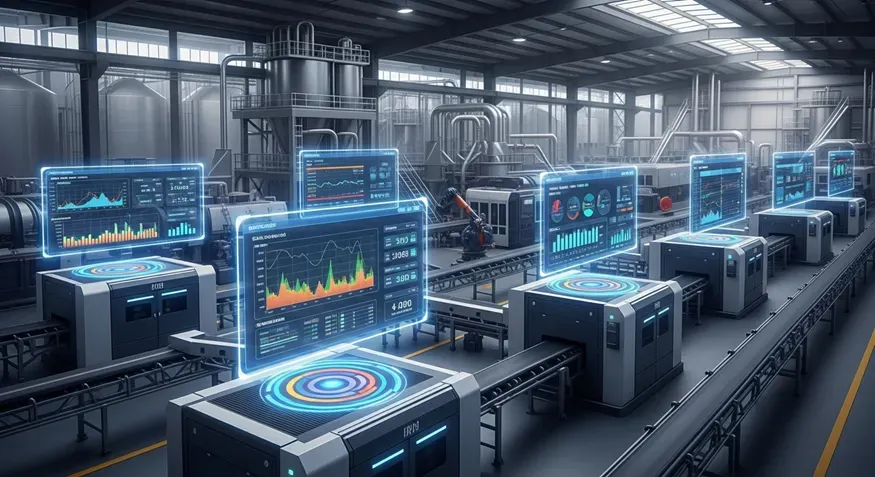
The Human-Machine Interface (HMI) is the central interface through which an operator interacts with the SCADA system. It is the graphical user interface that translates complex process data into intuitive visuals like charts, diagrams, and dashboards. This allows operators to monitor and manage industrial processes effectively.
Through the HMI, an operator can view real-time data, acknowledge alarms, and issue operational controls to the system. For instance, an operator might use the HMI to start or stop a pump, adjust a temperature setpoint, or view the status of various pieces of equipment across the plant.
Modern HMIs are designed to be user-friendly, reducing the learning curve and minimizing the risk of errors. They can be displayed on computer monitors in a control room, on tablets for mobile access, or on screens built directly into machinery. This accessibility ensures that operators have the information and control they need, wherever they are.
Remote Terminal Units (RTUs) and Programmable Logic Controllers (PLCs)
Remote Terminal Units (RTUs) and Programmable Logic Controllers (PLCs) are the workhorses of a SCADA system. These ruggedized field devices are installed at remote locations to connect directly with sensors and control equipment. They are two of the main components responsible for data collection and executing local control functions.
PLCs are essentially small industrial computers used to automate specific processes or machines within a localized area, like a factory floor. RTUs perform a similar role but are designed to operate more independently and are often used to monitor assets spread across large geographical areas, such as pipelines or power distribution networks.
Both devices collect data and can execute pre-programmed logic without waiting for instructions from the central system, which enhances reliability. Here's a quick comparison:
| Feature | Programmable Logic Controllers (PLCs) | Remote Terminal Units (RTUs) |
|---|---|---|
| Primary Use | Localized automation and control (e.g., assembly lines) | Monitoring and control of geographically dispersed assets (e.g., substations) |
| Environment | Typically used in plant or factory settings | Designed for harsh conditions and remote sites |
| Functionality | Focuses on executing fast, repetitive logic for machine control | Focuses on data acquisition, telemetry, and some control functions |
Communication Networks and Protocols
The communication network is the vital link that connects all the components of a SCADA system. It is responsible for the data transmission between the central SCADA server and the field devices like PLCs and RTUs. This infrastructure must be reliable, especially when covering long distances.
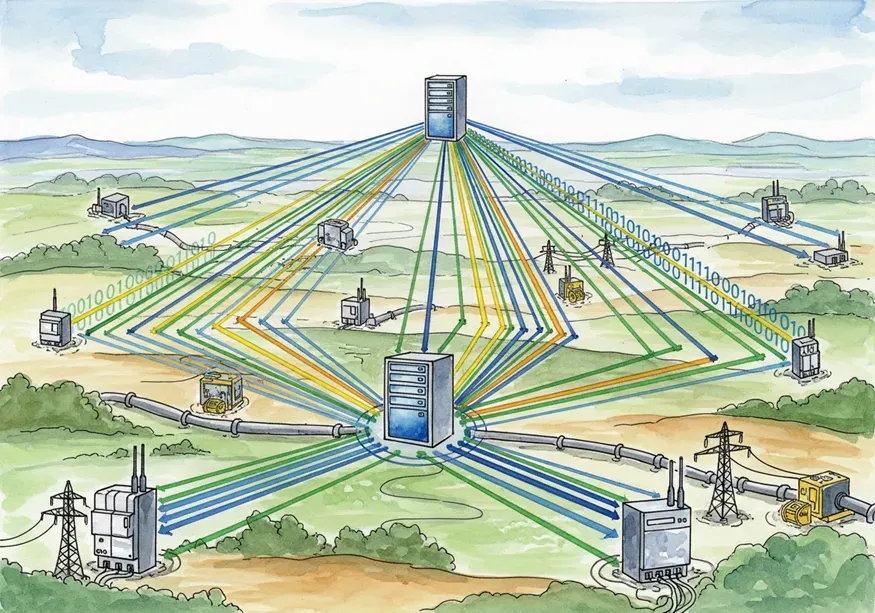
These networks can use various technologies, including wired connections like Ethernet and fiber optic cables, or wireless options such as radio and cellular networks. The choice of technology depends on the geographical spread of the system and the amount of data being transmitted. Specific communication protocols are used to ensure that all devices can "speak" the same language.
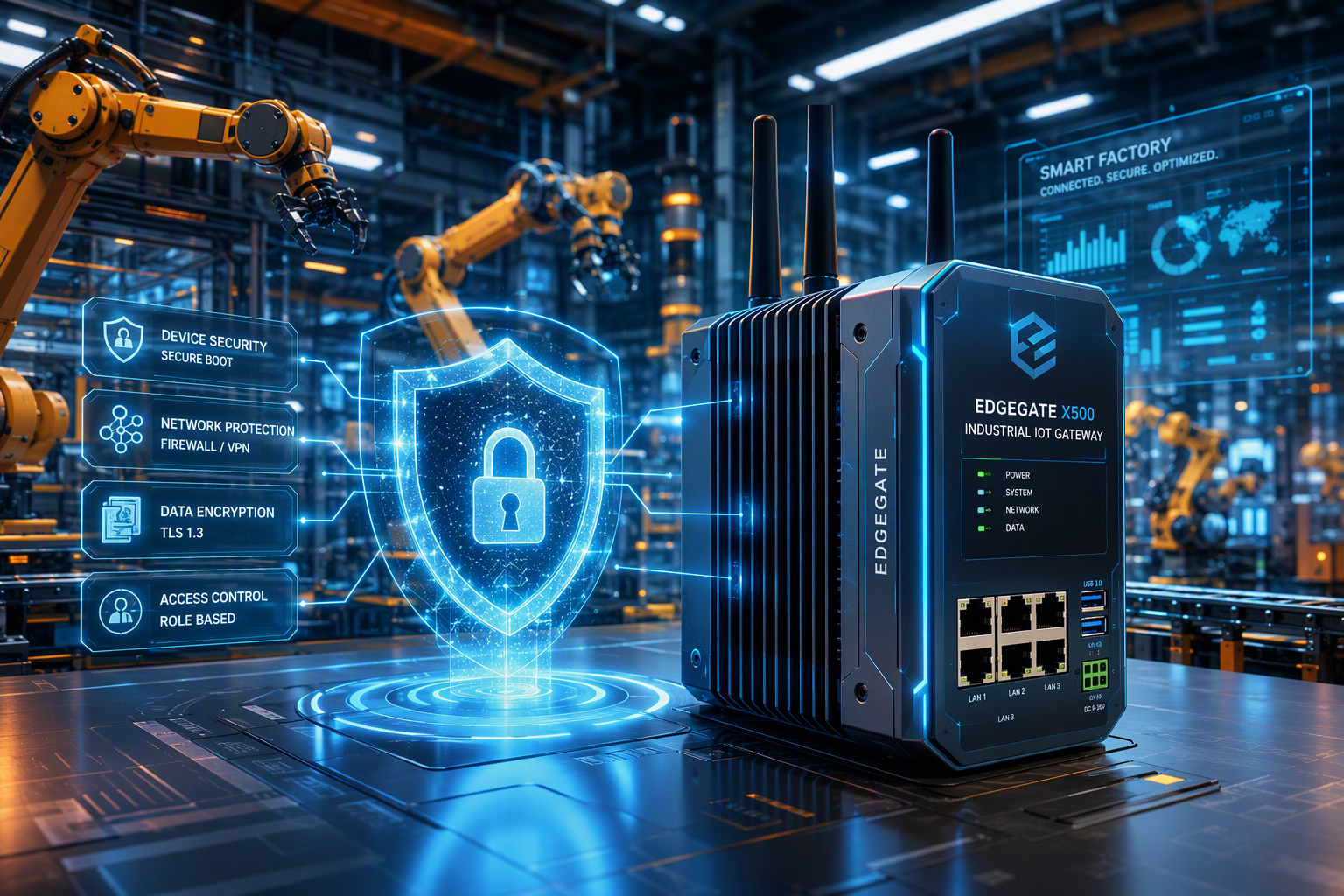
Given that SCADA systems often manage critical infrastructure, securing this network is paramount. Techniques like network segmentation are used to isolate the SCADA network from other corporate networks, protecting sensitive information and preventing unauthorized access. This helps safeguard the system against cyber threats that could disrupt operations.
SCADA vs Other Industrial Control Systems
SCADA is just one of several types of industrial control systems used in industrial automation. While they share similarities, systems like Distributed Control Systems (DCS) and standalone Programmable Logic Controllers (PLCs) are designed for different purposes. Understanding these differences is key to choosing the right solution for a specific application.
Selecting the appropriate control system involves evaluating the scale, complexity, and geographical distribution of your operations. Adhering to best practices means matching the technology to the need. Let's compare the SCADA system to DCS and standalone PLC solutions to clarify their unique roles.
Difference Between SCADA and DCS (Distributed Control System)
While both SCADA and a Distributed Control System (DCS) are used for industrial control, they have different architectural philosophies. A DCS is typically process-oriented and used to manage complex processes within a single, confined geographic location, like a chemical plant or a refinery.
In contrast, a SCADA system is more data-acquisition-oriented and excels at monitoring and controlling processes spread over a large area. It supervises the system from a high level, whereas a DCS integrates control more tightly at the process level, with controllers distributed throughout the plant that work together seamlessly.
Key differences include:
- Scope: DCS is plant-centric; SCADA is geographically widespread.
- Orientation: DCS is process-oriented, focusing on regulatory control; SCADA is data-gathering-oriented.
- Control: A DCS provides a more integrated and continuous control loop.
- Application: DCS is common in process industries like oil and gas, while SCADA is used for utilities and transportation.
SCADA Compared to Standalone PLC Solutions
Programmable Logic Controllers (PLCs) are fundamental components in modern automation, but a standalone PLC solution is very different from a full SCADA control system. A PLC is a dedicated hardware device designed to control a single machine or a small, localized process. It executes its programmed logic with high speed and reliability.
A SCADA system, however, operates at a much higher level. It supervises and gathers data from multiple PLCs and other field devices across a wide area. While a PLC focuses on executing control tasks, SCADA provides the big-picture view, data logging, alarming, and a centralized interface for human intervention.
Essentially, PLCs are the "hands" that perform the work, while SCADA is the "eyes and brain" that monitors the entire operation. A standalone PLC can run a machine perfectly well on its own, but you would need a SCADA system to monitor and coordinate hundreds of such machines across multiple locations.
Conclusion
In conclusion, SCADA systems play a pivotal role in industrial automation by offering real-time data collection, process control, and enhanced monitoring capabilities. Understanding the key features and benefits of SCADA can help industries improve efficiency and ensure safety. With a variety of components such as HMIs, RTUs, and communication networks, SCADA stands out as an indispensable tool for managing complex industrial processes. As technology continues to evolve, staying informed about SCADA will not only enhance your operational capabilities but also secure your systems against potential threats. If you're ready to explore how SCADA can transform your business, feel free to reach out for a consultation!
Frequently Asked Questions
What types of industries rely on SCADA systems in the United States?
In the United States, numerous critical industries depend on SCADA. The energy sector uses it for managing power plants and distribution grids. Municipalities rely on it for water treatment and wastewater collection systems. Other major users include manufacturing, transportation, oil and gas, and food and beverage processing.
How does SCADA ensure security and prevent cyber threats?
SCADA security is achieved through a multi-layered approach. Key strategies include network segmentation to isolate control systems, strong access controls to prevent unauthorized entry, and regular software updates. Adherence to regulatory standards and employee training are also crucial for protecting sensitive information and ensuring critical infrastructure protection.
What are some common examples of SCADA hardware used in field applications?
Common SCADA hardware includes various field devices that interface with industrial equipment. The most prominent examples are Programmable Logic Controllers (PLCs) and Remote Terminal Units (RTUs). These data acquisition systems connect to sensors, meters, valves, and pumps to gather data and execute control commands in the field.
You might also like