Boost Efficiency with Industrial Automation Solutions Today
Boost Efficiency with Industrial Automation Solutions Today

Key Highlights
- Industrial automation solutions enhance operational efficiency and improve productivity in manufacturing processes by integrating advanced control systems.
- Companies utilizing automation experience significant benefits, including reduced downtime, minimized human error, and improved quality control.
- By adopting smart automation solutions, businesses can optimize their supply chains and streamline production processes, leading to cost reduction and waste management.
- Key automation systems like programmable logic controllers and SCADA play a vital role in enhancing the reliability and consistency of production.
- Tailoring automation solutions to specific industrial needs can greatly enhance scalability and long-term value, ensuring businesses stay competitive in the evolving market.
Introduction
Industrial automation has become a cornerstone of modern industry, drastically reshaping operational landscapes across various sectors. By leveraging advanced technologies, businesses can optimize production processes, minimize human intervention, and significantly enhance efficiency. These automation solutions not only tackle repetitive tasks but also ensure consistent quality and adherence to regulatory compliance. As industries continue to evolve, understanding the spectrum of industrial automation and its core benefits is essential for staying competitive in an increasingly automated world. Embracing these innovations opens doors to improved productivity and long-term growth.
Understanding Industrial Automation Solutions for Modern Businesses
Industrial automation solutions serve as the backbone of efficient operations in contemporary businesses. They leverage advanced technologies to minimize human error and enhance productivity across various manufacturing processes. By integrating control systems and automation tools, companies can achieve remarkable cost savings and streamline operations. These systems facilitate real-time monitoring, predictive maintenance, and improved quality control, ensuring products maintain the highest standards. As industries evolve, the implementation of these automation solutions empowers businesses to remain competitive while addressing challenges such as rising labor costs and the demand for faster production cycles.
What Are Industrial Automation Solutions?
Industrial automation solutions encompass technologies and systems that enhance production efficiency by automating processes. These solutions range from robotics to integrated software, allowing businesses to optimize operations, reduce human error, and improve overall productivity while maintaining consistent quality standards across various industries.
Why Industrial Automation Matters for U.S. Businesses
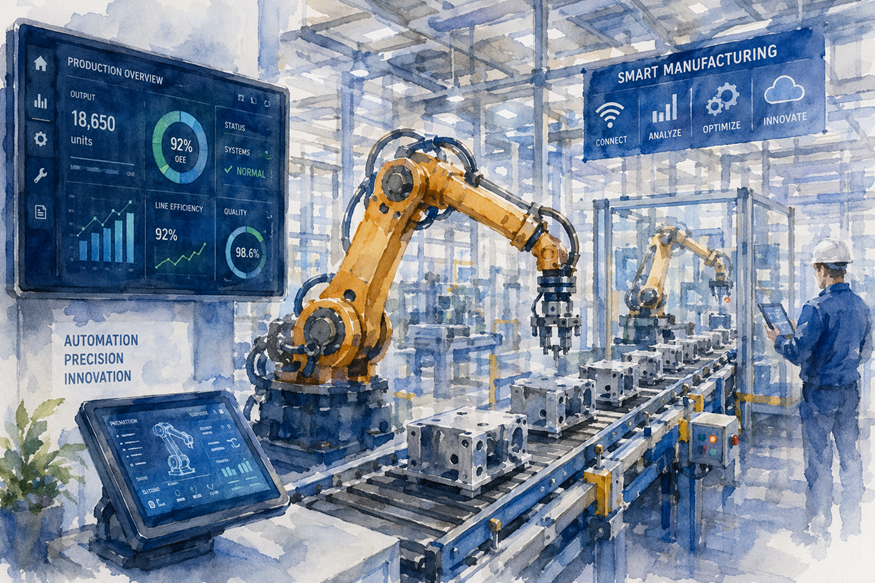
In today's competitive landscape, the adoption of industrial automation significantly enhances operational efficiency for U.S. businesses. This transformation streamlines production processes by reducing human error and minimizing the need for manual labor in repetitive tasks. As a result, companies can focus on improving product quality and ensuring consistent quality control across their manufacturing lines. Additionally, automation solutions allow for better resource management, contributing to energy efficiency and significant cost reduction. By integrating advanced technologies, businesses achieve faster production cycles and empower human workers to take on more strategic roles, boosting overall productivity.
Key Terms in Industrial Automation
Understanding the key terms in industrial automation is essential for navigating this complex landscape. Terms like programmable logic controllers (PLCs) and SCADA systems are foundational to automation solutions. These concepts play a crucial role in managing industrial processes, enhancing operational efficiency, and minimizing human error. Additionally, terms such as real-time data analysis and predictive maintenance highlight the importance of advanced technologies in maintaining production lines. Familiarity with these terms can empower businesses to optimize their automation strategies effectively, ensuring continuous improvement in productivity and quality.
Types of Industrial Automation Systems Used in Industry
Various types of industrial automation systems cater to different industry needs, each offering unique advantages. Fixed or hard automation is ideal for high-volume production, where tasks are repetitive and predictable. Programmable automation solutions, on the other hand, provide flexibility for batch production, allowing for quick reconfiguration between different tasks. Lastly, flexible and integrated automation systems utilize advanced technologies to adapt to changing demands, enhancing operational efficiency while reducing human intervention. Each system contributes significantly to streamlined production processes and improved quality control.
Fixed or Hard Automation Explained
Fixed or hard automation refers to a rigid approach that employs specialized equipment to perform highly repetitive tasks within a production environment. This type of automation is particularly effective for mass production, where consistent quality and high throughput are essential. Utilizing control systems and programmable logic controllers, fixed automation minimizes human intervention and reduces labor costs, making it ideal for assembly lines. While it requires a significant initial investment, the efficiency gained often leads to reduced operational costs and improved productivity over time.
Programmable Automation Solutions
Programmable automation solutions provide a flexible approach to enhancing manufacturing processes. They utilize programmable logic controllers (PLCs) and human-machine interfaces (HMIs) to adapt production lines to different products or batch sizes, minimizing the need for extensive manual labor. This adaptability allows for rapid reconfiguration of machinery, ensuring minimal downtime during transitions. Moreover, by leveraging data analysis and machine learning, businesses can optimize resource allocation and improve quality control, leading to consistent product quality while reducing operational costs and energy consumption, ultimately driving operational efficiency and productivity.
Flexible and Integrated Automation Systems
Flexible and integrated automation systems are designed to adapt rapidly to various production demands. By utilizing advanced technologies like machine learning and internet of things (IoT) devices, these systems enhance operational efficiency and reduce reliance on human intervention for repetitive tasks. Their capability to seamlessly connect with existing machinery and software allows for superior real-time data analysis, ensuring minimal downtime and consistent quality. This adaptability not only streamlines operations but also contributes to significant cost savings, making them an ideal choice for modern industrial landscapes.
Core Services Offered by Industrial Automation Solution Providers
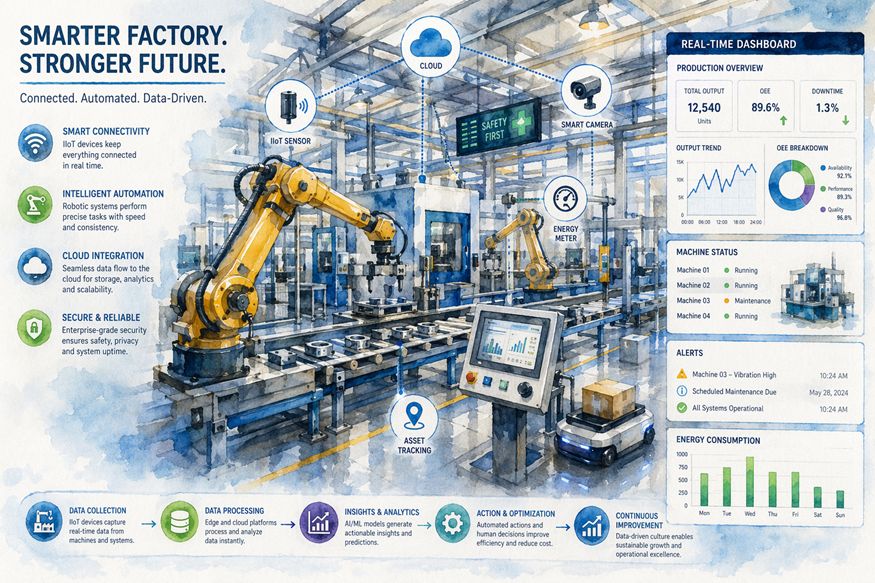
Providers of industrial automation solutions offer a range of essential services tailored to enhance operational efficiency. System integration and custom automation design ensure that unique business needs are met, optimizing workflows with tailored control systems. Comprehensive maintenance, support, and training services mitigate human error and reduce unplanned downtime, while helping staff adapt to advanced technologies. Additionally, data analytics and process optimization enable real-time insights and improved quality control, ultimately driving cost savings and maximizing the potential of both human workers and automation systems.
System Integration and Custom Automation Design
System integration plays a vital role in seamless operations, connecting various automation tools and technologies within a company. Custom automation design further enhances this by tailoring solutions to fit specific business needs, allowing the integration of cutting-edge control systems and smart technologies. By minimizing human intervention and streamlining workflows, companies can improve operational efficiency and reduce human error. This personalized approach supports organizations in achieving consistent quality, ensuring compliance with regulatory standards, and adapting to the ever-evolving industrial landscape.
Maintenance, Support, and Training
Regular maintenance and support are crucial for optimizing industrial automation systems. Without proper upkeep, machinery can face unplanned downtime, leading to costly interruptions in production lines. Providing timely training for staff ensures that your human workers understand how to use automation tools effectively, minimizing human error and boosting operational efficiency. Additionally, continuous support empowers employees to troubleshoot issues quickly and maintain quality control standards. Investing in training and maintenance not only prolongs equipment life but also enhances productivity, enabling businesses to adapt to the evolving industrial landscape.
Data Analytics and Process Optimization
Incorporating data analytics into industrial automation enhances decision-making and streamlines operations. By analyzing real-time data from automation systems, businesses can identify inefficiencies and optimize manufacturing processes. This approach not only reduces operational costs but also minimizes human error through predictive maintenance and automated reporting. Moreover, it facilitates compliance with quality standards, ensuring consistent product quality. Adopting advanced technologies such as machine learning and AI further refines data analysis, leading to improved energy efficiency and resource management, ultimately fostering a smarter industrial landscape.
Top Industries Leveraging Industrial Automation Solutions
Manufacturing at large has seen immense transformation, particularly within sectors like automotive and aerospace. Automation solutions enhance precision, improve safety, and accelerate production timelines, ultimately driving profitability. The food, beverage, and pharmaceutical industries benefit from advanced quality control and consistency, reducing risks associated with manual intervention. Energy, oil & gas, and utilities also leverage industrial automation to optimize resource management, decrease operational costs, and promote energy efficiency. Each sector is increasingly adopting smart technologies to enhance their operations and respond proactively to market demands.
Automotive and Aerospace Manufacturing
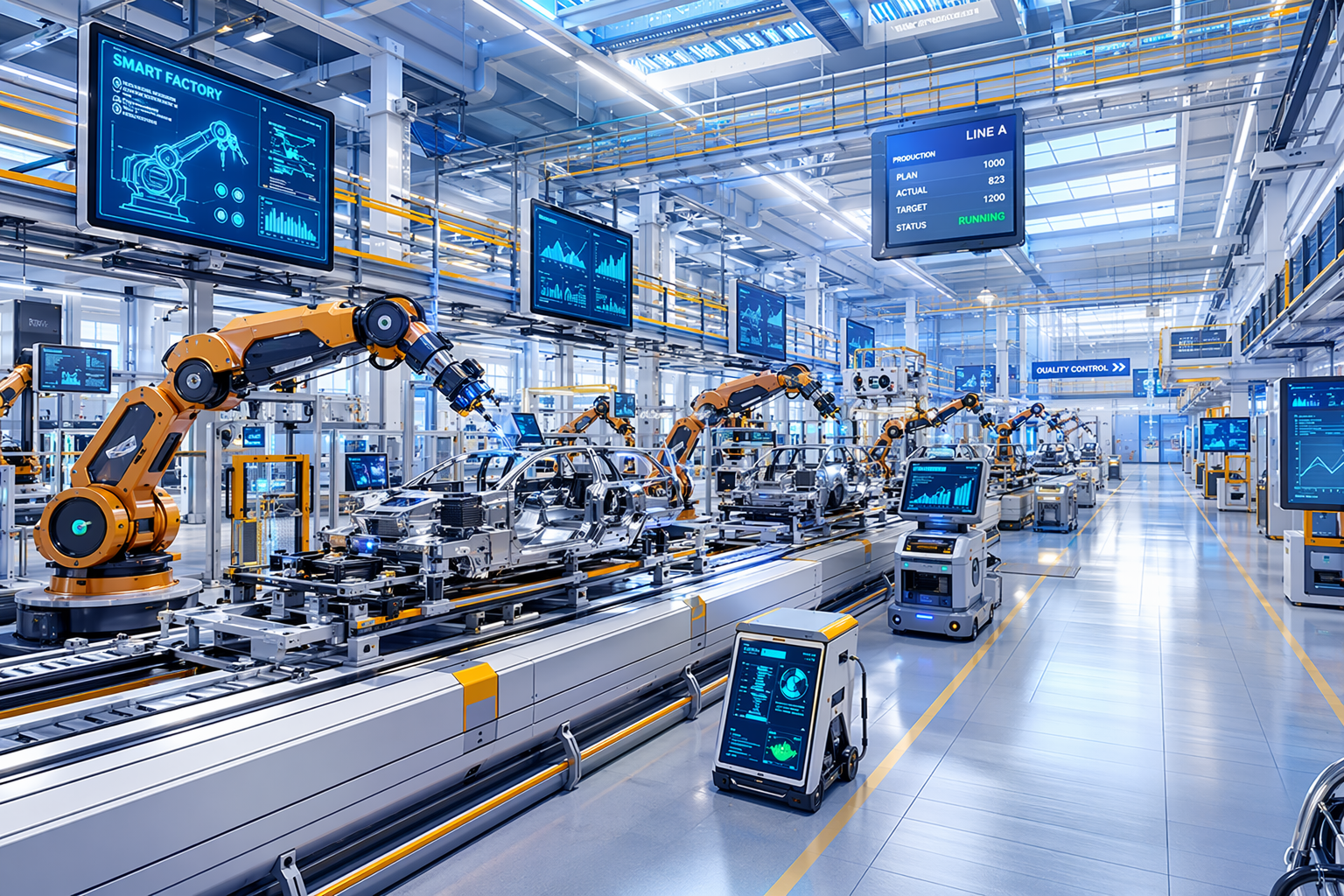
In the automotive and aerospace sectors, industrial automation solutions play a crucial role in optimizing production lines. These systems enhance operational efficiency, ensuring faster production cycles and reducing human error during assembly processes. Integration of advanced technologies, such as machine learning and predictive maintenance, further improves quality control and minimizes unplanned downtime. As manufacturers strive to meet quality standards while managing labor costs, automation facilitates consistent quality in mass production, ultimately driving innovation in the competitive landscape. This evolution paves the way for smarter factories that thrive on automation.
Food, Beverage, and Pharmaceutical Production
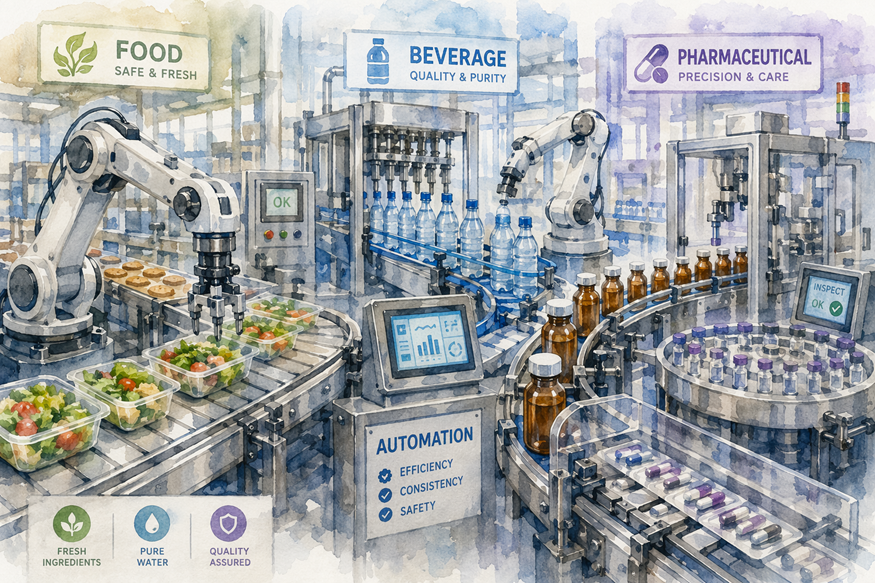
Sectors like food, beverage, and pharmaceuticals have embraced industrial automation solutions to enhance safety and efficiency. Automated systems streamline various production processes, minimizing human intervention in hazardous tasks, thereby reducing human error and ensuring compliance with stringent quality standards. From smart factories with real-time data analysis to the implementation of inspection systems, these technologies guarantee consistent product quality while optimizing labor costs. Furthermore, the integration of automation aids in efficient material handling, ultimately leading to a reduction in energy consumption and operational costs for these critical industries.
Energy, Oil & Gas, and Utilities
In the energy, oil, gas, and utilities sectors, industrial automation solutions play a crucial role in optimizing operations. Automation significantly enhances control systems, allowing for improved monitoring and management of resources, resulting in lower energy consumption and cost savings. By utilizing advanced technologies like machine learning and SCADA systems, companies can reduce human error and ensure compliance with strict regulatory standards. Furthermore, automation tools facilitate real-time data analysis, enhancing decision-making processes and supporting sustainable practices within the industry.
Efficiency and Productivity Benefits for Your Business
Implementing industrial automation solutions can significantly enhance your business's efficiency and productivity. By streamlining production processes, companies can minimize human error and reduce operational costs. Automation systems enable real-time monitoring and control of manufacturing operations, thereby ensuring consistent quality and compliance with quality standards. Moreover, with predictive maintenance and advanced technologies, businesses can achieve minimal downtime while optimizing energy consumption. This results in cost savings and a more sustainable approach to manufacturing, ultimately allowing for faster production cycles and improved supply chain operations.
Streamlining Production Processes
Efficient production processes are crucial for maximizing operational efficiency within any manufacturing setup. Implementing industrial automation solutions helps eliminate unnecessary manual labor, reducing human error and minimizing downtime. Automated systems can seamlessly coordinate tasks across production lines, enabling real-time data analysis and adjustments. This results in faster production cycles, consistent quality standards, and a significant decrease in labor costs. By streamlining operations, businesses not only enhance productivity but also improve their ability to respond to market demands swiftly and effectively.
Improving Product Quality and Consistency
Achieving consistently high product quality hinges on the effective implementation of industrial automation solutions. By minimizing human error through automated control systems, manufacturers can enforce stringent quality standards across production lines. Advanced technologies, such as machine learning and predictive maintenance, enable real-time monitoring and swift adjustments to processes, ensuring that each product meets desired specifications. Moreover, automation tools streamline repetitive tasks, reducing variability and fostering more reliable output. This commitment to quality not only enhances customer satisfaction but also reinforces brand integrity in a fiercely competitive market.
Reducing Costs and Waste
Implementing industrial automation solutions plays a critical role in minimizing costs and waste across various production processes. By employing advanced technologies such as machine learning and predictive maintenance, businesses can effectively identify and address inefficiencies, leading to significant cost reductions. Automation tools streamline operations, reduce reliance on manual labor, and enhance operational efficiency, which directly contributes to lower waste levels. Furthermore, automated systems precisely control energy consumption and material handling, ensuring consistency and reducing environmental impact. This holistic approach not only supports sustainable practices but also drives profitability through improved resource utilization.
Factors to Consider When Choosing an Industrial Automation Partner
Selecting the right partner for industrial automation involves several crucial factors. Industry experience and technical expertise are vital, ensuring your automation solutions are in capable hands. Additionally, the ability to customize options and scalability should be evaluated, as this allows for future expansion and adaptability. Finally, assessing the return on investment and long-term value is essential to determine how these systems can benefit operational efficiency and productivity over time. A thoughtful approach will ensure a successful partnership, driving advancements in your business operations.
Industry Experience and Technical Expertise
Selecting an industrial automation partner with substantial experience can make a significant difference in the success of your projects. Technical expertise is essential for understanding complex control systems, as well as for troubleshooting and optimizing automation solutions. A partner with a solid background can minimize the risk of human error and ensure that systems are integrated smoothly, leading to operational efficiency. Moreover, their familiarity with advanced technologies and industry standards provides additional assurance that your automation needs will be met effectively and on time.
Customization Options and Scalability
Diverse businesses benefit immensely from tailored industrial automation solutions that accommodate their unique operations. Customization options enable organizations to create control systems designed specifically for their production processes, addressing everything from workflow efficiency to quality control. Scalability ensures that as a business grows, its automation systems can evolve accordingly. This adaptability allows integration with advanced technologies like machine learning and the Internet of Things, facilitating real-time data analysis and operational efficiency without incurring significant downtime or disrupting existing workflows.
Evaluating ROI and Long-Term Value
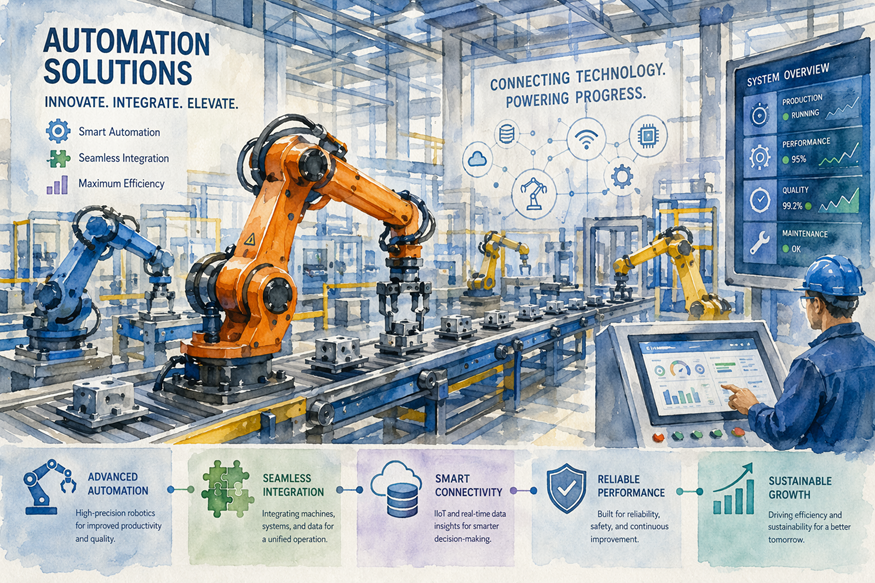
Assessing the return on investment (ROI) in industrial automation solutions involves a careful consideration of both immediate and prolonged benefits. Significant savings in operational costs, reduced labor needs, and improved production efficiency contribute to a compelling value proposition. Additionally, consistent product quality through advanced quality control systems minimizes waste and maximizes profitability, ensuring long-term gains. Analyzing cost reduction alongside potential future benefits, such as enhanced scalability and flexibility, empowers businesses to make informed decisions that align with evolving industry demands and operational goals.
Conclusion
In closing, embracing industrial automation solutions can drastically enhance operational efficiency for businesses across various sectors. By reducing human error and optimizing production processes, these systems enable a seamless transition to smart factories. As the industrial landscape evolves, investing in advanced automation tools not only meets current quality standards but also paves the way for future innovations. The key advantages include minimization of downtime and cost reductions, setting the stage for sustained growth and competitiveness in an increasingly automated world.
Frequently Asked Questions
What challenges do companies face during automation implementation?
Companies often face challenges such as resistance to change from employees, inadequate training, integration issues with existing systems, and high upfront costs during automation implementation. Additionally, a lack of clear objectives can hinder successful adoption and leverage of automation technologies.
Who are leading industrial automation companies in the United States?
Some leading industrial automation companies in the United States include Rockwell Automation, Siemens USA, and Schneider Electric. These companies specialize in providing advanced automation solutions, enhancing efficiency and productivity for various industries through innovative technologies and services.
Can you give an example of a successful industrial automation project?
One notable example is the automotive industry’s use of robotics for assembly lines, significantly enhancing production speed and precision. Companies like Tesla have successfully implemented these systems, leading to reduced labor costs and increased output, showcasing the transformative power of industrial automation.
You might also like