Streamline Operations with Effective SCADA Strategies
Streamline Operations with Effective SCADA Strategies

Key Highlights
Here are the key takeaways from our discussion on SCADA strategies:
- A SCADA system offers centralized monitoring and process control for industrial automation.
- It collects real-time data from field devices to improve operational efficiency.
- Key components include hardware like PLCs and RTUs, software, and communication networks.
- SCADA is vital across industries such as utilities, manufacturing, and transportation.
- Implementing robust SCADA strategies enhances data accuracy, safety, and decision-making.
- Effective cybersecurity measures are crucial to protect these critical systems.
Introduction
Have you ever wondered how large industrial facilities manage complex operations seamlessly? The answer often lies in a powerful technology called SCADA, which stands for Supervisory Control and Data Acquisition. This system is the backbone of modern industrial management, providing the tools to monitor, control, and optimize processes from a central location. An effective SCADA system is crucial for maintaining efficiency, safety, and reliability across a wide range of industries, from energy production to water treatment.
Understanding SCADA Systems in Modern Operations
A SCADA system acts as the central nervous system for industrial processes, offering a high-level view of operations. It is a powerful control system that gathers real-time data from equipment spread across large geographical areas, helping you boost operational efficiency.
By providing this comprehensive oversight, SCADA empowers operators to make informed decisions quickly. To better grasp its impact, let's explore what SCADA is, how it functions within industrial automation, and how it has evolved over the years.
What is SCADA?
SCADA, an acronym for Supervisory Control and Data Acquisition, is a type of industrial automation control system. At its core, it is designed to monitor and manage industrial processes that can be spread out over vast distances. Think of it as a centralized command center for your operations.
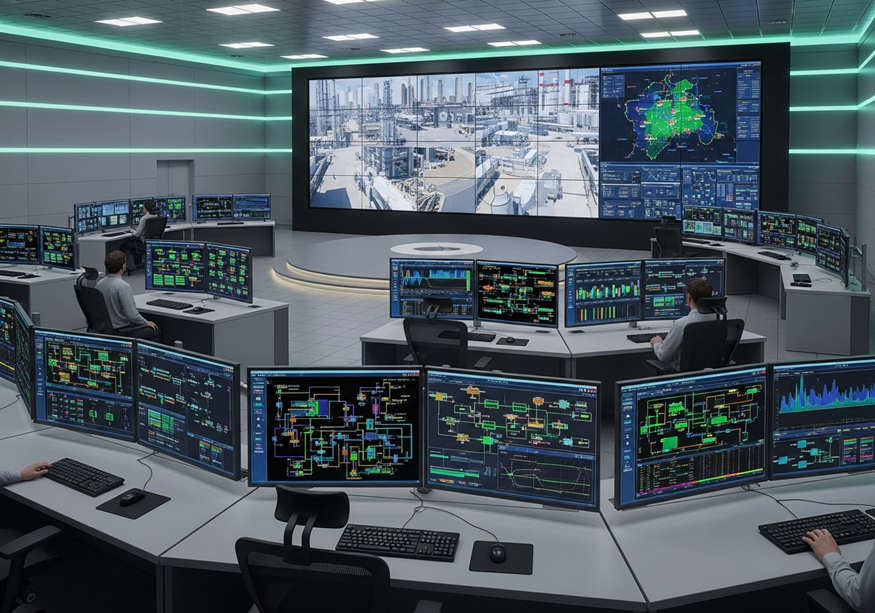
This powerful system combines hardware and software to give you a comprehensive view of your entire operation. The SCADA system collects data from various sensors and field devices, processes it, and displays it on a user-friendly interface. This allows operators to observe everything in real time.
Ultimately, the goal of a SCADA system is to provide the supervisory control needed to maintain efficiency and safety. It’s not just about watching what’s happening; it’s about having the ability to interact with and control those processes to ensure everything runs smoothly.
How SCADA Works in Industrial Automation
In the world of industrial automation, a SCADA system works by linking numerous components to oversee a process. The SCADA software is central to this, providing the tools for data acquisition and control from a single interface. It ensures you have real-time information to automate and manage your operations.
The process begins with data acquisition, where information is collected from field devices. This data is then sent through communication networks to the central system for processing and analysis. Authorized operators can then monitor the system and initiate control actions based on the incoming data.
This workflow allows for precise process control:
- Data Acquisition: Collects data from sensors, RTUs, and PLCs in the field.
- Communication: Transmits data from remote devices to the central control system.
- Control: Enables operators to issue commands to adjust processes and maintain optimal performance.
Brief History and Evolution of SCADA
The concept of the industrial control system we know as SCADA emerged in the 1960s. Early systems were quite basic, relying on centralized mainframes to handle data acquisition and control. As technology advanced, these systems began incorporating programmable logic controllers (PLCs) and remote terminal units (RTUs), which allowed for more distributed control.
The 1980s and 1990s marked a significant step in the system evolution, with the rise of networked and web-based SCADA systems. This shift in SCADA architecture provided greater flexibility and accessibility than ever before. Today, these systems have continued to evolve, integrating modern technologies like cloud computing and advanced analytics to process historical data and predict future trends.
| Era | Key Characteristics |
|---|---|
| 1960s (Monolithic) | Centralized mainframe computers, proprietary systems, no network connectivity. |
| 1980s-1990s (Distributed & Networked) | Use of LANs and WANs, standardized protocols, improved scalability. |
| Present (IoT SCADA) | Leverages cloud computing, offers remote access, and enables predictive maintenance. |
Key Components of SCADA Architecture
A functional SCADA architecture is built from several core system components working in harmony. These pieces include both hardware, like sensors, RTUs, and PLCs, and sophisticated software components. Together, they form a comprehensive control system that gathers and processes data efficiently.
The seamless interaction between these elements is what makes a SCADA system so powerful. Below, we'll look at the specific hardware elements, the types of software solutions available, and the communication networks that tie everything together.
Hardware Elements: RTUs, PLCs, and Sensors
The hardware of a SCADA system forms its physical foundation, collecting data directly from your industrial environment. These field devices are the eyes and ears of your operation, measuring variables like temperature, pressure, and flow. Key hardware elements include sensors, Remote Terminal Units (RTUs), and Programmable Logic Controllers (PLCs).
Sensors and actuators are responsible for measuring process variables and executing physical adjustments. The data they gather is then collected by either RTUs or PLCs. RTUs are designed to operate independently at remote locations, transmitting data back to the central system. PLCs perform a similar function but are often used in more localized, automated environments to control machinery based on predefined logic.
Here’s a quick breakdown:
- Sensors: Measure physical conditions and convert them into electrical signals.
- RTUs: Collect data from sensors at remote sites and transmit it to the central system.
- PLCs (Programmable Logic Controllers): Control local machinery and processes based on a set of programmed instructions.
SCADA Software Solutions Available Today
Modern SCADA software solutions are what bring the raw data collected by hardware to life. These software components are responsible for processing, displaying, and archiving information, allowing operators to interact with the system effectively. The Human-Machine Interface (HMI) is a critical part of this, providing a graphical user interface to visualize processes.
Behind the scenes, other powerful software elements are at work. Data acquisition software collects and processes information, while a data historian archives historical data for trend analysis and compliance reporting. Many systems use SQL databases for structured data storage and easy retrieval, which is essential for long-term analysis.
Typical SCADA software components include:
- HMI Software: Creates intuitive graphical displays for monitoring and control.
- Data Historian: Logs and stores process data over time for analysis and reporting.
- SQL Databases: Manage and organize the vast amounts of data collected by the system.
Communication Networks and System Integration
Communication networks are the vital links that connect all parts of a SCADA system. This infrastructure is responsible for transmitting data between field devices like RTUs and PLCs and the central control system. These networks can range from wired connections like Ethernet to wireless technologies, depending on the geographical spread of your operations.
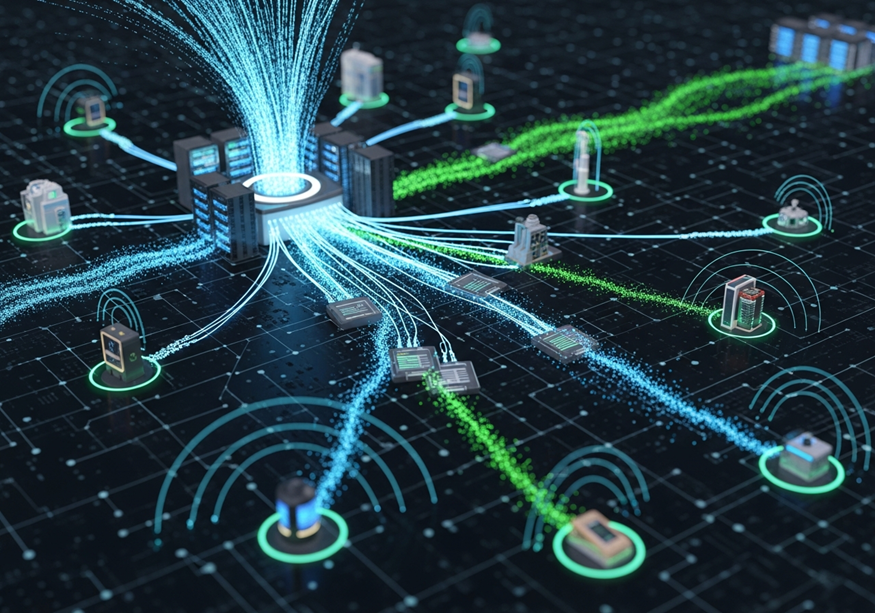
Effective system integration relies on standardized communication protocols such as Modbus, DNP3, and TCP/IP. These protocols ensure that different components, even from various manufacturers, can communicate seamlessly. This interoperability is key to building a flexible and scalable system that can grow with your business needs.
For security and efficiency, many organizations use network segmentation to isolate the SCADA network from corporate and external networks. This practice, combined with secure remote access protocols, helps protect the system while allowing authorized personnel to monitor and control processes from anywhere.
SCADA Functions and Capabilities
SCADA systems offer a wide range of functions designed to enhance process control and boost operational efficiency. By providing real-time access to process data, these systems empower you to make smarter, faster decisions. This capability is about more than just watching what happens; it's about actively managing it.
From continuous monitoring to remote decision-making and automated alerts, SCADA provides a comprehensive toolkit for industrial management. Let's examine these core functions, including how SCADA handles data collection, remote control, and event management.
Process Monitoring and Real-Time Data Collection
One of the primary functions of a SCADA system is process monitoring through real-time data collection. This involves continuously gathering process data from sensors and other field devices deployed throughout your facility or across remote sites. This constant stream of information provides an up-to-the-minute view of your operations.
This continuous monitoring allows operators to track system performance against predefined operating conditions and identify any deviations or anomalies as they occur. By having access to live data, you can ensure that every part of your process is running as expected, which is fundamental for maintaining operational efficiency and safety.
Key aspects of this function include:
- Real-time Data Collection: Gathers live information from all connected devices.
- Continuous Monitoring: Tracks process variables against set thresholds.
- Performance Visualization: Displays data through HMIs for easy interpretation and quick decision-making.
Remote Control and Decision-Making
Beyond just monitoring, SCADA systems provide powerful remote control capabilities. This function gives authorized operators the ability to interact with and manage industrial processes from a central control room or even off-site locations via secure remote access. You are no longer tied to being physically present to make critical adjustments.
Through the HMI, an operator can issue control commands to field devices in response to real-time data. These control actions can range from adjusting a valve or changing a setpoint to starting or stopping a piece of equipment. This ability to intervene immediately is crucial for optimizing processes and responding to changing conditions.
This remote control empowers your team to make informed decisions and take swift action, regardless of their location. This not only improves response times but also enhances overall process management, ensuring that operations remain efficient and safe around the clock.
Alerts, Alarms, and Event Management
Effective event management is a cornerstone of any reliable SCADA system. These systems are programmed to continuously track operational data against predefined thresholds. When a parameter deviates from its normal range, the system automatically generates alerts and alarms to notify operators of a potential issue.
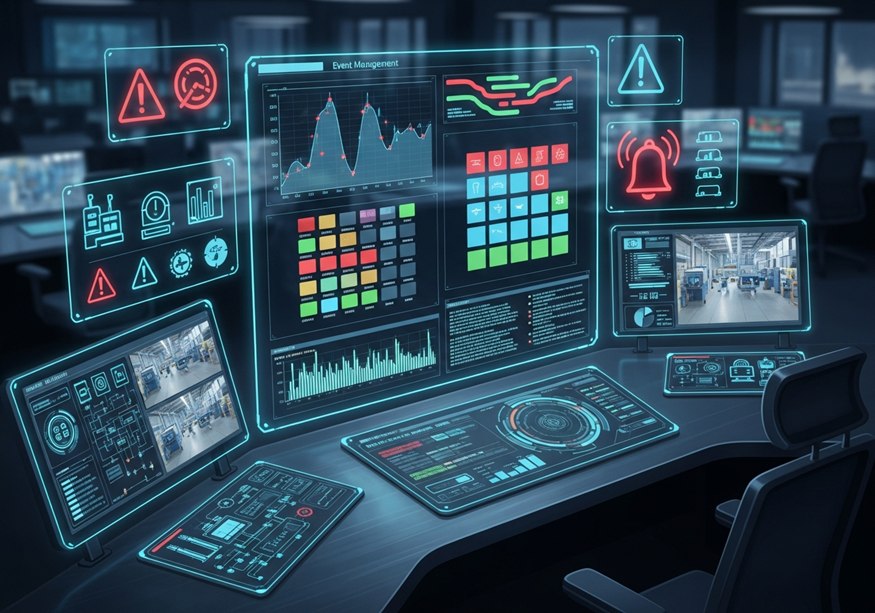
This function is critical for protecting your critical infrastructure. Alarms can be prioritized based on severity, allowing operators to address the most urgent problems first. This could be anything from a minor operational hiccup to a major safety hazard or an attempt at unauthorized access. The goal is to draw immediate attention to potential problems before they escalate.
Key features of SCADA's event management include:
- Automated Alerts: Notifies operators when process variables exceed set limits.
- Alarm Prioritization: Helps teams focus on the most critical events first.
- Event Logging: Records all system activities and alarms for troubleshooting, analysis, and compliance reporting.
SCADA Across Industries
SCADA systems are incredibly versatile, making them essential for a wide range of industrial operations. From managing production processes in a factory to overseeing critical infrastructure like power plants, their applications are vast. They are particularly valuable in industries where processes are distributed over large areas.
Many sectors rely on SCADA for efficient and safe management, including utilities like water treatment and wastewater collection systems, as well as manufacturing and transportation. Let's look at how SCADA is specifically applied in these key areas.
Utilities: Water, Power, and Wastewater Management
In the utilities sector, SCADA is indispensable for managing essential services that communities rely on every day. For power generation and distribution, these systems oversee the grid, detect faults, and control substations remotely. This ensures a stable and reliable supply of electricity.
For water treatment plants and wastewater collection systems, SCADA monitors water levels, chemical dosing, and pump station activity. This helps maintain water quality and ensures that treatment processes are running efficiently. The ability to manage these systems remotely is crucial for critical infrastructure protection.
SCADA applications in utilities include:
- Power Generation: Managing grid operations and controlling power distribution units.
- Water Treatment: Tracking water levels, operating filtration systems, and monitoring chemical processes.
- Wastewater Management: Controlling pump stations and overseeing treatment processes.
Manufacturing and Industrial Automation
In manufacturing, SCADA is a key driver of industrial automation. It provides a centralized view of all production processes on the plant floor, from individual machines to entire assembly lines. This oversight helps manufacturers optimize output, ensure quality, and minimize downtime.
Operators can use SCADA to monitor the performance of industrial equipment, track production metrics, and manage energy consumption. By automating repetitive tasks and providing real-time data, these systems reduce the need for manual intervention and limit the potential for human error. This leads to more efficient and reliable production cycles.
Common uses in manufacturing include:
- Process Control: Overseeing production lines and controlling robotic arms or conveyor belts.
- Performance Monitoring: Tracking metrics like machine uptime and output.
- Quality Control: Ensuring products meet specific standards by monitoring process variables.
Critical Infrastructure and Transportation
Beyond utilities and manufacturing, SCADA plays a vital role in managing other forms of critical infrastructure, particularly in the transportation sector. These systems are perfect for overseeing operations that span long distances and involve numerous remote sites, which is common in transportation networks.

For example, SCADA is used to manage railway systems, control traffic light networks, and monitor public transit operations. From a central location, operators can track train movements, adjust signal timing to manage traffic flow, and respond to incidents quickly. This centralized control ensures safety and efficiency across the entire network.
The ability of SCADA to monitor and control equipment in remote locations makes it an ideal solution for managing the complex and geographically dispersed assets found in modern transportation systems. This helps keep people and goods moving safely and on schedule.
Securing Your SCADA System
As SCADA systems become more connected, SCADA security has become a top priority. Protecting these systems is essential for critical infrastructure protection, as a breach could lead to operational disruption or even safety hazards. A strong cybersecurity strategy involves multiple layers of defense, including access control and network segmentation.
The goal is to create a secure environment that protects against both internal and external threats. To do this effectively, you first need to understand the risks. Let's explore the common cybersecurity threats SCADA systems face and the best practices for mitigating them.
Common Cybersecurity Threats and Vulnerabilities
SCADA systems are attractive targets for cybercriminals due to their control over critical industrial processes. Understanding the common cybersecurity threats is the first step toward improving your SCADA security. These threats can range from targeted attacks to simple human error.
One of the biggest vulnerabilities is unauthorized access, where an attacker gains entry to the system to manipulate processes or steal data. This can be achieved through various methods, including malware, phishing attacks, or exploiting weak access control policies. Man-in-the-middle attacks, where an attacker intercepts communication between system components, are also a significant risk.
Common threats to SCADA systems include:
- Malware: Viruses, worms, or ransomware designed to disrupt operations or steal information.
- Phishing: Tricking personnel into revealing credentials that grant system access.
- Denial-of-Service (DoS) Attacks: Overwhelming the system with traffic to make it unavailable for legitimate use.
Best Practices for SCADA Protection and Risk Mitigation
To protect your SCADA system from threats, you need a multi-layered approach to risk mitigation. Implementing security best practices is crucial for safeguarding your operations. One of the most effective strategies is network segmentation, which involves isolating your SCADA network from your corporate network and the internet.
Another key practice is enforcing strong access controls to ensure only authorized personnel can interact with the system. This should be combined with regular software updates and security patches to protect against known vulnerabilities. Employee training is also vital, as your team is the first line of defense against threats like phishing.
Here are some essential best practices for SCADA security:
- Network Segmentation: Isolate critical systems to limit the potential impact of a breach.
- Regular Updates: Keep all software and hardware patched and up to date.
- Employee Training: Educate staff on cybersecurity best practices and how to spot threats.
- Backup and Recovery: Develop and test plans to restore systems after an attack.
Advantages of Implementing Effective SCADA Strategies
Implementing an effective SCADA strategy offers numerous advantages that can transform your industrial operations. By leveraging real-time data and advanced analytics, you can significantly boost operational efficiency and improve overall system performance. This translates into tangible benefits like reduced maintenance costs and fewer unplanned downtimes.
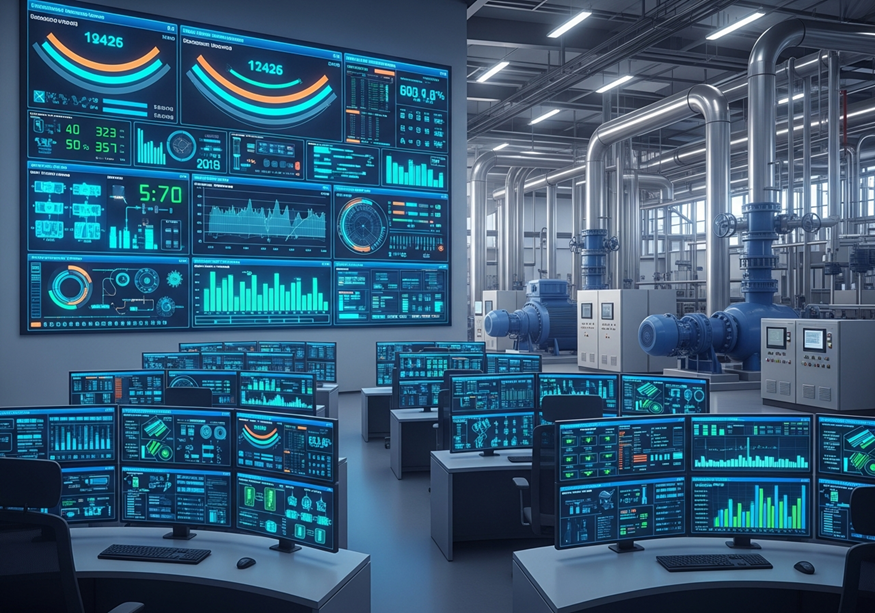
The ability to perform predictive maintenance is one of the most powerful outcomes. By analyzing data trends, you can identify potential equipment failures before they happen. Let's dive into some specific benefits, including how SCADA boosts efficiency, enhances data accuracy, and supports regulatory needs.
Boosting Operational Efficiency
A primary advantage of a well-implemented SCADA system is a significant boost in operational efficiency. By automating routine tasks and centralizing process control, SCADA reduces the need for manual intervention. This streamlines workflows, quickens response times, and minimizes the chance of human error.
This enhanced control allows you to fine-tune your processes for optimal system performance. For instance, you can monitor and manage energy consumption more effectively, leading to cost savings and improved sustainability. With operators freed from mundane tasks, they can focus on more strategic aspects of process management.
SCADA drives efficiency by:
- Automating Repetitive Tasks: Reduces manual labor and ensures consistent execution.
- Optimizing Resource Use: Helps manage energy consumption and material usage.
- Improving Response Times: Enables quick adjustments to changing operational conditions.
Enhanced Data Accuracy and Insight
SCADA systems are powerful tools for improving data accuracy and gaining deeper operational insights. By automatically collecting process data from sensors and machines, they eliminate the inconsistencies and errors often associated with manual data logging. This ensures that the information you rely on for decision-making is both timely and trustworthy.
Furthermore, SCADA systems provide a wealth of historical data that can be used for advanced analytics. By analyzing past performance trends, you can identify patterns, predict future outcomes, and uncover opportunities for process improvement. This data-driven approach allows you to move beyond reactive problem-solving to proactive optimization.
Having accurate real-time and historical data at your fingertips empowers your team to make more informed decisions. This leads to better process control, enhanced efficiency, and a stronger competitive edge in your industry.
Supporting Compliance and Regulatory Needs
Meeting compliance and regulatory needs is a major challenge in many industrial operations. SCADA systems can greatly simplify this task by providing accurate data logging and reporting capabilities. They automatically track and record critical process data, creating a detailed audit trail that can be used to demonstrate adherence to regulations.
Whether you need to comply with environmental standards, safety regulations, or specific quality standards, a SCADA system can help. It captures and documents all relevant information, making it easier to prepare for audits and generate the necessary compliance reports. This reduces the administrative burden on your team and minimizes the risk of non-compliance.
By ensuring that all operational data is accurately logged and easily accessible, SCADA helps your organization maintain its legal and safety obligations. This not only protects your business but also builds trust with regulators and customers alike.
SCADA versus Other Automation Systems
It's common to hear SCADA mentioned alongside other automation technologies like Distributed Control Systems (DCS) and Programmable Logic Controllers (PLCs). While these different systems often work together, they serve distinct purposes. A SCADA system is primarily for high-level supervision, while PLCs execute low-level control logic.
Understanding the differences between these system components is key to designing the right automation strategy for your needs. Let's compare SCADA with DCS and PLCs and explore some common integration scenarios.
Comparing SCADA with DCS and PLCs
When making a comparison between automation systems, it is important to understand their core functions. A SCADA system is designed for high-level monitoring and control over large, geographically dispersed areas. In contrast, PLCs are hardware-based controllers that execute specific, real-time control logic for individual machines or processes.
A Distributed Control System (DCS) falls somewhere in between. A DCS is typically used to manage processes within a single, localized facility, like a chemical plant. It offers more integrated control than a collection of standalone PLCs but is less focused on long-distance remote monitoring than a SCADA system.
Here's a simple comparison:
- SCADA: Focuses on supervisory control and data acquisition over wide areas.
- DCS: Manages complex, localized processes with a high degree of integration.
- PLCs: Execute fast, real-time control logic for specific tasks at the machine level.
Integration Scenarios and Use Cases
In modern industrial settings, SCADA, DCS, and PLCs are rarely used in isolation. More often, they are integrated to create a complete automation ecosystem. A common system integration scenario involves using PLCs for real-time machine control on the plant floor, while a SCADA system provides centralized remote monitoring and data visualization.
In this setup, the SCADA system collects data from multiple PLCs, giving operators a high-level view of the entire operation. This allows them to make informed decisions and send high-level commands back down to the PLCs. This combination leverages the strengths of both technologies for comprehensive control.
Common use cases for this integration include:
- Manufacturing: A SCADA system oversees an entire production facility, while PLCs control individual conveyor belts and robotic arms.
- Utilities: A SCADA system monitors a water distribution network, with PLCs controlling pumps and valves at remote stations.
- Cloud Integration: Modern SCADA solutions leverage cloud computing to aggregate data from distributed PLCs for advanced analytics.
Conclusion
In summary, effective SCADA strategies are indispensable for optimizing operations across various industries. By understanding the key components and functions of SCADA systems, organizations can take advantage of real-time data collection, enhance decision-making capabilities, and significantly boost operational efficiency. Furthermore, prioritizing cybersecurity measures ensures that these systems remain secure from evolving threats. As industries continue to modernize, embracing SCADA technology will not only improve productivity but also support compliance and regulatory requirements. If you're looking to streamline your operations and elevate your business’s performance, consider implementing effective SCADA strategies today.
Frequently Asked Questions
How does a SCADA system help monitor and control processes remotely?
A SCADA system enables remote process control by providing real-time data from field devices through a central interface. It allows for continuous monitoring and gives authorized operators secure remote access to issue control commands, adjust settings, and respond to alarms from anywhere, ensuring efficient and timely management of operations.
What industries benefit most from using SCADA systems?
Industries that manage large-scale, distributed processes benefit most from SCADA. This includes utilities like water treatment and power plants, oil and gas, manufacturing for industrial automation, and transportation. Any sector that relies on monitoring critical infrastructure over wide areas finds immense value in SCADA systems for efficiency and safety.
How can SCADA systems be protected from cyber attacks?
Protecting SCADA systems involves a layered security approach. Key best practices include implementing network segmentation to isolate critical systems, enforcing strict access control to prevent unauthorized access, keeping software updated with security patches, and providing regular cybersecurity training for all personnel. These measures are crucial for robust SCADA security.
You might also like