Unlocking SCADA Systems: Enhancing Efficiency in Industry
Unlocking SCADA Systems: Enhancing Efficiency in Industry

Key Highlights
- SCADA systems are essential for boosting industrial efficiency by providing real-time control and visibility over complex operations.
- They transform operations through advanced data acquisition, allowing for smarter, data-driven decision-making.
- Real-time monitoring and visualization lead to significant productivity gains and greater operational flexibility.
- By enabling predictive maintenance, SCADA helps reduce unexpected equipment downtime and lowers repair costs.
- These systems seamlessly integrate with automation and IoT devices to create smarter, more connected industrial environments.
Introduction
Welcome to the world of industrial innovation, where SCADA systems are quietly revolutionizing how things get done. From factory floors to power grids, these powerful systems are the unseen force driving modern efficiency. This blog will explore how Supervisory Control and Data Acquisition (SCADA) technology transforms industrial processes. You'll discover how these systems work, their key components, and the incredible benefits they bring to industries by making operations smarter, faster, and more reliable through superior data acquisition.
Defining SCADA Systems and Their Role in Industry
A SCADA system is a powerful combination of software and hardware elements that allows organizations to control industrial processes locally or at remote locations. Think of it as the central nervous system for industrial operations, providing supervisory control over everything from manufacturing lines to water treatment plants.
Its crucial role in modern industrial automation cannot be overstated. By gathering and processing real-time data, these control systems give operators the ability to monitor and manage equipment, ensuring that all industrial processes run smoothly and efficiently. This visibility is key to optimizing performance and preventing issues.
What SCADA Stands For and How It Works
So, what is SCADA? The term SCADA is an acronym for Supervisory Control and Data Acquisition. At its heart, a SCADA system is designed to gather data from your industrial equipment and provide you with the tools to manage it from a distance. It’s all about giving you a high-level view and control over your operations.
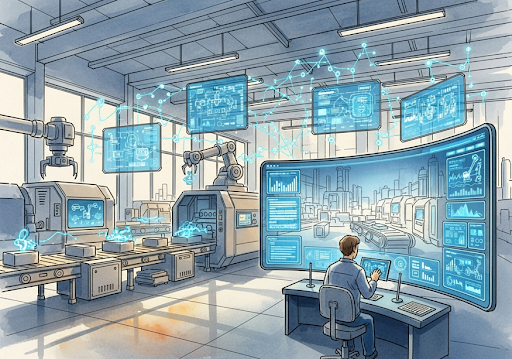
The process begins with data acquisition, where sensors and field devices like pumps, motors, and valves collect information. This data is then transmitted to a central location, where the SCADA software processes and displays it in an easy-to-understand format for operators. This allows for both monitoring and remote control of the equipment.
This setup empowers you to make informed decisions quickly. For example, if a sensor detects a pressure drop in a pipeline, the system alerts an operator who can then use the control systems to close valves remotely, preventing a potential leak. It’s this combination of supervision and action that makes a SCADA system so effective.
Evolution of SCADA Technologies Over Time
The journey of SCADA technology is a story of continuous innovation. Originating in the 1960s, the earliest systems were simple, standalone setups for remote monitoring. They were monolithic and lacked the network connectivity we see today, but they laid the groundwork for modern industrial control.
As technological advancements accelerated, so did SCADA. The introduction of Programmable Logic Controllers (PLCs) and local area networks (LANs) marked a significant shift, creating distributed systems that offered more flexibility and centralized control. This was a major step in the digital transformation of industry.
Today, new technologies like the Internet of Things (IoT) and cloud computing are pushing the boundaries of SCADA even further. Modern software development has enabled networked systems that offer remote access, enhanced data sharing, and incredible scalability, making SCADA an essential tool for any industry looking to stay competitive.
Core Components of a SCADA System
Every SCADA system is built from several core components that work together to provide seamless monitoring and control. These components can be broadly divided into hardware elements and the software system that brings all the data to life.
The hardware includes the physical devices out in the field, like various sensors that measure temperature or pressure, and the controllers that execute commands. The software, on the other hand, is the brain of the operation, giving you the interface to see what's happening and take action. Let's look at these parts more closely.
Hardware Elements: PLCs, RTUs, and Sensors
The frontline devices in any SCADA setup are Programmable Logic Controllers (PLCs) and Remote Terminal Units (RTUs). These rugged controllers are the workhorses of data collection, gathering real-time information directly from sensors and other field devices on the factory floor or in remote locations.
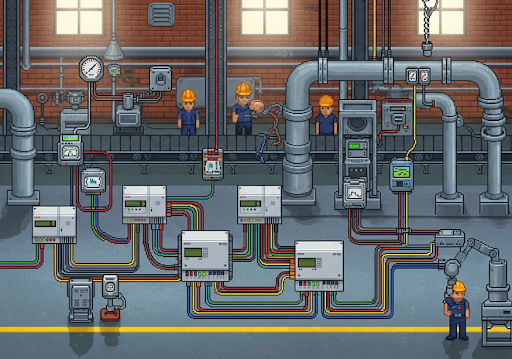
PLCs are typically found in factory settings due to their fast response times and robust design, making them ideal for controlling machinery. RTUs, as their name suggests, are often used in geographically dispersed operations like pipelines or power grids, where they collect data from remote sites.
Together, these devices and the sensors they connect to—measuring everything from flow levels to temperature—form the physical link between your industrial assets and your control system. They ensure that accurate, live data is constantly flowing to the central SCADA system for analysis and action.
Software Platforms and Human-Machine Interfaces (HMI)
While hardware gathers the data, it's the software platforms that make it useful. The SCADA software is the heart of the system, responsible for storing historical data, managing alarms, and coordinating the entire operation. It turns raw information into a clear picture of what's happening across your processes.
A critical part of this is the Human-Machine Interface (HMI). The HMI is the screen or dashboard that operators use to interact with the SCADA system. It provides an intuitive, visual interface where staff can view live data, acknowledge alerts, and manually control equipment if necessary.
Through effective SCADA software and a well-designed HMI, your team has everything it needs for powerful data analysis and control. This combination allows for a streamlined workflow, ensuring operators can monitor processes and respond to issues with confidence and precision, which directly improves industrial effectiveness.
How SCADA Enhances Industrial Efficiency
Implementing a SCADA system has a direct and powerful impact on industrial efficiency. By centralizing data and providing real-time oversight, these systems empower companies to optimize every aspect of their operations, from resource management to process control.
The true strength of SCADA lies in its ability to turn raw data into actionable insights. This continuous flow of information allows for smarter decision-making, which is fundamental to improving operational efficiency and staying competitive. The following sections will explore exactly how SCADA achieves this, starting with how it transforms data collection.
Streamlining Data Collection and Analysis
One of the biggest advantages of SCADA is how it automates and streamlines data collection. Instead of relying on manual checks, SCADA systems perform continuous data acquisition from every connected sensor and machine. This ensures you have a constant, accurate stream of information from your entire operation.
This ability to handle vast amounts of data provides a solid foundation for detailed data analysis. By logging everything from machine performance to production outputs, SCADA gives you the historical context needed to identify trends, spot inefficiencies, and make better-informed decisions. It transforms guesswork into strategy.
Ultimately, this streamlined process turns information into actionable insights that drive efficiency. Key benefits include:
- Identifying performance trends to optimize production schedules.
- Pinpointing inefficiencies and sources of waste.
- Predicting future outcomes based on historical data patterns.
Improving Response Time to Operational Issues
In any industrial setting, speed matters. SCADA systems dramatically improve response times to operational issues by providing instant alerts when conditions deviate from the norm. Whether it's a sudden pressure drop or a temperature spike, operators are notified immediately, allowing them to act before a small problem becomes a major one.
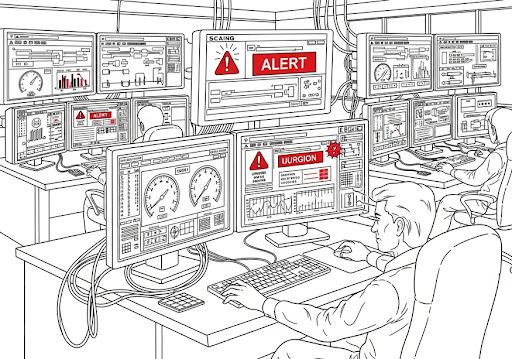
This capability is especially vital in critical situations where a delay could lead to equipment damage, production halts, or safety hazards. With SCADA, your team can take immediate corrective actions, often remotely, to stabilize the system and minimize disruption.
By enabling quick interventions, SCADA helps maintain operational efficiency and supports robust quality control measures. Faster responses mean less downtime, reduced waste, and a more stable production environment, all of which contribute to a more resilient and profitable operation.
Key Features That Drive Productivity Gains
SCADA systems are packed with features designed specifically to boost productivity. From providing a live look into your processes to automating critical notifications, these systems give your team the tools they need to work smarter, not harder.
The ability to see data in real time and maintain operational flexibility are just two examples of how SCADA's feature set directly impacts output. These control systems are engineered for efficiency. Let's examine some of these key features that make such a significant difference on the factory floor.
Real-Time Monitoring and Visualization
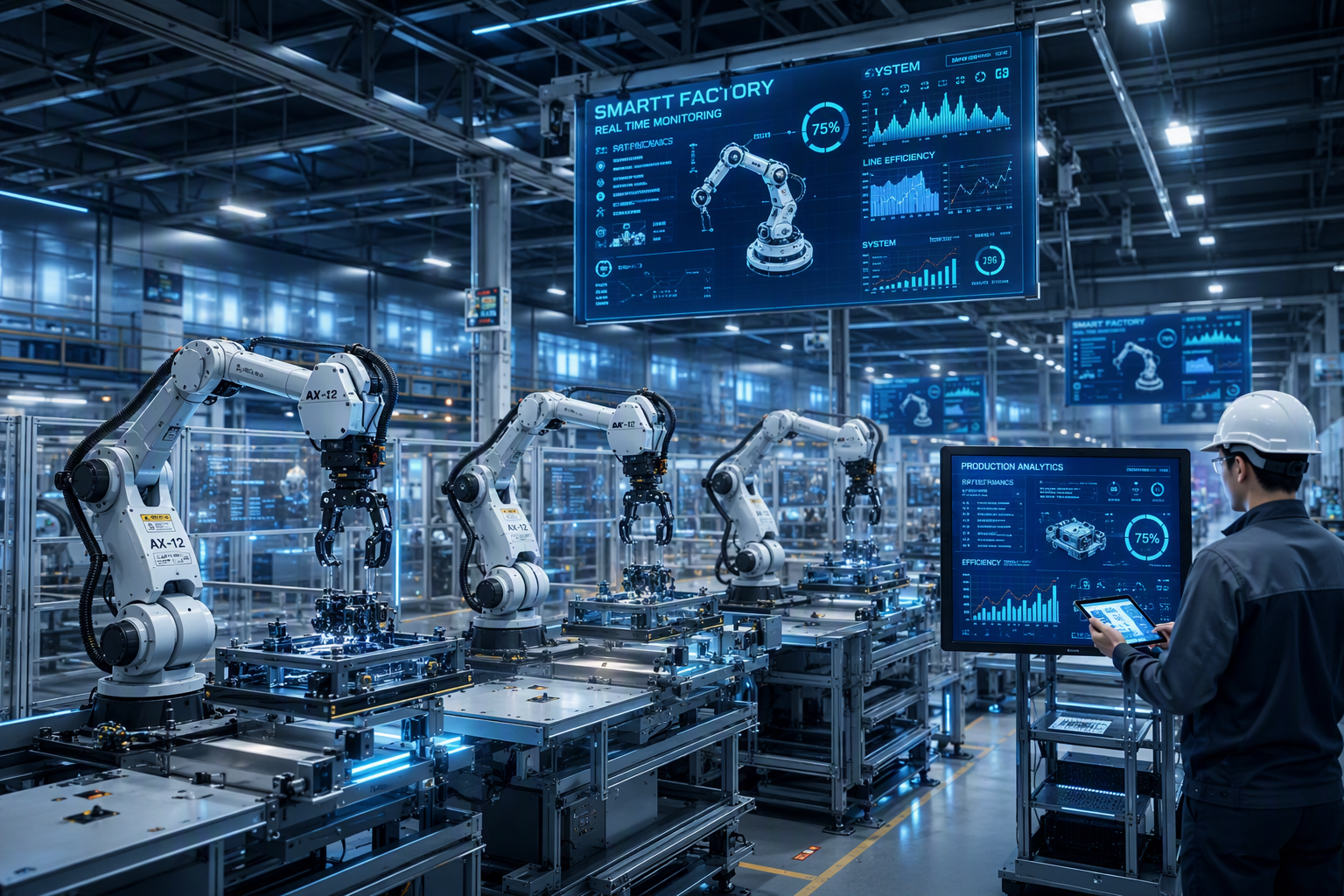
At the core of SCADA’s power is its real-time monitoring and visualization capability. These systems provide a live, dynamic view of your entire industrial process on a single screen. Operators can see exactly what is happening as it happens, from the speed of a conveyor belt to the temperature in a mixing tank.
This continuous monitoring is presented through intuitive dashboards and graphics, making complex data easy to understand at a glance. This visualization allows your team to quickly assess the health of the system and spot any anomalies without having to sift through lines of raw numbers.
In addition to live feeds, the SCADA network also stores historical data, allowing operators to compare current performance with past trends. This combination of real-time insight and historical context is invaluable for troubleshooting, optimizing processes, and making proactive adjustments to keep everything running smoothly.
Automated Alerts and Intelligent Reporting
Another game-changing feature of SCADA is its ability to deliver automated alerts and intelligent reporting. The system can be configured to automatically notify operators the moment a predefined threshold is crossed, flagging potential issues before they escalate into serious problems.
These aren't just simple alarms. Modern SCADA systems leverage data to provide intelligent reporting, helping you understand the "why" behind an event. By analyzing trends, the system can offer insights that support predictive analytics, allowing you to anticipate future needs and refine maintenance schedules for better quality control.
This proactive approach helps you stay ahead of the curve. Common use cases for these features include:
- Alerting staff to abnormal temperature or pressure levels to prevent accidents.
- Notifying maintenance teams when a machine's performance suggests it needs service.
- Generating reports on production output to track efficiency goals.
SCADA Integration with Automation Systems
A SCADA system rarely works in isolation. Its true power is unlocked through seamless integration with other automation systems. This connectivity is a cornerstone of modern industrial automation, allowing different technologies to share data and work together harmoniously.
When SCADA is connected to other control systems, it creates a unified platform for managing your entire operation. This interoperability is critical for achieving a complete digital transformation and making your factory smarter and more responsive. We'll now look at how this integration works with specific technologies like PLCs.
Connecting SCADA with PLCs for Smarter Control
The connection between SCADA and Programmable Logic Controllers (PLCs) is fundamental to industrial automation. PLCs are the hands-on controllers that directly manage machinery on the factory floor, while SCADA provides the high-level oversight and data visualization.
Through seamless integration, SCADA software can communicate directly with PLCs. This allows operators to not only monitor the status of machines controlled by PLCs but also to send commands down to them. For example, an operator could adjust a setting on a machine via the SCADA interface, and that command would be executed by the PLC.
This partnership enables sophisticated process control and optimization. By combining the local, high-speed control of PLCs with the centralized monitoring and analytical power of SCADA, you can fine-tune your production processes with incredible precision, leading to significant gains in efficiency and quality.
Enhancing Machine-to-Machine Communication
Modern SCADA systems are also at the forefront of enhancing machine-to-machine (M2M) communication. By acting as a central hub, SCADA facilitates the flow of information not just between machines and people, but between the machines themselves. This is a key principle of the Industrial IoT (IIoT).
In an IIoT environment, SCADA can coordinate the actions of multiple field devices and IoT devices. For instance, a sensor detecting a full container could trigger another machine to automatically transport it away, all without human intervention. This level of automation streamlines workflows and reduces the chance of error.
Furthermore, SCADA systems support edge computing, where some data processing and decision-making happen locally on the devices. This reduces the amount of data that needs to be sent to a central server, lowering bandwidth costs and enabling faster responses. This intelligent connectivity makes factory operations more agile and efficient.
Maximizing Profitability and Reducing Operational Costs
Beyond efficiency, SCADA systems have a direct impact on your bottom line. By helping you control operational costs and maximize profitability, SCADA becomes a powerful financial tool. It helps you save money by optimizing everything from labor costs to resource usage.
One of the most significant ways SCADA achieves this is through strategies like predictive maintenance and optimizing energy consumption. These approaches prevent costly failures and reduce waste, leading to substantial savings. Let's explore how SCADA helps you cut costs and boost profits.
Cutting Downtime Through Predictive Maintenance
Unexpected downtime is one of the biggest drains on profitability in manufacturing. SCADA systems combat this by enabling predictive maintenance. Instead of waiting for equipment failures to happen, SCADA uses data and predictive analytics to identify when a machine is likely to need service.
By continuously monitoring performance indicators like temperature, vibration, and energy use, the system can spot subtle signs of wear and tear. This allows you to schedule maintenance before a breakdown occurs, turning unplanned-for emergencies into planned, manageable tasks.
This shift from reactive to proactive maintenance strategies has a huge impact on uptime. By addressing issues before they cause a shutdown, you keep production lines running smoothly and avoid the high costs associated with emergency repairs and lost output.
| Maintenance Strategy | Typical Unplanned Downtime |
|---|---|
| Reactive Maintenance (Fix when it breaks) | High (10-20% of production time) |
| Preventive Maintenance (Scheduled) | Moderate (5-10% of production time) |
| Predictive Maintenance (SCADA-driven) | Low (1-2% of production time) |
Optimizing Resource Usage and Energy Efficiency
SCADA systems are also experts at optimizing resource usage. By providing detailed data on consumption, they help you see exactly where materials, water, and energy are being used—or wasted. This visibility allows you to make targeted improvements to enhance energy efficiency.
For example, a SCADA system can track energy consumption across your entire facility, identifying machines that are running inefficiently or are left on when not needed. You can then make adjustments to reduce waste, significantly lowering your utility bills. This is equally valuable for managing resources in remote locations.
This focus on efficiency doesn't just save money; it also reduces your environmental impact. By using fewer resources and less energy, your operation becomes more sustainable. Optimizing resource usage is a win-win, boosting your profitability while supporting corporate responsibility goals.
SCADA Applications Across Major US Industries
The versatility of SCADA means its applications can be found across many major US industries. From ensuring our lights stay on to making sure our water is safe, SCADA is the technology working behind the scenes. It's a critical tool in manufacturing processes, the oil and gas industry, and public utilities.
Whether it's monitoring the water pressure in a municipal system or managing a complex assembly line, SCADA provides the necessary control and oversight. Let's dive into a few specific examples of how different sectors leverage this powerful technology.
Manufacturing: Assembly Lines and Process Optimization
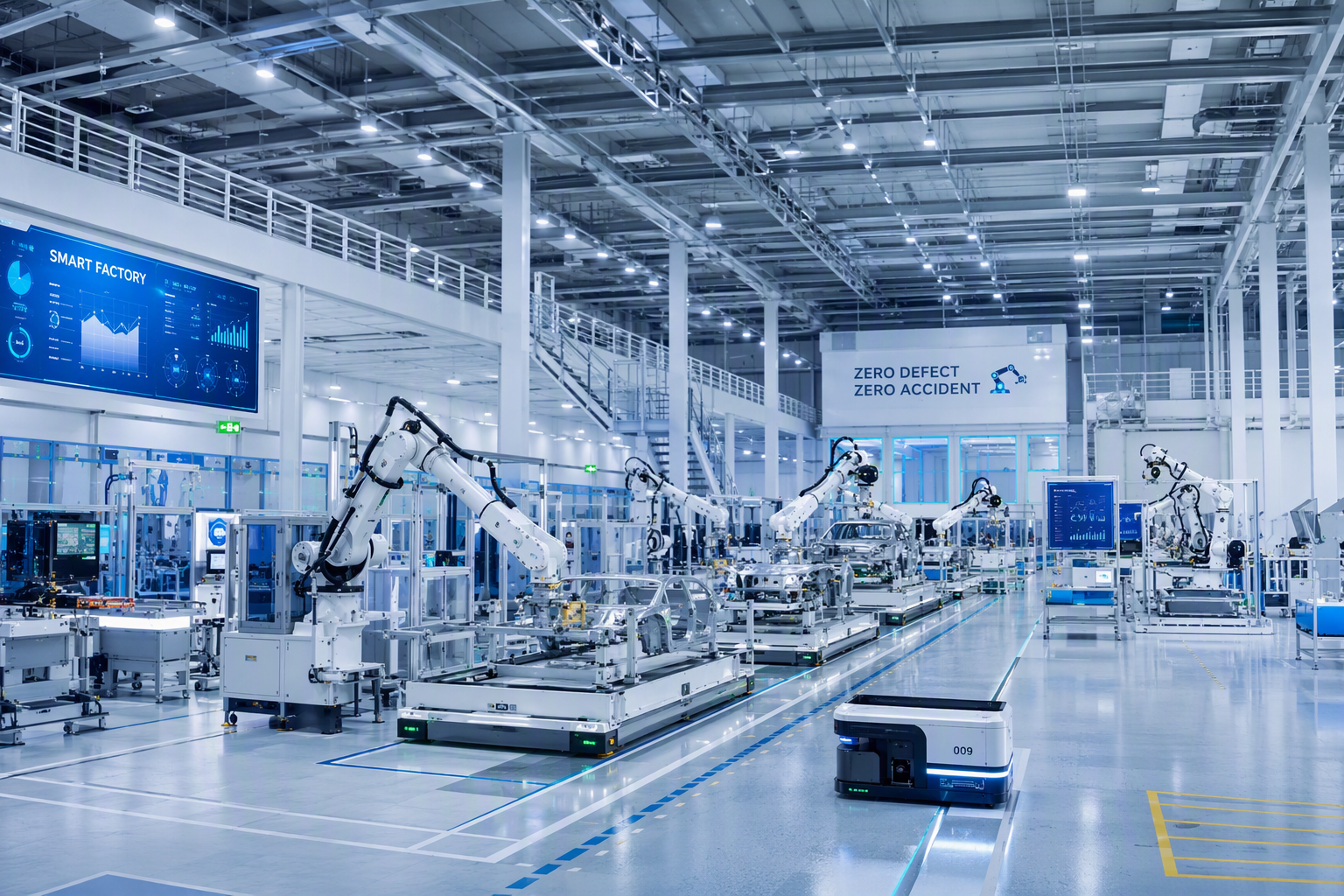
In the manufacturing sector, SCADA systems are indispensable for managing assembly lines and other complex production processes. They provide a centralized view of the entire factory floor, allowing operators to monitor the status of every machine in real time.
This complete oversight is key for process optimization. If a bottleneck occurs on one of the assembly lines, the SCADA system immediately flags it. This allows managers to reallocate resources or make adjustments to keep production flowing smoothly, minimizing delays and maximizing output.
Furthermore, SCADA plays a vital role in quality control. By ensuring that all machines are operating within their specified parameters, the system helps maintain consistent product quality. Any deviation that could affect the final product triggers an alert, enabling corrective action before defects occur.
Oil & Gas: Real-Time Operations and Safety Management
The oil and gas industry relies heavily on SCADA systems to manage its vast and often remote operations. From offshore drilling platforms to thousands of miles of pipelines, SCADA provides the real-time monitoring and control necessary to run these complex networks safely and efficiently.
Safety is paramount in this sector, and SCADA is critical for upholding strict safety standards. The system continuously monitors pressures, flow rates, and temperatures, and can automatically shut down sections of a pipeline or refinery in an emergency. This helps prevent accidents and limit the risk of environmental pollution.
Beyond safety, SCADA also helps oil and gas companies with regulatory compliance. The system logs all operational data, creating a detailed record that can be used to demonstrate adherence to government and industry regulations. This comprehensive data tracking is essential for responsible operations.
Modern Trends in SCADA System Design
SCADA technology is not standing still. The design of modern SCADA systems is constantly evolving, driven by new technologies and the broader push toward digital transformation. Trends like cloud-based SCADA, Industrial IoT, and edge computing are reshaping what these systems can do.
These advancements are making SCADA more powerful, flexible, and accessible than ever before. They are opening up new possibilities for remote monitoring, data analysis, and automation. Let's look at how some of these trends are influencing the future of SCADA.
Cloud-Based SCADA and Industrial IoT Integration
One of the most significant modern trends is the move toward cloud-based SCADA. Instead of hosting the central server on-premise, companies can now run their SCADA systems in the cloud. This offers incredible flexibility, scalability, and often lower upfront costs.
Cloud platforms excel at handling the massive amounts of data generated by Industrial IoT (IIoT) devices. The seamless integration of SCADA with a network of IoT devices allows for unprecedented visibility into operations, especially those spread across multiple remote locations. You can access your system from anywhere with an internet connection.
This combination of cloud-based SCADA and IIoT is transforming how industries approach monitoring and control. It makes it easier to deploy, scale, and manage sophisticated control systems, giving businesses of all sizes access to powerful tools that were once reserved for large corporations.
Cybersecurity Strategies for Industrial Networks
As SCADA systems become more connected, cybersecurity becomes a top priority. Protecting industrial networks from cyber threats is crucial, as a breach could disrupt production, damage equipment, or even create safety hazards. A secure SCADA network is essential for reliable operations.
Addressing potential issues requires a multi-layered defense strategy. This involves securing every part of the system, from the field devices to the central control systems, and implementing policies to manage user access and monitor for suspicious activity.
Protecting your industrial networks is a continuous process, not a one-time fix. Key defensive strategies include:
- Implementing firewalls and access controls to segment the SCADA network from other business networks.
- Using encryption to protect data as it travels between devices and the central server.
- Regularly updating software and conducting security audits to identify and patch vulnerabilities.
Evaluating the Pros and Cons of SCADA Implementation
Deciding on a SCADA implementation requires a balanced look at both its incredible advantages and its potential challenges. On one hand, the benefits for operational efficiency are clear. A well-designed software system can completely transform your ability to monitor and control processes.
However, there are also considerations to keep in mind, such as the initial investment and the complexity of integration. To make the right decision for your business, it's important to weigh these pros and cons carefully. The following sections will break down these factors in more detail.
Advantages for Today’s Factories and Plants
The primary advantage of SCADA systems is the immense boost they provide to operational efficiency. By centralizing control and providing real-time data, they allow you to fine-tune your production processes for maximum output and minimal waste. This is the cornerstone of modern industrial automation.
These control systems also lead to improved decision-making. With accurate, up-to-the-minute information at their fingertips, your operators and managers can respond to issues faster and make strategic choices based on data, not guesswork.
Another key benefit is increased productivity through reduced downtime. By enabling predictive maintenance and providing instant alerts to problems, SCADA keeps your equipment running reliably. This consistent operation translates directly into higher output and greater profitability, making it a clear advantage of SCADA systems.
Common Challenges and Considerations
Despite the benefits, there are common challenges to consider with SCADA implementation. One of the main hurdles can be the initial cost and complexity. Designing and deploying a system, including software development and hardware installation, requires a significant investment of time and resources.
Keeping up with technological advancements is another consideration. SCADA technology is always evolving, and ensuring your system remains current may require ongoing updates and maintenance. Proper training for staff is also essential to make sure you get the most out of your investment.
Finally, cybersecurity remains a persistent challenge that requires constant vigilance. Before you begin, think about these key points:
- Initial Cost: SCADA systems can have a high upfront cost for hardware, software, and implementation services.
- Complexity: Integrating SCADA with existing legacy systems can be technically challenging.
- Security: Protecting the system from cyber threats is an ongoing responsibility.
Conclusion
In conclusion, SCADA systems are pivotal in transforming industrial efficiency by providing real-time data monitoring, enhancing decision-making, and streamlining operations across various sectors. By integrating cutting-edge technologies such as cloud computing and IoT, SCADA is not only making processes more efficient but also addressing challenges like predictive maintenance and resource optimization. As industries continue to evolve, understanding the capabilities and applications of SCADA will be essential for maintaining a competitive edge. Embracing these systems can significantly reduce operational costs while maximizing profitability. If you’re ready to take your industrial operations to the next level, consider exploring how SCADA can work for you. Get in touch for a free consultation to learn more!
Frequently Asked Questions
What makes SCADA crucial for industrial efficiency today?
A SCADA system is crucial for industrial efficiency because it provides real-time data acquisition and control over processes. This allows businesses to monitor operations, identify inefficiencies, and gain actionable insights to make faster, smarter decisions that reduce downtime and boost productivity.
How do SCADA, PLC, and HMI work together in industrial automation?
In industrial automation, PLCs directly control machines, the HMI provides a user interface for operators, and the SCADA system supervises the entire process. Through seamless integration, SCADA gathers data from PLCs and displays it on the HMI, creating a unified system for monitoring and control.
Are there security risks when deploying SCADA systems in manufacturing?
Yes, there are security risks when deploying a SCADA system in manufacturing. Because these systems control critical processes, they can be targets for cyberattacks. Protecting industrial networks with robust cybersecurity measures is essential to prevent operational disruptions or damage.
You might also like