How SCADA Transforms Data Management in Industries
How SCADA Transforms Data Management in Industries
Key Highlights
Here are the key takeaways from our discussion on SCADA: A SCADA system offers centralized monitoring and control over industrial processes by integrating various hardware and software components. It enables real-time data collection and analysis, which helps optimize operations and supports predictive maintenance strategies. Typical SCADA software solutions available today include platforms such as Wonderware, Siemens WinCC, GE iFIX, Schneider Electric EcoStruxure, and Ignition by Inductive Automation. These solutions are widely adopted for managing industrial processes, and they provide robust software components for advanced data collection and predictive maintenance.
- A SCADA system offers centralized monitoring and control over industrial processes by integrating various hardware and software components.
- It enables real-time data collection and analysis, which helps optimize operations and supports predictive maintenance strategies.
- Modern SCADA solutions leverage cloud computing and industrial automation to provide enhanced scalability and remote access.
- Implementing a SCADA system leads to greater operational efficiency, reduced downtime, and improved safety protocols.
- These systems are crucial for managing data and processes across
diverse industries.
Introduction
Welcome to the world of industrial data management! Have you ever wondered how large-scale industries manage complex operations with precision? The answer often lies in a powerful control system known as SCADA. Standing for Supervisory Control and Data Acquisition, a SCADA system is the backbone of modern industrial automation. It provides the tools to monitor, control, and optimize processes in real time. This capability transforms how businesses handle information, leading to significant gains in operational efficiency and safety across the board.
Understanding SCADA in Industrial Data Management
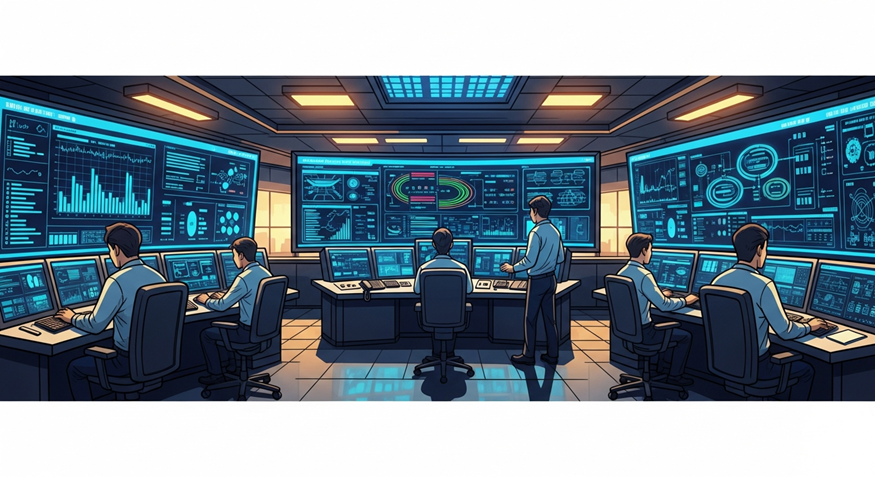
A SCADA system is a type of industrial control system designed to manage and oversee large-scale industrial processes. It combines hardware and software to perform data acquisition from remote locations, allowing operators to maintain process control from a central point.
Through remote monitoring, you can keep an eye on everything from manufacturing lines to water treatment facilities. This central oversight helps ensure that every part of the operation runs smoothly and efficiently. We will now look at its definition and role in various sectors.
Definition and Evolution of SCADA Systems
So, what exactly is SCADA? It stands for Supervisory Control and Data Acquisition. At its core, it's a system used for remote monitoring and control of industrial operations. It gathers real-time data from field equipment, processes it, and presents it to a human operator through a user-friendly interface. This allows for informed decision-making and precise control actions to be executed from a central location.
The concept of SCADA emerged in the 1960s with the rise of computer-based automation. Early systems were monolithic, relying on centralized mainframes for data acquisition and control. They were powerful for their time but lacked the flexibility we see today.
Over the decades, SCADA systems have evolved dramatically. The 1980s and 1990s saw the introduction of networked and web-based systems, offering greater accessibility. Today, modern SCADA systems are integrated with cloud computing and advanced analytics, making them more powerful and distributed than ever before.
Role of SCADA in Modern Industries
In today's industrial landscape, a SCADA system plays a pivotal role in managing complex operations. It is a cornerstone of industrial automation, providing the real-time visibility and control needed to run critical infrastructure efficiently and safely. By centralizing the management of production processes, companies can detect anomalies, intervene quickly, and optimize performance.
The ability to provide remote access is another key function. Operators no longer need to be physically present at a machine or facility to monitor or adjust it. This remote capability streamlines workflows, reduces the need for manual intervention, and allows for faster responses to changing conditions, ultimately minimizing downtime.
SCADA systems are essential across a wide range of sectors for managing their operations. Here are a few examples:
- Manufacturing: For controlling production lines and monitoring machinery.
- Energy: In power generation, transmission, and distribution.
- Water Treatment: To manage water supply, sewerage, and wastewater.
- Oil & Gas: Used in exploration, drilling, and refining processes.
Key Components of SCADA Architecture
A typical SCADA architecture is composed of several key system components working in harmony. These elements ensure that data flows seamlessly from the field to the operator, enabling effective monitoring and control. The main parts include hardware in the field, software at the control center, and the network that connects them.
Understanding these components helps clarify how this powerful control system operates. From sensors gathering data to the HMI software that displays it, each part has a specific job. Let’s explore the hardware, software, and communication networks that make up a SCADA system.
Hardware Elements: Sensors, RTUs, and PLCs
The hardware of a SCADA system forms its physical foundation. At the most basic level are the sensors and actuators. These field devices measure process variables like temperature, pressure, and flow and execute control commands on industrial equipment.
Data from sensors is collected by either Remote Terminal Units (RTUs) or Programmable Logic Controllers (PLCs). RTUs are designed to operate independently in remote locations, gathering data and sending it to the central system. PLCs perform a similar function but are more commonly used for localized automation and control of specific machinery based on predefined logic.
These devices are the hands and eyes of the SCADA system, directly interacting with the industrial processes being monitored.
| Hardware Element | Function |
|---|---|
| Sensors & Actuators | Measure process variables and execute physical control commands. |
| Remote Terminal Units (RTUs) | Collect data from sensors in remote locations and transmit it. |
| Programmable Logic Controllers (PLCs) | Control local machinery and processes based on programmed logic. |
| Human-Machine Interface (HMI) | Provides the graphical user interface for operators to interact with the system. |
Software Elements: SCADA Applications and Platforms
While hardware gathers the data, SCADA software is what makes that data useful. These software solutions are the brains of the operation, processing information and presenting it in a way that operators can understand and act upon. A key component is the Human-Machine Interface (HMI), which provides a graphical user interface with dashboards and visualizations.
Another critical software element is the data historian. This is a database designed to log and archive historical process data. This information is invaluable for trend analysis, compliance reporting, and troubleshooting. It allows you to look back at system performance over time to identify patterns or investigate incidents.
Modern SCADA platforms often include tools for advanced analytics. These applications can analyze real-time and historical data to predict potential equipment failures, optimize processes, and provide deeper operational insights, moving beyond simple monitoring to proactive management.
Communication Networks Enabling Real-Time Data Flow
The communication network is the vital link that connects all SCADA components, enabling real-time data transmission between field devices and the central control system. Without a reliable network, remote monitoring and control would be impossible. These networks can use various technologies, from wired Ethernet to wireless radio or cellular connections, depending on the geographical spread of the system.
To ensure interoperability, SCADA systems rely on standardized communication protocols like Modbus, DNP3, and TCP/IP. These protocols define the rules for data exchange, making sure that devices from different manufacturers can communicate with each other seamlessly. This standardization is crucial for building scalable and flexible systems.
Effective communication infrastructure is essential for:
- Real-time data flow: Ensuring operators have the most current information.
- Remote monitoring: Allowing control from a central location, regardless of distance.
- Data integrity: Securing data transmission to prevent corruption or interception.
- Network segmentation: Isolating critical control networks to enhance security.
How SCADA Systems Operate
Now that we know the components, how does a SCADA system actually work? The operational flow is a continuous loop of data collection, processing, and action. It begins with gathering information from the field, which is then sent to a central system for analysis and display.
Based on this information, operators can issue control commands to adjust the process. This cycle of monitoring and control enables precise process control from a distance. Let's look closer at the specific steps involved, from data collection to remote automation.
Data Collection, Monitoring, and Processing
The first step in SCADA operations is data collection. The system gathers process data in real time from sensors and field devices connected to RTUs and PLCs. This continuous monitoring provides an up-to-the-minute view of what's happening across the entire industrial process, whether it's the temperature in a reactor or the flow rate in a pipeline.
Once collected, this raw data is transmitted to the central SCADA server. Here, it is processed, filtered, and organized into a useful format. The system analyzes the data, comparing it against predefined operating parameters and setpoints to check for any deviations or anomalies.
This processed information is then displayed on the HMI for operators to see. In addition, the system archives this information as historical data. This archive is crucial for long-term analysis, helping you identify trends, create reports, and improve system performance over time.
Remote Control and Process Automation
Beyond just monitoring, SCADA empowers operators with remote control capabilities. Through the HMI, an authorized user can send commands to field devices to adjust processes. This could involve changing a setpoint, opening a valve, or starting a motor, all from the central control room. This remote access is fundamental to managing geographically dispersed operations.
Process automation is another core function. A SCADA control system can execute predefined control logic without direct human intervention. For example, if a tank's water level drops below a certain point, the system can automatically activate a pump to refill it. This automation reduces the need for manual tasks and ensures consistent operation.
This combination of remote control and automation helps you:
- Adjust process variables quickly and accurately.
- Respond to changing conditions without being on-site.
- Automate routine tasks to free up operator time.
- Implement complex control strategies for optimization.
Event Management and Alarm Handling
Effective event management and alarm handling are critical for maintaining system safety and performance. A SCADA system continuously checks process variables against predefined thresholds. When a parameter goes outside its normal operating range, the system generates an alarm to alert the operator. This immediate notification allows for timely human intervention before a small issue becomes a major problem.
Alarms can be prioritized based on their severity, helping operators focus on the most critical issues first. For instance, a critical temperature warning would take precedence over a minor pressure fluctuation. The system logs all alarms and events, creating a detailed record of system activities.
Following best practices for alarm handling is essential to avoid "alarm fatigue," where operators become overwhelmed by too many notifications. A well-configured system ensures that alarms are meaningful and actionable, guiding operators to make the right decisions quickly to maintain optimal system performance.
SCADA in Industrial Automation
SCADA is a key driver of industrial automation, providing the high-level supervision needed to orchestrate complex operations. It sits above local controllers like PLCs, coordinating their actions and providing a unified view of the entire plant or facility. It links various automated systems together using standard automation protocols.
By centralizing process control, a SCADA system allows you to implement plant-wide optimization strategies and execute control actions that improve efficiency and productivity. Let's examine how it integrates with other systems and its applications in major industries.
Integration with Manufacturing Execution Systems (MES)
For even greater operational insight, SCADA integration with Manufacturing Execution Systems (MES) is common. While SCADA focuses on real-time process control on the plant floor, an MES manages and monitors work-in-progress on the factory floor. It bridges the gap between the plant's control system and enterprise-level planning systems.
When integrated, the SCADA system feeds live process data to the MES. This information includes production counts, machine status, and quality metrics. The MES uses this data to track production orders, manage resources, and provide a detailed view of manufacturing operations.
This synergy creates a comprehensive data loop. The MES provides the "what" and "why" of production (e.g., what to produce and with what materials), while the SCADA system handles the "how" by controlling the machines. This powerful combination enables real-time performance monitoring and more agile decision-making.
Applications Across Power, Water, Oil & Gas, and More
The versatility of SCADA makes it indispensable for managing critical infrastructure across numerous industries. In the energy sector, it is used to manage power plants, monitor electrical grids, and control substations remotely. This ensures a stable and reliable supply of electricity to homes and businesses.
In the water and wastewater industry, SCADA systems are essential for water treatment and distribution. They monitor water levels in reservoirs, control pumps and valves in wastewater collection systems, and ensure that water quality standards are met throughout the process. For oil & gas, SCADA is used to monitor pipelines for leaks, control drilling operations, and manage refinery processes safely.
SCADA's role is crucial in many sectors, including:
- Transportation: Managing traffic light systems and railway networks.
- Manufacturing: Overseeing automated production lines and ensuring quality control.
- Food and Beverage: Monitoring refrigeration systems and managing production batches.
Benefits of Implementing SCADA Systems
Implementing SCADA solutions offers a wide range of benefits that can transform an organization's performance. By providing deep insights into industrial processes, this industrial control system helps businesses improve operational efficiency, reduce maintenance costs, and enhance safety.
One of the most significant advantages is the ability to enable predictive maintenance, which helps prevent costly equipment failures before they happen. Let’s explore some of the key benefits, such as enhanced data analysis and improved productivity, in more detail.
Enhanced Real-Time Data Analysis
One of the primary benefits of SCADA is its ability to provide enhanced real-time data analysis. By continuously monitoring production processes, you gain instant access to operational data. This allows you to make informed decisions quickly and respond to changes as they happen, rather than after the fact.
Modern SCADA systems incorporate advanced analytics capabilities that can identify trends and patterns in the data. For example, you can analyze energy consumption to find opportunities for savings or monitor equipment performance to optimize output. This level of insight goes far beyond simple monitoring.
The data historian archives all this information, creating a valuable repository for long-term analysis. You can review historical trends to improve processes, troubleshoot issues, and generate reports for compliance. This data-driven approach helps you fine-tune your operations for maximum efficiency.
Improved Operational Efficiency and Productivity
Automating processes with SCADA significantly boosts operational efficiency and productivity. By automating repetitive tasks and centralizing control, the system reduces the need for manual intervention. This not only speeds up operations but also minimizes the chances of human error, leading to more consistent and reliable system performance.
This streamlined approach allows your operators to focus on more strategic tasks rather than mundane control activities. With real-time data at their fingertips, they can make faster, better decisions that prevent disruptions and optimize resource allocation. This ultimately leads to increased output and lower operational costs.
Implementing SCADA helps improve efficiency by:
- Automating routine processes to reduce manual labor.
- Optimizing resource usage, such as energy and raw materials.
- Reducing downtime through predictive maintenance and faster responses.
- Lowering overall maintenance costs by preventing major equipment failures.
Conclusion
In conclusion, SCADA systems play a pivotal role in transforming data management across various industries by facilitating real-time data analysis and process automation. The integration of hardware and software components provides a robust architecture that enhances operational efficiency and productivity. As industries continue to advance, understanding the benefits and functionalities of SCADA will be essential for staying competitive. By leveraging these systems, organizations can ensure better monitoring, control, and decision-making, ultimately leading to improved outcomes. If you’re ready to explore how SCADA can revolutionize your operations, let's connect and discuss!
Frequently Asked Questions
What are common cybersecurity threats for SCADA systems?
Common threats to SCADA security include malware, phishing, denial-of-service attacks, and unauthorized access. To ensure critical infrastructure protection, businesses should implement best practices like network segmentation, strong access controls, regular software updates, and employee training to defend against these risks and keep their systems secure.
How is SCADA different from other automation systems?
A SCADA system differs from other industrial automation systems like PLCs or DCS in its scope. While PLCs control individual machines and a DCS manages processes within a single plant, a SCADA control system is designed for high-level supervision and monitoring of processes distributed over large geographical areas.
What industries in the United States rely on SCADA for operations?
In the United States, numerous industries depend on a SCADA system to manage critical infrastructure. Key sectors include power generation and distribution, water treatment and supply, oil and gas, manufacturing, and transportation. These systems are essential for monitoring and controlling their complex and widespread industrial operations safely and efficiently.
You might also like