SCADA Technologies: Enhancing Operational Efficiency
SCADA Technologies: Enhancing Operational Efficiency
Key Highlights
- A SCADA system is essential for industrial automation, enabling real-time process control and remote monitoring.
- Integrating hardware and software, these systems enhance operational efficiency in sectors like energy and manufacturing.
- Key components include PLCs, RTUs, sensors, and a human-machine interface for supervisory control.
- SCADA allows for data acquisition from industrial equipment, supporting data-driven decisions and predictive maintenance.
- While offering significant benefits, securing SCADA systems against cyber threats is crucial for protecting critical infrastructure.
- Modern SCADA leverages cloud computing and IoT, improving scalability and remote access capabilities.
Introduction
Welcome to the world of industrial automation! Have you ever wondered how large-scale industrial processes, like power grids or water treatment plants, are managed so effectively? The answer often lies in a powerful technology called SCADA, which stands for Supervisory Control and Data Acquisition. These systems are the backbone of modern industry, providing the tools to monitor, manage, and optimize complex operations from a central location. Let's explore how SCADA technologies are revolutionizing industrial efficiency and control.
Understanding SCADA Technologies
A SCADA system is a type of control system that helps organizations monitor and manage their industrial operations. It combines hardware and SCADA software to give you a high-level view of your production processes, allowing for both automated control and human intervention when needed.
Think of it as the central nervous system for a factory or utility. It collects information, processes it, and helps you make smart decisions to keep everything running smoothly. Now, let's look closer at what SCADA is and how it functions.
Defining Supervisory Control and Data Acquisition (SCADA)
Supervisory Control and Data Acquisition (SCADA) is an industrial automation control system that gives you a high-level layer of management for complex industrial applications. It is designed to simplify the control and automation of large-scale processes, especially those that power critical infrastructure around the world. The goal is to provide centralized visibility and management over your operations.
The "data acquisition" part refers to the system's ability to collect process data from sensors and field devices located at remote sites. This raw data is then transmitted to a central location for processing and analysis.
The "supervisory control" aspect allows human operators to monitor the entire SCADA system from a central station. From here, they can issue commands, adjust settings, and respond to alarms, ensuring that all industrial equipment operates efficiently and safely. This blend of automated data collection and human oversight is what makes the system so effective.
How SCADA Systems Work in Industrial Automation
In the realm of industrial automation, a SCADA system functions by connecting individual control modules across a distributed network. It operates with two primary functions: automated control actions and a supervisory role that allows for human intervention. This structure is different from a fully autonomous real-time direct control system.
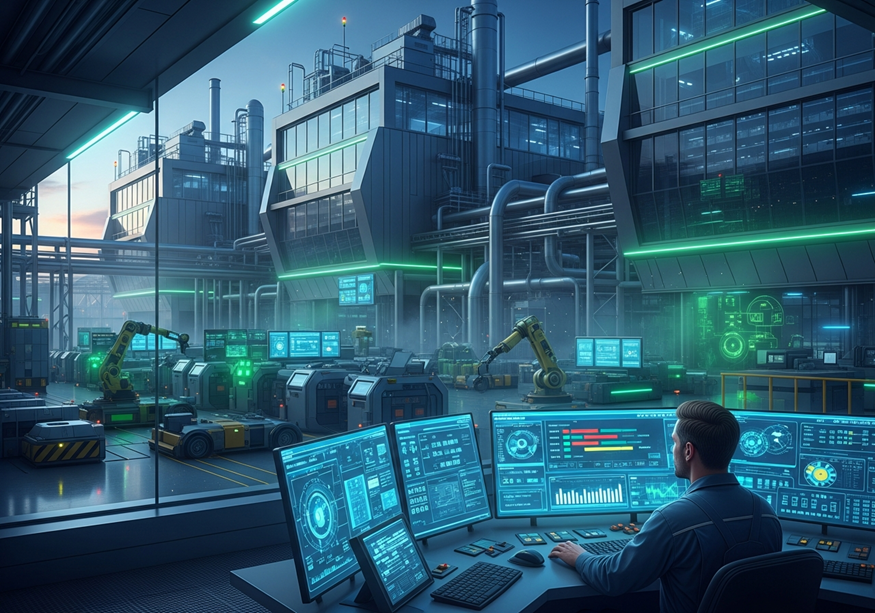
The system gathers real-time data from sensors and equipment in the field. This information is sent to a central location where operators can monitor everything on a screen. Based on this data, the system can perform programmable, automated control actions.
Operators can also step in to make adjustments or override automated tasks, providing a crucial layer of oversight. This capability for remote access and control is fundamental to its use in industrial settings.
- Data Collection: Gathers real-time data from sensors and remote terminal units (RTUs).
- Supervisory Control: Allows operators to monitor processes and issue control commands from a central location.
- Automation: Executes pre-programmed control actions to manage industrial equipment efficiently.
Core Components of a SCADA System
A functional SCADA system is made up of several key components working in harmony. These include hardware elements like field devices and programmable logic controllers (PLCs), as well as the software components that bring all the data together. Essentially, it's a combination of physical equipment out in the field and the digital tools used to interpret and act on the information they provide.
Understanding these parts helps clarify how the entire system monitors and controls industrial processes. Let's examine the specific hardware elements and then the software platforms that make a SCADA system work.
Hardware Elements – RTUs, PLCs, and Sensors
The hardware of a SCADA system forms its sensory and operational backbone. Sensors and actuators are the field devices that interact directly with the physical world. Sensors measure physical properties like temperature, pressure, or flow, while actuators perform control actions, such as opening a valve or switching a motor on or off.
Remote Terminal Units (RTUs) act as intermediaries. They collect data from the sensors, perform some initial processing, and then transmit this information to the central SCADA system. RTUs are designed to communicate data remotely over various networks, making them vital for monitoring equipment in distant locations.
Programmable Logic Controllers (PLCs) are some of the most essential components. These are specialized computers that execute the control logic and automation tasks. PLCs receive data, run pre-defined control algorithms, and send commands to the actuators, forming the core of local process control for critical infrastructure.
Software Platforms and Human-Machine Interfaces (HMI)
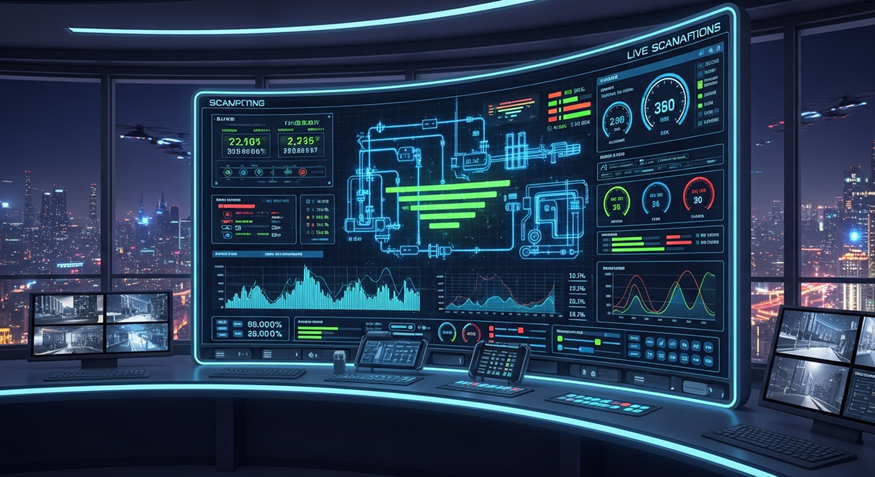
The software side of a SCADA system is where data becomes useful information. At the heart of this is the Human-Machine Interface (HMI), which is the graphical user interface that allows operators to interact with the system. The HMI software displays real-time data, process diagrams, and alarms, providing a comprehensive view of the entire operation.
This central SCADA software is responsible for processing, distributing, and displaying the data collected from the field. It often includes a data historian, which is a type of database (like SQL databases) that logs and archives historical process data. This information is invaluable for trend analysis, reporting, and troubleshooting.
Through the HMI, an operator can monitor system performance and issue commands to control remote equipment. Common software solutions often provide these core functionalities:
- Data Visualization: Graphical representations of industrial processes for easy monitoring.
- Alarm Management: Notifies operators of abnormal conditions or system events that require attention.
SCADA System Architecture
The SCADA architecture is the framework that connects all the system's components, from field sensors to the central control room. This structure is designed to facilitate the seamless flow of data and commands across potentially vast distances. A well-designed architecture ensures reliable communication and robust access control.
This setup is what enables operators to monitor and control processes remotely. The architecture typically involves central control centers that serve as the main hub and a sophisticated network infrastructure that transmits data securely and efficiently.

Central Control Centers
At the core of a SCADA system is the central control center, also known as the Master Terminal Unit (MTU). This is the hub where all data from the plant floor and remote locations is gathered, processed, and displayed for human operators. It provides a centralized point for remote monitoring of the entire industrial process.
From this center, operators use the HMI to get a complete picture of system performance. They can view real-time data, analyze trends, and receive alerts about any issues that arise. This comprehensive view allows for quick and informed decision-making without needing to be physically present at every location.
The central control center is also where human intervention happens. Operators can issue control commands to adjust process parameters, start or stop equipment, or override automated functions if necessary. This ability to send commands from a single location to devices miles away is fundamental to how SCADA enables effective remote management.
Network Infrastructure for Data Transmission
A robust network infrastructure is critical for reliable data transmission between field devices, PLCs, RTUs, and the central control system. This network is responsible for carrying sensor data to the control center and distributing commands back to the field. Communication protocols like Modbus, DNP3, and TCP/IP ensure that different system components can speak the same language.
The network architecture is often layered to handle different communication needs. For on-site data exchange, Local Area Networks (LANs) are common. For connecting to remote locations, Wide Area Networks (WANs) using technologies like cellular or satellite communication are employed. Network segmentation is a key security practice used to isolate critical parts of the network.
This multi-layered approach ensures that data can be transmitted securely and efficiently, whether it's traveling across a factory floor or over long distances.
| Network Layer | Function | Common Protocols |
|---|---|---|
| Field Layer | Connects sensors, PLCs, and RTUs | Modbus, Profibus |
| Supervisory Layer | Connects RTUs/PLCs to control systems | PROFINET, Ethernet/IP |
| Enterprise Layer | Long-distance communication for external apps | TCP/IP |
SCADA Applications Across Industries
SCADA systems are incredibly versatile, making them the backbone for a wide range of industrial processes. They are particularly crucial in sectors that manage critical infrastructure, where reliability and safety are paramount. From power generation to water treatment, SCADA provides the necessary oversight to keep essential services running.
The ability to monitor remote sites and automate complex operations has made this technology indispensable. Let's look at how SCADA is specifically implemented in the power and energy sector, as well as in utility management for water and wastewater.
Power and Energy Sector Implementation
In the power and energy sector, SCADA systems are essential for managing the entire grid, from power plants to the transmission lines that deliver electricity to your home. They monitor power generation, track energy consumption, and help prevent blackouts by automating controls and balancing loads.
At power plants, SCADA oversees complex production processes by collecting process data from turbines, generators, and transformers. This allows operators to optimize efficiency and ensure the plant is operating safely. For renewable energy sources like wind turbines and solar farms, SCADA maximizes uptime by monitoring performance and weather conditions.
As smart grids become more common, SCADA's role is expanding. It integrates with IoT sensors to enable real-time power distribution, helping utilities manage demand more effectively and integrate renewable energy sources seamlessly into the grid. This level of control is vital for maintaining a stable and reliable power supply.
Use in Water, Wastewater, and Utility Management
SCADA systems are fundamental to modern water and wastewater management. In water treatment plants, they monitor critical activities to ensure water quality meets safety standards. This includes tracking pH levels, managing chemical dosages, and monitoring the performance of filtration equipment, all of which contribute to operational efficiency.
For wastewater collection systems, SCADA provides remote monitoring of pump stations and flow levels, helping to prevent overflows and manage system capacity. By automating these processes, utilities can reduce manual labor, respond faster to issues, and optimize energy consumption across their networks.
This technology is a cornerstone of critical infrastructure protection in the water sector. It provides the visibility and control needed to maintain public health and safety.
- Water Treatment: Monitors and controls filtration, chemical dosing, and water quality parameters.
- Wastewater Management: Manages pump stations and flow in collection systems to prevent environmental hazards.
Key Benefits of SCADA for Operational Efficiency
Implementing a SCADA system offers significant advantages that directly boost operational efficiency. By providing continuous process monitoring and control in real time, organizations can achieve substantial productivity gains and reduce costly downtime. The ability to collect and analyze data opens the door for advanced analytics and predictive maintenance.
These benefits transform raw operational data into actionable insights that drive smarter, faster decisions. Exploring these advantages further reveals how SCADA helps optimize performance and streamline operations.
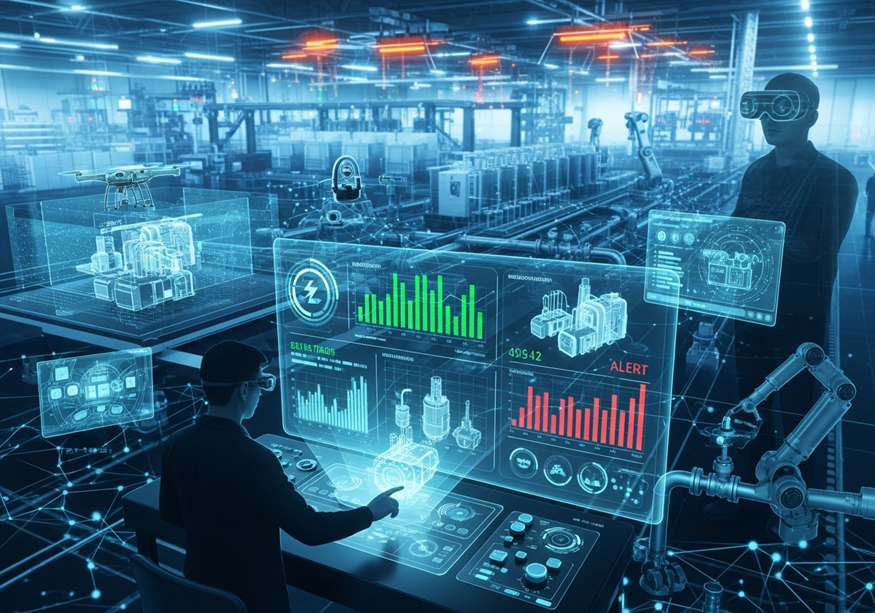
Real-Time Process Monitoring and Control
One of the greatest benefits of a SCADA system is its capacity for real-time process monitoring and control. It provides operators with an up-to-the-minute view of what is happening across the entire industrial process, no matter how widespread. This continuous monitoring allows for immediate detection of anomalies or deviations from normal operating parameters.
With access to live process data, operators can make instant adjustments to maintain optimal system performance. Whether it's changing the speed of a conveyor belt or adjusting the temperature in a vat, these control actions can be executed remotely, ensuring a rapid response to changing conditions.
This level of insight and control helps prevent small issues from escalating into major problems. By keeping a constant eye on operations, SCADA systems ensure processes run smoothly, efficiently, and safely, minimizing disruptions and maximizing output.
Data-Driven Decision Making and Productivity Gains
SCADA systems excel at data collection, gathering vast amounts of information from every corner of an operation. This wealth of current and historical data is the foundation for smarter, data-driven decision-making. By analyzing this information, you can identify trends, pinpoint inefficiencies, and discover opportunities for improvement.
The use of advanced analytics on this data can lead to significant productivity gains. For example, by analyzing historical data on equipment performance, you can implement predictive maintenance strategies. This means you can fix potential issues before they cause unexpected downtime, saving both time and money.
Ultimately, SCADA transforms your operations from being reactive to proactive. Instead of just responding to problems, you can anticipate them and optimize your processes for peak performance.
- Predictive Maintenance: Analyze trends in equipment data to predict failures and schedule maintenance proactively.
- Process Optimization: Use historical data to fine-tune production processes for better efficiency and quality.
Securing SCADA Systems Against Cyber Threats
As SCADA systems become more connected, especially with the rise of IoT and cloud computing, SCADA security has become a primary concern. These systems control critical infrastructure, making them attractive targets for cyber threats. Protecting them from unauthorized access is essential for national security and public safety.
Implementing security best practices is no longer optional; it's a necessity for critical infrastructure protection. Understanding the risks and knowing how to mitigate them is the first step toward building a resilient and secure SCADA environment.
Common Cybersecurity Risks and Attack Vectors
SCADA systems face a variety of cybersecurity risks due to their increasing connectivity and critical role. One of the biggest threats is unauthorized access, where malicious actors attempt to gain control of system components to disrupt operations or cause damage. This could involve manipulating control settings or initiating shutdowns.
Common attack vectors include exploiting vulnerabilities in software, weak access controls, or unsecured network connections. Phishing attacks targeting employees can also provide an entry point, highlighting how human error can compromise even the most technically secure systems.
Because these systems are often a mix of modern and legacy technology, they can have security gaps that attackers are eager to exploit.
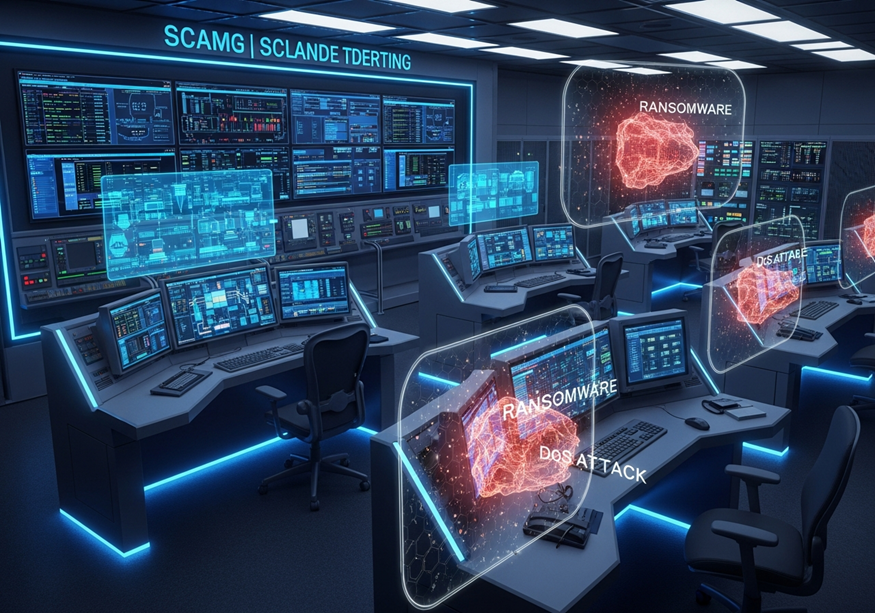
- Malware and Ransomware: Malicious software designed to disrupt or disable SCADA operations.
- Denial-of-Service (DoS) Attacks: Overwhelming the network to make the system unavailable to legitimate users.
Strategies to Enhance SCADA Security
Enhancing SCADA security requires a multi-layered approach that combines technology, policies, and people. A fundamental strategy is implementing strict access control measures. This means ensuring that only authorized personnel can access and modify system settings, often through multi-factor authentication and role-based permissions.
Another crucial practice is network segmentation. This involves dividing the SCADA network into smaller, isolated zones to prevent an intruder from moving freely across the entire system if one part is compromised. Continuous monitoring for unusual activity and applying security patches in a timely manner are also essential best practices.
Ultimately, securing these systems is an ongoing process, not a one-time fix. For effective critical infrastructure protection, organizations must stay vigilant, regularly update their security protocols, and provide ongoing training to employees to defend against evolving cyber threats.
Conclusion
In conclusion, SCADA technologies play a pivotal role in enhancing operational efficiency across various industries. By providing real-time monitoring and control, organizations can make informed decisions that lead to increased productivity and better resource management. Understanding the core components of these systems, from hardware elements like RTUs and PLCs to software platforms and HMIs, allows for streamlined operations. Additionally, addressing cybersecurity risks is essential to ensure the integrity of SCADA systems. As industries continue to evolve, leveraging SCADA technology will not only optimize performance but also contribute to a safer and more efficient future. If you're interested in implementing SCADA solutions tailored to your needs, don't hesitate to reach out for a consultation!
Frequently Asked Questions
What distinguishes SCADA from other automation systems?
A SCADA system is unique because it focuses on high-level supervisory control over large geographical areas, unlike a PLC or DCS that controls a specific machine or process. A key differentiator among different systems in industrial automation is SCADA’s emphasis on data acquisition and allowing for human intervention from a central location.
How can SCADA systems be protected from cyber attacks?
Protecting a SCADA system involves a layered approach to security. Key best practices include implementing strict access controls to prevent unauthorized access, using network segmentation to isolate critical system components, and conducting regular security audits. Continuous monitoring and timely patching are also vital for effective critical infrastructure protection.
What are leading SCADA software solutions available today?
Leading SCADA software solutions often provide a complete package with HMI software, data historians using SQL databases, and tools for building a custom SCADA architecture. Providers like Siemens, Rockwell Automation, and Schneider Electric offer comprehensive platforms known for their reliability, scalability, and advanced features for industrial control.
You might also like