Shift Handover Reporting
Shift Handover Reporting: Eliminating the Information Gap Between Crews
In manufacturing, the shift handover is the most vulnerable operational window of the day. In the span of 15 to 30 minutes, an entire operating crew that has managed complex, dynamic machinery for eight to twelve hours transfers control to an incoming crew that is walking into the facility cold.
What happens during that transition dictates line performance for the rest of the shift. In many plants, however, the handover is treated casually: a quick verbal exchange in the hallway, a few cryptic scribbles on a whiteboard, or a handwritten logbook with entries like "Line ran okay, sealer was acting up, watch the infeed."
The incoming crew spends the first two hours of their shift rediscovering the exact same problems the outgoing crew dealt with four hours earlier. They make redundant adjustments, re-test broken sensors, fight unstable recipe parameters, and misinterpret mechanical quirks that had already been diagnosed.
The result is a predictable drop in plant efficiency known as the "Shift-Change Dip"—a period characterized by depressed OEE, elevated scrap rates, and increased risk of safety incidents.
Here is how poor shift handover reporting damages plant operations, the structural mistakes behind it, and how to build an automated, SCADA-driven handover architecture that ensures seamless operational continuity..
Mistake #1: The Subjective Verbal Handoff
Why it happens: Plants rely on face-to-face verbal communication between outgoing and incoming operators. The outgoing operator is fatigued and eager to clock out; the incoming operator is still getting their bearings.
What it costs: Verbal communication is inherently lossy. Critical technical context is forgotten, downplayed, or lost entirely: a minor bearing squeal that developed at 4:00 PM, a manual override placed on a pneumatic diverter, or a batch of raw material that required higher operating temperatures to seal properly. The incoming operator takes over without this knowledge, and when the line inevitably trips 45 minutes later, they must begin troubleshooting from scratch.
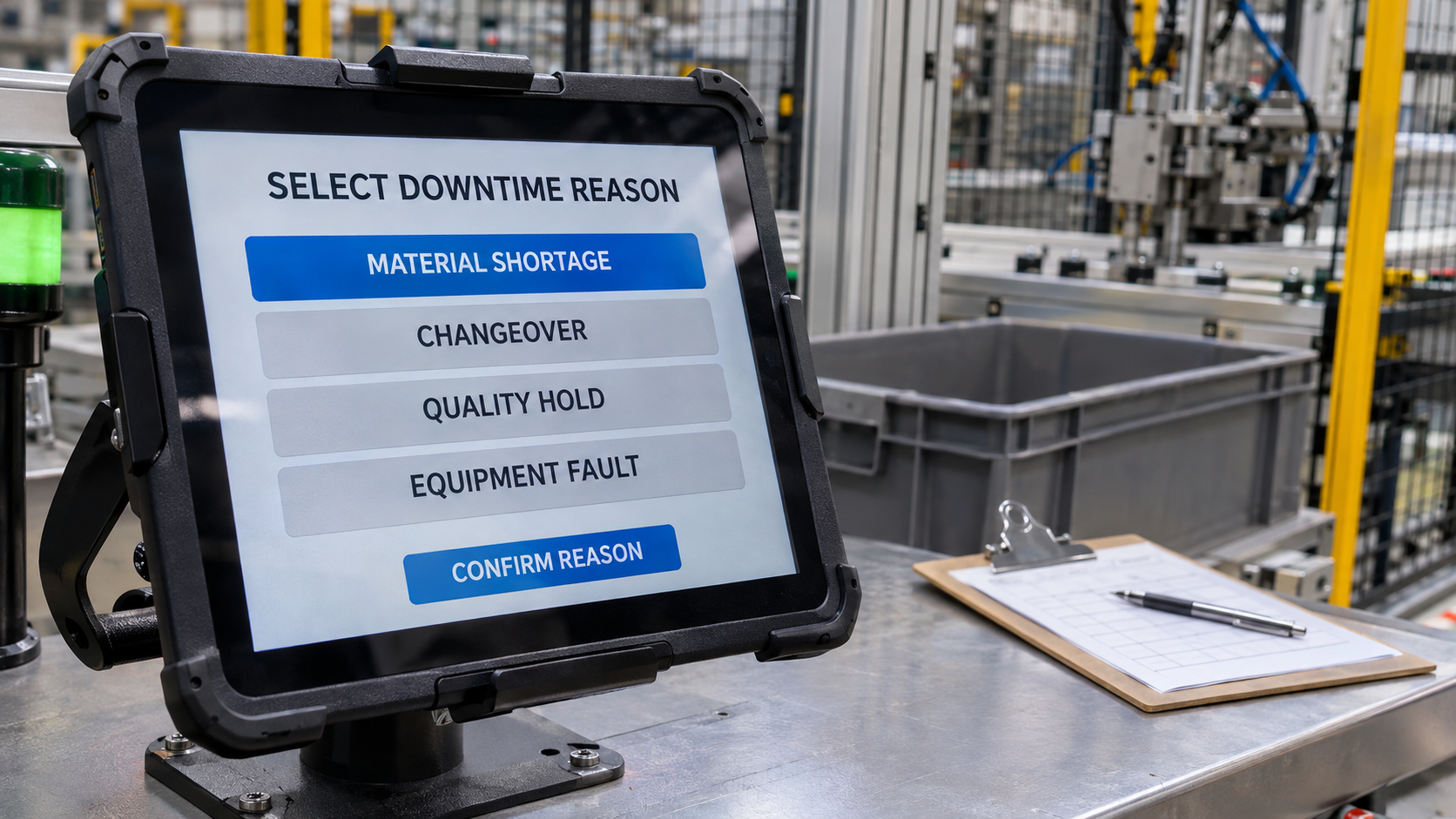
The fix: Standardize the handover process around a digital, structured checklist integrated directly into the line HMI or plant SCADA terminal. The system should require outgoing operators to complete a mandatory, three-minute digital summary before logging off, documenting active machine conditions, open mechanical quirks, and material issues.
Make this digital logbook accessible directly from the main control interface so the incoming operator can review it with a single tap.
Mistake #2: Disconnecting Handover Logs from the SCADA Single Source of Truth
Why it happens: When plants introduce digital handover logs, they often deploy them on standalone platforms—an office spreadsheet, a generic web form, or a third-party tablet app completely disconnected from the machine’s PLC and SCADA network.
What it costs: Disconnected logs allow human perception to contradict machine reality. An outgoing shift log might state: "Line ran well, only had about 20 minutes of total downtime."
Meanwhile, the PLC recorded 48 separate micro-stops totaling an hour and fifteen minutes of lost time, while the reject bin caught 400 out-of-spec packages. When shift handovers do not match hard historical data, accountability disappears, and the incoming crew starts their shift with a distorted view of line stability.
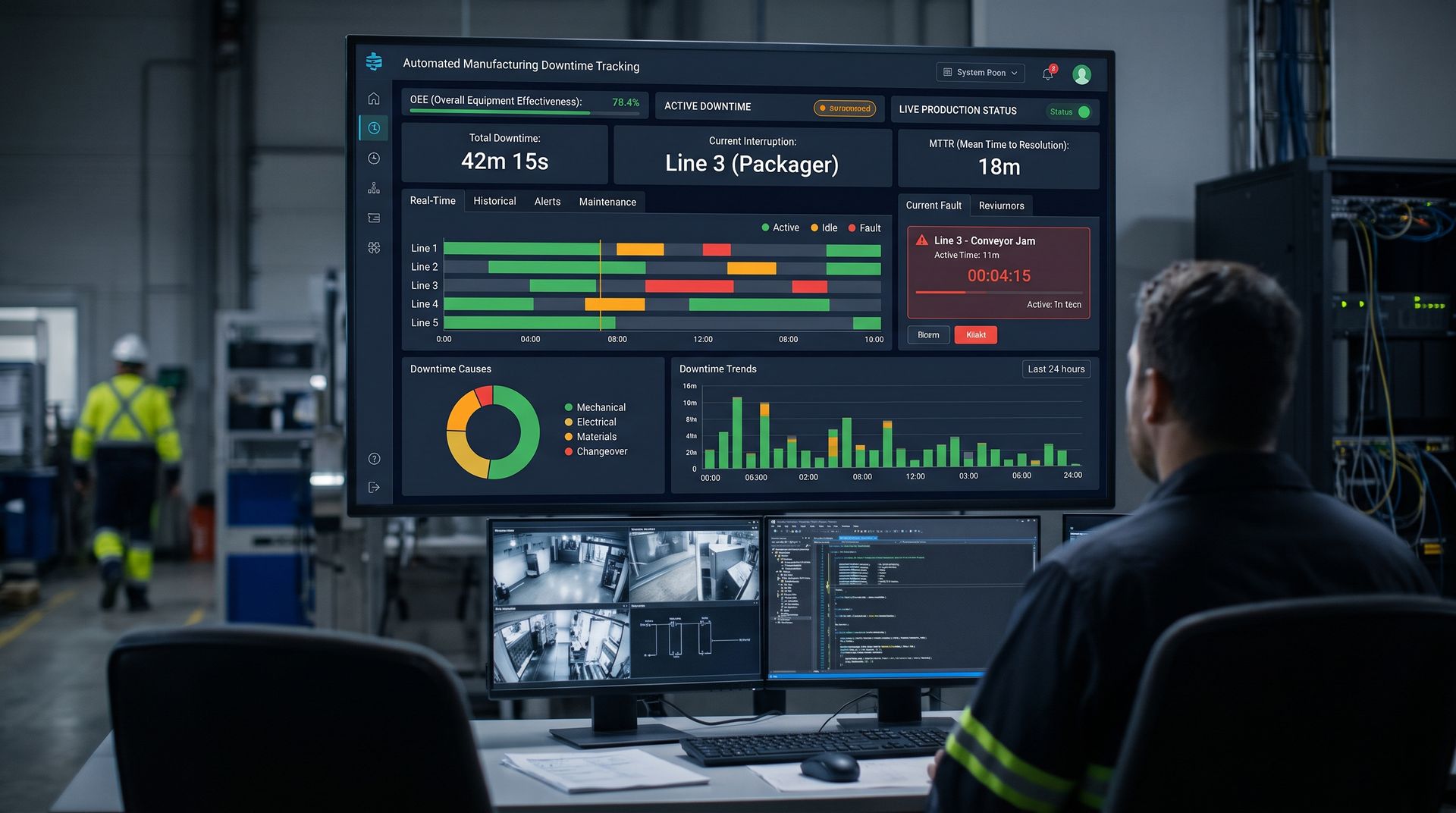
The fix: Automatically populate the shift handover report with verified machine telemetry from your Data Historian and SCADA system.
Empowered Automation designs shift report interfaces that automatically pre-fill the handover screen with hard data:
- Exact shift-to-date operating run time vs. downtime.
- Top 3 downtime events by duration and frequency.
- Total parts produced vs. scrap counts.
- Current operational speeds vs. target setpoints.
- Any active alarms, bypassed interlocks, or manual software overrides.
The operator’s role is simply to add operational context to the data, not to invent numbers from memory.
Mistake #3: Leaving In-Progress Maintenance in a "Grey Zone"
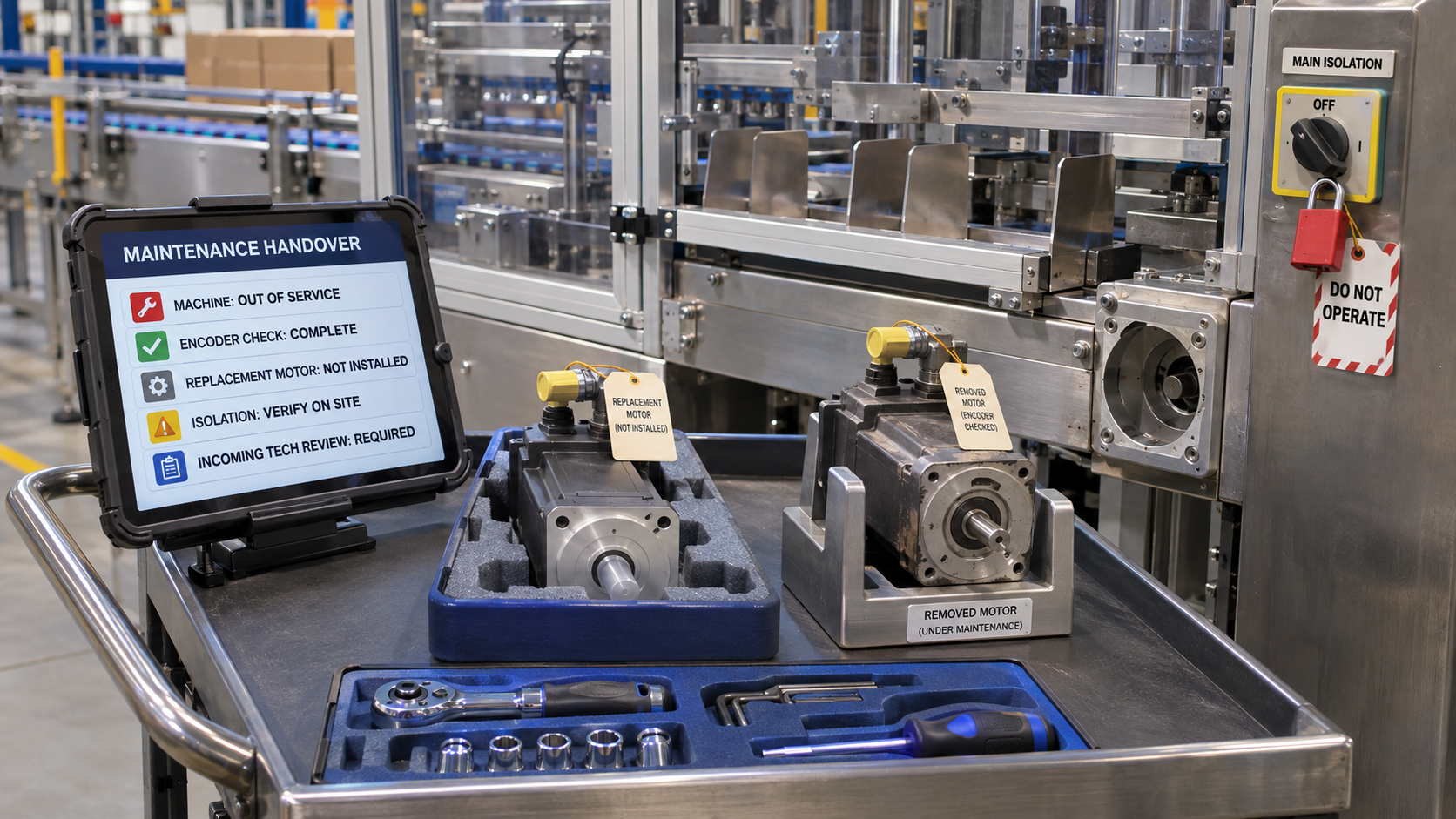
Why it happens: A machine fails 45 minutes before the shift ends. The outgoing maintenance technician pulls the machine apart, begins diagnosing a faulty servo motor, and leaves tools scattered on the workbench when their shift ends. The incoming technician arrives, walks over to the machine, and has no clear record of what has been tested, what parts were replaced, or what remains disconnected.
What it costs: Massive diagnostic duplication. The incoming technician often spends the first hour retracing the exact same electrical checks the previous technician just completed. Worse, miscommunication during maintenance transitions can lead to severe safety hazards—such as powering up an actuator while a mechanical component is still unbolted or unaligned.
The fix: Integrate your SCADA system with your maintenance ticketing and CMMS platform. When a machine is flagged as "Under Maintenance," the HMI should display an active maintenance transition log.
Technicians must record:
- Components physically disconnected or disassembled.
- Electrical checks completed (continuity, resistance, bus voltage).
- Exact status of replacement parts (on order, pulled from crib, installed).
- Lockout/Tagout (LOTO) state verification.
The incoming technician must electronically sign off on the active state before taking over the work order.
Mistake #4: Failing to Log Manual Overrides and Software Forces
Why it happens: During a chaotic shift, a controls engineer or lead technician places a software force on an auxiliary photo-eye or toggles a manual override on a diverter gate to keep the line running while awaiting a replacement sensor. When the shift ends, that temporary bypass remains active in the PLC code, completely forgotten.
What it costs: Running with active forces or manual overrides compromises machine safety, creates downstream product jams, and damages quality. The incoming crew assumes the machine is running under standard automatic control, unaware that a critical safety interlock or quality gate has been bypassed in software.
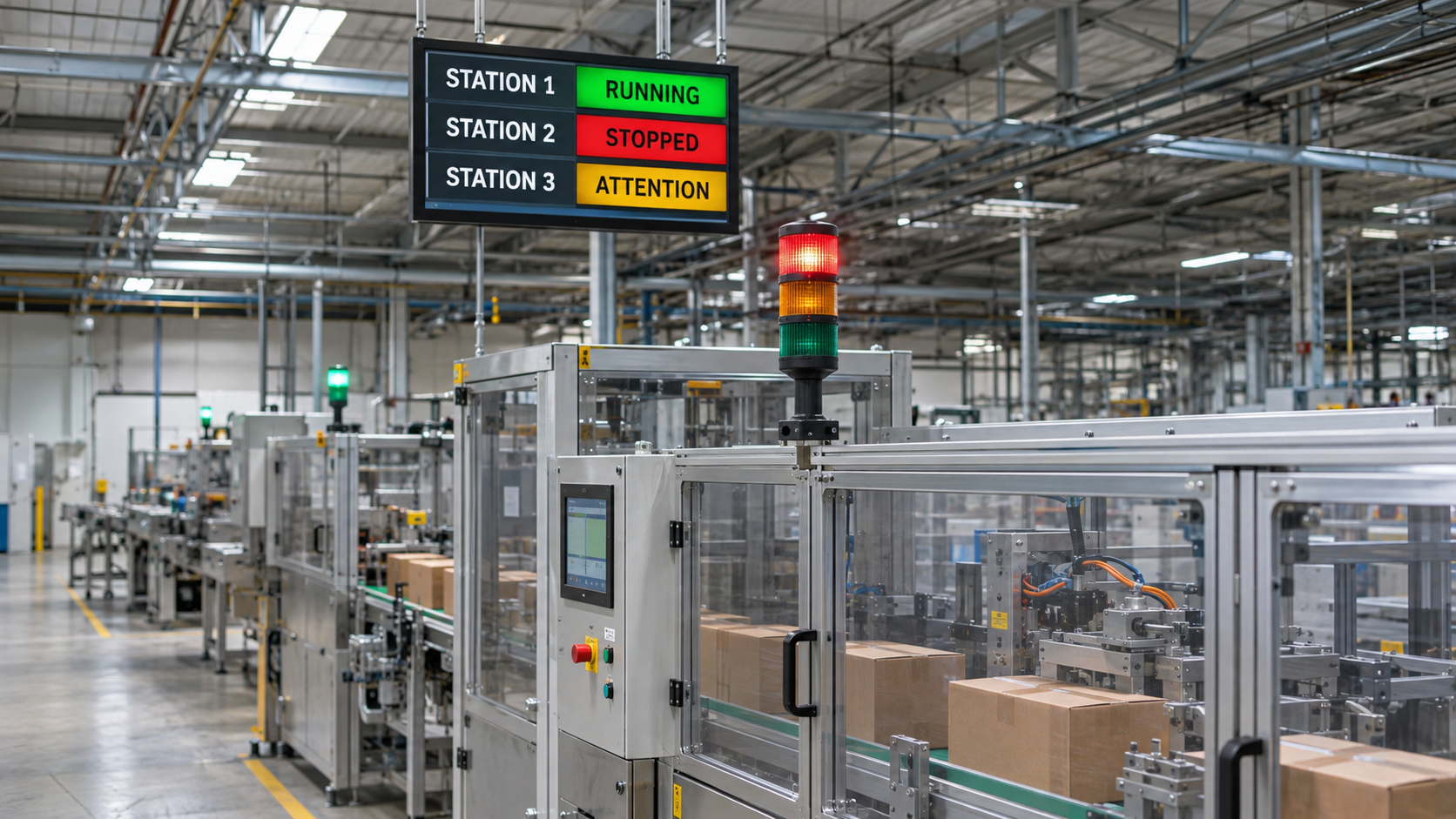
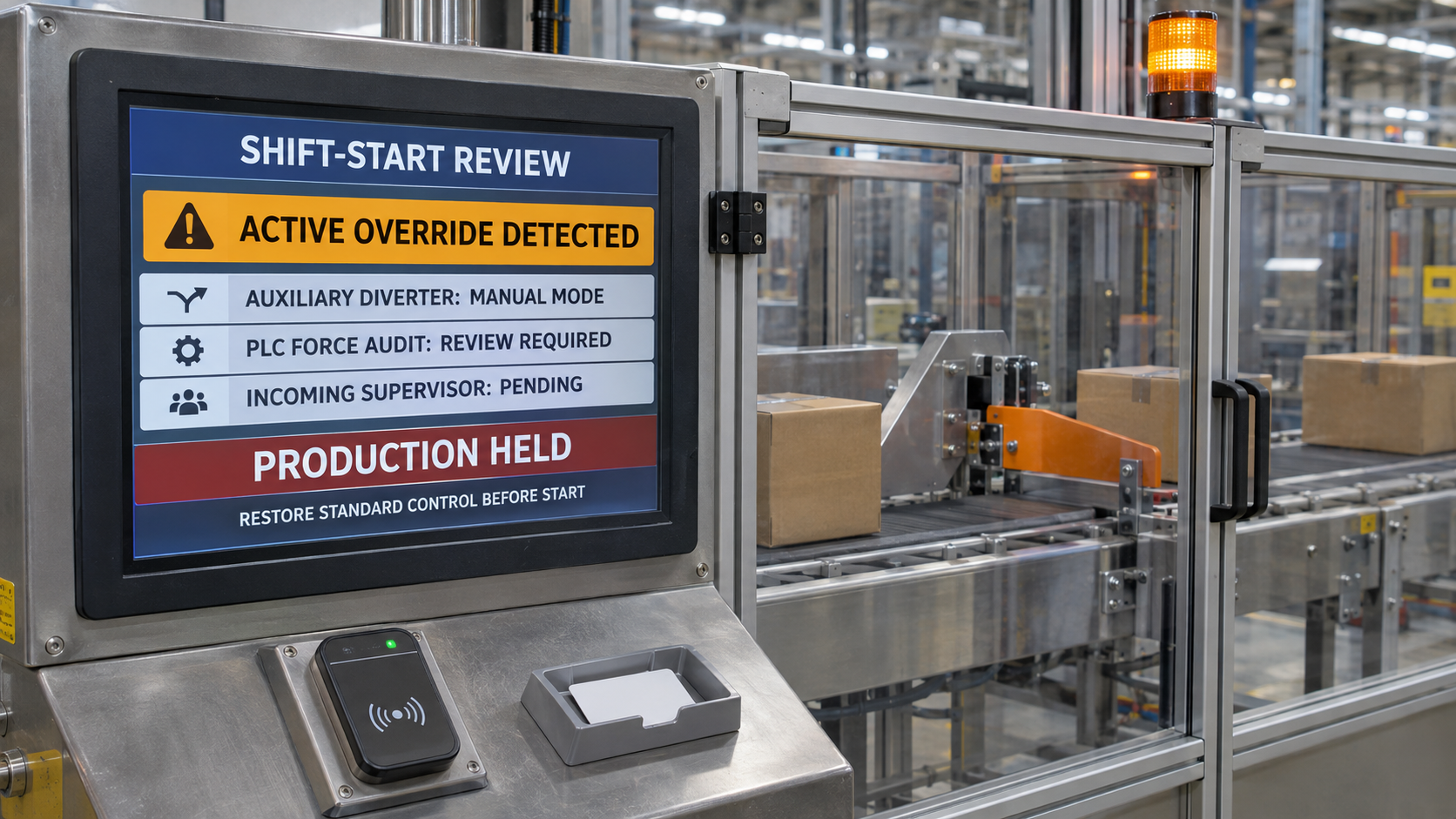
The fix: Implement an automated "Bypass and Force Audit" inside your SCADA platform. The system continuously polls the PLC for active forced I/O bits, software test bits, or manual operating overrides.
If any forces or overrides remain active during shift handover, the SCADA screen flags them in bright yellow or red on the handover summary screen. The incoming supervisor must explicitly acknowledge and sign off on every active software override before the system allows production to start on the new shift.
Mistake #5: Ignoring Shift-to-Shift Environmental and Utility Drifts
Why it happens: Shift handovers focus exclusively on immediate machine parameters (speeds and counts), ignoring the environmental and utility shifts that occur across a 24-hour cycle.
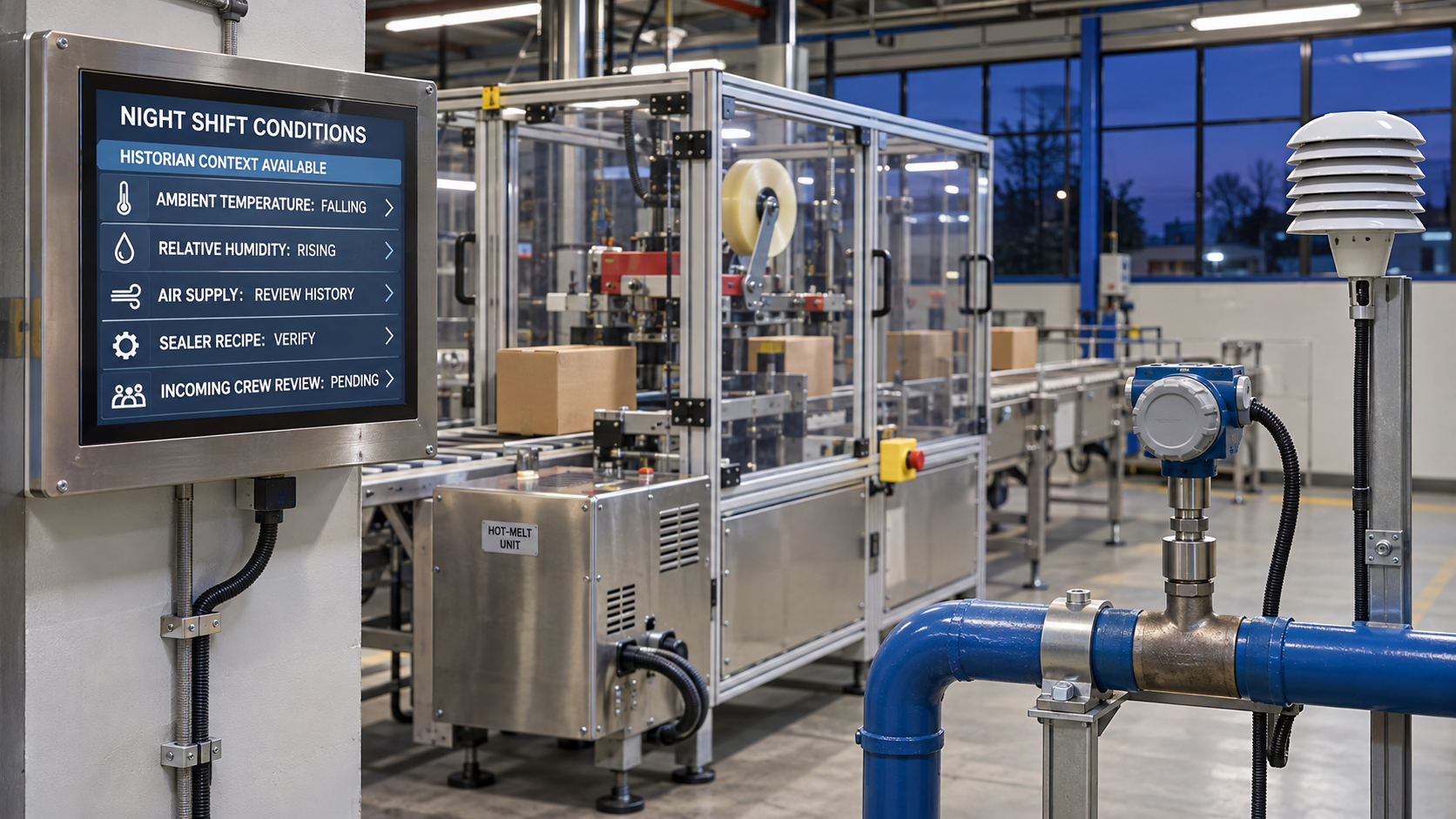
What it costs: Ambient temperatures and humidity in a plant can shift dramatically between the 2:00 PM day shift and the 2:00 AM night shift. An adhesive or hot-melt glue that ran perfectly in the heat of the afternoon will fail to adhere properly in the cold night air unless temperature setpoints are adjusted.
Similarly, plant compressed air pressure often rises at night when other production lines shut down. The night shift crew spends hours chasing unexplained mechanical jams, unaware that ambient conditions have fundamentally altered machine physics.
The fix: Include ambient and utility trend graphs directly on the shift transition dashboard. Empowered Automation builds Data Historian dashboards that display rolling 12-hour trends for plant ambient temperature, relative humidity, compressed air header pressure, and chiller supply temperatures right alongside production metrics.
This gives incoming operators an instant, high-level picture of the physical environment their machines are operating in.
The Standardized Digital Shift Handover Protocol
An engineered shift handover follows a structured, closed-loop digital sequence that bridges the gap between crews:
[ 15 Minutes Before Shift End ]
• SCADA automatically compiles Shift Summary (OEE, Downtime Pareto, Scrap).
• Data Historian flags any active software forces, manual overrides, or recurring micro-stops.
│
▼
[ 5 Minutes Before Shift End ]
• Outgoing operator and lead review auto-compiled report on the line HMI.
• Outgoing personnel add mandatory operational notes (material quirks, mechanical observations).
│
▼
[ Shift Transition Window ]
• Incoming and outgoing crews conduct joint 3-minute walkaround at the machine console.
• Incoming operator reviews the digital summary, verifies LOTO states, and checks active overrides.
│
▼
[ Shift Start Sign-Off ]
• Incoming operator electronically logs in, accepting line custody.
• New shift operational baseline is timestamped in the central Data Historian.
Shift Handover Reporting Audit Checklist
Evaluate whether your plant’s shift transitions are structured for maximum continuity:
- [ ] Automated Telemetry: Does your shift handover report automatically pull production counts, OEE, and downtime from the SCADA system?
- [ ] Force/Bypass Flagging: Does the control system automatically scan the PLC and display all active software forces and manual overrides to incoming crews?
- [ ] In-Progress Work Tracking: Are active maintenance work orders and incomplete mechanical repairs documented on the machine HMI?
- [ ] Micro-Stop Summaries: Does the handover screen highlight the top recurring micro-stops that occurred during the preceding shift?
- [ ] Electronic Custody Transfer: Is there a formal digital sign-off where the incoming operator acknowledges machine conditions before starting production?
Conclusion
The "Shift-Change Dip" is not an inevitable fact of manufacturing life; it is an organizational and technical failure. When shift transitions rely on casual verbal chats, illegible logbooks, and unverified memory dumps, operational momentum is destroyed every eight hours.
By integrating digital handover reporting directly into your HMI and SCADA architecture—pre-populating reports with verified machine telemetry, highlighting active overrides, and tracking utility trends—you transform shift transitions into a seamless, disciplined operational process that keeps your lines running at peak performance around the clock.
Ready to Modernize Your Shift Handovers?
Empowered Automation Solutions helps manufacturers bridge operational gaps through intelligent HMI and SCADA integration. We build standardized electronic logbooks, automated shift reporting engines, PLC force-monitoring routines, and real-time visualization dashboards that eliminate information silos on the factory floor.
Let us help you build a seamless operational transition between your shifts:
- Phone: (630) 553-0411
- Email: info@empoweredautomation.com
- Address: 1905 Marketview Dr., Suite 138, Yorkville, IL 60560
Frequently Asked Questions
Can shift handover reports be automated if our operators rotate across different lines?
Yes. Modern SCADA systems use role-based user authentication (via RFID badge scanners or numeric PINs). When an operator logs into an HMI terminal, the system automatically detects their assigned line and presents the exact operational history and handover checklist tailored to that specific workstation.
How do we prevent operators from typing meaningless generic notes in digital handover logs?
Structure the input forms. Instead of providing a blank text box, use targeted dropdowns, severity sliders, and structured check-boxes (e.g., "Guide Rail Alignment: Satisfactory / Needs Adjustment"). Require specific fields only when certain conditions are met—for instance, if the line suffered more than five packaging jams, make a note explaining the root cause mandatory before logout.
Can shift handover summaries be delivered to plant management automatically?
Yes. Empowered Automation configures reporting tools that compile the shift handover data along with OEE and Downtime Pareto charts into a clean PDF, automatically emailing it to plant managers, engineering leads, and maintenance planners the instant the shift concludes.
How do digital shift handovers improve regulatory compliance in regulated industries?
In FDA-regulated, pharmaceutical, or food safety environments (such as 21 CFR Part 11 facilities), manual paper logbooks are an audit risk. Digital handover systems provide immutable, timestamped audit trails of who was operating the line, what machine states were acknowledged, which recipe parameters were active, and whether any safety or quality interlocks were bypassed.
You might also like