Automation Explained: Benefits for Modern Businesses
Automation Explained: Benefits for Modern Businesses
Key Highlights
- Automation uses technology to perform tasks with minimal human intervention, streamlining business operations.
- Key types include industrial automation for manufacturing and robotic process automation (RPA) for office tasks.
- Adopting automation technologies significantly boosts operational efficiency and productivity across industries.
- It helps reduce costs and human error by taking over repetitive, rule-based manual tasks.
- The integration of artificial intelligence is making process automation smarter and more capable of handling complex jobs.
- Automation provides a competitive edge by enabling businesses to scale operations and foster innovation.
Introduction
Have you ever wondered how modern companies get so much done so quickly? The answer often lies in automation. In simple terms, automation is the use of technology to perform tasks that used to require a person. This approach, known as business process automation, is designed to make workflows more efficient and reliable. By implementing automation technologies, businesses can unlock numerous advantages, from saving time and money to improving accuracy. Let's explore what automation is and how it can benefit your business.
Understanding Automation in Modern Businesses
Automation is reshaping the modern business landscape far beyond the factory floor. It represents a strategic application of technology to improve business process management and streamline operations by reducing the need for constant human intervention in certain activities.
This shift allows employees to move away from tedious, repetitive work and focus on more creative and complex problems. To fully grasp its impact, it is helpful to look at its core definition, its history, and how it is actively transforming today's workplaces.
Definition and Core Concepts of Automation
At its heart, automation is defined as the use of technology to carry out tasks with minimal human intervention. It’s like having a computer or a robot handle activities that people have traditionally performed. The goal is to make processes more efficient, consistent, and less prone to error.
The core of automation is built on programming and algorithms. Developers write instructions that tell a machine or system how to behave in different situations. This allows for the replacement of specific human actions with automated ones. This can be as simple as a script that runs daily backups or as complex as a fleet of robots on an assembly line.
This process automation ensures that tasks are performed seamlessly and accurately without continuous manual input. Whether in a manufacturing plant or an IT department, the principle remains the same: use technology to execute predefined tasks reliably and efficiently.
The Evolution and History of Automation Technology
The concept of automation is not new, but its application has evolved dramatically over the decades. The term itself was first coined in 1946 by the automotive manufacturer General Motors to describe the automatic handling of parts in their production lines.
Initially, automation was almost exclusively associated with heavy industry. Its early use in automotive manufacturing revolutionized how cars were built, making the process faster and more uniform. This was one of the first large-scale examples of using machines to perform tasks previously done by people.
Thanks to incredible technological advances, automation has expanded far beyond its origins. Today, its principles are applied in countless fields, from software development and financial services to healthcare and power plants. What started on the factory floor is now an essential part of nearly every modern industry.
How Automation Transforms Workplaces
The introduction of automation into a workplace brings about a fundamental transformation in how work gets done. By implementing workflow automation, companies can streamline their operations and achieve a new level of operational efficiency.
This technology is particularly effective at handling routine tasks that are repetitive and time-consuming. When these tasks are automated, it frees up your employees to concentrate on more strategic and creative responsibilities that require human thought and problem-solving skills.
One of the most significant benefits is the reduction of human error. Automated systems perform tasks with precision and consistency every single time, which is something manual processes can't guarantee. This leads to higher quality work, fewer mistakes, and improved overall reliability in your business operations.
Key Types of Automation Used Today
Automation is not a single concept but a broad field with various specialized solutions. The different types of automation are designed to address unique challenges across different industries and business functions, from manufacturing floors to digital office environments.
Understanding these distinctions is key to choosing the right automation solutions for your needs. Whether you're looking at software robots to handle data entry or IT automation to manage complex systems, each type offers specific advantages. Let's explore some of the most common forms of automation in use today.
Industrial Automation and Its Role in Manufacturing
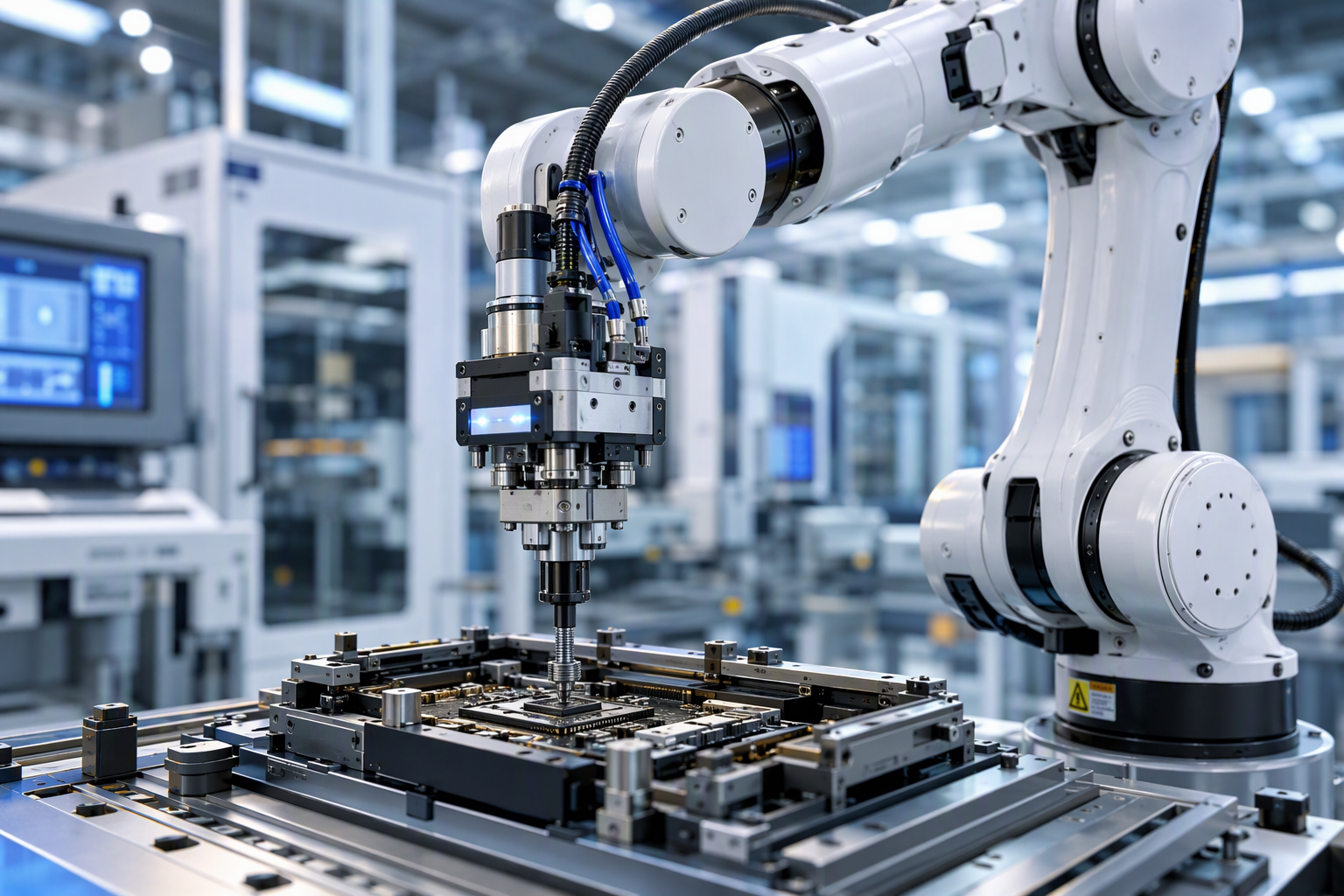
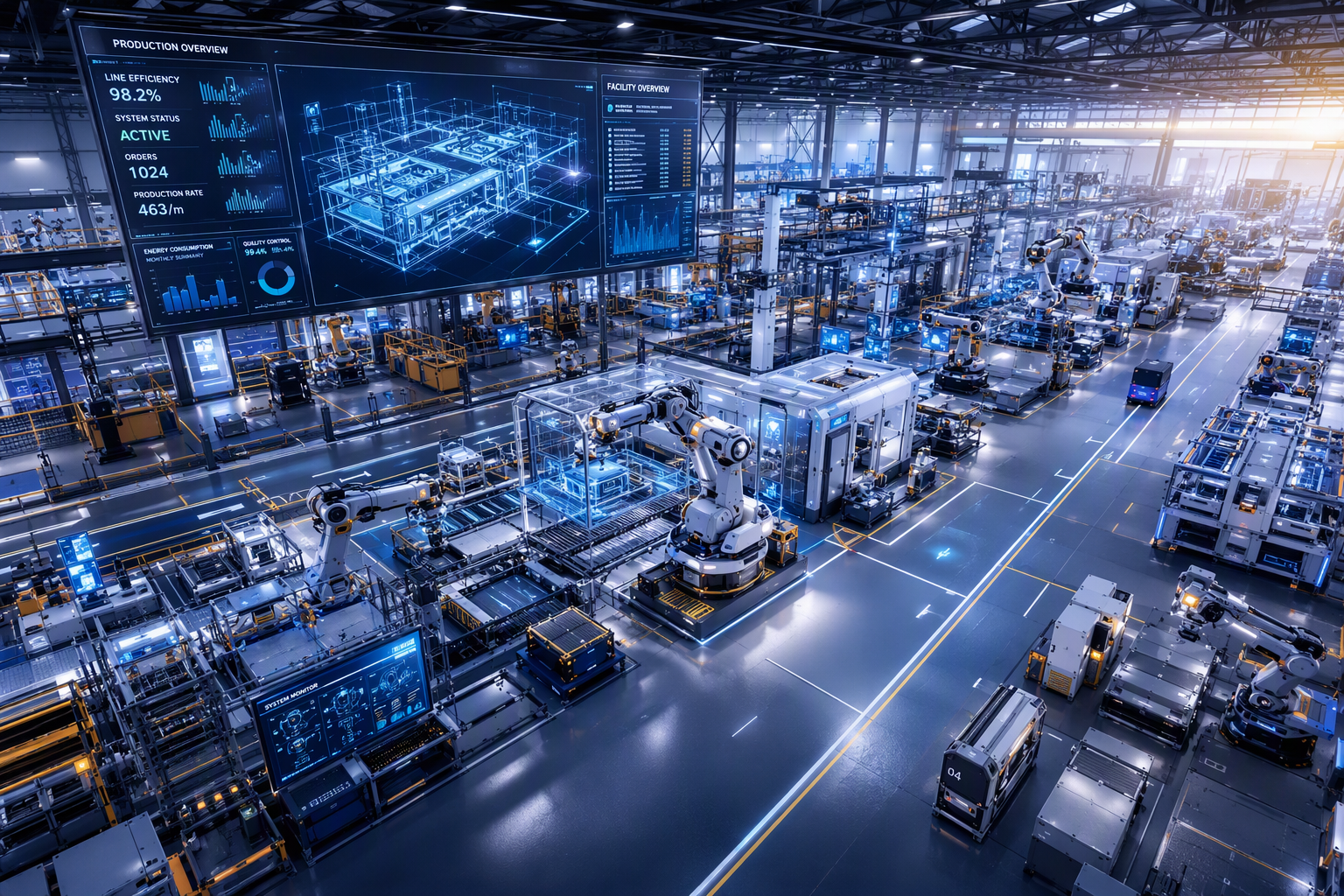
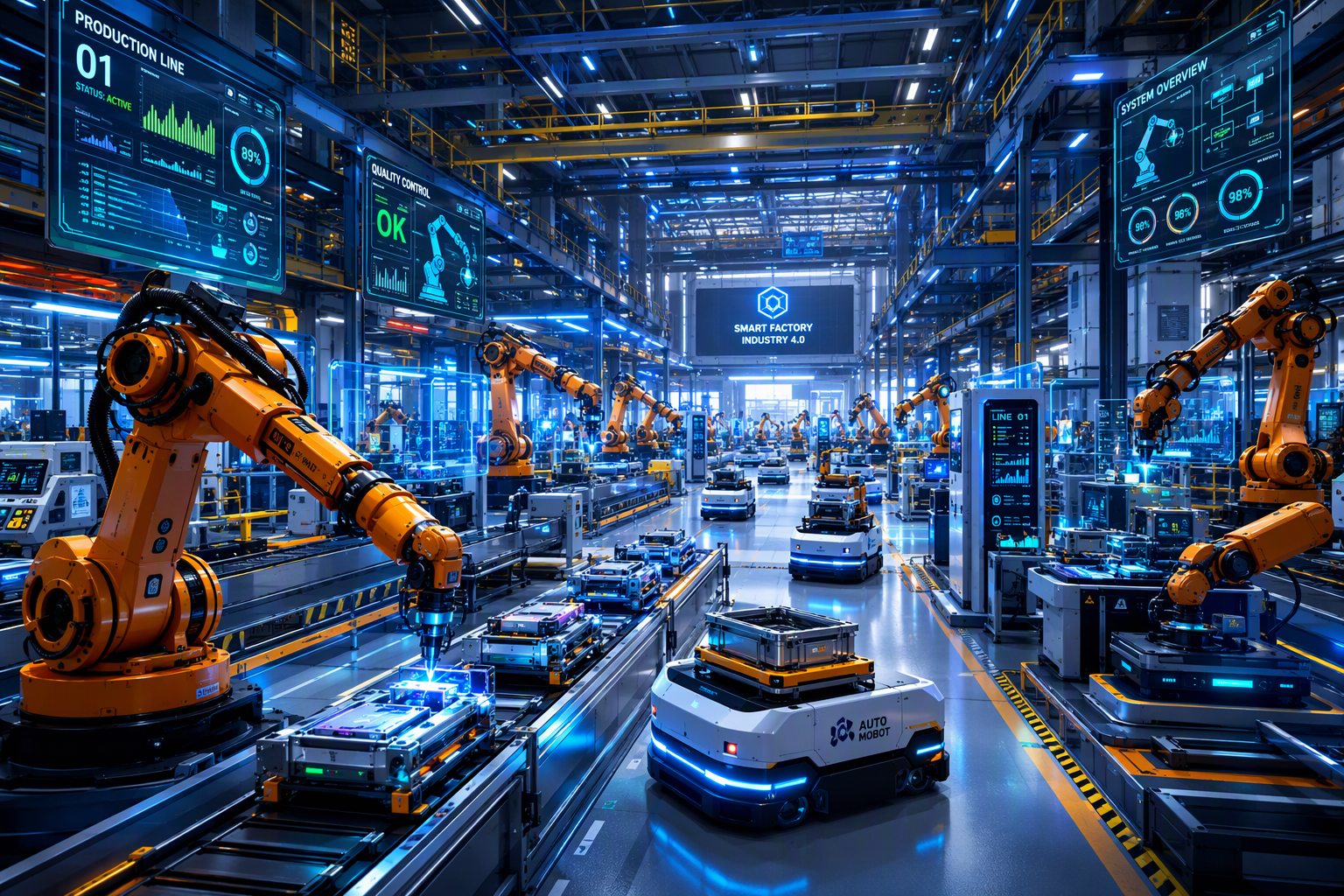
Industrial automation involves the use of machinery, control systems, and industrial robots to perform tasks in manufacturing and other industrial settings. This is one of the oldest and most recognizable forms of automation, fundamentally changing how products are made.
You can see its impact clearly on automotive assembly lines, where robots perform tasks like welding, painting, and assembling parts with incredible speed and precision. This not only increases production rates but also ensures a consistent level of quality that would be difficult to achieve with manual labor alone.
Companies like ABB and Fanuc specialize in creating these industrial automation solutions. Their technology helps manufacturers optimize their production processes, reduce physical strain on workers, and maintain a competitive edge in a global market.
Robotic Process Automation (RPA) in Business Operations
Robotic Process Automation (RPA) uses software robots, often called "bots," to automate repetitive, rule-based digital tasks. These bots are designed to mimic human actions by interacting with computer systems and software applications just like a person would.
Think of tasks like data entry, filling out forms, processing transactions, or extracting information from documents. RPA is perfect for these activities because they follow a clear set of rules and do not require human judgment or creativity. The software robots can log into applications, copy and paste data, and move files.
In business operations, RPA is widely used to streamline back-office processes. For example, it can automate invoice processing in the finance department, reducing manual errors and speeding up payment cycles. Companies like UiPath offer RPA solutions that are now used across many industries.
Intelligent Automation and Artificial Intelligence Integration
When automation is combined with artificial intelligence (AI), it evolves into what is known as intelligent or cognitive automation. This powerful integration enables systems to perform complex tasks that traditionally required human intelligence and cognitive skills.
This advanced form of automation leverages technologies like machine learning, natural language processing, and computer vision. With these capabilities, automated systems can analyze unstructured data, make informed decisions, and even learn from patterns over time to improve their performance.
A great example is in healthcare, where AI-powered tools analyze medical images to help radiologists identify anomalies more efficiently. This shows how integrating artificial intelligence allows automation to move beyond simple repetitive tasks and tackle challenges that require a deeper level of analysis and understanding.
Real-World Applications of Automation
The application of technology in automation is not just a futuristic concept; it's already a part of our daily lives and a cornerstone of modern industry. From the way you shop to how your healthcare is managed, automation technologies are working behind the scenes to make things faster, easier, and more efficient.
These systems are being used for everything from improving customer service with chatbots to performing routine system maintenance on IT networks. To better understand its widespread impact, let's look at some real-world examples of automation in action.
Everyday Examples of Automation in the United States
You might be surprised by how often you encounter automation in your everyday life. Home automation is a prime example, with smart devices like Amazon Alexa or Google Home controlling your lights, thermostat, and security systems with simple voice commands.
Beyond the home, automation is making a huge impact on major American industries. Here are a few notable examples:
- Agriculture: John Deere’s autonomous tractors use GPS and advanced sensors to perform farming tasks like planting, seeding, and soil analysis without a driver.
- Transportation: Companies like Waymo are at the forefront of developing autonomous vehicles, or self-driving cars, with the goal of making transportation safer and more efficient.
In addition, many commercial buildings use building automation systems to manage heating, ventilation, and lighting. This not only improves comfort but also optimizes energy consumption, saving money and reducing environmental impact.
Automation in Retail and Ecommerce
The retail and ecommerce industries have enthusiastically adopted automation solutions to enhance both operations and the customer experience. This use of information technology has become a key factor for success in a competitive market.
Ecommerce leader Amazon provides a perfect example with its robotic fulfillment centers. In these warehouses, autonomous robots move inventory, optimize storage, and help expedite order fulfillment, which is crucial for offering fast delivery times. This automation reduces the manual labor needed to process millions of orders.
In brick-and-mortar retail, you can see automation in self-checkout kiosks that improve customer flow and reduce wait times. Some stores are even experimenting with cashier-less technology that uses sensors and computer vision to track purchases. These innovations are designed to increase efficiency and boost customer satisfaction.
Automation in Healthcare, Finance, and Logistics
Automation is also making significant inroads in critical sectors like healthcare, finance, and logistics. In each of these fields, workflow automation is used to streamline complex processes, improve accuracy, and enhance service delivery.
In healthcare, automation aids in everything from patient care to diagnostics. Robotic surgery systems, for example, allow surgeons to perform minimally invasive procedures with greater precision. The finance industry relies on RPA for tasks like invoice processing and cloud automation for managing IT infrastructure. In logistics, automated systems are essential for warehouse management and quality control.
Here is a closer look at how automation is applied across these industries:
| Industry | Application of Automation |
|---|---|
| Healthcare | Workflow automation for patient care, AI-powered diagnostic tools |
| Finance | Robotic Process Automation for invoice processing and data entry |
| Logistics | Autonomous robots for warehouse management, drone delivery systems |
Benefits of Automation for Modern Businesses
For modern businesses, implementing automation is no longer a luxury but a strategic move that offers a host of compelling benefits. By automating a business process, you can fundamentally change how work gets done, leading to significant improvements across the board.
The advantages range from increasing your operational efficiency to your ability to reduce costs and errors. The positive impact on your bottom line and competitive standing can be substantial. Let's break down some of the key benefits of automation, including how it boosts productivity, cuts expenses, and fosters innovation.
Boosting Productivity and Efficiency
One of the most immediate and impactful benefits of automation is its ability to boost productivity. Automated systems can perform tasks around the clock without breaks, which dramatically accelerates operations and allows your business to accomplish more in less time.
When you streamline processes with automation, you reduce the time it takes to complete each task in a workflow. In manufacturing, this means higher production rates and faster output. In an office setting, it translates to quicker turnaround times for reports, data processing, and other administrative duties.
Furthermore, automation can lead to improved energy efficiency. Smart building systems, for example, optimize heating and lighting to reduce waste. This not only contributes to cost savings but also supports more sustainable business practices, adding another layer of efficiency to your operations.
Reducing Costs and Operational Errors
A major advantage of automation is its power to reduce both operational costs and errors. Although there may be an upfront investment to implement the technology, the long-term financial benefits are often significant.
By having machines automate manual tasks, your business can lower labor costs associated with repetitive work. More importantly, automated systems execute tasks with a high degree of precision, which drastically minimizes the risk of human error. These mistakes can be costly, leading to wasted materials, rework, or customer dissatisfaction.
This reduction in operational errors is especially valuable in functions like accounting or quality control. When you can trust that tasks like invoice processing or product inspection are handled consistently and accurately, you save time and money while improving the overall quality of your output.
Innovation, Competitive Edge, and Scalability
Beyond day-to-day efficiency, automation serves as a powerful catalyst for innovation and gives your business a significant competitive edge. Companies that effectively adopt automation become more agile and better equipped to respond to changing market demands.
This technology allows you to implement scalable solutions. As your business grows, you can increase output and handle more work without needing to proportionally increase your workforce. This flexibility helps you manage shifts in demand without sacrificing quality or speed.
Ultimately, automation shapes the future of work by freeing your employees from mundane tasks. This allows them to focus on high-value activities like strategic planning, creative problem-solving, and customer engagement. This shift fosters a culture of innovation that can lead to new products, services, and business models.
Conclusion
In summary, automation has become an integral part of modern businesses, driving efficiency and innovation across various sectors. By understanding its core concepts and applications, organizations can harness the power of automation to boost productivity, reduce operational errors, and maintain a competitive edge in today's fast-paced market. From enhancing manufacturing processes to transforming customer experiences in retail and healthcare, the benefits are significant and far-reaching. As you explore the potential of automation for your business, consider how these technologies can not only streamline operations but also foster growth and scalability. If you're ready to take the next step, don’t hesitate to reach out for a consultation to discuss how automation can work for you!
Frequently Asked Questions
What are the biggest challenges businesses face when implementing automation?
The biggest challenges often include the high initial cost of automation technologies and the complexity of integrating them with existing systems. Businesses also face the need to manage the transition for their workforce, which involves reskilling employees as manual tasks are replaced by process automation.
How does process automation work within an organization?
Business process automation works by using software applications and other automation solutions to manage a series of tasks in a workflow. It identifies repetitive tasks, maps them out logically, and then uses technology to execute them automatically. This reduces the need for manual intervention and improves overall efficiency.
Which industries benefit the most from automation technologies?
Many industries benefit greatly, but manufacturing, particularly automotive manufacturing, relies heavily on industrial automation. Other top sectors include healthcare for improving patient care, finance for streamlining IT processes and transactions, and retail and logistics for managing inventory and fulfilling orders with greater speed and accuracy.
You might also like