Understanding Automation: Benefits and Key Concepts
Understanding Automation: Benefits and Key Concepts

Key Highlights
Here are the key takeaways from our discussion on automation:
- Automation uses technology to perform tasks with minimal human intervention, boosting operational efficiency.
- The main types of automation include industrial, software, and robotic process automation (RPA).
- Key automation technologies like AI and machine learning are making systems smarter and more capable.
- From manufacturing floors to your smart home, automation is reshaping both industries and daily life.
- While it offers benefits like increased accuracy, adoption comes with challenges like workforce evolution.
- The future of work will be heavily influenced by advancements in automation.
Introduction
Have you ever wondered how so many tasks get done so quickly and accurately? The answer often lies in automation. In simple terms, automation is the use of technology to perform tasks that once required human intervention. This approach, also known as process automation, aims to streamline workflows, improve efficiency, and reduce errors. From the factory floor to the software on your computer, automation is a powerful force that is changing how we work and live.
Defining Automation and Its Significance
So, what exactly is automation? It is the application of technology to execute tasks and processes with little to no human help. Think of it as programming a computer or a robot to handle repetitive or complex activities that people traditionally performed. This use of technology allows for more streamlined and consistent results.
The significance of automation is immense. It works alongside human intelligence, freeing people from mundane work to focus on more creative and strategic challenges. The benefits of automation are clear: it boosts productivity, ensures precision, and drives innovation across countless industries.
Core Concepts Behind Automation Technology
At its heart, automation technology is built on the concept of process automation. This involves using various tools and systems to carry out a sequence of tasks automatically, requiring minimal human intervention to get the job done. The goal is to create a seamless flow of work that is both fast and reliable.
Organizations implement these automation solutions by using programming and algorithms. Developers write specific instructions that tell a machine or system how to behave in different situations. These instructions are the brain behind the operation, ensuring that every action is performed correctly and at the right time, from assembling a product to running a software update.
A key part of modern automation solutions is their ability to use data. For example, in marketing, automated systems can analyze customer data to send personalized ads. This data-driven approach helps businesses make smarter decisions and improve the customer experience, making automation a powerful tool for growth.
Historical Evolution of Automation
The historical evolution of automation is quite fascinating. The term itself was first coined back in 1946 by an engineering manager at General Motors. It was used to describe the automatic handling of parts on an assembly line, a process that revolutionized their manufacturing capabilities. Initially, it was all about making factories more efficient.
However, thanks to incredible technological advances, the concept quickly expanded far beyond its manufacturing roots. As computers became more powerful and software more sophisticated, automation found its way into finance, healthcare, and countless other fields. It was no longer just about physical robots but also about automating digital processes.
Today, we see the results of this long evolution everywhere. You can find it in advanced systems like John Deere’s autonomous tractors, which use GPS and sensors to farm land with incredible precision. This journey from simple factory mechanics to intelligent, self-guiding machines shows just how far automation has come.
The Role of Automation in Modern Society
In modern society, automation plays a crucial role that extends into nearly every aspect of our lives. Its primary function is to streamline processes and reduce the need for direct human involvement in repetitive or dangerous tasks. This shift doesn't just happen in factories; it's also transforming office work and daily routines.
You can see its impact on customer service, where AI-powered chatbots provide instant support to customers around the clock. This not only improves efficiency but also allows human agents to focus on more complex issues. By handling routine inquiries, automation enables better service and higher satisfaction.
This technological shift is also shaping the future of work. While some jobs may be displaced, automation is expected to create new roles that require different skills, like creativity and critical thinking. It is closely related to artificial intelligence, as AI gives automated systems the ability to "think," learn, and make decisions, pushing the boundaries of what's possible.
Major Types of Automation in Industries
When you hear the word automation, you might picture robots on an assembly line. While that's a big part of it, there are many different types of automation designed for various purposes. Each type uses technology to handle specific kinds of repetitive tasks, making processes smoother and more efficient.
From large-scale industrial automation in factories to business process automation in offices, the applications are diverse. Understanding these different forms helps you see how automation can be tailored to solve unique challenges across industries. Let’s explore some of the major types and what they do.
Industrial Automation and How It Works
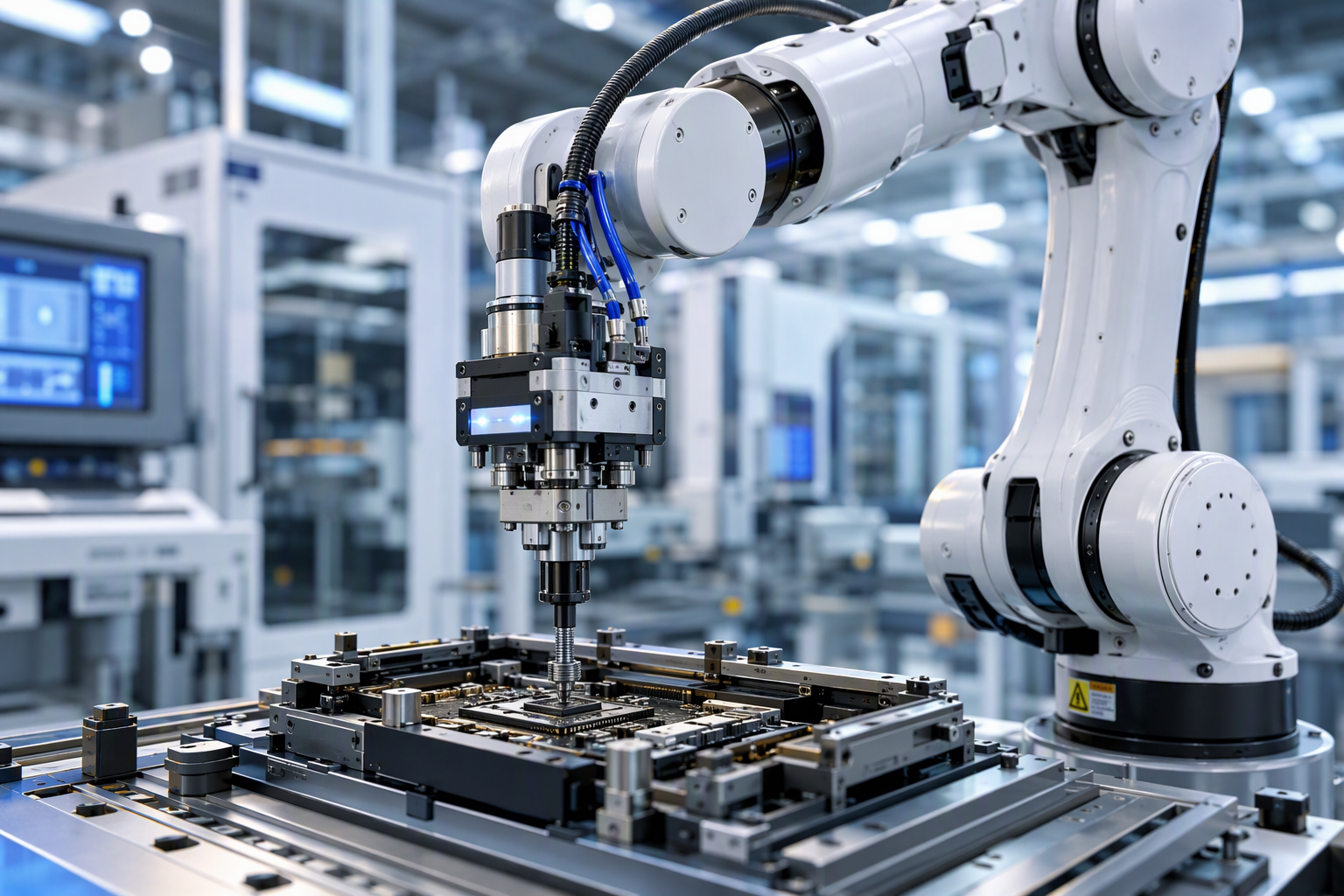
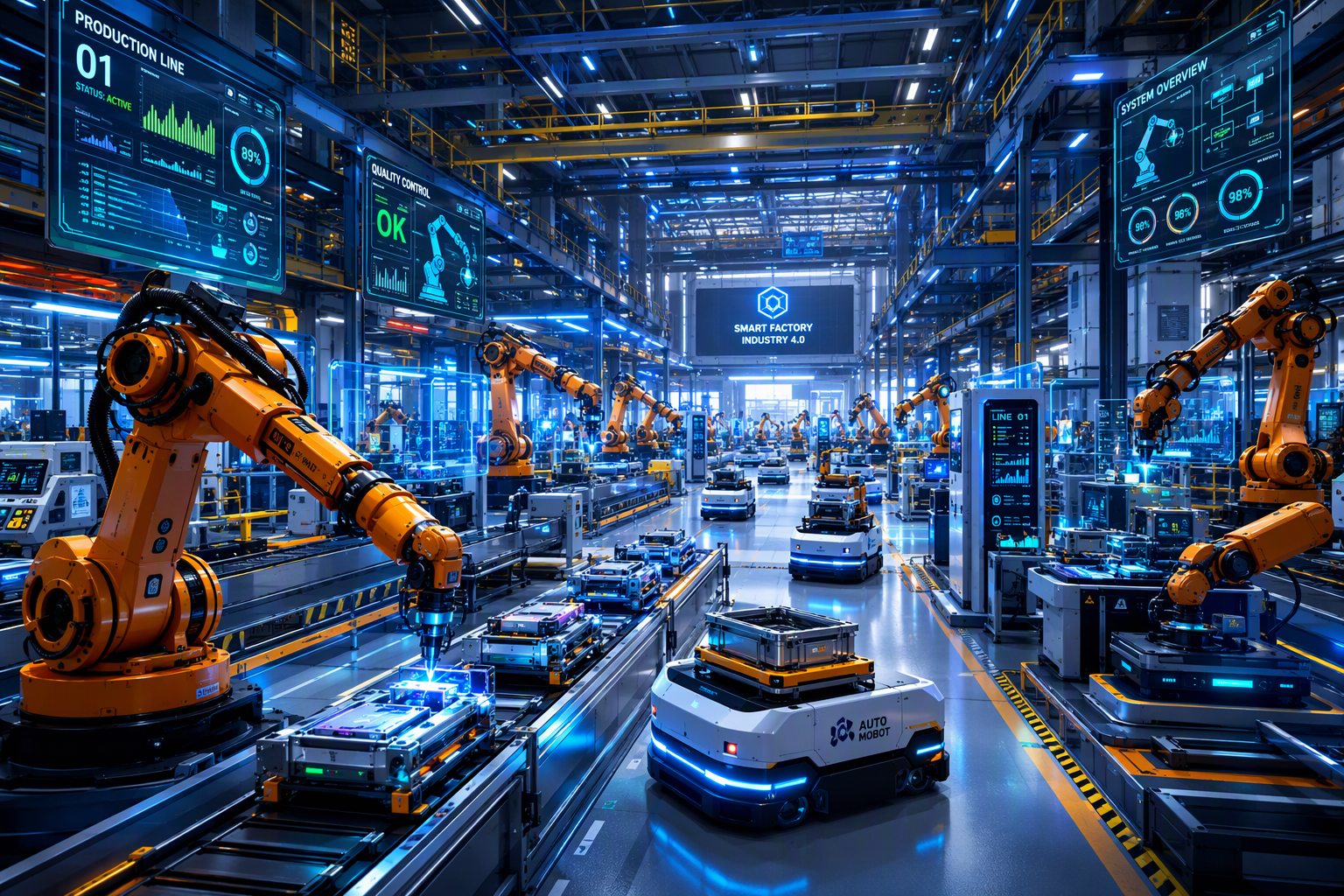
Industrial automation involves the use of control systems, machinery, and industrial robots to perform tasks within a manufacturing or industrial setting. It's the force behind modern factories, handling everything from assembly and packaging to inspection. The main goal is to increase production rates while maintaining high standards.
So how does it work? Imagine an automotive assembly line. Here, industrial robots are programmed to perform very specific actions, like welding car parts, painting the body, or tightening bolts with perfect precision. These machines work tirelessly and consistently, following their instructions without deviation, which is essential for quality control.
The result of this system is a dramatic increase in efficiency and output. Companies can produce goods faster and with fewer defects than with manual labor alone. This type of automation is fundamental to mass production, enabling businesses to meet high demand while keeping costs down.
Robotic Process Automation (RPA) Explained
Robotic Process Automation, or RPA, is a form of automation that uses software robots, often called "bots," to mimic human actions on a computer. These bots interact with digital systems just like a person would, but they do it faster and without getting tired. They are perfect for rule-based, repetitive tasks that don't require human judgment.
By automating these routine activities, businesses can significantly reduce human error and free up employees to work on more valuable projects. RPA is particularly popular for back-office functions where consistency and accuracy are key. This helps streamline operations and boosts overall productivity.
Common tasks automated with RPA include:
- Data entry and migration
- Invoice processing
- Generating reports from multiple systems
- Filling out forms
- Managing customer service requests
Business Process Automation (BPA) Applications
Unlike RPA which focuses on individual tasks, Business Process Automation (BPA) is about automating entire end-to-end business processes. This type of process automation looks at the bigger picture, optimizing workflows that might span multiple departments and involve a series of connected steps.
The core idea of BPA is rooted in business process management, where the goal is to make the entire organization run more smoothly. It achieves this through workflow automation, using software to manage everything from document approvals to employee onboarding. This ensures that processes are consistent, efficient, and transparent.
For example, a company might implement BPA to automate its hiring process. From the moment a candidate applies to the final job offer, the system can automatically route applications, schedule interviews, and send notifications. This streamlines the entire workflow, reduces manual effort, and creates a better experience for everyone involved.
Key Components and Tools of Automation
To bring automation to life, you need the right components and tools. These foundational elements work together to create powerful automation solutions that can tackle a wide range of tasks. The different automation technologies available today offer unique capabilities, from simple task execution to complex decision-making.
These technologies are delivered through various software applications and tools designed to make implementation easier. Whether it's an AI-powered platform or a simple scripting tool, having the right setup is crucial for success. Next, we’ll look at some of the key components that power modern automation systems.
Artificial Intelligence and Machine Learning in Automation
Artificial intelligence (AI) and machine learning (ML) are taking automation to a whole new level. While traditional automation follows pre-programmed rules, AI-powered automation solutions can handle complex tasks that require cognitive abilities like learning and decision-making. This is how automation becomes "smart."
These technologies allow systems to analyze unstructured data, recognize patterns, and adapt their behavior over time. For example, machine learning algorithms can predict when a piece of factory equipment is likely to fail, allowing for maintenance before a breakdown occurs. This predictive capability is a game-changer for many industries.
AI and ML leverage several key technologies to make automation solutions more powerful. Natural language processing (NLP) enables chatbots to understand and respond to human language, while computer vision allows systems to "see" and interpret the world, as seen in cashier-less stores.
| AI Technology | Application in Automation |
|---|---|
| Machine Learning | Predictive maintenance, analyzing data patterns |
| Natural Language Processing | AI-powered chatbots, understanding customer queries |
| Computer Vision | Cashier-less stores, quality control on assembly lines |
Low-Code and No-Code Platforms for Automation
One of the most exciting developments in automation is the rise of low-code and no-code platforms. These tools are designed to make automation accessible to everyone, not just expert developers. They offer a visual, drag-and-drop interface that allows users to build and deploy automation without writing complex code.
Low-code platforms require minimal coding knowledge, while no-code platforms require none at all. This empowers business users, sometimes called "citizen developers," to create their own software applications and automate their daily tasks. This is a huge step toward democratizing technology within an organization.
These platforms are an effective way to implement process automation and workflow automation quickly. Instead of waiting for the IT department, teams can build their own solutions for things like managing approvals or tracking projects. This accelerates innovation and allows organizations to adapt more rapidly to changing needs.
Integration of IoT Devices in Automation Systems
The integration of Internet of Things (IoT) devices is another key driver of modern automation systems. IoT devices are physical objects embedded with sensors and software that connect to the internet, allowing them to collect and exchange data in real-time. When connected to automation systems, they provide a constant stream of valuable information.
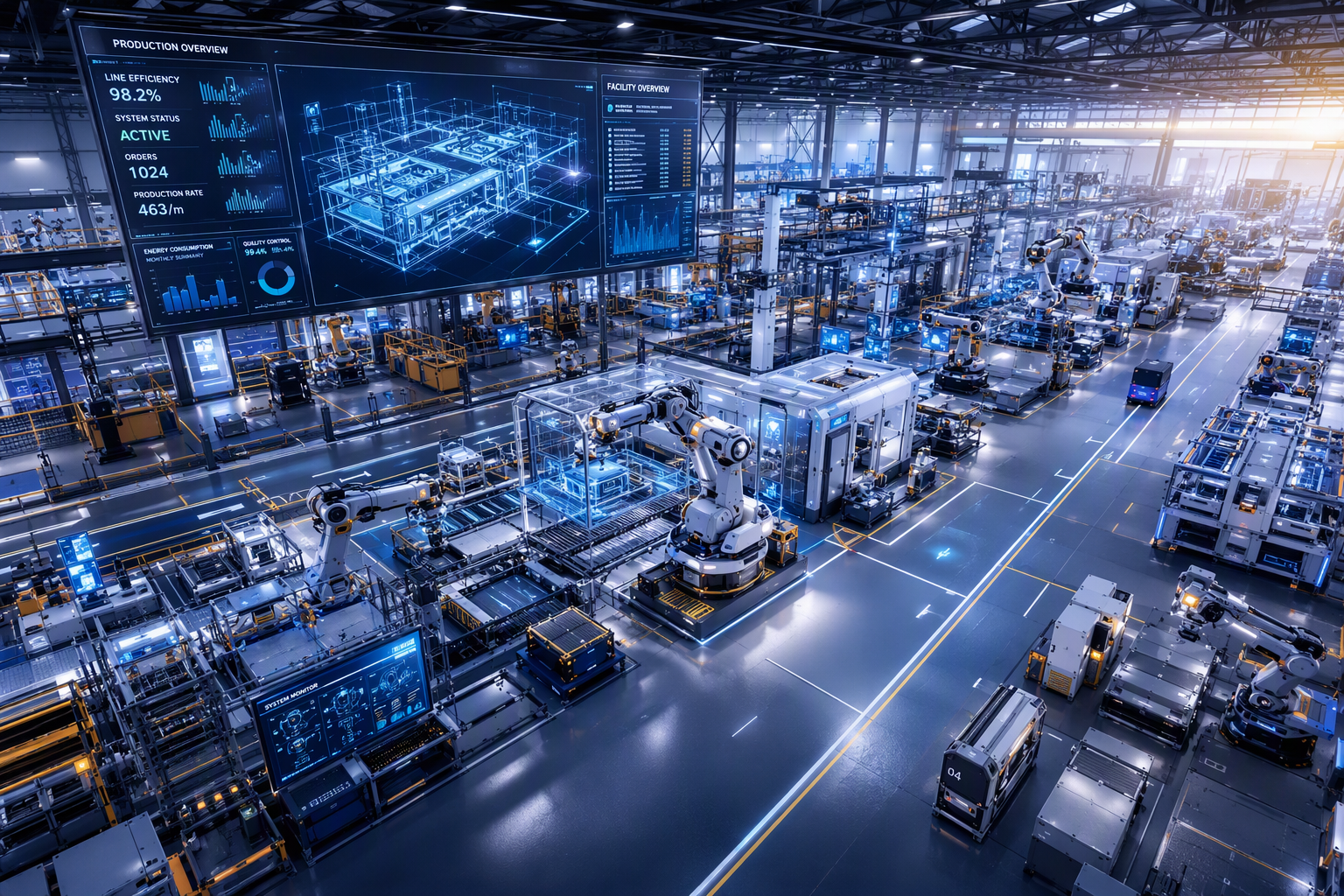
This data is crucial for advanced system monitoring and control. For instance, sensors in a smart factory can monitor temperature, pressure, and vibration on machinery. This information, often managed through cloud automation platforms, can trigger alerts or automatic adjustments to prevent issues and optimize performance, leading to better system maintenance.
The benefits for businesses and manufacturing are significant. Integrating IoT devices enables:
- Real-time system monitoring for immediate insights.
- Predictive maintenance to prevent costly downtime.
- Improved operational efficiency through data-driven decisions.
- Enhanced safety by monitoring hazardous environments remotely.
Automation in Everyday Life
Automation isn't just for big businesses and factories; it has also found its way into our daily lives. The same principles that drive industrial efficiency are now making our homes smarter and our routine tasks easier. This is a perfect example of the broad application of technology changing how we live.
Thanks to advances in information technology, concepts like home automation have become a reality for many. From your thermostat to your coffee maker, automation is quietly working in the background to add convenience and efficiency to your day. Let's look at some specific examples.
Examples of Home and Personal Automation
Home automation is all about integrating smart devices to manage household functions with minimal human intervention. It’s like having a personal assistant that takes care of things for you. This technology is a smaller-scale version of the building automation systems used in large commercial spaces, focusing on convenience, security, and energy efficiency.
These systems use a network of connected devices that you can control from your smartphone or with your voice. The goal is to create a living environment that is responsive to your needs, saving you time and effort on daily chores. These systems are powered by sophisticated software, much like software robots in a business setting.
Here are some common examples of home automation you might already use:
- Smart thermostats that learn your schedule and adjust the temperature.
- Smart lighting that you can control remotely or set to turn on automatically.
- Virtual assistants like Amazon Alexa or Google Home that play music or answer questions.
- Automated security systems with smart locks and cameras.
- Robotic vacuums that clean your floors on a schedule.
Automation in Healthcare, Retail, and Transportation
Beyond our homes, automation is transforming major industries. In healthcare, automation solutions are revolutionizing patient care. Robotic surgical systems allow for more precise, minimally invasive procedures, while AI-powered tools help radiologists analyze medical images faster and more accurately.
The retail industry has also embraced automation to boost operational efficiency. You can see it in cashier-less stores like Amazon Go, where customers can just grab what they need and leave. Behind the scenes, automated warehouses use robots to sort and ship orders at incredible speeds.
Transportation is another sector undergoing massive change, with the development of autonomous vehicles promising a future of self-driving cars, trucks, and drones. This builds on a long history of automation in the industry, from the first automotive assembly lines to the sophisticated robotics used in car manufacturing today. Manufacturing, healthcare, retail, and logistics are among the industries that rely most heavily on automation.
Benefits and Challenges of Automation
As we've seen, the advantages of automation are impressive. By using workflow automation, businesses can dramatically reduce human error, speed up processes, and improve customer satisfaction. The potential for increased efficiency and productivity is a powerful motivator for adoption across all industries.
However, embracing automation also comes with its own set of challenges. The initial investment can be high, and the impact on the workforce requires careful consideration. To get a complete picture, it's important to look at both the benefits and the potential hurdles of implementing this technology.
Primary Advantages for Businesses and Manufacturers
For businesses and manufacturers, the primary benefit of automation is a significant boost in operational efficiency. By implementing business process automation, companies can streamline their workflows, allowing them to get more done in less time and with fewer resources. This leads directly to higher productivity.
Another key advantage is enhanced accuracy. Automated systems perform tasks with precision and consistency, which greatly reduces human error. This is especially important for quality control, as it ensures that every product or service meets the same high standard. Higher production rates are another direct result of this consistency.
The overall impact on a business can be transformative. Here are some of the main advantages:
- Improved operational efficiency and productivity.
- Enhanced accuracy and better quality control.
- Significant long-term cost reduction.
- Faster production rates.
- Improved safety in hazardous work environments.
Common Challenges and Considerations with Adoption
Despite its many benefits, automation adoption is not without challenges. One of the biggest hurdles is the initial cost. Implementing new technologies, purchasing equipment, and training staff can require a substantial upfront investment that may be difficult for some organizations to manage.
Another major consideration is the impact on the workforce. As automation takes over manual tasks, there is a shift in the skills required. This necessitates a focus on reskilling and upskilling employees so they can transition to new roles that require human involvement in different ways, such as overseeing automated systems or handling more strategic work.
Finally, not all processes are easy to automate. While simple, repetitive tasks are ideal candidates, complex business processes that require human judgment, creativity, or empathy can be very difficult to automate effectively. Businesses must carefully evaluate which processes will truly benefit from automation.
Conclusion
In summary, automation is not just a technological trend but a fundamental shift that can enhance efficiency and productivity across various sectors. By understanding core concepts and types of automation, businesses and individuals alike can leverage these advancements to streamline processes and improve overall quality of life. From industrial settings to everyday tasks, the benefits of integrating automation are vast, albeit accompanied by certain challenges that necessitate careful consideration. As you explore automation for your own needs, remember that embracing this technology can lead to significant improvements in both professional and personal spheres. To further your journey into automation, feel free to reach out for more insights or assistance!
What are the benefits of automation?
Automation offers numerous benefits, including increased efficiency, reduced operational costs, and improved accuracy. By streamlining repetitive tasks, businesses can enhance productivity and allocate resources more effectively. Additionally, automation minimizes human error, allowing teams to focus on strategic initiatives that drive growth and innovation within the organization.
You might also like