Automation Tips: Streamline Your Processes for Success
Automation Tips: Streamline Your Processes for Success
Key Highlights
Here are the key takeaways from our guide to automation:
- Automation technologies use machines and software to perform tasks with minimal human input, helping to reduce human error.
- Process automation is a core part of digital transformation, streamlining workflows and boosting efficiency across industries.
- The benefits of automation include significant cost savings, increased productivity, and enhanced accuracy in business operations.
- Artificial intelligence and machine learning are making automation smarter, enabling systems to handle complex, decision-based tasks.
- From manufacturing to your home, automation is reshaping how we work and live.
Introduction
Are you looking for ways to make your work easier and more efficient? Automation might be the answer you need. It's all about using technology to handle tasks that would otherwise require human intervention. By implementing smart solutions, you can streamline processes, reduce repetitive work, and free up your team to focus on what truly matters. This approach is transforming business processes across the globe, leading to greater productivity and success.
Understanding Automation: Key Concepts and Definitions
At its core, automation is the use of technology to perform tasks with minimal human intervention. It’s designed to take over repetitive tasks, allowing computer systems or machines to manage them for you. This frees up your time and energy for more complex and creative challenges.
These automation technologies range from simple scripts to advanced artificial intelligence systems. Through process automation, businesses in manufacturing, finance, healthcare, and many other industries can improve their workflows, ensure consistency, and operate more efficiently. Below, we'll explore what automation means, how it has evolved, and why it's so critical today.
Official definitions from leading sources
Defining automation can help clarify its purpose. Generally, it is described as the use of technology to execute tasks that would otherwise require human involvement. The goal is to create systems that can operate on their own, following a set of pre-programmed instructions.
The term itself isn't new. It was first coined by General Motors back in 1946 to describe the automatic handling of parts during manufacturing. This early form of process automation focused on making factory work faster and more consistent.
Today, the definition has broadened to include business process automation in office environments and beyond. It now encompasses a wide range of automation technologies that streamline workflows, from simple data entry to complex decision-making, all while reducing the need for constant human oversight
The evolution of automation in technology and industry
The journey of automation has been a long and fascinating one. Starting in the mid-20th century with factory machines, it was initially about replacing strenuous human labor with mechanical power. This marked the first big step in using technology to boost production.
With the rise of computers, automation entered a new phase. This digital transformation brought software into the picture, allowing businesses to automate administrative and IT tasks. As new technologies emerged, the scope of what could be automated expanded dramatically, fueling business growth.
Now, we are in an era of intelligent automation, powered by AI and machine learning. Modern systems can learn, adapt, and make decisions, pushing the boundaries far beyond simple repetitive tasks. This continuous evolution shows how automation has become an integral part of modern industry and daily life.
Why automation matters for businesses today
For any business aiming to thrive, embracing automation is no longer an option—it's a necessity. One of the key benefits of automation is the significant improvement in operational efficiency. When you automate repetitive business processes, tasks get done faster and more accurately, freeing your employees to focus on strategic work.
Furthermore, automation can lead to substantial reductions in labor costs. While there's an initial investment, the long-run savings from reduced manual work and fewer errors often provide a strong return. This financial advantage helps companies allocate resources more effectively.
Ultimately, integrating automation gives your business a powerful competitive edge. By streamlining operations and improving productivity, you can respond more quickly to market demands, innovate faster, and deliver better value to your customers, solidifying your position in the industry.
Main Types of Automation in Modern Workplaces
Automation isn't a one-size-fits-all concept. There are several different types of automation, each suited for different needs and industries. Understanding these variations can help you find the right automation solutions for your specific challenges.
From industrial automation that powers factories to business process automation that streamlines office workflows, the applications are vast. In the following sections, we will look at some of the main types of automation you'll find in modern workplaces and how they function to improve efficiency and productivity.
Industrial automation and factory systems
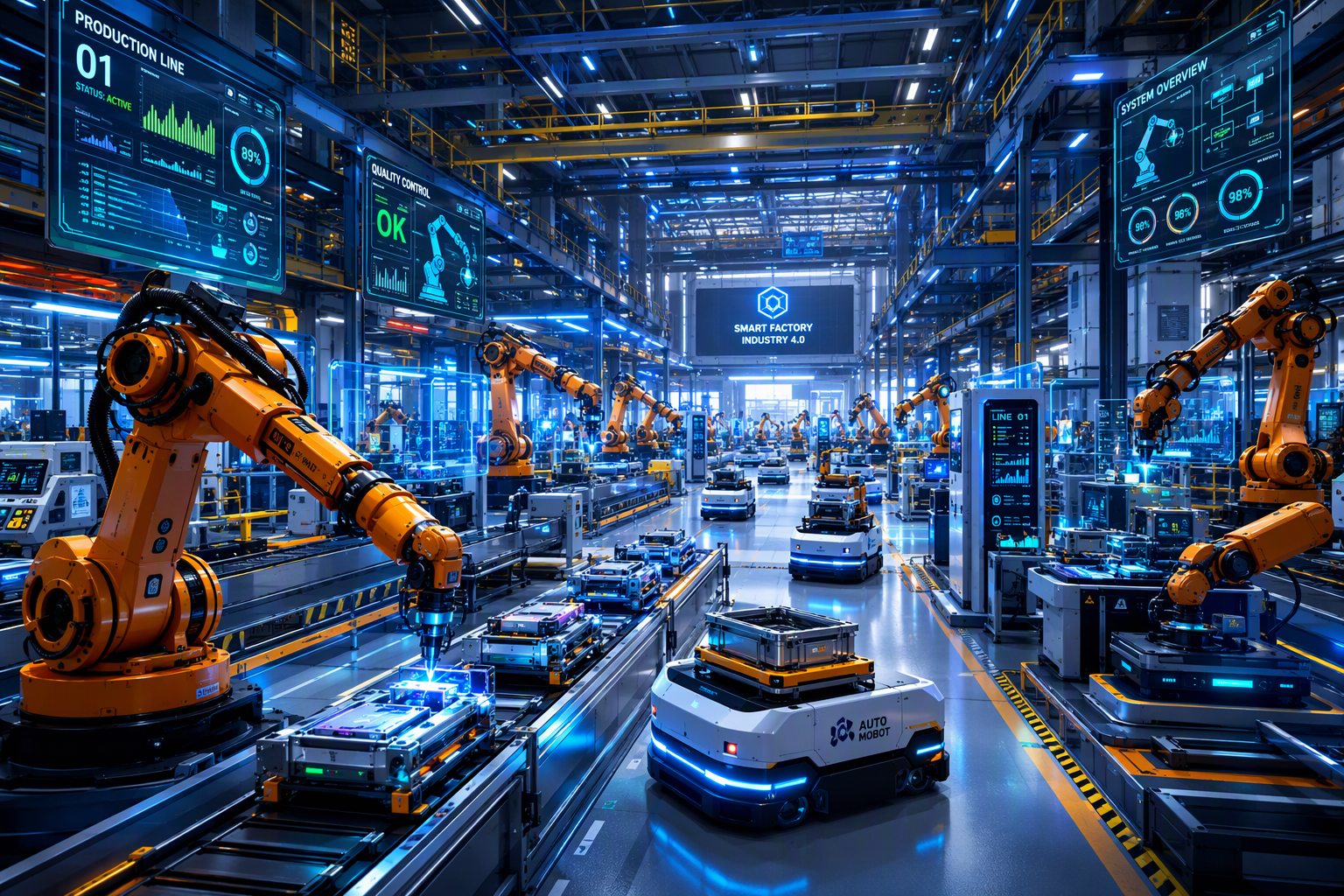
Industrial automation is what many people first think of when they hear the word "automation." It involves using machinery and control systems to manage tasks in manufacturing and other industrial settings. Think of automated production lines where products move seamlessly from one station to the next.
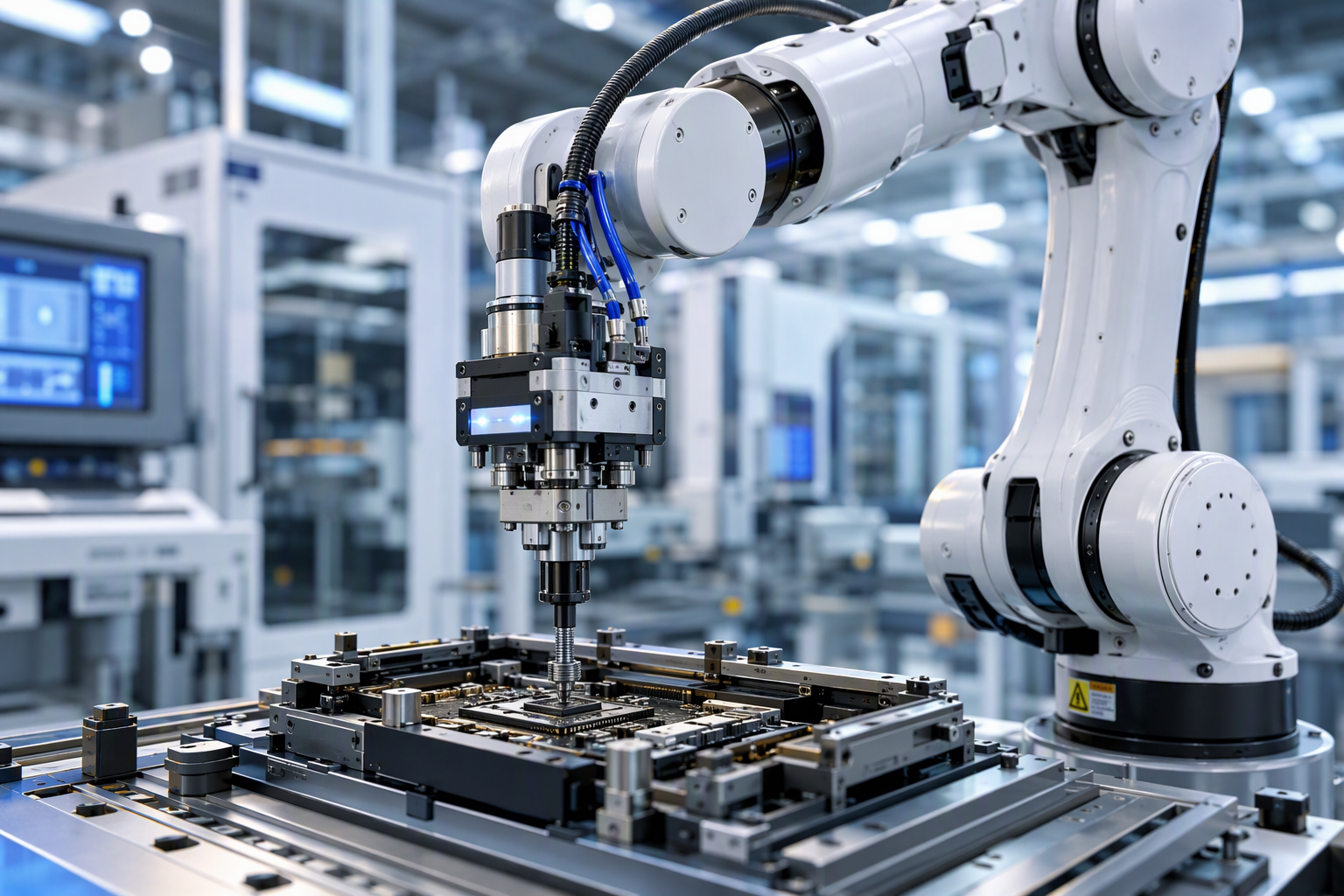
A common sight in these environments is the robotic arm. These robots are programmed to perform specific actions with incredible precision, such as welding car parts, assembling electronics, or packaging finished goods. This level of automation drastically increases production speed and consistency.
By taking over repetitive and physically demanding tasks, industrial automation minimizes the potential for human error and creates a safer working environment. With the integration of machine learning, these systems are becoming even smarter, capable of optimizing their own performance and predicting maintenance needs.
Business process automation (BPA)
Business process automation, or BPA, focuses on streamlining entire end-to-end workflows within an organization. Instead of just automating a single task, BPA looks at the bigger picture, connecting multiple steps and departments to create a more efficient system.
This type of automation is perfect for handling repetitive tasks that are common in office environments. A great example is invoice processing. BPA can automatically extract data from an invoice, get it approved by the right person, and schedule the payment, all without manual intervention.
Implementing BPA helps reduce labor costs and improves accuracy by removing manual data entry. It can also integrate with legacy systems, modernizing outdated processes and allowing your team to focus on higher-value activities that require human creativity and critical thinking.
Robotic process automation (RPA) fundamentals
Robotic process automation (RPA) uses "software robots" or "bots" to mimic human actions on a computer. These bots can interact with digital systems just like a person would—clicking, typing, copying, and pasting information between applications.
RPA is ideal for rule-based, high-volume tasks that don't require complex decision-making. Common use cases include data entry, processing transactions, and managing customer records. For example, a bot can be programmed to handle order fulfillment by logging into a system, processing an order, and updating the inventory.
The beauty of RPA is its ability to work with existing applications without needing complex integrations. By automating these manual processes, RPA significantly reduces the need for human involvement, leading to faster turnaround times, fewer errors, and increased productivity in back-office operations.
Smart Manufacturing and Digital Transformation
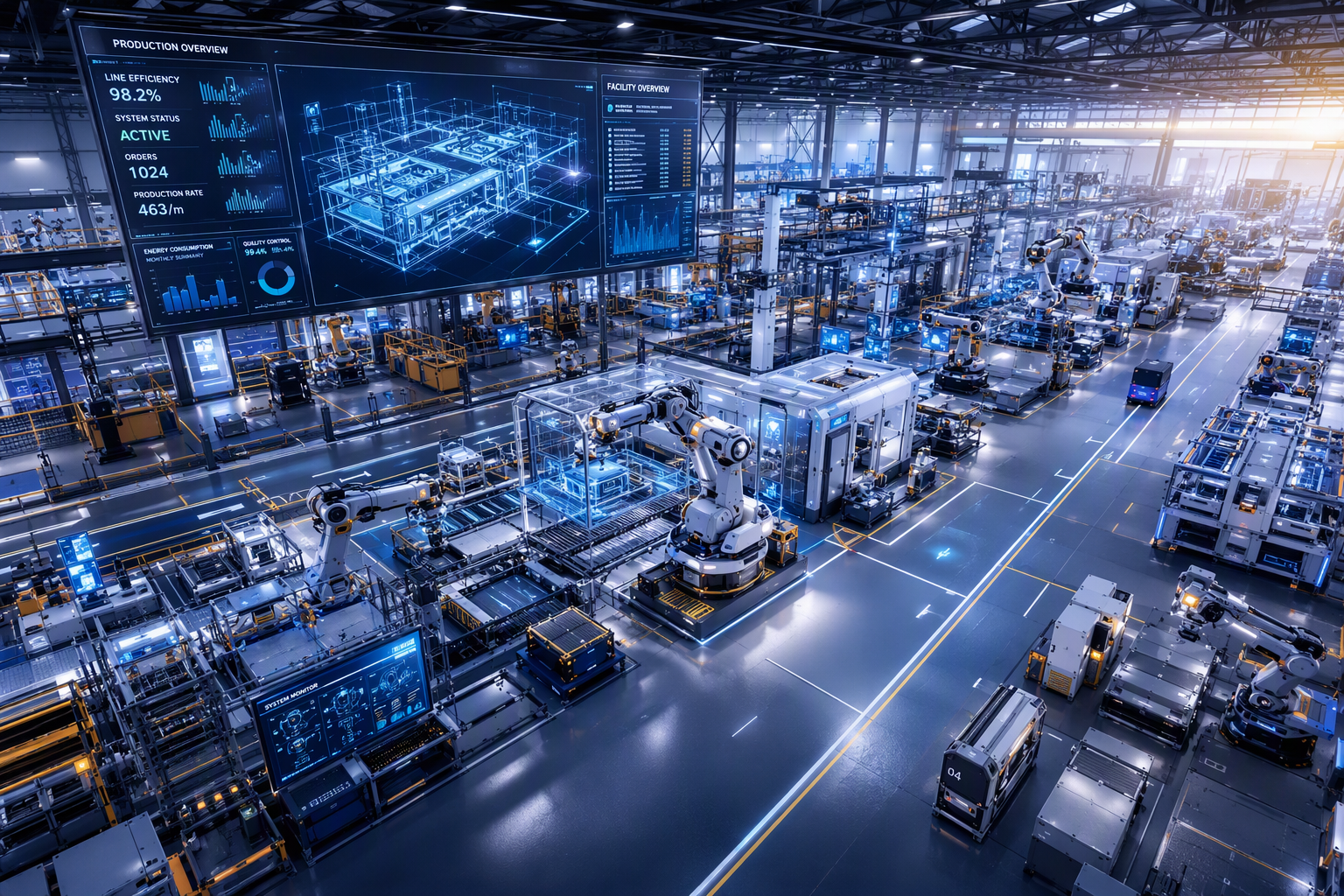
The manufacturing industry is undergoing a major shift, thanks to smart manufacturing. This evolution is a key element of the broader digital transformation, where traditional factory floors are becoming interconnected, intelligent ecosystems. It combines industrial automation with cutting-edge technologies like the Internet of Things (IoT) and machine learning.
This move toward smarter factories is revolutionizing how products are made. By leveraging data and connectivity, companies can achieve new levels of efficiency and flexibility. Let’s explore what smart manufacturing is and how it's being applied in the real world.
What is smart manufacturing?
Smart manufacturing refers to a highly connected and data-driven approach to production. It involves integrating advanced automation systems throughout the factory floor, allowing machines, sensors, and computers to communicate with each other in real-time.
At the heart of smart manufacturing is the use of technologies like artificial intelligence and the Internet of Things (IoT). These tools collect vast amounts of data from the production process, which can then be analyzed to optimize operations, improve quality, and increase flexibility.
One of the most powerful applications of this approach is predictive maintenance. By analyzing data from machinery, AI algorithms can predict when a piece of equipment is likely to fail. This allows maintenance to be scheduled proactively, preventing costly downtime and keeping the factory running smoothly.
Real-world applications of automation in manufacturing
Industrial automation is already making a huge impact in factories around the world. Companies are using these technologies to boost production rates, improve quality control, and streamline their entire operations from start to finish.
Many leading brands have successfully integrated automation. For example, Tesla's Gigafactories use a high degree of automation to assemble electric vehicles, while Amazon's fulfillment centers rely on robots to manage inventory and expedite order processing. These examples show how automation can handle complex tasks at scale.
Here are a few more real-world applications:
- BMW uses collaborative robots, or "cobots," to work alongside human employees, assisting with heavy lifting and precise assembly tasks.
- Nestlé automates everything from mixing ingredients to packaging final products, ensuring consistency and high output.
- Coca-Cola employs automated bottling plants to manage filling, labeling, and quality checks, maintaining high stock levels efficiently.
Role of AI and machine learning in factory automation
Artificial intelligence (AI) and machine learning are taking factory automation to the next level. Instead of just performing pre-programmed tasks, modern automated systems can now analyze data, learn from it, and make intelligent decisions on their own.
One key area where AI shines is quality control. AI-powered vision systems can inspect products on an assembly line with superhuman accuracy, identifying tiny defects that a human inspector might miss. This ensures that only high-quality products make it to the customer.
These technologies also play a crucial role in improving operational efficiency. For instance, predictive maintenance uses machine learning algorithms to anticipate equipment failures before they happen, preventing unexpected downtime. By optimizing processes and resources, AI and machine learning help manufacturers stay competitive and productive.
Exploring Automation Tools and Platforms
To bring the power of automation to your business, you'll need the right tools. A variety of automation tools and platforms are available, each designed to help you implement process automation effectively. These solutions can handle everything from simple task automation to complex, enterprise-wide workflows.
By using these platforms, you can reduce the need for human intervention in routine tasks, lower labor costs, and free up your team for more strategic initiatives. Let’s look at some of the leading platforms and the features that make them so effective.
Introduction to leading automation platforms (e.g., Automation Anywhere)
Several powerful automation platforms are available to help businesses deploy automation solutions. Companies like Automation Anywhere and UiPath are leaders in the field, providing tools to build, manage, and scale software robots across an organization.
These platforms offer user-friendly interfaces that allow you to design automation workflows without needing extensive coding knowledge. They are used for a wide range of use cases, from automating back-office processes in finance to streamlining customer service interactions.
For instance, a large bank used UiPath to automate its loan processing system, cutting the time from days to just hours. This demonstrates how these automation platforms can deliver real-world results.
| Platform | Key Use Cases |
|---|---|
| Automation Anywhere | Automates complex business processes, integrates AI capabilities. |
| UiPath | Specializes in RPA for back-office tasks and data entry. |
| Microsoft Power Automate | Connects various apps and services to create automated workflows. |
| Zapier | Automates tasks between different web applications. |
Features that drive efficiency in automation software
Effective automation software is packed with features designed to maximize efficiency and deliver a strong return on investment. These tools go beyond simple task execution to offer comprehensive solutions for improving your business processes.
One of the most important features is a visual workflow designer. This allows you to map out your processes easily, making it simple to build and modify automations with minimal human intervention. This drag-and-drop functionality opens up automation to users who may not have a technical background.
Ultimately, the goal is to drive tangible benefits. Look for features that support this, such as:
- Analytics and reporting: To track performance and identify areas for improvement.
- Scalability: The ability to deploy and manage a large number of bots as your needs grow.
- Integration capabilities: To connect with a wide range of applications and systems you already use.
- AI and machine learning: For handling more complex tasks and enabling smarter decision-making, leading to greater cost savings.
Implementation tips for successful automation adoption
Adopting new automation systems can be a smooth process if you plan carefully. A successful implementation is about more than just technology; it's about choosing the right processes to automate and preparing your team for the change.
Start by identifying tasks that are repetitive, rule-based, and time-consuming. These are the low-hanging fruit for automation and can provide quick wins that demonstrate value. Avoid trying to automate overly complex processes that require nuanced human actions and judgment right from the start.
To ensure long-term success and drive business growth, follow these tips:
- Start small: Begin with a pilot project to test your approach and measure the results.
- Involve your team: Get input from the employees who perform the tasks you want to automate.
- Set clear goals: Define what you want to achieve with automation, such as improved operational efficiency or reduced errors.
- Plan for change: Provide training and support to help your team adapt to new roles and workflows.
Everyday Examples: Automation in Daily Life
Automation isn't just for factories and offices; it's all around us in our daily lives. From the smart devices in our homes to the seamless shopping experience we enjoy online, automation systems are working behind the scenes to make things more convenient and efficient.
You might be surprised by how often you interact with automation. In the sections below, we'll explore some common examples, including home automation, retail innovations, and advancements in customer service and logistics automation that you probably use every day.
Home automation and smart devices
Home automation has brought the power of technology right into our living rooms. It involves connecting various smart devices throughout your house to a central system, allowing you to control them with minimal human intervention.
Smart speakers like Amazon Alexa and Google Home are perfect examples. Using artificial intelligence, they can understand your voice commands to play music, set timers, or answer questions. Smart thermostats, such as those from Nest, learn your preferences and automatically adjust the temperature to save energy and keep you comfortable.
These smart devices offer incredible convenience by automating routine household tasks. You can program your lights to turn on when you arrive home or set your coffee maker to start brewing before you wake up. This is automation working to make your daily life simpler and more efficient.
Retail automation and customer experience
Retail automation is transforming the way we shop, both online and in physical stores. Retailers are using technology to enhance the customer experience, streamline operations, and achieve significant cost savings.
One of the most visible examples is the rise of self-checkout kiosks in stores like Walmart and Kroger. These systems allow you to scan and pay for your items without waiting for a cashier. For a completely checkout-free experience, stores like Amazon Go use sensors and computer vision to track what you take and bill you automatically.
Behind the scenes, automation is just as important. Automated warehouses use robots for order fulfillment and inventory management, ensuring that products are shipped quickly and accurately. This level of automation is essential for meeting the fast delivery expectations of modern consumers.
Automation in finance, healthcare, and logistics
The influence of automation technologies extends into many other critical sectors. In finance, banks like JPMorgan Chase use Robotic Process Automation (RPA) to handle tasks like data entry and transaction processing, reducing errors and freeing up staff for more complex work.
Healthcare automation is also making huge strides. Robotic surgery systems, like the da Vinci system, allow surgeons to perform minimally invasive procedures with incredible precision. AI-powered data analytics tools are helping doctors diagnose illnesses faster by analyzing medical images and patient data.
In the world of logistics, automation is revolutionizing the supply chain. Companies like Waymo are developing self-driving trucks to make transportation more efficient, while DHL is experimenting with drones for last-mile delivery. These advancements are making logistics automation faster, safer, and more reliable.
Conclusion
In summary, embracing automation can significantly enhance your business processes and overall productivity. By understanding the various types of automation, from industrial systems to smart manufacturing, you can identify the best approaches for your specific needs. The integration of AI and machine learning into these processes not only streamlines operations but also drives innovation within your organization. Furthermore, everyday
examples of automation in our lives demonstrate its wide-reaching impact and potential for success. Don't wait to transform your workflows—start implementing automation strategies today and experience the difference it can make for your business. If you’re interested in exploring how automation can specifically benefit you, feel free to reach out for assistance!
Frequently Asked Questions
What are the major benefits of implementing automation?
The major benefits of automation include increased efficiency, enhanced accuracy, and significant cost savings. By implementing process automation, businesses can reduce labor costs, minimize errors, and free up employees to focus on strategic tasks, which in turn helps drive business growth and gives them a competitive edge.
How does industrial automation work in factories?
Industrial automation works by using automation systems, such as robots and machinery, on production lines to perform repetitive tasks like assembly and packaging. This approach increases production speed, reduces human error, and improves safety. Modern systems often incorporate machine learning to optimize processes and predict maintenance needs.
What are the most common types of automation technologies?
The most common automation technologies include industrial automation, which uses industrial robots in factories; robotic process automation (RPA), which uses software bots for office tasks; business process automation (BPA), for end-to-end workflows; and home automation for smart devices. Each type serves a different purpose to improve efficiency.
You might also like