Growth and Challenges in the Industrial Automation Industry
Growth and Challenges in the Industrial Automation Industry
Key Highlights
- Industrial automation uses automation systems to run the manufacturing process with less manual effort and better consistency.
- Modern control tools improve quality control, reduce human error, and support safer production lines.
- The main system types include fixed, programmable, flexible, and integrated setups for different production needs.
- Artificial intelligence supports predictive maintenance, machine vision, and faster decision-making in smart factories.
- Growth is rising as companies seek better efficiency, stronger supply chain performance, and improved flexibility.
- Key challenges include cybersecurity, legacy systems, workforce training, and high upfront costs.
Introduction
Industrial automation is changing how companies run industrial processes every day. Instead of depending on constant manual effort, businesses now use automation systems, software, and connected machines to improve speed, consistency, and safety. That shift matters because markets move fast, and production problems can be costly. If you want to understand why this industry is growing, where it adds value, and what barriers still exist, this guide breaks down the essentials in a simple, practical way.
Understanding Industrial Automation in Modern Industries
At its core, industrial automation is the use of automation technology to run industrial processes with minimal human input. In modern manufacturing, that often means machines and software handling routine tasks while people focus on supervision, planning, and improvement.
What makes this possible? Control systems connect sensors, controllers, and equipment into a feedback loop. These tools watch conditions, process data, and respond in real time. That is how industrial automation helps factories operate faster, more safely, and with better consistency across changing production demands.
Definition and Core Principles of Industrial Automation
Industrial automation means using machines, software, and computerized equipment to manage a manufacturing process with minimal human intervention. Instead of workers manually controlling every step, the system handles many actions automatically. People still matter, but their role shifts toward oversight, programming, and decision-making.
The core idea is simple: use control logic to keep work consistent and efficient, guided by use cases. Sensors detect what is happening, controllers interpret that information, and machines respond. This creates a process control loop that can maintain output, reduce mistakes, and improve repeatability.
In practical terms, industrial automation replaces many repetitive adjustments with programmed actions. That helps the manufacturing process stay stable even during long production runs. As a result, companies can improve quality, increase output, and reduce strain on workers without giving up visibility into operations.
How Industrial Automation Systems Work
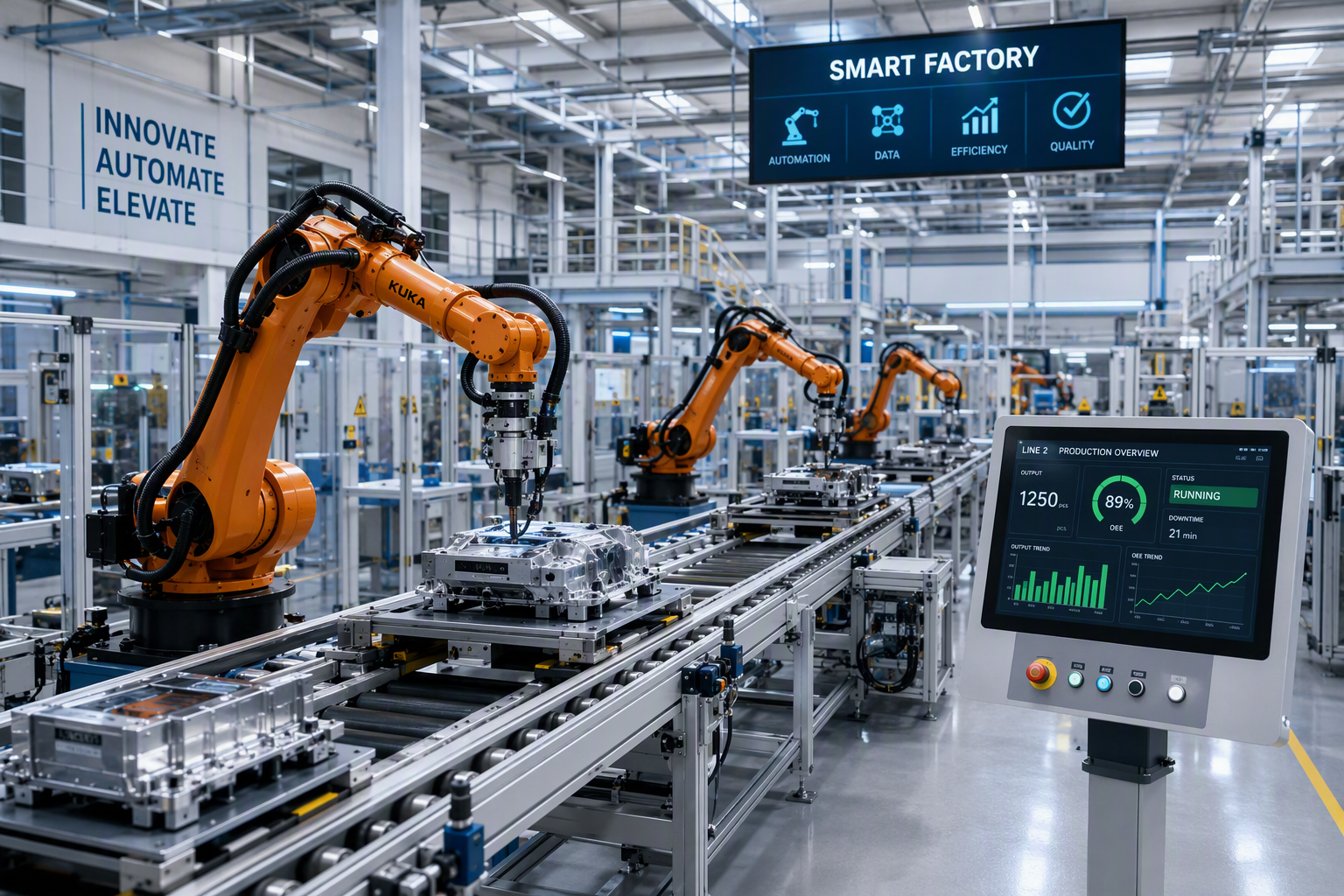
Automation systems work through a connected chain of sensing, decision-making, and action. First, sensors detect conditions on a machine or production line. Then controllers receive those signals and decide what should happen next based on programmed rules.
Next, actuators, motors, and robotic equipment carry out the required movement or adjustment. with effective motion control. Industrial networks keep devices connected, while software and operator screens show what is happening in real time. This makes process automation easier to monitor and manage.
Because of this setup, many repetitive tasks can run with far less human intervention. Control systems help machines respond quickly and consistently, which supports faster output and fewer errors. You get a process that is easier to scale and less dependent on added manual labor to meet demand.
Historical Perspective and Industry Evolution
Industrial automation did not appear overnight. Its roots go back to the Industrial Revolution, when mechanization began changing how goods were made. Early systems reduced physical effort, but they still relied heavily on human labor for setup, control, and adjustment.
As factories expanded, the production line became a major step forward. Companies introduced specialized machines designed to repeat the same task again and again. This form of hard automation worked well in high-volume settings where products stayed largely unchanged.
Today, modern automation goes much further. Digital control, robotics, and connected software allow systems to adapt, communicate, and improve performance in real time. The industry has moved from simple machine support to highly coordinated operations where equipment, data, and people work together more effectively.
Key Types of Industrial Automation Systems
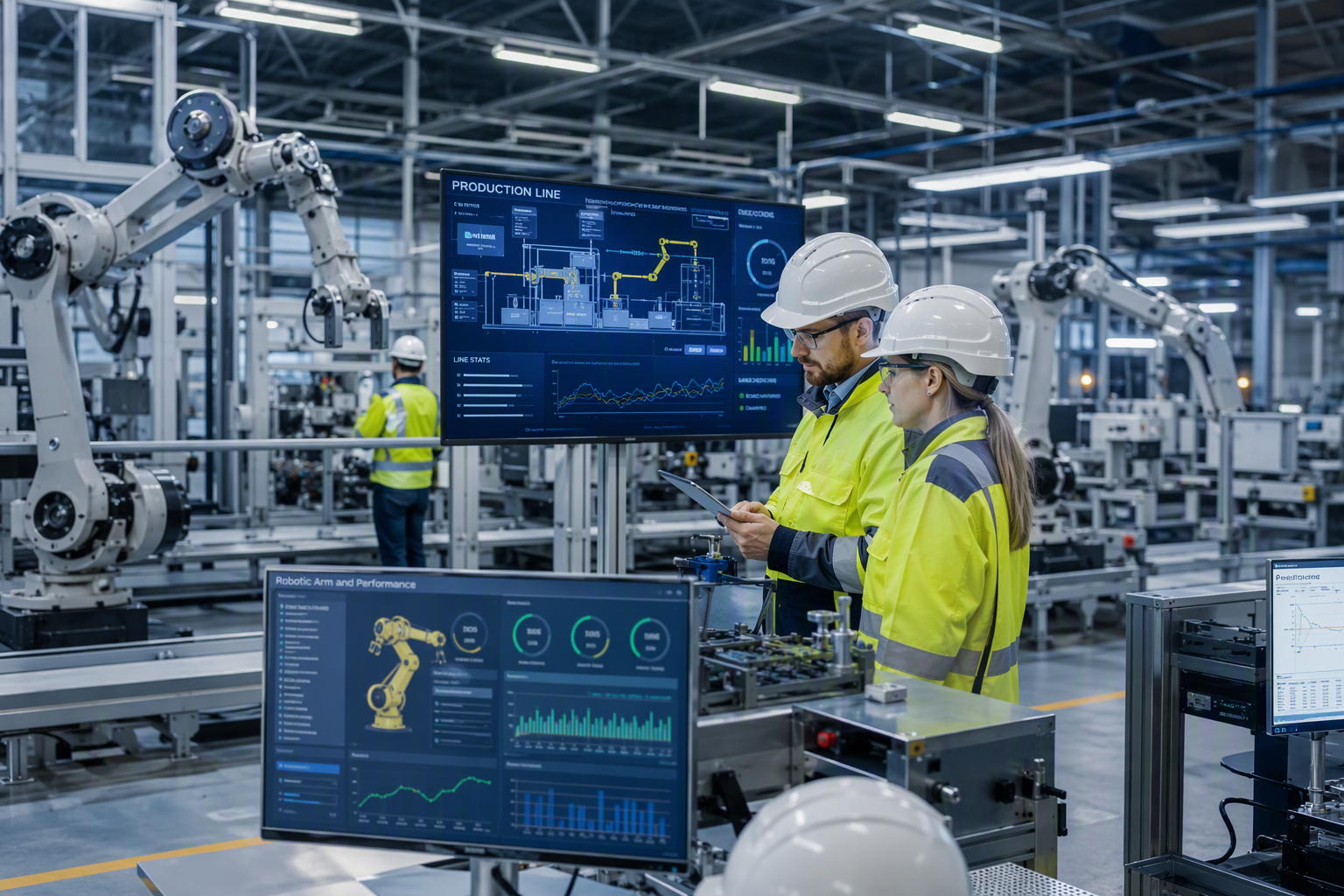
Not every factory needs the same setup, which is why several industrial automation systems are used across production environments. The main types of industrial automation are fixed, programmable, flexible, and integrated systems. Each one supports different output levels, product variety, and changeover needs.
Some businesses need stable, repetitive production. Others need flexible automation or programmable automation for batch changes and shifting demand. Understanding these differences helps you choose the right approach, so the next sections break down how each system works and where it fits best.
Fixed (Hard) Automation
Fixed automation, also called hard automation, is built for high-volume output where the same job happens over and over. It uses dedicated equipment designed for a specific sequence, making it ideal for repetitive tasks that do not change often.
You usually see fixed automation in an assembly line environment. Automotive manufacturing is a common example, where machine tools and specialized equipment repeat the same motions at high speed. Once installed, the system runs continuously with minimal adjustments.
The advantage is strong efficiency and low cost per unit when demand is high. The tradeoff is limited flexibility. If the product changes, the equipment may need major modification or replacement. That makes fixed automation best for stable production routes with little variation over time.
Programmable Automation
Programmable automation is designed for batch production where product designs may change from time to time. Instead of relying on one fixed setup forever, these systems can be reprogrammed to handle different product runs using updated control logic.
This makes programmable automation useful in industries that produce moderate volumes with periodic variation. Electronics manufacturing is a good example. Companies may use CNC machines and other coded equipment to produce one model, then switch settings for another after changeover.
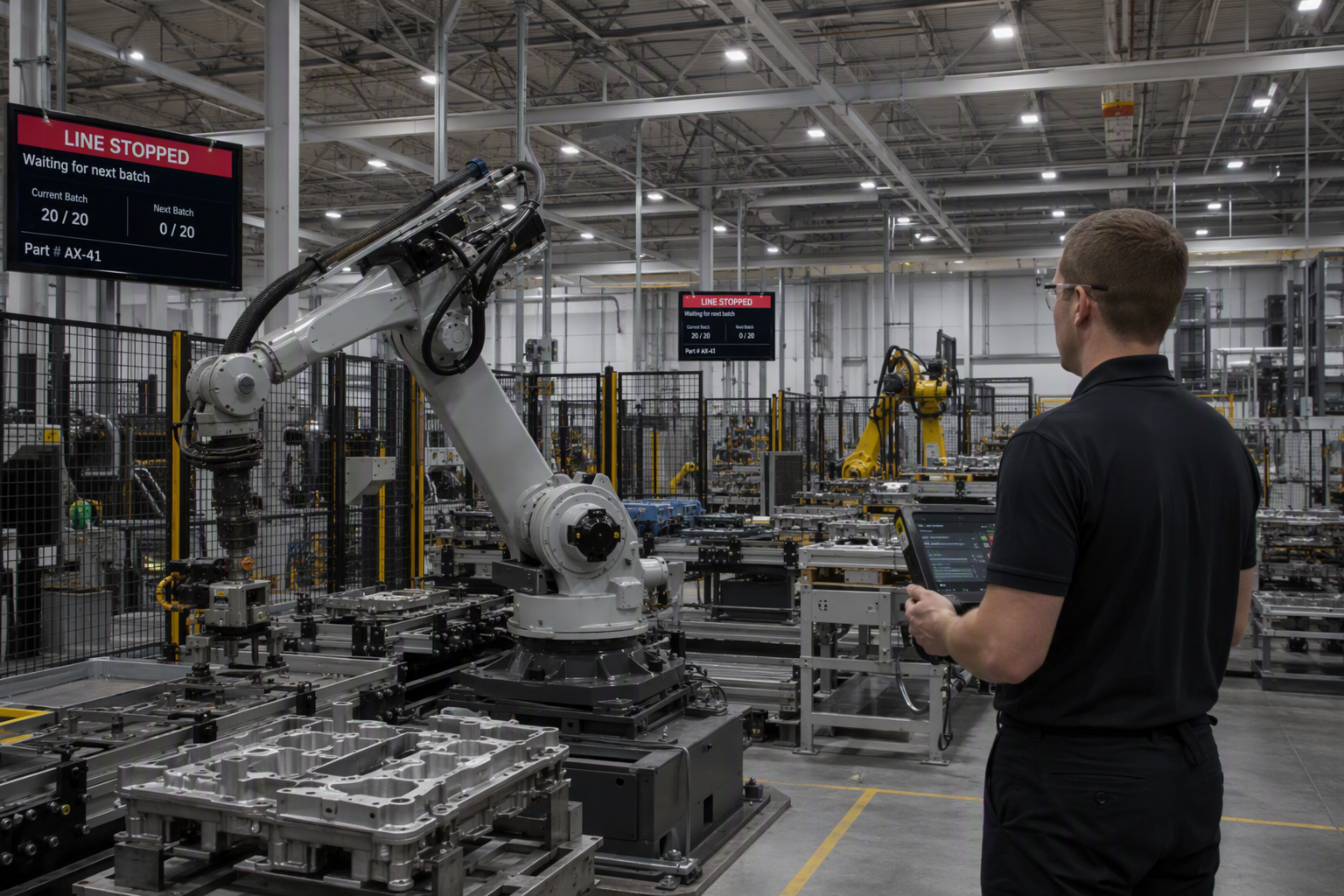
The benefit is better flexibility than hard automation while keeping good efficiency. Still, reprogramming and setup changes take time, so production pauses can happen between batches. For businesses that need a balance between consistency and adaptability, this form of automation technology is often a practical fit.
Flexible (Soft) Automation
Flexible automation is the most adaptable of the core automation systems. It allows production to switch between products with very little downtime, making it useful when customer demand changes quickly or customization matters.
In smart manufacturing, flexible automation uses robots, sensors, and software to adjust operations fast. Because these systems rely on connected controls and production data, they can support different products without long manual changeovers. That helps companies respond to market shifts more easily.
This approach works well in consumer goods, small-batch output, and other environments where variety is common. The main strength is agility. The cost, however, can be higher per unit because the equipment and software are more advanced. Even so, the responsiveness can make that investment worthwhile.
Integrated Automation Solutions
Integrated automation solutions connect multiple machines, systems, and workflows under one coordinated structure. Instead of separate stations working on their own, the full operation shares information and responds together. This is a major step forward in industrial automation.
The value comes from visibility and coordination. Industrial control tools connect robots, sensors, software, and data systems so each part of production supports the next. That improves process optimization, reduces downtime, and helps managers see where performance can improve.
These automation solutions form the foundation of many smart factories. They can scale operations more effectively and support better consistency across the whole plant. The challenge is implementation. Bringing everything together requires a high upfront investment, technical expertise, and careful planning across departments and equipment.
Major Components and Technologies Driving Automation
Behind every strong automated operation is a set of connected technologies. Automation systems depend on industrial robots, sensors, control systems, networks, and software working together. Each component plays a different role, from collecting information to making decisions and carrying out physical actions.
Programmable logic controllers are especially important because they manage fast control tasks on the plant floor. Alongside PLCs, tools like SCADA, IIoT devices, and smart sensing hardware help companies gain better visibility and respond faster. These building blocks also create the base for artificial intelligence applications.
Industrial Robots and Cobots
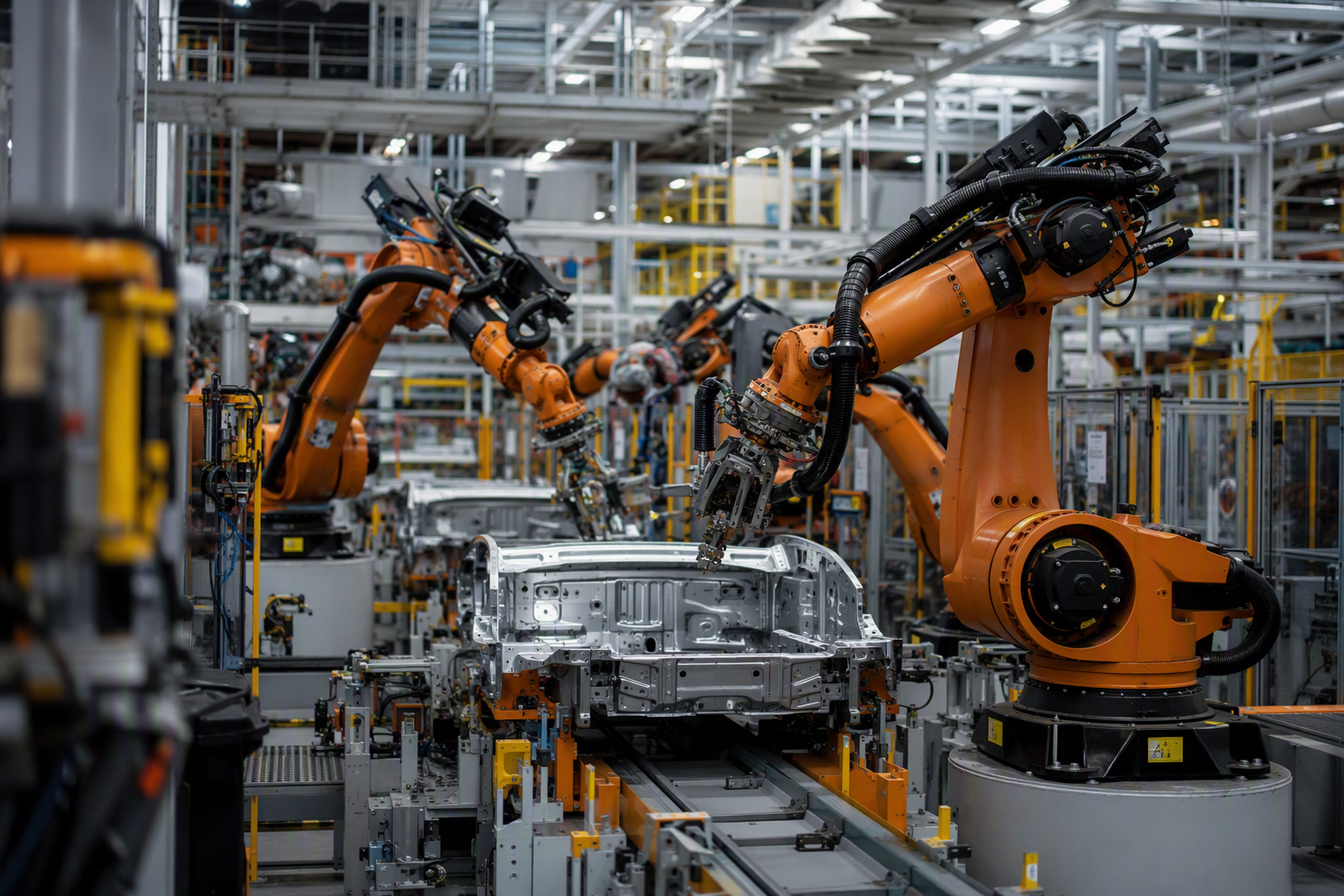
Industrial robots are widely used to improve speed, precision, and consistency in the manufacturing process. They are especially effective in tasks such as welding, painting, part placement, and final assembly, where repeatable movement matters.
Many systems use robotic arms to carry out exact motions with less variation than human labor. In some settings, collaborative robots work closer to people and support shared tasks. These collaborative robots help reduce strain on workers while keeping production moving efficiently.
The biggest strength of industrial robots is endurance. They do not tire during long shifts, which helps maintain output and quality. By taking over repetitive or hazardous jobs, they also improve safety. This is one reason automated production lines are becoming more common across industries that need reliable, high-volume performance.
Sensors and Actuator Networks
Sensors are the eyes and ears of automated systems. They detect temperature, position, pressure, speed, and other conditions across a production line. Without accurate sensing, control decisions would be guesswork.
Once data is captured, actuator networks turn decisions into physical action. These can include valves, motors, relays, and other field devices that move, open, close, or adjust equipment. At the control level, this connection between sensing and action keeps the process stable and responsive.
Together, sensors and actuators support the closed-loop behavior that makes automation effective. They allow systems to monitor conditions continuously and respond quickly when something changes. That improves consistency, reduces manual checks, and helps the production line stay on target with less disruption or waste.
Programmable Logic Controllers (PLC)
Programmable logic controllers are central to many automated facilities. These compact but powerful devices receive signals from sensors, apply control logic, and send commands to machines. In simple terms, they act as fast decision-makers for process automation.
PLCs are trusted because they are built for industrial operations. They handle repetitive control tasks reliably, even in demanding environments. You will find them managing conveyors, machine sequences, safety functions, and equipment timing across many industries.
They also support data acquisition by collecting process information that operators and systems can review. That helps teams monitor performance, spot trends, and respond to problems faster. Because programmable logic controllers are so flexible and durable, they remain one of the most important building blocks in industrial automation systems today.
Supervisory Control and Data Acquisition (SCADA)
SCADA systems help companies monitor and manage operations from a higher level. The term stands for supervisory control and data acquisition, which describes exactly what the system does: gather information and give operators oversight across equipment and processes.
In practice, SCADA systems provide a real time view of process control. Operators can see machine status, alarms, trends, and performance data on screens rather than checking every device by hand. That supports faster decisions and better operational awareness.
This visibility is especially useful in larger facilities where multiple machines and lines must work together. Supervisory control does not replace all local control devices, but it adds a powerful layer of monitoring and coordination. As a result, businesses gain better control, faster response, and stronger insight into plant performance.
Industrial Internet of Things (IIoT)
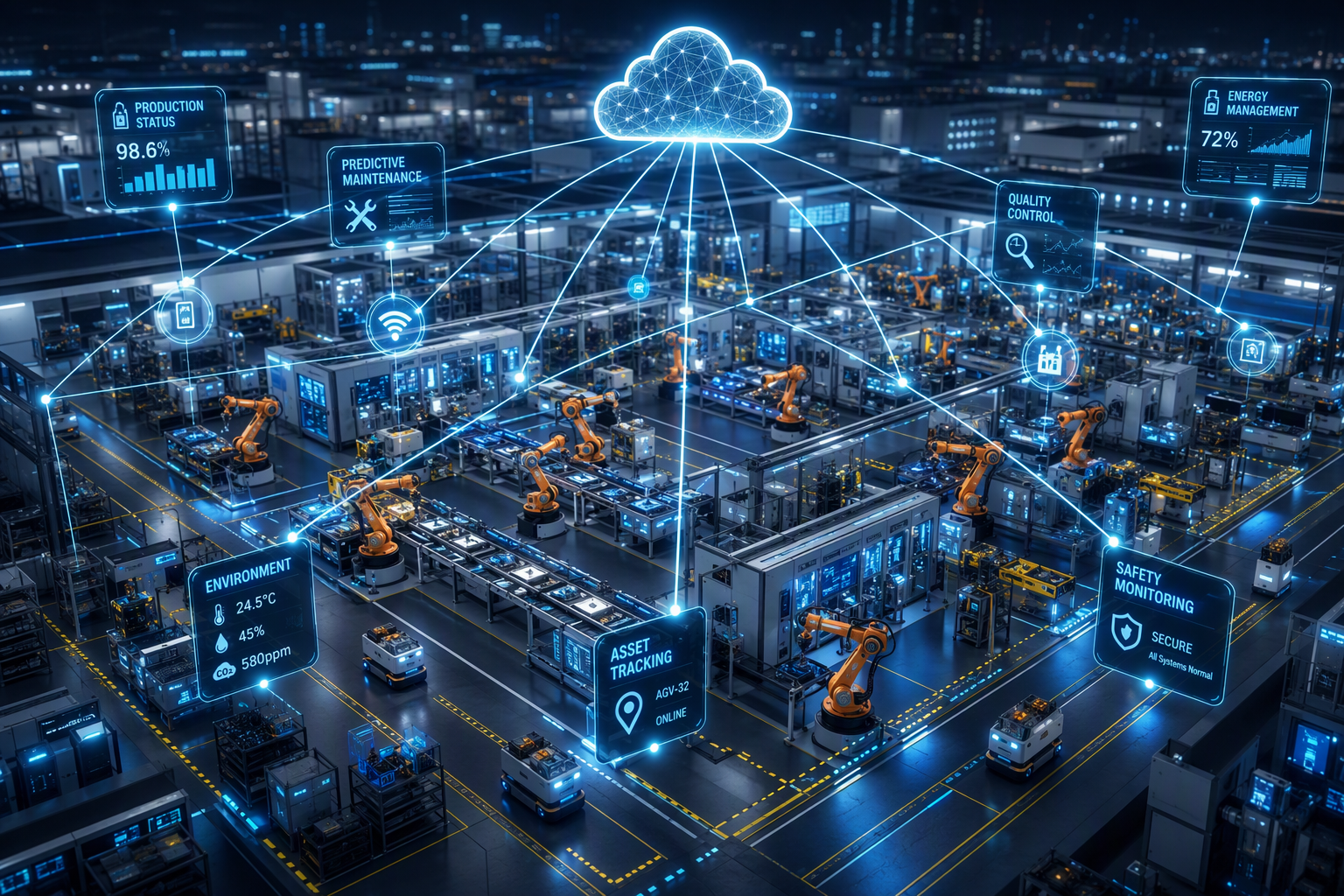
The industrial internet of things connects machines, sensors, software, and systems so they can share information across operations. In simple terms, IIoT helps equipment communicate more effectively and gives businesses a wider view of what is happening on the plant floor.
In smart manufacturing, this matters because connected devices generate useful production data. That data can be used to monitor performance, detect inefficiencies, and support better decision-making. It also helps create a more responsive environment where systems can adjust faster.
IIoT is a major part of modern automation technology because it links physical operations with digital insight. When companies connect machines, people, and information in this way, they improve visibility and coordination. That creates a stronger foundation for predictive maintenance, process improvement, and broader operational control.
Role of Artificial Intelligence in Industrial Automation
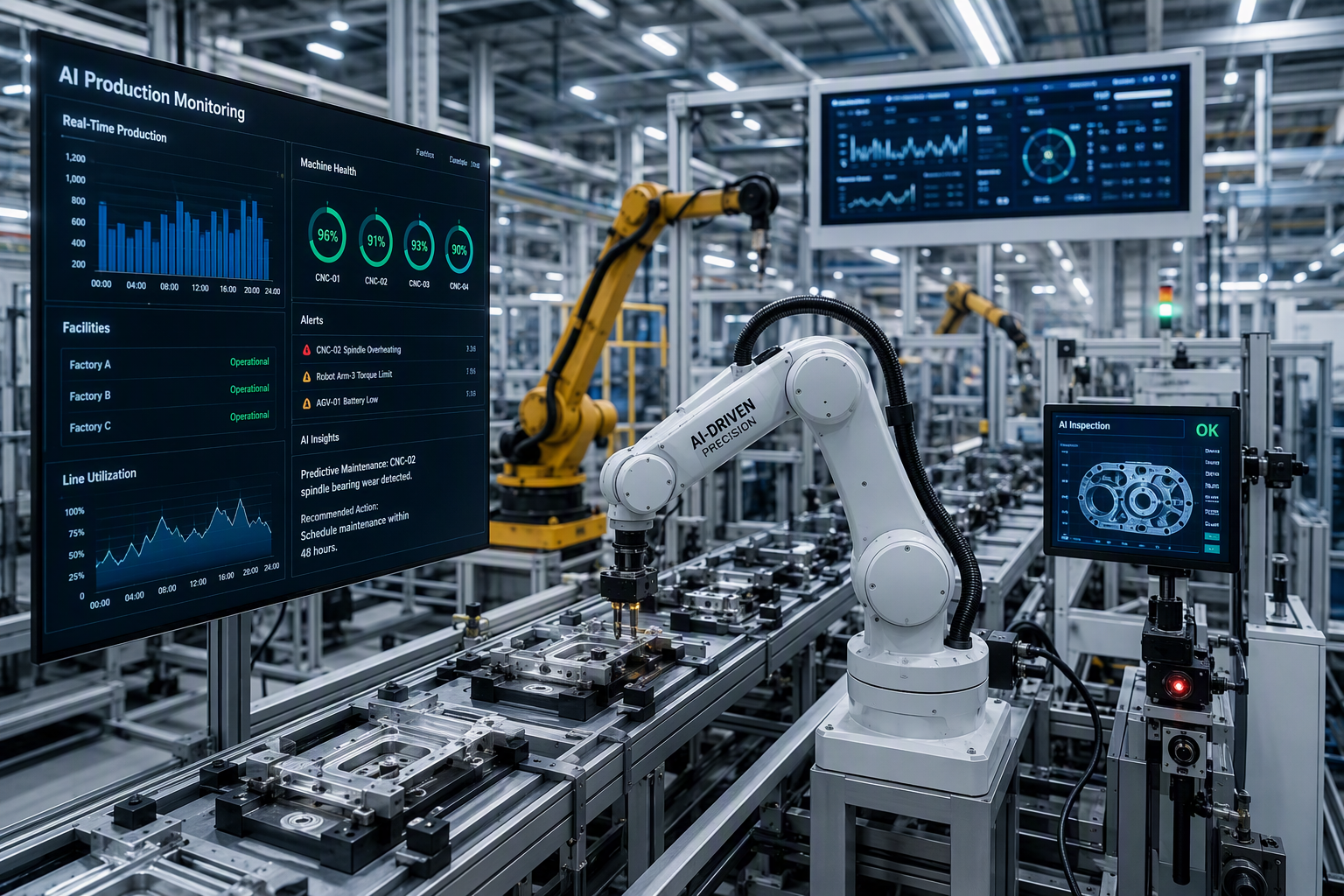
Artificial intelligence is expanding what automation technology can do. Instead of only following fixed rules, systems can now learn from data, identify patterns, and support faster decisions. That makes operations more responsive and better aligned with changing conditions.
In practical use, machine learning helps improve forecasting, while machine vision supports inspection and defect detection. Artificial intelligence also strengthens predictive maintenance by spotting issues before failure happens. These capabilities do not replace core automation tools, but they make industrial systems smarter, faster, and easier to optimize.
Machine Learning Applications in Automation
Machine learning helps automation systems move beyond fixed programming by finding patterns in operational data. Instead of waiting for a person to notice every issue, the system can recognize trends and support quicker action.
In smart factories, this can improve planning, process stability, and quality control. For example, data from machines can reveal where output slows down or where variation starts to appear. Teams can then respond earlier and avoid bigger performance problems later.
This matters because industrial environments produce large amounts of information every day. Machine learning helps turn that data into useful guidance. It supports better decisions without changing the basic structure of automation. As a result, companies gain a practical way to improve consistency, reduce waste, and strengthen overall performance.
Computer Vision and Quality Assurance
Computer vision gives machines the ability to inspect products using images and visual data. In industrial settings, this supports quality assurance by helping systems detect defects, missing parts, or other issues that may be hard to catch through manual review alone.
Machine vision is especially useful in inspection systems where speed and consistency matter. Automated cameras and software can perform quality checks on large volumes of products with the same standard every time. That helps reduce variation and supports stronger repeatability.
For manufacturers, the value is clear. Computer vision improves inspection accuracy and lowers dependence on time-consuming manual checks. It also supports better product quality by identifying problems earlier in the process. When defects are caught fast, companies can limit waste and keep standards more consistent across production runs.
Predictive Maintenance and Smart Analytics
Predictive maintenance helps companies fix problems before equipment fails. Instead of waiting for a breakdown, automated systems use data acquisition and machine information to identify warning signs early. This reduces unplanned shutdowns and supports longer equipment life.
Smart analytics adds another layer by turning production data into clear operational insight. Managers can see patterns related to wear, downtime, and performance, then schedule maintenance at a better time. That creates a more stable production environment.
The impact can extend beyond the plant floor. When machines fail less often, output becomes more reliable, which supports the supply chain and reduces disruption. Predictive maintenance is one of the clearest examples of how smarter data use improves industrial automation without requiring constant manual monitoring.
Key Benefits of Implementing Industrial Automation
Companies invest in industrial automation because it solves real production problems. Well-designed automation systems can raise output, reduce errors, and create more consistent performance across shifts. That leads to stronger operational efficiency and better use of resources.
The gains are not only about speed. Businesses also see better product quality, improved workplace safety, and more accurate production information. Over time, automation can support lower operating costs and a more flexible operation. The next sections explain the main benefits in a practical, easy-to-follow way.
Increased Productivity and Throughput
One of the biggest reasons companies automate is to increase productivity. Automated equipment can run for longer hours and handle repetitive tasks without the fatigue that affects people during long shifts. That allows more work to be completed in less time.
Higher throughput follows when the manufacturing process becomes more consistent. If machines can keep moving with fewer pauses, fewer manual resets, and more stable timing, output rises. This improves operational efficiency and helps companies meet demand without simply adding more labor.
There is also a scale advantage. Many plants once needed several shifts of workers to keep production moving, but automated systems can support round-the-clock operation more effectively. When downtime is reduced and cycles are faster, businesses can produce more while keeping performance steadier across the full production schedule.
Enhanced Product Quality and Repeatability
Automation improves product quality by reducing the variation that often comes with manual work. Machines follow programmed motions and timings, which helps each unit move through production in a more consistent way. That consistency supports stronger repeatability.
This is especially important in quality control. Automated systems can apply the same settings, measurements, and actions every cycle, which makes quality checks more reliable. In industries where precision matters, even small reductions in variation can have a big impact on final output.
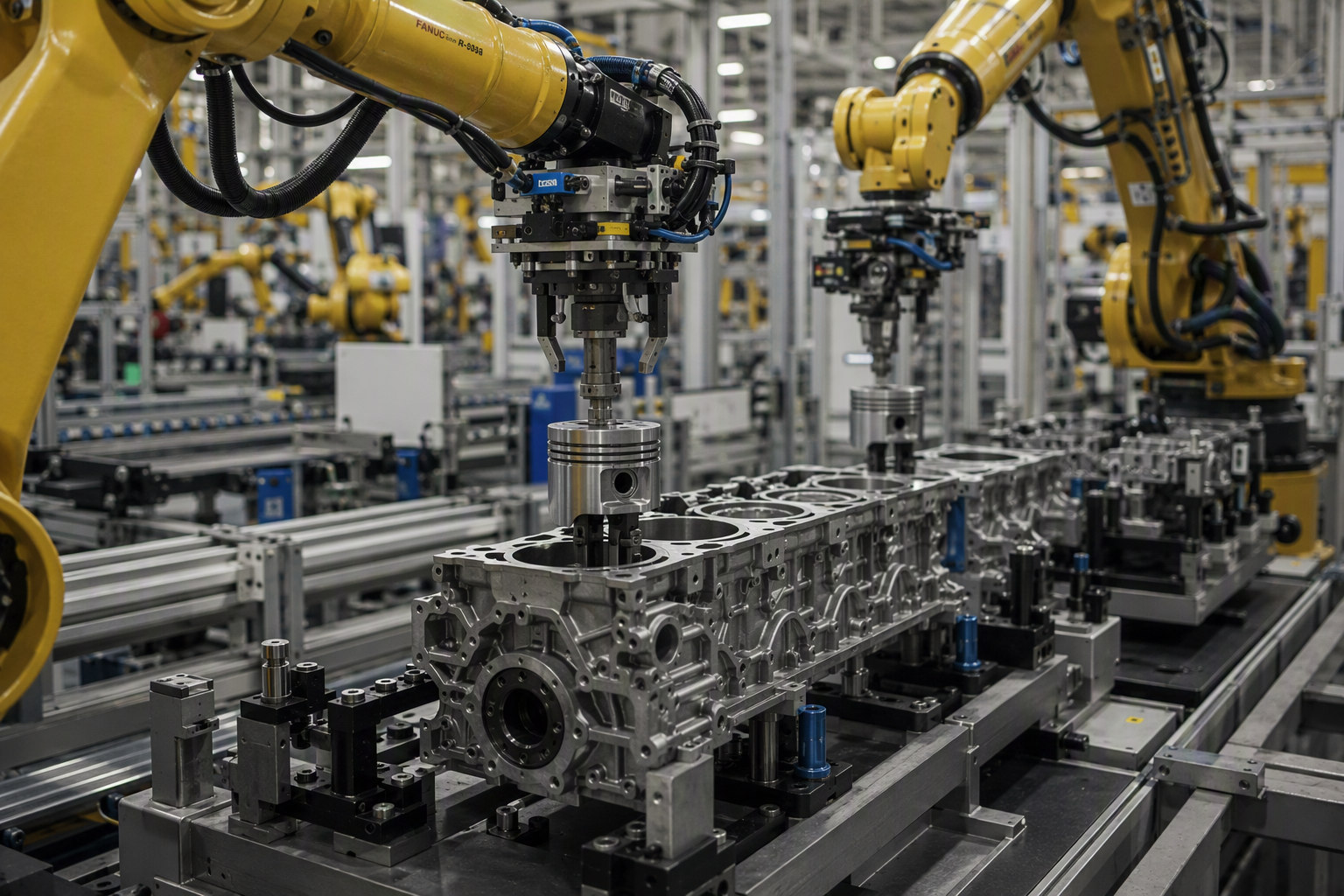
Better process control also means fewer defects and less rework. A useful example comes from piston installation in automotive production, where automation reduced error rates dramatically compared with hand assembly. When systems repeat tasks with high precision, companies gain more dependable quality and greater confidence in every production run.
Cost Reduction and Operational Efficiency
Although automation can be expensive to install, it often supports long-term cost reduction. Companies spend less on repeated manual work, shift coverage, and some labor-related overhead. Machines also tend to fail less often, which can lower maintenance disruption.
Process automation improves operational efficiency by reducing waste, speeding up cycles, and supporting more stable output. When production runs more smoothly, businesses can get more value from the same facility and equipment. This helps improve profitability over time.
Another factor is resource use. Better control can support lower energy consumption and more accurate production planning. Companies also gain clearer operating data, which helps them find waste and make smarter decisions. Taken together, these improvements show why automation is often viewed as a strategic investment rather than just a technical upgrade.
Workplace Safety and Ergonomics
Automation can make work safer by moving people away from hazardous conditions. Robots and automated equipment are well suited for jobs involving extreme temperatures, high force, toxic materials, or fast machine movement that may put workers at risk.
It also helps with ergonomics. Repetitive tasks can strain the body over time, especially when lifting, reaching, or repeating the same motion for long periods. By reducing direct human intervention in these activities, companies can lower physical stress and improve daily working conditions.
Better workplace safety is not only about avoiding injuries. It also supports a more stable workforce and fewer disruptions to production. When machines take on the most demanding or dangerous tasks, people can focus on supervision, setup, and higher-value responsibilities in a safer and more comfortable environment.
Current Market Growth and Adoption Trends
Industrial automation is seeing strong market growth as companies push for efficiency, resilience, and better output quality. Adoption trends show that more businesses are moving toward connected equipment, data-driven operations, and automation technology that supports faster decisions.
Several forces are driving this shift. Global competition is increasing, labor pressures remain a concern, and supply chain disruptions have shown the need for more reliable production. At the same time, advances in AI, robotics, and connected systems are making automation more practical across a wider range of industries and plant sizes.
Market Size and Global Forecasts
The industrial automation market has expanded quickly in recent years. Compiled information shows the global market reached about $191 billion in 2021 and is expected to reach roughly $395 billion by 2029. That points to strong long-term momentum.
Why does this matter to you? Rising market size reflects growing confidence in automation solutions across the manufacturing process. Companies are investing because they want stronger output, less downtime, and better control over changing demand and supply chain pressure.
| Metric | Value |
|---|---|
| Global market size in 2021 | About $191 billion |
| Expected global market size by 2029 | About $395 billion |
| Main reason for expansion | Demand for efficiency, consistency, and scalable production |
| Business impact | Stronger manufacturing process performance and improved supply chain resilience |
Leading Sectors Using Industrial Automation
Industrial automation is used across many sectors, but some industries stand out because of their scale, quality demands, and need for repeatability. These sectors often invest early because automation technology directly improves speed, consistency, and traceability.
Automotive manufacturing remains a leading user, especially for welding, painting, part handling, and assembly work. Food and beverage processing also depends on automated filling, mixing, and packaging. Electronics production uses high-speed equipment for precision placement, while warehouses rely on automation for sorting and material movement.
- Automotive manufacturing uses robots and assembly systems for high-volume production.
- Beverage processing relies on automated filling and packaging to maintain consistency.
- Electronics manufacturers use automated equipment for precision and batch production.
- Smart factories and warehouses use connected systems for material handling and inventory flow.
Influential Players and Technology Vendors
The market is expanding because businesses are buying more connected equipment, software, and support services from technology vendors. These vendors help companies combine control systems, robotics, software, and monitoring tools into practical automation solutions.
Their role is not limited to selling hardware. Many vendors also support programming, integration, maintenance, and upgrades tied to industrial robots and industrial IoT deployments. That makes them central to how quickly companies can adopt new tools and scale automation effectively.
- Technology vendors supply core control systems and plant-floor hardware.
- Providers of industrial robots support high-speed, repeatable production tasks.
- Industrial IoT specialists help connect machines and improve data visibility.
- Integration partners combine separate tools into complete automation solutions.
Key Drivers Behind Market Expansion
A few clear forces are pushing the market forward. First, competition is intense, so businesses need better process optimization to improve output and lower waste. Automation solutions help achieve that by reducing errors, stabilizing production, and increasing visibility.
Another major driver is supply chain pressure. Companies have learned that production delays and equipment failures can ripple outward quickly. More reliable, connected systems help plants maintain output and respond faster when conditions change.
There is also a growing focus on smart manufacturing and efficiency. Businesses want better use of labor, lower energy consumption, and stronger operational flexibility. Advances in robotics, AI, and connected devices have made these goals more realistic. As the tools become more capable, more organizations see automation as a necessary step rather than an optional upgrade.
Sustainability in Industrial Automation
Industrial automation can support sustainability by helping factories use resources more carefully. When processes are measured and controlled more precisely, companies can improve energy efficiency, reduce material loss, and run equipment in a more balanced way.
This also supports green manufacturing goals. Better data and automation make waste reduction easier and help organizations track progress tied to ESG efforts. The benefits are practical, not abstract. You get cleaner operations, better consistency, and stronger visibility into where improvement is still needed.
Energy Efficiency in Automated Processes
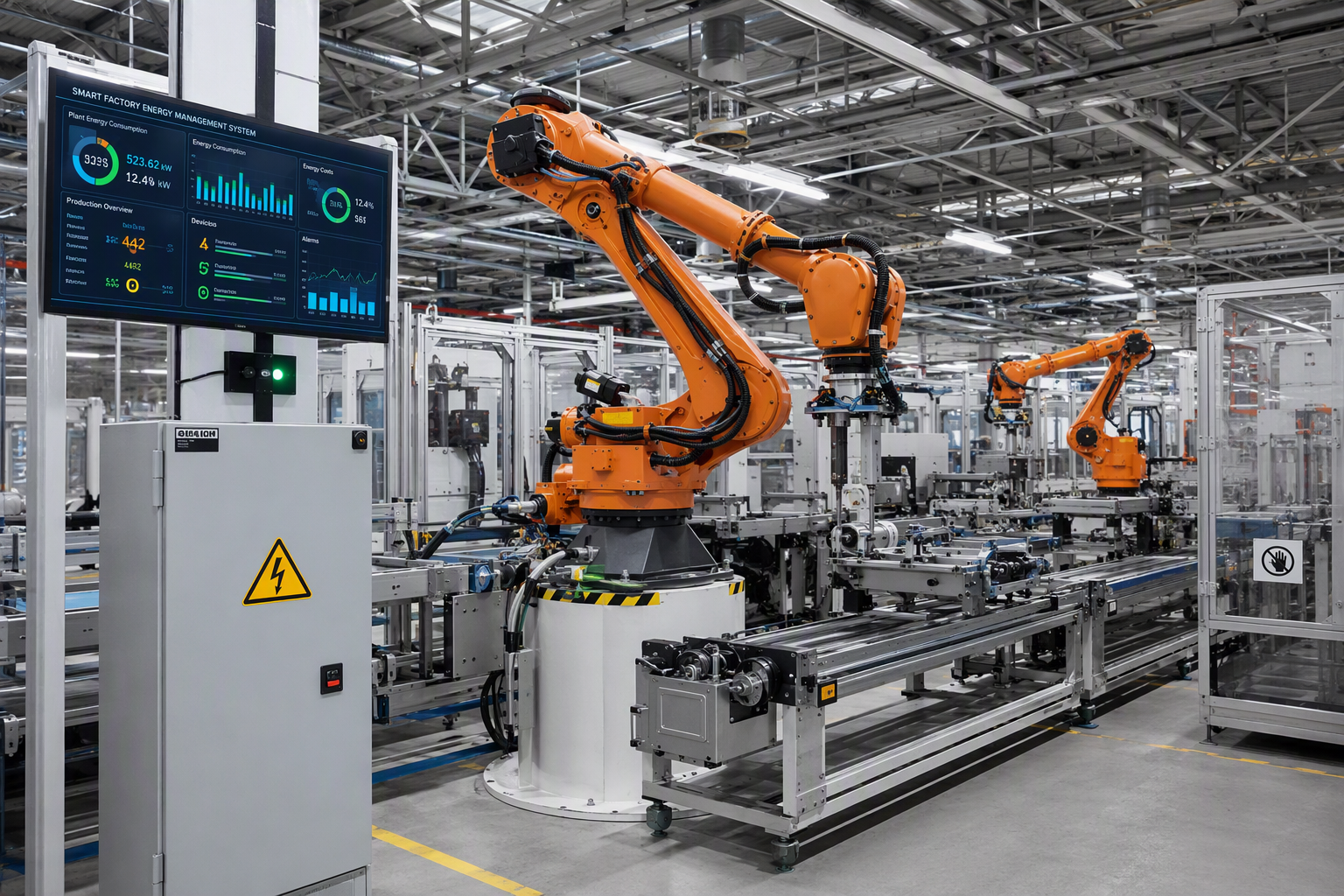
Automation can improve energy efficiency by making industrial processes more consistent and easier to control. When machines run with fewer stops, errors, and manual adjustments, they often use resources more effectively across the full production cycle.
Automation systems also give companies better visibility into energy use. That matters because you cannot improve what you cannot see. With stronger process data, managers can identify waste, adjust timing, and run equipment more efficiently.
This supports operational efficiency in two ways. First, it lowers unnecessary consumption. Second, it helps facilities maintain stable output without overusing power or materials. While automation is often discussed in terms of productivity, its ability to tighten process control also makes it a valuable tool for companies working to reduce energy-related waste.
Reducing Waste and Promoting Green Manufacturing
Waste reduction becomes easier when production is more accurate. Automation technology helps limit mistakes, improve timing, and maintain tighter control over each step. That means fewer defective units, less scrap, and better use of raw materials.
Process optimization plays a big role here. When systems collect reliable production information, teams can identify where losses happen and make targeted changes. This supports green manufacturing by improving how materials, labor, and machine time are used.
There is also a direct connection to product quality. More consistent output means fewer rejects and less rework, which reduces both waste and cost. For manufacturers trying to build cleaner operations, automation offers a practical path to improve environmental performance while still meeting production and customer requirements.
Automation’s Role in ESG (Environmental, Social, and Governance) Goals
Automation can support ESG goals in several practical ways. On the environmental side, better process control can reduce energy consumption and waste. On the social side, automation solutions can improve workplace safety by moving people away from dangerous tasks.
Governance also benefits from clearer data. Connected systems give companies more accurate operational information, which can improve reporting and decision-making. This helps leaders track performance and respond more effectively when problems arise across production or the supply chain.
ESG work is often strongest when it is tied to daily operations rather than treated as a separate project. That is where automation fits well. It helps businesses run more safely, use resources more responsibly, and gain better visibility into how operational choices affect long-term performance and accountability.
Common Challenges Facing the Industrial Automation Industry
Even with clear benefits, industrial automation is not always easy to implement. Companies often face technical, financial, and organizational barriers when upgrading automation systems. The most common issues include cybersecurity, workforce training needs, and the difficulty of connecting older equipment.
Legacy systems can slow progress because they were not designed for today’s connected environment. At the same time, skill shortages and high upfront costs make adoption harder for some businesses. Understanding these challenges helps you plan better and avoid costly surprises during implementation.
Integration with Legacy Systems
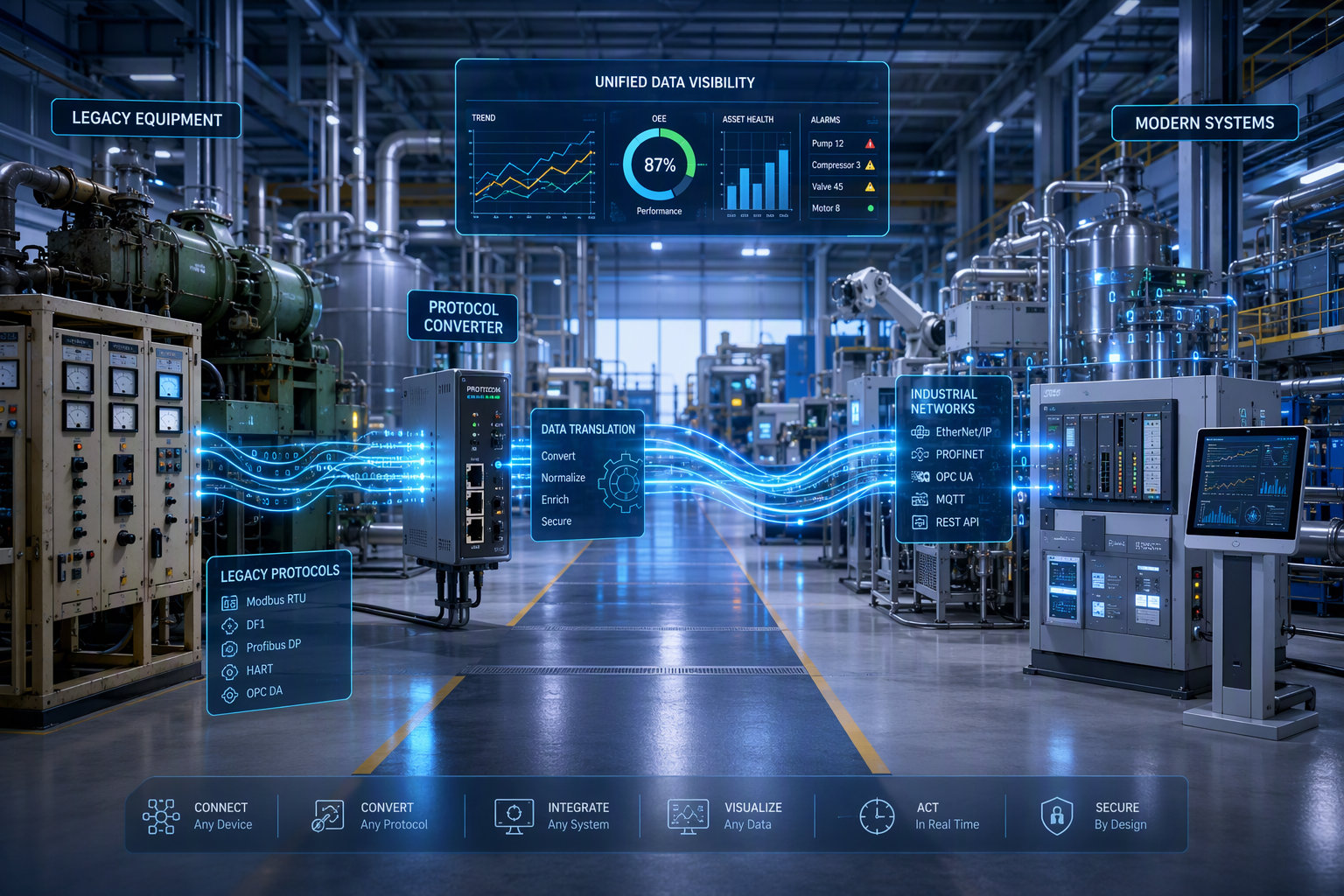
Legacy systems are one of the biggest barriers to modernization. Many facilities still rely on older machines and control systems that were built long before connected automation became common. These systems may still work well, but they are often difficult to connect with new tools.
That creates integration challenges. New automation systems may use different communication methods, data structures, or software requirements. As a result, businesses may need custom solutions to bridge the gap between old equipment and current platforms.
The issue is not only technical. If industrial processes depend heavily on older machinery, companies cannot always replace everything at once. They need a phased approach that protects production while improving capability. This makes integration planning essential for any automation project involving existing plant infrastructure.
Cybersecurity and Data Protection Risks
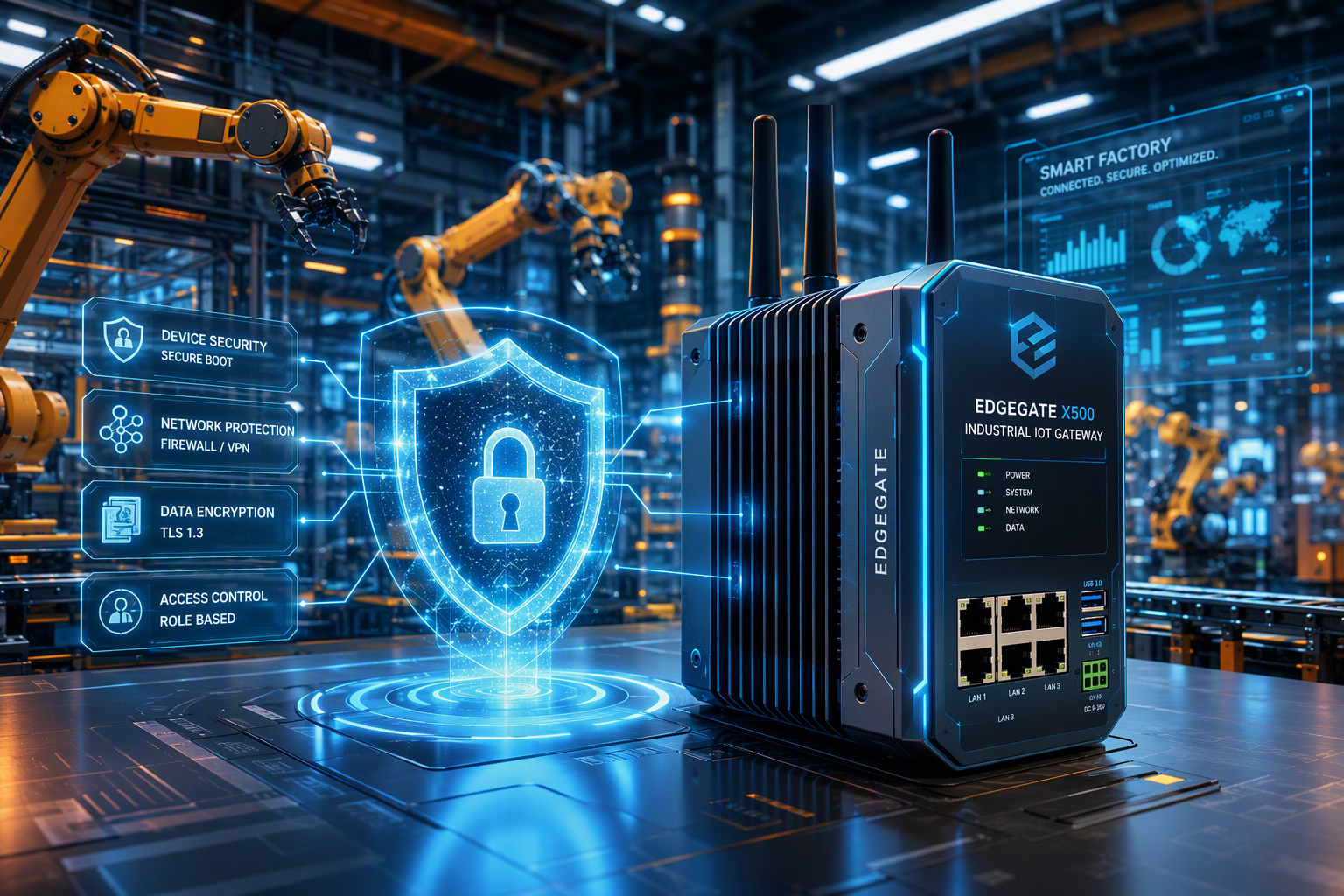
As automation becomes more connected, cybersecurity becomes more important. Systems that link machines, software, and networks can create new entry points for threats if they are not properly protected. That risk grows as industrial control environments become more digital.
The industrial internet of things adds value through better visibility and faster response, but it also increases exposure. More connected devices mean more points that must be monitored, updated, and secured. If that does not happen, operations and sensitive information may be put at risk.
Strong data protection matters because many automated facilities rely on real time decision-making. A cyber incident can interrupt production, affect system reliability, and create costly downtime. For that reason, cybersecurity must be treated as a core part of automation strategy, not as an afterthought added later.
Skills Gap and Workforce Training Needs
Many companies discover that automation technology is only as effective as the people supporting it. Modern manufacturing needs workers who can operate, troubleshoot, program, and maintain advanced systems. That creates a real skills gap in many facilities.
Workforce training is essential because automation changes job roles rather than simply removing them. As machines take on more repetitive work, people often move into supervisory, technical, and analytical positions. Without training, that shift can be difficult for both workers and employers.
This challenge is especially important during implementation. If teams do not understand the equipment, they may rely on too much manual human intervention or fail to use the system fully. Reskilling and ongoing learning help workers stay valuable while helping businesses get stronger returns from their automation investments.
High Initial Investments
The high initial investment is one of the most common concerns around automation. Moving from a largely manual setup to industrial automation systems can require major spending on equipment, software, integration work, and employee training.
That can feel risky, especially for smaller operations. Even when the long-term case is strong, the upfront cost of automation technology may delay adoption. Companies often need to weigh immediate budget pressure against expected gains in quality, output, and reliability.
The good news is that process automation often delivers measurable ROI over time. Faster cycle times, less scrap, fewer shutdowns, and longer equipment life can all improve profitability. Still, reaching those gains requires careful planning, realistic budgeting, and a clear understanding of how the investment will support business goals.
Recent Innovations and Emerging Trends
Automation technology continues to evolve as companies seek faster insight and more connected operations. Emerging trends now focus on making systems more responsive, more data-driven, and easier to coordinate across facilities. This is shaping the next phase of industrial performance.
Among the most important developments are edge computing, stronger cloud connections, and digital twins. These tools support smart factories by improving data flow, testing changes virtually, and helping teams act faster. Advanced communication methods are also improving how machines and systems exchange information across operations.
Edge Computing and Cloud Integration
Edge computing brings data processing closer to the machine or device generating information. That can make automation more responsive because systems do not always need to send everything far away before acting. Faster local decisions can improve timing and stability.
Cloud integration adds broader storage, visibility, and coordination across sites. Together, edge computing and cloud integration help businesses balance speed with scale. Local systems handle immediate control needs, while cloud tools support analysis, reporting, and wider optimization.
This matters in smart manufacturing because data acquisition is growing quickly. Plants generate large amounts of information, and not every decision can wait. By combining local processing with broader digital access, companies can strengthen control logic, improve operational awareness, and create more connected automation environments without sacrificing responsiveness.
Digital Twins in Industrial Environments
Digital twins are virtual representations of machines, systems, or processes. They use production data to reflect how real operations behave, giving companies a way to evaluate performance and test changes without interrupting the actual line.
That supports process optimization because teams can study likely outcomes before making adjustments in the plant. In industrial control environments, this can improve planning, reduce risk, and help identify problems earlier. It offers a more informed way to manage change.
As automation solutions become more connected, digital twins become more useful. They bring together machine information, system behavior, and performance trends in one model. For manufacturers, that means better visibility and a safer path to improvement, especially when experimenting with process changes or troubleshooting complex operations.
Advanced Industrial Communication Protocols
Industrial communication is the backbone of connected automation. Machines, sensors, software, and control systems need reliable ways to exchange information if production is going to stay coordinated and stable.
Advanced communication methods improve how field devices interact with larger platforms across industrial operations. Better communication reduces delays, improves visibility, and helps different parts of a facility work together more effectively. This becomes even more important as plants connect more equipment and collect more data.
For businesses adopting new automation technology, communication quality can shape the success of the entire system. Even strong machines and software will struggle if information does not move cleanly between them. That is why improved industrial communication remains a key trend in the push toward more connected and responsive manufacturing environments.
The Future of Industrial Automation
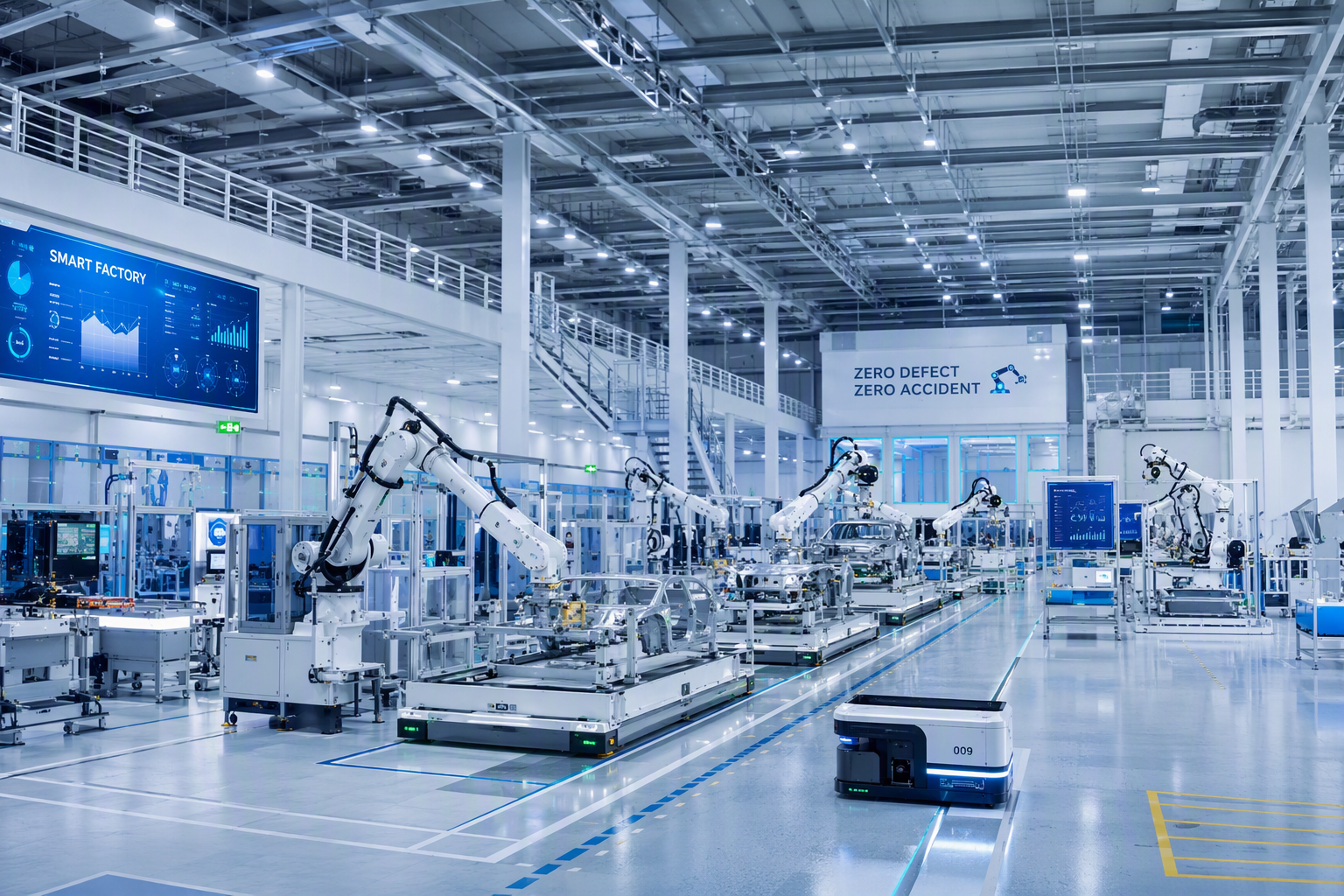
The future of industrial automation points toward even more connected, data-driven operations. As automation technology improves, smart factories will become better at adapting, monitoring performance, and supporting consistent output across the manufacturing process.
Growth will not depend on technology alone. Regulatory changes, workforce readiness, and clearer standards will also shape how quickly companies move forward. Even so, the direction is clear. Automation is becoming more central to competitiveness, quality, safety, and operational resilience across a wide range of industries.
Expert Predictions for Industry Direction
Experts expect industrial automation to become more connected, more intelligent, and more central to plant strategy. The move toward smart factories will continue as businesses look for faster decisions, stronger quality, and better coordination across machines and workflows.
Machine learning is likely to play a bigger role as companies collect more operational data. Better data acquisition will help systems spot patterns, support predictive maintenance, and improve planning. This does not mean people disappear from production. It means their work becomes more focused on oversight and improvement.
The broader direction is toward tighter integration. Automation technology will increasingly connect machines, software, and business decisions in one operating environment. For companies that prepare well, this should lead to more resilient operations and greater flexibility in responding to market and production changes.
Upcoming Regulatory and Standardization Changes
As automation becomes more widespread, regulatory changes and standardization will matter more. Companies need systems that are reliable, safe, and easier to manage across different facilities, suppliers, and production requirements. Clearer standards can help support that goal.
Standardization improves consistency in process control and makes it easier to connect automation systems from different sources. It can also support stronger quality checks by creating more predictable ways to monitor and manage production performance.
For manufacturers, this means future planning should not focus only on equipment features. It should also consider compliance, interoperability, and long-term maintainability. As the industry matures, businesses that build with standardization in mind will likely find it easier to scale, upgrade, and manage operations with fewer integration problems.
Conclusion
In summary, the industrial automation industry is undergoing significant growth and transformation, driven by advancements in technology and a growing emphasis on sustainability. As businesses continue to navigate challenges such as integration with legacy systems and workforce training, the benefits of implementing automation—from improved productivity to enhanced safety—are becoming increasingly clear. The adoption of innovative solutions like AI, IoT, and digital twins will undoubtedly shape the future landscape of this sector. Embracing these changes will be crucial for companies looking to stay competitive and meet the demands of a rapidly evolving marketplace. If you're interested in learning more about how industrial automation can benefit your organization, don’t hesitate to reach out for a consultation!
Frequently Asked Questions
What are the top benefits of industrial automation systems?
The top benefits include higher productivity, better quality control, lower errors, cost reduction over time, improved workplace safety, and stronger operational efficiency. Automation systems also support more consistent output, better repeatability, and clearer production data, which helps businesses make smarter decisions and reduce waste.
What industries are leading the adoption of industrial automation in the United States?
The manufacturing, automotive, and food processing industries are leading the adoption of industrial automation in the United States. These sectors leverage advanced robotics and AI to enhance productivity, reduce costs, and improve safety in their operations.
What challenges do companies face when implementing industrial automation?
Companies face several challenges when implementing industrial automation, including high initial costs, integrating new technologies with existing systems, addressing workforce skill gaps, and ensuring data security. Additionally, resistance to change from employees can hinder the adoption process and affect overall productivity.
You might also like