Exploring the Future of the Industrial Automation Industry
Exploring the Future of the Industrial Automation Industry
Key Highlights
- Industrial automation is reshaping factories with faster, smarter automation technology.
- Modern systems combine sensors, software, and control tools to improve output.
- Artificial intelligence is helping teams spot issues and support better decisions.
- Strong quality control is a major reason manufacturers invest in connected systems.
- Current industry trends include smart factories, real time monitoring, and flexible production.
- The future of
industrial automation points to more connected operations with less manual effort.
Introduction
A remarkable shift is underway within manufacturing and production environments, driven by advancements in automation technology. Systems are becoming increasingly sophisticated, enhancing operational efficiency while minimizing human intervention. As industries seek to streamline processes, the integration of artificial intelligence, machine learning, and the Industrial Internet of Things (IIoT) has proven transformative. These innovations enable real-time decision-making and process optimization, fostering a level of productivity previously unseen. The future of manufacturing lies in embracing these changes, offering exciting prospects for businesses and workers alike in this evolving landscape.
Definition and Core Principles
Industrial automation refers to the use of advanced technologies to control and monitor industrial processes without unnecessary human intervention. Core principles include integrating powerful control systems and automation logic to streamline operations, reduce manual tasks, and enhance productivity. By utilizing programmable automation and robotics, industries can achieve process optimization and improve efficiency across various applications. Automation systems often incorporate artificial intelligence and the Internet of Things, enabling real-time data collection and decision-making, ultimately fostering greater operational efficiency and responsiveness in an ever-evolving manufacturing landscape.
How Industrial Automation Works
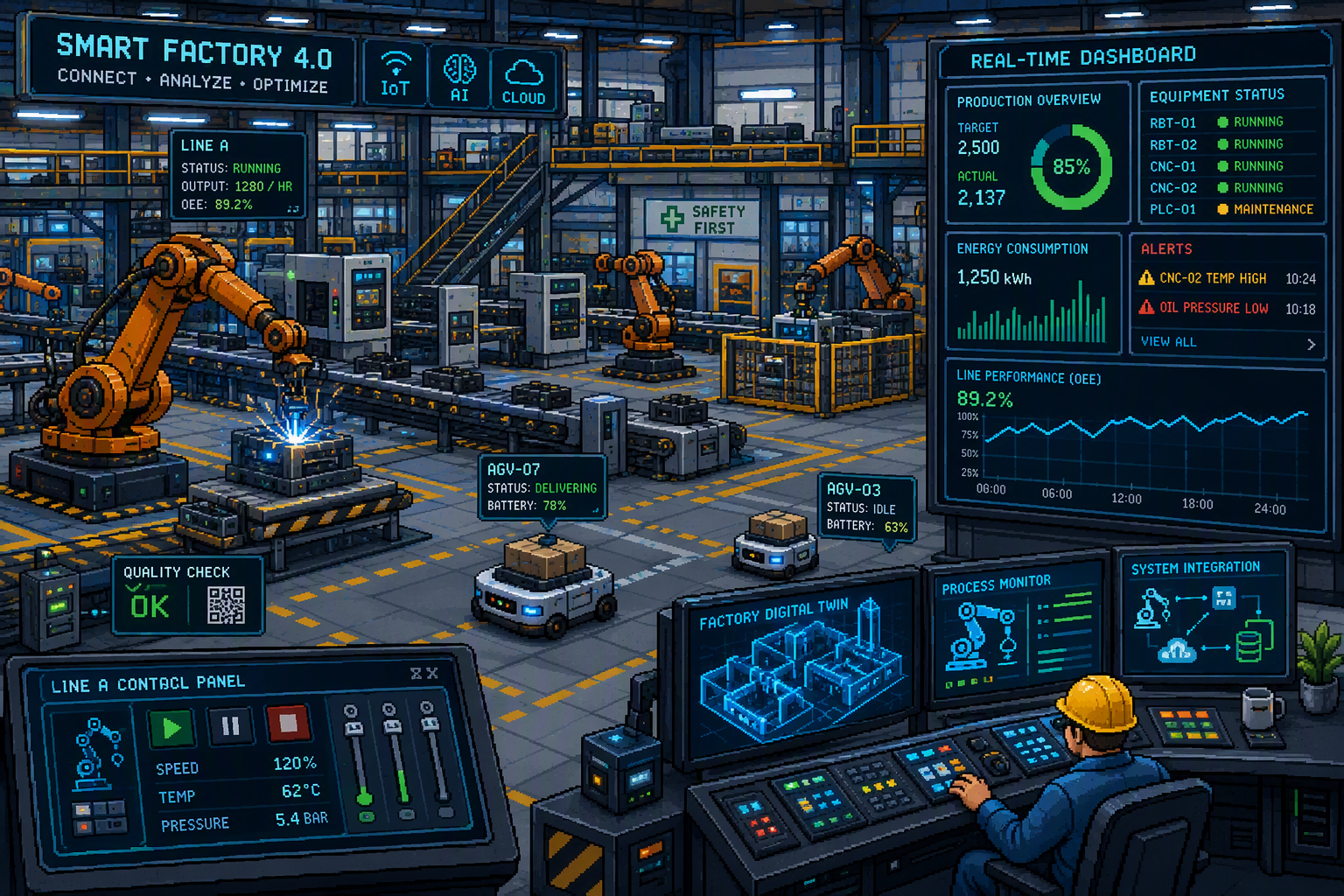
Industrial automation operates through a series of interconnected components that streamline and optimize production processes. At the heart of this system are control devices like programmable logic controllers (PLCs) and industrial PCs, which execute automation logic to manage equipment and machinery efficiently. These devices collect data from field devices and sensors, allowing for real-time monitoring and predictive maintenance. By minimizing human intervention, automation technologies enhance operational efficiency while reducing errors. This integration fosters seamless communication across the supply chain, ultimately leading to better-informed decisions and improved productivity.
Key Components of Automation Systems
Automation systems comprise several key components that work in harmony to enhance operational efficiency. At the heart of these systems are programmable logic controllers (PLCs) and control software, which manage the sequencing of operations and oversee the various tasks on the factory floor. Additionally, field devices like sensors and actuators provide real-time data that enable accurate monitoring and control. To further enhance decision-making, cloud computing and edge computing solutions integrate with automation systems, offering valuable insights for process optimization while minimizing human intervention in routine tasks.
Types of Industrial Automation Systems
Different forms of automation systems cater to various needs in the industrial sector. Fixed automation excels in environments with high volumes, focusing on repetitive tasks, while programmable automation offers flexibility for changing production runs. For more adaptability, flexible automation allows adjustments to batch sizes and product types without significant downtime. Integrated automation, often found in smart factories, combines advanced technologies like the Internet of Things and artificial intelligence to synchronize operations. Each type enhances efficiency and streamlines manufacturing, making it essential for modern industrial processes.
Fixed Automation in Manufacturing
Fixed automation is primarily utilized in manufacturing environments where tasks are repetitive and products are produced in high volumes. This type of automation requires a significant upfront investment in specialized equipment, such as conveyor systems and CNC machines, designed for specific tasks. While it excels in operational efficiency and minimizes the need for manual labor, flexibility is limited. Adjusting production runs or changing product designs can require substantial downtime. The result is a streamlined process that enhances productivity but is best suited for consistent batch production and high lead times.
Programmable Automation Solutions
Programmable automation solutions are designed to handle varying production requirements with ease, allowing businesses to adapt to changes in demand and batch sizes. This flexibility is achieved by integrating advanced control software and programmable logic controllers (PLCs) into industrial processes. By facilitating real-time adjustments, these systems optimize operational efficiency, reduce lead times, and minimize manual labor. The ability to reprogram and fine-tune automation logic makes it perfect for environments where human intervention is kept to a minimum, ensuring consistency and high-quality output across diverse applications.
Flexible Automation Technologies
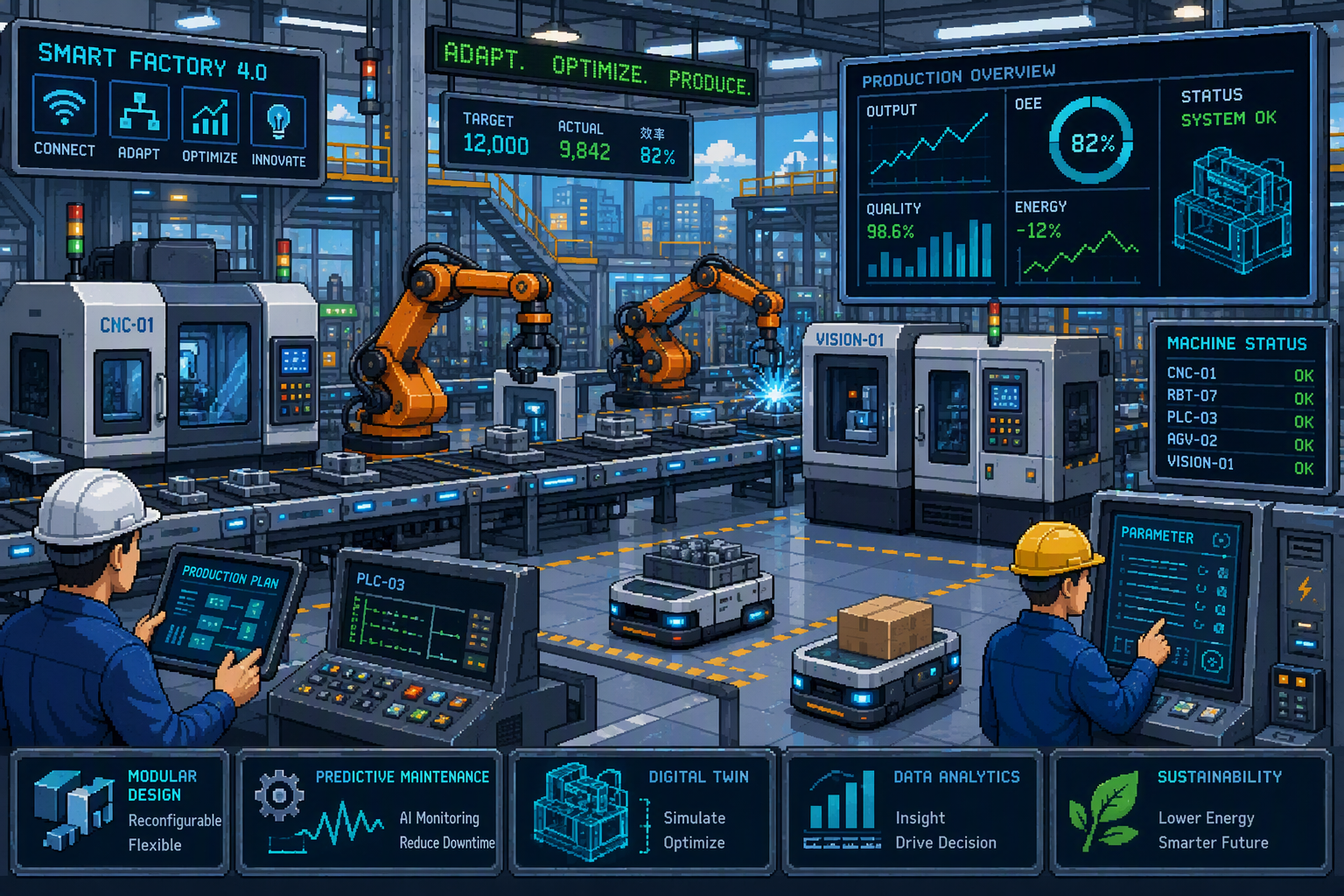
Flexible automation technologies empower manufacturing and industrial operations by allowing for quick adjustments in production processes. These systems adapt to varying product types and batch sizes with minimal human intervention, ensuring efficient management of resources. For example, a manufacturing line can switch between different product configurations using advanced robotics and automation logic, minimizing downtime. By embracing flexible automation, businesses improve operational efficiency, optimize production scheduling, and enhance their ability to meet customer demands without compromising quality control. This adaptability is essential in today’s fast-paced market environment.
Integrated Automation and Smart Factories
Integrated automation embraces technology to create smart factories, enhancing productivity and operational efficiency. These factories leverage the Internet of Things (IoT) and real-time data to streamline processes, minimizing human intervention. By combining automation systems like programmable logic controllers and robotics, they enable seamless communication across devices and systems, optimizing production runs. Smart factories utilize predictive maintenance and advanced analytics to anticipate issues, ensuring smooth operations. This integration of automation fosters informed decision-making and boosts quality control, ultimately transforming the landscape of industrial processes into a vibrant hub of innovation and efficiency.
Evolution of Industrial Automation
The evolution of industrial automation has transformed the way industries operate, leading to smarter and more efficient processes. Early systems relied heavily on simple control logic, which laid the groundwork for the sophisticated automation solutions we see today. With advancements in artificial intelligence and machine learning, businesses are shifting towards intelligent automation that minimizes human intervention while optimizing operations. Digital transformation plays a crucial role in this evolution, seamlessly integrating various technologies, such as the Internet of Things and cloud computing, to create interconnected systems that enhance productivity and efficiency.
Early Systems and Simple Control
In the early days of industrial automation, systems were predominantly mechanical and straightforward, relying heavily on simple control methodologies. These rudimentary setups often used basic sensors and actuators to manage tasks like switching machines on and off or regulating simple processes. While effective, they required significant human intervention, raising concerns around efficiency and error rates. As technology progressed, it paved the way for more advanced automation solutions, setting the stage for the sophisticated systems we rely on today to optimize production and minimize operational downtime.
Transition to Intelligent Automation
The shift toward intelligent automation marks a pivotal moment in the evolution of industrial processes. By leveraging advancements in artificial intelligence and machine learning, organizations can enhance operational efficiency and minimize human intervention. This transition not only facilitates real-time data analysis but also optimizes workflows through automated decision-making. As systems become more connected, the role of the Industrial Internet of Things (IIoT) emerges, enabling seamless integration and improved predictive maintenance. Embracing these intelligent automation solutions ultimately streamlines production and fosters a more agile industrial environment.
Role of Digital Transformation
Digital transformation plays a pivotal role in shaping the future of industrial automation. By integrating advanced technologies like artificial intelligence and the Internet of Things, businesses can enhance operational efficiency and streamline processes. These digital advancements enable real-time data analytics, allowing companies to make informed decisions that optimize production scheduling and minimize downtime. Furthermore, the transition toward cloud computing facilitates better collaboration among teams, increasing flexibility in automation systems. Embracing this transformation not only drives growth but also positions businesses to adapt to ever-evolving market demands.
Major Technologies Shaping Industrial Automation
Artificial intelligence and machine learning are revolutionizing how automation systems operate, enabling smarter decision-making in real time. Robotics plays a crucial role, with cobots designed to work alongside humans in various tasks, enhancing productivity. The industrial Internet of Things (IIoT) connects devices, allowing for predictive maintenance, optimizing operations across the factory floor. Programmable logic controllers (PLCs) streamline control logic, while SCADA systems, integrated with cloud computing, facilitate efficient data acquisition. These technologies collectively enhance operational efficiency and quality control, minimizing human intervention and boosting innovation in industrial processes.
Artificial Intelligence and Machine Learning
Artificial intelligence and machine learning play a transformative role in the industrial automation landscape. By leveraging data analytics and algorithmic techniques, these technologies enhance automation systems, facilitating real-time decision-making and process optimization. Intelligent algorithms can analyze vast datasets from various sources, leading to predictive maintenance and increased operational efficiency. The integration of AI elevates automation technologies to new heights, enabling adaptive responses to changing production demands while minimizing human intervention. This synergy not only streamlines workflows but also boosts productivity, ultimately shaping the future of industrial operations.
Robotics and Cobots
Robotics and cobots are transforming the landscape of industrial automation. Robots excel at performing repetitive tasks with incredible precision and speed, enhancing operational efficiency on the factory floor. Collaborative robots, or cobots, work alongside humans, allowing for a harmonious balance between automation and human intervention. These intelligent machines can adapt to various workflows and are equipped with advanced sensors and control systems, enabling them to operate safely in shared spaces. This integration of robotics not only streamlines production but also reduces manual labor, making workplaces more productive and safe for employees.
Industrial Internet of Things (IIoT)
The Industrial Internet of Things (IIoT) represents a significant leap in automation technology, connecting machines and devices to enhance operational efficiency. By integrating sensors, field devices, and edge computing, IIoT facilitates real-time data exchange across the factory floor. This interconnectivity enables predictive maintenance and process optimization, reducing downtime and maintenance costs. Additionally, IIoT helps streamline production scheduling and improve quality control through continuous monitoring. As industries embrace this technology, informed decisions can be made faster, propelling firms toward greater productivity and lower lead times in their operations.
SCADA and Cloud Computing Integration
SCADA systems, or Supervisory Control and Data Acquisition systems, play a vital role in modern industrial automation by collecting real-time data from various field devices. Integrating SCADA with cloud computing enhances this capability, allowing for remote access and analysis. This synergy enables companies to leverage big data and machine learning algorithms to optimize operations, enhance predictive maintenance, and improve decision-making processes. Such advancements lead to increased operational efficiency while reducing maintenance costs, all without significant human intervention. Together, they pave the way for smarter, more connected industrial environments.
Computer Vision and Digital Twins
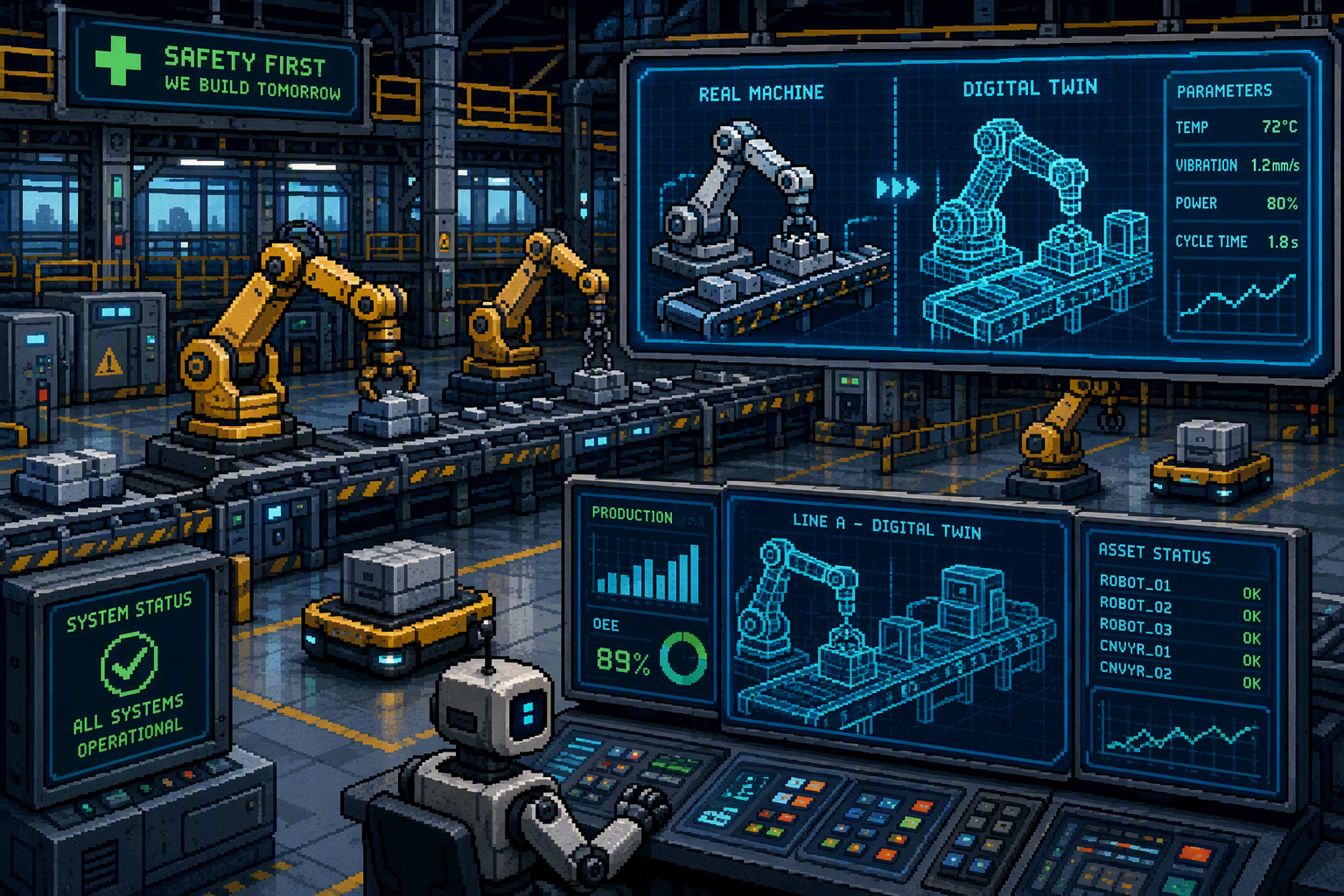
Advancements in computer vision and digital twins are transforming industrial automation. Computer vision empowers machines to interpret visual data, facilitating real-time quality checks and monitoring on the factory floor. This capability reduces the need for manual labor and minimizes human intervention. Meanwhile, digital twins create virtual replicas of physical assets, enabling predictive maintenance and operational optimization. By simulating various scenarios, manufacturers can make informed decisions that enhance efficiency. Together, these technologies not only streamline operations but also boost productivity across diverse industrial processes.
Industries Benefiting From Automation
Diverse sectors reap significant rewards from automation, enhancing efficiency and reducing costs. The automotive manufacturing sector leverages robotics for precise assembly, minimizing human intervention while maximizing production capabilities. In food and beverage processing, automation ensures consistent quality and adherence to safety standards, streamlining complex tasks. The pharmaceutical industry utilizes sophisticated automation for meticulous quality control, ensuring regulatory compliance. Additionally, in oil, gas, and energy operations, automation facilitates real-time monitoring and predictive maintenance, optimizing all facets of production for a seamless workflow. Overall, automation drives innovation across these critical industries.
Automotive Manufacturing Sector
Advancements in automation technology have profoundly transformed the automotive manufacturing sector, where precision and efficiency are paramount. With the integration of robotics and artificial intelligence, automakers can streamline production lines, allowing for better quality control and minimal human intervention. This shift not only enhances process optimization but also reduces lead times and maintenance costs. The flexibility offered by modern automation solutions, such as programmable automation and cloud computing, enables manufacturers to adapt swiftly to changing market demands, ensuring they remain competitive in a rapidly evolving industry.
Food & Beverage Processing
Food and beverage processing has greatly benefitted from advancements in industrial automation, streamlining workflows and enhancing product consistency. Automation technologies, such as programmable automation and robotic process automation, allow for precise control over batch production and efficient quality checks. Implementing these systems not only minimizes human intervention but also optimizes resources, reducing maintenance costs and lead times. Moreover, the integration of the Internet of Things (IoT) enables real-time monitoring of production processes, ensuring that manufacturers can make informed decisions to improve operational efficiency and maintain high standards across their product lines.
Pharmaceutical Industry Applications
In the pharmaceutical sector, automation enhances production accuracy and compliance with stringent regulations. Utilizing robotic process automation and advanced control systems streamlines complex tasks, such as batch production of medications, ensuring consistent quality and minimizing human intervention. Automation technologies also support real-time data monitoring and predictive maintenance, which significantly reduces downtime. By integrating industrial IoT devices, manufacturers can optimize supply chain management and improve overall operational efficiency. These innovations help pharmaceutical companies respond swiftly to market demands while maintaining the highest standards in quality control.
Oil, Gas, and Energy Operations
In the oil, gas, and energy sectors, industrial automation drives significant improvements in efficiency and safety. Automation technology streamlines operations, allowing for real-time monitoring and control of complex processes. By employing programmable automation and advanced control systems, organizations can optimize production scheduling and reduce lead times. Digital twins and predictive maintenance further enhance operational efficiency, minimizing maintenance costs and ensuring uninterrupted service. This integration of automation systems leads to more informed decision-making, transforming traditional practices into agile, responsive operations that can adapt to changing energy demands.
Major Advantages of Industrial Automation
Enhancements in operational efficiency are among the most compelling benefits of industrial automation. Companies can achieve consistent product quality and precision, crucial for maintaining competitive advantage, due to minimal human intervention. Additionally, automation solutions significantly lower maintenance costs while optimizing resource allocation. The implementation of these technologies leads to increased productivity by streamlining processes like production scheduling and quality checks. Furthermore, the reduction in lead times contributes to better supply chain management, ensuring your organization stays responsive to market demands.
Increased Productivity and Efficiency
Leveraging automation technology significantly boosts productivity and efficiency across various sectors. By utilizing programmable automation and fixed automation systems, businesses can streamline processes, reduce lead times, and enhance operational efficiency. These systems minimize human intervention, allowing staff to focus on complex tasks that require critical thinking. Real-time data and machine learning enhance decision-making, leading to optimized resource allocation. Quality checks become more reliable with automation, ensuring consistency in output. Ultimately, the shift toward automation not only heightens productivity but also empowers companies to meet growing demands effortlessly.
Enhanced Worker Safety
Automation technology significantly boosts worker safety across various industries. By minimizing human intervention in hazardous tasks, factories can shield employees from potential risks. Intelligent systems equipped with real-time monitoring can detect dangers, ensuring that safety protocols are consistently enforced. Additionally, when implementing robotics and automated solutions, the need for manual labor decreases, reducing injury rates. With enhanced quality checks and control systems in place, operational efficiency rises, leading to a safer and more productive work environment. Emphasizing these advancements fosters a culture of safety in industrial operations.

Improved Product Quality and Consistency
Automation technologies enhance product quality and consistency by minimizing human error and implementing robust quality control measures. With real-time monitoring and intelligent systems, manufacturers can ensure that each item produced meets high standards. Automated processes, such as machine learning algorithms, continuously analyze production metrics, facilitating adjustments that enhance overall output quality. This leads to fewer defects and a more reliable product, which positively impacts customer satisfaction and loyalty. Embracing automation ultimately supports manufacturers in maintaining consistent quality across varied production runs.
Cost Savings and Resource Optimization
Implementing industrial automation can lead to significant cost savings and enhanced resource optimization. By relying on automation technology, companies can minimize manual labor costs and reduce maintenance expenses through predictive maintenance strategies. Efficient automation systems streamline operations, optimize inventory levels, and enable real-time data-driven decision-making. As production processes become more precise, waste decreases, improving overall operational efficiency. Additionally, automation logic allows for better resource allocation, ensuring that materials are used judiciously, thereby further driving down costs and enhancing sustainability. Embracing these advancements can transform the bottom line for businesses in various industries.
Current Trends in the Industrial Automation Industry
Emerging trends in the industrial automation landscape are reshaping how businesses operate. The rise of smart factories, characterized by enhanced connectivity and real-time data analytics, is leading to smarter decision-making and process optimization. Sustainability initiatives are also gaining traction, pushing companies toward greener manufacturing practices. Furthermore, remote monitoring and predictive maintenance have become essential, allowing for early issue detection and reducing downtime. These trends illustrate a commitment to leveraging automation technology to streamline operations while ensuring efficiency and environmental responsibility.
Rise of Smart Factories
The emergence of smart factories marks a transformative phase in the industrial automation landscape. By integrating advanced technologies like the Internet of Things (IoT) and artificial intelligence (AI), these factories enhance operational efficiency and enable real-time monitoring and control of manufacturing processes. With minimal human intervention, automation systems collect data from machines, allowing for predictive maintenance and informed decisions to optimize production. This shift not only reduces costs but also improves product quality, setting a new standard for what factories can achieve in today's fast-paced market.
Sustainability and Green Manufacturing
Sustainability in the industrial automation industry focuses on minimizing environmental impact while enhancing operational efficiency. Through innovative automation technologies, companies can reduce waste, optimize resource usage, and lower maintenance costs. Green manufacturing practices incorporate energy-efficient machines, smart sensors, and real-time monitoring systems, which contribute to sustainable production processes. By integrating these systems, businesses can make informed decisions that support eco-friendly initiatives and foster a circular economy. This shift not only benefits the environment but also enhances brand reputation and can lead to cost savings in the long run.
Remote Monitoring and Predictive Maintenance
Remote monitoring and predictive maintenance have revolutionized how industries manage equipment and operations. By leveraging the Internet of Things (IoT) and real-time data analytics, businesses can closely observe machinery health and performance, reducing downtime significantly. This approach allows for timely interventions before issues escalate, optimizing maintenance schedules and minimizing manual labor. Through automation solutions, operators gain insights into equipment status and can make informed decisions, ultimately enhancing overall operational efficiency. With predictive maintenance, maintaining high-quality standards becomes simpler, ensuring consistency across production runs.
Outlook and Growth Projections for the Automation Market
Growth projections for the automation market indicate a rising demand, driven by advancements in artificial intelligence and machine learning. As industries prioritize operational efficiency and cost savings, the adoption of automation solutions is expected to surge. Emerging regions are seeing significant investments as companies seek to modernize their industrial processes. Furthermore, the integration of the Internet of Things and cloud computing is transforming production landscapes. This evolution presents abundant opportunities for businesses willing to embrace change, ensuring they remain competitive in an increasingly automated world.
Market Size and Forecast in the United States
The industrial automation market in the United States is poised for significant growth, driven by advancements in technology and increased adoption across various sectors. As businesses seek to enhance operational efficiency and reduce costs, the demand for automation solutions is soaring. Recent projections indicate a steady increase, with a forecasted market size reaching billions in the next few years. With emerging technologies like artificial intelligence and the Internet of Things (IoT) playing a crucial role, the future looks bright for industrial automation in America.
Factors Driving Industry Expansion
Several factors are propelling expansion in the industrial automation arena. Innovations in artificial intelligence and machine learning continuously enhance automation technologies, allowing for better process optimization and operational efficiency. Additionally, the growing demand for flexibility in manufacturing, such as the adoption of programmable automation and agile production methods, is crucial. The push for sustainable practices and reduced environmental impact also drives companies to implement smart solutions. Moreover, advancements in the Industrial Internet of Things (IIoT) offer real-time data insights, allowing informed decisions that streamline supply chains and boost productivity.
Emerging Regions for Automation Adoption
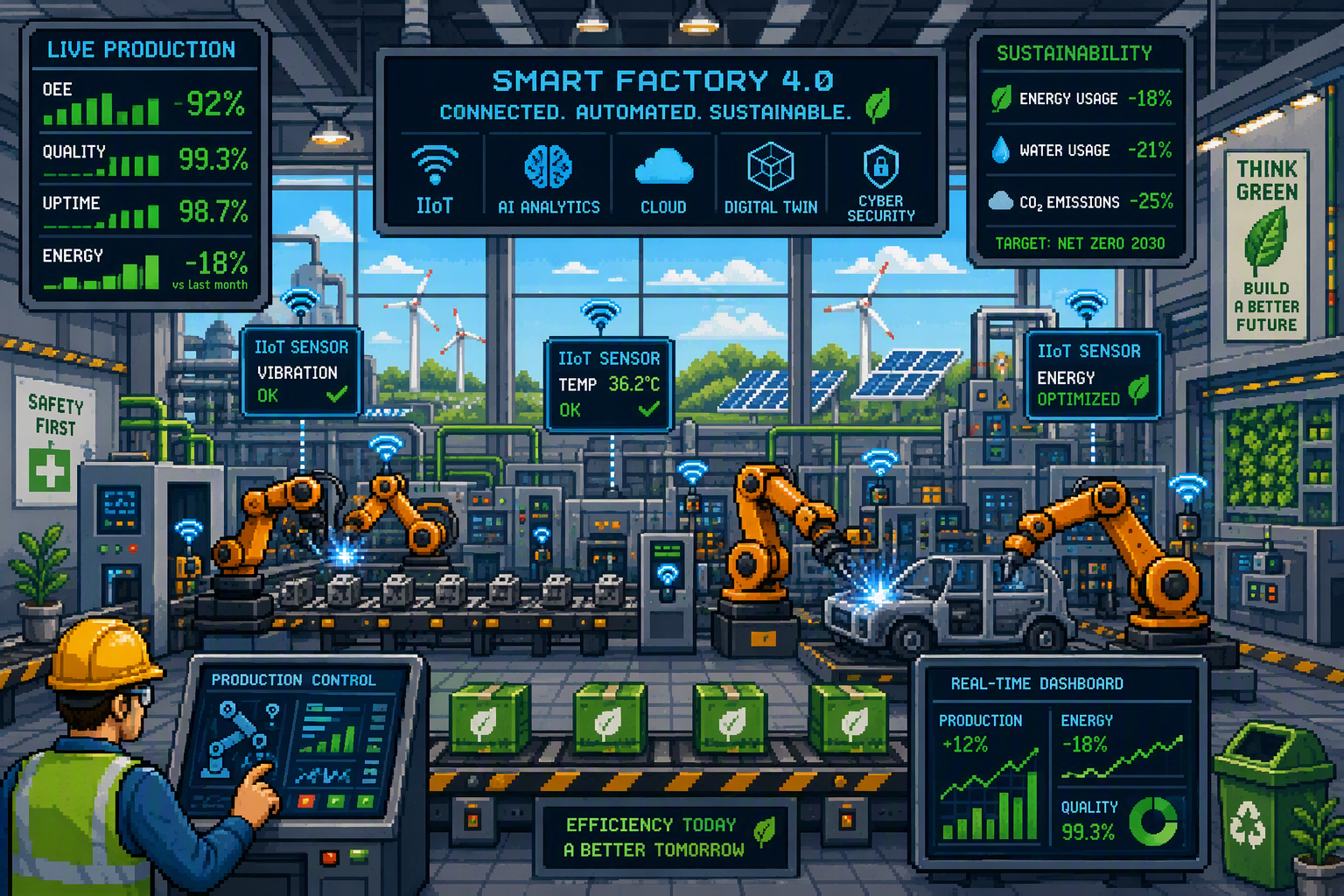
Emerging regions for automation adoption are experiencing rapid growth as industries seek to enhance operational efficiency and productivity. Countries in Southeast Asia, like Vietnam and Indonesia, are investing heavily in automation technologies to streamline their manufacturing processes. Similarly, Eastern Europe is becoming a hub for smart factories, driven by advancements in artificial intelligence and machine learning, enabling informed decisions and optimized production runs. These regions not only benefit from cost savings but also attract foreign investment, bolstering their automation capabilities and positioning them as competitive players on the global stage.
Investing in Industrial Automation Solutions
Recognizing the transformative potential of automation technology is essential for businesses looking to enhance their operational efficiency. Investing in these solutions means evaluating automation systems tailored to specific tasks and processes. This involves selecting appropriate technologies such as programmable logic controllers and robotics that streamline operations. Companies should also consider factors like implementation costs and the impact on workforce dynamics as they transition toward automation. Embracing industrial automation can empower organizations to optimize production scheduling while maintaining quality checks, ultimately leading to improved productivity and reduced lead times.
Strategic Considerations for Businesses
Investing in automation solutions requires careful planning to align technology with business goals. A comprehensive assessment of your current operations can identify areas where efficiency can improve, aiding in decision-making. Engaging stakeholders across all levels fosters a collaborative environment for smooth integration. Evaluating potential automation systems should consider scalability and ease of use, ensuring they match your specific tasks and needs. It’s essential to focus on workforce training to facilitate the transition, enhancing employee skills while minimizing resistance to change, ultimately leading to successful automation adoption.
Technology Selection and Integration
Finding the right technology for industrial automation involves careful consideration of various factors. Teams should evaluate compatibility with existing systems, focusing on automation solutions that enhance operational efficiency and process optimization. Integration can often be streamlined with the help of middlewares, connecting different components like programmable logic controllers (PLCs) and supervisory control systems seamlessly. Collaboration among stakeholders is key; sharing information fosters informed decisions. Ultimately, selecting the best technology not only improves productivity but also facilitates the transition toward more advanced, adaptive automation technologies.
Managing Change and Workforce Impact
The integration of automation technology often brings about significant shifts in workplace dynamics. Supporting your workforce through these changes is vital for smooth transitions and enhanced efficiency. Engaging employees in the process not only reduces resistance, but also fosters a culture of adaptability. Training programs tailored to upskill workers will empower them to leverage automation solutions effectively. Emphasizing communication helps mitigate concerns about job security, reassuring staff that they will continue to play valuable roles alongside advanced systems. Investing in a collaborative atmosphere leads to informed decisions and boosts overall morale.
Jobs and Career Opportunities in Industrial Automation
A variety of roles in the industrial automation sector appeal to diverse skill sets and interests. System design and engineering positions focus on creating and optimizing automation systems, while technicians and programmers ensure smooth operations on the factory floor. With the rise of artificial intelligence and robotics, career pathways in these fields are expanding, offering exciting opportunities for those interested in cutting-edge technology. Engaging with real-time data and process optimization makes these jobs dynamic, highlighting the growing importance of automation solutions in modern industries.
Roles in System Design and Engineering
In system design and engineering, professionals play pivotal roles in shaping automation solutions. These experts create innovative control systems and select appropriate hardware, such as programmable logic controllers and sensors, essential for seamless integration. Collaboration is key, as they work with teams to optimize processes and enhance operational efficiency. By employing techniques like predictive maintenance and analyzing data from the industrial IoT, they ensure systems run smoothly. Their ability to design and implement automation logic allows facilities to adapt to changing production needs while minimizing human intervention and maximizing quality control.
Automation Technician and Programmer Positions
Automation technicians and programmers play vital roles in the industrial automation landscape. Responsible for maintaining and troubleshooting automation systems, technicians ensure smooth operations on the factory floor. They focus on optimizing performance while minimizing downtime. On the other hand, programmers develop algorithms and control logic crucial for automating complex tasks. They work closely with control software, programmable logic controllers, and industrial robots to enhance productivity. Both positions require a blend of technical skills and creativity, enabling companies to harness advanced technologies and improve operational efficiency. Together, they drive innovation in automation solutions.
Career Pathways in Robotics and AI
A career in robotics and AI opens up exciting opportunities across various sectors. Many roles focus on developing automation solutions, such as software engineers creating control logic for robots or data scientists implementing machine learning algorithms to enhance performance. Additionally, positions as automation technicians provide hands-on experience with industrial robots and programmable logic controllers. Moreover, roles in project management and integration support the seamless deployment of these technologies in real-world applications, ensuring efficiency and minimal human intervention on the factory floor. Embrace this vibrant field for a rewarding career!
Common Examples of Industrial Automation in Practice
Automation is increasingly transforming the factory floor with advancements in technology. For instance, assembly line applications showcase how machines can streamline production runs, minimizing human intervention while enhancing efficiency. Automated material handling systems further optimize processes by using conveyors and robotic arms to move items seamlessly. Quality control systems utilize machine learning and computer vision to ensure that products meet stringent standards. These practical examples illustrate the diverse ways industrial automation enhances operational technology, improving productivity and achieving consistent quality across various manufacturing sectors.
Assembly Line Applications
In assembly line applications, automation technology plays a pivotal role in enhancing efficiency. By integrating robotic systems with programmable automation, manufacturers can streamline operations, reduce lead times, and optimize production runs. These automation solutions facilitate real-time monitoring and minimal human intervention, improving overall quality control and consistency. With advanced control logic, equipment like CNC machines and industrial robots can perform complex tasks with precision. As a result, factories experience increased operational efficiency, allowing for better resource management and significant cost savings. This shift is transforming how products are manufactured, leading to a smarter, more responsive production environment.
Automated Material Handling
Automated material handling encompasses various technologies that streamline the movement, storage, and retrieval of materials within a facility. This includes the use of conveyors, automated guided vehicles (AGVs), and robotic arms, all designed to minimize human intervention. By implementing these systems, businesses enhance operational efficiency and reduce labor costs through optimized workflows and precise control logic. Applications like automated storage and retrieval systems (AS/RS) and smart inventory management leverage the Internet of Things (IoT) for real-time tracking, ensuring quality checks and improved productivity across the supply chain.
Quality Control Using Vision Systems
Visual inspection in manufacturing is revolutionized by automation technology, particularly through the use of vision systems. These systems leverage machine learning and artificial intelligence to detect defects, ensuring high-quality outputs with minimal human intervention. By integrating cameras and sensors into production lines, real-time quality checks can be performed, vastly improving process optimization. This leads to reduced maintenance costs and enhanced operational efficiency. With the capability to analyze products and provide immediate feedback, vision systems streamline workflow, ultimately supporting the reliability of industrial automation systems across various sectors.
Frequently Asked Questions
Understanding the various aspects of industrial automation can bring clarity to those curious about its impact. Commonly, individuals ask about the primary types of automation systems, which include fixed, programmable, and flexible automation, each catering to different needs. Another frequent question revolves around productivity improvements, highlighting how machine learning and artificial intelligence streamline manufacturing processes. Lastly, many wonder about the necessary skills for careers in automation; key competencies include familiarity with control systems and troubleshooting machinery, ensuring professionals can excel in this evolving field.
What are the main types of industrial automation systems?
The main types of industrial automation systems include fixed automation, which offers high efficiency for mass production; programmable automation, suited for batch production; and flexible automation, designed for varied products. Each type caters to different operational needs and production scales in manufacturing environments.
How is industrial automation improving manufacturing productivity?
Industrial automation enhances manufacturing productivity by streamlining processes, reducing manual labor, and minimizing errors. Automated systems increase production speed and consistency while optimizing resource allocation, ultimately leading to higher output and efficiency within the manufacturing environment. This transformation is crucial for meeting growing market demands.
What skills are needed for a career in industrial automation?
A career in industrial automation requires skills such as proficiency in programming languages, understanding of robotics and PLCs, knowledge of control systems, analytical problem-solving, and familiarity with AI and IoT technologies. Continuous learning and adaptability are also essential due to rapid technological advancements.
Conclusion
As industrial automation continues to evolve, its impact on various industries becomes increasingly profound. Embracing automation technologies not only enhances operational efficiency but also fosters innovation and adaptability in an ever-changing market. Companies that prioritize automation will be better equipped to optimize production processes, reduce costs, and improve product quality while minimizing human intervention. Looking ahead, the integration of AI, IoT, and other cutting-edge technologies will shape the future of industrial automation, ultimately transforming how we conduct business across diverse sectors.
You might also like