Industrial Automation Industry Trends to Watch in 2026
Industrial Automation Industry Trends to Watch in 2026
Key Highlights
- Industrial automation is reshaping the manufacturing process with faster, smarter, and safer automation systems.
- New technologies like AI, machine learning, and industrial IoT are driving major industry change.
- The main types of industrial automation support everything from mass output to flexible production.
- Businesses use automation systems to improve product quality, reduce waste, and limit manual labor.
- Smart factories, industrial robots, and digital twins are expanding what automation technology can deliver.
- The United States market outlook points to steady growth as manufacturers invest in automation solutions.
Introduction
Industrial automation is rapidly reshaping various sectors, paving the way for significant advancements and efficiencies. By minimizing human intervention through the use of robotics and intelligent systems, industries are enhancing productivity while ensuring high levels of product quality. As we progress towards 2026, understanding the emerging trends and technologies becomes essential to navigate this dynamic landscape. From programmable automation to the integration of artificial intelligence, organizations must stay informed to leverage these innovations effectively. Embracing these changes not only improves operational efficiency but also offers a competitive advantage in an ever-evolving market.
Industrial Automation Industry Statistics: Market Size and Growth Data
Understanding Industrial Automation
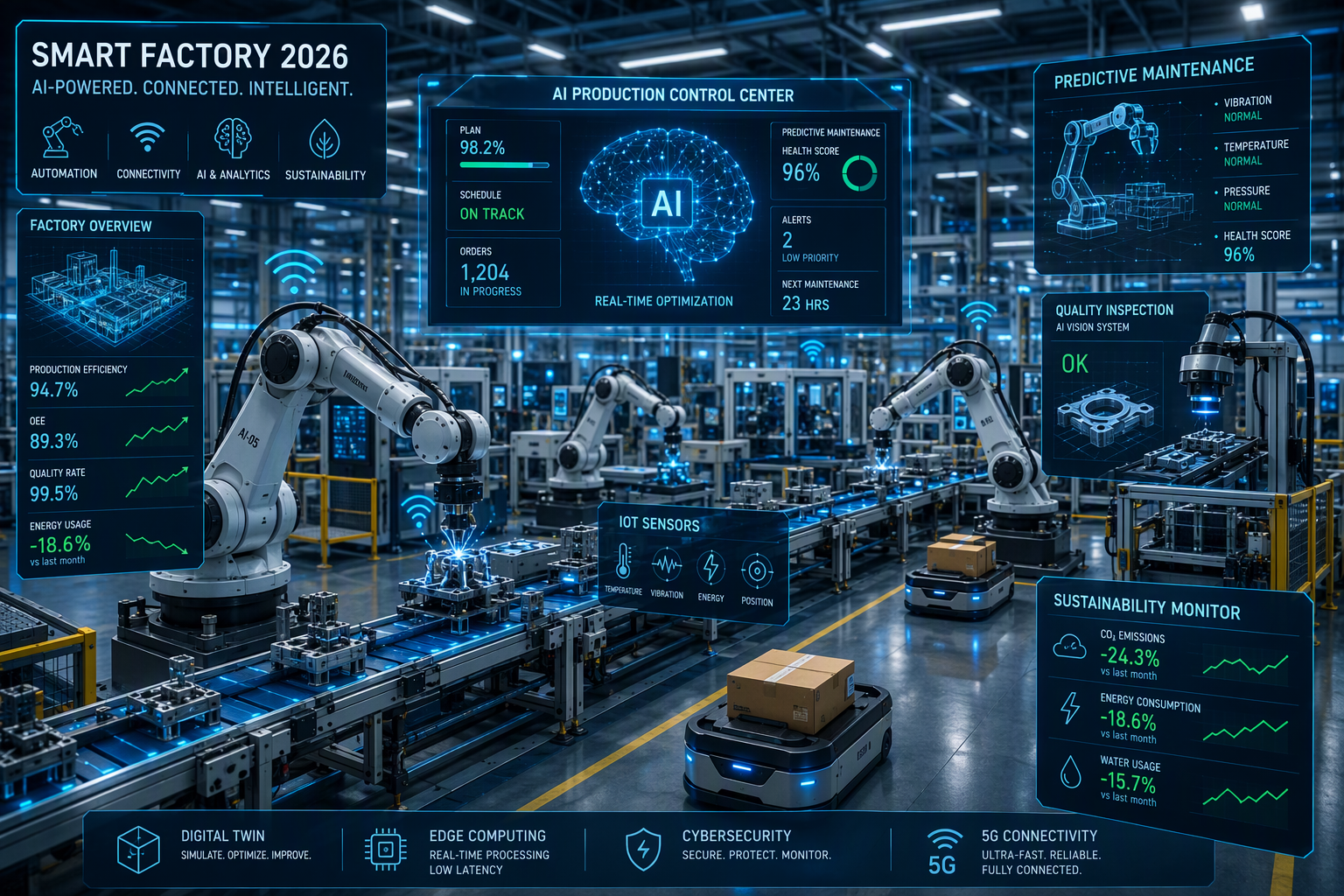
Industrial automation encompasses technologies and systems designed to perform tasks with minimal human intervention. By leveraging tools like programmable logic controllers and industrial robots, industries can enhance their manufacturing processes, ensuring increased product quality and consistency. The integration of artificial intelligence and machine learning further empowers automation solutions to adapt and improve over time. Types of industrial automation vary from fixed setups for repetitive tasks to flexible systems that respond to changing demands. These advancements lead to smarter factories, showcasing the transformative power of automation across various sectors and industries.
Definition and Core Concepts
Automation in industrial settings refers to the integration of technology into manufacturing processes to enhance efficiency. Core concepts include the use of programmable logic controllers (PLC) and industrial robots, which minimize human intervention for repetitive tasks. These automation systems apply control logic to streamline operations, ensuring quality control throughout the production lines. By utilizing the Internet of Things (IoT), data from field devices informs real-time decision-making, enhancing flexibility and responsiveness. Ultimately, industrial automation drives innovation, creating smart factories that prioritize productivity and sustainability in various industries.
How Industrial Automation Works
Automation in industrial settings relies on a blend of computerized systems and machinery to streamline processes. Utilizing programmable logic controllers (PLCs) and sensors, it facilitates real-time monitoring and control, drastically reducing reliance on manual labor. Complex tasks such as precise material handling and data acquisition are managed by interconnected industrial networks. By employing machine learning, these systems can adapt to changing conditions, enhancing productivity and efficiency. This seamless integration of technology allows for minimal human intervention while maintaining product quality through rigorous quality checks, ultimately leading to smarter, more effective manufacturing environments.
Evolution of Automation in Manufacturing
Over the years, the evolution of automation in manufacturing has transformed how products are made. Initially, simple mechanization replaced manual labor for repetitive tasks, paving the way for more complex systems. With the introduction of programmable logic controllers and SCADA systems, manufacturers gained enhanced process control and efficiency. Today, smart factories utilize artificial intelligence and the Internet of Things to connect various automation solutions seamlessly. As technologies like robotics and machine learning continue to advance, industries can expect even greater innovations that improve productivity and quality while minimizing human intervention in the production process.
Key Components and Technologies
Key components of industrial automation systems include sensors, actuators, and programmable logic controllers (PLCs). These technologies facilitate real-time monitoring and control of manufacturing processes by collecting sensor data and executing control logic. Robotics, including industrial robots and collaborative robots (cobots), play a vital role in automating repetitive tasks, enhancing productivity. Moreover, the integration of the Industrial Internet of Things (IIoT) allows for smarter factories, enabling seamless communication among devices. Together, these elements create a cohesive ecosystem that optimizes operations and enhances efficiency across various industries.
Types of Industrial Automation Systems
Various types of industrial automation systems cater to different production needs, enhancing efficiency and consistency. Fixed automation is ideal for high-volume tasks, while programmable automation offers flexibility to accommodate different production runs. Flexible automation adapts easily to changing product types, making it perfect for manufacturers requiring quick transitions. Integrated automation connects various systems to streamline processes, ensuring data flows seamlessly across platforms. Additionally, examples like programmable logic controllers and SCADA systems enhance process control and data acquisition, making tasks easier with minimal human intervention, thereby improving overall productivity and safety on the production floor.
Fixed Automation
Fixed automation refers to the use of specialized equipment and systems designed to produce a specific product or set of products. This type of automation technology often involves significant upfront investment, but it excels in high-volume production settings where tasks and processes remain consistent. Examples include assembly lines and CNC machines, which streamline the manufacturing process by minimizing human intervention. In fixed automation, operational efficiency is maximized while reducing cycle times for repetitive tasks. This approach is particularly beneficial for batch production and ensures high product quality through reliable and precise processes.
Programmable Automation
A popular choice in modern manufacturing, programmable automation allows companies to swiftly adjust production lines to meet changing demands. This flexibility supports numerous batch production scenarios, facilitating the customization of different products without halting operations. At its core, programmable automation leverages programmable logic controllers (PLCs) to streamline various processes. These systems can manage tasks like material handling and assembly line operations with minimal human intervention. Furthermore, the integration of industrial internet of things (IIoT) enhances data acquisition and real-time monitoring, thus improving overall efficiency and giving manufacturers a competitive advantage in an evolving landscape.
Flexible Automation
Flexibility in automation systems allows manufacturers to adapt swiftly to changing demands and varied production needs. By utilizing advanced robotics and programmable automation technologies, facilities can efficiently switch between different product lines without extensive downtime. This adaptability is particularly beneficial in environments where product variety and customization are crucial. Moreover, flexible automation reduces the reliance on manual labor, minimizing human intervention while maintaining high levels of productivity. As industries evolve and consumer preferences shift, embracing flexible automation solutions enables businesses to stay competitive and responsive in a dynamic market landscape.
Integrated Automation
Integration represents the cohesive blend of various automation technologies within industrial settings. This approach emphasizes seamless communication among automation systems, allowing for smooth data transfer and operational synergy. By incorporating programmable logic controllers (PLCs), sensors, and cloud-based solutions, integrated automation enhances real-time monitoring and control, leading to improved efficiency and productivity. Additionally, it minimizes human intervention in repetitive tasks, freeing up personnel for more complex responsibilities. Effective integration not only boosts the quality control of products but also streamlines the manufacturing process across different types of industrial environments. This holistic strategy positions companies to better respond to market demands.
Examples of Industrial Automation Systems
Various industrial automation systems showcase the versatility and effectiveness of this technology. For instance, programmable logic controllers (PLCs) are widely used in manufacturing settings to manage machinery and assembly lines with minimal human intervention. Automated guided vehicles (AGVs) facilitate material handling by efficiently transporting raw materials or finished products across factory floors. Additionally, robotic arms are commonplace in automotive and electronics production, performing repetitive tasks with exceptional precision. These systems not only enhance productivity but also ensure quality control, adapting to different types of production requirements in diverse industrial environments.
Main Benefits of Industrial Automation
Enhanced productivity stands out as a major benefit of industrial automation, optimizing the manufacturing process and allowing for more output in less time. As systems streamline repetitive tasks, companies can focus on innovation rather than manual labor. Operational efficiency improves significantly through effective process control, reducing energy use and minimizing costs. Automation solutions can also bolster product quality and consistency. Notably, advanced technologies create safer work environments by taking on dangerous tasks, thereby strengthening safety and ergonomics for workers, ultimately leading to a more effective production line.
Boosting Productivity in Manufacturing
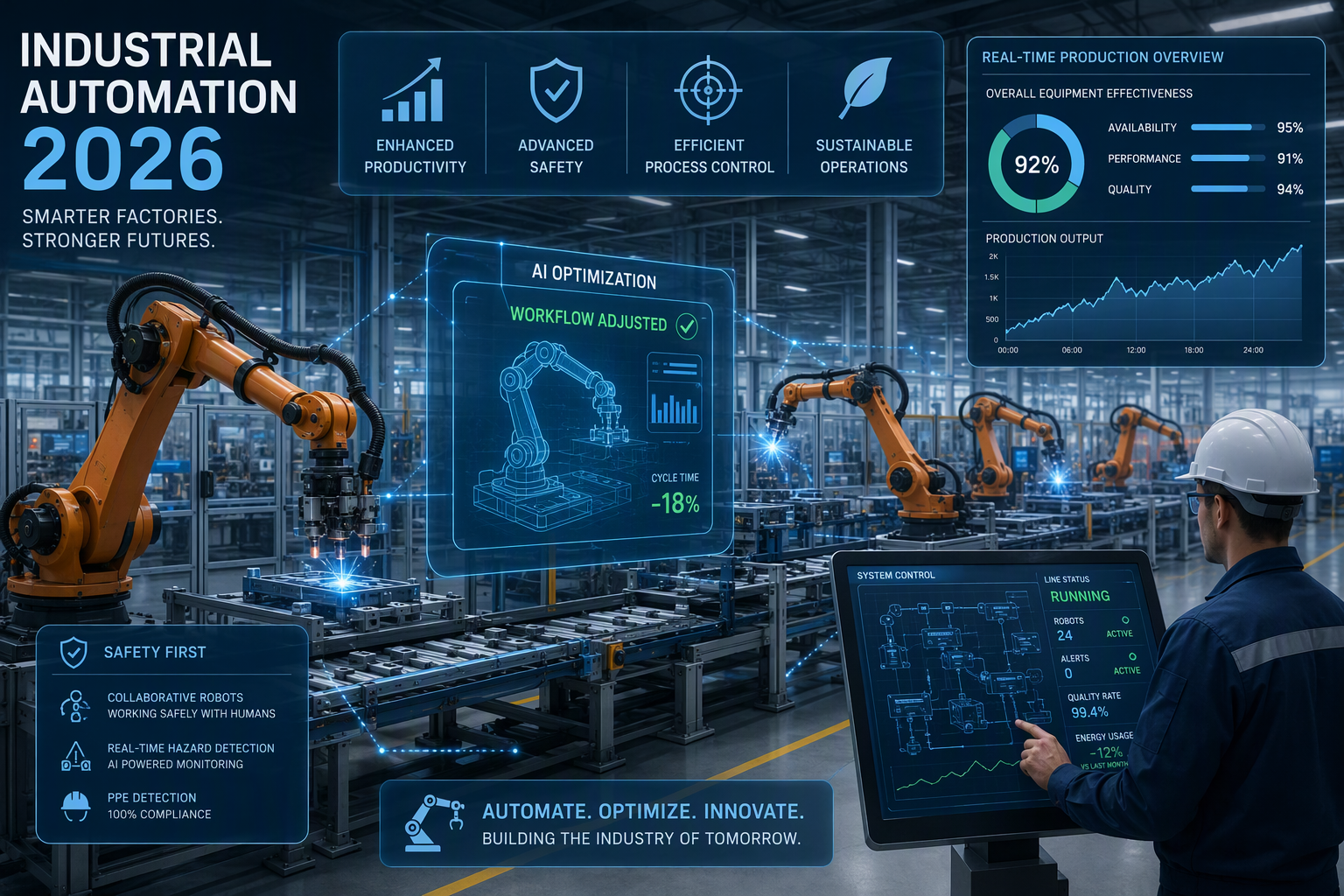
Enhancing productivity in manufacturing relies on the seamless integration of automation systems. By utilizing programmable logic controllers and industrial robots, companies can streamline operations, allowing for greater efficiency in production lines. These systems minimize human intervention, particularly in repetitive tasks, leading to faster output without sacrificing product quality. With the rise of the industrial internet of things, real-time data analysis enables manufacturers to make informed decisions, further optimizing the production process. As automation technology advances, the focus on resource management and energy use will significantly boost efficiency across various industries, positioning businesses for long-term success.
Enhancing Operational Efficiency
Boosting operational efficiency in the industrial automation industry relies on integrating advanced technologies that optimize production processes. Automation systems reduce the need for manual labor, enabling companies to streamline tasks and enhance throughput. Leveraging real-time data analytics and machine learning allows for better decision-making, reducing downtime and maximizing resource utilization. Additionally, implementing automation solutions in supply chain management ensures that materials flow smoothly, minimizing waste and improving overall performance. These innovative approaches not only elevate productivity but also drive significant cost savings, leading to a more competitive advantage in various markets.
Improving Product Quality and Consistency
Enhanced product quality and consistency hinge on automation technologies that minimize human intervention and streamline the manufacturing process. Through the use of advanced machines and automation systems, manufacturers can achieve precise control over production lines, ensuring that each item meets stringent quality checks. Programmable automation enables flexibility in production, adapting to different product specifications while maintaining high standards. Additionally, leveraging sensor data and predictive maintenance helps identify potential issues before they affect output, ultimately contributing to superior quality and consistency across various industries. Embracing these automation solutions fosters competitive advantages and satisfies customer demands for excellence.
Reducing Costs and Waste
Achieving significant reductions in costs and waste is a primary benefit of implementing industrial automation solutions. By utilizing advanced technologies like machine learning and the Industrial Internet of Things (IIoT), businesses can optimize their production processes. Enhanced data analysis provides insights that help identify inefficiencies, allowing for timely adjustments. Automation systems streamline operations, minimizing manual labor and reducing the likelihood of error. This leads to better quality control and consistent product output, ensuring that raw materials are used efficiently. The result is not only lower expenses but also a smaller environmental footprint, paving the way for more sustainable practices in various industries.
Strengthening Safety and Ergonomics
Ensuring safety and ergonomics plays a pivotal role in the industrial automation landscape. Advanced automation solutions significantly reduce the need for manual labor in hazardous environments, minimizing risks associated with dangerous tasks. Integrating field devices such as sensors and industrial robots enhances worker safety while optimizing workflows. Ergonomic designs and smart machinery further support human operators by reducing physical strain during repetitive tasks. Overall, a focus on safety and ergonomics not only protects employees but also fosters a more productive and efficient manufacturing process, ultimately leading to improved operational success.
Industrial Automation Market Outlook for the United States
Projected growth in the industrial automation market reveals a bright future for the United States. Driven by advancements in artificial intelligence, machine learning, and the Internet of Things, sectors are increasingly adopting automation systems to enhance efficiency and productivity. The demand for smart factories is expected to rise, fostering opportunities for innovative automation solutions. Labor shortages and the need for reduced operational costs further accelerate this trend. As companies invest in integrated automation technologies, expect a transformative impact on manufacturing, logistics, and various industries, shaping a robust future landscape for the automation market.
Market Size and Projections for 2026
As the industrial automation landscape continues to evolve, significant growth is anticipated in the market size by 2026. With the increasing adoption of technologies like artificial intelligence, machine learning, and the industrial internet of things (IIoT), companies are expected to invest heavily in automation solutions to enhance their production processes. Projections suggest a robust expansion driven by the need for increased efficiency, quality control, and reduced operational costs. This growth presents exciting opportunities for various industries, allowing them to streamline operations and maintain a competitive advantage in today’s fast-paced market.
Key Market Drivers and Inhibitors
Several key factors are influencing the industrial automation market. On the driver side, the need for enhanced productivity and reduced labor costs is leading businesses to invest in automation solutions. Additionally, advancements in artificial intelligence and machine learning are unlocking new capabilities, further encouraging adoption. Conversely, challenges such as high initial investment costs and the potential for job displacement pose significant inhibitors. Companies must also navigate cybersecurity threats which can deter automation implementation. Balancing these drivers and inhibitors will be crucial for organizations aiming to thrive in this evolving landscape.
Growth Opportunities by Sector
Significant growth opportunities abound across various sectors influenced by advancements in industrial automation. The manufacturing sector is poised to benefit from enhanced programmable automation, while industries like food and beverage are embracing flexible automation solutions to improve efficiency. Automotive sectors are leveraging smart factories and robotics to streamline production processes. Pharmaceutical companies are focusing on automation technology to ensure product quality and compliance with stringent regulations. Meanwhile, logistics and supply chain are adopting real-time monitoring and predictive maintenance to optimize operations. These trends demonstrate the broad potential of automation systems to transform various industries positively.
Regional Trends in the U.S. Market
Regional variations within the U.S. market reveal distinct trends in the industrial automation sector. The Midwest, often dubbed the manufacturing heartland, sees a surge in smart factories integrating robotics and IoT technologies. Meanwhile, the West Coast focuses on advanced machine learning and edge computing, driving innovation in automation systems. Southern states emphasize flexible automation for industries like food and beverage, while the Northeast leverages automation solutions for pharmaceuticals. These geographic trends highlight diverse applications, showcasing how different areas adapt to industrial automation's transformative landscape for various sectors.
New Technologies Shaping the Industry
Innovations in automation technology are transforming industrial environments at an impressive pace. Robotics, including collaborative robots (cobots), enhance efficiency by working alongside human labor, reducing the need for human intervention in dangerous tasks. The integration of artificial intelligence and machine learning enables real-time data analysis, allowing automation systems to adapt swiftly to changing conditions. Meanwhile, the industrial Internet of Things (IIoT) connects field devices for smoother operations. Furthermore, digital twins facilitate simulations that optimize production processes. These advanced technologies are pivotal in shaping smart factories, driving productivity, and enhancing overall operational efficiency.
Robotics and Collaborative Robots (Cobots)
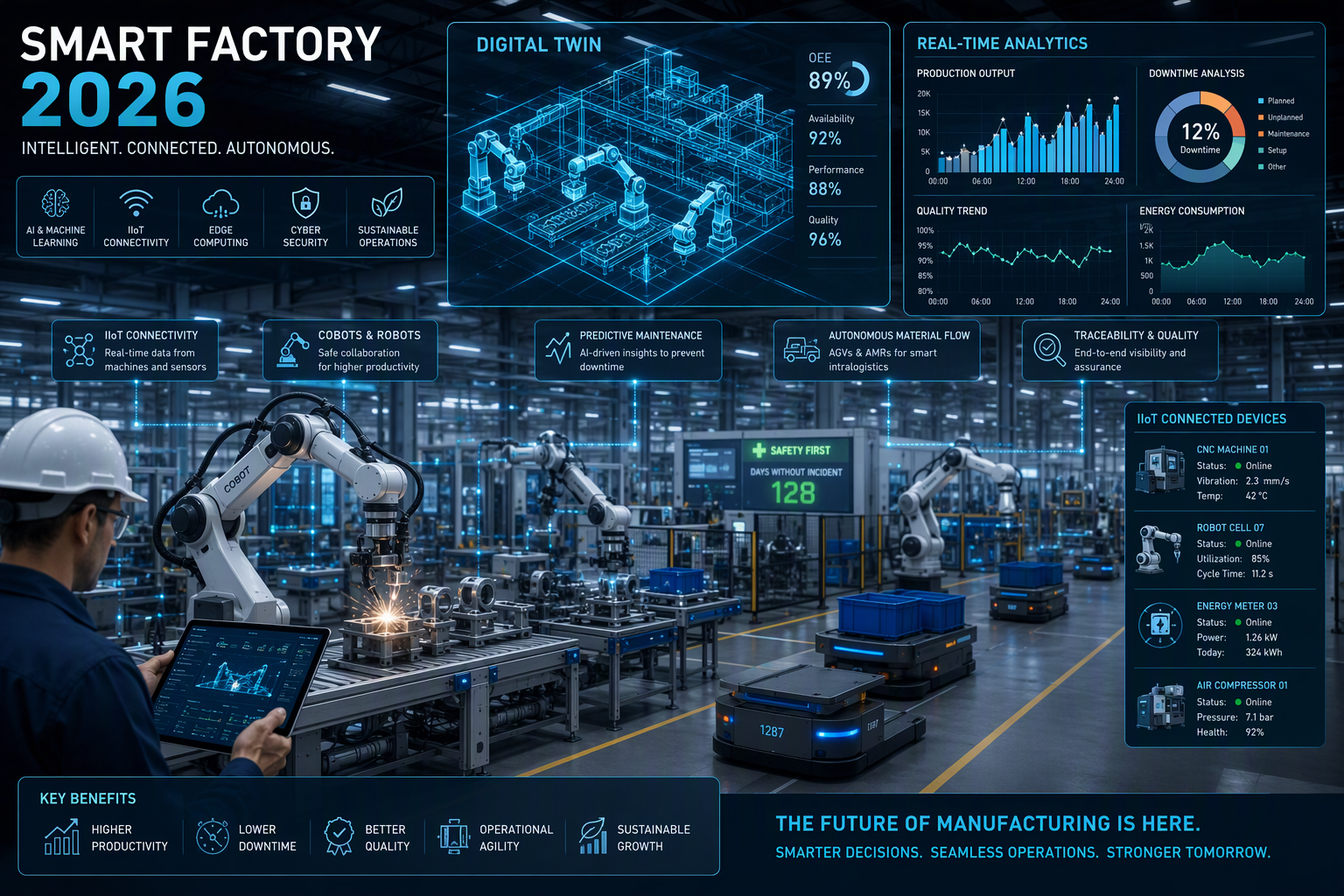
Robotics has revolutionized the landscape of industrial automation, particularly through the introduction of collaborative robots, or cobots. These robots are designed to work alongside human operators, enhancing productivity while ensuring safety in various tasks. Unlike traditional industrial robots that often operate behind safety barriers, cobots can share workspaces with humans, enabling a seamless collaboration. Incorporating advanced technologies like artificial intelligence and machine learning, cobots adapt to changing environments and learn from their interactions. This flexibility not only boosts efficiency but also addresses labor shortages, making them invaluable assets across diverse manufacturing processes.
Artificial Intelligence and Machine Learning Integration
Incorporating artificial intelligence (AI) and machine learning into industrial automation transforms how businesses operate. By analyzing vast amounts of sensor data, AI enhances decision-making and optimizes production processes, allowing for real-time adjustments. This integration also drives predictive maintenance, identifying potential equipment failures before they affect operations. Moreover, machine learning algorithms can improve quality control by continuously learning from past data, reducing defects and ensuring product consistency. As smart factories evolve, AI and machine learning will play vital roles, enabling minimal human intervention while maximizing efficiency and safety across various industries.
Industrial Internet of Things (IIoT)
The Industrial Internet of Things (IIoT) connects machines, sensors, and devices within industrial environments for seamless data exchange. By integrating smart technology into production lines, IIoT enhances real-time monitoring and predictive maintenance, reducing the need for human intervention. This interconnectedness allows for better control over manufacturing processes, leading to improved product quality and greater operational efficiency. As organizations adopt IIoT solutions, they unlock the potential for data-driven decision-making, ultimately positioning themselves for success in increasingly competitive markets. The shift toward IIoT signifies a transformative step toward smarter, more responsive factories.
Edge Computing and Real-Time Data Analytics
Edge computing allows data to be processed closer to where it’s generated, reducing latency and improving response times. This is particularly beneficial for industrial automation systems that rely on real-time data analytics to make quick decisions. By utilizing smart sensors and industrial IoT technologies, manufacturers can optimize their production processes, monitor equipment health, and reduce downtime with predictive maintenance. These advancements enable seamless integration of automation technology within various operational levels, enhancing overall efficiency and resilience in industrial environments. As companies adopt edge computing, they gain a competitive edge by harnessing data insights for smarter decision-making.
Digital Twins and Simulation
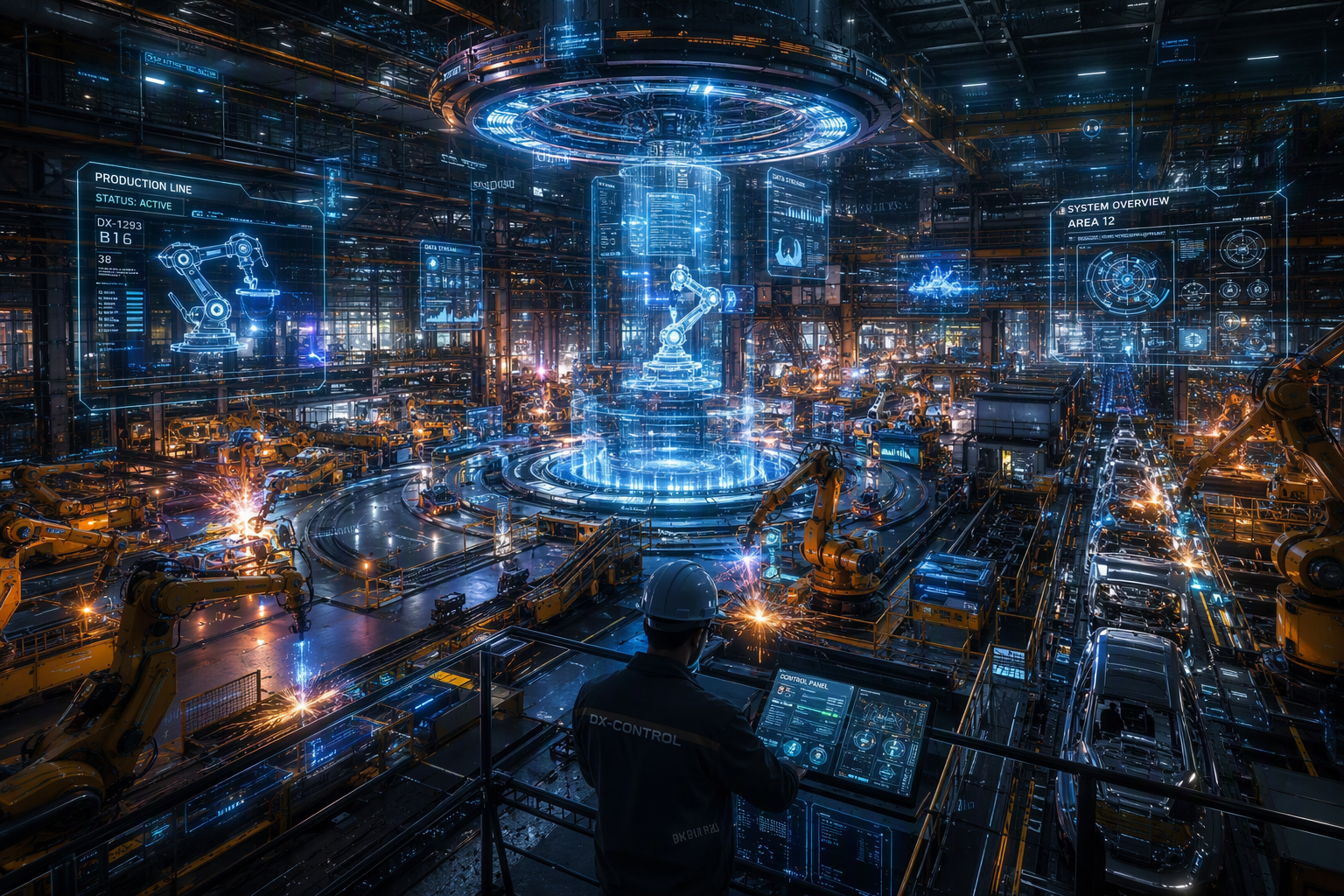
Digital twins and simulation technology represent an exciting frontier in industrial automation. By creating a virtual replica of physical assets and processes, manufacturers can analyze and optimize their operations with precision. These digital models allow for real-time monitoring and testing, enabling businesses to predict outcomes without the risks associated with live trials. Simulations can identify potential bottlenecks and enhance decision-making, ensuring smooth production flows. As industries embrace this cutting-edge technology, the potential for increased efficiency and reduced downtime becomes a reality, paving the way for smarter, more agile manufacturing environments.
Current and Emerging Trends to Watch for 2026
As 2026 approaches, notable trends in the industrial automation landscape are set to reshape how various sectors operate. Data-driven decision-making will play a pivotal role, helping organizations leverage sensor data and predictive maintenance for efficient operations. Sustainability will also remain crucial, leading to innovations in energy-efficient automation solutions. Moreover, as labor shortages become prominent, reskilling the workforce to adapt to new technologies such as artificial intelligence and collaborative robots will facilitate seamless productivity. These advancements signify a shift towards smarter factories, where human labor is minimized, and automation enhances overall processes.
Data-Driven Decision Making
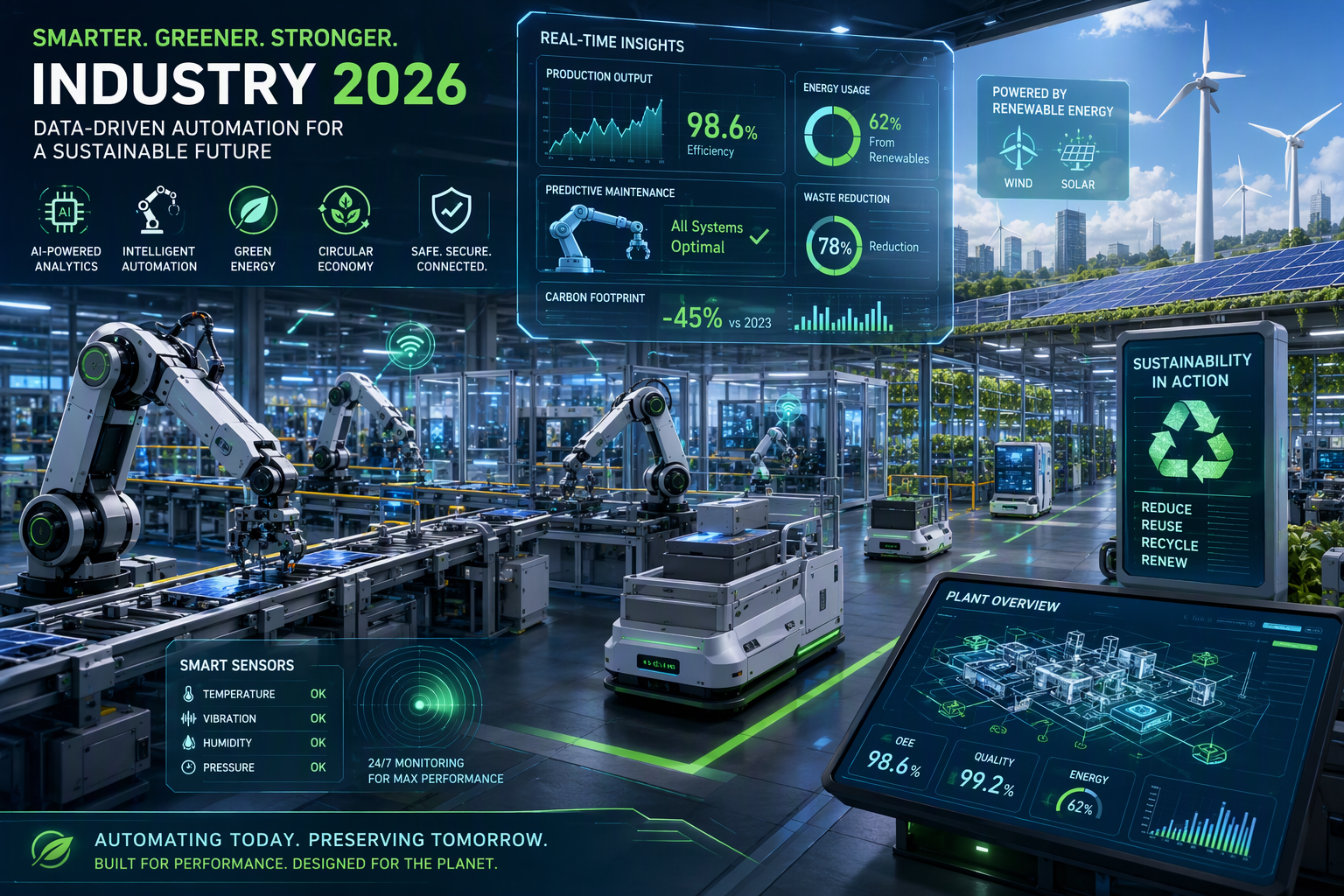
Utilizing data for decision-making has become a cornerstone in the industrial automation industry. Companies now harness vast amounts of sensor data and real-time analytics to drive operational choices, allowing for enhanced responsiveness and agility. This shift toward data-backed strategies reduces reliance on manual labor and human intervention, ultimately streamlining the manufacturing process. By integrating advanced technologies like artificial intelligence and machine learning, businesses gain insights that lead to improved product quality and operational efficiency. Embracing this approach not only minimizes risks but also provides a competitive advantage in a rapidly evolving marketplace.
Sustainable and Energy-Efficient Automation
Growing awareness of environmental issues drives the push for sustainable and energy-efficient automation solutions across various sectors. By leveraging advanced technologies like the industrial internet of things (IIoT) and machine learning, companies can optimize energy use and reduce waste throughout the manufacturing process. Automation systems equipped with smart sensors and real-time data analytics not only enhance operational efficiency but also decrease carbon footprints. This focus on sustainability not only meets regulatory standards but also fosters a competitive advantage, enabling businesses to appeal to increasingly eco-conscious consumers in today’s market.
Cybersecurity Measures for Industrial Systems
In an era where automation systems are deeply integrated into various industries, cybersecurity must not be overlooked. Protecting critical infrastructure involves implementing robust measures like firewalls, intrusion detection systems, and regular software updates to safeguard against cyber threats. Furthermore, training personnel on the importance of cybersecurity ensures everyone understands potential vulnerabilities in smart factories. Advanced technologies such as machine learning can analyze sensor data to identify unusual patterns, enhancing the overall security framework. By fostering a proactive approach, businesses can minimize risks and ensure operational continuity without sacrificing the benefits of industrial automation.
Workforce Transformation and Reskilling
Adapting to the evolving landscape of the industrial automation industry requires a strong emphasis on workforce transformation and reskilling. As automation technology advances, employees must be equipped with new skills to thrive in smart factories and embrace artificial intelligence in their daily tasks. Upskilling initiatives are vital in bridging the gap between traditional roles and modern automation solutions. Emphasizing continuous learning enables workers to handle sophisticated equipment like CNC machines and navigate data analytics tools. This not only enhances job satisfaction but also reinforces the adoption of automation, empowering employees to contribute meaningfully to their organizations' success.
Expansion of Remote Monitoring and Control
As industries increasingly adopt smart factories, there’s a notable shift toward remote monitoring and control systems. These advanced automation solutions allow operators to oversee processes from anywhere, utilizing data from sensors and industrial IoT devices to enhance decision-making. It's all about efficiency—reducing the need for human intervention in hazardous environments while optimizing real-time performance. The expansion of these systems also facilitates predictive maintenance, minimizing downtime by anticipating equipment failures before they occur. With effective control logic in place, organizations can respond swiftly to changes, ensuring a seamless flow in their production lines.
Advanced Predictive Maintenance Solutions
Advanced predictive maintenance solutions leverage the power of data analytics and machine learning to foresee potential equipment failures before they happen. By analyzing sensor data and historical performance trends, these systems provide insights that enable timely interventions. This not only minimizes downtime but also allows for improved asset management. In practice, manufacturers benefit from enhanced operational efficiency, as maintenance is performed just in time, avoiding the high costs associated with unexpected breakdowns. The integration of Internet of Things (IoT) technology further boosts these solutions, creating a seamless flow of information that supports proactive decision-making in industrial environments.
Impact Across Key Sectors
Several key sectors are experiencing significant transformations due to innovations in automation technology. In manufacturing, enhanced efficiency leads to streamlined production lines, while the automotive industry integrates robotics and the Internet of Things for smarter vehicles. Food and beverage sectors benefit from improved quality control and reduced waste. The pharmaceutical industry relies on automation for precision in drug production, while oil, gas, and utilities leverage predictive maintenance to ensure operational reliability. Logistics and supply chain management utilize automation solutions to optimize material handling, effectively addressing labor shortages and improving service levels across the board.
Manufacturing
In today’s manufacturing landscape, industrial automation plays a critical role in enhancing efficiency and productivity. By employing programmable logic controllers and advanced robotics, manufacturing processes can execute repetitive tasks with minimal human intervention. This shift allows workers to focus on higher-level duties, such as data analysis and complex problem-solving, significantly improving product quality. The integration of the Internet of Things further enhances these capabilities, connecting machinery and systems for seamless operation. As smart factories become the norm, embracing automation solutions will empower manufacturers to adapt to changing market demands while remaining competitive.
Automotive
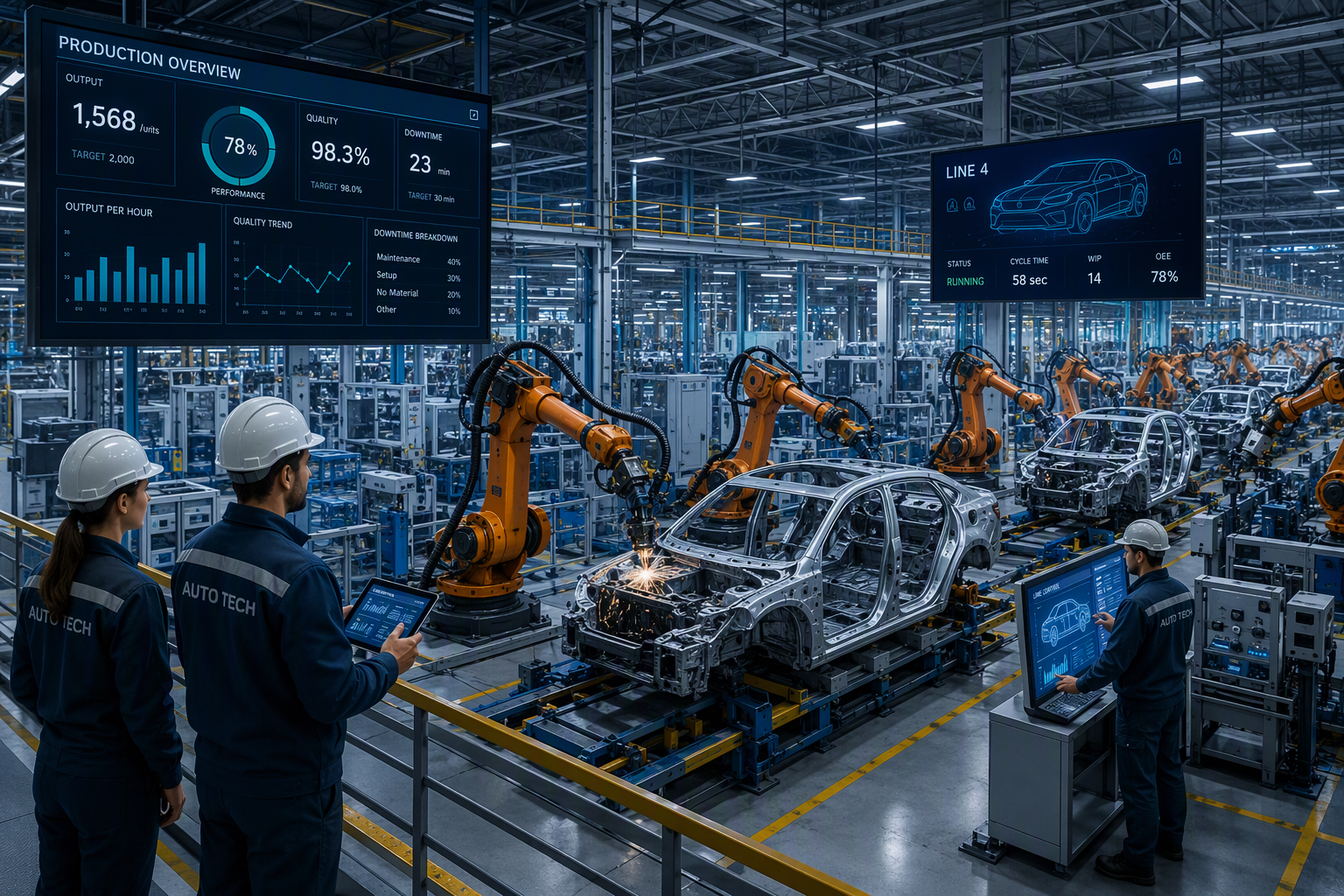
In the automotive sector, industrial automation plays a crucial role in streamlining manufacturing processes and enhancing product quality. With the integration of robotics and intelligent automation solutions, automakers can achieve greater precision in tasks like assembly line operations and material handling. This not only reduces manual labor but also curbs errors in production, leading to consistent output. As vehicle technologies evolve, emerging innovations such as collaborative robots and real-time data analytics will further transform how vehicles are manufactured, ensuring efficiency and sustainability in automotive production lines. Embracing these advancements will give companies a competitive advantage in the market.
Food and Beverage
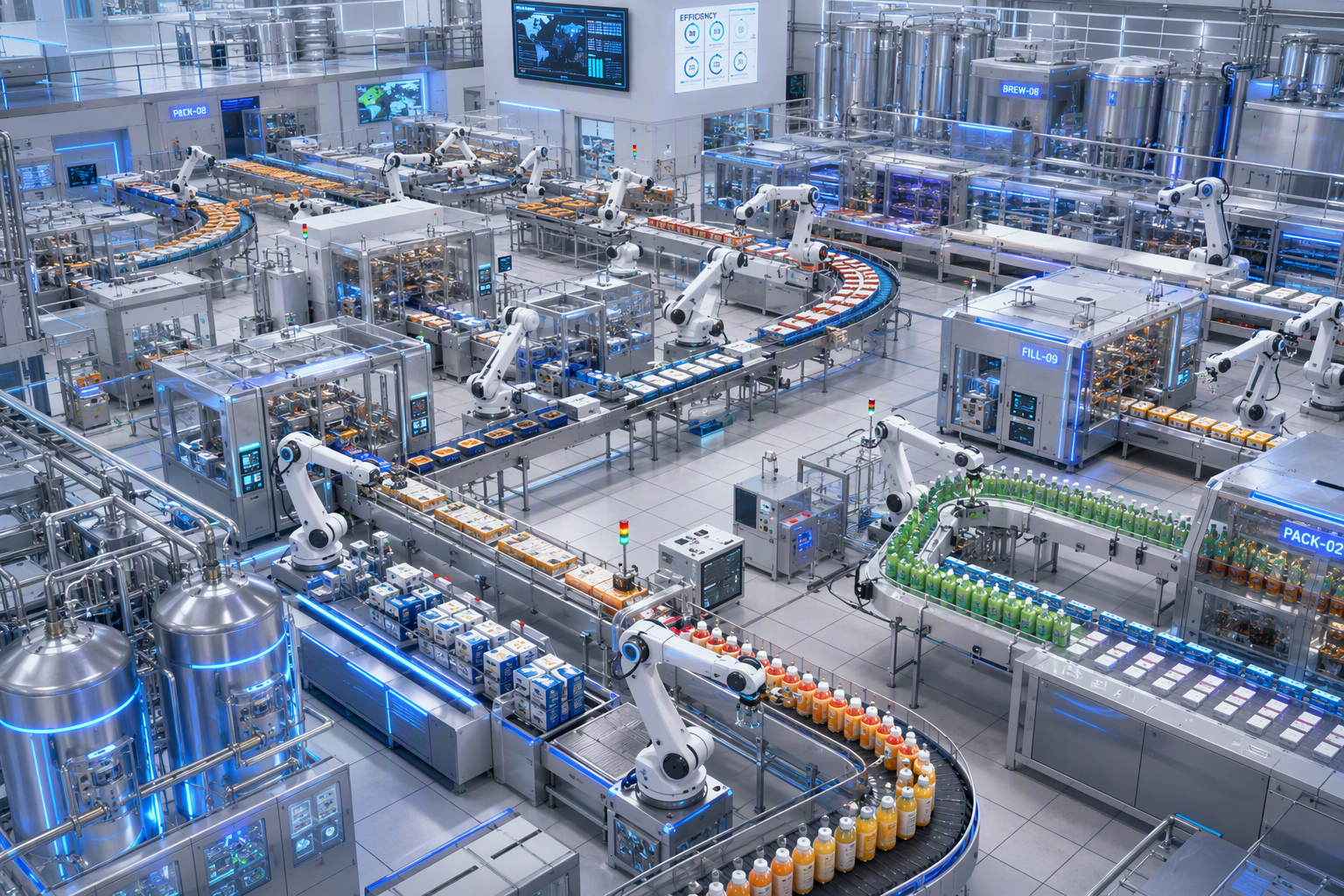
In the food and beverage sector, industrial automation enhances quality control and boosts production efficiency. Automated systems streamline processes, ensuring uniformity in product quality while minimizing human intervention. From smart factories equipped with industrial robots to programmable automation for batch production, the integration of technology allows for precise control of every stage, from raw materials to packaging. Additionally, the use of sensors and real-time data analytics helps catch potential issues early, reducing waste and ensuring safety. This evolution not only meets growing consumer demands but also addresses labor shortages, paving the way for a more resilient supply chain.
Pharmaceutical and Life Sciences
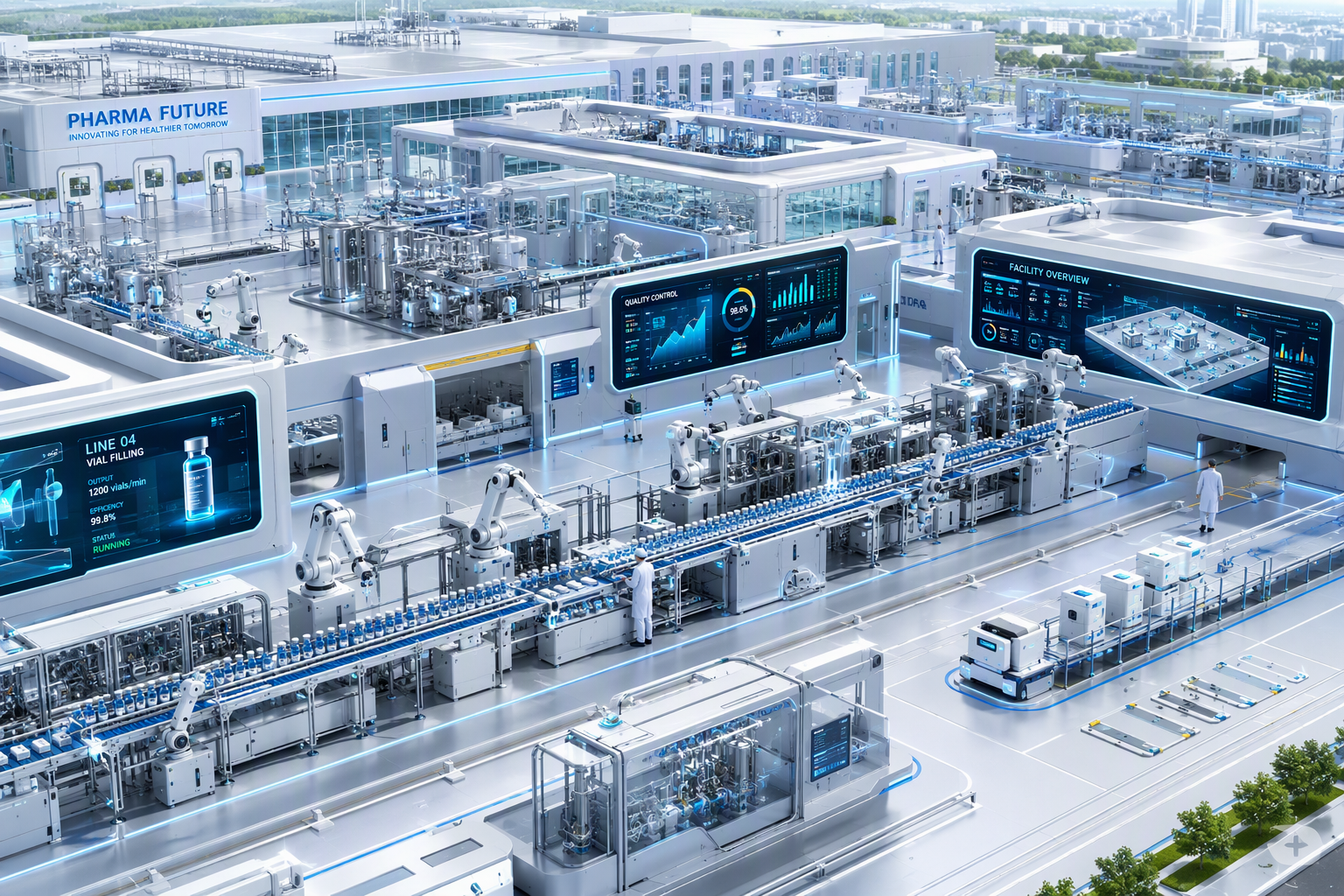
The pharmaceutical and life sciences sector tremendously benefits from industrial automation. This approach enhances production lines while ensuring stringent quality control through automated systems. In environments where precision is critical, automation technologies like programmable logic controllers and real-time data analytics streamline processes and minimize human intervention, reducing the risk of errors. Advanced solutions, such as robotics and smart factories, enable the efficient handling of raw materials and complex tasks, allowing for more focus on research and innovation. These benefits contribute to improved product quality and increased output, essential for meeting the needs of healthcare and consumers alike.
Oil, Gas, and Utilities
In the oil, gas, and utilities sector, industrial automation is transforming operations significantly. Automation technology enhances safety by minimizing human intervention in dangerous tasks and streamlining processes, which leads to improved efficiency in resource extraction and distribution. Smart factories equipped with industrial IoT devices allow real-time monitoring of equipment, enabling predictive maintenance that reduces downtime and maintenance costs. As automation solutions evolve, they offer better control and quality checks throughout the production process, effectively optimizing energy use and ensuring compliance with environmental regulations. This sector is poised for exciting advancements driven by these innovations.
Logistics and Supply Chain
In the logistics and supply chain sector, automation technology plays a pivotal role in optimizing operations. By utilizing programmable automation and real-time data analytics, companies can streamline their material handling processes, reducing delays and enhancing efficiency. Smart factories equipped with industrial robots automate repetitive tasks, thus minimizing the need for human intervention, especially in high-risk environments. The integration of the Internet of Things (IoT) allows for seamless communication between devices, leading to improved visibility and control throughout the supply chain. This results in not just cost savings but also better service delivery and customer satisfaction.
Conclusion
In summary, the industrial automation industry is poised for remarkable growth as we head into 2026. By leveraging advanced technologies like artificial intelligence, machine learning, and the Internet of Things, businesses can enhance their manufacturing processes and drive efficiencies. The move towards sustainable practices and smart factories will not only optimize production lines but also address workforce shortages through automation solutions. As organizations adapt to these trends, they will embrace new opportunities for innovation and competitive advantage, ultimately transforming various sectors while improving product quality and safety. Let's stay excited for what the future holds!
Frequently Asked Questions
What are the major challenges facing industrial automation in 2026?
As industrial automation evolves, challenges such as workforce skill gaps, cybersecurity threats, integration of new technologies, and high initial investment costs may hinder progress. Addressing these issues will be vital for companies looking to innovate and maintain competitive advantages in 2026.
How does automation drive efficiency in manufacturing operations?
Automation enhances efficiency in manufacturing by streamlining processes, reducing manual labor, and minimizing errors. It enables real-time monitoring, predictive maintenance, and data analysis, leading to quicker decision-making and resource optimization. These factors collectively drive higher productivity and lower operational costs.
Which technologies will most influence industrial automation trends in the coming years?
Key technologies expected to shape industrial automation trends include robotics, artificial intelligence, the Industrial Internet of Things (IIoT), and edge computing. These innovations will enhance connectivity, efficiency, and data analytics capabilities, driving significant advancements in manufacturing processes and operational strategies.
You might also like