Understanding SCADA: The Basics of Control Systems
Understanding SCADA: The Basics of Control Systems
Key Highlights
Here are the key takeaways from our discussion on SCADA: A SCADA system provides centralized monitoring and real-time control over industrial processes, enhancing operational efficiency. It combines hardware like PLCs and software like HMIs for comprehensive data acquisition and process control. Some typical SCADA software solutions available today include Wonderware, Ignition, Siemens WinCC, GE iFIX, and Schneider Electric's EcoStruxure. These platforms are widely used to manage, visualize, and automate critical industrial processes.
- A SCADA system provides centralized monitoring and real-time control over industrial processes, enhancing operational efficiency.
- It combines hardware like PLCs and software like HMIs for comprehensive data acquisition and process control.
- Industrial automation relies on SCADA to automate tasks, reduce human error, and improve safety across various sectors.
- The system allows for remote access, enabling operators to manage and monitor processes from anywhere.
- While incredibly beneficial, SCADA systems require robust cyber protection to safeguard critical infrastructure.
- From energy to water treatment, SCADA is vital for managing complex industrial operations effectively.
Introduction
Have you ever wondered how large-scale industrial operations, like power grids or water treatment facilities, are managed so smoothly? The answer often lies in a powerful control system known as SCADA. A SCADA system is the backbone of modern industrial processes, providing operators with the tools to monitor, manage, and optimize complex operations from a central location. It acts as the nerve center, collecting data and enabling precise control to ensure everything runs efficiently and safely. This technology is crucial for maintaining the reliability of services we depend on daily.
Defining SCADA in Modern Control Systems
SCADA, which stands for Supervisory Control and Data Acquisition, is a system of software and hardware elements that allows you to control your industrial processes locally or at remote locations. It's a type of industrial control system that provides supervisory control and data acquisition capabilities for your operations.
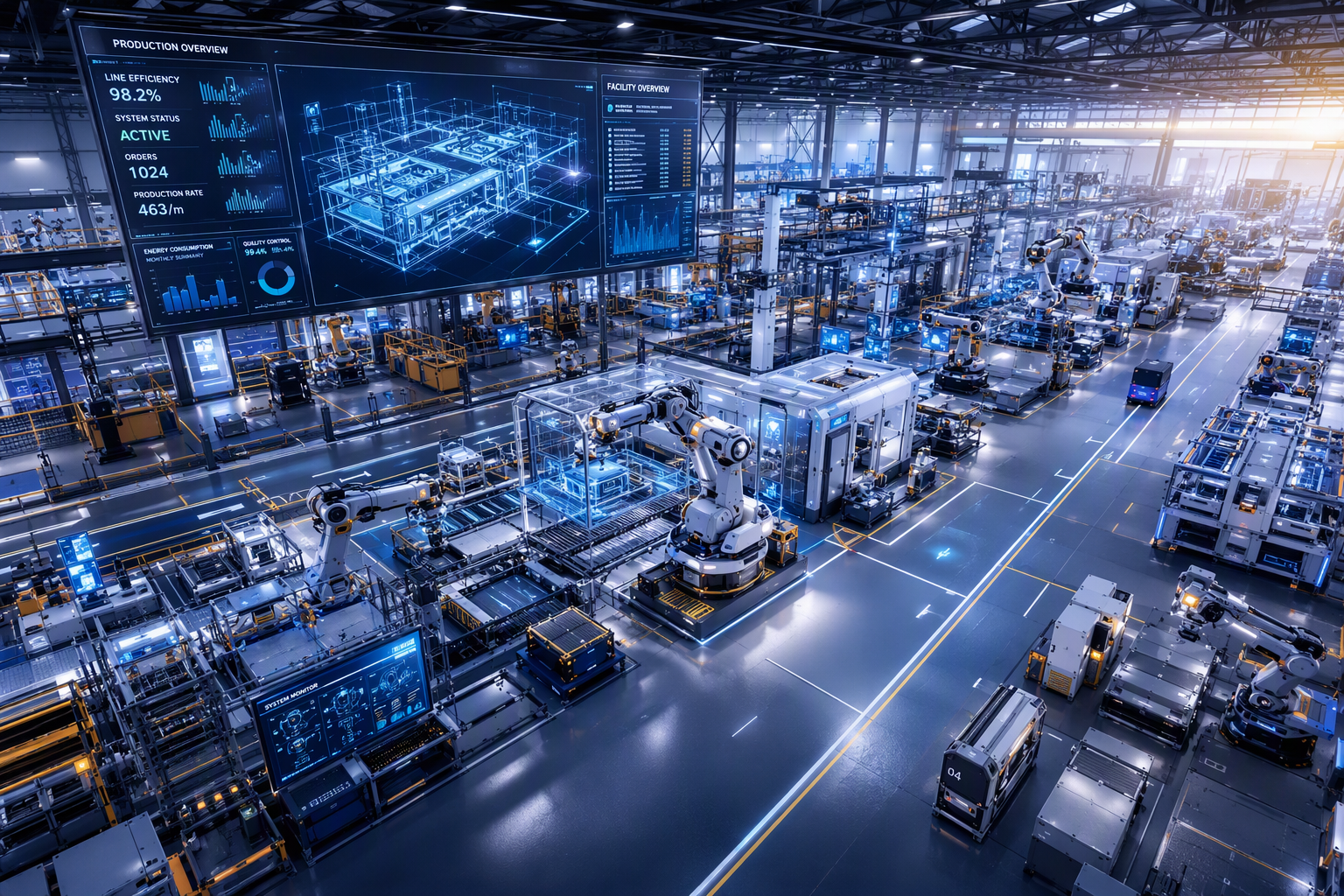
At its core, a SCADA system gathers and analyzes real-time process data. This automation allows for the monitoring and management of equipment and processes in industries like manufacturing, energy, and transportation. By providing a centralized view, SCADA empowers operators to make informed decisions quickly.
What Does SCADA Stand For?
As mentioned, SCADA stands for "Supervisory Control and Data Acquisition." Let's break down what each part of this acronym means for your operations. "Supervisory Control" refers to the system's ability to oversee and manage industrial processes from a high level. Operators can issue commands and make adjustments to control equipment and workflows across a large area from a single command center.
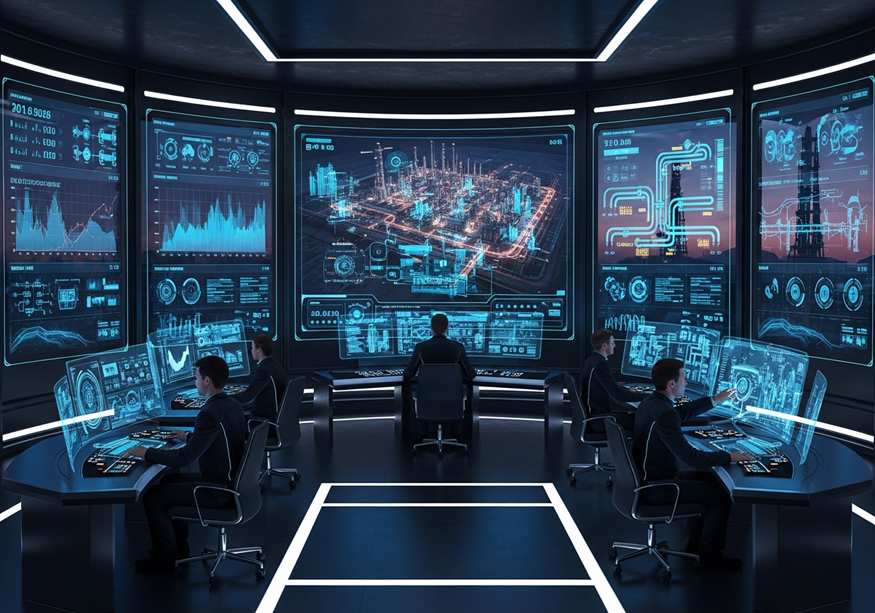
"Data Acquisition" is the other critical function. This part of the SCADA system involves gathering information from sensors, meters, and other field devices. These devices collect process data, such as temperature, pressure, or flow rates, and transmit it back to the central system for monitoring and analysis.
Together, these functions create a powerful feedback loop. The data acquisition component provides the necessary information for the supervisory control aspect to work effectively. This combination allows a SCADA system to not only show you what's happening in your industrial environment in real time but also gives you the power to control it, ensuring optimal performance and safety.
The Role of SCADA in Automation
In the world of industrial automation, a SCADA control system is indispensable. Its primary role is to enhance operational efficiency by automating and centralizing the oversight of complex production processes. Instead of relying on manual checks and interventions, SCADA provides a streamlined, automated approach to managing industrial operations. This reduces the need for human intervention and minimizes the potential for human error.
By implementing a SCADA industrial control system, you can achieve a higher level of precision and consistency in your operations. The system continuously monitors performance, identifies anomalies, and can even trigger automated responses to correct issues before they escalate. This leads to significant improvements in productivity and reliability.
Key roles of SCADA in automation include:
- Centralized Monitoring: Overseeing entire production processes from a single interface.
- Automated Control: Executing routine tasks and adjustments without manual input.
- Improved Efficiency: Optimizing resource use and reducing operational downtime.
- Enhanced Safety: Triggering alarms and safety protocols in response to hazardous conditions.
Evolution of SCADA Technology
The journey of SCADA technology began in the 1960s with centralized mainframe computers. These early systems were monolithic, meaning all functions were contained in a single, standalone unit. While groundbreaking for their time, they lacked the flexibility and connectivity we see today. As technology advanced, so did SCADA software.
The 1980s and 1990s introduced networked systems, which used local and wide area networks to connect different components. This shift allowed for distributed architectures, improving scalability and reliability. More recently, technological advancements like cloud computing and the Internet of Things (IoT) have revolutionized SCADA, enabling remote access from anywhere and leveraging advanced analytics for predictive insights.
This evolution has made SCADA systems more powerful, accessible, and integrated. Modern solutions offer greater flexibility and can be tailored to specific business needs, from public cloud hosting to private, internally managed systems.
| SCADA Type | Characteristics |
|---|---|
| Monolithic SCADA | Standalone mainframe systems with no network connectivity; proprietary and costly. |
| Distributed SCADA | Used LANs to connect multiple units, improving redundancy and local efficiency. |
| Networked SCADA | Introduced WANs and standard protocols, enabling remote monitoring and integration. |
| IoT SCADA | Leverages cloud computing for real-time analysis, remote access, and predictive maintenance. |
How SCADA Systems Operate
So, how does a SCADA system actually work to achieve such precise process control? It operates through a continuous cycle of data acquisition, processing, and control actions. The system gathers real-time data from sensors and devices spread across your facility or even over large geographical areas. This information is then sent to a central server for analysis.
Based on this data, operators can monitor the health of the system and make necessary adjustments. If a parameter falls outside its normal range, the system can alert the operator or automatically execute control commands to bring the process back into line. This seamless flow of information and action is what makes SCADA so effective. Next, we’ll explore the specific techniques and components that make this possible.
Data Acquisition and Monitoring Techniques
Data acquisition is the foundation of any SCADA system. It involves collecting process data from numerous field devices, like sensors and meters, which are installed throughout your industrial environment. These devices measure physical variables such as temperature, pressure, and flow. Remote Terminal Units (RTUs) and Programmable Logic Controllers (PLCs) are used to gather this data and transmit it to the central control system.
Once collected, the information is used for remote monitoring. Operators can view the real-time status of all connected equipment and processes through a user-friendly interface. This continuous monitoring allows for the immediate detection of anomalies or deviations from desired operating conditions. By keeping a close eye on system performance, you can prevent minor issues from becoming major problems.
Effective monitoring relies on several key techniques:
- Real-time data visualization: Presenting live data through graphs, charts, and diagrams.
- Alarming: Notifying operators when a process variable exceeds predefined limits.
- Historical data logging: Storing data for trend analysis and compliance reporting.
- Continuous monitoring: Ensuring constant oversight of all critical system parameters.
Real-Time Process Control
Beyond just monitoring, SCADA provides powerful real-time process control capabilities. This means that operators can actively manage and adjust production processes from a central location. When the system detects a deviation from the set parameters or an operator identifies a need for adjustment, control commands can be sent directly to the field devices.
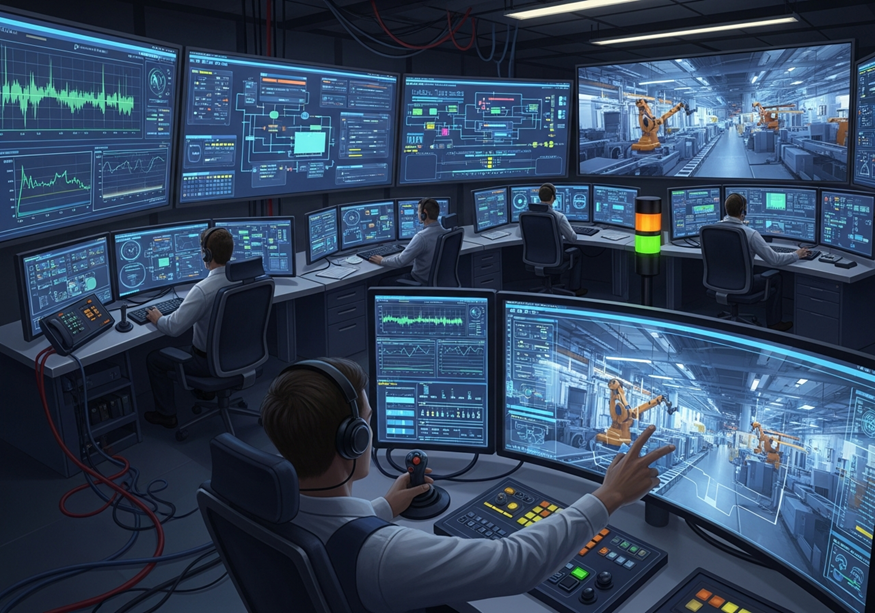
This ability to intervene instantly is crucial for maintaining efficiency and safety. For example, an operator could remotely open or close a valve, adjust a motor's speed, or change a temperature setpoint. These control actions are executed immediately, allowing for precise management of the industrial process without needing personnel to be physically present at the equipment's location.
The goal of real-time control is to keep production processes running smoothly and within optimal parameters. By automating responses and empowering operators with remote control, SCADA systems help minimize downtime, reduce waste, and ensure that operations are always aligned with production targets and safety standards. This proactive management approach is essential in today's fast-paced industrial environments.
Remote Access and Communication
A key feature that makes modern SCADA systems so versatile is remote access. This capability allows authorized personnel to monitor and control industrial processes from virtually anywhere with an internet connection. Whether in a central control room, at home, or on the go via a mobile device, remote monitoring ensures that you are always connected to your operations.
This is all made possible by a robust network infrastructure and standardized communication protocols. Data transmission between field devices (like RTUs and PLCs) and the central SCADA server occurs over secure networks, which can include wired Ethernet, wireless technologies, or fiber optics. These networks are designed to ensure reliable and timely delivery of data and control commands over potentially long distances.
The use of standard communication protocols like Modbus, DNP3, and TCP/IP ensures that different components of the system can "talk" to each other seamlessly. This interoperability is vital for building a cohesive and scalable SCADA architecture. Secure and efficient communication is the link that connects all parts of the system, enabling effective remote management.
Key Components of a SCADA System
A SCADA system is not a single piece of technology but rather an ecosystem of interconnected components working together. Understanding these key components is essential to grasping how the entire industrial control system functions. The main elements of a SCADA architecture include the hardware on the plant floor, the software that processes data, and the network that connects everything.
From the user interface that operators interact with to the field devices that perform the actual control, each part plays a vital role. The software components are just as important, as they handle everything from data visualization to historical logging. Let's examine the primary hardware and software components that make up a typical SCADA system.
Human-Machine Interface (HMI)
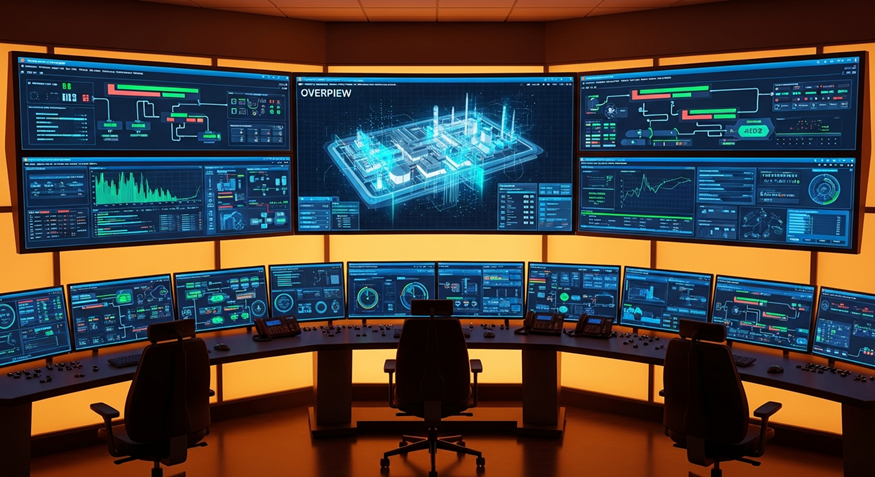
The Human-Machine Interface (HMI) is the primary point of interaction between the operator and the SCADA system. Think of it as the system's "face." This user interface is typically a graphical display that provides a real-time visual representation of the industrial process. Using HMI software, operators can see diagrams of the plant, view data from sensors, and monitor equipment status at a glance.
Effective data visualization is a core function of the HMI. It translates complex process data into intuitive charts, graphs, and alarms, making it easy for operators to understand what's happening. Instead of sifting through raw numbers, users can quickly identify trends, spot anomalies, and assess the overall health of the system.
The HMI is also used to issue control commands. From this interface, an operator can start or stop equipment, adjust setpoints, and respond to alarms. This centralized control capability empowers users to manage the entire process efficiently from a single screen, improving response times and reducing the risk of errors.
Remote Terminal Units (RTUs) and PLCs
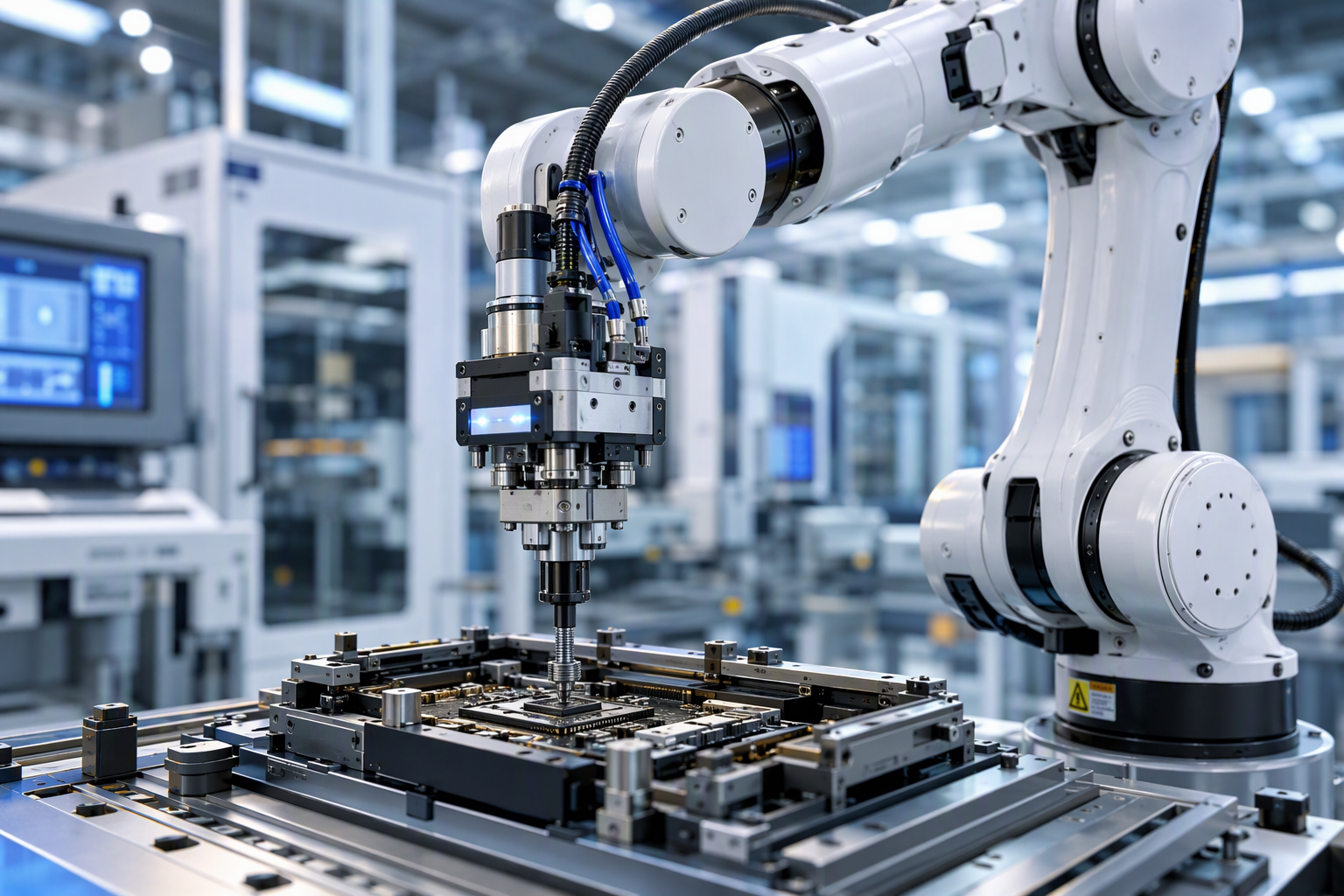
At the field level, Remote Terminal Units (RTUs) and Programmable Logic Controllers (PLCs) act as the hands and ears of the SCADA system. These are small, ruggedized computers designed to operate in harsh industrial environments. Their main job is to interface directly with sensors and actuators on the plant floor, collecting data and executing control commands.
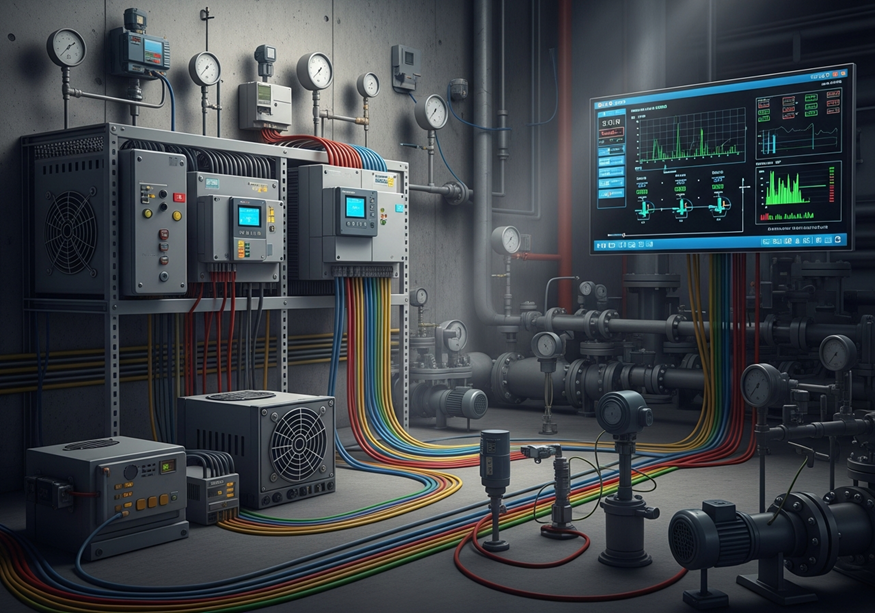
RTUs are typically used in applications that are spread out geographically, such as pipelines or power grids. They are designed to collect data from remote sites and transmit it back to the central system. PLCs, on the other hand, are more commonly used for localized control of specific machines or processes within a single facility, like an assembly line. They execute control logic based on predefined instructions, often written in a language called ladder logic.
Both RTUs and PLCs are critical field devices that bridge the gap between the digital SCADA software and the physical industrial equipment. They provide the raw data needed for monitoring and carry out the control actions initiated by the operator or the system's automation rules.
Central SCADA Servers and Network Infrastructure
At the heart of the SCADA architecture are the central SCADA servers. These powerful computers are responsible for communicating with all the field devices, processing the incoming data, and hosting the HMI software. The server acts as the central hub, collecting information from every corner of the plant floor and making it available to operators.
A key software component running on these servers is the data historian. This is essentially a specialized database, often using SQL databases, that logs and archives all historical process data. This information is invaluable for trend analysis, troubleshooting, compliance reporting, and predictive maintenance strategies. By storing this data, you can look back at past performance to optimize future operations.
Tying everything together is the network infrastructure. This network, composed of switches, routers, and cables, facilitates the flow of data between the SCADA servers and the RTUs and PLCs. It ensures that data is transmitted securely and efficiently, providing the real-time connectivity needed for effective monitoring and control.
SCADA Applications Across Industries
The versatility of SCADA makes it a cornerstone technology across a wide range of industries. Anywhere there are complex, large-scale industrial processes to manage, you are likely to find a SCADA system at work. It is particularly vital for managing critical infrastructure, which includes the essential services that society depends on daily.
From power plants that keep our lights on to water treatment facilities that provide clean drinking water, SCADA is the unseen force ensuring reliability and safety. The ability to monitor and control distributed assets from a central location makes it invaluable for these sectors. We will now look at some specific use cases in various industries.
Use Cases in Energy and Power Utilities
In the energy and power sector, SCADA systems are essential for managing the generation, transmission, and distribution of electricity. Power plants use SCADA to monitor and control turbines, generators, and other equipment to ensure stable power generation. The system helps operators optimize energy consumption and maximize operational efficiency across the grid.
For power utilities, SCADA is crucial for managing the vast and complex network that delivers electricity to consumers. It provides real-time visibility into substations and power lines, allowing operators to detect faults, reroute power during outages, and balance electrical loads. This level of control is vital for maintaining the stability and reliability of our critical infrastructure.
Specific applications in this sector include:
- Grid Management: Monitoring power flow and voltage levels across the transmission network.
- Substation Automation: Remotely controlling circuit breakers and transformers.
- Fault Detection: Quickly identifying and isolating issues to minimize service disruptions.
Water Treatment and Wastewater Management
SCADA plays a similarly critical role in water treatment and wastewater management. In a water treatment plant, the system monitors and controls every stage of the purification process, from chemical dosing and filtration to pumping treated water into the distribution network. This ensures that the water delivered to homes and businesses meets strict quality standards.
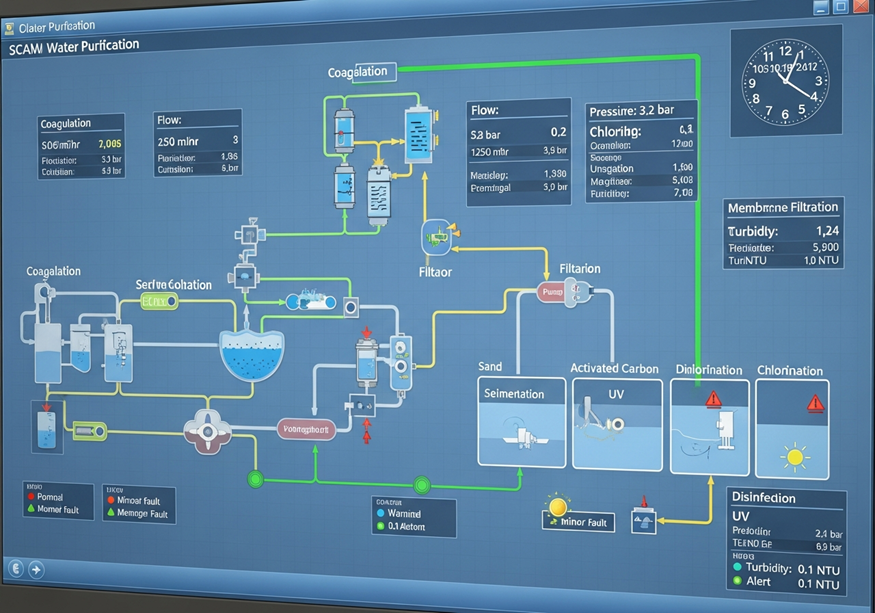
For wastewater collection systems, SCADA provides remote monitoring of pump stations and sewer levels. This is especially important for managing systems that cover large areas with many remote sites. Operators can detect blockages or equipment failures and respond quickly to prevent overflows and environmental contamination. Industrial automation through SCADA ensures these vital public services operate reliably.
By centralizing process control, SCADA systems allow a small team of operators to manage complex water and wastewater networks efficiently. The system's ability to provide real-time data and alarms helps ensure regulatory compliance and protects public health.
Additional Industrial Sectors Relying on SCADA
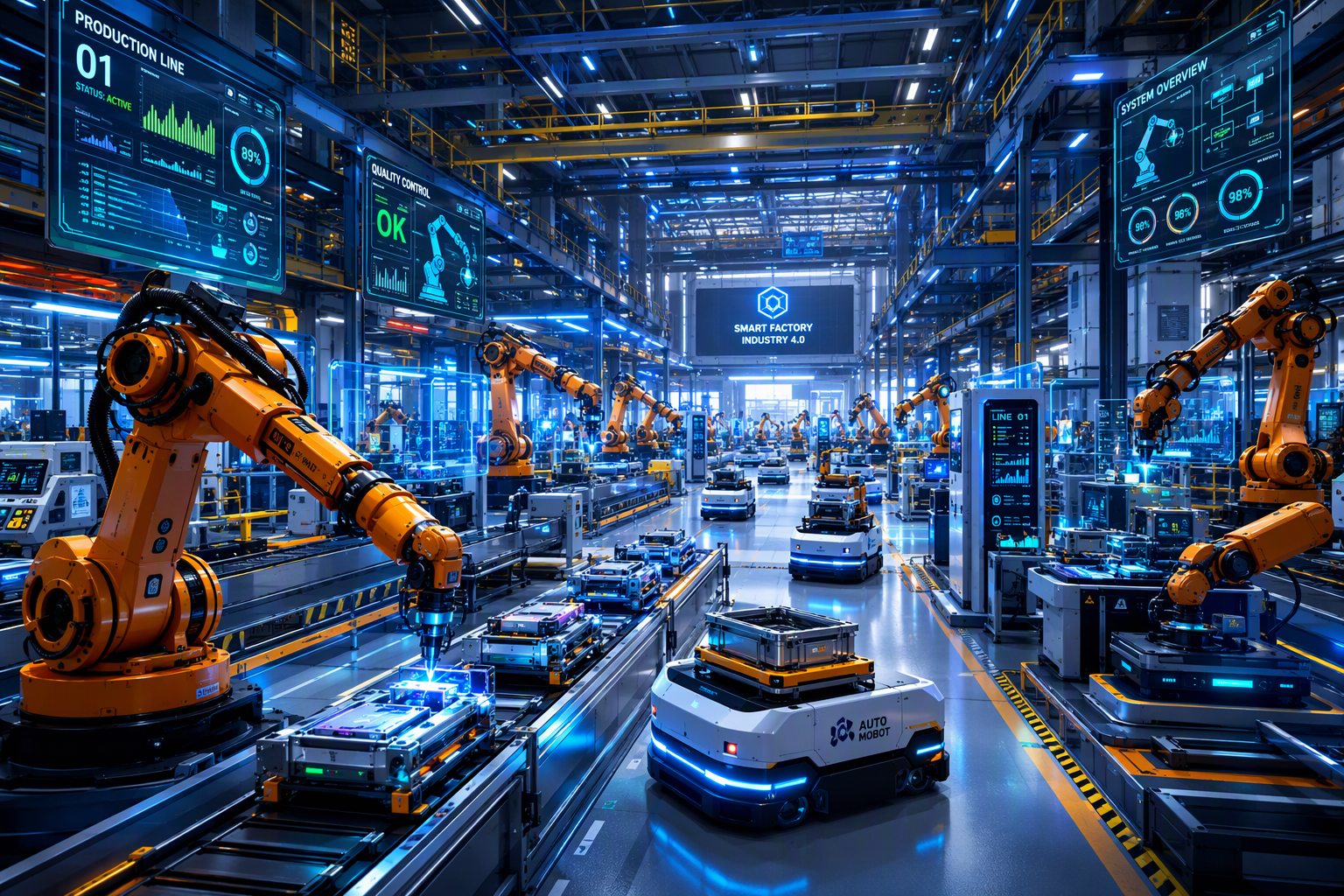
Beyond energy and water, numerous other industrial sectors depend on SCADA solutions to streamline their operations. In manufacturing, for example, SCADA is used to oversee production lines, monitor machine performance, and ensure consistent product quality. It helps manufacturers meet demanding production targets while maintaining high quality standards.
The oil and gas industry uses SCADA to monitor pipelines for leaks, control drilling operations, and manage refinery processes. Given the remote and often hazardous nature of these industrial operations, the remote control capabilities of SCADA are indispensable for safety and efficiency. Similarly, transportation systems use SCADA to manage railway networks and traffic signal systems.
Other sectors that benefit from SCADA include:
- Food and Beverage: To monitor refrigeration systems and manage production processes to maintain quality.
- Pharmaceuticals: For controlling sensitive manufacturing environments and ensuring regulatory compliance.
- Building Management: To control HVAC, lighting, and security systems in large commercial buildings.
Ensuring SCADA Security and Cyber Protection
As SCADA systems have become more connected, SCADA security has become a paramount concern. Because these systems control critical infrastructure, they are attractive targets for cyberattacks. A successful attack could disrupt essential services, cause equipment damage, or even endanger public safety. Therefore, critical infrastructure protection is a top priority.
Implementing robust cyber protection measures is no longer optional. A multi-layered security strategy that includes technical controls and best practices is necessary to defend against evolving threats. This involves securing the network, controlling access, and preparing for potential incidents. Let's explore some of the common threats and how to mitigate them.
Common Cybersecurity Threats for SCADA
SCADA systems face a variety of cybersecurity threats that can disrupt operations or compromise data. One common threat is a Denial-of-Service (DoS) attack, where an attacker overwhelms the system with traffic, making it unavailable to legitimate users. This can cause significant operational delays and loss of control over industrial processes.
Another serious threat is malware, including viruses, worms, and ransomware. Malicious software can infect a SCADA system, altering control settings, stealing sensitive data, or locking operators out of critical functions. Phishing attacks are also a concern, as they target personnel with deceptive emails to steal credentials and gain unauthorized access.
To enhance SCADA security, it is vital to be aware of these common threats:
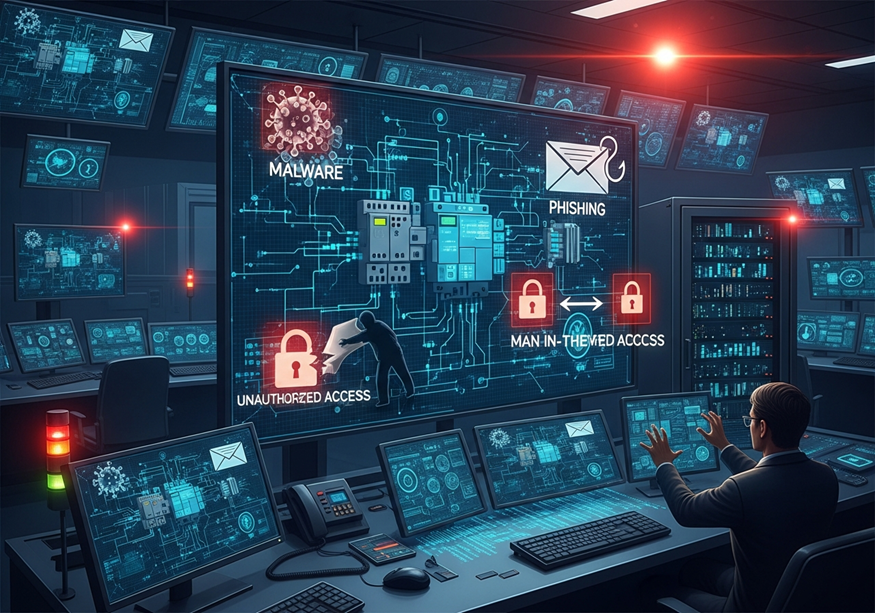
- Malware: Malicious software designed to disrupt operations or steal data.
- Phishing: Tricking employees into revealing sensitive login information.
- Man-in-the-Middle Attacks: Intercepting and potentially altering communications between system components.
- Unauthorized Access: Gaining entry to the system due to weak access controls or human error.
Conclusion
In summary, understanding SCADA systems is crucial for modern industries as they play a pivotal role in automation and real-time process control. By familiarizing yourself with key components such as HMIs, RTUs, and central servers, you can appreciate how these systems enhance efficiency and safety across various sectors, from energy to water management. Moreover, addressing cybersecurity threats is essential to protect these vital infrastructures. As you explore the world of SCADA, remember that its applications are vast and impactful. If you're looking to deepen your knowledge or implement SCADA solutions for your organization, don't hesitate to reach out for a consultation.
Frequently Asked Questions
How Does SCADA Help Monitor and Control Processes Remotely?
A SCADA system enables remote monitoring and process control by using a communication network to link a central control station with field devices. This allows operators to view real-time data and send commands from anywhere, providing immediate oversight and management of industrial processes without needing to be physically on-site.
What Distinguishes SCADA from Other Automation Systems?
What sets a SCADA system apart from different systems like PLCs or DCS is its scope. While other automation systems typically manage localized processes, SCADA is designed for high-level supervision over large, geographically dispersed areas. It focuses on gathering data from multiple sites into a central industrial control system.
What Are the Benefits of Implementing a SCADA System?
Implementing a SCADA system offers significant benefits, including improved operational efficiency, reduced maintenance costs through predictive maintenance, and enhanced safety. It provides the real-time data and control needed to optimize processes, minimize downtime, and make better-informed decisions, ultimately leading to a higher return on investment.
You might also like