Industrial Automation Solutions Benefits for Your Industry
Industrial Automation Solutions: Benefits for Your Industry
Key Highlights
- Industrial automation helps manufacturing industries increase operational efficiency and handle repetitive tasks with greater speed.
- Modern automation solutions use control systems, sensors, and industrial robots to improve process accuracy.
- Businesses often see better product quality, lower waste, and shorter cycle times after automation upgrades.
- Fixed, flexible, and programmable systems support different production needs across many industries.
- Automation also improves worker safety, supports energy efficiency, and strengthens long-term competitiveness.
Introduction
Industrial automation has become a practical answer for businesses that need to improve output, control costs, and maintain quality standards in the manufacturing industry. Instead of relying heavily on manual work, companies now use connected systems, robotics, and smarter process control to manage production more effectively. The benefits of automation are clear: better speed, fewer errors, improved safety, and stronger consistency. If you want your operation to stay competitive, automation is no longer something to ignore.
Essential Solutions for Industrial Automation You Need Now
Key Concepts of Industrial Automation Solutions
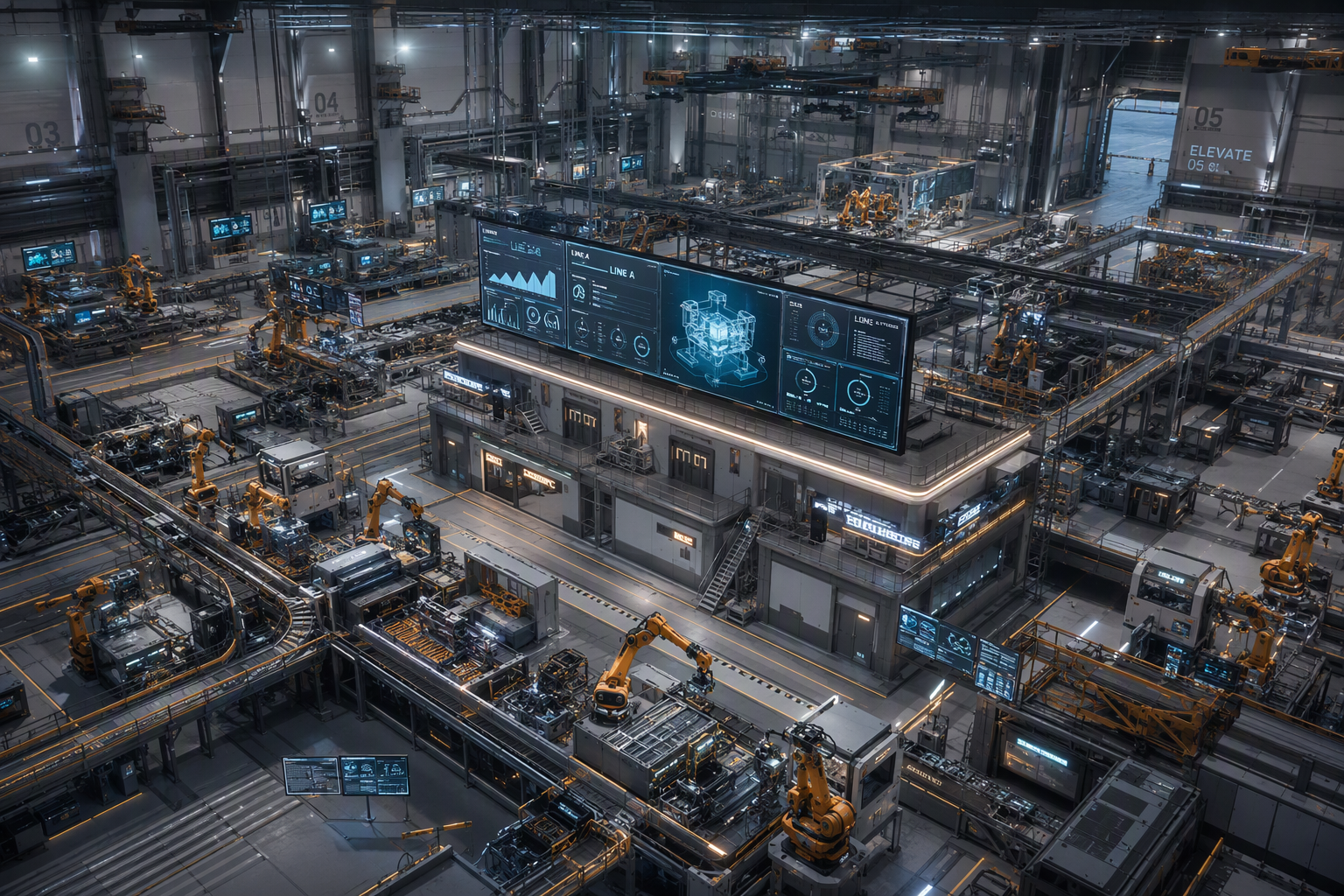
At its core, industrial automation uses technology to manage machines, workflows, and industrial processes with less direct human input. A typical automation system connects equipment, software, and control systems so production can run with better accuracy and stability.
You will often see industrial robots, sensors, and programmable controls working together on factory floors. These tools support machine automation, reduce human error, and help businesses respond to rising demand for speed, safety, and consistent output. The next sections explain how these systems function and what they include.
Understanding Automation Systems in Modern Factories
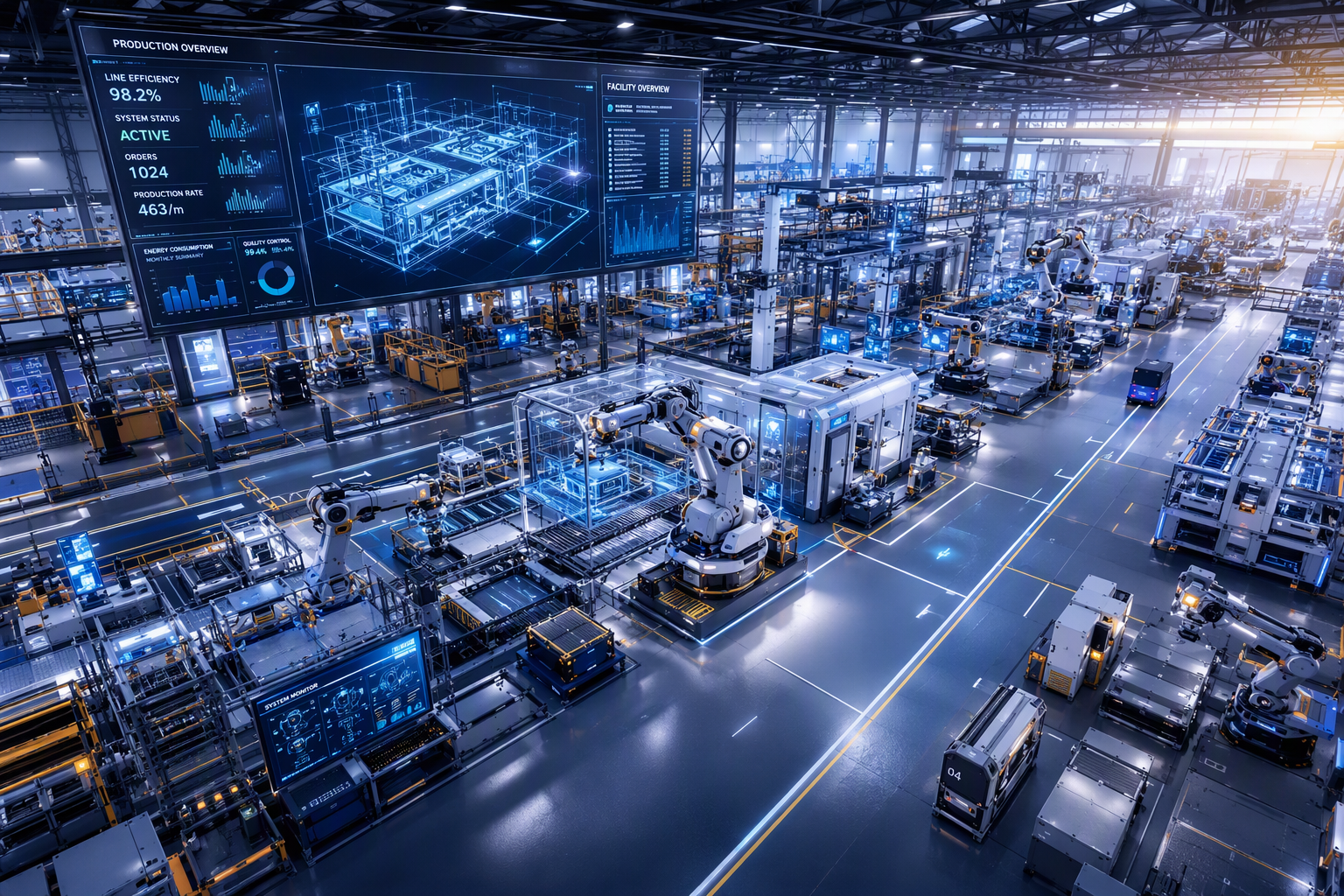
In a modern manufacturing facility, automation systems connect machines, sensors, and software so work moves through each stage with less delay. Instead of depending on constant manual checks, the system collects real time information from industrial equipment and responds to changing conditions.
That is how process automation works in practice. Sensors detect position, temperature, movement, or product status. Control systems then send instructions to conveyors, robotic systems, or other machines. If a box is damaged or a process moves out of range, the system can trigger a correction or alert staff.
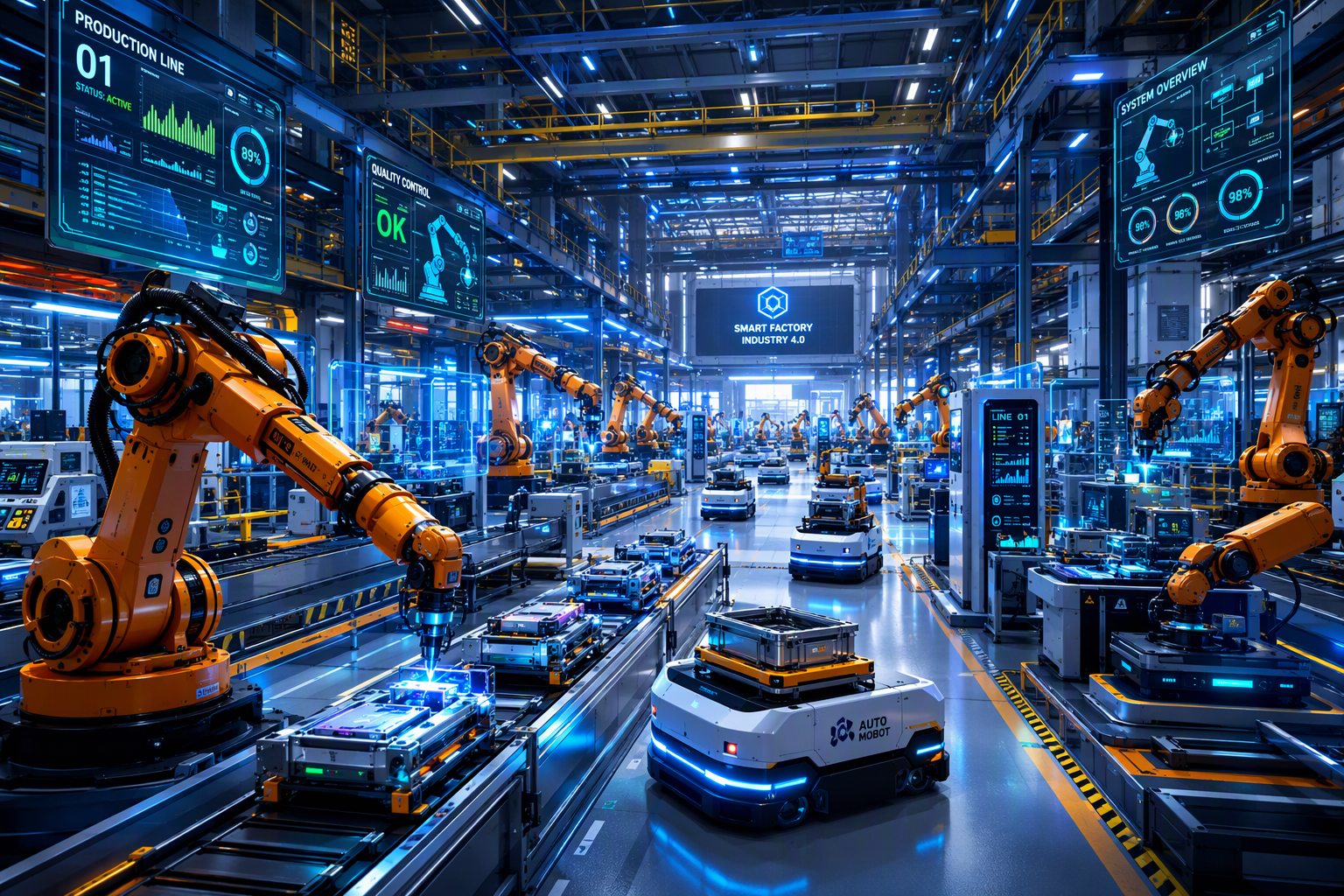
Factory automation also supports continuous operation. Machines handle repetitive tasks, while employees focus on monitoring, quality inspection, and problem-solving. This setup improves output, reduces downtime, and helps the facility manage busy schedules more effectively.
Essential Components of Industrial Automation Solutions
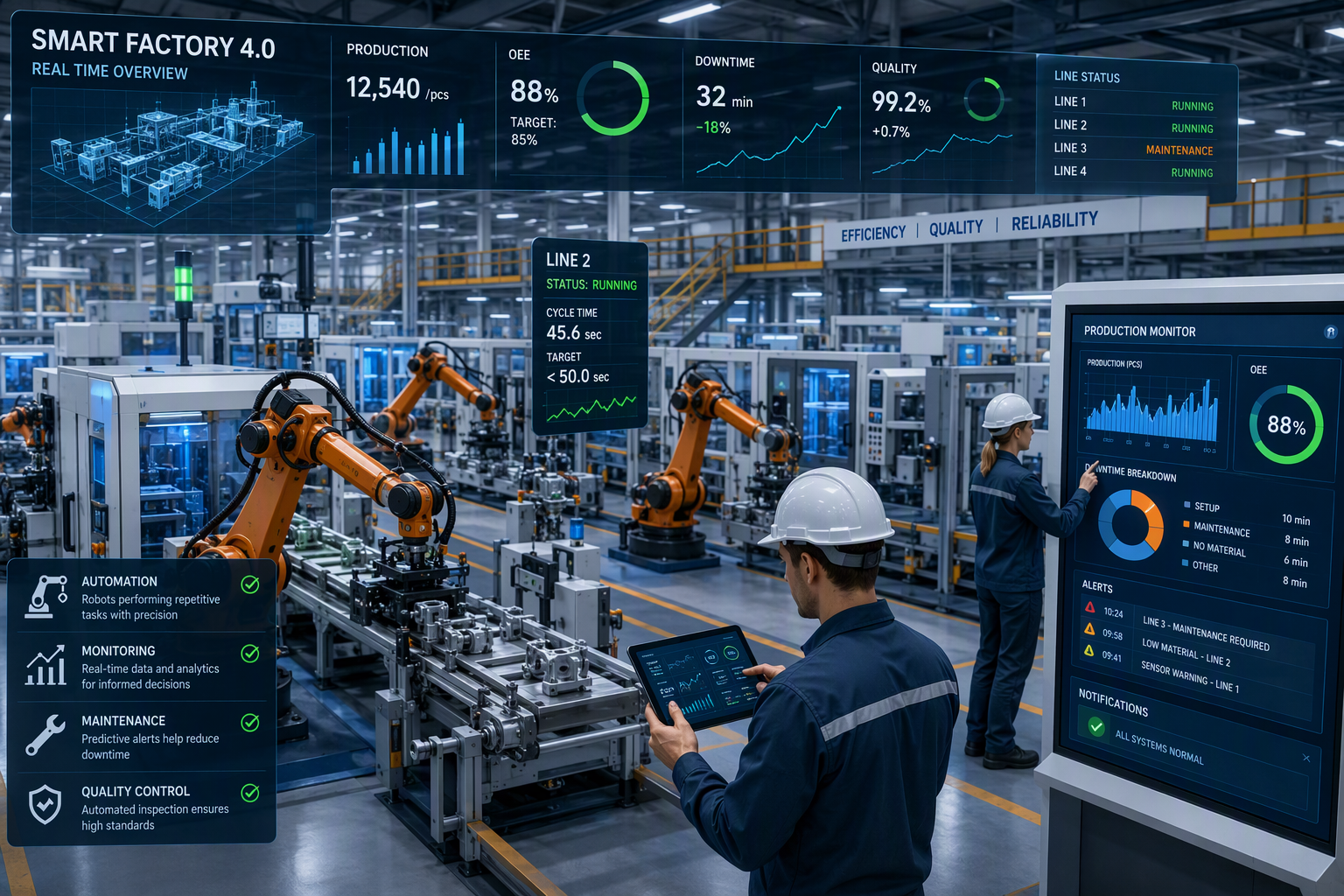
Every effective automation setup relies on a few core elements working together. These parts help monitor conditions, control movement, and keep the production process stable. When properly integrated, they support machine automation, better decisions, and smoother daily performance.
Most systems include the following components:
- Control systems that coordinate machines and keep operations within set limits
- Programmable logic controllers that run equipment based on programmed instructions
- Sensors that collect real time data from machines, materials, and movement
- A human machine interface that lets operators review status and respond quickly
Together, these parts create a reliable automation framework. They help reduce human error, improve process control, and make it easier for your team to manage industrial equipment without constant manual intervention.
Types of Industrial Automation Solutions Used Today
Industrial operations use several automation solutions depending on product volume, changeover needs, and process complexity. Some systems are built for constant high-volume output, while others are designed to switch between new products with less disruption.
Today, businesses also combine flexible automation, programmable automation, IoT, and machine learning to improve monitoring and responsiveness. These approaches help companies gather better data, adapt to market demand, and keep production efficient. The two main categories below show how different automation technologies fit different factory needs.
Fixed Automation: Production Lines and Assembly Systems
Fixed automation is commonly used when a company needs high-volume production with limited variation. It is well suited to a production line where the same steps repeat over and over. In these settings, speed and consistency matter more than frequent changeovers.
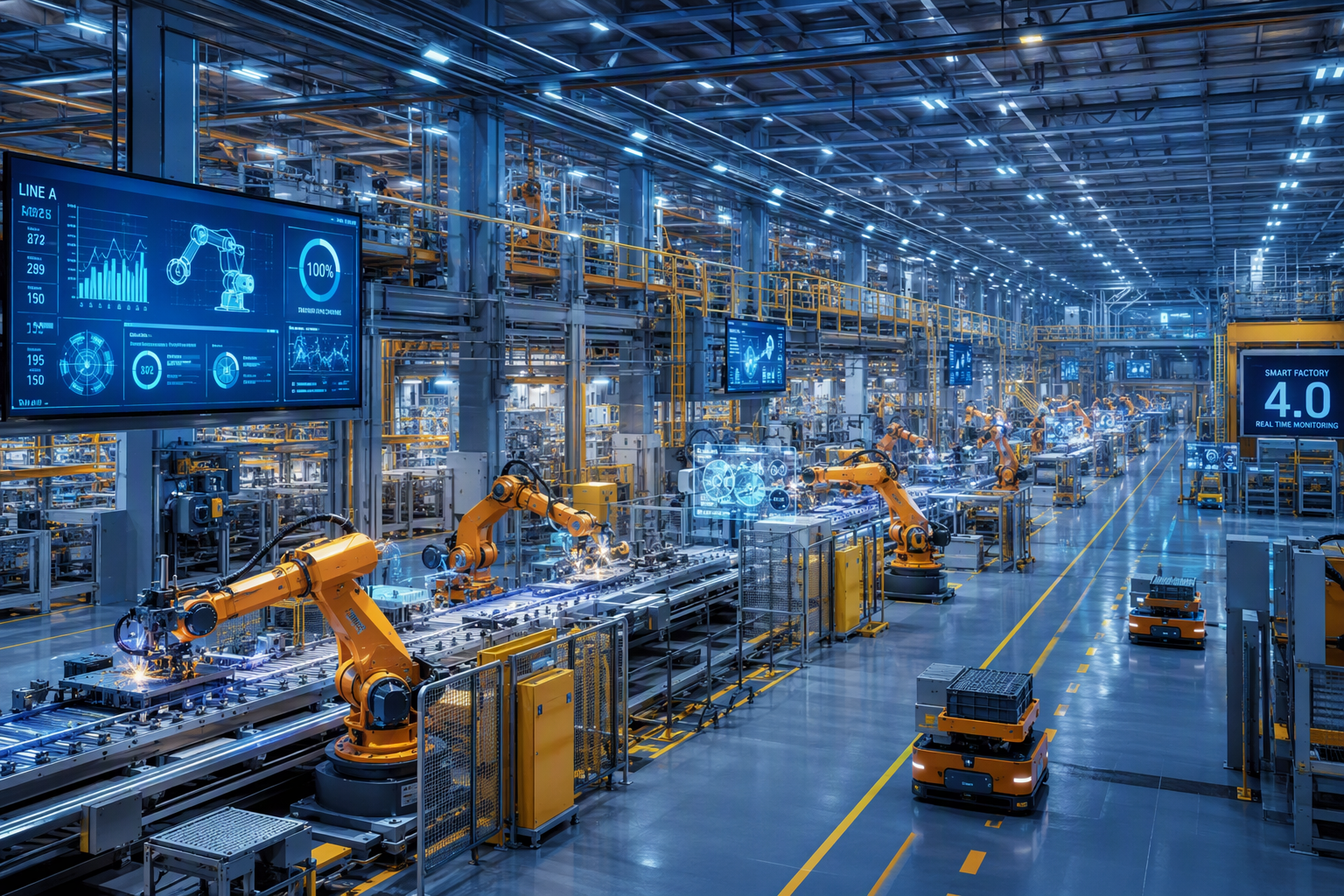
You will often find fixed automation in assembly lines supported by conveyor systems, robotic stations, and dedicated machinery. These setups are ideal for repetitive tasks such as sorting, packaging, moving parts, or completing standard assembly actions. Because the sequence stays mostly unchanged, performance can be very predictable.
This type of system helps reduce cycle times and improve throughput. It also lowers the need for direct human intervention in routine work. For operations with steady demand, fixed automation can be a practical way to control costs and maintain stable output.
Flexible and Programmable Automation Technologies
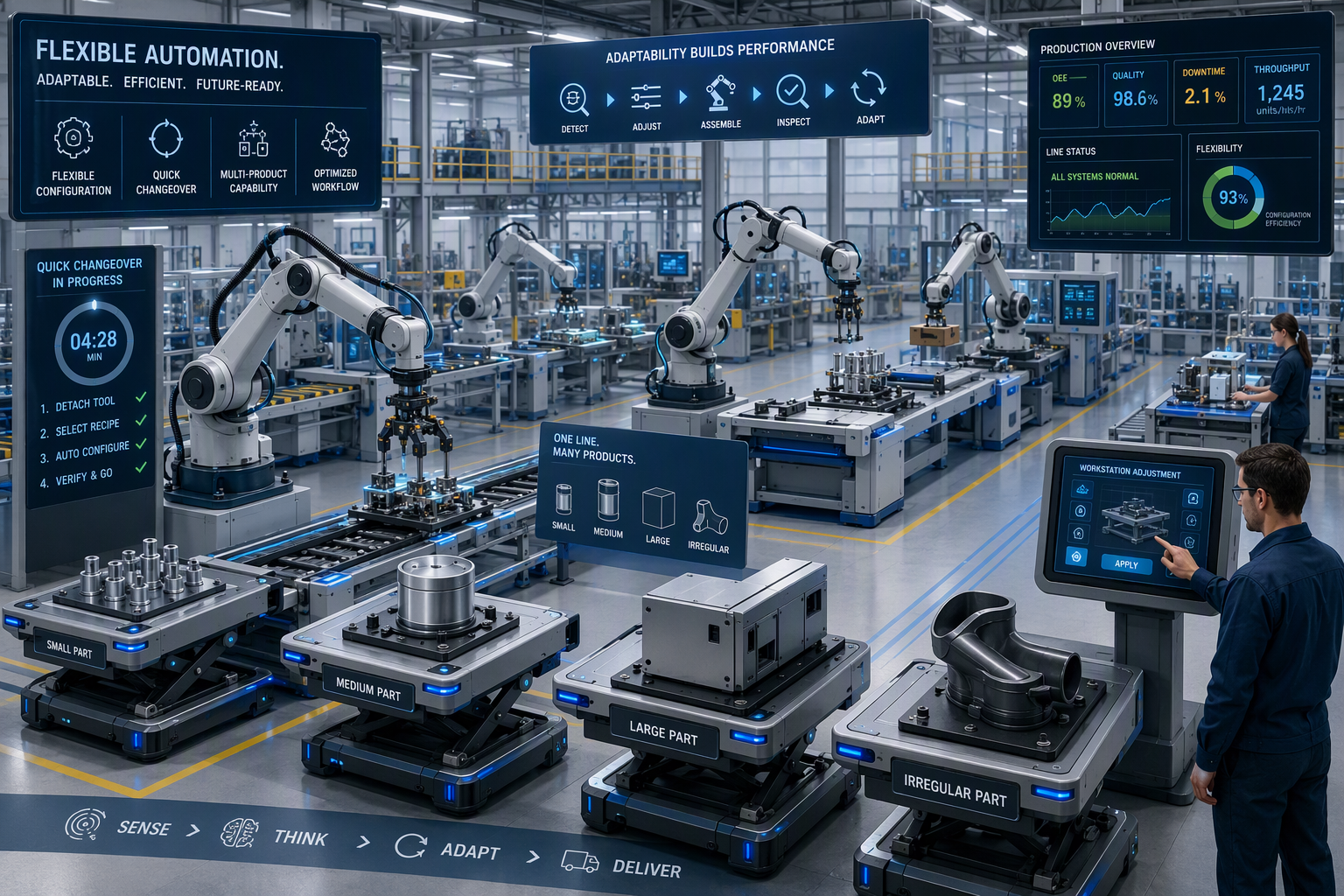
Not every factory makes the same item all day. That is where programmable automation and flexible automation become useful. These systems are built for production environments that need faster changeovers, different product runs, or the ability to adjust processes without rebuilding the whole line.
In many cases, automation technology such as industrial robots and machine vision makes this possible. Reprogrammable machines can switch tasks with stored settings, while visual systems inspect products, check alignment, and detect defects in real time. This supports better quality and a more adaptable workflow.
Flexible setups are especially valuable when demand shifts or product mixes change. They allow manufacturers to respond faster, keep output stable, and extend the useful life of equipment. For businesses managing variety, that adaptability can be a major advantage.
Major Benefits of Implementing Industrial Automation
The main reason companies invest in industrial automation is simple: they want stronger performance. Automation helps factories run faster, reduce delays, and handle demanding schedules with fewer disruptions. That leads directly to better operational efficiency and shorter cycle times.
There is also a quality and cost side to the decision. Businesses often gain cost savings through lower waste, better process stability, and improved compliance with quality standards. The next sections break down how automation boosts productivity and helps maintain consistent output.
Enhanced Productivity and Operational Efficiency
One of the clearest benefits of automation is better productivity. Machines can work continuously, handle repetitive tasks faster than people, and support tighter process control across the line. That helps factories produce more without adding the same level of manual effort.
For many businesses, improved operational efficiency shows up in practical ways:
- Faster throughput on production lines and assembly areas
- Lower labor costs tied to repetitive manual work
- Reduced delays through better monitoring and control
- More manageable production schedules during busy periods
Just as important, automation changes how people spend their time. Employees can move from routine handling into monitoring, maintenance, and quality-focused work. That shift supports efficiency, reduces strain, and helps your operation perform more consistently day after day.
Improved Product Quality and Consistency
Quality matters in every industry, and automation helps protect it. When machines repeat the same task with programmed precision, there is less variation from one item to the next. That makes it easier to meet quality standards and deliver consistent quality at scale.
A major reason for this improvement is reduced human error. Manual work can be affected by fatigue, misjudgment, or missed steps. Automated systems stay within defined parameters, which strengthens quality control and lowers the risk of defects caused by inconsistent handling.
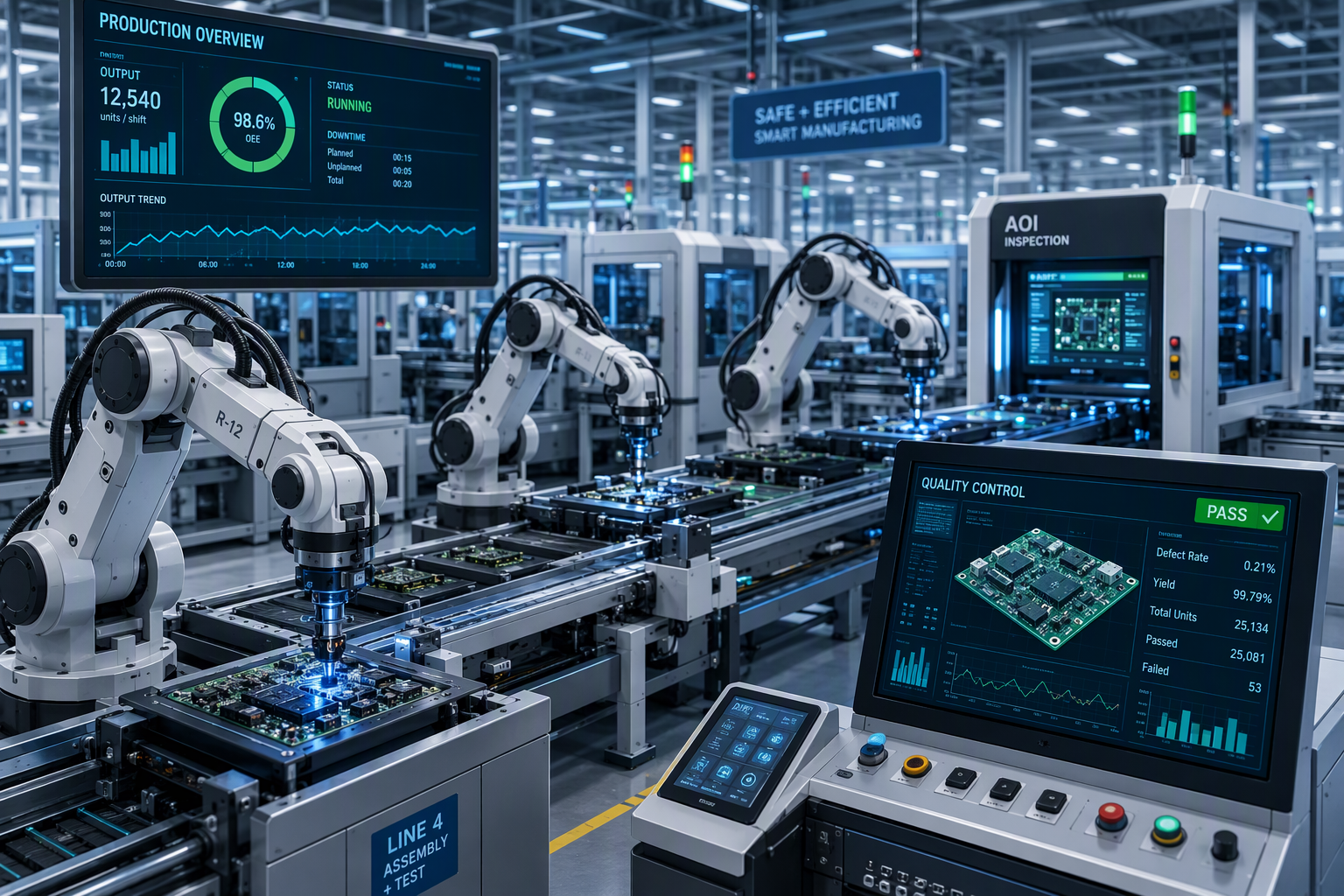
Automation services also support better inspections and continuous improvement. With machine vision, sensors, and data analysis, factories can spot issues earlier and adjust the production process before problems spread. The result is stronger product quality and better customer confidence.
Industry Applications: Where Automation Delivers Value
Industrial automation creates value across various industries because many sectors face the same pressures: faster delivery, better consistency, lower waste, and safer operations. Whether the goal is speed, precision, or hygiene, automation can strengthen the manufacturing process in measurable ways.
You can see this impact in high-volume plants as well as tightly controlled environments. From automotive lines to pharmaceutical production, automation helps businesses improve reliability and support customer satisfaction. The following examples show where these gains are most visible.
Manufacturing, Automotive, and Electronics Sectors
The manufacturing industry is one of the biggest users of industrial automation. Companies use automated systems for assembly, testing, packaging, and material movement. This helps increase output while keeping the production process more stable and predictable.
In automotive operations, automation supports precision engineering, repetitive assembly work, and higher production rates. Robotics are especially useful where tasks must be repeated with exact accuracy. That improves consistency and helps reduce process variation across large production volumes.
Electronics manufacturers also benefit because many components require careful handling and close inspection. Automation helps manage small parts, quality checks, and fast-paced workflows with less error. For sectors where precision and speed matter, these tools offer clear value.
Food Processing, Chemicals, and Pharmaceutical Industries
Some sectors need more than speed. They also need strict control over safety, hygiene, and precision. That is why food processing, chemicals, and pharmaceuticals rely heavily on automation for industrial processes that must stay consistent and well monitored.
In food processing, automation helps with handling, packaging, and quality inspection while supporting hygiene standards. In chemicals, automated systems manage complex reactions and monitor emissions. In pharmaceuticals, precision is critical for dosage, packaging, and lab-related tasks, where reducing human error is essential.
| Industry |
How Automation Delivers Value |
|---|---|
| Food Processing |
Supports hygiene, efficient packaging, and quality inspection |
| Chemicals |
Manages complex industrial processes and helps monitor compliance |
| Pharmaceuticals |
Improves accuracy, reduces human error, and supports precise production |
Choosing the Best Industrial Automation Provider
Choosing among industrial automation companies is not only about technology. You also need a partner that understands your process, your goals, and the level of support your team will need after installation. The right provider should match solutions to your operation, not force a generic setup.
Many automation companies offer automation services, integration, and engineering services, but their strengths can differ. Some focus on robotics, others on control systems or long-term support. The next sections explain what to evaluate before making your decision.
Key Factors to Consider for Your Business Needs
Before selecting an automation provider, start with your business needs. Think about your current process, the problems you want to solve, and how much flexibility you may need later. A good fit should support both present demands and future growth.
Here are a few factors worth reviewing:
- Experience with systems that match your process and production goals
- Ability to provide support, updates, and maintenance after launch
- A clear view of initial investment versus expected cost savings
- A practical approach to quality, safety, and customer satisfaction
It also helps to ask how the provider handles customization and integration. The best partner will explain the system clearly, align recommendations with your operation, and focus on measurable improvements instead of selling unnecessary complexity.
Services Offered by Leading Automation Companies in the United States
Leading automation companies in the United States are known for building, integrating, and supporting systems that improve industrial performance. Industrial automation companies typically offer services such as system design, installation, software updates, monitoring tools, and ongoing technical support.
Well-known names in the market include Schneider Electric and Rockwell Automation. These companies are associated with control systems, process management, and broader automation services used in manufacturing and other industrial settings. Their solutions often support real time monitoring, equipment control, and production optimization.
When you compare providers, look beyond the brand name. The strongest option for your facility will be the one that can align technology with your workflow, maintain the system over time, and help your team use it effectively.
Industrial Automation and Sustainability
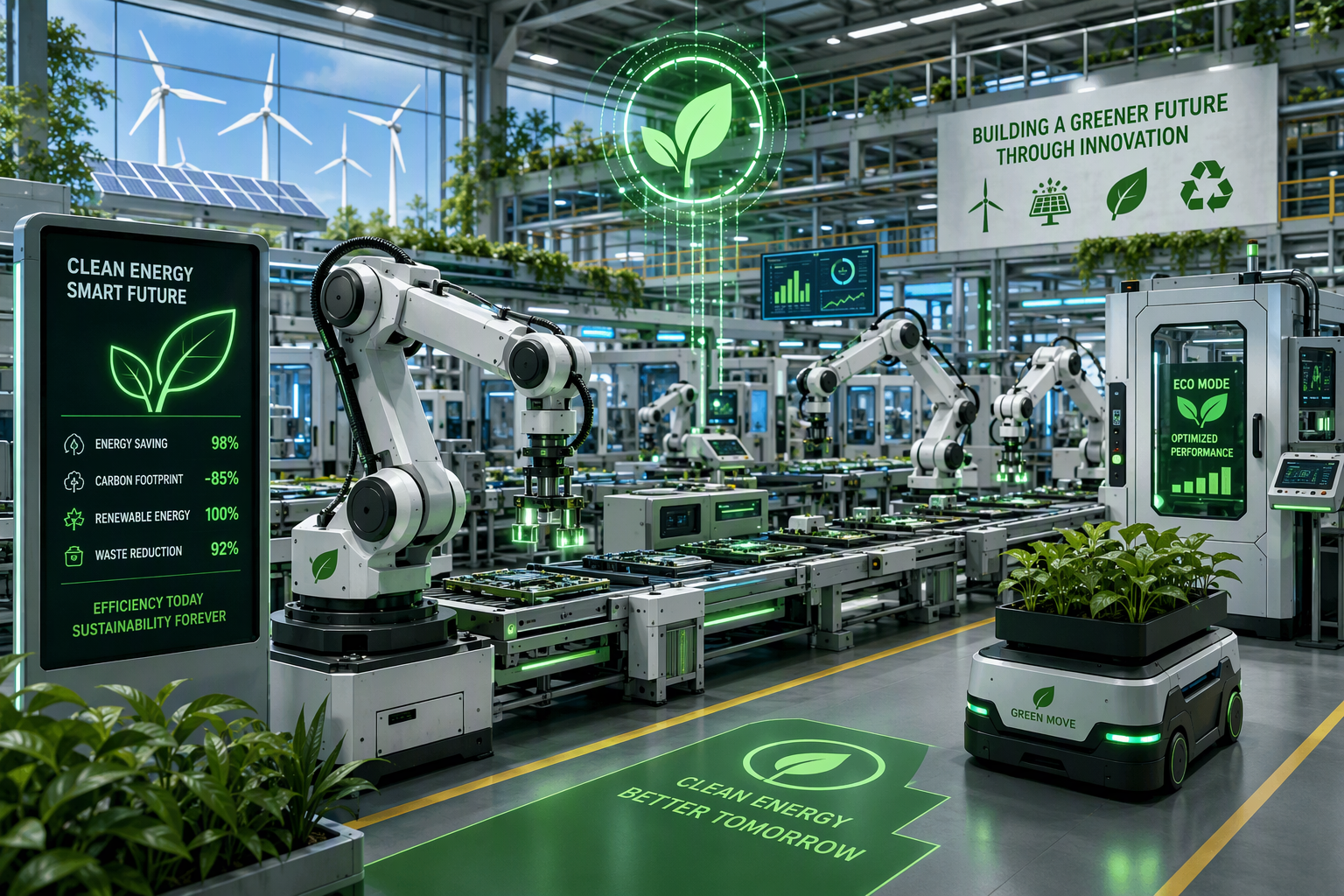
Automation is not only about speed and cost. It also plays a useful role in sustainability by helping factories use resources more carefully. Better timing, tighter control, and improved monitoring can reduce unnecessary movement, defects, and waste across the line.
That links directly to energy efficiency and green manufacturing goals. When a system lowers energy consumption and supports cleaner operations, it helps both the business and the environment. The next sections show how automation reduces waste and supports broader sustainability efforts.
Reducing Waste and Energy Consumption
A well-designed automation system can make the production process more efficient from end to end. When equipment moves with better timing and fewer mistakes, factories use less material and avoid unnecessary rework. That supports waste reduction without slowing output.
Several automation practices help lower energy consumption and resource loss:
- Smarter material handling that reduces unnecessary movement
- Predictive maintenance that prevents breakdowns and inefficient operation
- Better monitoring that catches process problems before waste builds up
- More accurate control that reduces defects and scrap
These improvements matter because waste and energy loss often come from inconsistency. By keeping machines within target conditions, automation helps facilities operate more efficiently and makes sustainability goals easier to manage in daily production.
Supporting Green Manufacturing Initiatives
Green manufacturing depends on better control, lower waste, and more efficient use of energy. That is exactly where process automation can help. By planning movements and tasks more precisely, automated systems reduce unnecessary actions that add to cost and environmental impact.
Industrial robots also support eco-friendly operations when they are used for repeatable, accurate tasks. Fewer defects mean fewer discarded products, and better timing can lower total resource use. Data tracking adds another benefit by helping managers measure emissions, waste, and energy performance more closely.
For businesses focused on sustainability, automation provides practical support rather than abstract promises. It helps turn environmental goals into measurable operating improvements, which is often the most effective way to make green manufacturing work over time.
Real-World Success Stories of Industrial Automation
Success stories help show what automation looks like outside theory. When a company improves output, cuts waste, or strengthens quality through better systems, the value of automation technology becomes easier to see. These results often come from practical process changes, not dramatic overhauls.
A strong case study usually highlights higher throughput, lower costs, and better reliability. It also shows how businesses gain a competitive edge by making production more stable and responsive. The examples below reflect those common outcomes.
Case Study: Increased Output and Lower Costs
Consider a manufacturer struggling with busy schedules, slow throughput, and rising operating pressure. After adding an automation system to the production line, the company can improve flow, reduce manual bottlenecks, and keep equipment running more consistently across each shift.
This kind of process automation often increases output because machines handle repetitive tasks faster and with fewer pauses. It also supports lower costs by reducing labor demands in routine areas, cutting waste, and limiting downtime linked to poorly timed maintenance or process variation.
The real gain is not just speed. It is control. With better monitoring and more reliable execution, the business can meet demand more confidently, shorten cycle times, and run a more predictable production environment.
Case Study: Automation-Driven Quality Improvements
Now think about a company facing inconsistent output and too many defects. By adding automation-driven inspection tools, sensors, and better controls, it can strengthen quality inspection at multiple points in the line rather than waiting until the end to find problems.
This approach improves quality control because issues are spotted earlier and corrected faster. Machines follow programmed standards more closely than manual processes, which helps protect product quality and reduce the variation that often leads to rework or rejected items.
Over time, these improvements do more than reduce defects. They also improve customer satisfaction by making products more dependable. For brands competing on reliability, that steady quality can become a real market advantage.
Conclusion
In conclusion, embracing industrial automation solutions can significantly transform your operations by enhancing productivity, improving product quality, and ensuring consistent results. With various types of automation available, including fixed and flexible systems, businesses in sectors such as manufacturing, automotive, and food processing can leverage these technologies to reduce waste and energy consumption while supporting sustainable practices. Selecting the right automation provider is crucial for maximizing these benefits, allowing you to tailor solutions to your specific needs. If you’re ready to take the next step towards optimizing your operations through automation, consider reaching out for a free consultation to explore how these solutions can work for you.
Frequently Asked Questions
How does an industrial automation system improve factory operations?
An automation system improves operational efficiency by controlling machines, tracking conditions, and reducing delays across a manufacturing facility. It limits unnecessary human intervention in repetitive tasks, supports steadier production, and helps workers focus on monitoring, quality checks, and problem-solving instead of constant manual handling.
What are the most common types of industrial automation solutions?
The most common industrial automation approaches include fixed automation for high-volume repetitive work, programmable automation for changeable production runs, and flexible automation for faster product switching. These automation solutions help businesses match system design to output goals, process complexity, and demand changes.
Which industries benefit most from automation technology?
Many manufacturing industries benefit from automation technology, especially consumer goods, electronics, chemicals, and pharmaceuticals. These sectors often need better speed, tighter quality control, safer handling, and more consistent production. Automation helps them reduce errors, improve output, and maintain standards in demanding environments.